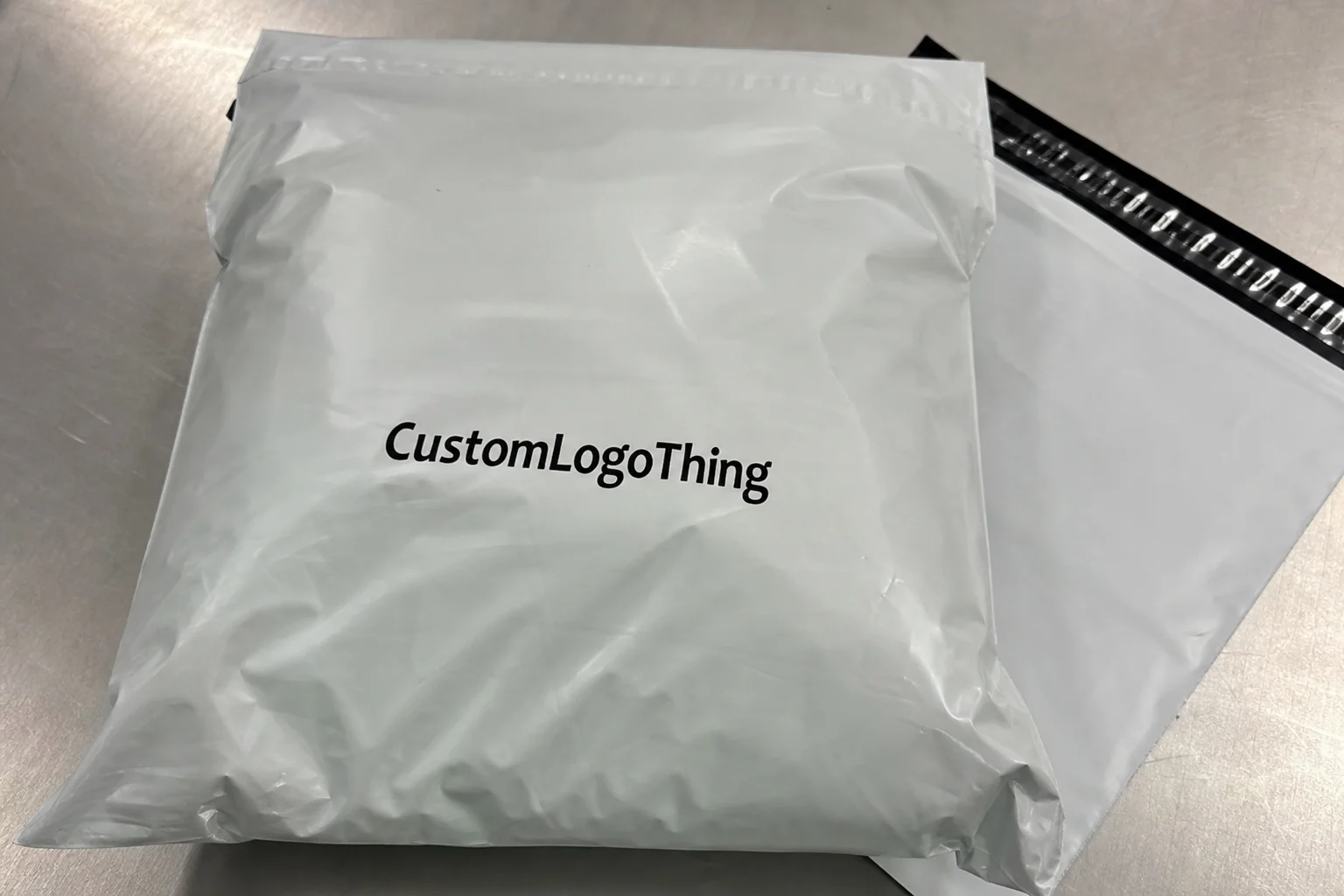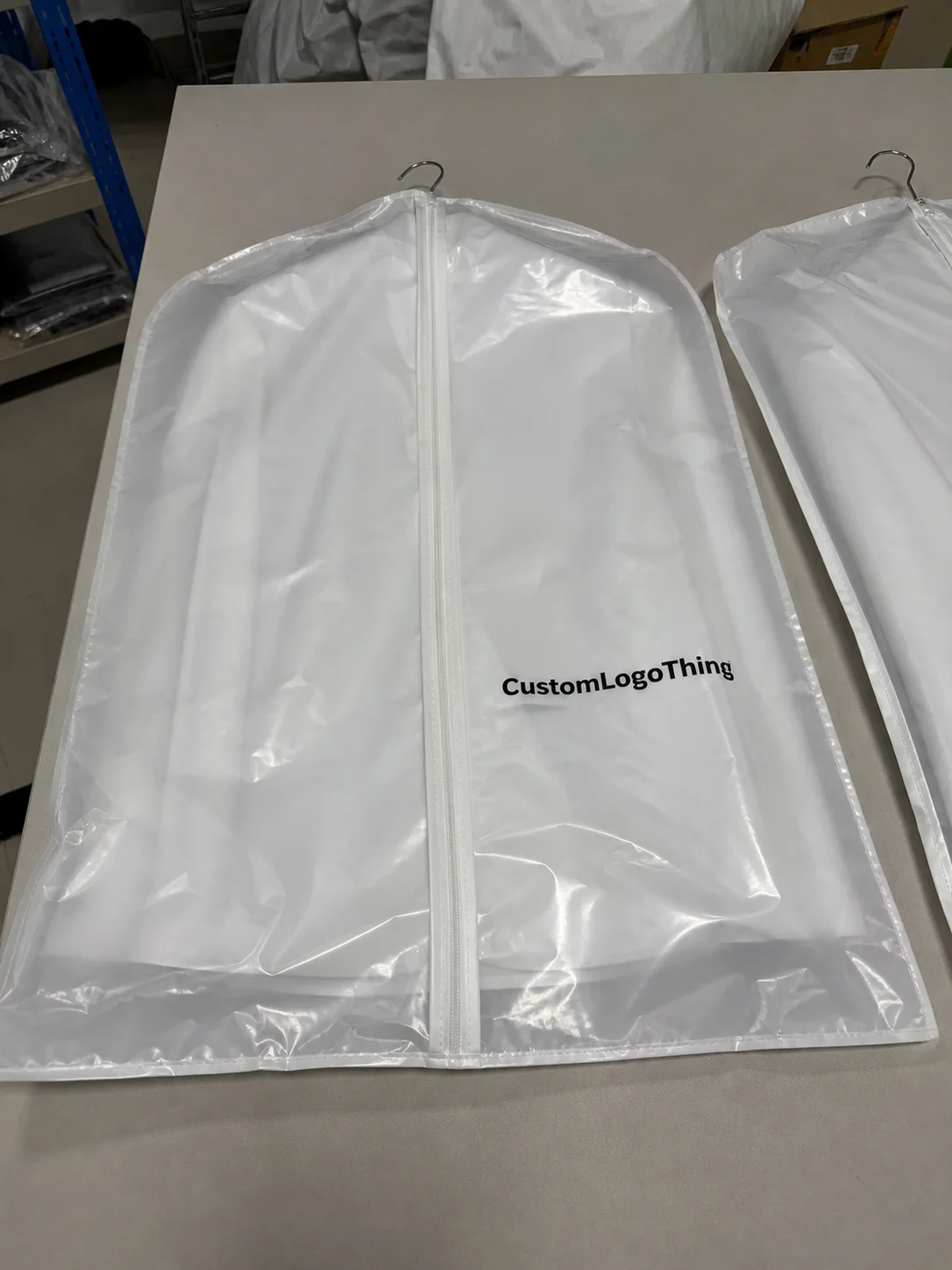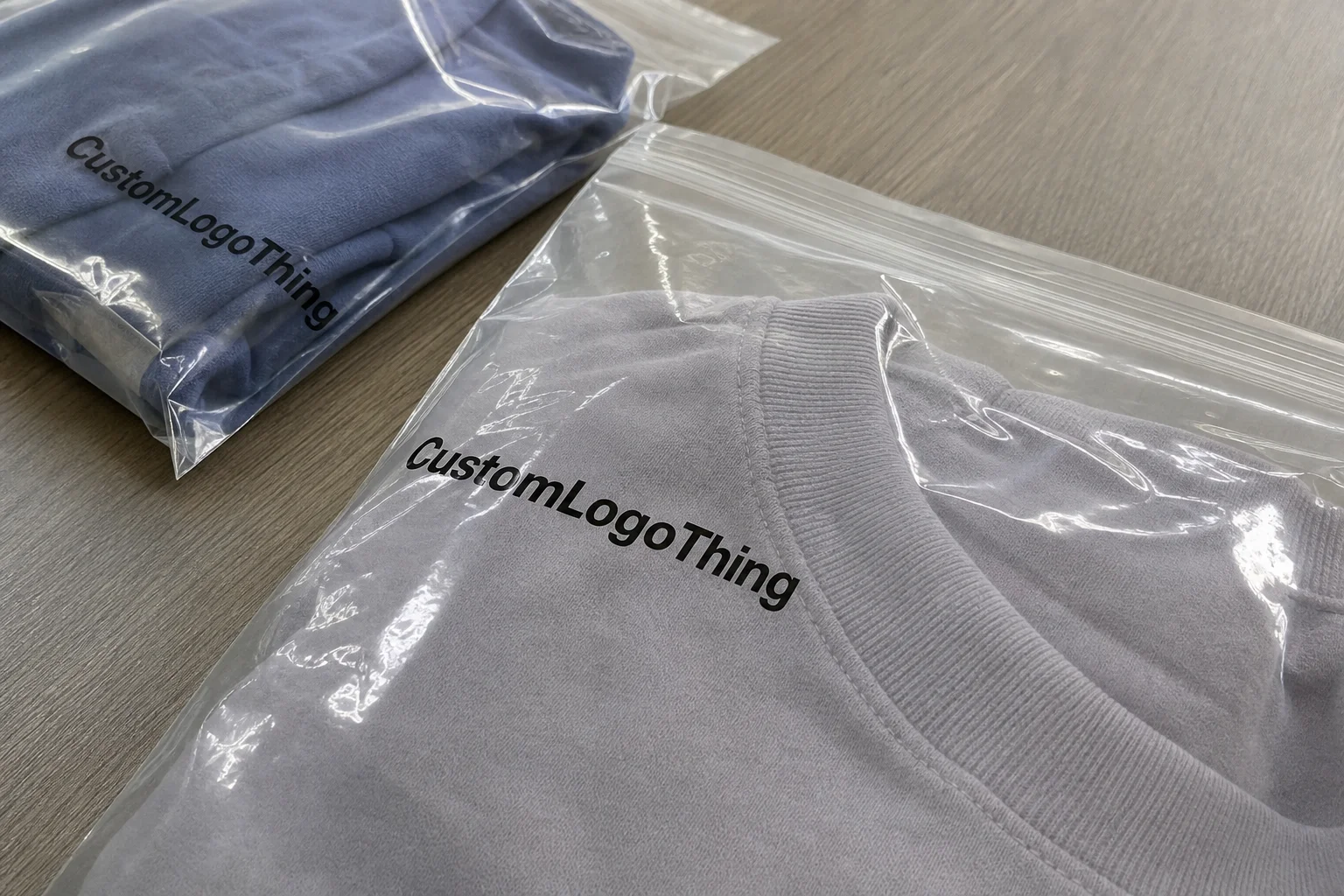
Buyer Fit Snapshot
| Best fit | Order Seasonal Promotional Packaging Kits projects where brand print, material claims, artwork control, MOQ, and repeat-order consistency need to be specified before quoting. |
|---|---|
| Quote inputs | Share finished size, material target, print colors, finish, packing count, annual reorder estimate, ship-to region, and any compliance wording. |
| Proofing check | Approve dieline scale, logo placement, barcode or warning zones, color tolerance, closure strength, and carton packing before bulk production. |
| Main risk | Vague material claims, crowded artwork, missing packing details, or unclear freight terms can make a low unit price expensive after revisions. |
Fast answer: Order Seasonal Promotional Packaging Kits: Quote Scope, Sample Proof, MOQ, and Lead Time should be specified like a repeatable production item. The safest quote records material, print method, finish, artwork proof, packing count, and reorder notes in one written spec.
Production checks before approval
Compare the actual filled-product size with the drawing, then confirm tolerance on folds, seals, hang holes, label areas, and retail display edges. Reserve space for logos, QR codes, warning copy, and material claims before decorative graphics fill the panel.
Quote comparison points
Review material grade, print process, finish, sampling route, tooling charges, carton quantity, and freight assumptions side by side. A quote is only useful when the supplier can repeat the same color, closure quality, and packing count on the next order.
On a pack-out line in a crowded fulfillment center, seasonal bundles are usually the first pallets to move. That says a lot about buyer behavior. Retailers, franchise operators, and marketing teams do not want six separate parts to track if they can Order Seasonal Promotional Packaging kits as one coordinated solution. The kits arrive with printed cartons, inserts, and branded details aligned to the launch date, often built around a 350gsm C1S artboard sleeve or a 32 ECT corrugated mailer depending on the shipment. I remember one holiday rollout where a foil sleeve showed up before the inner tray, which was a lovely little disaster, honestly. We spent half a day moving inventory around because the project had been split into too many pieces. I have also watched a well-planned seasonal kit go from approved proof to store floor in under three weeks because every component was engineered together from the start, with a typical 12-15 business day production window from proof approval and a truck booked out of Charlotte, North Carolina.
The practical reason order seasonal promotional packaging kits keeps winning over piecemeal packaging is simple. Buyers get faster merchandising, a cleaner shelf presentation, and less internal assembly work for teams that are already stretched thin. The look matters, sure. The bigger win is the drop in decision fatigue. Once the carton size, print method, insert style, and pack-out sequence are standardized, the endless back-and-forth tends to stop. That saves time whether the calendar says back-to-school, spring promotion, holiday gift set, or a trade show launch with a fixed ship date in Dallas, Texas. And yes, fixed ship dates are the part that make everyone suddenly discover how much they “love” urgent emails.
Why Seasonal Packaging Kits Move Faster Than Standalone Packaging
Seasonal bundles outperform single-pack items because the buyer is really purchasing time, consistency, and fewer handoffs. When a retail chain asks to order seasonal promotional packaging kits, they are not only looking for custom printed boxes. They are trying to avoid the scramble of sourcing carton stock, insert materials, tissue, labels, and display-ready outer packaging from different vendors with different lead times. I remember a cosmetics client in New Jersey who tried to handle that with three suppliers. One missing insert spec cost them a week of launch delay and overtime on the line. The next season, we turned the whole program into one kit with locked dielines, 350gsm C1S covers, and pre-approved Pantone colors. The warehouse manager later told me the pack-out team cut assembly time by nearly 30% at the Edison, New Jersey facility.
The shelf-ready case is hard to ignore. Retailers like coordinated retail packaging because it removes guesswork at store level. If the sleeve, carton, and hang tag already match the seasonal theme, a merchandiser can place the set immediately without extra labels or instructions. That is why brands that order seasonal promotional packaging kits often get stronger presentation in endcaps, sidekicks, and promotional displays. Coordinated package branding signals planning, not improvisation. It also saves store staff from the dreaded “where does this go?” question, which, in my experience, is usually asked ten times in a row by one person who absolutely should have been on break.
Franchise owners and in-house marketing departments tend to feel the payoff even faster. A standardized kit means less training for staff, fewer packing errors, and fewer replacement parts sitting in storage because somebody ordered the wrong insert height or carton depth. Packaging design is not only about polish. It is about reducing operational friction. When a seasonal launch has a hard date, every component should be measured, proofed, and approved as one system. Corrugated plants and folding carton lines run best when they can repeat a specification instead of chasing revisions. In a plant near Atlanta, Georgia, one extra millimeter on a tray insert once caused a full afternoon of rework; a one-piece kit would have prevented it.
Seasonal deadlines sharpen the need for discipline. Back-to-school kits often need to ship before July inventory peaks. Holiday programs compete for press time with every other brand in the market. Spring promotions can get squeezed by weather delays and freight congestion. If you plan to order seasonal promotional packaging kits too late, the problem is rarely just the box. It is the cascade of missing approvals, late print files, and unfinished finishing details like spot UV or foil stamping that should have been locked earlier. Strong packaging manufacturers coordinate dielines, inserts, and print finishes together so production does not clog at the exact moment the sales team needs product on the floor. In practice, that often means final proof approval by Monday and palletized freight rolling out of a regional production hub within two to three weeks, depending on the build.
For buyers comparing options, the tradeoff is easier to see in a side-by-side view:
| Approach | Typical Use | Operational Impact | Approximate Cost Profile |
|---|---|---|---|
| Standalone components | Small internal programs, one-off test runs | More vendor coordination, more receiving checks | Lower upfront unit cost, higher admin cost |
| Integrated seasonal kits | Retail launches, holiday sets, event promotions | Faster pack-out, better consistency, fewer errors | Moderate unit cost with better total program value |
| Premium retail kits | Gift sets, influencer mailers, luxury promotions | Highest visual impact, more finishing steps | Higher unit cost, stronger presentation |
If speed and brand consistency matter, order seasonal promotional packaging kits is usually the cleaner move. If the goal is one-time experimentation, standalone sourcing can still make sense. The right choice depends on quantity, complexity, and the channel you are selling into, plus the city where the packaging will be packed and shipped from—Chicago, Illinois, for example, behaves differently from a smaller regional DC in Tulsa, Oklahoma.
What’s Included When You Order Seasonal Promotional Packaging Kits
Buyers who order seasonal promotional packaging kits usually expect more than a simple printed box, and that expectation is fair. A complete kit can include printed cartons, mailer boxes, sleeves, product inserts, tissue, labels, hang tags, and outer packaging built for display or shipping. I have stood at a folding carton line in Pennsylvania where the job traveler included all six components in one pack-out sequence. The workflow difference was obvious. Operators were not hunting for parts, and the QC station could verify fit before pallets were wrapped. It was one of those moments where you can practically feel the stress level drop in the room. The carton spec on that run was 350gsm C1S for the sleeve and 32 ECT corrugated for the shipper, both chosen because the client needed presentation without sacrificing compression strength.
Customization is where seasonal programs earn their keep. A kit might use logo printing, seasonal artwork, hot foil stamping, embossed accents, soft-touch coating, or a color-matched interior so the inside of the package supports the same story as the outside. If you are designing branded packaging for a limited-edition launch, that inside detail matters more than many buyers realize. I have seen a simple kraft exterior with a deep red interior create a stronger holiday impression than a complicated exterior design that never quite matched the brand palette. Humans notice contrasts. They also notice when something feels intentional instead of slapped together five minutes before the meeting. A foil stamp in gold or copper can cost an extra $0.12 to $0.20 per unit on runs of 5,000 pieces, which is the kind of number that changes a budget meeting in seconds.
These kits show up across a wide range of programs. Retail promotions often need shelf-ready boxes with clear messaging. Influencer mailers need presentation and protection in equal measure. Limited-edition product drops usually require custom printed boxes with seasonal graphics that photograph well in social content. Corporate gifting programs may call for rigid chipboard, paperboard inserts, and a premium outer sleeve so the recipient feels the upgrade the moment the lid opens. That is one reason order seasonal promotional packaging kits remains a practical purchasing decision for both marketing and operations teams, especially for programs that need consistent output across multiple warehouses or regional distribution centers.
For fragile items, the structure matters as much as the print. Foam inserts can work for some electronics or glass products, but paperboard inserts, corrugated dividers, and molded pulp trays often perform better when sustainability and cost control both matter. For lightweight products, a folding carton with a snug insert keeps movement to a minimum. For multi-piece kits, a nested layout usually reduces rattling during transit and gives fulfillment staff a more obvious packing sequence. That kind of product packaging detail saves money later, especially when goods move through multiple warehouses. In one Midwestern distribution lane from Louisville, Kentucky to Columbus, Ohio, switching from foam to die-cut corrugated reduced breakage and trimmed the per-kit cost by roughly $0.18.
The best part of a coordinated kit is that everything arrives pre-matched. If print approvals, materials, and sizes are locked together in one procurement cycle, there is less room for mismatch between the outer carton and the insert. I still remember a restaurant chain order where the sleeve was approved in one color profile and the tray in another. The discrepancy was minor on a screen and obvious under warehouse lighting. After that, the client insisted on one master proof process for every seasonal rollout. They were right to do it. One proof set, one measured run, one delivery window from the plant to the warehouse—less room for error at every step.
If you need a starting point for related packaging categories, our Custom Packaging Products page is a useful place to compare structures, finishes, and retail packaging options before you finalize a seasonal kit specification.
Here are the most common kit elements buyers ask us to combine:
- Printed cartons for core product housing and shelf appeal
- Mailer boxes for DTC and influencer shipments
- Sleeves for fast seasonal branding updates
- Product inserts made from paperboard, corrugated, foam, or molded pulp
- Labels and hang tags for compliance or promotion copy
- Tissue, wraps, and outer cartons for premium unboxing and freight protection
Seasonal Packaging Kit Specifications Buyers Should Confirm
Before you order seasonal promotional packaging kits, the first conversation should be about specifications, not artwork. I have watched too many projects slow down because a buyer loved the mockup but never confirmed the carton style, substrate, or pack-out sequence. The core specs to verify are box style, dimensions, substrate type, print method, finish, insert material, and the exact order in which the products will be packed. That list may sound basic, yet it prevents the most expensive mistakes. Honestly, I think this is where a lot of “simple” packaging projects quietly go off the rails, especially when a 250-unit test becomes a 10,000-unit production run without a clear spec sheet.
Material choice is where many programs are won or lost. Corrugated board is often the right answer for shipping strength and warehouse durability. Rigid chipboard gives premium presentation and stiffness. SBS paperboard fits folding cartons with strong print fidelity. Kraft stock brings a natural look that works well for seasonal promotions with a more understated feel. Recycled-content alternatives are increasingly common, but they should be checked for caliper, print surface, and coating limits. If the packaging must survive stack loads in a fulfillment center, I would not treat a recycled sheet the same as virgin fiber board without testing it first. A 350gsm C1S artboard sleeve may look elegant, but it will not perform like double-wall corrugated in a freight lane from Houston, Texas to Denver, Colorado.
Color management is another area where details matter. CMYK production can be efficient, but Pantone matching is often the better option when brand consistency is non-negotiable. If the seasonal program spans multiple SKUs or multiple plants, proofing against brand standards becomes essential. A client once asked us to match a deep evergreen across a sleeve, a tray, and a hang tag. The first digital proof looked fine on screen, but under factory light the greens separated just enough to feel off. We corrected it with a tighter Pantone reference and a revised press proof. Physical samples beat digital assumptions every time, especially when the final print run is scheduled in a different country and color drift can cost a reprint.
Regulatory and product-fit concerns should also be part of the order discussion. Food-safe applications need different material and coating decisions than cosmetics. Cosmetics packaging may need compatibility with oils, fragrances, or leakage risk. Transit testing is wise for programs moving through parcel carriers or distributor networks. If you are planning to order seasonal promotional packaging kits for retail and e-commerce at the same time, ask whether the structure can handle both shelf appearance and shipping abuse. The answer is not always yes, and anyone telling you otherwise is probably skipping the testing stage. In the U.S., ISTA 3A or 6-A tests are a common benchmark, while overseas shipments may need extra edge-crush validation.
When I quote a job, I ask for five things up front: target quantity, unit weight, product dimensions, pack-out environment, and launch date. That short list gets us much closer to a realistic structure and a realistic budget. If you leave out the packing environment, for example, we may design a kit that looks perfect on a table but struggles in a humid distribution center where the corrugated board absorbs moisture and loses stiffness. That kind of detail is routine on factory floors, and it is why experienced packaging design teams insist on the operational side of the brief. A warehouse in Miami, Florida will punish board performance far faster than one in Phoenix, Arizona.
For buyers who want a technical benchmark, the following resources are worth keeping on hand during specification review: the ISTA test standards for transit performance and the EPA guidance on sustainable materials and products for recycling and responsible material choices. If sustainability claims are part of the seasonal program, ask the supplier how they document fiber content and material sourcing rather than relying on broad marketing language. A true recycled-content claim should come with a paper trail, not just a green icon on a PDF.
How Pricing Works for Seasonal Promotional Packaging Kits
Pricing for seasonal programs is not mysterious, but it does have several moving parts. Buyers should ask about them one by one when they order seasonal promotional packaging kits. The main cost drivers are material choice, print complexity, finish selection, insert engineering, quantity, and shipping method. A corrugated kit with one-color print and a simple die cut is a very different production job from a rigid gift set with foil stamping, embossing, a soft-touch lamination, and a custom-fit insert that must hold three pieces of product without movement. On a 5,000-piece order, a basic mailer might land near $0.45 per unit, while a premium rigid kit can easily move into the $2.50 to $6.00 range depending on finishing and freight from the production site.
Volume matters, too. Unit price usually improves as order quantity rises because setup, proofing, and tooling get spread across more pieces. If artwork and structural tooling can be reused across a seasonal line, the economics improve even more. I have seen a buyer save meaningful money by keeping the same insert geometry and changing only the printed sleeve for each seasonal theme. That decision is not flashy, but it is how experienced procurement teams manage budget without cutting presentation quality. One client reduced the sleeve price to about $0.15 per unit for 5,000 pieces by holding the structure steady and changing only the seasonal print file.
There are also hidden cost factors that deserve attention. Prepress setup can add expense if files arrive unprepared. Sample production may be charged separately, especially for first-time projects. Freight can swing the total quote depending on destination, packaging weight, and delivery method. Specialty finishing, such as foil, embossing, or a custom matte coating, often adds both material and labor steps. If a vendor gives you only one lump sum without breaking out the details, ask for an itemized quote. It makes comparison much easier when you are reviewing multiple offers for the same seasonal program, especially if one supplier is quoting domestically and another is quoting offshore.
Here is a practical way I explain budget tiers to clients who want to order seasonal promotional packaging kits without wasting time:
| Kit Tier | Typical Construction | Common Features | Budget Range Signal |
|---|---|---|---|
| Basic | Folding carton or corrugated mailer | One- or two-color print, standard die cut | Best for simple promotions and internal distribution |
| Mid-tier | Custom printed box with insert | Full-color print, matte or gloss finish, branded labels | Common for retail and DTC seasonal programs |
| Premium | Rigid set-up box, multi-part kit | Foil, embossing, soft-touch, custom interior print | Used for gift sets, luxury launches, and high-visibility campaigns |
One integrated kit order can also reduce separate vendor costs and admin time. Instead of paying one supplier for the box, another for labels, and a third for inserts, you deal with one coordinated production plan. That is not always the cheapest line item on paper, but in the field it often becomes the best total value. Less receiving, fewer invoices, fewer miscommunications, and fewer gaps between approvals and production all have real dollar value. And fewer “quick questions” from three different vendors at 4:52 p.m. on a Friday, which is its own special form of character development. I have seen that save a brand nearly $1,200 in avoidable rush fees on a two-month campaign.
If you want a broader sense of sourcing formats and volume programs, our Wholesale Programs page can help you compare how larger packaging runs are structured for recurring seasonal demand.
Process and Timeline to Order Seasonal Promotional Packaging Kits
The workflow is straightforward once everyone agrees on the sequence. You start with discovery, then move into spec confirmation, dieline development, proofing, sampling, production, finishing, and shipment. That sounds tidy on paper, but the real value comes from the checkpoints. If you want to order seasonal promotional packaging kits on time, you need signoff at each stage, because every late revision touches another department: prepress, die cutting, printing, converting, and freight. A well-run program can move from approved dieline to shipped cartons in 12-15 business days after proof approval, while a premium rigid set with foil and inserts may need three to four weeks.
Seasonal work should be planned early, especially when multiple components require matching print and coordinated assembly. I have seen holiday projects delayed because the box art was approved before the insert art, which forced a second plate review and a recheck of color balance. If the kit includes foil stamping, embossing, or a custom-shaped insert, give yourself more time than you think you need. Those features are not difficult for an experienced plant, but they do add scheduling pressure when the lines are full. A foil-heavy run may book faster in September than in November, which is exactly why early approval matters.
Realistic lead times depend on the structure. A simple corrugated program may move faster than a rigid retail presentation kit, but the details matter more than the category label. Custom Die Cutting, foil stamping, embossing, specialty coatings, and insert fabrication each introduce timing checkpoints. In a busy season, a corrugated plant may be running long production shifts while the folding carton line is booked around other retail commitments. If your seasonal launch date is fixed, build buffer time for approval cycles and freight. The truck may be ready, but the dock appointment may not. I wish that were a joke; it is not. In practical terms, a domestic shipment from Atlanta to Nashville might take two business days, while cross-country freight from Los Angeles to Boston can easily add five to seven days.
I learned that lesson years ago while visiting a plant outside Chicago during the December rush. A client had approved the visual proof but had not approved the ship test, and the cartons were just a fraction too loose around the product trays. Nothing was wrong with the print, but the pack-out team could not confidently ship the kits without adjustment. We fixed the insert cut within two days, but the schedule would have been calmer if the fit test had been done earlier. That is why I push for preproduction samples and carton fit testing every time a client wants to order seasonal promotional packaging kits for a hard launch. A single fit test at the Chicago plant saved one brand from a 2,400-unit rework and a missed Friday cutoff.
Use this sequence as a practical roadmap:
- Discovery call with product dimensions, launch timing, and quantity targets
- Specification review covering substrate, print method, finishes, and insert style
- Dieline and structural planning to confirm fit and pack-out order
- Artwork proofing against brand standards and color references
- Sample or prototype for fit, look, and handling review
- Production with agreed QC checkpoints
- Shipment and receiving with freight timing built into the schedule
That process may sound disciplined, and it is. Seasonal packaging does not forgive chaos. If you keep the approvals tight and the data accurate, the project usually moves smoothly. If you do not, the schedule starts slipping one small item at a time. On a project with a July launch date, even a 48-hour delay in artwork approval can push the freight booking into the next week and eat the margin almost instantly.
Why Custom Logo Things Is the Right Production Partner
Custom Logo Things is the kind of partner I trust because the conversation starts with production reality, not sales fluff. That matters. When a team understands corrugated plants, folding carton converting, print registration, and finishing consistency, they can tell you what will actually run well instead of promising whatever sounds easiest to hear. If you want to order seasonal promotional packaging kits with confidence, you need a supplier that knows how a die line behaves after coating, how a tray fits after the board gains or loses a little stiffness, and how assembly changes when a fulfillment center packs 3,000 units a day instead of 300. A supplier should be able to explain that difference in plain English.
I like working with teams that coordinate structural design, material sourcing, and final production under one managed workflow because fewer handoffs usually mean fewer errors. On factory floors, I have watched good programs fail at the seams simply because one vendor owned the print, another owned the insert, and nobody owned the final fit check. A single production-minded partner can keep those issues visible from the start. That is especially useful for seasonal programs where timing is tight and the packaging has to support both brand presentation and operational throughput. A 350gsm C1S sleeve, a die-cut insert, and a corrugated shipper all need to be checked against the same master spec sheet before anything goes to press.
Dependable communication is not a nice extra; it is part of the product. Clear specifications, realistic timelines, and honest feedback about lead times are what keep seasonal promotions on schedule. If a finish choice adds five days, say so. If a kraft board will not reproduce a specific color as richly as SBS paperboard, say that too. I respect suppliers who are direct about constraints, because those are the teams that help buyers make better decisions. Clients come back when they need to order seasonal promotional packaging kits again for the next launch cycle, and that usually tells you more than any pitch deck. A good partner will quote a basic kit in hours, not days, and will be able to say whether your preferred finish adds $0.08 or $0.18 per unit at 10,000 pieces.
Quality control is another area where experience shows. We look for fit checks, print inspections, and packing verification before shipment, because a beautiful box that arrives with a warped panel or a loose insert is not acceptable. In one meeting with a beverage client, the conversation turned to whether a paperboard divider was enough for pallet movement over a 900-mile freight lane. We tested it, adjusted the board grade, and avoided a costly field failure. That is the kind of practical problem-solving buyers should expect from a real packaging partner. One adjusted divider grade in a facility outside Portland, Oregon saved the client from replacing 1,800 units mid-season.
For brands that need a broader range of support, our FAQ page covers common packaging questions, while our production process can also be aligned with recurring programs that sit under package branding, not just one-off seasonal campaigns. The point is simple: the right partner should make the program easier to run, not harder to explain. If your supplier can handle a recurring spring line from Minneapolis, Minnesota and a holiday campaign from Orlando, Florida without changing the process every time, that is a strong signal.
“The best seasonal package is the one the warehouse can pack without a second conversation.”
That line came from a fulfillment manager I worked with in a cold-storage facility, and it stuck with me because it captures the truth of the business. Good seasonal packaging has to look strong, ship safely, and assemble quickly. If it does all three, it earns its place. I have seen that principle hold up on runs as small as 500 units and as large as 50,000.
Next Steps to Order Seasonal Promotional Packaging Kits
If you are ready to move, start by gathering the basics: product dimensions, target quantity, seasonal launch date, preferred materials, and the packing method you need on the floor. That simple set of information helps a production team quote accurately and reduces back-and-forth. When buyers order seasonal promotional packaging kits without those details, they often receive estimates that are too broad to be useful. Nobody benefits from that. A quote for 1,000 units in Seattle will not look the same as a 20,000-unit run destined for Atlanta, especially if the freight method changes.
Send brand files, reference packaging examples, and any compliance requirements at the same time. If the kit must meet a retail display standard, say so early. If the program is e-commerce first, the ship test matters more than shelf appeal. If the product is fragile, food-related, or cosmetics-based, those constraints should be visible before sampling begins. A little clarity up front usually saves days later. I have seen a single missing barcode spec delay production by 48 hours because the print files had to be reopened, rechecked, and reapproved.
Decide whether the kit needs retail display strength, e-commerce durability, or premium gift presentation. Those three goals are related, but they are not identical. A display box may need stronger corners and cleaner print registration. A mailer may need crush resistance and secure closure. A gift kit may need rigid presentation and specialty finishes. I always encourage first-time buyers to request a sample or prototype before final production, because a physical sample settles questions that a PDF never will. A prototype from a regional converter or a domestic plant can reveal fit issues within minutes.
Here is a simple checklist you can use before you order seasonal promotional packaging kits:
- Product dimensions and unit weight confirmed
- Seasonal launch date and receiving window confirmed
- Material preference selected: corrugated, rigid chipboard, SBS, kraft, or recycled-content board
- Print method and finish choices reviewed
- Insert style and pack-out sequence approved
- Brand files and reference artwork sent
- Sample or prototype requested for first-time programs
If you work through that list, the process becomes much easier to manage. You get a cleaner quote, a more accurate sample, and a better chance of hitting the launch without last-minute surprises. That is the real value of planning early, and it is why so many retailers, event marketers, and product teams continue to order seasonal promotional packaging kits as a coordinated program rather than a stack of disconnected pieces. On larger runs, that planning can lower the landed cost by reducing expedited freight and avoiding reprints that would otherwise eat into margin.
When you are ready, reach out with the dimensions, quantities, and launch timing, and ask for an itemized quote that shows materials, print, finishing, and freight separately. That level of clarity makes comparison easy and keeps the project grounded in facts. If you want seasonal packaging that looks right, packs right, and arrives when it should, order seasonal promotional packaging kits with a partner that understands the floor, the files, and the timeline. A straightforward quote can tell you whether your program is built for 12 business days or 21, and that difference can make or break a seasonal launch.
FAQ
How early should I order seasonal promotional packaging kits?
Plan as early as possible, ideally before artwork is finalized, so there is time for sampling and revisions. If the program includes specialty finishes, die cutting, or freight to multiple locations, I would add extra buffer because peak seasonal demand can fill production calendars quickly. For many standard runs, starting 6-8 weeks ahead of the launch date gives you enough room for a sample and one revision cycle.
What information do I need to request a quote for seasonal promotional packaging kits?
Provide product dimensions, quantity, target launch date, preferred materials, print requirements, and packing method. Include artwork files, brand standards, and any special compliance or retail display needs so the quote reflects the real production scope instead of a rough estimate. If possible, mention whether the cartons will ship from Chicago, Los Angeles, or an overseas plant, because freight changes the total price quickly.
Can seasonal promotional packaging kits be customized for different product sizes?
Yes, kits can be engineered with different inserts, dividers, and carton styles to fit multiple product formats. A good manufacturer will confirm fit, stacking strength, and shipment durability before production, especially if the same seasonal theme needs to support more than one SKU. A single master design can often be adapted from a 250 ml bottle to a 500 ml bottle by changing the insert cut and the carton depth.
What affects the cost most when I order seasonal promotional packaging kits?
Material choice, order quantity, print complexity, finishing options, and insert construction are the biggest cost drivers. Freight and sampling can also affect the total budget, so ask for itemized pricing if you want to compare options fairly. A basic corrugated mailer might be priced near $0.30 to $0.60 per unit at 10,000 pieces, while a premium rigid kit with foil and embossing can be several dollars per unit.
Do I need a sample before placing a full order?
For first-time seasonal programs, a sample is strongly recommended to verify fit, print appearance, and pack-out sequence. A preproduction sample can prevent expensive errors when the seasonal launch date is fixed and there is little room for revision. Even a simple physical prototype can reveal if a 350gsm C1S sleeve sits too tight or if the insert needs another 1.5 mm of clearance.