Most buyers do not need 10,000 stickers. They need single custom stickers for event handouts, ecommerce inserts, sample kits, or a limited promotion without tying up cash in inventory. The main decision is not just artwork. It is format.
Single stickers are individually cut pieces supplied with their own liner. That makes them different from sheets, roll labels, and packaging labels meant for machine application. Terms like Die Cut Stickers, kiss cut stickers, decals, and labels are often used loosely, but the format affects packing speed, storage, application, and cost.
For buyers, the useful questions are practical: what material fits the job, what affects price, how long production takes, and what file setup avoids proof delays. Those details determine whether the order arrives ready to use or creates more work at the packing table.
Why Single Custom Stickers Fit So Many Short-Run Jobs
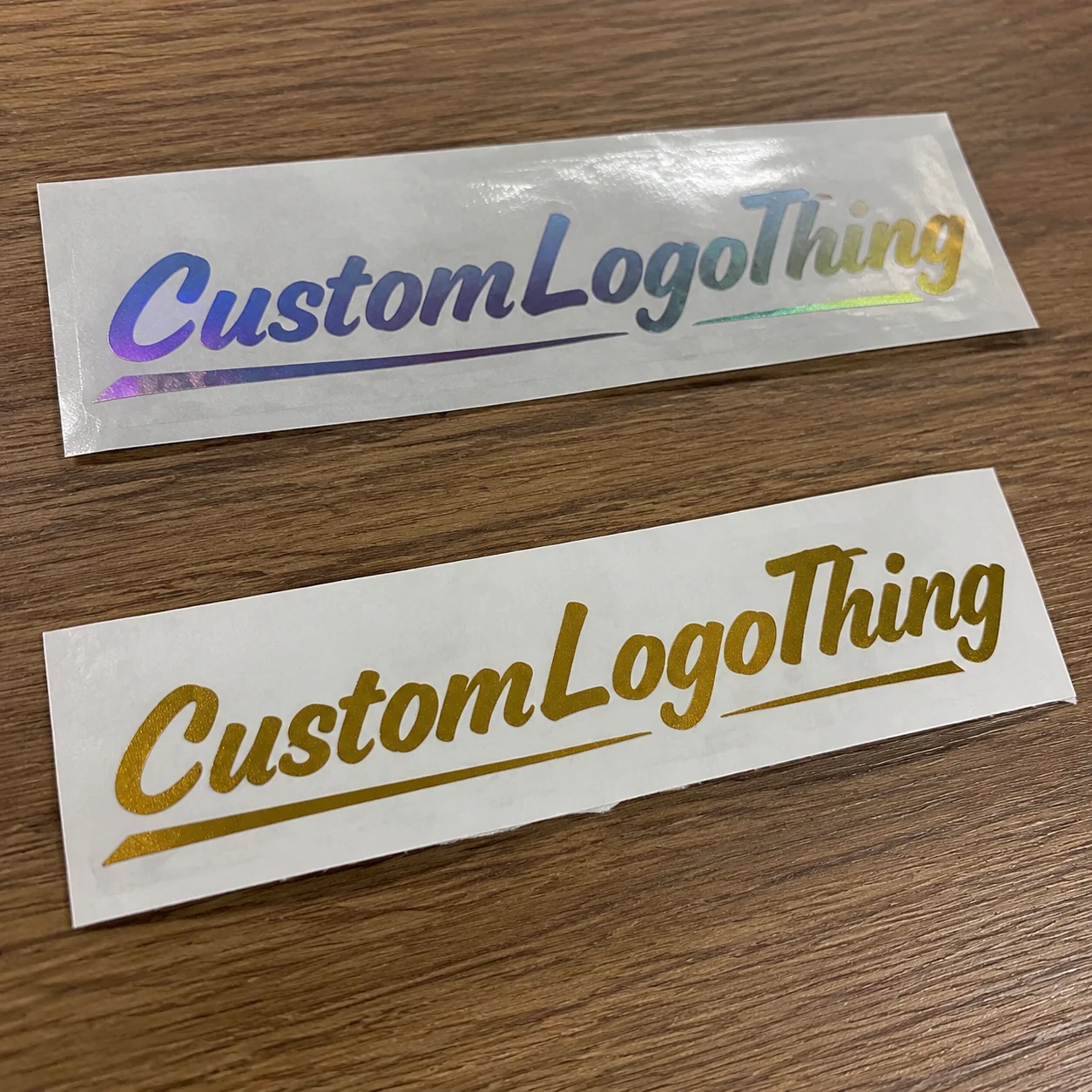
Short runs solve common low-volume needs: startup mailers, retail pop-ups, seasonal inserts, influencer kits, and test promotions. The advantage is simple. Each sticker is already separated and ready to hand out or pack.
Labor is often the hidden cost. If staff must peel pieces from crowded sheets or separate labels from a roll one by one, kitting slows down. For manual packing, booth giveaways, and one-at-a-time application, singles usually create a cleaner workflow.
Presentation matters as well. A die cut piece with its own liner looks intentional. A sticker pulled from a sheet feels improvised. That difference is noticeable in direct-to-consumer mailers, retail packaging, and branded handouts.
Singles also fill a different role than labels. If your team already uses Custom Labels & Tags for jars, pouches, cartons, or boxes, single stickers are usually the better fit for inserts, promo kits, and other hand-applied uses where roll labels are unnecessary.
How Single Custom Stickers Are Made From Artwork to Finished Piece
The process is straightforward: artwork review, proofing, printing, finishing, contour cutting, counting, and packing. If a laminate is specified, it is usually applied before the final cut. Those steps affect not only appearance but also peel ease, stiffness, and durability.
For short runs, digital printing is usually the best fit because it avoids plate costs and handles quantities like 50, 100, 250, or 1,000 efficiently. It also works well when an order includes multiple versions of the same design.
Contour cutting creates the finished shape. A cutter follows a vector path around the artwork to make a circle, rectangle, oval, or custom outline. Cut tolerance matters. Many shops work around ±1/32 inch to ±1/16 inch depending on size, shape, and equipment. Very thin borders leave little room for normal movement, so a slightly wider white border often looks more balanced.
Construction starts with the face stock and adhesive. Face stock is usually paper or vinyl. Adhesive may be permanent or removable. Finish may be gloss or matte. Together, those choices determine water resistance, scratch resistance, outdoor life, and price.
The liner matters more than many buyers expect. A good backing liner adds stiffness, helps the sticker peel cleanly, and reduces curling on smaller sizes. For merch tables, event handouts, and manual kitting, individual liners make singles easier to handle than sheet formats.
Durability comes from the full construction, not the design. Laminated vinyl with permanent adhesive can last months or years indoors and often around 1 to 3 years outdoors depending on sun, moisture, abrasion, and surface conditions. Paper without lamination may be fine for dry box inserts but is usually the wrong choice for bottles, coolers, or frequently handled items.
What Specs Matter Most for Single Custom Stickers
Material should match the use case. Paper works for dry indoor inserts, short promotions, and low-cost handouts. Vinyl is the safer choice when the sticker may face moisture, friction, refrigeration, repeated handling, or outdoor exposure.
Adhesive is just as important. Removable adhesive fits short campaigns or situations where clean removal matters. Permanent adhesive is better for decals, packaging upgrades, and stickers meant to stay put. Surface still matters: corrugated board, glass, PET, HDPE, and textured plastics do not behave the same way.
Finish affects both appearance and wear. Gloss boosts color and gives a more promotional look. Matte reduces glare and often feels more refined, though scuffs can show more on dark solid areas. If the stickers support custom printed boxes or a broader packaging design, the finish should match the rest of the pack.
Shape affects cost and usability. Standard circles, squares, rectangles, and ovals are easier to quote and produce. Custom shapes stand out, but sharp points, deep notches, and intricate inner cuts can create finishing and peeling problems.
Size should match the job:
- 1 to 2 inches for small inserts, compact promos, and QR-driven pieces where readability is checked carefully.
- 2 to 3 inches for laptop stickers, event giveaways, and general branded handouts.
- 3 to 5 inches for larger decals, binders, and more visible giveaway use.
Small text is a common failure point. Type below about 6 pt can become risky depending on font, weight, contrast, and print method. Thin reversed lines and undersized QR codes cause similar problems. If a QR code is part of the design, test it at final size before approval.
| Option | Best For | Durability | Typical Cost Level |
|---|---|---|---|
| Paper + permanent adhesive | Dry indoor product packaging, inserts, short promos | Low to moderate | Lowest |
| Paper + removable adhesive | Temporary handouts, short-term decorative use | Low | Low |
| Vinyl + permanent adhesive + laminate | Laptops, bottles, gear, outdoor handouts | High | Medium to high |
| Vinyl + removable adhesive | Short campaigns on smooth surfaces | Moderate | Medium |
What Affects Pricing on Small Sticker Runs
Pricing is driven by setup labor, material, finish, cut complexity, quantity, packing, and shipping. Small orders have higher unit costs because setup is spread across fewer pieces, even though the total spend is still much lower than a bulk run.
A basic paper short run may land around $0.25 to $0.80 per piece at lower quantities. Laminated vinyl Die Cut Stickers often fall around $0.60 to $2.00+ each depending on size, quantity, and construction. Unit cost usually drops noticeably at 500 or 1,000 pieces.
After quantity, material is usually the biggest pricing variable. Paper is less expensive than vinyl. Lamination, white ink, metallic effects, clear stock, unusual adhesives, and oversized dimensions all increase cost. Shape matters too: a standard circle is easier to produce than a detailed outline with narrow points or interior cuts.
Packing can also change the quote. Multiple designs may print efficiently on digital equipment, but counting and sorting still add labor. If you need exact bundle counts or split packs by design, state that up front.
Common cost drivers include:
- Rush production
- Split shipments to multiple addresses
- Several proof rounds caused by unclear specs
- Special materials not stocked regularly
- Hand counting or custom bundle packing
When requesting quotes from suppliers that also offer Custom Packaging Products, use the same format each time: exact size, quantity, shape, material, finish, adhesive if known, and intended use. That makes pricing easier to compare and recommendations more accurate.
What Should You Expect for Production Time and Shipping?
Lead time usually includes quote review, artwork check, proof approval, print scheduling, production, finishing, packing, and shipping. For straightforward jobs, production after proof approval often runs around 3 to 7 business days. More specialized orders may take 7 to 12 business days. Transit time is separate.
The biggest buyer-controlled delay is proof approval. Jobs often stall because final size, spelling, border thickness, or cut shape was not confirmed. After approval, changes can restart part of the process and move the ship date.
Other delays usually come from incomplete artwork, missing cut lines, unresolved color expectations, specialty materials, or heavy seasonal volume. If the stickers support a launch, build in time for receiving, inspection, packing, and distribution rather than planning only around print completion.
Rush production may be possible, but it usually costs more and may limit material choices. Reorders are often faster because the artwork, dimensions, and cut path are already established.
Planning tip: If the stickers are going into fulfillment kits, event packs, or refrigerated product packaging, add extra business days for receiving, inspection, and assembly.
For teams reviewing transit and handling during distribution, references such as ISTA can help, especially when the stickers are part of a kit moving through parcel networks.
How to Order the Right Sticker Format the First Time
The smoothest orders start with the application, not the artwork.
Step 1: Define the use case
List where the sticker will be applied, how long it needs to last, and who will handle it. A trade show handout, bottle sticker, and carton insert all require different specs.
Step 2: Choose material and adhesive
Use paper for dry, short-term indoor applications when budget is the main concern. Use vinyl for moisture, abrasion, or repeated handling. Choose removable adhesive for temporary use and permanent adhesive when the sticker needs to stay in place.
Step 3: Set the dimensions
Measure the real application area. If the design includes text or a QR code, print a paper sample at full size and test it in hand.
Step 4: Select finish and shape
Choose gloss for stronger color pop or matte for a quieter look. Standard shapes are simpler and usually less expensive. Custom shapes should still be practical to cut and peel.
Step 5: Prepare artwork correctly
Vector files such as AI, EPS, or press-ready PDF are usually preferred. Include bleed, often around 1/16 inch to 1/8 inch, plus a safe area so text is not too close to the cut line. If a cut path is required, place it on a separate layer and label it clearly.
Step 6: Review the proof carefully
Check final size, border balance, orientation, spelling, cut line position, and color expectations. Proofing is the cheapest place to fix a problem.
Step 7: Confirm quantity, packing, and ship date
State whether you need loose pieces, counted bundles, or split packs by design. Confirm the in-hands date, not just the ship date.
Use this checklist before sending artwork:
- Application surface identified
- Indoor, outdoor, wet, or refrigerated conditions defined
- Exact width and height confirmed
- Material and finish selected
- Adhesive preference stated
- Artwork includes bleed and safe area
- Cut path included if needed
- Quantity and packing preference listed
- Required delivery date stated clearly
If sustainability is part of the sourcing review, paper certification and material sourcing may matter. For fiber-based options, resources such as FSC can help evaluate those claims.
Common Mistakes With Short-Run Sticker Orders
The most common mistake is choosing for looks before performance. A sticker can look right on screen and still fail if it faces condensation, abrasion, or a textured surface the adhesive cannot grip well.
Size errors are also common. A design that looks balanced on screen may be too small to peel comfortably or too large for the package panel. This shows up often in product packaging work where operations discovers the problem only after delivery.
Material mismatches cause many avoidable issues. Paper is sometimes used where vinyl should have been specified, especially for stickers that will be handled often or exposed to moisture.
Artwork setup is another weak point. Low-resolution images, missing bleed, hairline details, thin reversed text, and undersized QR codes all create proofing and print problems. Some jobs on clear stock or dark surfaces also need white ink planning.
Timing mistakes round out the list. Buyers approve late, then expect standard pricing with rush handling. Short runs are most useful when they are treated as a low-risk way to test size, adhesion, and appearance before scaling up.
Next Steps for Testing and Reordering With Less Risk
Start with a short spec sheet: application surface, exposure conditions, target size, finish, quantity, and whether the sticker should remove cleanly or stay in place long term. That alone reduces back-and-forth and improves quote accuracy.
Then narrow the options to two or three realistic constructions, such as matte paper with permanent adhesive, gloss vinyl with permanent adhesive, or matte vinyl with removable adhesive. That makes comparison easier.
If the application is new, order samples or a pilot batch. This is especially helpful for refrigerated items, outdoor use, packaging inserts, and projects tied to broader package branding or branded packaging updates. A small test can reveal edge lifting, glare, peel difficulty, or size issues before more budget is committed.
When the shipment arrives, inspect it from an operations point of view, not just a design point of view. Check print sharpness, cut quality, peel ease, adhesion on the target surface, finish consistency, count accuracy, and packing condition.
For reorders, keep the approved artwork, dimensions, material, finish, and packing specs documented internally. That makes repeat orders faster and less risky.
FAQ
What are single custom stickers best used for?
Single custom stickers are best for handouts, event giveaways, influencer mailers, product inserts, sample packs, and other low-volume uses where separate pieces are easier to distribute than sheets or rolls.
How much do single custom stickers cost per piece?
Price depends on quantity, size, material, finish, cut complexity, and packing method. Short runs cost more per piece than bulk orders, but total spend stays lower. The best quote comes from sharing exact specs.
Are single die cut stickers better than sticker sheets?
For one-at-a-time distribution, merch counters, and manual packing, single die cut stickers are often the better choice. Sheets still make sense when several small designs need to stay together on one carrier.
How long does it take to produce single custom stickers?
Standard timing usually includes proofing, production, finishing, and shipping. Straightforward jobs move fastest when artwork is ready and approvals happen quickly. Specialty materials and rush requests can change the timeline.
What file do I need to order custom stickers as singles?
Vector files are usually preferred because they scale cleanly and keep edges sharp. Artwork should include bleed, a safe area, and any required cut path, and the proof should be checked carefully before production begins.