If a proof looks good on screen but disappointing after installation, the issue is often the windshield, not the print. Tint, glare, dashboard reflection, frit borders, defroster lines, and glass curvature can all change how a decal reads from outside the vehicle.
That is why windshield stickers custom orders need more planning than ordinary labels. A sharp print can still fail if it sits behind dark tint, uses the wrong adhesive, or lands in a poor location. For fleets, parking permits, school pickup tags, dealership identifiers, and event passes, those details decide whether the order works or becomes a reprint.
Windshield Stickers Custom: What They Are and Why Placement Changes Everything
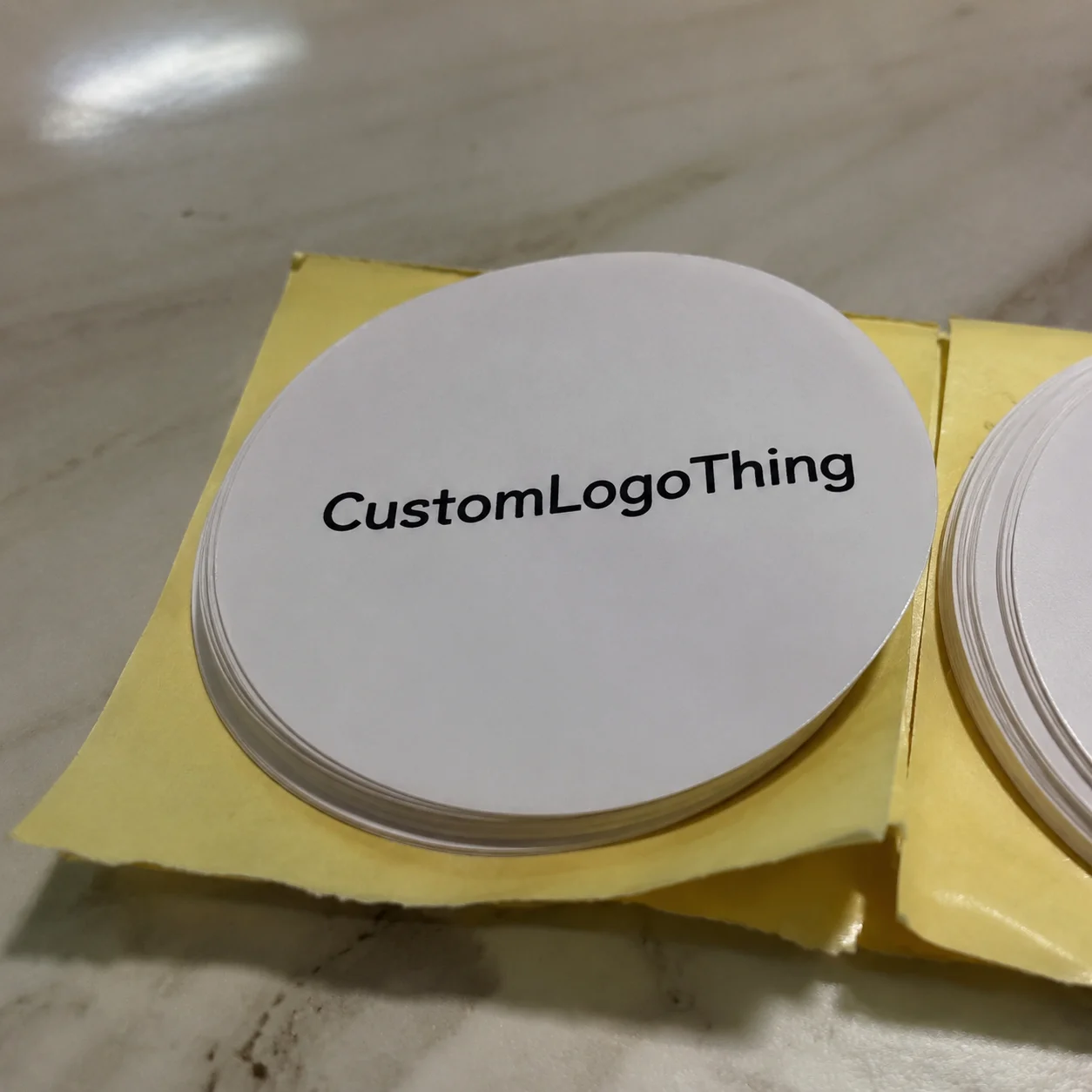
This category includes front-adhesive decals viewed through glass, standard exterior vinyl, static clings, perforated film, and permit labels with serial numbers or expiration data. They may share similar artwork, but they are not interchangeable.
Placement drives the build. A windshield decal must handle heat, changing temperatures, viewing angle, legal placement limits, and sometimes wiper contact or cleaning chemicals. Material, print direction, opacity, and finish should all be chosen from that use case.
Typical uses include:
- Business branding for service vehicles and fleets
- School pickup tags and student ID systems
- Parking permits and controlled access labels
- Dealership identifiers for inventory and lot organization
- Event passes for temporary vehicle access
- Promotional decals for vehicle glass
The key buying question is not whether a design can be printed. It is whether it will stay readable on the actual windshield in daylight, shade, rain, and nighttime glare.
“Can you print this?” is a production question. “Will it stay legible on my actual windshield?” is the buying question that prevents waste.
Before discussing finish or die line, a supplier should confirm four basics: which side of the glass the decal will sit on, whether the glass is tinted, how long it needs to last, and whether clean removal matters.
How Glass, Adhesive, and Print Direction Affect Real-World Performance
Inside-glass and outside-glass decals are built differently. If the decal is installed inside but read from outside, it usually needs front-adhesive printing. The adhesive sits on the printed side, and the artwork is mirrored in prepress so it reads correctly through the glass. Exterior decals use standard adhesive vinyl and are simpler to prepare, but they face weather, washing, and abrasion directly.
Many problems start with a proof that looked fine on a white background. On real glass, low contrast can disappear behind tint or against a dark dashboard. At night, glare from headlights or streetlights can flatten the design further.
| Option | Best Use | Typical Strength | Main Tradeoff |
|---|---|---|---|
| Front-adhesive vinyl | Inside-glass decals | Protected from weather; readable from outside | Needs mirrored art and good opacity planning |
| Standard adhesive vinyl | Exterior application | Simple print and install | Exposed to UV, washing, and wiper wear |
| Static cling | Temporary permits or short-term use | Easy removal; no permanent adhesive | Less stable in heat, humidity, and rough handling |
| Perforated window film | Large rear or side window graphics | One-way visibility and broad coverage | Not ideal for small permit-style decals |
Adhesive choice matters. Permanent adhesive is common for long-term fleet branding and permits that should not shift. Removable adhesive suits seasonal programs, visitor passes, and campaigns that change often. Static cling works best for genuinely temporary use; in hot interiors it can curl or slide if the surface prep is poor.
Durability also changes by placement. Inside-glass decals avoid rain, road salt, wipers, and most wash chemicals, so they often last well if visibility is strong enough. Exterior decals need tougher film and often benefit from lamination, especially near wiper paths or on vehicles that see frequent commercial washes.
Compliance matters too. Windshield coverage is regulated in many jurisdictions, and fleet policies may be stricter than local rules. Even a small permit should be checked for legal placement before production. The EPA offers broader transportation guidance at epa.gov/transportation, and ISTA resources at ista.org can help with packing and distribution planning for multi-site programs.
Key Specs That Decide Whether a Windshield Decal Looks Professional
The details that separate a professional windshield decal from an average one are usually opacity, line weight, adhesive type, shape, finish, print direction, and whether white ink is included where needed.
Text is often the first element to fail. Small type that prints well on paper labels can weaken on glass because viewers rarely see it straight on. Thin strokes break up in reflection, and light gray on clear film can vanish once installed over tint. If a permit number, pickup code, or lot ID matters operationally, it needs enough weight and contrast to survive those conditions.
QR codes and barcodes need the same caution. A code that scans well from a paper proof may become unreliable once glare, angle, and reduced size are added. For access control or permit systems, installed sample testing is safer than relying on the file alone.
Shape affects both installation and lifespan. Rectangles, squares, and rounded rectangles usually perform better on curved glass than intricate die cuts with spikes or narrow tails. Cleaner shapes are easier to install and less likely to lift at the corners.
Opacity is another common weak point. Clear stock may look refined in a mockup, but transparent backgrounds often lose contrast once placed against dark interior surfaces. White ink or an opaque backing layer is frequently what makes an inside-glass decal readable, especially on tinted windshields.
Finish changes readability as well. Gloss can look bright on a sample sheet but reflect heavily on glass. Matte or satin finishes often read better outdoors because they reduce glare. For windshield use, the best finish is usually the one that stays legible from multiple angles.
Variable data adds production risk. Serial numbers, expiration dates, route IDs, branch codes, and vehicle numbers require tight file control. A spreadsheet error can create sorting problems or force a reprint even if the printing itself is accurate.
Process and Timeline: From Quote to Printed Windshield Decals
The cleanest projects start with use case, not artwork. First define whether the decal goes inside or outside the glass, how long it needs to last, whether it must remove cleanly, and how visible it needs to be at the actual reading distance.
For quoting, most suppliers need final dimensions, quantity, print colors, intended placement, adhesive preference if known, and the deadline. A photo of the windshield area is also useful because it shows tint level, available space, curves, sensors, and frit zones that may not appear on a template.
Inside-glass jobs commonly stall on one overlooked detail: mirrored artwork. If the sticker will be installed inside but read from outside, the file usually needs to be reversed before print. That affects every logo, number, and line of text.
Typical lead times for standard custom windshield decals are often around 12 to 15 business days after proof approval. Simple repeat jobs may move faster. White ink layers, lamination, Custom Die Cutting, variable data, or special packing usually add time. Rush production can shorten the schedule, but it raises cost and reduces room for testing.
For fleet programs, permit systems, and school pickup tags, a pilot batch is often worth it. Installing 25 or 50 samples on real vehicles and checking visibility in morning light, afternoon glare, and at night can prevent a far more expensive full-run mistake.
Most delays come from routine issues:
- Low-resolution files or missing vector artwork
- Unclear notes on inside versus outside placement
- Late requests for white ink, lamination, or removable adhesive
- Multiple versions with inconsistent naming
- Proof changes after approval
Cost and Pricing: What Drives the Quote for Custom Windshield Stickers
Pricing is usually driven by six variables: material, size, print method, cut style, quantity, and turnaround. Once white ink, lamination, variable numbering, or individual packing are added, setup and finishing can matter almost as much as the base stock.
Small orders carry a higher per-piece cost because setup is spread across fewer units. A 50-piece permit run and a 5,000-piece fleet order may use similar artwork, but they behave very differently on press and in finishing.
As a rough planning range, basic vinyl decals or static clings at higher quantities may fall around $0.18 to $0.45 per piece for simple builds, while front-adhesive, laminated, white-ink, or full-color versions usually cost more depending on size and finishing. Small custom runs can land at several dollars per piece once setup, proofing, and custom handling are included. These are planning references, not fixed market rates.
| Spec Driver | Effect on Price | Practical Impact |
|---|---|---|
| White ink | Raises print complexity | Improves visibility on tinted or dark glass |
| Lamination | Adds material and finishing cost | Helps resist UV, abrasion, and washing |
| Custom die cut | Increases finishing time | Can improve appearance, but not always performance |
| Variable numbering | Adds file prep and version control work | Needed for permits, inventory, and fleet IDs |
| Rush turnaround | Raises production and freight cost | Useful only when timing is fixed |
Hidden costs often appear outside the print itself. Proof revisions take time. Individually bagged decals add labor. Branch-by-branch kitting, sorted numbering, and shipping to multiple locations can push fulfillment cost well above the piece price.
In many cases, spending slightly more on the right construction lowers total program cost. Better opacity, the correct adhesive, or laminated exterior film can reduce failed installs and replacement orders.
Common Mistakes That Ruin Visibility, Adhesion, or Compliance
The most common mistake is choosing the wrong application style. Exterior vinyl gets ordered for a use case that belongs inside the glass, or static cling is chosen for a long-term permit that really needs adhesive.
Another frequent problem is forgetting to mirror the artwork for inside-glass viewing. It sounds basic, but it still happens, especially on quick reorders using old files.
Sizing errors are also common. A layout that looks balanced on screen may ignore frit borders, sensor housings, defroster lines, or the curve near the top corners of the windshield. Those features reduce the true install area.
Design mistakes show up quickly on glass: too much copy, weak contrast, tiny QR codes, thin decorative rules, and transparent backgrounds. Windshield graphics usually work better with one clear identifier, one readable supporting line, and enough open space to survive glare.
Installation mistakes matter just as much. Dust, interior glass cleaners that leave residue, and textured frit areas can all interfere with adhesion. Curved edges increase the chance of wrinkles. Exterior decals without lamination in high-wear spots often fail early on frequently washed vehicles.
Then there is compliance. A decal that blocks the driver’s field of view can create safety issues, tickets, or internal policy problems. On a windshield, placement matters as much as size.
What Should You Check Before Ordering Windshield Stickers Custom?
Start with the vehicle, not the file. Measure the intended placement area on the actual windshield and photograph it. Note tint, frit borders, sensor housings, mirror mounts, and any lines or hardware that affect visibility or usable space.
Then define the decal lifespan. Is it for a weekend event, a semester-long pickup program, a six-month permit cycle, or multi-year fleet identification? That answer narrows the material options quickly.
Check readability at the real viewing distance. A school tag may be read from a car-length away. A dealership stock sticker may need to be identified across a lane. A parking permit may need clear numbering but little branding. These are different jobs even if they fall under the same product type.
Artwork prep should be clean. Use vector files when possible, outline fonts, mark final cut size, include bleed if needed, and clearly note whether the design must be mirrored for inside-glass application. If the job includes numbering or multiple versions, send one organized final data file.
A pilot batch remains one of the best checks available. Testing a small run on actual glass in real lighting will catch more practical issues than another round of screen proofs.
Useful questions for the supplier include:
- Which material fits this placement and lifespan?
- Will the artwork need mirroring for inside-glass viewing?
- Do you recommend white ink or an opaque backing for readability?
- What lead time starts after proof approval?
- How will the decals be packed: sheets, singles, or sorted sets?
If visibility matters most, prioritize contrast and opacity. If clean removal matters most, test cling or removable adhesive under real heat conditions. If durability matters most, use a vinyl construction built for the environment and do not treat lamination as optional.
For buyers ordering windshield stickers custom, the best results come from treating the windshield as a difficult surface rather than assuming it behaves like paper, plastic, or standard packaging film.
What is the best material for custom windshield stickers?
The best material depends on placement and lifespan. Front-adhesive vinyl is common for inside-glass decals, standard outdoor vinyl works for exterior placement, and static cling is better for short-term use. Tint, heat buildup, UV exposure, and removal requirements all affect the right choice.
How long do custom windshield decals usually last?
Durability depends on material, sun exposure, placement, and maintenance. Inside-glass decals are protected from weather and usually last longer than comparable exterior decals. Exterior pieces can still hold up well, but they often need tougher film and sometimes lamination.
Can custom windshield stickers be installed on the inside of the glass?
Yes. Inside installation is common for permits, pickup tags, and decals that should stay cleaner and avoid weather exposure. Those jobs usually require front-adhesive printing and mirrored artwork so the design reads correctly from outside the vehicle.
How much do custom windshield stickers cost?
Cost depends on size, quantity, material, print colors, white ink, lamination, cut style, packing format, and turnaround time. At high quantities, simple pieces may cost only a fraction of a dollar each. Small, specialized runs with custom finishing or variable data can cost several dollars per piece.
What artwork files work best for windshield decals?
Vector artwork such as AI, EPS, or print-ready PDF is usually best because it keeps text and cut lines sharp. Files should show final size, color expectations, bleed if required, and clear notes on mirroring for inside-glass application. High-contrast artwork tends to perform better than delicate detail on real windshields.