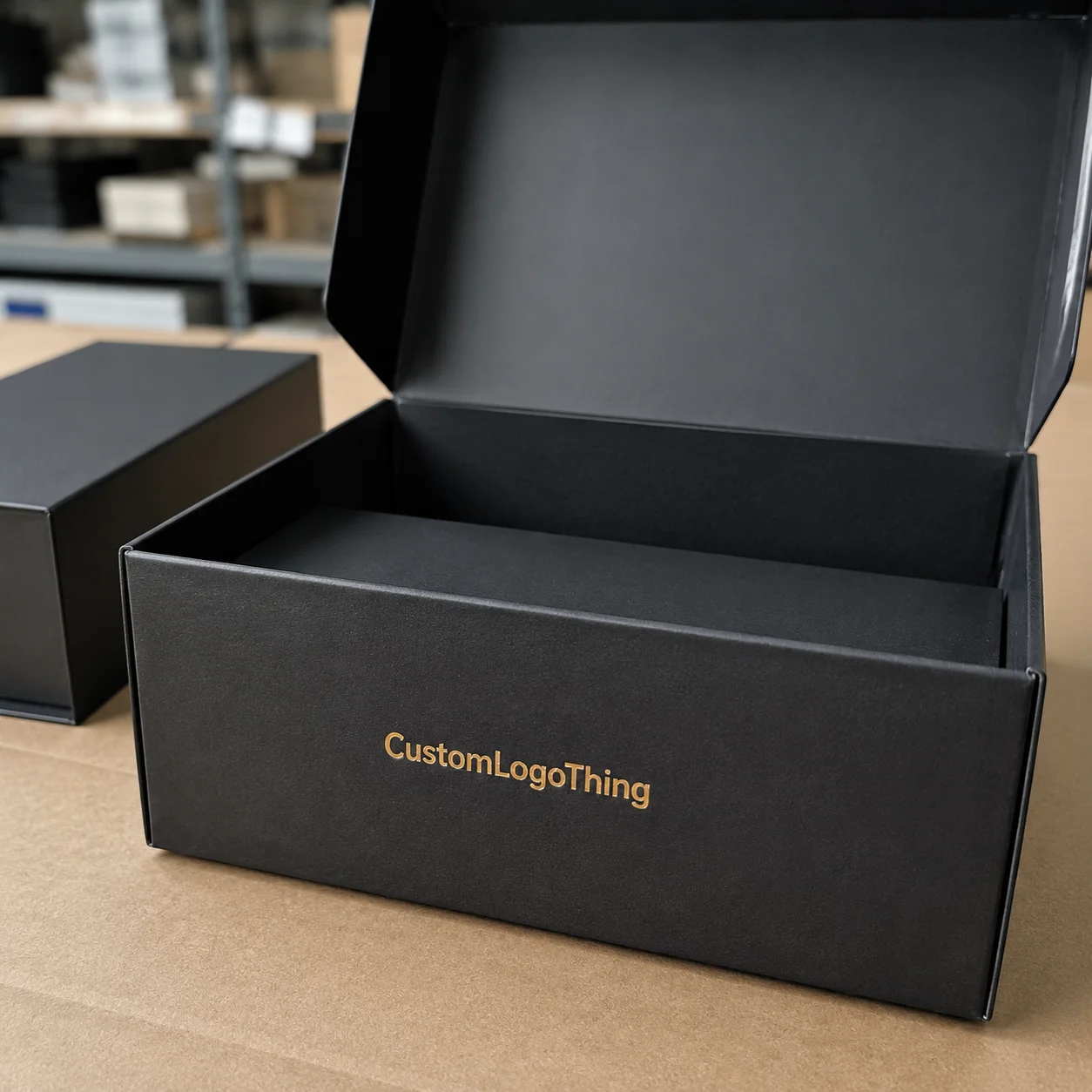
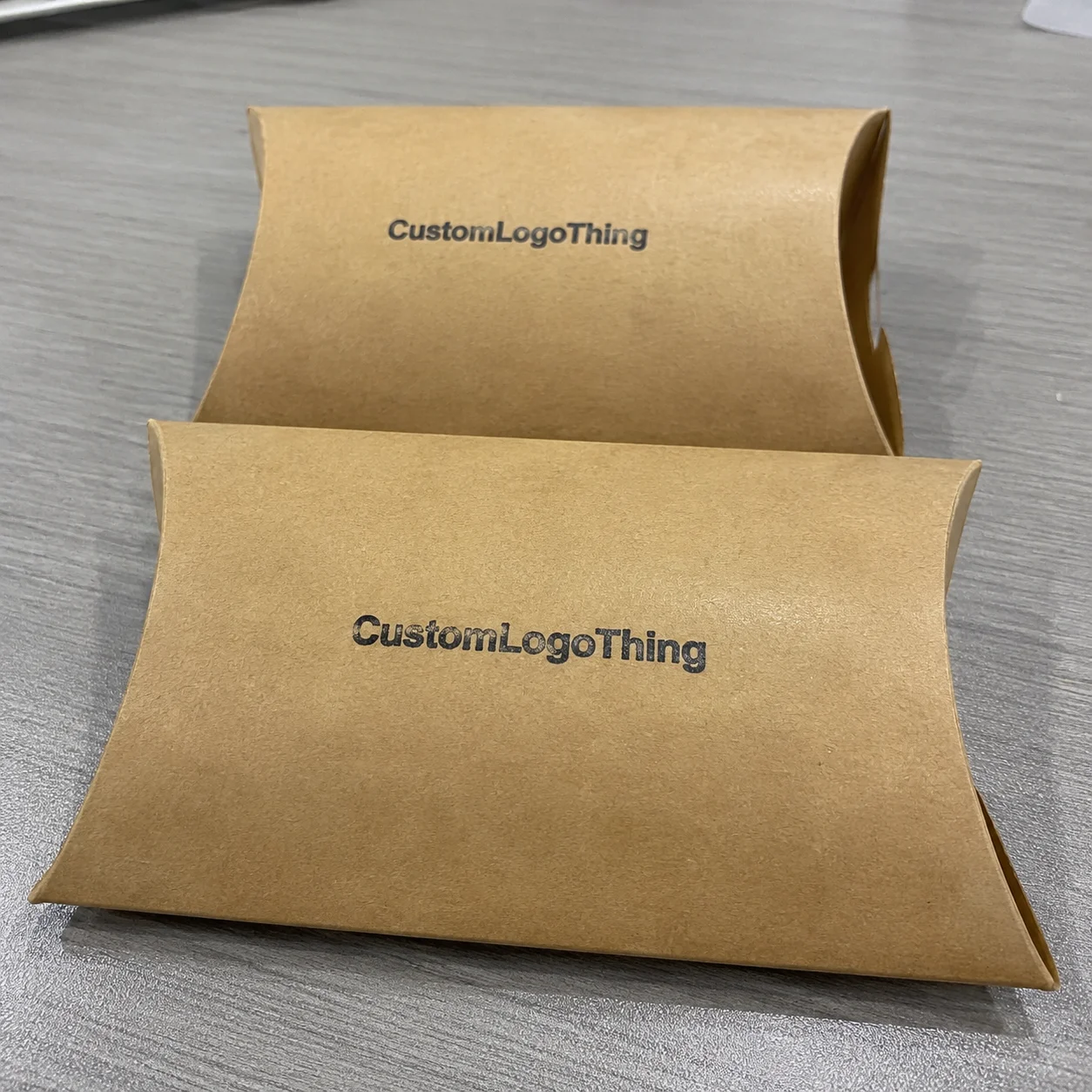
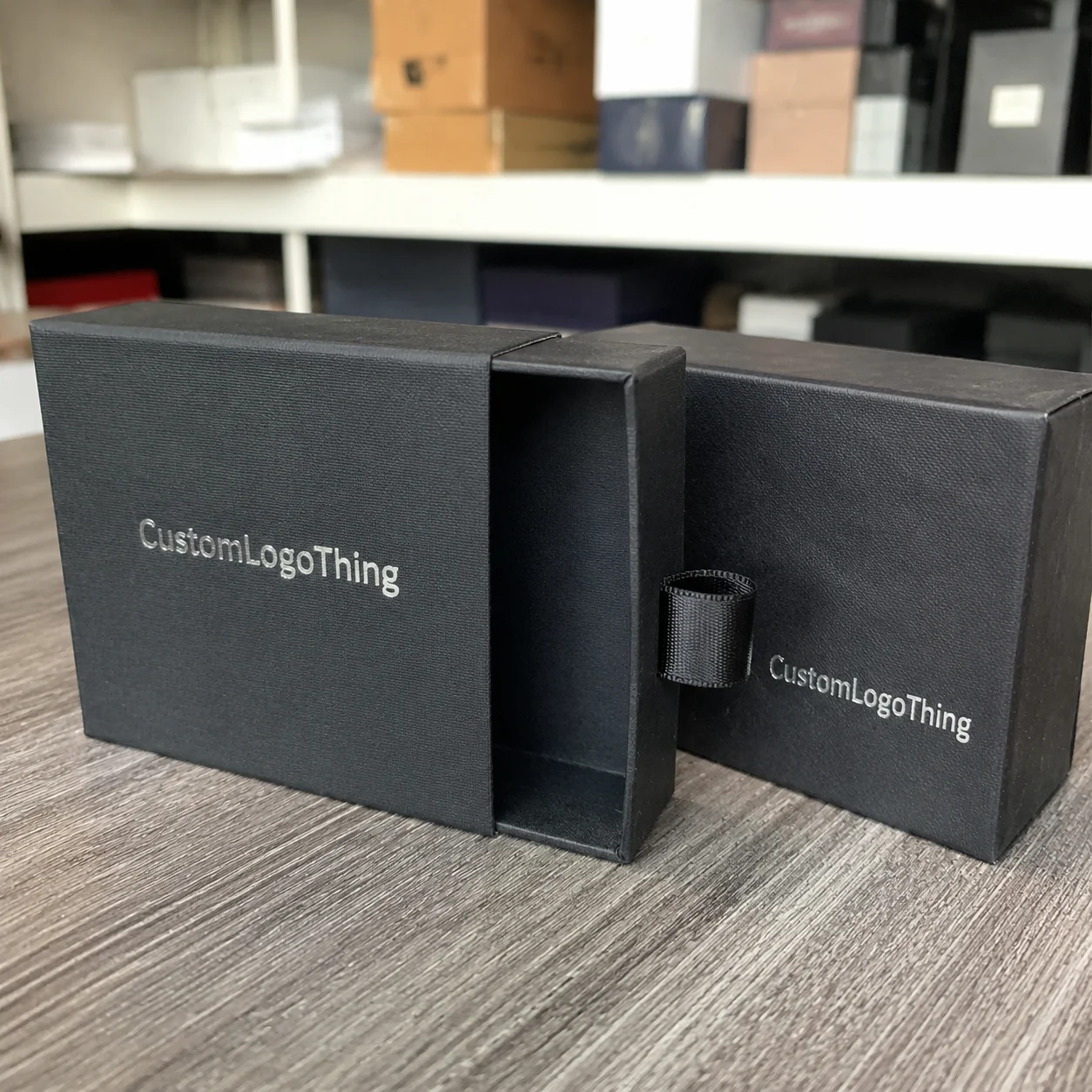
Buyer Fit Snapshot
| Best fit | Shipping Boxes Comparison projects where brand print, material claims, artwork control, MOQ, and repeat-order consistency need to be specified before quoting. |
|---|---|
| Quote inputs | Share finished size, material target, print colors, finish, packing count, annual reorder estimate, ship-to region, and any compliance wording. |
| Proofing check | Approve dieline scale, logo placement, barcode or warning zones, color tolerance, closure strength, and carton packing before bulk production. |
| Main risk | Vague material claims, crowded artwork, missing packing details, or unclear freight terms can make a low unit price expensive after revisions. |
Fast answer: Shipping Boxes Comparison: Choose the Right Box Fast should be specified like a repeatable production item. The safest quote records material, print method, finish, artwork proof, packing count, and reorder notes in one written spec.
Production checks before approval
Compare the actual filled-product size with the drawing, then confirm tolerance on folds, seals, hang holes, label areas, and retail display edges. Reserve space for logos, QR codes, warning copy, and material claims before decorative graphics fill the panel.
Quote comparison points
Review material grade, print process, finish, sampling route, tooling charges, carton quantity, and freight assumptions side by side. A quote is only useful when the supplier can repeat the same color, closure quality, and packing count on the next order.
A shipping boxes comparison usually starts with the unit price and ends with a dented product, a higher freight bill, or both. I’ve watched a client save 7 cents a unit on cartons, then lose far more to crushed product, extra void fill, and a nasty jump in dimensional weight charges. That pattern shows up again and again. It is why a serious shipping boxes comparison matters for anyone handling ecommerce shipping, order fulfillment, or retail replenishment.
The box is part of the shipping system, not just the container. A carton that is 2 inches too large can push a parcel into a pricier rate zone, and a carton that is too weak can turn a clean shipment into a return, a refund, or a replacement order. I saw both happen in the same week at a Midwest fulfillment center, where the packing team used three box sizes for twelve product types. The numbers looked tidy on paper. The damage claims told a different story. Honestly, the damage claims were louder than any spreadsheet.
Shipping boxes comparison means comparing styles, board grades, wall construction, dimensions, strength ratings, print requirements, and use cases side by side. It is not about grabbing the nearest carton and hoping the tape holds. It is about matching the box to the product, the carrier, and the packing line. That’s the practical version, and it saves money faster than most people expect.
For this shipping boxes comparison, I’ll walk through the main box categories: mailer boxes, Corrugated Shipping Boxes, rigid boxes, die-cut options, and specialty formats. I’ll also show where price, protection, and warehouse speed split apart. If you sell anything from skincare to spare parts, the details matter. A lot. I remember the first time I saw a pallet of “premium” boxes collapse because someone had chosen style over structure. It was expensive, embarrassing, and a tiny bit funny only because nobody got hurt.
Shipping Boxes Comparison: Why the “Cheapest Box” Is Often the Most Expensive Choice
Most people compare unit price and stop there. That mistake gets expensive because the box affects package protection, labor, carrier pricing, and the customer’s first impression at the same time. In one supplier negotiation I sat in on, a buyer focused on shaving $0.04 off a printed carton. The operations director asked how many extra minutes per case the new box would add. That was the smarter question, and the room got very quiet after that.
A proper shipping boxes comparison starts with one reality: most shipping problems begin with the box, not the carrier. Oversized cartons increase air space, which means more void fill, more movement, and a higher chance of impact damage. The same carton can also trigger dimensional weight pricing, so you pay for empty space twice. That is a brutal double hit.
At a cosmetics co-packer outside Dallas, the returns shelf made the lesson obvious. Lightweight jars were packed in cartons that were “safe” but too generous. The fill looked polished, yet the box count per pallet was low and freight costs kept creeping up. Once they tightened the box sizes by just 1.5 inches in one direction, damage claims dropped and pallet density improved. Small change. Large effect.
A real shipping boxes comparison also means comparing use cases, not just materials. A box that works for a folded T-shirt may fail for a glass diffuser, and a format that looks premium for direct-to-consumer orders may slow down order fulfillment in a warehouse. That trade-off is not theoretical. I saw a beautiful die-cut mailer create a 12-second packing delay per order because the closing sequence required two extra hand motions. Multiply that by 8,000 units. Suddenly “nice” gets expensive, and nobody on the floor is smiling about it.
The main categories worth comparing are straightforward. Mailer boxes work well for presentation and lighter goods. Corrugated Shipping Boxes handle general transit packaging and heavier products. Rigid boxes support premium unboxing, though they are usually less efficient for parcel shipping. Die-cut boxes fit product-specific footprints. Specialty options include telescoping designs, reinforced cartons, and boxes with built-in inserts.
This shipping boxes comparison is really about fit, strength, and economics. If a box is cheap but causes damage, it is expensive. If a box costs a little more but reduces packing time and claims, it may be the better buy. That is the lens I use with clients, and it tends to hold up. I’ve learned to trust the carton that behaves well under pressure, not the one that merely photographs well.
How Shipping Boxes Work: Materials, Strength, and Structure
Corrugated board is simpler than people think. It is made of linerboard, fluted medium, and another linerboard layer. The fluted center acts like a shock absorber and helps the box resist crushing when stacked on a pallet or squeezed in a truck. It is not magic. It is geometry and paper fiber doing a job. Paper, however, does occasionally act like it has a personal grudge against bad handling.
Wall type matters more than most buyers realize in a shipping boxes comparison. Single-wall corrugated boxes are common for general ecommerce shipping and lighter goods. Double-wall adds another flute layer, which increases stacking strength and helps with fragile or heavier items. Triple-wall is usually reserved for industrial, bulk, or freight use where the box sees serious compression. I have only recommended triple-wall a handful of times, and every time the product was very heavy or moving through rough distribution.
Strength is not just “thicker is better.” People throw around thickness like it settles the question, but box performance depends on edge crush strength, burst strength, fit, and how the shipment is handled. An overbuilt box with poor internal fit can still fail because the product moves inside. A smaller, better-fitted carton with a higher board grade often performs better than a loose box with more material.
Here is a practical distinction I make in a shipping boxes comparison:
- Regular Slotted Containers (RSC): the workhorse for general shipments; efficient, familiar, and easy to source.
- Mailer boxes: self-locking styles that often suit subscription kits, cosmetics, and branded ecommerce shipping.
- Telescoping boxes: two-piece formats that allow adjustable height for unusual products.
- Die-cut boxes: custom-cut for a specific product footprint, often reducing void fill and movement.
Score lines and tuck flaps matter too. A clean score lets the carton fold without cracking the board. Reinforced corners improve resistance to corner crush, which is where many boxes fail first. Inserts can stabilize odd-shaped products, while a self-locking design can speed up assembly. In one packaging line audit I did for a home goods brand, the switch from a standard RSC to a die-cut folder with a locking base cut packing time by 9 seconds per unit. That does not sound dramatic until the line is running 4,500 orders a day.
Standards help make a shipping boxes comparison more objective. For performance testing, many teams reference ISTA transit profiles and ASTM methods. For material sourcing, FSC-certified board can matter if you want a sustainability claim with documentation. For general industry reference, the Packaging Machinery Manufacturers Institute and the International Safe Transit Association are useful starting points, especially if you want to test boxes under realistic vibration, drop, and compression conditions.
Shipping Boxes Comparison: Key Factors That Decide the Best Box
The best box is not the strongest one. It is the one that fits the product, survives the route, and keeps the shipment profitable. That sounds obvious, but a surprising number of teams choose packaging before they define the shipping conditions. In a proper shipping boxes comparison, I always ask six questions before I compare styles.
Product weight and fragility
A T-shirt does not need the same transit packaging as a glass bottle set. Lightweight apparel can usually go in a mailer box or even a poly mailer, depending on brand goals and protection needs. Fragile items like candles, ceramics, and electronics need more structure, more cushioning, or both. If the product can break, leak, dent, or scratch, the box choice becomes part of the product design.
Dimensional weight and carrier pricing
This is where a shipping boxes comparison saves real money. Carriers often price parcels by the greater of actual weight or dimensional weight. So a box that is only half full may still bill like a much heavier shipment. I have seen brands lower shipping spend by choosing a carton one size down and switching to a tighter insert layout. No miracle. Just less dead air.
Protection level
Protection needs vary by item and route. A box shipping short-distance ground may face fewer impacts than one going through multiple hubs. Moisture resistance, crush resistance, and tamper resistance all come into play. For some products, the question is not whether the box is strong enough. It is whether the internal packaging can prevent product-to-product contact during transit packaging.
Brand presentation
Packaging is marketing the customer can touch. Printed mailer boxes, clean folds, and a well-designed unboxing sequence can support premium perception. But if that presentation slows packing or forces extra inserts, the cost can rise quickly. I worked with a client who wanted a matte black mailer with a full interior print. Beautiful. Also 14% slower to assemble than the plain kraft version because the team had to orient every panel correctly. The design looked luxurious; the packing team looked mildly haunted.
Sustainability and material efficiency
Smaller, well-fitted boxes usually use less material and create less waste. Recycled content matters too, as does the ability to right-size the carton to the product. The EPA has a solid overview of waste reduction and materials recovery at epa.gov/recycle. In a shipping boxes comparison, sustainability is not just about the board itself. It also includes the extra paper, void fill, and emissions associated with oversized shipments.
Storage and warehouse efficiency
Flat-pack storage sounds dull until you calculate pallet space. Box inventory eats room, and room costs money. A pack line that uses six standardized box sizes will usually run faster than one using twenty-five. In an order fulfillment environment, that difference can be the gap between a tidy system and a chaotic one. I have seen warehouse teams save 30 to 45 minutes a shift simply by reducing the number of active carton SKUs.
A useful way to think about a shipping boxes comparison is to score each option on five variables: fit, strength, speed, cost, and presentation. Not every business weights those the same. A luxury candle brand may care more about presentation than line speed. A spare parts supplier will usually care more about crush resistance and low dimensional weight. Both are valid. Both need different boxes.
Shipping Boxes Comparison by Cost and Pricing
Price is where many buyers start, and that is fine. Just do not stop there. A shipping boxes comparison should separate box price from total cost per shipment. Those are related, but they are not the same number. I have had buyers insist they “saved” money on cartons, only to discover freight, damage, and labor had swallowed the savings before the quarter closed. Procurement can be a cheerful liar if nobody checks the full math.
What drives cost? Board quality, wall construction, size, print complexity, die-cutting, order volume, and custom finishing. A plain stock RSC in standard kraft is usually cheaper than a custom printed mailer with specialty coating. That comparison gets shallow fast if the custom box replaces an insert, shortens packing time, or lowers breakage. The whole system has to be compared.
In one client meeting, a startup selling skincare was comparing a stock carton plus tissue paper against a custom mailer with a fitted insert. The stock option was $0.38 per unit. The custom version was $0.61. On paper, the first looked cheaper. The custom insert removed the need for two pieces of bubble wrap and cut packing time by 11 seconds. Once labor was included at $18.75 per hour, the custom option was actually the better business decision.
| Box option | Typical unit price | Best for | Main trade-off |
|---|---|---|---|
| Stock corrugated RSC | $0.22–$0.48 at 5,000 units | General ecommerce shipping, spare parts, books | Less brand impact, may need void fill |
| Mailer box, custom printed | $0.58–$1.25 at 5,000 units | Subscription kits, cosmetics, premium DTC | Higher print and tooling cost |
| Double-wall shipping box | $0.72–$1.60 at 5,000 units | Fragile, heavy, or stacked shipments | More material, more storage space |
| Die-cut custom box | $0.85–$2.10 at 5,000 units | Exact-fit products, better presentation | Tooling and design lead time |
Those numbers are directional, not universal. A quote from our Shenzhen facility or a domestic converter can move depending on board availability, print coverage, pallet count, and freight. Still, the table gives a useful frame for a shipping boxes comparison. You want to know whether you are paying for strength, branding, or convenience. Ideally, you get all three. Usually, you compromise on one.
Hidden costs are often the real story. Extra void fill may add a few cents, but it also adds labor. A larger carton can push a parcel into a higher dimensional weight tier. A weak carton can create product damage, return shipping, and replacement product costs. If you are shipping fragile goods, one claim can erase the savings from hundreds of cheaper cartons. That is the math many procurement teams miss.
Minimum order quantities also matter. A business ordering 500 cartons will not see the same price break as one ordering 20,000. If cash flow is tight, a stock size can be a sensible bridge. If volume is stable, custom packaging may reduce total cost by standardizing the packout. For businesses scaling into new SKUs, I often recommend a phased shipping boxes comparison: start with two or three sizes, then expand only if real shipment data demands it.
Compare on a per-shipment basis. Box price per unit is useful, but total landed cost is the more honest number. Include shipping materials, tape, labor, damage rate, and outbound freight. If your team also uses branded inserts or wrap, include those too. If not, the “cheap” box might not look cheap after all.
How Do You Compare Shipping Boxes for Your Products?
You compare shipping boxes by measuring the product, matching the route, and testing the packout before you commit to volume. Start with internal dimensions, then evaluate wall strength, assembly speed, carrier pricing, and the amount of protection the item actually needs. A shipping boxes comparison should also factor in dimensional weight, damage risk, and whether the carton helps or hurts warehouse efficiency. If two options look similar, a real transit test usually exposes the difference fast.
Step-by-Step: How to Compare Shipping Boxes for Your Products
When I help a client run a shipping boxes comparison, I keep the process practical. No theory without samples. No samples without measurements. And no final decision without a real pack test. That approach sounds basic, but it prevents the most common packaging mistakes. I wish more teams would trust the boring process; boring is often where the savings live.
Step 1: Measure the product accurately
Measure the product with any sleeves, foam, inserts, or protective wraps in place. A box that fits the bare item may fail once you add corrugated dividers or a paper-pulp tray. I have seen brands forget the seasonal insert and then wonder why the “right-sized” box suddenly became a tight squeeze. Measure length, width, height, and note any fragile protrusions.
Step 2: Define shipping conditions
Ground parcel, freight, mixed carrier networks, or temperature-sensitive shipments all change the decision. A carton for local delivery might not survive cross-country distribution. If you are shipping through multiple touches, hub transfers, or palletization, you need more compression resistance. That is where a shipping boxes comparison becomes more than a style exercise.
Step 3: Match the box style to the product
Choose mailer boxes for lighter, presentation-led shipments. Choose corrugated shipping boxes for heavier or more fragile items. Use die-cut boxes when the product footprint is stable and you want less movement. Consider specialty boxes if the item is unusual in shape or requires a two-part structure. For apparel, I often compare mailer boxes against Custom Poly Mailers because the right answer depends on brand goals and return handling.
Step 4: Compare internal dimensions first
Internal fit matters more than outer size. That sounds obvious, yet buyers still compare external measurements and stop there. In a shipping boxes comparison, I check clearance on all sides, then ask whether the product needs cushioning or a snug structural fit. A 0.25-inch gap may be fine for a folded garment. It may be too loose for a glass item.
Step 5: Run a test batch
Send a small batch through real transit. Not a desk test. Real carriers. Real handling. Real delivery. Look for movement, corner crush, scuffing, and how the customer opens the package. At one facility, we used 50 test shipments with two box styles and tracked damage, pack time, and returns over three weeks. The box that looked less premium on the bench performed better in transit. That is why testing beats opinions.
Step 6: Calculate total landed cost
Include box price, packing materials, labor, damage risk, and shipping rates. If your team packs 400 orders per day, even a 5-second change per shipment becomes meaningful. If your shipping rates are sensitive to dimensional weight, a 1-inch reduction can pay off quickly. Good shipping boxes comparison work should show the full picture, not just the invoice from the box supplier.
If you want to build a broader packaging system, pairing carton selection with other Custom Packaging Products can simplify sourcing and keep branding consistent. That matters for multi-SKU businesses because the box is just one component in the larger packaging stack.
“The carton looked fine until we ran it through the drop test. After three drops, the product had shifted enough to scuff the finish. The cheapest box on the quote sheet became the most expensive decision on the pallet.”
That was a real comment from a client operations manager during a packaging review, and it still sums up the whole job. The box has to work after the tape is on, after the freight label is applied, and after the parcel gets tossed into the system.
Common Mistakes in Shipping Boxes Comparison
The most common mistake in a shipping boxes comparison is choosing based on the outer dimensions only. Buyers see a carton labeled 12 x 9 x 6 and assume the fit will work. Internal dimensions can differ by board thickness, construction, and manufacturer tolerances. A box that looks right on paper can be wrong by the time it reaches the packing table.
Another mistake is using a box that is too large just to avoid measuring. That habit increases dimensional weight, adds void fill, and often creates more product movement. I have seen teams do this because it feels “safe,” but safety is not the same as protection. A properly sized carton with decent board grade often performs better than a giant box stuffed with paper.
People also confuse decorative packaging with protective packaging. A beautiful printed box does not automatically provide package protection. If the product is fragile, the internal structure matters more than the exterior finish. I once audited a premium home fragrance brand that had invested heavily in a soft-touch exterior while leaving the bottle loose inside. Pretty box. Bad transit outcome. The bottle won the fight every time—and unfortunately, it lost.
Warehouse speed gets overlooked too. A carton with extra folds, fiddly tabs, or a confusing closure pattern can slow down packing. If your order fulfillment team handles hundreds of shipments per hour, a 6-second delay becomes a labor problem fast. That is why a shipping boxes comparison should include assembly speed and not just visual appeal.
Testing is another casualty. Too many teams skip drop testing, compression checks, or line trials and trust assumptions. A box that survives a hand squeeze is not the same as a box that survives conveyor handling, pallet stacking, and carrier sortation. Standards such as ISTA exist because real transport is rougher than most people imagine. For more testing context, ISTA’s testing resources are worth reviewing if your product is delicate or high-value.
Repeat order needs are often ignored too. A one-off box choice may work for a launch, but it can become a headache at scale. If your business plans to add SKUs, change insert configurations, or introduce seasonal kits, choose packaging that can support that growth without creating inventory chaos. The Best Shipping Boxes comparison is the one that still makes sense after the fifth reorder, not just the first quote.
Expert Tips and Final Shipping Boxes Comparison Checklist
After years of sitting in plant offices, watching taping stations, and arguing about fractions of an inch, here’s my honest view: a good shipping boxes comparison is really an operations decision dressed up as a packaging decision. The fastest teams are the ones that standardize intelligently and test ruthlessly. And yes, I have sat through a truly absurd number of meetings where everyone had an opinion and nobody had a sample.
Start by building a box-size matrix for your top products. If you sell 30 SKUs, you probably do not need 30 cartons. You may need 4 to 8 well-chosen sizes that cover your volume concentration. That reduces inventory clutter, simplifies training, and helps your team pack consistently. In one distribution center I worked with, trimming the active carton set from 18 sizes to 7 cut picker confusion and reduced packaging stockouts.
Ask suppliers for more than a price sheet. Request board specs, wall type, suggested use cases, and sample units. If a supplier cannot tell you whether a box is better for light ecommerce shipping or heavier transit packaging, that is a warning sign. You want a partner who understands the relationship between box structure and actual shipping performance.
Standardization helps, but not every product should be forced into the same carton. Fragile items may need inserts or a stronger wall type. Premium goods may justify custom printing or a better unboxing experience. Even then, the box should still pass the basic tests: fit, crush resistance, and cost per shipment. If it fails any one of those, the shipping boxes comparison is incomplete.
Here is the checklist I use before approving a carton family:
- Does the product fit with no excessive movement?
- Does the box maintain shape under stacking pressure?
- Is the shipping rate affected by dimensional weight?
- Can the pack team assemble it quickly?
- Does the look support the brand without adding waste?
- Can the box be repeated across multiple SKUs?
If you are unsure whether to choose a mailer, an RSC, or a custom die-cut style, run two or three candidates side by side. That is the most honest shipping boxes comparison method I know. Compare them in real packing conditions, on real carriers, with real products. It takes more effort than picking from a catalog. It also saves more money.
For businesses that want branded transit packaging with better consistency, I would also suggest exploring Custom Shipping Boxes as part of the larger packaging program. That way you can align brand, size, and protection instead of treating each shipment as a one-off decision.
My final advice is simple. Measure the product. Compare the structure. Test the route. Then compare the total cost per shipment, not just the carton price. That is the only shipping boxes comparison that really matters when you are trying to ship safely, keep labor under control, and avoid paying for empty air. If you do that well, the right box stops being an expense and starts acting like a quiet profit protector.
FAQs
What should I compare first in a shipping boxes comparison?
Start with internal dimensions and product fit. A box that is too loose can increase movement, and a box that is too tight can slow packing or damage the product. After fit, compare wall type, board strength, and how the box affects dimensional weight.
Are corrugated boxes better than mailer boxes for shipping?
Corrugated shipping boxes are usually better for heavier or more fragile items because they offer stronger structure and better stack resistance. Mailer boxes are often a better fit for lightweight goods, curated kits, and presentation-focused ecommerce shipping. The right answer depends on package protection needs and shipping conditions.
How do I compare shipping box prices fairly?
Compare total cost per shipment, not just box price. Include shipping materials, tape, labor time, dimensional weight charges, and damage or return rates. A carton that costs $0.10 less can still be more expensive overall if it slows packing or increases claims.
Which shipping box type is best for fragile items?
Double-wall corrugated boxes or reinforced die-cut boxes are often the best starting point for fragile items. Pair them with inserts, dividers, or cushioning so the product cannot move inside the carton. The best choice depends on the item’s weight, shape, and the number of handling touches in transit.
How many box sizes should a business keep on hand?
Most businesses can work efficiently with a small set of standardized sizes, often between 4 and 8 common cartons. That range usually covers the majority of SKUs without creating excess inventory or slowing order fulfillment. The exact number depends on product mix and packing variability.
After seeing too many packaging budgets get eaten by oversized cartons, weak board, and preventable damage, I trust one rule: the best shipping boxes comparison is the one that looks at fit, strength, labor, and freight together. If you keep that lens on the decision, your shipping boxes comparison will usually point to a cheaper, safer, and more scalable answer than the “cheapest box” ever will.