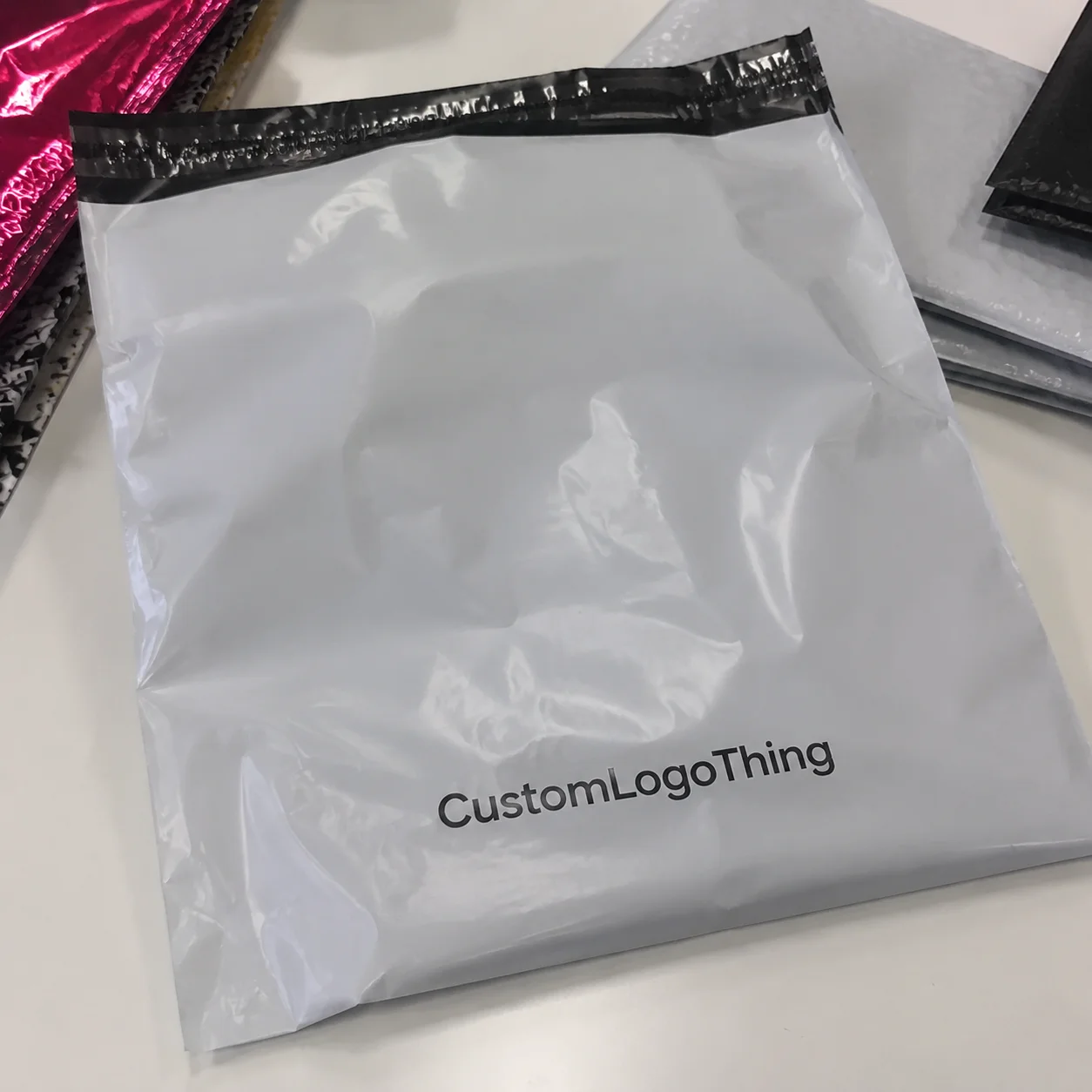
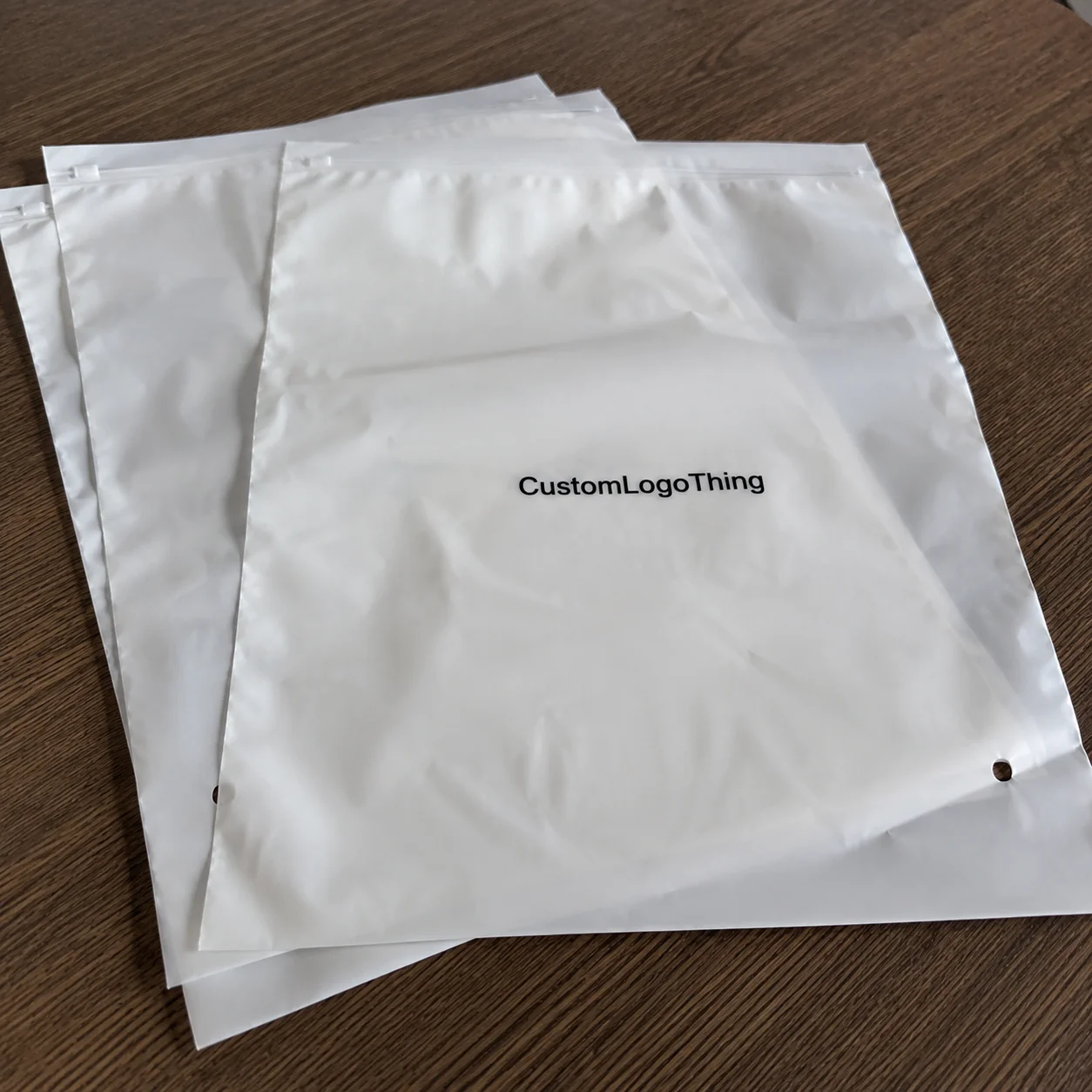
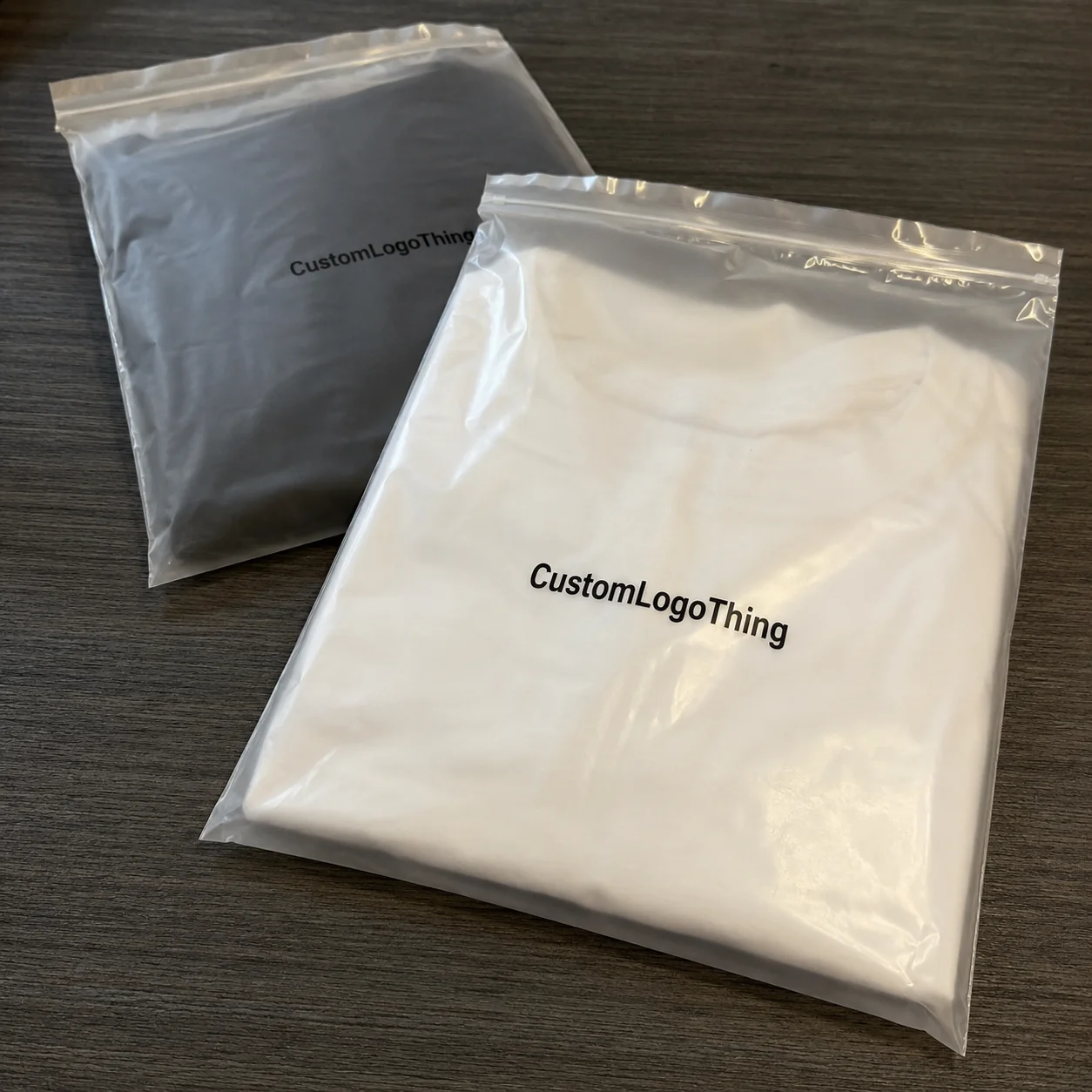
Buyer Fit Snapshot
| Best fit | Packaging Branding projects where brand print, material claims, artwork control, MOQ, and repeat-order consistency need to be specified before quoting. |
|---|---|
| Quote inputs | Share finished size, material target, print colors, finish, packing count, annual reorder estimate, ship-to region, and any compliance wording. |
| Proofing check | Approve dieline scale, logo placement, barcode or warning zones, color tolerance, closure strength, and carton packing before bulk production. |
| Main risk | Vague material claims, crowded artwork, missing packing details, or unclear freight terms can make a low unit price expensive after revisions. |
Fast answer: Packaging Branding: Artwork Proof, Packing Count, and Landed Cost should be specified like a repeatable production item. The safest quote records material, print method, finish, artwork proof, packing count, and reorder notes in one written spec.
Production checks before approval
Compare the actual filled-product size with the drawing, then confirm tolerance on folds, seals, hang holes, label areas, and retail display edges. Reserve space for logos, QR codes, warning copy, and material claims before decorative graphics fill the panel.
Quote comparison points
Review material grade, print process, finish, sampling route, tooling charges, carton quantity, and freight assumptions side by side. A quote is only useful when the supplier can repeat the same color, closure quality, and packing count on the next order.
Packaging Branding: How to Choose Without Guessing
I still remember a factory visit in Dongguan where a client’s matte-black rigid box sat on the inspection table like it was auditioning for a luxury watch campaign. Forty-eight hours later, that same box was crushing corners in transit because the EVA insert was 2 mm too loose and the outer carton wall was only 1200gsm instead of the 1500gsm spec the buyer had requested. Pretty box. Bad conversion. The whole thing made me want to laugh and cry at the same time, which is, frankly, a pretty normal reaction in packaging. That’s the part people forget when they search for Packaging Branding How to Choose: a package has to sell, protect, and survive the trip, or it’s just expensive decoration.
Here’s the plain-English version. Packaging branding is the mix of structure, print, color, material, and messaging that tells buyers who you are before they read a single word. It’s your brand identity made physical, whether that means a 350gsm C1S artboard folding carton, a 2 mm rigid setup wrapped in printed paper, or a mailer with a custom insert. It’s also the first tactile proof that your product belongs in someone’s cart, subscription box, or retail shelf. In my experience, the package does half the persuading before the customer even touches the product. Honestly, that’s why so many “minor” packaging choices end up as expensive mistakes with a very precise price tag attached.
Why does this matter so much? Buyers judge fast. I’ve watched focus groups at a retail packaging test in Los Angeles choose between two similar skincare boxes after only three to five seconds of handling: one had a soft-touch lamination and a clearer front-panel hierarchy, the other had a crowded layout and a glossy finish that reflected the overhead LEDs. No dramatic speech. No spreadsheet. Just a faster decision based on perceived value. Humans are wonderfully predictable like that, especially when a $42 serum is sitting next to a $38 serum on a shelf at 8:00 p.m. in a suburban Target aisle.
If you’re trying to figure out packaging branding how to choose, the goal is not “What’s the fanciest option?” The goal is “What package supports the product, margin, channel, and timeline without making me regret this invoice?” That’s the real question. Fancy is easy. Profitable is harder. And yes, the invoice part is where people suddenly become very interested in mathematics, especially when a rigid box quote lands at $1.85 per unit for 3,000 pieces and the folding carton alternative comes in at $0.19 per unit for 10,000 pieces.
In this piece, I’m going to show you how packaging branding how to choose based on product fit, budget, production method, and timing. I’ll also show you where brands waste money, what suppliers actually care about, and how I’d approach it if I were launching a new SKU with a $7 landed cost target in Chicago, Charlotte, or Shenzhen. Because yes, the ugly math matters. I wish it didn’t. It does.
How Packaging Branding Works in the Real World
Packaging branding is not just a pretty graphic wrapped around a box. It has layers, and each layer carries a different cost. Structure comes first. Then print. Then coating. Then inserts. Then labels. Then the actual opening sequence. Miss one layer and the whole experience feels off, even if the design file looked beautiful on a screen at 100% zoom in a studio in Brooklyn or a procurement office in Munich. I’ve been fooled by gorgeous mockups more times than I care to admit.
When I explain packaging branding how to choose to new founders, I break it into five moving parts: structural packaging, printed graphics, unboxing sequence, protective inserts, and regulatory labeling. If you’re shipping a candle, the insert matters as much as the logo. If you’re selling coffee, moisture barrier and reseal performance matter more than a fancy pattern. If you’re doing cosmetics, ingredient layout and barcode placement can make or break retail readiness. The “pretty” part is only one slice of the pie, and on a 15,000-unit run, it is often the cheapest slice.
Customers interpret these signals in seconds. Shape says something. Finish says something. Typography says something. A 350gsm C1S folding carton with a satin aqueous coating feels completely different from a 1200gsm rigid setup with soft-touch lamination. One says accessible and efficient. The other says premium and deliberate. Neither is automatically better. They just tell different stories. The trick is making sure it’s the story you actually mean to tell, not the one you accidentally purchased at a supplier in Guangdong because the sample looked impressive under warehouse lighting.
I learned that the hard way years ago with a skincare client who wanted Custom Printed Boxes that looked “high-end but not expensive.” That phrase, by the way, is how people talk themselves into six revisions. We tested three options in Guangzhou: a folding carton, a shoulder-neck rigid box, and a mailer with an inner sleeve. The rigid box photographed beautifully. The folding carton hit the margin target by $1.12 per unit. The mailer won on shipping damage because it passed a basic drop test from 30 inches onto concrete. Guess which one the client ended up choosing? The one that actually supported the channel. Miraculously, reality won that round.
Different channels read packaging differently too. Ecommerce buyers care about survival, tape quality, and the first reveal. Retail packaging cares about shelf visibility, hangability, and how the front panel competes under fluorescent lights in stores across Dallas, Toronto, or Milan. Gifting leans into texture, presentation, and emotional impact. Subscription brands need repeatable systems, because a single bad insert fit on 10,000 units is a lot of dead paperboard and one irritated customer service team. I can practically hear the complaint tickets just thinking about it, usually in the first 72 hours after delivery.
Supplier reality matters as much as creative direction. Dielines are not suggestions. MOQ is not a joke. Proofing catches stuff that your mockup hides, like a barcode too close to a fold or a white typeface that disappears on kraft board. Color matching can shift by 5 to 12 Delta E depending on paper stock, ink coverage, humidity, and coating. That’s why packaging branding how to choose has to include print method, not just design mood boards. A beautiful concept that can’t be printed properly is just a very polite disappointment, usually with a four-figure sampling bill attached.
For brands that need a benchmark, I often point them to industry standards and testing bodies. ISTA packaging testing protocols help validate transit durability, and ASTM methods are useful for material and performance comparisons. If your packaging claim includes sustainability language, look at FSC certification requirements and make sure your paper trail is real, not wishful thinking. I’ve seen brands get sloppy here and pay for it later in chargebacks or customer complaints. You can check resources at ISTA and FSC.
Key Factors for Packaging Branding: How to Choose
If you want the short version of packaging branding how to choose, start with the product. Not the Pinterest board. Not the competitor you secretly admire. The product. A 120 ml glass serum bottle, a folded cotton T-shirt, a 350 g powder supplement, and a ceramic mug do not live in the same packaging universe. They should not be forced into it. I’ve watched people try, and the result is usually a weird compromise that satisfies no one and adds 8 to 14% to the unit cost.
Product type and fragility
Glass, liquid, food, cosmetics, electronics, and apparel all demand different structures. A liquid product usually needs more leak protection and often a tighter secondary container. A fragile glass item may require molded pulp, EVA foam, or corrugated inserts cut to 1.5 mm tolerance. I once worked on a tea jar project in Ningbo where the customer insisted a simple tuck-end carton would be fine. It was not fine. We broke 23 out of 200 samples during local transit, and three more failed when stacked under 12 pounds for 24 hours. After switching to a double-wall mailer plus insert, the breakage rate dropped below 2%. That difference was about $0.41 per unit, which is cheaper than refunds, bad reviews, and replacing the 23 jars at retail. The tea tasted better after that too, presumably because no one was crying over broken glass.
Brand positioning
Luxury, mass market, indie, sustainable, and clinical branding each call for distinct materials and finishes. If your brand identity says “clean clinical skincare,” then a loud foil stamp can feel off. If you’re selling premium fragrance, plain kraft may undercut the perceived value unless the typography and structure do a lot of heavy lifting. This is where packaging design and positioning need to agree, or the package sends mixed signals. A matte white carton with 1-color black print and a small silver foil mark tells a very different story from a black rigid box with embossed logo and a magnetic closure. Mixed signals are expensive in a very unglamorous way.
Cost and pricing
People love to compare unit price and ignore everything else. That’s how they get trapped. A folding carton at $0.18 per unit for 5,000 pieces can be far cheaper overall than a $1.95 rigid box if your margin is thin and your freight is brutal. But sometimes the rigid box converts better, supports gifting, and reduces returns because the product feels more valuable. You have to include tooling, freight, storage, spoilage, and reprint risk. Cheap-looking branded packaging can cost more in lost trust than a slightly more expensive box ever could. I know that sounds dramatic. I’ve also seen the spreadsheets from a warehouse in Ohio and a fulfillment center in Singapore.
| Packaging Option | Typical Unit Cost | Best For | Watch Outs |
|---|---|---|---|
| Folding carton | $0.16–$0.55/unit | Cosmetics, supplements, small retail items | Lower perceived luxury if finish is too plain |
| Mailer box | $0.42–$1.20/unit | Ecommerce, subscription, light protection | Can get bulky and raise freight |
| Rigid box | $1.20–$4.50/unit | Luxury gifting, premium launches | Higher MOQ and storage costs |
| Tuck-end tube or sleeve | $0.22–$0.90/unit | Beauty, candles, specialty foods | Limited space for protection |
Channel requirements
Ecommerce shipping durability is not the same as shelf impact. That should not surprise anyone, but it constantly does. Retail packaging needs instant visibility from 3 to 6 feet away, often under 3,500K to 4,000K store lighting. Ecommerce packaging needs clean opening mechanics and enough structure to prevent damage during the trip. Subscription packaging needs repeatability, because your second shipment has to feel as thoughtful as the first. If you’re deciding packaging branding how to choose, the channel should be in the first conversation, not the fifth revision. Otherwise, you end up designing a beautiful box for the wrong universe.
Sustainability claims
Use recycled content, FSC paper, or plastic reduction only when your supply chain can support it. I’m all for better material choices, but false sustainability claims are a fast way to get roasted by customers and retailers. Recycled board can have different print behavior. Kraft can show scuffs more easily. Compostable film sounds great until your fulfillment team can’t source it consistently in the quantities you need, whether you’re packing in Austin, Vancouver, or Ho Chi Minh City. Honest sustainability beats fantasy sustainability every time. The planet, unfortunately, does not care about your brand deck.
MOQ, scalability, and timeline
Minimum order quantity changes everything. A local printer in New Jersey or Manchester might quote 1,000 units, but the cost per unit can be ugly. An overseas supplier in Shenzhen, Dongguan, or Xiamen may want 5,000 to 10,000 units, but that can cut your cost by 35% to 60% once setup is spread out. If you’re trying to figure out packaging branding how to choose, ask yourself how fast demand can grow. If you’ll reorder in 60 days, don’t build a system that only works at 50,000 units. That’s how founders end up sitting on pallets of gorgeous inventory they can’t afford to move. I have seen those pallets. They look like regret with a forklift and a barcode sticker.
For related product support, I usually recommend reviewing Custom Packaging Products alongside your packaging brief, because the format choices affect cost and lead time more than most brand teams expect. If you’re dealing with labels, neck tags, or secondary branding elements, Custom Labels & Tags can fill the gaps without forcing a full box redesign.
Step-by-Step: Packaging Branding How to Choose the Right Setup
Here’s the practical version of packaging branding how to choose. Not theory. Not mood board talk. The actual steps I’d use if I were starting from zero with a product, a budget, and a launch date that is probably too aggressive because every founder thinks they can print faster than physics allows. I say that with affection, but also with a mild eye twitch, usually after seeing a Gantt chart that assumes proofs arrive overnight from three different cities.
Step 1: Define the job of the package
Before design, define what the package must do. Protect? Sell? Inform? All three? A candle in a DTC box may need shock protection and a dramatic opening moment. A vitamin bottle in retail may need strong shelf presence and compliance text. A T-shirt in a mailer needs speed, low freight weight, and a nice first impression. If you can’t clearly state the job, the package will try to do everything and do none of it well. That’s how you end up with packaging that has personality but no performance, plus a reorder rate that makes finance stare into space.
Step 2: Audit your real product specs
Measure the item. Not “roughly.” Measure it with calipers if you have to. Height, width, depth, closure style, weight, fragility, leakage risk, and any accessories. Then factor in your shipping method and target price point. I once saw a supplement founder approve a box before confirming the bottle cap height. The lid rubbed the top flap by 1.5 mm. That mistake turned into a retool and a two-week delay, which also pushed the factory slot from Thursday to the following Monday. Exactly the sort of thing that makes procurement people age visibly. I’m convinced there should be a health warning on that kind of mistake.
Step 3: Shortlist packaging formats
Start with formats that match the job: mailer boxes, rigid boxes, folding cartons, tubes, pouches, sleeves, or combination systems. Don’t choose based on what your competitor used unless you know their margin, freight strategy, and retailer rules. Their situation is not your situation. I know that sounds obvious. I’ve still watched smart founders copy a luxury setup for a $14 product and then wonder why their margins got chewed up alive. Packaging will absolutely punish lazy assumptions, especially if your landed cost target is $2.75 and your box alone is already $1.40.
Here’s a useful way to compare options before you commit:
| Format | Brand Signal | Protection | Speed to Produce | Cost Pressure |
|---|---|---|---|---|
| Mailer box | Friendly, direct-to-consumer | Good | Fast to medium | Moderate |
| Rigid box | Premium, giftable | Excellent | Slower | High |
| Folding carton | Clean, efficient, retail-ready | Fair to good | Fast | Low to moderate |
| Pouch | Modern, functional | Depends on contents | Fast | Low |
| Tube | Distinctive, specialty feel | Good | Medium | Moderate |
Step 4: Request samples and test them hard
Samples are where fantasy meets cardboard. I ask for shipping tests, shelf tests, handfeel tests, and photo tests. Put the sample in a mailer, drop it from 30 inches, stack it under 10 pounds for 24 hours, photograph it under warm and cool light, then hand it to someone who has never seen the brand. If they can’t figure out what it is in eight seconds, your front panel needs work. One client in beauty spent $6,000 on spot UV alone, then discovered the white type was invisible in natural light at 4:00 p.m. in Seattle. Gorgeous problem. Expensive problem. I still remember staring at that sample and thinking, “Well, that escalated quickly.”
Step 5: Review dielines, print method, and inserts
This is where supplier detail matters. Ask for the dieline in AI or PDF. Confirm bleed, safe area, barcodes, and fold lines. Compare offset printing, digital printing, and flexo if the project allows it. Ask about aqueous coating, matte lamination, gloss lamination, soft-touch, embossing, or foil only if those finishes are helping the brand story. And check the insert fit. A 3 mm error can make a premium box feel sloppy fast. Packaging can forgive a lot; it does not forgive loose inserts, especially when a product is moving from a plant in Foshan to a warehouse in Illinois.
Step 6: Calculate landed cost and timeline
Do not stop at factory price. Include freight, customs, warehousing, damage risk, and reprint buffer. I’ve seen a box quoted at $0.74 per unit land at $1.08 per unit after air freight because the team missed production timing by nine business days. That’s not a small gap. That’s the difference between a healthy launch and a CFO staring at the ceiling at 1:00 a.m. For timing, simple printed packaging typically moves in 12 to 15 business days from proof approval, while custom rigid structures can take 20 to 35 business days, plus ocean transit from ports like Yantian or Ningbo. Always check with the actual factory, not the vibe. Vibes do not clear customs.
Step 7: Approve a pilot run
Never go straight from PDF to full production unless you enjoy expensive surprises. Run a pilot. Get 100 to 500 units. Ask customer service what people say. Check whether the package tears, scuffs, slips, or photographs badly. Then fix one thing at a time. If you redesign everything at once, you won’t know which change improved the result. That’s how people waste a great packaging branding how to choose process on avoidable chaos. And nobody needs more chaos. We have enough already, usually by Wednesday.
“We thought the gold foil made us look premium. Customers thought it made us look old.” That was a real line from a client meeting in Singapore, and it’s a perfect reminder that packaging branding how to choose is about the buyer’s reaction, not the founder’s ego.
If you want more proof from real projects, our Case Studies page shows how different materials and print specs changed outcomes for ecommerce, retail, and gifting brands. That’s usually more useful than a generic mood board full of stock photos and wishful thinking. Trust me, mood boards rarely survive contact with a freight quote from Shanghai, Rotterdam, or Long Beach.
Common Mistakes When Choosing Packaging Branding
The biggest mistake in packaging branding how to choose is choosing based on aesthetics alone. Beautiful packaging that breaks in transit is not a win. It is an expensive apology. I’ve seen brands spend $12,000 on a beautiful mailer system and then spend another $8,000 replacing units because the inner insert didn’t hold the product still enough. That’s not branding. That’s a refund pipeline. A very nicely printed refund pipeline, but still, and usually with a fulfillment manager in Ohio explaining the damage photos at 9:15 a.m.
Another common error is overspending on finishes. Foil, embossing, spot UV, and soft-touch lamination can be great tools, but they are not free personality. If your product margin is $8 and your package adds $1.90, you need a very good reason. Sometimes a restrained design with one strong brand cue works better than a box screaming “look at me” from every panel. I’m partial to restraint, honestly. It ages better, and it tends to survive a higher-volume reprint in 2026 without looking dated in 2024.
People also pick colors that look amazing on a laptop and fail in the real world. Retail lighting can wash out pale tones. Matte black can show fingerprints. Kraft can mute saturated colors. A design team in London once sent me a pale lavender concept for a haircare line, and it looked beautiful in mockups. On the shelf under warm lighting in a Manchester pharmacy, it looked dusty. One paper swap later, the same brand looked intentional instead of tired, and the unit cost moved by only $0.06.
Print constraints trip people up too. Tiny type on a textured stock can become unreadable. Thin hairlines can fill in. White ink on dark paper can shift if the opacity isn’t handled correctly. If you’re figuring out packaging branding how to choose, make sure you’re not designing a fantasy surface that no printer can actually reproduce cleanly at scale. Printers are talented, but they are not magicians. I asked once in Suzhou. They laughed, then showed me the test sheet and the limits of the machine.
Compliance mistakes hurt more than design mistakes because they create risk. Ingredient panels, warning labels, recyclability marks, batch codes, and barcodes all need space. I’ve seen a clean cosmetic carton fail a retail review because the barcode was too close to the fold and the ingredient text was too small. The designer called it “minimal.” The buyer called it “noncompliant.” Guess which opinion mattered when the order was 7,500 units and the launch was scheduled for June 3.
And please, don’t assume the cheapest quote is the best quote. A low price can hide setup fees, freight surcharges, weak board grade, or replacement costs. One buyer I advised got excited about a $0.29 carton quote, then discovered the supplier had excluded coating, shipping, and plate charges. The real landed cost was closer to $0.51. That is not a bargain. That is a trick with stationery. A cruel one, too, and usually delivered in a spreadsheet with unusually cheerful cell shading.
Expert Tips to Make Packaging Branding Pay Off
If you want packaging branding how to choose to pay off, stop trying to impress everyone. Pick one strong brand cue and repeat it. That cue can be a signature color, a texture, a shape, a pattern, or a specific opening gesture. Repetition builds recognition faster than novelty. I’ve seen one deep green color do more work for a brand than five decorative treatments ever could, especially when it ran consistently across a folding carton, a mailer, and a 20 ml sample box. It’s annoyingly effective.
Spend where customers actually notice. The front panel hierarchy matters. The opening moment matters. The tactile finish matters. Random decoration on hidden panels usually does not. I’m not saying you should strip all personality out of the package. I’m saying the package should earn its money. That’s a different thing entirely. If a finish doesn’t help the customer understand, trust, or remember the product, I usually question why it’s there. A $0.09 paper upgrade can do more than a $0.40 foil treatment on the back flap.
Ask suppliers for tiered pricing. I want to see paperboard, corrugated, and rigid options side by side with real numbers. If a folding carton is $0.24 and a rigid box is $1.65, I need to understand why the premium is justified. Sometimes it is. Sometimes it’s just a prettier invoice. Good suppliers can explain the tradeoffs without hiding behind jargon. Bad suppliers say “premium feel” a lot and hope no one asks for a calculator, a sample, or the production schedule from Suzhou to Seattle.
Negotiate for practical improvements instead of vanity upgrades. Better insert fit. Better board caliper. Cleaner folding. More stable color matching. Those changes usually improve the package more than an extra foil hit on the back panel. The best packaging branding how to choose decisions are the ones that improve customer experience and operational efficiency at the same time. Rare? Yes. Worth chasing? Absolutely. A 2 mm insert correction can save 4% in damage claims, which is a lot more useful than a tiny gold logo nobody sees.
Build a packaging system, not a one-off hero box. Shared components reduce retooling costs and simplify future SKUs. If you are launching three flavors or sizes, create a family system with consistent typography, structure, and label logic. Your packaging should scale without forcing you to redesign every time you add a new product. Otherwise, the brand grows and the packaging budget explodes. I’ve watched that movie. It has a bad ending, plus a lot of late-night email threads from teams in New York, Berlin, and Melbourne.
Test with real customers before scale. A small batch of feedback can save thousands in dead inventory. Send a pilot run to 20 actual buyers. Ask what they noticed first. Ask what confused them. Ask whether the package felt too premium, too plain, or just right. The answers are usually blunt, which is refreshing. Brands need that kind of honesty, not another round of “looks nice” from someone trying to be polite. Honestly, the blunt feedback is usually the best feedback, especially when the samples cost $300 and the mistake would cost $30,000.
For packaging branding how to choose, I also like pairing the main box with smart support pieces instead of overbuilding the entire system. A strong label, a branded tag, or a custom insert can lift the whole presentation without doubling the structure cost. That’s where package branding can get smarter, not louder. And if you can get smarter without adding another assembly headache in a warehouse outside Dallas or Los Angeles, that’s a win in my book.
Next Steps After You Choose Your Packaging Branding
Once you’ve made the choice, write it down. Seriously. Create a one-page packaging brief with product specs, target customer, budget ceiling, launch deadline, carton dimensions, print method, coating, and insert details. If you skip documentation, the next reorder will drift, and consistency will quietly disappear piece by piece. Then everyone will swear “nothing changed” while the boxes somehow look off. It’s a familiar story, usually discovered when a second production run lands 14 weeks later and the colors no longer match the first batch.
Then request at least two quotes and one physical sample from each packaging format you are considering. Compare cost, timeline, and unboxing experience side by side. Don’t rely on memory. Memory is how people fall in love with the expensive option after forgetting the freight charge. I’ve done this myself, and I still resent it, especially when the sample from one factory in Ningbo arrived two days later than the promised date.
Use a scorecard with five factors: protection, brand fit, cost, timeline, and scalability. If one option wins on three of five and barely loses on the other two, that’s often your answer. If you need to launch fast, give timeline more weight. If you’re entering retail, give shelf presence more weight. If you’re shipping breakables, protection comes first. Simple. Not always easy. But simple enough to avoid a lot of pain and a very visible inventory pile.
Document the approved structure, print specs, and finish choices so future reorders stay consistent. A good supplier will keep records, but your team should keep them too. I’ve seen businesses save $3,000 to $7,000 a year just by having a clean packaging spec sheet instead of relying on someone’s inbox from last quarter. And yes, “someone’s inbox” is not a system, even if it lives in Outlook, Gmail, or a shared folder in Toronto.
And here’s the part I’d tell any founder over coffee: packaging branding how to choose is not about finding the prettiest package on earth. It’s about matching the package to the product, audience, budget, and timeline without burning cash on avoidable mistakes. The right choice usually feels sensible after the fact. That’s how you know it was good. Not flashy. Not dramatic. Just right, with a production schedule that actually survives from proof approval to delivery.
FAQ
How do I decide packaging branding how to choose for a new product?
Start with the product’s physical needs, then match the packaging style to your brand position and sales channel. I’d test at least two sample formats, compare protection and shelf impact, and look at the real landed cost before ordering volume. A $0.22 difference per unit matters a lot when you’re printing 10,000 pieces, especially if the product ships from Shenzhen to California.
What is the most cost-effective packaging branding option?
Folding cartons and mailer boxes are often cost-effective because they balance branding space, protection, and production speed. But the cheapest unit price is not always cheapest overall once freight, damage, and returns are included. A carton that lands at $0.44 and prevents breakage can outperform a “cheaper” option that creates refunds and customer service tickets in the first week.
How long does packaging branding usually take from design to delivery?
Simple printed packaging can move faster, while rigid boxes and custom structures take longer because of sampling and setup. In practice, I’d plan for design, proofing, revisions, production, and transit. For overseas jobs, 3 to 6 weeks is common; for simpler domestic work, 2 to 3 weeks can be realistic if the artwork is already clean. A typical printed carton run often lands at 12 to 15 business days from proof approval, while rigid work can stretch to 20 to 35 business days before freight.
Should sustainability affect how I choose packaging branding?
Yes, but only if the material choices are realistic for your budget and supply chain. Recycled paper, FSC-certified board, and reduced plastic can strengthen brand trust when they align with product protection. If the eco choice raises damage rates, that’s not progress. That’s a different problem wearing green branding, usually with a higher replacement cost and a longer explanation to finance.
What is the biggest mistake in packaging branding how to choose?
The biggest mistake is choosing a package because it looks premium in a mockup, then discovering it fails in shipping or blows the budget. Always test real samples and cost the full landed package before committing. I’ve seen too many “beautiful” launches start with a polished concept and end with a warehouse full of corrections, a reprint in Dongguan, and a launch delay that costs more than the packaging itself.