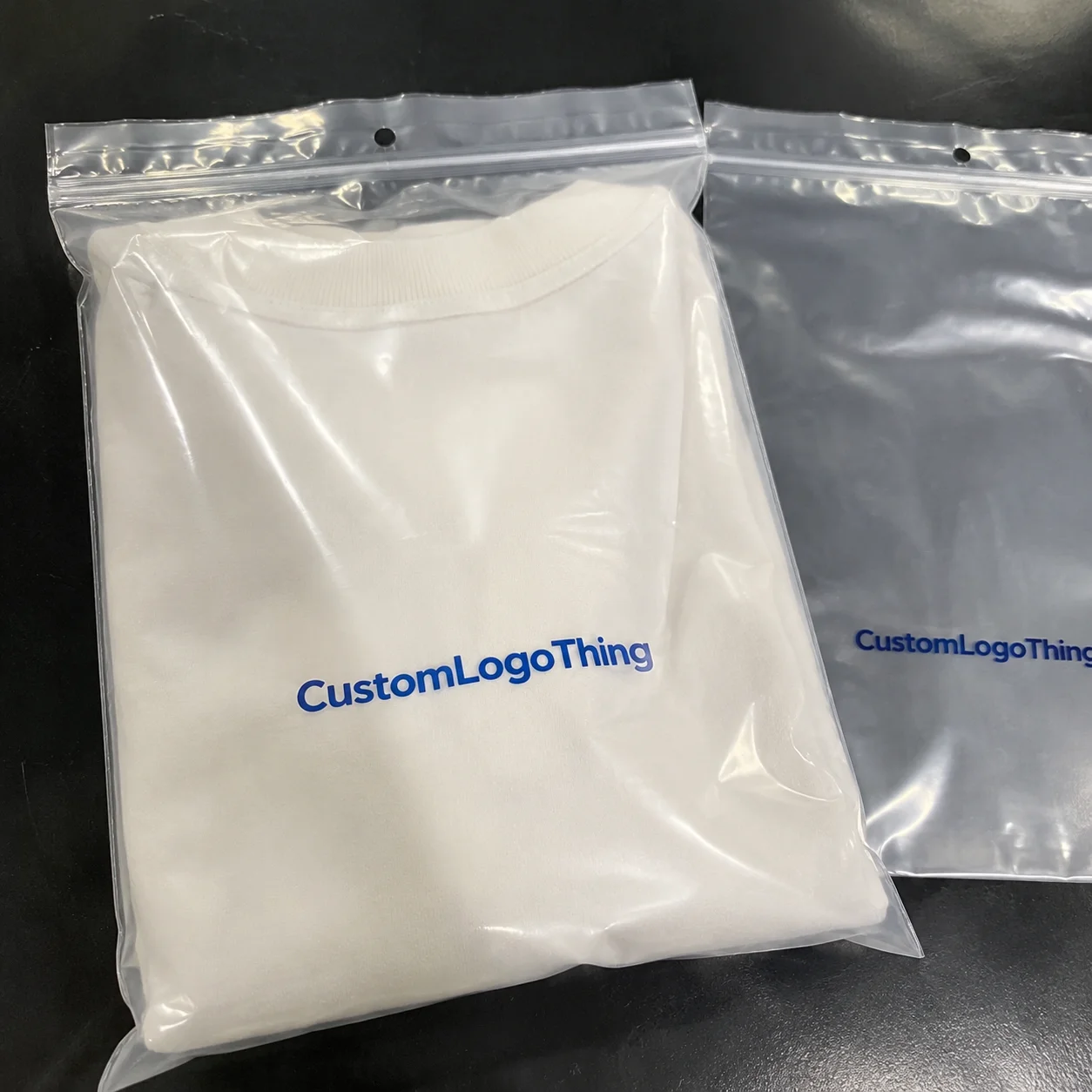
Buyer Fit Snapshot
| Best fit | Packaging Branding Wholesale projects where brand print, material claims, artwork control, MOQ, and repeat-order consistency need to be specified before quoting. |
|---|---|
| Quote inputs | Share finished size, material target, print colors, finish, packing count, annual reorder estimate, ship-to region, and any compliance wording. |
| Proofing check | Approve dieline scale, logo placement, barcode or warning zones, color tolerance, closure strength, and carton packing before bulk production. |
| Main risk | Vague material claims, crowded artwork, missing packing details, or unclear freight terms can make a low unit price expensive after revisions. |
Fast answer: Packaging Branding Wholesale: Artwork Proof, Packing Count, and Landed Cost should be specified like a repeatable production item. The safest quote records material, print method, finish, artwork proof, packing count, and reorder notes in one written spec.
Production checks before approval
Compare the actual filled-product size with the drawing, then confirm tolerance on folds, seals, hang holes, label areas, and retail display edges. Reserve space for logos, QR codes, warning copy, and material claims before decorative graphics fill the panel.
Quote comparison points
Review material grade, print process, finish, sampling route, tooling charges, carton quantity, and freight assumptions side by side. A quote is only useful when the supplier can repeat the same color, closure quality, and packing count on the next order.
I remember the exact moment I realized a startup founder had made a costly mistake with his packaging branding wholesale order. He was showing me his product line at a trade show in Chicago, genuinely proud of his herbal supplement brand. Then a buyer from Whole Foods picked up one of his boxes, turned it over, and asked, "Why does this look like it came from a print shop in 1997?"
The founder had ordered 10,000 units from some print broker who'd promised him "custom packaging" at rock-bottom pricing. What he received was a generic box with his logo slapped on in CMYK colors that didn't match his brand guidelines at all. The material felt flimsy. The edges weren't properly sealed. His $45,000 investment had made him look like an amateur.
That conversation happened eight years ago, but I see variations of it at least twice a month. (And honestly, it still makes me cringe every time.) The branded packaging industry is worth over $92 billion annually in North America alone, and the difference between success and failure often comes down to understanding how packaging branding wholesale actually works.
Businesses that invest strategically in custom printed boxes see repeat purchase rates climb roughly 30% higher than competitors using generic packaging. That's not marketing fluff—it's basic retail psychology. When a customer receives a product in well-designed retail packaging, their perception of value increases. They keep the box. They show friends. They remember the brand.
Here's what most buyers get wrong about package branding wholesale: it's not just about finding the lowest price. It's about finding consistency at scale. The startup founder I mentioned? He got exactly what he paid for. Cheap packaging branding wholesale that cut every possible corner.
I've visited factories in Shenzhen, spoken with production managers in Michigan, and negotiated contracts with suppliers whose names would surprise you. Let me walk you through what I wish every first-time wholesale packaging buyer understood before signing that first purchase order. (And trust me, I've seen some doozies.)
The $92 Billion Packaging Question: Why Wholesale Branding Matters
Let me start with a number that shaped how I approach this entire industry: $4,500. That's what a mid-size cosmetics brand typically spends per SKU on packaging design and production annually. Now imagine that brand expands from 8 products to 25 products within two years. The packaging spend scales accordingly—unless they've locked in packaging branding wholesale pricing that rewards volume.
The hidden cost nobody talks about is inconsistency. I worked with a client last year who had three different suppliers handling their retail packaging. Their coffee brand looked like three different companies depending on which product line you picked up. Same logo. Different colors. Different paper weights. Different finishing techniques. Customers noticed. One-star reviews mentioned "cheap packaging" even though the actual product scored 4.7 stars.
Getting packaging branding wholesale right means your brand identity stays consistent across every touchpoint. The unboxing experience matters. Studies show that 52% of consumers are likely to become repeat customers if the product packaging feels premium. That's more than half your customer base influenced by what amounts to glorified cardboard.
Generic packaging says "we're trying to save money" when you're scaling a product line. Your packaging tells a story before the customer even opens the box. Professional custom printed boxes say "we believe in what we're selling, and we want you to feel that value the moment the package arrives at your door."
The wholesale approach isn't just about cost per unit, though that matters. It's about establishing systems that keep your packaging branding consistent as you grow. A good wholesale partner understands your production schedule, your re-order timelines, and your quality benchmarks. They become an extension of your supply chain, not just a vendor you bid against three others.
I've seen brands burn through $80,000 switching suppliers because they didn't understand the true cost of inconsistency. Eighty. Thousand. Dollars. (I almost cried when I saw the invoices.) That's why I always tell clients: spend extra time choosing the right packaging branding wholesale partner upfront. The savings compound over years.
What You Get With Packaging Branding Wholesale Partners
When you're buying custom packaging at wholesale scale, the options are legitimately unlimited—which is exactly why the decision process feels overwhelming. Let me break down what reputable suppliers actually deliver.
Full-color printing has become the standard for most product packaging. CMYK processes give you photographic quality reproduction, but here's the catch: CMYK can't perfectly match every brand color. If your brand has a specific Pantone color that's critical to your identity—and for companies like Tiffany & Co. or Coca-Cola, it absolutely is—you'll need spot color printing. Spot color adds roughly 15-25% to your setup costs, but the accuracy is worth it for brands where color is non-negotiable.
The material selection fundamentally shapes how customers perceive your product. Corrugated cardboard remains the workhorse for e-commerce and subscription boxes—typically ranging from single-wall (32 ECT) to double-wall (48 ECT) depending on how much weight it needs to support. Rigid boxes offer that premium feel you see from Apple, Nespresso, and high-end cosmetics. Paperboard works well for smaller products where structural integrity matters less than printability.
Sustainable options don't cost significantly more anymore—a detail most buyers miss. Recycled content cardboard typically adds $0.02-0.04 per unit compared to virgin materials. Soy-based inks cost almost nothing extra. Water-based coatings have become standard in most modern facilities. The sustainability premium that existed five years ago has largely evaporated due to market demand and manufacturing improvements.
Die cuts transform a standard box into a memorable unboxing experience. Window cutouts let customers see the product. Finger cutouts make packages easier to open. Unique shapes differentiate your product on crowded retail shelves. I've seen a pet treat company increase their shelf visibility by 40% simply by switching from rectangular boxes to bone-shaped containers with window inserts. (Their Instagram unboxing videos went absolutely viral. Coincidence? I think not.)
Finishing options are where packaging design really comes alive. Matte lamination creates a sophisticated, muted appearance that works beautifully for premium health products. Gloss lamination makes colors pop—perfect for children's products or vibrant food packaging. Soft-touch lamination (also called velvet lamination) adds a tactile quality that communicates luxury; expect to pay $0.08-0.15 per unit for this treatment.
Foil stamping and embossing take your product packaging to another level entirely. Metallic foil in gold, silver, rose gold, or custom colors catches light and draws attention. Embossed logos create a texture you can feel, adding a sensory dimension to your brand. These options require custom tooling ($500-3,000 depending on complexity) but the visual impact is undeniable for premium positioning.
Steer clear of suppliers who push you toward their standard options rather than customizing to your brand. A genuine packaging branding wholesale partner will ask about your brand guidelines, your customer demographic, and your retail environment before suggesting configurations. If they're just reading from a menu without asking questions? Run.
Packaging Branding Specifications: Getting What You Actually Need
I'll be direct: the specification process is where most packaging branding wholesale orders go sideways. Buyers don't provide adequate artwork files, misunderstand color matching, or choose incorrect material specifications. Then they wonder why the finished product doesn't match their expectations. (Spoiler: it's almost always because of something in the spec sheet.)
Accurate artwork files prevent production delays and costly reprints. Your supplier needs vector files (AI or EPS format) for logos, text, and graphic elements. Raster files like JPEGs and PNGs look blurry when enlarged for print production. If your logo is embedded in a flattened PDF, you're asking for trouble. I recommend providing files with fonts outlined (converted to paths) so there's no font mismatch during production.
Color matching is where brand identity lives or dies. Screen displays use RGB color mode. Print production uses CMYK. These are fundamentally different color systems. RGB colors cannot be printed directly—you must convert them, and the conversion isn't always perfect. If your brand colors are specific (and they should be), specify Pantone matching codes to your supplier.
Pantone colors are standardized ink formulas that produce consistent results across different printing systems. If your brand uses PMS 187 (a specific red), that color should match whether it's printed in Shenzhen or Michigan. Without Pantone specifications, you'll get whatever the machine produces from CMYK values, and it will vary between print runs. (I've watched a brand's "signature red" look orange, pink, and maroon across three separate orders. They eventually fired their supplier and hired me to help find someone competent. It was not a fun phone call for anyone.)
Material thickness matters for structural integrity. Paperboard typically ranges from 12pt (0.012 inches) to 28pt depending on the product weight and handling requirements. For lightweight cosmetics, 14pt might suffice. For heavy supplements or beverages, you want 18pt or higher with appropriate burst strength ratings.
Burst strength measures how much pressure a corrugated material can withstand before rupturing—measured in pounds per square inch (PSI). Edge crush test (ECT) measures stacking strength. Speaking of ratings, understanding testing standards prevents embarrassing failures. For most e-commerce applications, 32 ECT single-wall provides adequate durability. For heavy products or tall pallet stacking, specify 44 ECT or higher.
Most reputable suppliers will ask about your product weight, shipping method, and storage conditions before recommending specifications. If a supplier doesn't ask these questions, that's a red flag. Your packaging branding wholesale partner should be helping you avoid failures that cost money and reputation.
I always recommend requesting a dieline or template from your supplier before finalizing designs. This ensures your artwork fits the actual box dimensions with appropriate bleed areas and safe zones. A template costs nothing but prevents expensive reprinting if your design extends too close to the cut line.
Wholesale Pricing and Minimum Order Quantities Explained
Let's talk about the elephant in the room: minimum order quantities. Every buyer hates MOQs. I get it. You want 500 units to test the market, but the supplier wants 2,500. It's frustrating. But understanding why they exist helps you work with them rather than against them.
Custom printed packaging requires setup regardless of quantity. Plate charges, tooling setup, color calibration, machine calibration—these fixed costs get distributed across your order volume. If you order 500 units instead of 5,000 units, the setup costs get amortized over fewer pieces, dramatically increasing your per-unit price. An order that looks cheap in total cost might cost $2.50 per unit instead of $0.45 per unit when you do the math.
Typical MOQ ranges vary by complexity. Simple single-color printed boxes on standard materials often start at 250-500 units. Four-color process printing typically requires 500-2,500 units depending on the supplier. Complex multi-material packaging (rigid Boxes with Custom inserts, specialty finishes, unique die cuts) commonly requires 5,000 units minimum at established production facilities.
Here's a rough price comparison I use with clients:
| Order Quantity | Est. Price Per Unit | Typical Setup Fees | Lead Time |
|---|---|---|---|
| 500 units | $1.20–$2.50 | $400–$800 | 14–18 days |
| 2,500 units | $0.65–$1.20 | $400–$800 | 18–21 days |
| 5,000 units | $0.40–$0.85 | $400–$800 | 21–28 days |
| 10,000+ units | $0.28–$0.65 | $400–$800 | 25–35 days |
These figures assume standard corrugated materials with four-color printing. Specialty materials, foil stamping, or custom die cuts increase pricing across all tiers.
Hidden costs catch many buyers off guard. Tooling fees for custom die cuts typically run $500-3,000 depending on complexity. Metallic ink or special spot colors often add $200-500 setup charges per color. Shipping from overseas facilities can add $0.15-0.40 per unit in freight costs plus customs duties. Domestic production eliminates these variables but at a price premium of roughly 20-30%.
Always request a complete quote that itemizes: material costs, printing setup, finishing setup, tooling amortization, shipping, and any applicable duties or taxes when evaluating packaging branding wholesale pricing. A quote that says "$0.45 per unit" without itemization is a quote designed to hide costs that will appear later.
My rule: if the supplier won't provide a detailed line-item quote, walk away. Transparency in pricing correlates strongly with transparency in production quality. (I wish this were more obvious, but apparently it needs to be said.)
The Production Process and Timeline From Order to Delivery
The typical production timeline for custom printed boxes at wholesale scale breaks down into five phases: artwork approval, prepress preparation, printing, finishing, and shipping. Each phase has bottlenecks that can delay your project if not properly managed.
Artwork approval causes more delays than any other factor. I've seen projects extend six weeks because of slow client feedback on proofs. The standard workflow goes: supplier prepares proofs (1-2 days) → client reviews (3-5 days typical, but often longer) → revisions if needed (1-3 days) → final approval (1 day). Build two weeks into your timeline just for the approval cycle. Yes, two weeks. Stop being optimistic about your internal review process.
Prepress preparation involves color separation, plate making, and machine setup. For complex four-color process work with multiple spot colors, this can take 5-7 days. Simple single-color printing might take 2-3 days. The more complex your packaging branding wholesale design, the more prepress time you need.
Printing actual production varies based on order volume and machine availability. A 5,000-unit order might take 2-3 days on a digital press or 5-7 days on an offset press depending on the facility's scheduling. Finishing operations—lamination, die cutting, gluing, foil stamping—typically add 3-5 days depending on complexity.
Expect 14-21 business days from artwork approval to ready-for-shipment for standard four-color packaging with standard finishing. Complex finishing like foil stamping and embossing extends this to 25-35 business days. Rush orders are possible but expect 25-40% premium pricing with 7-10 day turnaround maximum at most facilities.
Quality control happens throughout production at reputable facilities. Your supplier should have inspection checkpoints between printing and finishing, after finishing, and before shipping. Many suppliers photograph pre-production samples and send them for client approval before running the full order—this is worth requesting if not offered.
Shipping options range from standard ground freight (5-10 days in North America) to expedited air freight (2-5 days). Ground shipping for 5,000 pounds of boxes might cost $800-1,500 domestically. Air freight for the same weight could run $5,000-8,000. Plan your production schedule to avoid air freight premiums by ordering ahead of your inventory needs.
One detail that catches buyers off guard: your packaging might arrive unassembled and flat. If you lack warehouse space or staff for assembly, discuss this with your supplier. Some offer pre-assembled delivery at additional cost. Others can recommend third-party fulfillment services that handle kitting and assembly.
(I learned this the hard way with a client who ordered 15,000 flat boxes for a product launch. They had a team of three people, a tiny warehouse, and two weeks to assemble everything before the product hit retail shelves. We ended up hiring temp workers at $18/hour just to fold boxes. Not ideal.)
5 Red Flags in Packaging Branding Wholesale Suppliers
After inspecting dozens of manufacturing facilities and hearing countless horror stories from clients, I've learned to spot problematic suppliers before signing contracts. Here are the five warning signs I consider non-negotiable deal-breakers.
1. Vague communication about material sourcing. A quality supplier knows exactly where their cardboard comes from. They'll have relationships with specific mills and can provide specifications sheets for materials. If a supplier says "we use high-quality materials" without specifics, they're hiding something. I once visited a facility in Ontario that was printing food packaging with recycled materials containing contaminants—materials they would never admit to using. (Needless to say, I left very quickly.)
2. No physical samples before bulk production. Legitimate packaging branding wholesale suppliers offer sample runs. You should be able to order 25-100 units of your actual design for $200-500 to verify quality before committing to full MOQ. Suppliers who refuse to provide samples—or who only show generic portfolio pieces—cannot demonstrate their actual production capabilities.
3. Prices that seem too low. Custom packaging involves real costs: materials, labor, equipment, overhead. A quote that's 40% below market average means corners are being cut. Maybe they're using lower-quality materials. Maybe they're lying about printing methods. Maybe they'll surprise you with hidden charges later. In packaging wholesale, you generally get what you pay for. (And sometimes you get a lot less.)
4. Lack of certification transparency. FSC (Forest Stewardship Council) certification indicates responsible forestry practices. GMI (Global Packaging Organization) certification ensures color consistency standards. ISO 9001 demonstrates quality management systems. Reputable suppliers display these credentials prominently. If a supplier cannot explain their certifications or provide documentation, that's a serious concern—not just for compliance, but for quality assurance practices in general.
5. No dedicated account representative. When you're spending $15,000+ on packaging annually, you deserve a real person who knows your account. Suppliers who route you through generic email inboxes or rotate through account managers constantly are not set up to maintain quality consistency. You want someone who understands your brand, your re-order schedule, and your quality expectations over time.
Watch for red flags in communication patterns too. Suppliers who take more than 48 hours to respond to initial inquiries often have poor customer service. Suppliers who cannot explain their production process clearly probably have something to hide. Suppliers who pressure you to sign quickly before you understand terms are not partners you want.
Check references. Not just the ones they provide—ask specifically about their experience with retail packaging clients in your industry. A supplier who makes excellent coffee boxes might not be the right choice for cosmetic packaging, which has different regulatory and aesthetic requirements.
Your Wholesale Packaging Branding Action Plan
Here's my step-by-step framework for buyers approaching packaging branding wholesale for the first time. I've refined this process across hundreds of client engagements, and it works.
Step 1: Define your exact specifications before requesting quotes. You Need to Know your product dimensions, weight, shipping requirements, and retail environment. Your box needs to fit your product, protect your product, and look appropriate for where customers encounter it. Prepare a specification sheet with dimensions, material requirements, and finishing preferences. Suppliers quoted on vague requirements will provide vague pricing.
Step 2: Request samples from 3-5 suppliers with your artwork. Upload your actual design files or a simplified version that represents your branding. Most suppliers charge $50-200 for samples, but this investment reveals quality differences that photos cannot capture. Evaluate paper thickness, color accuracy, finishing quality, and structural integrity. (Yes, this means you'll have 3-5 boxes sitting on your desk for a week. Accept the clutter. It's worth it.)
Step 3: Negotiate based on annual volume commitments, not single orders. Suppliers offer better pricing when they can plan production schedules. If you commit to 20,000 units annually across multiple orders, you typically get better rates than if you place four separate 5,000-unit orders. Discuss annual volume commitments with your shortlist of suppliers.
Step 4: Establish quality benchmarks and return policies in writing. What constitutes acceptable quality variation? What percentage of defective units triggers a reprint? Who pays for shipping on returns? These questions answered before problems occur prevent disputes later. Get everything in writing, not just in conversation.
Step 5: Start with a trial run of 1,000 units before committing to full MOQ. After samples pass inspection, order a smaller initial run to verify the full production process works smoothly. This catches any issues before you have 5,000 units of misprinted packaging sitting in a warehouse.
Your first wholesale packaging order will teach you more than any article or consultant can. But going in with clear expectations, defined specifications, and quality benchmarks gives you the best chance of success.
If you're exploring wholesale programs at Custom Logo Things, we can walk you through material options, finishing capabilities, and volume pricing tiers that match your business stage. We've helped startups go from generic Amazon packaging to memorable unboxing experiences within six months.
Frequently Asked Questions
What is the typical minimum order quantity for wholesale branded packaging?
Most suppliers require 500-2,500 units for custom branded packaging wholesale orders. Simple single-color designs may allow MOQs as low as 250 units with some suppliers. Complex multi-material packaging with specialty finishes typically requires 5,000+ unit minimums at most manufacturing facilities. The complexity of your design, choice of materials, and finishing requirements all influence the minimum order your supplier will accept.
How long does it take to produce custom wholesale packaging?
Standard production runs take 14-21 business days after artwork approval for basic four-color packaging. Complex finishing such as foil stamping, embossing, or specialty coatings adds 5-10 days to production timelines. Rush orders typically incur 25-40% premiums and still require 7-10 days minimum. Always build buffer time into your production schedule, especially if you're importing from overseas facilities where transit time adds 3-6 weeks.
What file formats are required for packaging branding artwork?
Vector files in AI or EPS format are required for logos, text, and graphic elements that need to remain sharp at any size. High-resolution PDFs with embedded fonts work for complex designs with photographic elements. Always specify CMYK color mode only—RGB files will be rejected during production at most facilities. Provide fonts as outlined paths to prevent rendering issues if your supplier doesn't have the same fonts installed.
Can I get packaging branding wholesale pricing for a first-time order?
Most suppliers offer tiered pricing based on total order value and quantity, not order history. First-time buyers can access wholesale rates by ordering full MOQ quantities rather than smaller test runs. Some suppliers offer sample runs at retail pricing before you commit to bulk orders—this allows you to verify quality before investing in full production. Building a relationship with your supplier often leads to better pricing on subsequent orders as they value returning customers.
What sustainable packaging options exist for wholesale branding?
Recycled cardboard and paperboard are available at minimal cost premiums of $0.02-0.04 per unit compared to virgin materials. Soy-based inks and water-based coatings meet most sustainability certifications and are now standard at most modern facilities. FSC-certified materials ensure responsible forestry sourcing and are increasingly requested by retailers. Discuss your sustainability requirements with suppliers upfront—most have sustainable options readily available even if not prominently advertised.
Whether you're launching a new product line or refreshing existing Custom Packaging Products, the wholesale supplier you choose shapes customer perception for years to come. I've watched brands stumble with cheap packaging and I've watched brands soar with thoughtful package branding. The investment in finding the right packaging branding wholesale partner pays dividends across every dimension of your business—customer retention, perceived value, retail placement, and brand credibility.
Start with samples. Verify quality. Build relationships. Scale confidently.
If you need help evaluating packaging options or want to discuss specific requirements for your product line, our case studies show how brands at various stages have approached this challenge successfully.