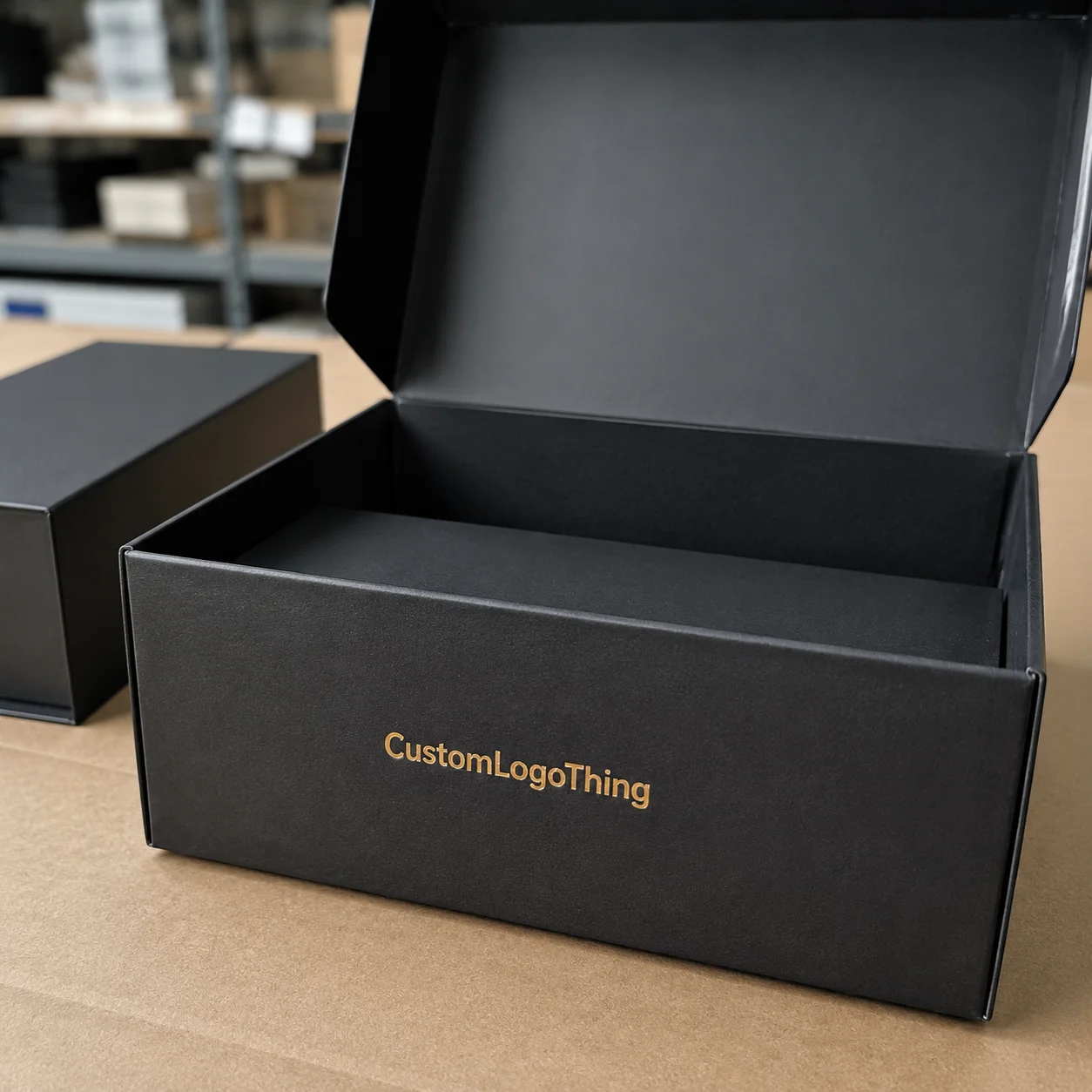
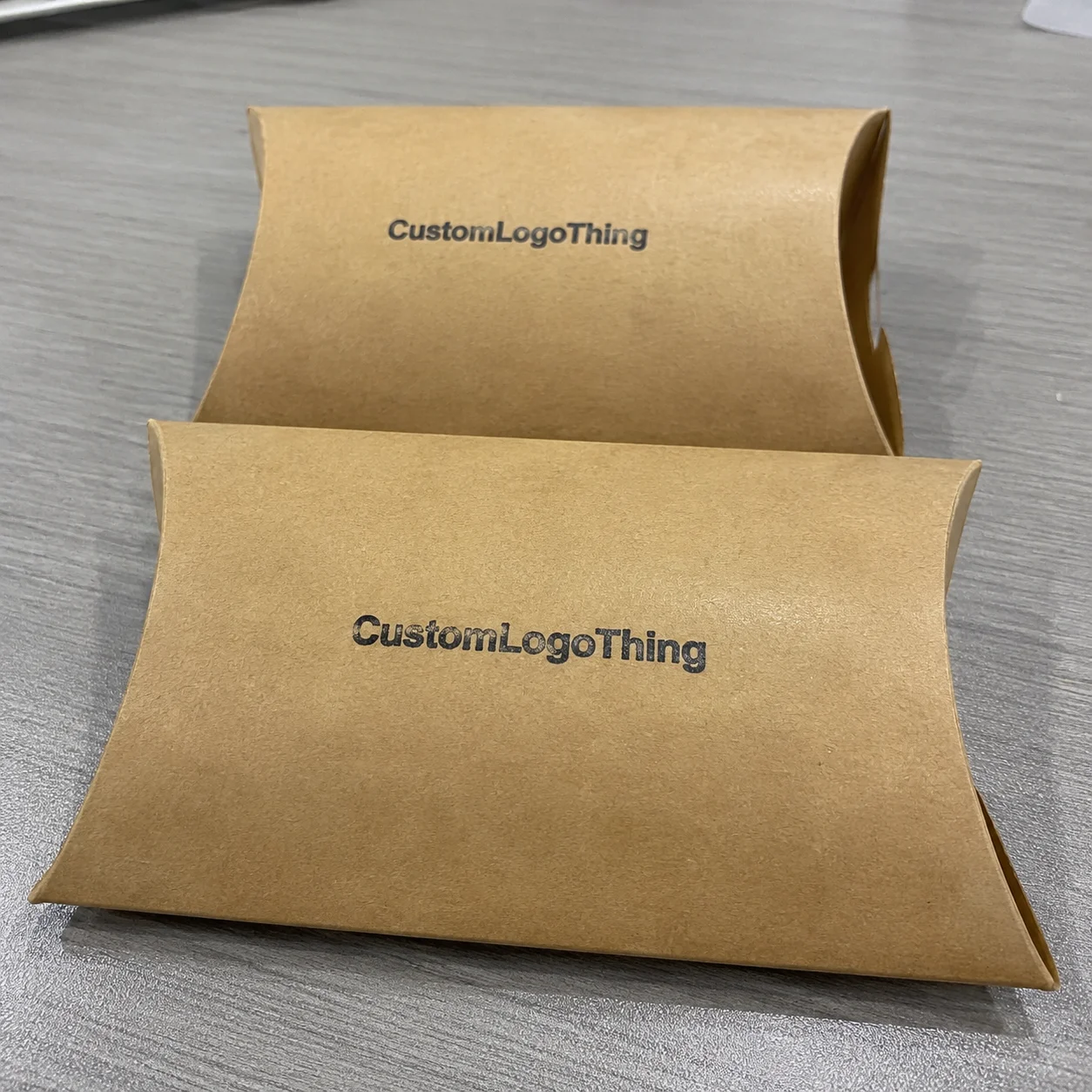
Buyer Fit Snapshot
| Best fit | Order Custom Dieline Shipping Boxes projects where brand print, material claims, artwork control, MOQ, and repeat-order consistency need to be specified before quoting. |
|---|---|
| Quote inputs | Share finished size, material target, print colors, finish, packing count, annual reorder estimate, ship-to region, and any compliance wording. |
| Proofing check | Approve dieline scale, logo placement, barcode or warning zones, color tolerance, closure strength, and carton packing before bulk production. |
| Main risk | Vague material claims, crowded artwork, missing packing details, or unclear freight terms can make a low unit price expensive after revisions. |
Fast answer: Order Custom Dieline Shipping Boxes: Board, Finish, Dieline, and Unit Cost should be specified like a repeatable production item. The safest quote records material, print method, finish, artwork proof, packing count, and reorder notes in one written spec.
Production checks before approval
Compare the actual filled-product size with the drawing, then confirm tolerance on folds, seals, hang holes, label areas, and retail display edges. Reserve space for logos, QR codes, warning copy, and material claims before decorative graphics fill the panel.
Quote comparison points
Review material grade, print process, finish, sampling route, tooling charges, carton quantity, and freight assumptions side by side. A quote is only useful when the supplier can repeat the same color, closure quality, and packing count on the next order.
I'll be direct with you: I've watched brands lose thousands of dollars because someone forgot to add bleed to a dieline file. That was back in 2019 at a factory in Dongguan, and I still wince thinking about the $14,000 worth of boxes that went straight into the trash compactor. The flap scores were backwards. Total loss. So when I tell you that understanding how to order custom dieline shipping boxes matters more than you think, I'm coming from a place of real scar tissue.
If you're an ecommerce brand, a product company, or anyone shipping physical goods, your shipping boxes aren't just containers. They're brand ambassadors that hit your customer's doorstep before anything else. And the dieline? That's the blueprint that determines whether your boxes get made correctly or become expensive landfill. Let's dig into everything You Need to Know.
Why Custom Dieline Shipping Boxes Actually Matter (And What Most Brands Get Wrong)
Here's what I see happen constantly: brands hire a designer, get gorgeous artwork created, and then are shocked when the printed boxes look nothing like the mockups. The culprit is almost always the dieline. Your custom printed boxes need a properly engineered dieline to exist in the real world, and without understanding how these blueprints work, you're essentially guessing whether your packaging will function correctly.
When I visited that Dongguan facility in 2019, I was there representing a client who'd ordered 50,000 Custom Shipping Boxes for a product launch. The boxes were printed beautifully—full CMYK coverage with metallic accents. Then someone tried to fold them. The flaps went the wrong way. The glue tabs didn't align. Because the dieline had the score lines backward, the entire run was unusable. The manufacturer's QC team had caught it, but my client was on the hook for the $14,000 production cost anyway.
That experience fundamentally changed how I approach custom packaging projects. The dieline isn't just a technical requirement—it's the difference between packaging that works and packaging that costs you money twice: once to make it wrong, and once to remake it right.
Your shipping box is the first physical touchpoint customers have with your brand after they complete checkout. For ecommerce businesses, this moment matters enormously.
A generic poly mailer tells your customer nothing about your brand values. A custom branded box signals care, professionalism, and attention to detail. But here's what most people get wrong: they think "custom" just means printing their logo on a brown box. It doesn't. It means engineering a solution that protects your product, reduces dimensional weight charges, and presents your brand professionally at every step of order fulfillment.
Generic mailers cost more long-term than custom boxes when you factor in damaged goods and re-shipments. I've run the numbers for dozens of clients. A $0.18 poly mailer seems cheaper than a $2.35 custom shipping box until you calculate the cost of a damaged product that needed replacement. The math usually works out in favor of properly engineered custom packaging, especially once you're shipping more than a few hundred units monthly.
What Exactly Is a Custom Dieline for Shipping Boxes?
Let me give you a working definition that actually means something: a dieline is the blueprint showing cut lines, fold lines, and glue tabs for your box design. It's the map your manufacturer follows when programming their die-cutting equipment. Without this blueprint, production simply cannot happen in a repeatable, consistent way.
People often confuse a dieline template with a printed design file. Here's the difference: your artwork file shows what will be printed on the box surface—logos, colors, images. The dieline shows where the box gets cut, where it folds, and how it's constructed. Both files are necessary for production, and they serve completely different purposes.
A complete custom dieline for shipping boxes includes several key components. The cut lines indicate where the material gets separated. The score lines show where the material gets compressed (but not cut) so it folds cleanly. The bleed area extends your artwork beyond the final trim size to account for cutting variations. And the safe zone keeps critical design elements away from edges where they might get cut off during production.
Shipping boxes need different dieline rules than retail packaging. Product packaging often gets displayed on shelves and needs to grab attention quickly. Shipping boxes need to survive the postal system, automated sorting equipment, and varying weather conditions. This means stronger corrugated grades, appropriate flute types for cushioning, and construction details that can withstand the rigors of order fulfillment logistics.
Industry standard formats for dieline files are Adobe Illustrator (AI), PDF, and EPS. I've found AI to be the most reliable for production work because it maintains vector integrity and allows for clean editing. When I'm working with clients, I always request AI files with all fonts converted to outlines and all linked images embedded. This eliminates the version compatibility issues that can cause production delays.
Dieline Specifications: Size, Material, and Construction Standards
Now we're getting into the specifications that actually matter for production. The most common shipping box sizes I work with are the 6x6x6 (typically used for smaller subscription products or samples), the 12x10x8 (a workhorse for most ecommerce products), and the 18x14x12 (for larger items or multi-packs). These measurements refer to inner dimensions—the usable space inside your constructed box. Your product needs to fit comfortably with room for any protective inserts or void fill.
Material options for Corrugated Shipping Boxes range from ECT-32 to ECT-44, with ECT standing for Edge Crush Test. This rating measures the force required to crush the corrugated board's edge. Higher ECT ratings mean stronger boxes. ECT-32 is suitable for lighter products (under 30 pounds per box), while ECT-44 handles heavier loads or rougher handling conditions. Single-wall corrugated is standard for most shipping applications, but double-wall construction is available when you need additional protection for fragile or heavy items.
Flute types significantly impact both protection and printability. A-flute provides excellent cushioning and is ideal for fragile products. B-flute offers a smoother printing surface and reasonable protection—it's what most of the standard shipping boxes you'll encounter are made from. C-flute strikes a balance between the two. Most Custom Shipping Boxes use B or C flute because these provide adequate protection while accepting high-quality printing.
Custom inserts, dividers, and partitions require their own dieline considerations. If you're shipping multiple items in one box, or if you need to protect a product with an irregular shape, your dieline needs to account for these internal structures. I've seen beautifully printed boxes that failed because the custom inserts didn't fit the dieline specifications—the manufacturer built the outer box correctly but the inserts were cut to the wrong dimensions.
Industry tolerances matter more than most people realize. The standard tolerance is plus or minus 1/8 inch on all dimensions. This isn't a quality problem—it's a physical reality of manufacturing. Paper expands and contracts with humidity. Cutting tools wear slightly over a production run. Your dieline needs to account for these normal variations. That's why we build in the bleed area and safe zones I mentioned earlier. If your design is 100% dependent on exact alignment at every edge, you're setting yourself up for disappointment.
How Much Does It Cost to Order Custom Dieline Shipping Boxes?
Let's talk money, because I know this is what you're really here for. The typical price range for custom dieline shipping boxes runs between $1.85 and $4.50 per box for standard orders of 500+ units. This wide range reflects differences in box size, material grade, print coverage, and quantity. A small 6x6x6 box in basic 32 ECT with simple one-color printing will land at the lower end. A large 18x14x12 box in 44 ECT with full four-color process printing will hit the higher end.
Setup fees represent a significant portion of your upfront costs. Expect to pay between $150 and $500 for custom dieline creation and die-cutting plate fabrication. This is a one-time cost per design (assuming you order reprints without changes). Some manufacturers amortize this cost across larger orders, which is why per-unit pricing drops as quantities increase. When I explain this to clients, I frame it as: you're investing in a production tool that will produce thousands of boxes correctly once it's made.
Volume breaks that actually matter: 500 units is the minimum most manufacturers recommend for custom dieline work, though some offer low-MOQ options. At 2,000 units, you'll typically see 15-25% lower per-unit pricing. At 10,000 units, the savings become substantial—often 30-40% compared to 500-unit pricing. Let me give you a real example from a project I managed: 1,000 units of 12x10x8 shipping boxes in 32 ECT with four-color process on the outside and natural kraft inside came to approximately $2.35 per unit, including a $300 setup fee. That's about $2,650 total for the order.
| Quantity | ECT Rating | Price Per Unit | Setup Fee | Total Cost | |
|---|---|---|---|---|---|
| 500 units | 32 ECT | 4/0 Color | $3.20 | $300 | $1,900 |
| 1,000 units | 32 ECT | 4/0 Color | $2.35 | $300 | $2,650 |
| 2,500 units | 32 ECT | 4/0 Color | $1.85 | $300 | $4,925 |
| 5,000 units | 32 ECT | 4/0 Color | $1.55 | $300 | $8,050 |
Hidden costs catch a lot of people off guard. Expedited production (7-10 day turnaround instead of the standard 12-18 days) typically costs a 25-40% premium. Custom colors beyond the standard four-color process (CMYK) often require spot color inks and additional setup. Metallic inks need their own production considerations and cost more. If you need a custom pantone-matched color, budget an extra $75-150 per color for ink matching.
Comparing branded boxes versus generic poly mailers over 12 months requires looking at total cost of ownership, not just unit price. Generic poly mailers might cost $0.18-0.25 per unit, which seems dramatically cheaper than $2.35 per custom box. But factor in damaged products requiring replacement ($15-50 per incident), re-shipment costs, and the customer experience impact, and the economics shift. For a brand shipping 500 units monthly, the difference in packaging cost (approximately $1,000 monthly for custom versus $125 for generic) is often justified by reduced damage claims and improved brand perception.
Where to Buy Custom Dieline Shipping Boxes and the 5-Step Ordering Process
You're ready to place an order, but finding the right supplier feels overwhelming. I've been there with clients countless times. The good news is that several paths exist for brands looking to order custom dieline shipping boxes, and each has merit depending on your volume, timeline, and technical capabilities.
The first option is working directly with a dedicated custom packaging manufacturer. This approach gives you factory-direct pricing, in-house design support, and direct communication with production teams. When you call and ask to order custom dieline shipping boxes, you skip the broker middleman and get transparent pricing. Manufacturers maintain your dieline files for future reorders, which makes the second order infinitely faster than the first.
The second path involves working with packaging brokers or aggregators who connect you with multiple manufacturing facilities. This works well if you lack design files or technical expertise, but expect 30-40% higher pricing for the convenience. Brokers handle the supplier coordination, but you're still ultimately dependent on factory production schedules.
The third option is using online packaging configurators for simpler box designs. These platforms allow you to specify dimensions, upload artwork, and receive quotes without direct designer consultation. The trade-off is limited customization—you're working within template constraints rather than engineering a solution around your specific product and brand needs.
My recommendation for most ecommerce businesses: start with a manufacturer that offers both online ordering and design consultation. You'll get the cost benefits of direct production while having expert support available when your requirements exceed what automated tools can handle. And here's the thing about that Dongguan disaster I mentioned earlier—working with a manufacturer who had in-house expertise would have caught those reversed score lines during design review, not after $14,000 in production.
I've refined the actual ordering process across hundreds of orders, and it consistently produces good results when followed carefully. Here's how it actually works.
Step 1: Submit Your Artwork or Request a Custom Dieline (24-48 hours)
You have two paths here. If you already have production-ready artwork that includes a properly formatted dieline, great—submit it and the manufacturer will review it for technical compliance. If you don't have a dieline, most manufacturers offer this as a service. When I work with clients who lack design files, I connect them with the manufacturer's in-house design team. They'll create a production-ready dieline based on your specifications. This typically takes 24-48 hours for initial concepts.
Step 2: Proof Approval and Material Selection (2-4 hours for revisions)
Once the manufacturer reviews your files, they'll provide a digital proof showing how your artwork will look on the actual dieline. This is your chance to catch any issues before production. Review the proof carefully: check that your logo appears correctly, colors match your expectations (within the limitations of CMYK printing), and all text is legible and spelled correctly. Material selection happens here too—confirm your ECT rating, flute type, and any special requirements like moisture resistance or flame retardancy.
Step 3: Sample Production and Approval (5-7 business days)
For orders over 1,000 units, I always recommend requesting a physical sample. Yes, it adds cost ($75-200 depending on complexity) and time (5-7 business days). But I've caught problems in samples that would have been catastrophic in full production. One client's sample revealed that their product didn't fit the box as snugly as intended—too much movement, not enough protection. We adjusted the internal dimensions before committing to the full production run. The sample cost $150 and saved us from re-running 5,000 units.
Step 4: Full Production Run (10-15 business days)
After sample approval, production begins. The manufacturer sets up the die-cutting plates, prints the material, cuts the boxes, and prepares them for shipping. This is where the machinery happens—literally. High-speed printing presses lay down your artwork, die-cutters shape the boxes according to your dieline, and folding machines create the final constructions. Most standard production runs complete within 10-15 business days of approval.
Step 5: Quality Inspection and Freight Shipping (3-7 days)
Before boxes ship, quality control inspects a percentage of the run (usually 5-10%, though some brands request 100% inspection at additional cost). They check for correct dimensions, proper fold lines, accurate printing, and undamaged materials. Once approved, boxes get palletized, stretch-wrapped, and handed off to freight carriers. Transit time depends on whether you're working with East Coast or West Coast facilities and your delivery location. Standard freight typically adds 3-7 days.
Total Timeline: 18-28 business days from approval to delivery
For standard production, plan on 18-28 business days total. This accounts for file review, proofing, sample production, full run, and shipping. If you're launching a new product or have a hard deadline, build in at least a two-week buffer. I've seen brands miss holiday shipping windows because they assumed production would be faster.
Common Dieline Mistakes That Delay Orders (And How to Avoid Them)
After years of watching orders get delayed or rejected, I've compiled the most common mistakes I see. Learn from everyone else's pain.
Bleed Area Violations: Not extending artwork 1/8 inch beyond trim is the number one issue I encounter. If your artwork stops exactly at the trim line, minor cutting variations will leave white edges on your finished box. Always extend colors and graphics at least 1/8 inch (0.125 inch) beyond the final cut line. This is non-negotiable in commercial printing.
Safe Zone Violations: Placing critical text within 1/4 inch of trim creates risk that those elements get cut off. Logo text, important product information, and any design elements that must appear on the finished box need to sit at least 1/4 inch inside the trim line. The safe zone exists to protect you from normal production tolerances.
Score Line vs Fold Line Confusion: These are different operations. Score lines compress the material so it folds cleanly without cracking. Cut lines separate the material. Confusing them causes boxes that don't fold correctly or fall apart during assembly. If you're providing your own dieline, make sure your file uses the correct line types for each operation.
Color Mode Errors: Submitting RGB files instead of CMYK will cause problems. RGB colors don't map directly to CMYK printing. Your vivid RGB red might print as a dull brick red in CMYK. Always convert to CMYK before submitting artwork. This isn't a preference—it's a technical requirement for predictable printing results.
Resolution Issues: Low-resolution images look fine on screen but produce blurry, pixelated results in print. If you're using photographs or raster graphics in your design, they need to be at least 300 DPI at actual print size. A logo that looks sharp at 2 inches on your screen might be only 72 DPI if it's a scaled-down web file—useless for production printing.
Missing Linked Files and Fonts: Fonts that aren't embedded or converted to outlines will default to system fonts (usually Arial or Times New Roman). Linked images that aren't included with the submission file will appear as placeholder boxes or missing elements. Always package your files with all fonts converted to outlines and all images embedded or included in the submission package.
Why Work With a Dedicated Custom Packaging Manufacturer
Here's what I've learned after 12 years in this industry: your supplier choice matters more than almost any other decision in your packaging project. I've worked with brokers, trading companies, small print shops, and dedicated manufacturers. The difference in outcomes is stark.
Dedicated manufacturers maintain dieline libraries for repeat orders. This means when you reorder in six months, your file already exists in their system with the correct specifications. No redrawing, no "we need to recreate this from scratch" conversations. At Custom Logo Things, we've kept dielines for clients going back years. One brand I work with still uses a dieline we created in 2017—they reorder periodically, and the process takes minutes instead of days.
Factory-direct pricing eliminates middleman markups. When you work through a broker or trading company, you're typically paying 30-40% more for the same production. The broker takes a cut and you're still dealing with the factory indirectly. Working directly with manufacturers means transparent pricing and direct communication with the people actually running the equipment.
In-house design teams catch dieline errors before production. This is invaluable. When a manufacturer has designers who understand both the creative and production sides of packaging, they can identify problems while the file is still editable. A missing bleed here, a score line in the wrong place there—these get caught and corrected before you're committed to a production run.
Single-source accountability matters for complex projects. When something goes wrong (and something eventually goes wrong on every complex project), you want one partner responsible for the entire outcome. If you're working with three different vendors for design, production, and fulfillment, you're coordinating chaos. One manufacturer handles everything and you have one point of contact for problem resolution.
I've found that working with facilities in Ohio and California works well for faster East Coast fulfillment when needed. Regional manufacturing reduces transit times and freight costs compared to shipping from overseas facilities. While I've had positive experiences with international production for very large runs, the latency and communication challenges make smaller orders impractical for most brands.
Direct communication with production managers—not just sales reps—makes a massive difference. When you can talk to the person who actually runs the die-cutter or manages the print queue, you get real information about timelines, capacity, and potential issues. Sales reps know what's on the website. Production managers know what's actually happening on the floor.
Ready to Order Custom Dieline Shipping Boxes? Here's Your Action Plan
Let me give you a concrete checklist so you can move forward with confidence. These are the steps I walk every client through before they submit their first order.
Know Your Requirements Before Contacting Suppliers
Before you email anyone, have these details ready: exact inner dimensions needed (measure your product and add for protective materials), weight capacity requirements (what's the heaviest item this box will ship?), and any certification requirements (do you need FSC-certified materials, ISTA testing compliance, or food-safe materials?). Vague requests get vague quotes. Specific requests get accurate pricing.
Prepare Your Artwork Properly
Your artwork should be in CMYK color mode, minimum 300 DPI resolution for any raster elements, with 1/8 inch bleed extending beyond all trim lines. Convert all text to outlines or include all fonts with your submission. If you're not confident in your file preparation, ask the manufacturer for guidelines before submitting. Many offer free preflight checks that identify issues before you commit.
Request a Sample Before Full Production
Budget $75-200 for samples and build 5-7 business days into your timeline for sample production and review. This is non-negotiable for orders over 1,000 units in my experience. The sample gives you physical proof that the box works, looks correct, and fits your product. One sample order has saved me from more production mistakes than I can count.
Get Quotes From Multiple Suppliers
Request quotes from at least three suppliers, and make sure each quote includes: setup fees, unit pricing at your target quantity, material specifications (ECT rating, flute type), print specifications (number of colors, coverage), and freight costs to your location. Comparing these line by line reveals differences that total pricing obscures.
Understand Revision Policies
Ask about their dieline revision policy upfront. Some suppliers include two rounds of revisions free in their setup fee. Others charge $50-150 per revision after the first round. Knowing this in advance prevents surprise charges and helps you prioritize which changes are truly necessary versus nice-to-have.
Plan Your Timeline Realistically
Expect delivery within 18-28 business days for standard production runs. If you're launching a product, building a new brand identity, or approaching a peak shipping season, add buffer time. The last thing you want is to be explaining to customers why their orders are delayed because your boxes haven't arrived from production.
If you're ready to start the conversation, Custom Shipping Boxes are available through Custom Logo Things with full custom dieline support. I encourage you to reach out with your specifications and I'll connect you with the right production partner for your project.
What is the minimum order quantity for custom dieline shipping boxes?
Most manufacturers set MOQs between 250-500 units for custom dieline work. This minimum exists because creating custom die-cutting plates and setting up production runs has fixed costs that only make sense at certain volumes. Some suppliers offer low-MOQ options (100 units) but typically at higher per-unit pricing ranging from $3.50-$5.00 per box. For smaller runs, budget around $500-750 in total setup and production costs. Large orders (2,500+ units) typically unlock the best unit pricing and faster turnaround times.
How long does it take to produce custom dieline shipping boxes?
Standard production requires 12-18 business days after artwork approval, not including file review, proofing, or sample time. Expedited production is available for 7-10 day turnaround at a 25-40% premium on the production cost. Sample kits require 5-7 business days before bulk production begins. Freight transit adds 3-7 days depending on your destination and chosen shipping method. Total timeline from initial inquiry to box delivery is typically 4-6 weeks for standard production.
Can I get a custom dieline created if I don't have design files?
Yes, most custom packaging manufacturers offer dieline design services ranging from $150-400 depending on complexity. When you provide your box dimensions, weight capacity requirements, and branding guidelines, in-house designers create production-ready dielines with proper bleed areas, safe zones, and construction specifications. This service typically includes revision rounds—usually 1-2 free revisions with additional rounds at $50-75 each. The manufacturer's design team understands commercial printing requirements, so the resulting dielines are immediately usable for production.
What file format do I need for custom dieline shipping boxes?
Preferred formats are Adobe Illustrator (AI) or high-resolution PDF with embedded fonts and linked images. Acceptable alternatives include EPS, PSD with organized layers, or press-quality PDF. Always convert text to outlines to avoid font substitution issues—this is critical because your files might be opened on systems that don't have your fonts installed. For any raster images (photographs, scanned textures), maintain minimum resolution of 300 DPI at actual print size. Vector elements are preferred for logos and text because they scale without quality loss.
How do I reduce dimensional weight charges with my custom shipping boxes?
Dimensional weight (also called DIM weight) is calculated by carriers as length × width × height ÷ 139 for domestic shipments. To minimize these charges, optimize internal dimensions to fit your products with minimal void space—the goal is a snug fit without excess room. Consider lighter corrugated grades (ECT-32) when your products don't require heavy-duty protection, as smaller outer dimensions reduce DIM weight calculations. Work with suppliers who understand carrier dimensional weight formulas and can design boxes that balance protection with efficient shipping dimensions. Custom inserts reduce product movement, eliminating the need for oversized boxes just to prevent damage.