Buyer Fit Snapshot
| Best fit | Packaging Budget Selection Without Wasting Money projects where brand print, material claims, artwork control, MOQ, and repeat-order consistency need to be specified before quoting. |
|---|---|
| Quote inputs | Share finished size, material target, print colors, finish, packing count, annual reorder estimate, ship-to region, and any compliance wording. |
| Proofing check | Approve dieline scale, logo placement, barcode or warning zones, color tolerance, closure strength, and carton packing before bulk production. |
| Main risk | Vague material claims, crowded artwork, missing packing details, or unclear freight terms can make a low unit price expensive after revisions. |
Fast answer: Packaging Budget Selection Without Wasting Money: Material, Print, Proofing, and Reorder Risk should be specified like a repeatable production item. The safest quote records material, print method, finish, artwork proof, packing count, and reorder notes in one written spec.
Production checks before approval
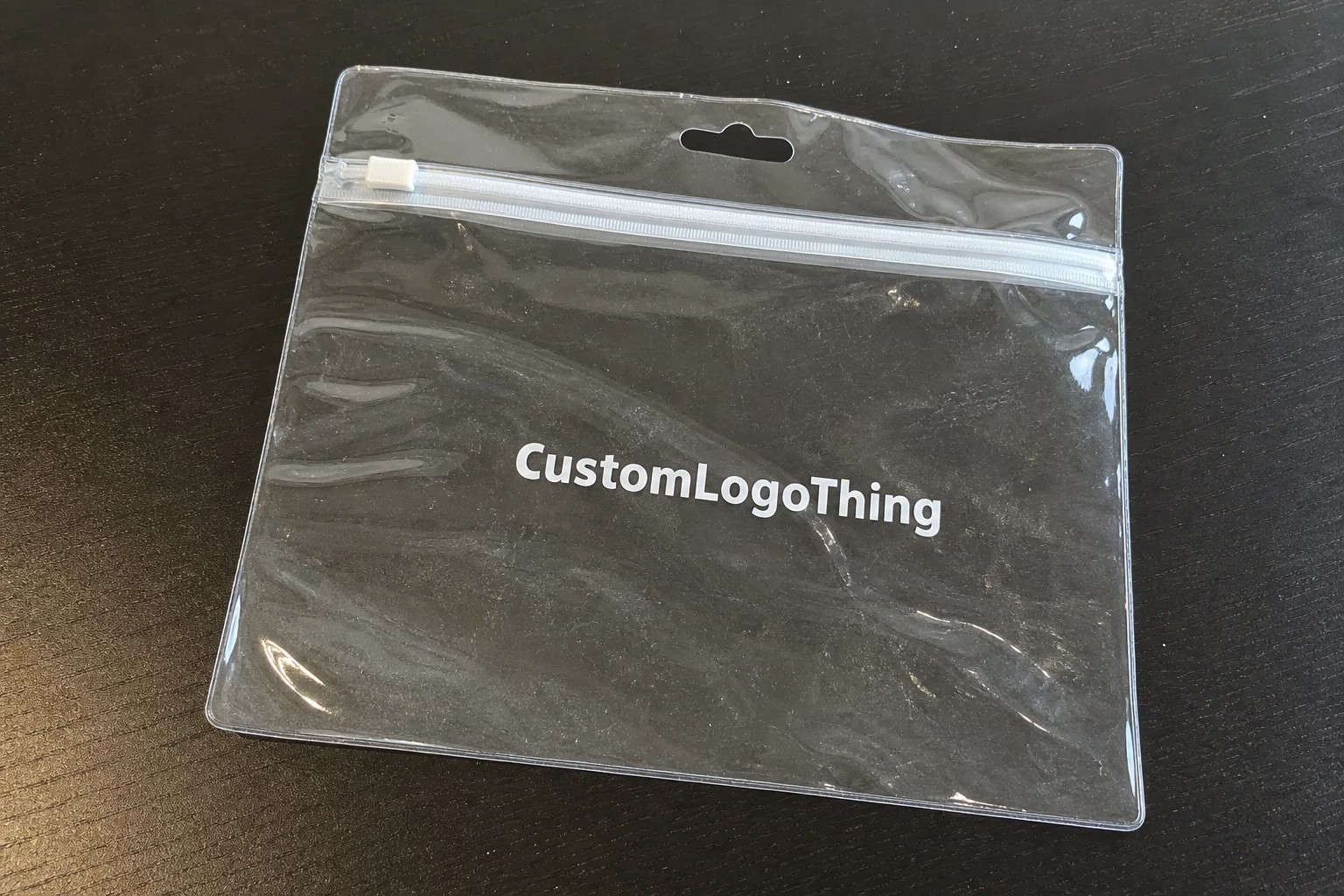
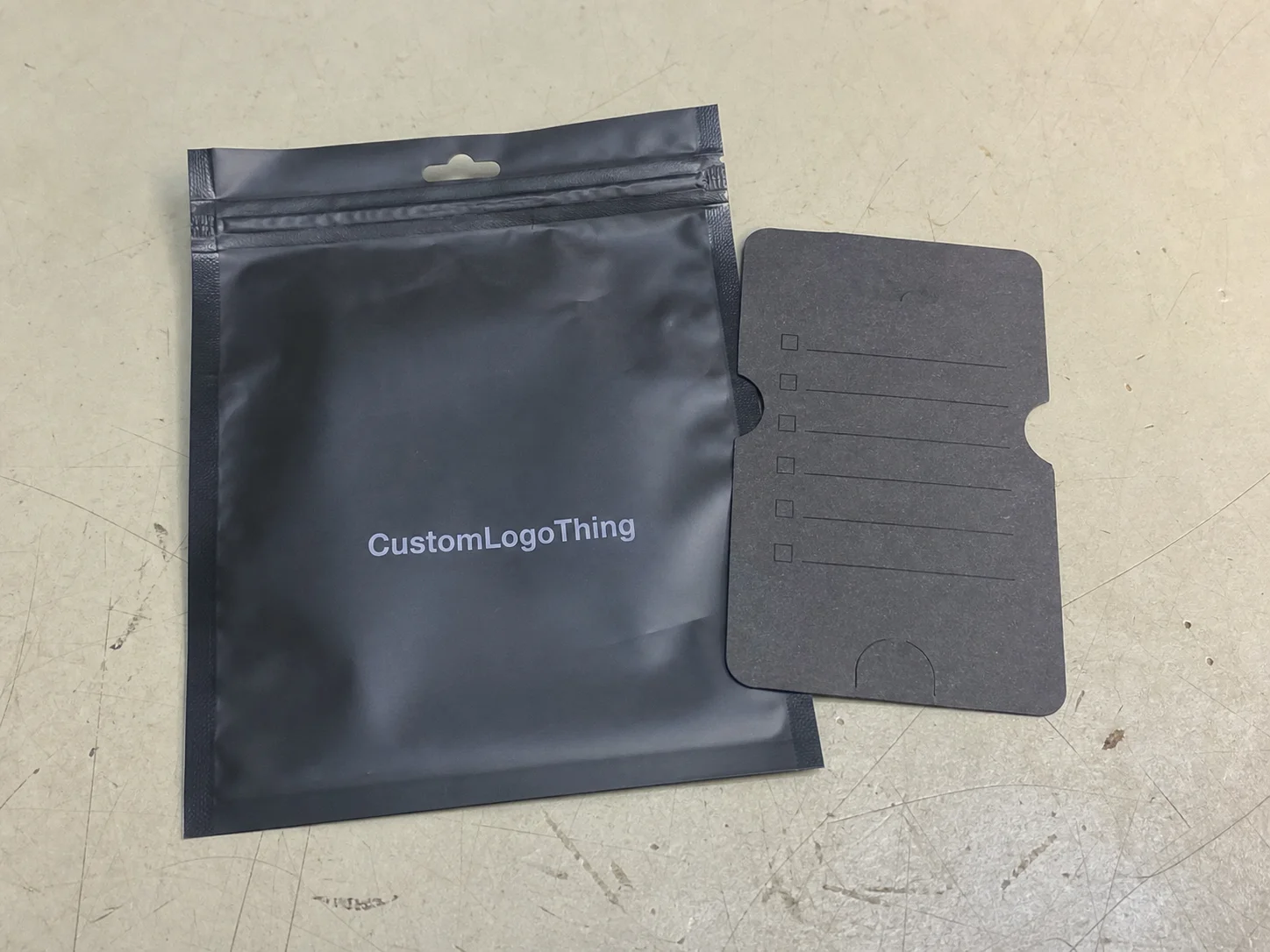
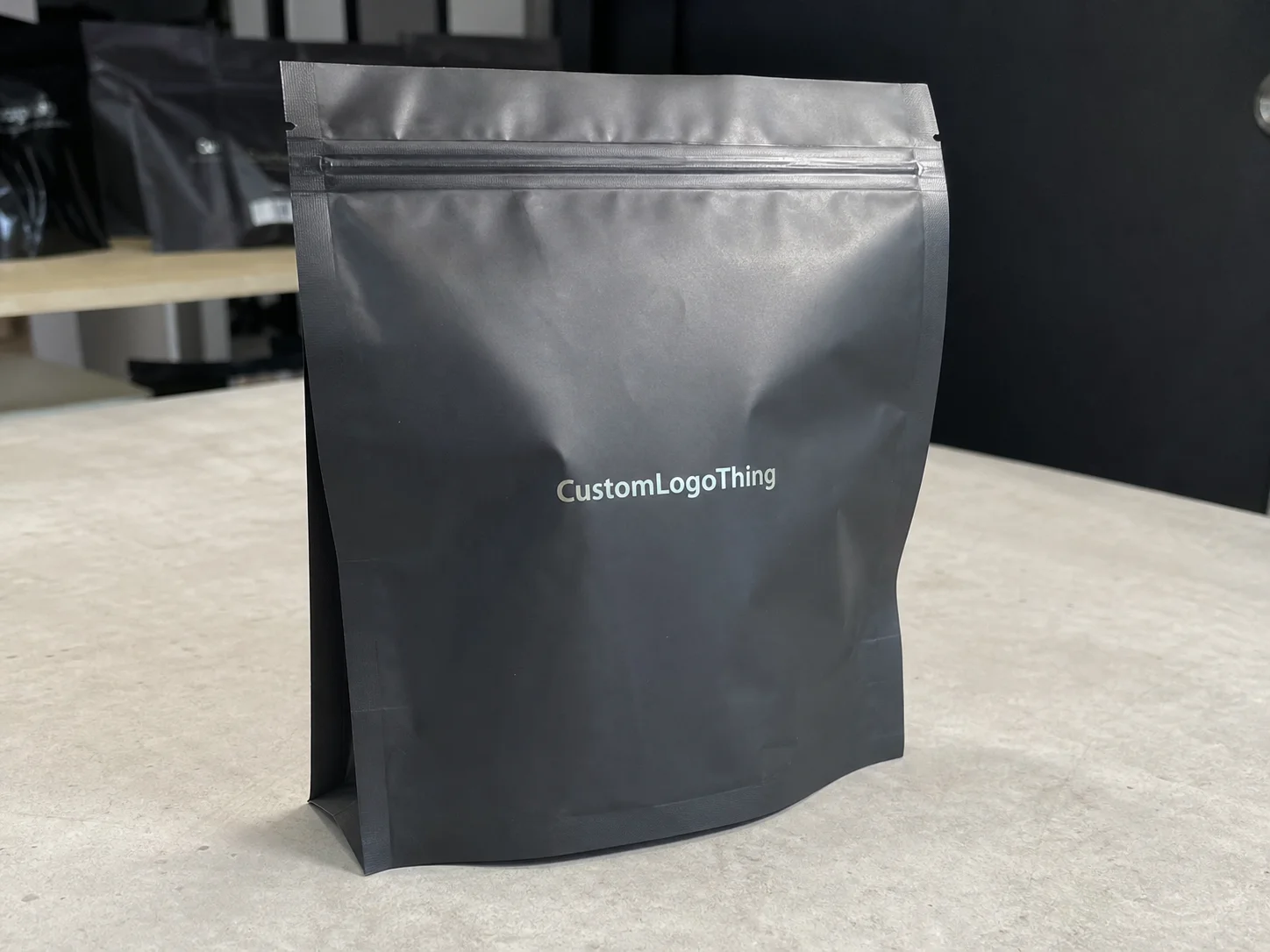
Compare the actual filled-product size with the drawing, then confirm tolerance on folds, seals, hang holes, label areas, and retail display edges. Reserve space for logos, QR codes, warning copy, and material claims before decorative graphics fill the panel.
Quote comparison points
Review material grade, print process, finish, sampling route, tooling charges, carton quantity, and freight assumptions side by side. A quote is only useful when the supplier can repeat the same color, closure quality, and packing count on the next order.
I once watched a 1.5 mm tweak to a tuck flap add $0.08 per unit on a 5,000-piece run because the die rule, platen setup, and hand-finishing time all shifted together. That is why packaging budget how to choose is never just about the quote on the first page. It is the full landed cost of the package, from art files and samples to inserts, freight, storage, and the rework nobody planned for. The spreadsheet always looks calm right up until the factory in Dongguan asks for one more proof and everybody remembers how money works.
If you are comparing Custom Printed Boxes, retail packaging, or shipping cartons for a new launch, think like an operations team, not a shopper drifting through a pretty aisle. I ask clients one blunt question first: what does the package have to survive, what does it have to say, and what is the real cost if it fails once out of every 200 units? For a 3-pound candle in a 24-count master case, that answer is different than a 120-gram tea tin on a boutique shelf in Chicago. Honestly, that last question usually gets people to stop treating the quote like a magic number.
I have stood on factory floors where the cheapest quote turned out to be the most expensive mistake. The quote ignored make-ready time, packaging design complexity, and freight class. A carton that looks $0.12 cheaper on paper can turn into $0.34 more expensive after an extra print pass, a larger master carton, and a second pallet layer to keep it from getting crushed on the rail line from Suzhou to Los Angeles. I remember one buyer staring at the numbers like they had personally betrayed him. They had not. The spec sheet did.
Packaging Budget How to Choose: What the Best Teams Miss
The best teams do not start with decoration. They start with risk. A 14-ounce glass jar shipping through an e-commerce parcel network needs a different answer than a 3-ounce tea tin sitting on a boutique shelf, and packaging budget how to choose shifts the minute you move from protection-first to display-first. I have seen a fragrance client spend $0.19 more per unit on a slightly heavier board, then save $1.60 per order in breakage. That math was easy to defend because it was real money, not marketing fog. No one in finance argued with the pile of shattered bottles from the first trial run in Jersey City, which, to be fair, was persuasive in a very annoying way.
Here is the part many buyers miss: the budget should include every line item that touches the package between concept and delivery. Structural design. Dieline changes. Prototyping. Print plates or dies. Sample freight. Quality checks. Pallet wrap. Storage. The first round of rework if artwork lands 2 mm off center. On a 7,500-piece job made in Shenzhen, even a small color correction can add 1 to 2 business days and a few hundred dollars in press time. When a team only tracks the unit quote, packaging budget how to choose turns into guesswork instead of a controlled decision. And guesswork is a cute hobby, not a sourcing strategy.
I still remember a meeting with a beverage brand in a room above a corrugator in Ohio. The team wanted a premium rigid sleeve, but their freight ceiling made the idea impossible. We sketched three options on the back of a spec sheet: a folding carton, a corrugated shipper, and a rigid setup box with a chipboard insert. The final answer was a hybrid. That 20-minute conversation saved them about $18,000 across the first 40,000 units. The room smelled like glue and hot cardboard, which, weirdly, made the decision feel more honest than any polished conference room ever could.
That is the real lesson behind packaging budget how to choose: the same product can live in three different budget bands, and each band works if the business model matches it. A direct-to-consumer kit may need stronger edge crush and more void fill. A club-store case may need bigger graphics and simpler assembly. A luxury set may need embossing and foil, but only if the shelf value justifies it. The package is not a fixed asset. It is a working tool, and if you ask it to do everything, it is gonna charge you for the privilege.
When I visited a carton plant near the Gulf Coast in Mobile, Alabama, the operators told me the hardest projects were not the thick boards or the large formats. The hardest jobs were the overreaching ones, where a brand asked for soft-touch lamination, spot UV, a magnetic closure, and a custom insert on a 2,500-piece run. Every extra finish slowed the line by 12 to 18 minutes per bundle, and that time was not free. One press operator looked at a glossy proof and said, very dryly, “Sure, we can do that. If time has stopped moving.” Fair point.
How Do You Choose a Packaging Budget?
Start with product risk, the shipping route, and the sales channel. Then build the budget from structure, print, tooling, freight, storage, samples, and a small contingency. If the package is going into parcel shipping, protection comes first. If it is sitting on a shelf, shelf appeal matters more, but only after the base structure is safe. That is packaging budget how to choose without turning the job into a fantasy exercise.
My shortcut is simple: protect the product, match the channel, and spend on the details that either reduce damage or raise perceived value. A clean dieline, the right board grade, and a realistic landed cost usually do more for the business than a dramatic finish that looks nice in the render and behaves like a diva in production. I have seen plenty of boxes get applause in a review meeting and then fail miserably when someone tries to stack them on a pallet.
If you want the short version, packaging budget how to choose means choosing the lowest-cost structure that still passes drop tests, fits the launch timeline, and supports the brand story. Everything else is decoration. Sometimes decoration is worth it. Sometimes it is just expensive confetti.
How Packaging Budgets Work in Real Production
Production starts long before ink hits board, and packaging budget how to choose only makes sense if you follow the sequence. First comes the brief, then structural design, then a prototype or white sample, then quoting, then prepress, then production, then inspection, and finally shipment. A typical proof-to-production cycle in a plant near Dongguan runs 12 to 15 business days after proof approval if the artwork is clean and the board is in stock. Each step has a cost, and each step can add a day, a week, or a hard dollar amount if the specs change after approval. I have seen a single “small” artwork tweak snowball into three extra emails, two more proofs, and a week of grumbling from everyone involved.
Fixed costs behave differently from variable costs. That is why a 1,000-unit order can feel expensive while a 25,000-unit run feels more reasonable. Die setup, plate prep, and digital proofing cost roughly the same whether you make 500 units or 5,000 units, so the per-unit price drops as volume rises. On a 5,000-piece cosmetic carton run, for example, a $275 die charge spread across the order is far easier to absorb than on a 750-piece test batch. That is one reason packaging budget how to choose is easier when the team knows the forecast for the next 2 or 3 production cycles. If they do not know the forecast, then everybody is basically guessing with a calculator.
One quote can also look cheaper because it hides freight, warehousing, and spoilage. I once reviewed two quotes for a cosmetics client in Toronto, and the lower one left out inland trucking, third-party storage for 6 weeks, and a 4% spoilage allowance. Once those numbers went back in, the “expensive” option was actually about $0.11 per unit less costly on a landed basis. That is the part I wish people understood earlier: the invoice is not the finish line, it is the opening scene.
Structure matters just as much as print. A folding carton with a single-color exterior and no insert is usually the lightest budget option. A corrugated shipper with die-cut inserts adds protection and bulk. A rigid setup box with wrapped chipboard and tissue gives a premium feel but can run 3 to 5 times higher in material and hand labor. If you are serious about packaging budget how to choose, compare the structure before you compare the decoration. A fancy lid on a weak box is just an expensive way to ship disappointment.
Print complexity is another budget lever people underestimate. A simple 4-color process job on SBS board can run smoothly, but once you add a metallic ink, a soft-touch coating, a registered foil, and a window patch, the line slows and waste climbs. In a plant that runs 60,000 units per shift, a 3% waste rate sounds small until you turn it into 1,800 extra pieces and a second round of counting. Counting after midnight is not anyone’s favorite hobby, unless they are deeply committed to suffering.
Key Factors That Shape the Right Budget
Protection comes first, because the product is the thing you are paying to deliver safely. Glass, powdered supplements, electronics, and food with temperature sensitivity all need different structures, and packaging budget how to choose should begin with impact risk, stacking strength, and how many handling touches the box will see. A 2-pound countertop appliance moving from a factory in Mexico City to a warehouse in Dallas needs a very different spec than a 6-ounce serum bottle going by parcel from Philadelphia to Portland. If the item travels through six touchpoints, the budget needs enough cushion to survive real conditions, not a polished office mockup with perfect lighting and zero gravity.
Brand requirements can push the budget sharply. Embossing, debossing, foil stamping, spot UV, and tight Pantone matching all add setup and control costs, especially on short runs of 2,000 to 7,500 pieces. A beauty client once asked for four foil colors on a sleeve that was only 3.25 inches wide. The press team warned that registration drift would raise scrap, and they were right by about 6% more waste. The client loved the mockup. The press loved the invoice. Nobody else was thrilled.
Order quantity changes the math in a very practical way. Small runs usually favor simple constructions, fewer components, and a single print pass, while larger runs can absorb tooling and setup more easily. A 1,200-unit launch in 350gsm C1S artboard and a 120,000-unit replenishment in 18pt SBS do not live in the same financial world. That is why packaging budget how to choose cannot be copied from a brochure; a 1,200-unit launch and a 120,000-unit replenishment order live in different financial worlds. One is a sprint. The other is a freight train.
Distribution channel matters too. E-commerce packaging needs drop performance, edge crush resistance, and enough fit precision to avoid dunnage bloat, while retail packaging often needs shelf appeal, barcode clarity, and merchandising consistency. Club-store packaging may need faster pallet build and stronger master cases because the warehouse team wants high throughput, not delicate assembly. I have seen a warehouse manager in New Jersey reject a beautiful carton because it took ten seconds too long to stack. He was not being mean. He was being paid to keep the dock from turning into a parking lot.
Sustainability is a budget factor when it is treated honestly. Lighter board, right-sized dimensions, and fewer components can reduce shipping cost and waste together, but “eco” claims only help if the package still passes use conditions. I have seen brands save 11% in board usage by trimming 4 mm from the depth of a mailer, and that kind of change can improve both cost and material efficiency without sacrificing product safety. I like those wins because they do not need a speech. The numbers do the talking.
If you want a practical benchmark for testing and durability, ISTA standards are a useful place to start, especially for drop and vibration testing on parcel shipments: ISTA testing standards. For fiber sourcing and responsible board selection, FSC certification is another important reference point: FSC-certified materials.
Packaging Budget How to Choose by Looking at Pricing
When suppliers send quotes, compare them on the same basis or the numbers will lie to you. Packaging budget how to choose gets much easier when you line up unit price, tooling, samples, freight, storage, payment terms, and expected waste in one view. I tell teams to ask for an apples-to-apples sheet with exact dimensions, substrate, print method, insert count, and finish details before they even start arguing over price. Otherwise, everybody is just shouting about different boxes like it is a competitive sport.
Here is a simple comparison I use with clients who are weighing three common package types. The exact numbers will vary by region, board grade, and run size, but the relationship between structure and spend stays consistent.
| Package Type | Typical Run Size | Example Unit Cost | Main Cost Drivers | Best Use Case |
|---|---|---|---|---|
| Folding carton, 18pt SBS, 4-color print | 10,000 units | $0.14 to $0.28 | Board grade, print coverage, coating, dieline | Light products, retail shelf, simple product packaging |
| Corrugated shipper with insert | 5,000 units | $0.38 to $0.85 | ECT strength, flute type, insert complexity, freight volume | E-commerce, direct ship, fragile items |
| Rigid setup box with wrapped insert | 2,500 units | $1.45 to $3.75 | Chipboard thickness, wrap material, hand assembly, finish work | Premium gifting, luxury package branding, high perceived value |
The biggest pricing drivers are usually board grade, carton style, print method, insert count, and finishing steps. If a client wants a 24pt C1S board instead of 18pt, or a straight-line glued carton instead of a crash-lock base, the quote may shift by $0.03 to $0.12 per unit depending on volume. On a 15,000-piece run, that difference is real money, not a rounding error. That is why packaging budget how to choose is less about chasing the lowest line item and more about knowing which line item is carrying value. A cheap-looking structure that fails during shipping is not cheap. It is just delayed regret.
Hidden costs show up late if you do not ask about them early. Overs, spoilage, rush fees, courier changes, late artwork corrections, and a second proof round can all add 5% to 15% to the original estimate. I once had a supplier quote a clean price that looked strong until the brand changed the barcode position after proof signoff, and that single correction triggered a new plate and another 600-sheet minimum. That was a fun phone call in the way a flat tire is a fun commute.
One rule I give every buyer is simple: spend where the customer sees value or the product needs protection, and simplify everywhere else. If the package lands in a warehouse in Atlanta and gets torn open by a fulfillment worker, no one cares about a fifth ink color. If the package sits in a boutique in Beverly Hills and helps justify a $68 price tag, then a premium finish might earn its keep. That is the real heart of packaging budget how to choose. The package should work harder than the ego attached to it.
You can also save money by thinking about the pack-out process. A box that takes 14 seconds to assemble instead of 28 seconds can reduce labor by a serious margin on a 10,000-unit launch, especially when the work happens in a contract packing facility charging by the hour. I have seen a brand move from a three-piece insert to a one-piece die-cut insert and cut assembly labor by 22% without changing the visual experience. That was one of those rare moments where everyone in the room nodded at the same time, which felt suspicious but pleasant.
If you need a place to start comparing styles and build specs, our Custom Packaging Products page is a useful reference for thinking through structure, printing, and finishing options before you request quotes. I like using that kind of reference sheet because it helps a team define the package before the number conversation starts, which is how packaging budget how to choose stays grounded. Otherwise the meeting turns into a guessing contest with worse posture.
Process and Timeline: From Brief to Delivery
The timeline is part of the budget, even if it never shows up as a single line item. Packaging budget how to choose gets clearer when you map the work from discovery to shipment: product brief, dimensions, material selection, dieline, structural sample, artwork review, prepress, production, inspection, and freight booking. A simple carton in Charlotte, North Carolina might move from signed proof to shipping in 12 business days, while a rigid box with foil and magnets can take 20 to 28 business days. Each gate has a cost, and each gate can create a delay if decisions land late. A launch calendar that ignores approvals is just a wish list with better fonts.
Most delays happen in three places: artwork revisions, structural changes, and component shortages. A label shift of 1.5 mm may seem trivial in a design file, but if it changes the die line or requires a new proof, the schedule can stretch by 5 to 7 business days. When the package includes custom foam, molded pulp, or specialty paper wrap, the lead time can expand even more because one missing part can stop final assembly. I have watched a whole job sit still in a warehouse outside Ho Chi Minh City because one insert was late. Nothing humbles a project faster than 8,000 boxes waiting on one missing piece of paper.
I once sat in a supplier negotiation where a sales team wanted a two-week turnaround on a fully printed carton with foil and an embossed logo. The manufacturer did not say no outright. They broke the work into 4 phases and showed exactly where compression would raise risk. The client chose a simpler finish, and that decision kept them from paying a 40% rush premium plus air freight from Asia to the U.S. I still remember the sigh of relief from the finance lead, who had been silently preparing to swallow a very ugly number.
That is why the budget connection is so direct. Rushed approvals and expedited shipping are almost never cheap, and they often erase the savings from a lower unit quote. If your team needs the package in 12 business days, the design should be simple enough to meet that deadline without burning cash on overtime, split shipments, or last-minute corrections. Packaging budget how to choose means planning for real lead times, not hopeful ones. Hope is nice. Freight invoices are not.
Decision gates help prevent expensive churn. I like to set a hard stop after structural approval, a second stop after artwork lock, and a final stop before press release to production. On a 9,000-unit run, one late change to a sleeve window or insert depth can cost more than the original prototype package, and that is the kind of mistake a disciplined schedule can stop before it grows teeth. A good timeline saves money by being a little bossy. That is fine with me.
For sustainability and transport decisions, it helps to look at how the board, the pallet, and the freight method interact. A lighter pack may lower dimensional weight, but if it crushes under a double-stack pallet in transit from Savannah to Denver, the savings disappear. That is why packaging budget how to choose should always account for the journey, not just the material on the quote. The route from plant to customer has a way of exposing every shortcut.
Step-by-Step Guide to Build Your Packaging Budget
Step 1 is defining the product and the route it will travel. Is it 6 ounces or 6 pounds, retail or direct-to-consumer, ambient or temperature sensitive, shelf display or warehouse only? Packaging budget how to choose becomes much more precise once the team writes down those four details, because the package cannot be priced correctly until the use case is clear. Otherwise you are budgeting for a fantasy.
Step 2 is ranking must-haves against nice-to-haves. I ask teams to put features into two columns: protection, compliance, barcode readability, and shipping efficiency in one column; foil, embossing, and decorative inserts in the other. If the first estimate comes in 12% high, the answer usually lives in that second column, not by weakening the structure that protects the product. I am all for pretty packaging, but I am not in favor of pretty packaging that arrives in pieces.
Step 3 is requesting comparable quotes with identical specs. Use the same board grade, exact dimensions, print method, insert count, coating, and freight term for every supplier, then ask them to list sample pricing separately. If one vendor quotes 18pt board and another quotes 24pt board, the numbers are not comparable and packaging budget how to choose becomes a false debate. You might as well compare apples and fire extinguishers.
Step 4 is testing the package against the real stress points. Drop tests, compression checks, and stacking tests tell you more than a polished rendering ever will, and you do not need a full laboratory to spot a bad fit. A product that shifts inside the box by 4 mm can scuff or crack, while a tight insert that blocks movement can let you simplify the outer carton and save money. I have seen a white sample save a launch from a very expensive disaster, and I have also seen a “sure, it looks close enough” sample become a week of regret.
Step 5 is locking the design and adding contingency. I tell teams to leave 5% to 10% for rework, freight fluctuations, and small specification changes, especially on first runs. The contingency is not there because failure is expected. It is there because real production has tolerances, and a smart packaging budget how to choose plan respects those tolerances from the start. If nothing changes, great. If something changes, nobody has to scramble for emergency funds like they lost their keys.
If your team wants a cleaner internal approval process, ask operations, sales, and finance to review the same one-page spec sheet before any purchase order is issued. The best launches I have seen were the ones where everyone agreed on the same 3 numbers: target unit cost, acceptable lead time, and acceptable damage rate. Once those numbers are set, package decisions get a lot easier. Fewer meetings is also a perfectly respectable business goal.
Common Mistakes, Expert Tips, and Next Steps
The most common mistake is chasing the lowest unit price and ignoring the rest of the bill. Another big one is underestimating artwork time, especially when internal approvals bounce between marketing, legal, and operations. I have seen a project lose 11 days because the team changed one compliance line after proofing, and that single change forced a revised plate and a new round of signoff. That is exactly why packaging budget how to choose has to include process discipline. The package does not care that everyone is busy.
My first factory-floor tip is to simplify wherever the customer never sees the package. If an outer shipper only lives in a fulfillment center in Memphis, do not spend on a premium print treatment that never reaches the buyer. My second tip is to spend where the package carries the brand story or prevents damage. A well-sized insert, a cleaner board grade, or a better closure can save more money than a decorative feature that adds no functional value. Fancy is fun. Waste is not.
Another practical move is to build a side-by-side scorecard with four columns: cost, speed, protection, and brand impact. I have used that scorecard in supplier meetings where everybody wanted a different answer, and it usually exposed the real tradeoffs in under 10 minutes. The package that wins is not always the cheapest. Sometimes it is the one that keeps returns low, assembly fast, and shelf impact strong. The trick is admitting that those things matter before the budget gets locked.
If you are buying branded packaging for the first time, start with a baseline option, then price the upgrades one by one. Ask what a heavier board adds, what a better coating adds, and what an insert change adds, because that makes the tradeoffs visible in dollars instead of opinions. A 350gsm C1S artboard sleeve with a matte aqueous coat might be the right first step before jumping to a rigid 1200gsm setup box. When a team does that, packaging budget how to choose becomes a repeatable process rather than a one-time guess. I wish more projects started there instead of at “Can we make it look expensive?” which is not really a plan.
The next move is straightforward: collect the product spec, request two or three apples-to-apples quotes, and review them with operations, sales, and finance together. If the project includes product packaging for retail shelves or shipping cartons for e-commerce, include the damage target, the freight method, and the launch date on the same sheet. A 9,000-unit SKU moving from a plant in Monterrey to distribution in Texas needs different math than a 1,500-unit boutique run in Milan. That one page can save hours of back-and-forth and a lot of unnecessary cost. Also, it gives everyone the same facts, which is rare enough to feel slightly luxurious.
For buyers who need a practical starting point, I usually recommend looking at existing package families and then adjusting from there instead of inventing a custom structure from scratch. That is where our Custom Packaging Products page can help as a reference for choosing stock-inspired forms, custom inserts, and print upgrades without losing sight of the budget. I have seen too many teams try to reinvent a box because they wanted a fresh idea, then discover that fresh ideas are often expensive in very boring ways.
Honestly, I think the best packaging teams are the ones that treat cost as a design input, not an afterthought. They know when to choose a simpler carton, when to invest in package branding, and when to let the product itself carry the premium feel. If you remember one thing, remember this: packaging budget how to choose is a decision process built on specs, testing, and landed cost, not a quick quote check. The box does not need to be dramatic. It needs to do its job without becoming a line item horror story.
How do I choose a packaging budget for a new product?
Start with product risk, shipping conditions, and channel requirements so the budget reflects what the package actually has to do. Then request a baseline quote for the simplest acceptable structure, compare upgrades against protection and brand value, and leave room for samples, artwork changes, and a 5% contingency so launch day does not blow past plan. If the team cannot agree on the product’s route from a plant in Jiangsu to a warehouse in Nevada, the budget will wobble before it even starts.
What affects packaging cost the most?
Material choice and box size usually have the biggest impact because they drive board usage, freight volume, and protective performance. Print complexity, foil, coatings, and inserts can raise cost quickly, especially on runs under 5,000 units, and quantity matters because setup costs spread out as volume rises. A 24pt board carton with foil and a custom insert can easily cost $0.18 to $0.40 more per unit than a plain 18pt version, and the nasty little surprise is that the “small” upgrades often stack on top of each other.
How much lead time should I budget for custom packaging?
Build extra time for structural design, sample approval, and artwork review before production starts. Simple runs may move in 10 to 15 business days after approval, but specialty finishes, custom tooling, and overseas sourcing can stretch that well beyond a month, so buffer time belongs in a realistic plan. A folding carton from proof approval in Shanghai might ship in 12 to 15 business days, while a rigid box with hand assembly can take 20 to 30 business days. I would rather see a calm launch than a heroic scramble.
Should I spend more on packaging if I sell online?
Often yes, because e-commerce packaging has to survive more handling, more vibration, and a longer shipping path than shelf-only packaging. Right-sized packaging can reduce damage, lower dimensional shipping costs, and improve the unboxing experience at the same time, so the best spend is usually on fit and protection, not decoration alone. If the product arrives intact and the return rate stays under 2%, the box earned its keep.
How can I compare packaging quotes fairly?
Use the same spec sheet for every supplier so material, dimensions, print method, and insert details match exactly. Ask each vendor to separate unit cost, tooling, freight, samples, waste assumptions, and payment terms, because the cheapest line item is not always the cheapest finished package. I always say the same thing: if the specs are different, the quotes are not rivals.