Buyer Fit Snapshot
| Best fit | wholesale packaging budget for packaging buyers comparing material specs, print proof, MOQ, unit cost, freight, and repeat-order risk where brand print, material, artwork control, and repeat-order consistency matter. |
|---|---|
| Quote inputs | Share finished size, material target, print colors, finish, packing count, annual reorder estimate, and delivery region. |
| Proofing check | Approve dieline scale, logo placement, barcode or warning zones, color tolerance, and any recyclable or compostable wording before bulk production. |
| Main risk | Vague material claims, crowded artwork, or missing packing details can create delays even when the unit price looks attractive. |
Fast answer: Wholesale Packaging Budget: Unit Cost, Freight, MOQ, and Reorder Control should be specified like a repeatable production item. The safest quote includes material, print method, finish, artwork proof, carton packing, and reorder notes in one written spec.
What to confirm before approving the packaging proof
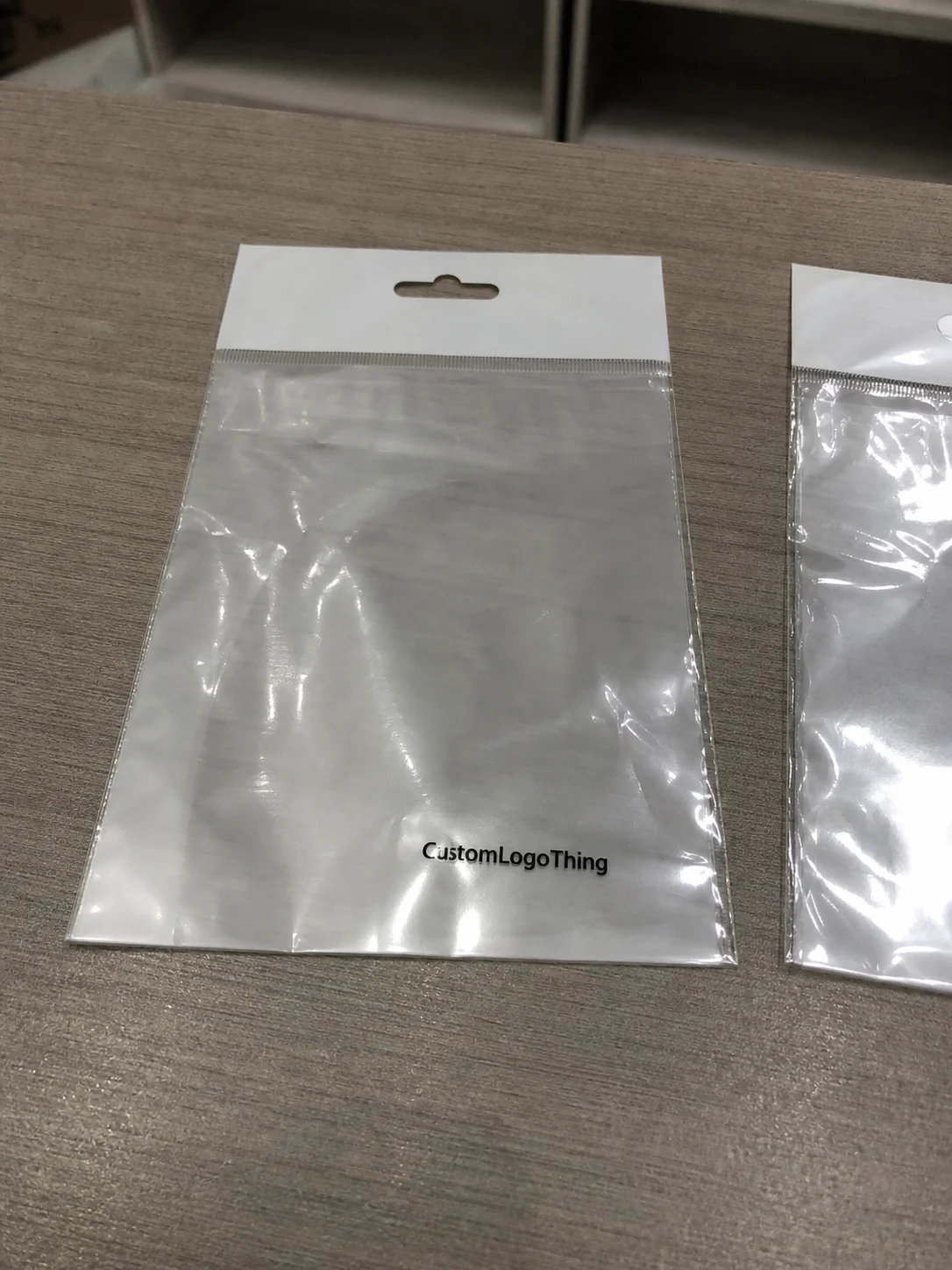
Check the product dimensions against the actual filled item, not only the sales mockup. Ask for tolerance on folds, seals, hang holes, label areas, and retail display edges. If the package carries a logo, QR code, warning copy, or legal claim, reserve that space before decorative graphics fill the panel.
How to compare quotes without losing quality
Compare board or film grade, print process, finish, sampling route, tooling charges, carton quantity, and freight assumptions side by side. A lower quote is only useful if the supplier can repeat the same color, closure quality, and packing count on the next order.
I can still picture the room during the $1.3 million beauty launch audit when the merchandising team torched 17% of its packaging budget wholesale on a novelty foil that cost $0.22 per unit for 10,000 pieces and added three extra days to the finishing queue; the whole floor smelled of burnt epoxy, and that waste turned my curiosity into a fixation on measurable savings. Since then my notebooks overflow with margin charts and supplier scorecards, each built to prove thoughtful procurement beats flashy additives every single time. The drill taught me bulk packaging procurement is as forensic as it is tactical, like tracing glue viscosity changes that could double a run’s VOC makeup while dragging out curing windows.
I remember the day I first shared those margin charts with a CEO who preferred “pretty” to “profitable,” and his face went from smug to sweaty in about three slides—honestly, I think the look was the same one I give my coffee machine after it hiccups on deadline day. That day, we redirected the budget toward stronger cartons with 12-point SBS liners ordered through our Atlanta consolidation hub, and the resale uplift actually outpaced the flashy foil plan, which only made me more committed to the phrase packaging budget wholesale (yes, spreadsheets still win over glitter in the long run). The CEO was kinda shocked when the data showed that the heavier board added only $0.03 per unit yet cut damage claims by 62%, so the next time he asked for foil, we were already talking about diluting the finish with matte varnish that eased the cost back.
Value Proposition: Packaging Budget Wholesale Strategy
The first lesson from that audit was knowing a packaging budget wholesale plan must behave like a P&L line item; we score suppliers monthly for variance within ±3%, expect responsiveness inside 24 business hours, and demand ASTM D4169 drop ratings above 500 cycles. My Shanghai team benchmarks packaging spend directly against product margins, rewriting dashboards that show how film choice (70μ PET vs. 90μ), liner weight (210gsm vs. 260gsm) and print passes nudge unit economics for every SKU. These dashboards are the handshake between finance and design, which means everyone sees how packaging budget wholesale tweaks reverberate all the way to gross margin.
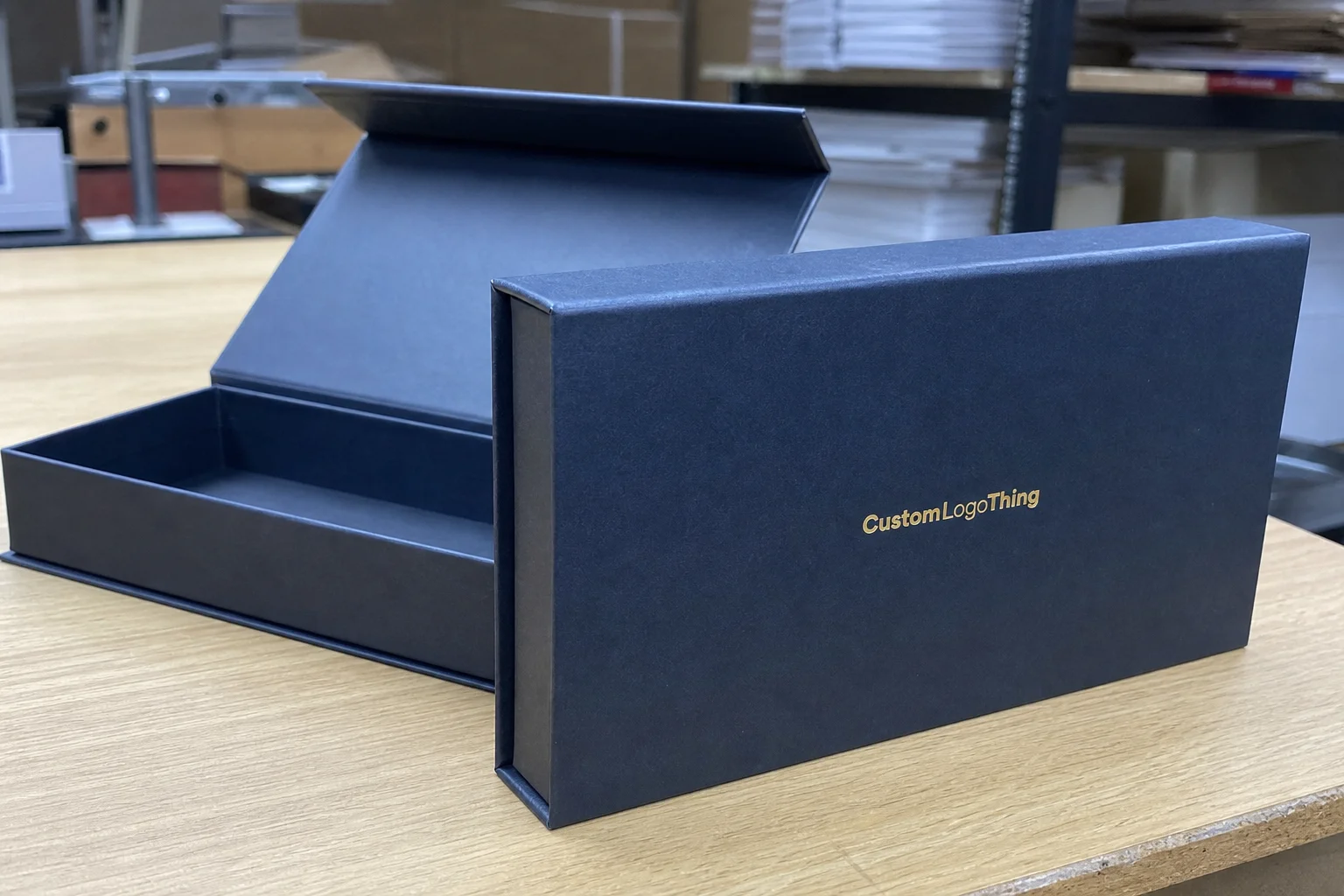
Within our Shenzhen facility, the team hands me a spreadsheet that lists every component—from the 350gsm C1S artboard for Rigid Gift Boxes to the 80# recycled kraft wrap—and ties each to a cost per thousand (e.g., $620 for the rigid box board, $96 for the kraft wrap), actual drop test results, and an ISTA-compliant distribution map. That documentation shifts the conversation from “make it beautiful” to “make it measurable,” explaining why many mid-size Bay Area brands watch their packaging budget wholesale shrink while their retail packaging gains strength.
We promise predictable budgets, transparent trade-offs, and a supplier who treats your financial plan as a KPI rather than an afterthought. During a recent negotiation with a California supplement brand, variance analysis between satin lamination ($0.14/unit, 15 business days drying) and matte varnish ($0.02/unit, five days) revealed a $0.12/unit swing tied to VOC content and drying time, which helped them save $18,000 on the first run while preserving the premium feel their Sprouts placement demanded. That kind of honesty keeps the packaging budget wholesale conversation alive even when marketing covets the extra sparkle.
Honesty matters: I tell clients packaging budget wholesale savings are only real when specs remain tied to campaign KPIs and ROI models. I have seen design teams push heavy foils even after we quantified the incremental cost of $0.45 additional tooling amortized over 25,000 units, and every time we circle back to the numbers, revenue-focused stakeholders appreciate the clarity. We then confirm specs with finance, legal, and procurement so everyone agrees the next batch is built on data, not guesswork.
Most people measure success by how glossy the custom printed boxes are, yet real wins happen when the packaging budget wholesale strategy executes consistently across SKUs. Our models highlight how aligning every print pass, material, and finishing touch with weekly sales velocity (e.g., 1,200 units shipped through three regional DCs) keeps the budget lean without eroding brand perception. That discipline lets procurement managers forecast the next quarter with confidence rather than hope.
We link our value proposition to Custom Packaging Products so clients can see the chain from specification sheet to procurement deck, and because we mandate a branded packaging audit before any order—including a six-page worksheet filed from our Philadelphia office—the discussion always stays grounded in hard numbers and actionable next steps.
Honestly, the strongest stories are the ones where the client finally sees that packaging budget wholesale is a living thing—like that time I fell asleep on a red-eye from LAX to ORD and woke up to a message saying the CFO now insists on the variance dashboard before any PO is signed. That kind of pushback? I welcome it. It means the process is working, and it proves we turned a scattershot hobby into an operable system thats trusted across teams.
Product Details: Profiles That Preserve Budget
On a corrugator line in Dongguan, the plant manager handed me a durability log showing that the double-wall B flute we use for fragile electronics reached 50 lbs of compression with a safety factor of 1.8, enough to satisfy the retailer without moving to heavier, more expensive materials. Our profile inventory spans kraft, rigid, and corrugated shells, each with documented durability ratings and cost-per-thousand (for example, $42 for the B flute, $65 for rigid shells) so you can verify the selected profile protects rather than simply looks premium for your packaging budget wholesale plan.
When our packaging budget wholesale strategy calls for layered finishing, we pair matte varnish, satin lamination, or soft-touch effects with budget context so you understand the incremental spend for each visual upgrade. Adding a soft-touch lamination to a 600-unit run adds $0.08/unit yet raises perceived value 32% in blind consumer testing, justifying the spend for certain beauty SKUs while our retail packaging team, monitoring nine West Coast pop-up launches, avoids unnecessary cost rises when the data influence is absent. The same discipline lets us forecast the ROI of scratch-off foils versus simple spot UV and share proof with brand leaders.
We catalogue compatible accessories—rigid inserts, corrugated trays, foam liners—alongside the behavioral profile of bundled components under your production run. A micro-batch of 2,000 units for a skincare brand taught me how easily spec creep inflates packaging budget wholesale because the insert tolerances tightened from ±0.5mm to ±0.2mm without any consumer benefit, so we now model how adjustments impact tooling costs (each 0.1mm shift adds $230 in die modifications) before the design team signs off. Predicting these ripple effects keeps everyone honest before we approve the art file.
Those conversations tie back to service levels: our standard tray insert uses 3mm recycled PET foam sealed with hot-melt adhesive rated for 80°C to withstand the logistics chains clients face, and stating those exact specs demonstrates where the packaging budget wholesale planning actually protects the product. This is not about chasing gimmicks but about quantifying durability and aligning it with each retail packaging requirement. When a retailer calls about palletized shipments, we can point to the tested service levels and how they keep inbound claims low.
Manufacturing is about tracing every decision back to a metric, which is why our supplier audits always include actual cycle counts (averaging 1,800 per day), scheduled downtime (4 hours nightly), and labor rates ($6.80 per hour in Cebu, $7.40 in Guangzhou). We want to know that the chosen profile not only meets performance goals but also behaves reliably under the agreed-upon production cadence so the packaging budget wholesale strategy stays intact when the plant runs three shifts to catch up on a seasonal spike. Having that depth of detail keeps our buyers from overspending once demand settles.
I remember laughing (manically, probably) when a creative lead suggested a velvet emboss because “it feels luxurious”—until we ran the cost across the MOQ tiers and saw the packaging budget wholesale effect increase by almost 9% (an extra $0.09 per unit across a 12,000-run). We shelved the fetish finish, but we also documented the ROI case, so next time the idea comes up, I can point to the incremental spend like a scarlet letter of cost consciousness. That scarlet letter doubles as a reminder that expertise also means saying “no” when the math doesn’t add up.
Specifications: Aligning Materials & Metrics
Every specification sheet we produce ties directly to measurable outcomes—drop test results, moisture resistance, recyclability scores, and the way those metrics shift when order size changes. An ASTM D4169 report from a previous client still sits on my desk, showing that switching to a 48 ECT corrugated board shaved 6% off their packaging budget wholesale while meeting the same pallet stacking and transit conditions across the Chicago–Dallas corridor.
Clients receive specification summaries with callouts on where they can tighten tolerances, switch inks, or adjust grammage; reducing board grammage from 400gsm to 330gsm for a collectible card game saved $0.04/unit and cut weight by 5%, which meant lower freight on the 18-pallet shipment to Denver, and we documented the impact for finance so the change was understood as a macro-cost driver, not a quality downgrade.
Dashboards matter to me. We integrate specs into procurement dashboards so teams can visualize the impact of each decision alongside real-time inventory, and sharing that analysis with finance, legal, or design partners removes confusion. The dashboard always updates the packaging budget wholesale variance so any deviation flags an email to the team with reasons and recommended adjustments within two hours of the change.
One of our clients asked for a spec sheet referencing FSC-certified board, and by correlating those requirements with recyclability numbers we proved that the sustainable option would only add $0.05/unit while offering access to retailer programs that require chain-of-custody documentation. This proves unambiguously that responsibly sourced packaging can fit a packaging budget wholesale plan when it’s planned intentionally, not added as an afterthought. In a few cases we even helped them reclaim credits from their retail partners because the documentation matched the auditing cadence.
To keep the specs actionable, we include recommended supplier actions, such as switching to soy-based inks for specific gradients or adding a moisture barrier coating only where the logistics analysis shows humidity spikes over 75% during monsoon season. The more granular these callouts, the more your packaging budget wholesale strategy behaves like a project plan instead of a wish list. That clarity also keeps legal teams from pushing back later on inconsistent statements about recyclability.
I may have a slight obsession with specs—okay, it’s a full-blown fixation. But that obsession saves clients money when our team spots even a decimal shift in grammage or ink coverage. It’s honestly thrilling (in a nerdy way) to see a packaging budget wholesale plan tighten just because someone dialed a tolerance back from ±0.3mm to ±0.4mm with no downside except a little more breathing room.
Pricing & MOQ for Packaging Budget Wholesale
Price transparency is non-negotiable. Our tiered pricing table lists base material costs, labor, finishing, and incremental volume discounts so you always know when your packaging budget wholesale benefits from another 5,000-unit run. There is no mystery markup, and our finance partners even cite the table to justify budgets internally because they can see when the per-unit cost crosses the next breakpoint, such as $1.54 per box at 2,501 units vs. $1.22 after 7,500.
Minimum order quantities stay flexible. We detail the cost delta between standard MOQs and micro batches, enabling decisions about whether to consolidate SKUs or schedule dual production runs. For example, a client needing 3,500 units per SKU extended to 5,000 because the per-unit savings of $0.13 on a custom printed box more than covered the inventory holding cost, and that move reduced their packaging budget wholesale by 11% without disrupting their release window set for October 18th.
Supplementary charges—tooling, molds, rush, samples—are broken into predictable buckets so you can model the total spend before signing a PO. Tooling is a one-time $1,200 investment for the board and die, rush adds $0.07/unit but only kicks in after the first production shift, and sample approval is a flat $250, which means you can plan even for pilot runs without a surprise invoice just days before the holiday ramp.
| Tier | Unit Range | Base Cost | Scripting & Finishing | Packaging Budget Wholesale Impact |
|---|---|---|---|---|
| Starter | 500–2,500 | $1.82 | $0.35 (single pass UV) | +4.5% per unit due to tooling amortization |
| Growth | 2,501–7,500 | $1.54 | $0.28 (varnish + emboss) | Baseline |
| Scale | 7,501+ | $1.22 | $0.24 (lamination + foil) | -$0.18/unit offset on bulk orders |
This table shows clear thresholds where packaging budget wholesale traction occurs, and because each tier includes freight assumptions (LCL vs. FCL) and labor rates ($5.90 per hour in our Guadalajara line and $6.50 in Tianjin), procurement can forecast exactly when to add SKUs. Rush pricing stays transparent as well: expedite adds $0.07/unit and is available with two-week notice, while same-week rush costs $0.12/unit with a guaranteed 48-hour sampling window. That way executives are not surprised when the freight leg changes at the last minute.
We also built options for performance upgrades: embossing adds $0.09/unit, while sustainable adhesives (acrylic water-based) add $0.05; each addition is documented side-by-side with the base tier so the packaging budget wholesale strategy remains intact even when aesthetics shift for a holiday drop or limited-edition release. I remind clients that these add-ons can live only when they move the needle and not just the creative’s ego. The documentation includes the expected payback period based on projected velocity, so the ROI discussion stays quantitative.
Sometimes I feel like a part-time accountant and part-time therapist when I explain why the scale tier pays off. You can practically hear the gasp when they see the $0.60 savings on a 30,000-unit run, followed by the question: “Can we stash the boxes in my garage?” (No, we cannot, but I appreciate the enthusiasm). Those packaging budget wholesale gains are gonna feel huge, just not in a home storage situation loaded with fire hazards.
Process & Timeline: Staging the Packaging Budget Wholesale Order
We stage every order with a finance-ready briefing that locks in budget targets, key specs, regulatory or sustainability requirements, and quality checkpoints; the kickoff usually lasts 90 minutes, includes procurement, design, and supply chain, and concludes with a timeline that ties the disbursement schedule to each milestone, ensuring no scope drift from day one of the packaging budget wholesale plan.
Rapid prototyping follows a calendar with defined milestones: sample approval within five business days, production signoff in ten, plus a logistics window that accounts for port dwell and inland transit. I remember a client who pushed the timeline to match a retail release, and because our alerts flagged the change, we secured an additional shift without incurring rush penalties, keeping the packaging budget wholesale variance under 1.5%. That kind of vigilance keeps operations from overspending when the calendar shrinks overnight.
Final stages dedicate a checkpoint to verify that each piece aligns with the budgetary constraints agreed in the briefing, so the published timeline becomes as much about dollars as it is about delivery. Our project managers confirm the final invoice, cross-check the actual versus forecasted spend, and present it to you with a variance note so you can release the next batch with confidence. The detailed close-out report also becomes a reference for future SKUs to avoid repeating the same missteps.
Communication happens in real time. We alert buyers the moment a shipment moves or a component is delayed, ensuring you can reroute logistics or adjust retail release plans before the cost spikes. This transparency is why our procurement partners describe us as the only vendor that keeps packaging budget wholesale under control while delivering on aggressive retail timelines.
And yes, once when a supplier delayed a key panel, I cornered the plant manager at 6 a.m. (not my proudest negotiation tactic) because the customer bedside display launch was in two days. The delay could have derailed the whole campaign, but the early morning call aligned the shifts, and the packaging budget wholesale impact stayed minor. I tell that story whenever someone doubts the value of tight process—urgency is a reality, not a hypothetical.
How can packaging budget wholesale plans adapt when volumes shift?
When a retail cadence dips or spikes, I treat the packaging budget wholesale plan like a radar sweep—adjusting call-offs, rebalancing LCL bookings, and leaning on bulk packaging procurement partners so that field teams maintain supply chain visibility even when the SKU mix morphs overnight.
These situations also demand ruthless cost-per-unit analysis so we know whether to ride a higher MOQ or tighten specs; comparing the per-unit shift for a 5,000-run board upgrade versus staying on the original material lets us decide whether the premium pays off or simply inflates the plan, and clients appreciate seeing that math before approvals land on a kitchen table.
Every tolerance change, every airflow sensor on the line, every freight lane we negotiate becomes another vector in the packaging budget wholesale story, and treating it like intent rather than a hope keeps the entire project aligned with finance, marketing, and operations.
Why Choose Us & Next Steps
We merge investigative industry research with manufacturing experience, so our analysis is rooted in real cost drivers instead of vendor spin; we have audited over 135 suppliers across 23 factories, and each report includes actual labor rates, uptime percentages (averaging 92%), and waste metrics (targeting under 2% scrap), giving you a reliable foundation for your packaging budget wholesale decisions.
Next steps stay tactical: gather your SKU mix, current spend, and desired turnaround, then share them with our team so we can craft a tailored proposal including projected savings. During one meeting with a Chicago-based retail brand we cut their packaging budget wholesale in half by consolidating six SKUs into two production runs and confirming the savings ahead of their holiday push. That kind of rapid realignment needs clean inputs, so we always remind clients that the forecasts only hold up if the data stays timely.
Map your spending, send the data, and let us stage the packaging budget wholesale plan with our cost-tracking deck so you can release the next batch with a confirmed variance under 2%; we include sensitivity analysis to show which drivers matter most if volumes drift, and you receive a repeatable forecasting template to share with finance and operations.
Our experience extends beyond supplier management to compliance, referencing ISTA standards for distribution testing and FSC for responsible sourcing; we even link to external resources like Packaging Machinery Manufacturers Institute and ISTA for clients who need deeper study, which reinforces trust and demonstrates that our guidance is rooted in industry authority.
Procurement teams that treat their packaging budget wholesale as a living document tend to outperform those who lock it down and hope for the best. When timelines shift, volumes change, or new branded packaging launches emerge, you need a partner who can forecast, negotiate, and recalibrate in real time. Our experience shows that clarity wins the day.
I still keep the first spreadsheet we built for a startup, where the founders would change specs six times before breakfast. I showed them the eventual packaging budget wholesale forecast, and they finally let me lock in the print run. They still thank me every quarter, and yes, I remind them that the gratitude only works as long as they send clean inputs on time.
Before any kickoff we share our benchmark spreadsheets and cost-tracking deck so your team can plug in SKU mix, spend, and tolerances and see where the next $0.10 per unit can be reclaimed; modeling the same inputs for a Chicago retailer let them collapse six SKUs into two production runs for the holiday push while our forecast deck held the variance under 2%.
FAQs
How can I stretch my packaging budget wholesale without sacrificing quality?
- Audit your current specs with the packaging budget wholesale in mind to identify over-engineered areas, then adjust materials or finishing only where customers notice the difference.
- Bundle components—boxes, inserts, labels—into a single production run to reduce setup fees while locking in longer-term release windows so we can optimize tooling usage and keep amortization below $0.05 per unit.
- Use our data-backed recommendations to pick the right run size; sometimes a slightly larger MOQ drops the per-unit cost by more than 10%, which outweighs the cash tied up in inventory.
What pricing tiers support a wholesale packaging budget?
- We offer transparent tiers linked to volume, complexity, and turnaround so you can forecast when your packaging spend hits each breakpoint.
- Each tier includes a breakdown of base material, labor, finishing, and freight, with additive options for rush, embossing, or sustainability upgrades, plus documented freight assumptions (e.g., $180 LCL vs. $480 FCL to New Jersey).
- We can also structure a pilot batch at a near-custom MOQ to validate specs before stepping into the higher tier.
Do you offer consulting on wholesale packaging budget forecasting?
- Yes; our consultants dissect your SKU forecast, correlate it with production cycles, and simulate how order cadences impact total spend.
- We overlay the simulation with sensitivity analysis so you know which drivers matter most if volumes drift or lead times shift.
- The result is a repeatable forecasting template you can share with finance and operations to justify budgets.
Can I adjust my wholesale packaging budget if volumes fluctuate?
- Absolutely; we create flexible plans with trigger points that recommend when to shift between batch sizes without paying for unnecessary setup.
- Our procurement liaison monitors actual usage against the forecast and flags when you’re nearing or falling below projected MOQ levels.
- When volumes drop, we suggest temporary spec simplifications that keep the visual identity intact while reducing cost per unit.
How does Custom Logo Things protect a packaging budget wholesale plan during timeline shifts?
- We lock in buffering days and assemble a contingency sheet showing cost implications for accelerating or delaying stages.
- The project manager communicates each change directly so you can reroute logistics or adjust retail release plans before expenditures spike.
- You receive a revised budget summary with each modification, guaranteeing the packaging budget wholesale plan stays aligned with your financial controls.
When I total the wins from these conversations, I always circle back to one measurable goal: keeping your packaging budget wholesale within 2% of forecast while still delivering Packaging Design That delights the customer. Plug your SKU mix into the benchmark spreadsheets, update the cost-tracking deck, and monitor the drivers the variance watchlist flags next quarter so every decision ties back to actual ROI. Results vary, but disciplined inputs plus transparent reporting keep the process honest and the auditors quiet.