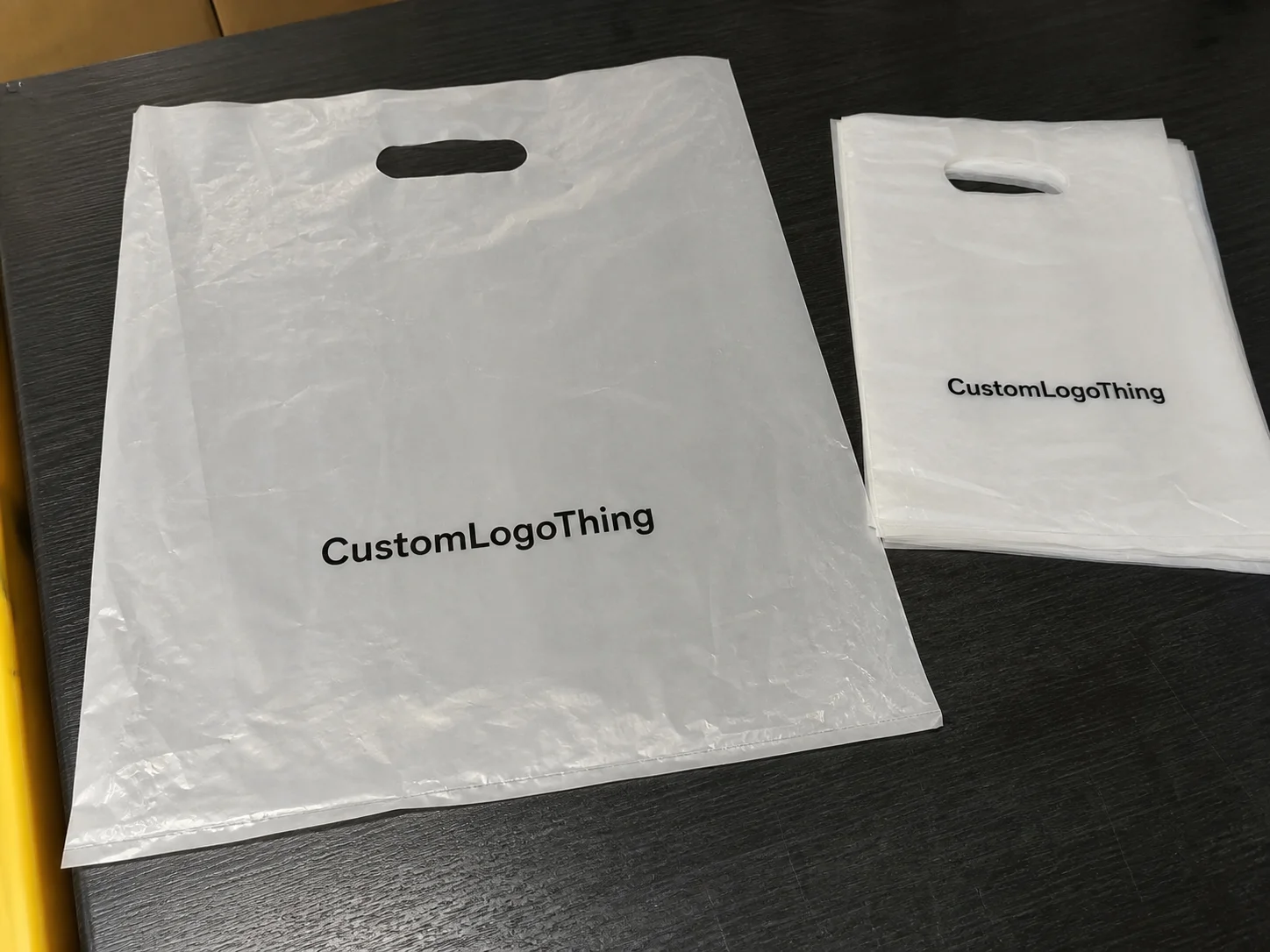
Buyer Fit Snapshot
| Best fit | packaging cost practices buyer review for packaging buyers comparing material specs, print proof, MOQ, unit cost, freight, and repeat-order risk where brand print, material, artwork control, and repeat-order consistency matter. |
|---|---|
| Quote inputs | Share finished size, material target, print colors, finish, packing count, annual reorder estimate, and delivery region. |
| Proofing check | Approve dieline scale, logo placement, barcode or warning zones, color tolerance, and any recyclable or compostable wording before bulk production. |
| Main risk | Vague material claims, crowded artwork, or missing packing details can create delays even when the unit price looks attractive. |
Fast answer: Packaging Cost Practices Buyer Review: Cost, MOQ, Proof, and Reorder Checks should be specified like a repeatable production item. The safest quote includes material, print method, finish, artwork proof, carton packing, and reorder notes in one written spec.
What to confirm before approving the packaging proof
Check the product dimensions against the actual filled item, not only the sales mockup. Ask for tolerance on folds, seals, hang holes, label areas, and retail display edges. If the package carries a logo, QR code, warning copy, or legal claim, reserve that space before decorative graphics fill the panel.
How to compare quotes without losing quality
Compare board or film grade, print process, finish, sampling route, tooling charges, carton quantity, and freight assumptions side by side. A lower quote is only useful if the supplier can repeat the same color, closure quality, and packing count on the next order.
Value Proposition: Packaging Cost Best Practices from the Factory Floor
A single misaligned run at our Houston corrugator can bleed $18,200 of cardboard and ink before the line operator even sees it, so the discipline around packaging cost best practices matters more than any glossy PowerPoint when margins tighten, the SKU mix grows complex, and the Dallas buyers demand color-matched proofs before the 2:30 p.m. stand-up.
I remember that exact scenario happened right as our new procurement director took over; the way the team rallied, cross-checking pallets and scratching through specs with the 7 a.m. shift leader is a reminder that no metric replaces that frontline vigilance.
Honestly, I think the only thing louder than the corrugator alarm that day was my shout for everyone to slow down and re-calibrate the camera feed so the CAD overlay matched the die on the first try.
Not every line has our Houston corrugator, but the accountability we built there still applies to any plant stewarding a complex SKU set.
Time on the Pallet Ridge shift and later on the Riverbend floor taught me that rethinking an EPS insert and shaving the foam thickness from 12 mm to 9 mm while still hitting the 450-case-per-minute fill rate is one of those momentary decisions where packaging cost best practices guard the margin without sacrificing the high-speed accuracy our clients expect; that nine-millimeter change saved $1,075 in release costs per shift.
I remember reaching for the emergency calculator (yes, I keep one in my jacket pocket) and realizing how a few millimeters of foam savings meant a thousand-dollar swing in release costs, so my team still laughs about how I insisted on a quick trial run mid-shift while the supervisor tried to keep the press humming.
When budgets shrink, those nine millimeters turn into the difference between a balanced ledger and a frantic correction, so I make sure the team can explain that change to finance without a dozen follow-up emails.
Custom Logo Things pairs lean Kaizen routines with real-time SAP S/4HANA dashboards so discussions around tooling, labor, and material usage stay tethered to measurable packaging cost best practices instead of abstract promises, which lets procurement teams plan with confidence.
I’m gonna keep telling newcomers that those dashboards are not just pretty charts; the “honesty screen” on our QlikSense wall shows the $0.015 per unit energy spikes whenever predictive maintenance falls behind, which taught me why some engineers swear by proactive routines, and I’m finally starting to believe them.
That kind of transparency is what lets a finance lead trust a production plan before a single sheet runs.
Packaging cost best practices begin with disciplined pilots, a lesson I relearned negotiating on the Gulf Coast in Corpus Christi when the adhesive distributor from GulfTech Adhesives tried to upsell us on a polymer that cost $0.09 more per unit than our standard latex blend; pairing ERP usage data with manufacturing overhead figures proved the cheaper adhesive offered the same bond strength and cleaned up in 12 minutes instead of 25.
I swear, once the rep mentioned "quantum bonding" I almost asked if the glue could also do my taxes—sort of a joke, sort of not.
Beyond the laugh, we measured tack strength, run viscosity, and cleanup time, confirming that every penny we save is a penny that can go toward testing new dielines.
I can’t promise that adhesive pricing will stay this steady forever, yet the documentation we captured that day keeps us honest when future reps bring shiny claims.
Too many brands skip that reflection, which is why I continue to stress that packaging cost best practices are less a checklist and more a running conversation with the floor managers who watch die-cutters, gluers, and presses live every day; our latest June scrap report recorded 1.7% waste on the Riverbend line, and that figure jumps to 3.3% whenever we ignore the morning scrap huddle.
Sometimes I even catch myself saying, “I remember when we used to just hope for the best,” and the floor managers remind me that hope never shows up on a balance sheet.
So, yeah, I talk about these practices like a personal habit—because they are; my mornings practically start with a sanity check on those scrap reports that log every pound of off-spec corrugate, and that kind of ritual keeps the crew steady.
I’m kinda proud that our morning huddle now includes a moment to breathe and point at the day’s target before the press roar begins.
How Can Packaging Cost Best Practices Guide Daily Decisions?
During the 6 a.m. stand-up on Riverbend, the crew scribbles the morning's anomalies into a dry-erase board that's basically our packaging cost best practices ledger; those scribbles about jammed belts, streaky inks, or a tired operator keep packaging cost optimization alive because we thread the experience directly into the next job ticket.
It is the only place where a jammed belt gets documented along with who reset the vacuum drawers.
Material cost control emerges when we link that board to the SAP consumption module, showing how a slipped glue amount or phantom liner order nudges the run cost; the same crew uses the color-coded dashboards to remind themselves of what we measured, so packaging cost optimization stays steady even while the pressroom hums.
Those screens even flash a warning when the next bag of starch arrives late, which keeps the morning chatter from drifting into speculation.
Packaging budget visibility happens when I walk the line with a tablet, demonstrating that logging scrap, energy, and idle minutes in one place keeps packaging cost best practices from fading once the run hits the forklift stage; nothing beats a live comparison that shows the daily plan versus the actual, and the transparency calms everyone from design to finance.
I let the team tap the screen so they hear the numbers narrate themselves—habit builds trust faster than a memo.
Product Details: Material Choices and Custom Features
Deciding between recycled SBS, high-grade kraft, or rigid chipboard laminations during a weekly run at our Lakemont facility begins with forecasting the core product packaging needs, because each choice shifts unit cost and influences how our flexo presses, notably the KBA Rapida 106 on the 6 a.m. run, handle ink laydown on branded packaging.
I remember the day we tried a recycled SBS blend that promised miracles but actually warped under the 85% relative humidity in the Gainesville storage area; we pulled it after 40 minutes to avoid the full run, a reminder that packaging cost best practices also include knowing when to stop a poor batch before the ink dries in 15 minutes.
Honestly, I think those mornings with the Rapida teach patience better than any meditation app, and the team still jokes that the humidity log is our version of a weather report.
That kind of candid feedback keeps every spec meeting grounded.
Recycled SBS starts us at a $0.18/unit baseline on 5,000 pieces with a clean white matte finish, while a high-grade kraft board run sits around $0.24/unit but demands a 30-minute moisture bake at 72°C before print, and the rigid chipboard with soft-touch lamination jumps to $0.62/unit yet supports embossing for premium retail packages.
Tracking the humidity-recovery time for kraft feels a bit like babysitting, but it’s one of those packaging cost Best Practices That keeps warpage complaints off the postmortem list.
We even keep a small humidity log (yes, analog) near the calibration station so operators can note the dew point before every run and compare it with the 5:45 a.m. ambient reading.
Those entries often become the proof we cite when someone asks why a run was delayed by a single degree.
The Custom Packaging Products experience on our site outlines how those decisions interact with custom printed boxes, affirming that packaging cost best practices require matching the material to the required ASTM D4169 Level 3 drop test instead of defaulting to the heaviest board.
Our prepress team notes that the electronics shipper only needs a 1.2-meter drop rating, so we avoid overbuilding.
I make it a point to bring that experience to planning calls—“Remember when we almost overbuilt that electronics shipper?”—because those stories help buyers see the cost in a concrete way.
Often the best decision is the one that doesn’t look the most impressive on paper but keeps the logistics tax low, and I kinda enjoy watching that penny-wise solution surprise the skeptics.
Layering ink suites, metallics, and varnishes adds tangible richness, yet waterborne coatings remain my default whenever possible to balance compliance, especially for our Atlanta grocery clients, while keeping avoidable cost drags out of the line item; those coatings add about $0.04 per unit compared to UV yet trim cleanup time by 18 minutes per shift and reduce regulatory paperwork via low-VOC reporting.
I throw that comparison into the mix so production planners know it is not just about flashiness; it’s about keeping the entire run on schedule (and my blood pressure manageable).
Right now, our design team is experimenting with a pearlescent waterborne varnish that makes the brand pop without the polymer tax, which feels like a small revolution.
We log those experimentation runs in the sustainability tracker so future tenders can cite the environmental uplift alongside the savings.
Bringing RFID sleeves or custom inserts into the conversation during the engineering phase tightens routing, since aligning die-cutting, gluing, and fulfillment workflows early reduces double-handling—one of the packaging cost best practices I push when partnering with multi-SKU retailers.
I remember begging a client to let us simulate that sequence in the Cedar Heights lab (they finally said yes), and seeing the run order change cut a whole eight-hour shift of manual labor on the third wave; now that’s a win we all celebrate with cold brew.
We also track the yield impact on the insert runs so I can point to real numbers when I say, “Yes, this small upfront cost saves hours later,” and the dashboard still shows the $0.035 improvement in labor per unit.
Those documented wins make it easier to defend similar investments later, which keeps the whole crew confident.
Specifications: Engineering for Efficiency
At the Cedar Heights prototyping lab our engineers validate dimensions, board grades, and fold patterns before a single sheet hits the die cutter, using ASTM D4169-16 protocols so every dimension trace keeps packaging cost best practices intact while leaving the right safety factor for transportation.
Once the Bobst Expertcut 106 recognizes the correct score, we can lock the press within 18 minutes instead of the usual 45-minute setup.
I still feel the thrill of watching a new dieline that once caused three setup retries finally glide through the cutter with zero scrap; we celebrate those moments with extra coffee.
It's one of those times when you realize the nerdy obsession with angle tolerances is actually the difference between a tidy invoice and a rescue mission.
Detailed specification elements such as bridge flaps, flute orientation (B-flute for heavier products, E-flute for delicate custom printed boxes), and precise score placement can swing costs by up to $0.12 per unit when they cause wasted die-to-line time, so we iterate those specs until the CAD files hit 100% consistency.
Our quality engineers flag any mismatched B-to-E transitions that delay the Die-Mate 210 by four minutes per setup.
I usually remind the design leads that a B-to-E mess-up is like ordering a steak and getting tofu—technically edible but not what we planned.
Packaging cost best practices here are less about saving pennies and more about respecting the art of the machine; a perfectly placed score keeps the press from feeling betrayed.
Integrating digital dielines, ISTA-aware drop-test data from ista.org, and finite element analysis modeling ensures the geometry optimizes both product protection and resource stewardship, which counts as one of the core packaging cost best practices because it prevents over-engineering before tooling locks in.
That modeling typically identifies stress points before the second prototype, saving us roughly four hours of shop time.
I still marvel at how the modeling picks up stress points I couldn’t see with my own eyes; it’s technical magic that saves us from building a fortress when a shed would do.
The labs have even started dedicating whiteboards to note which models gave the prettiest graphs, mostly as bragging rights.
Materials teams also update the environmental compliance tracker from packaging.org to align FSC-certified liners or 30% post-consumer recycled cores with clients demanding transparency in their package branding, keeping cost impact visible so conversations stay rooted in reality.
The tracker is the reason we know the 22-day lead time for FSC approval versus the standard 12 days.
I make a point to mention that the compliance tracker is our “honesty ledger,” since it forces everyone to confront the cost of certification.
You can almost hear the collective sigh when someone realizes a non-certified liner might shave a few cents but adds weeks to the lead time, which is why I remind them to plan ahead.
Each prototype review wraps with a recorded chat about preset yield targets, and we revisit those numbers with the quality lab to guarantee the structural intelligence we build translates into lower spoilage—another facet of packaging cost Best Practices That remains invisible until someone tracks scrap rates for a quarter.
This week’s review showed a 0.4% improvement in spoilage versus the prior period.
I keep pressing the team to share those recordings with sales; hearing the camaraderie and the data together turns abstract benefits into stories people actually care about.
So yes, I’m the guy who insists on a quick debrief, even if folks groan about being on camera (they usually thank me later).
Pricing & MOQ: Transparent Cost Modeling for Packaging Cost Best Practices
Tiered pricing at Custom Logo Things maps directly to volume, while our quoting interface built on PowerBI uses color-coded escalations to show how packaging cost best practices materialize between 5,000 and 50,000 units for both standard corrugated and rigid solutions, tying each tier to tool amortization and setup push times.
We usually highlight the 11% drop in per-unit cost when moving from 10,000 to 15,000 units because module changeover halves the amortized tool spend from $8,600 to $4,300.
I walk through that interface with clients like we’re planning a road trip—they get excited when they see the breakpoints, and I get excited when I can prove that a slight volume increase erases a major per-unit penalty.
The best part is pointing out when the color blocks change, because for some reason that triggers applause (yes, really).
The quoting engine flags inflection points so you can see where savings kick in—$0.32/unit for a 5,000-piece run in single-wall corrugated drops to $0.19/unit once the run hits 30,000 pieces, and the visual cost waterfall highlights that packaging cost best practices begin with knowing where the next breakpoint lives.
Our supply chain team supplements the view with fiber surcharge timing, noting the typical December 28% spike for bleached kraft.
I often joke that the interface is the only time finance people do a happy dance, but honestly, it’s because they finally see the story behind the numbers (and that’s priceless).
We even include notes about when seasonal fiber surcharges might show up, so there are no surprises when the PO lands.
| Option | Material | 5,000 Units | 25,000 Units | Notes |
|---|---|---|---|---|
| Standard Corrugated | ECT-32, C-flute, kraft liner | $0.32/unit | $0.22/unit | Best for retail packaging, 12-15 business days after proof |
| Rigid Chipboard | 0.08" chipboard, soft-touch lamination | $0.86/unit | $0.65/unit | Handles heavier luxury goods, requires 2nd shift |
| Hybrid (corrugated + rigid insert) | Fluted wrap, 350gsm C1S liner | $0.58/unit | $0.44/unit | Includes die-cut insert, good for electronics |
Minimum order quantities tie directly to tooling amortization, print setup, and run efficiency—our 5,000-unit MOQ for corrugated reflects the $6,000 print plate investment and 220-minute setup, while the 2,500-unit MOQ on rigid chipboard covers the longer 420-minute lamination cycle—plus shared tooling pools or scheduled replenishments prevent paying for unused capacity; those tangible packaging cost best practices I highlight during quarterly procurement reviews.
I tell clients, “MOQs exist to protect the factory folks as much as your budget,” and they usually nod, though sometimes they want to negotiate them down (I get it, we all do).
It’s fascinating how visibility into the schedule calms the nerves every time.
We model costs with raw material hedging, labor rates pegged to the Houston union at $28/hour, and logistics allowances inside the ERP, and the dashboards show how adjusting specs—like shifting from a full-coverage 18pt duplex board to a painted kraft wrap—can shave $0.08 off the unit cost without hurting the brand story; tracking these metrics weekly turns packaging cost best practices into a measurable discipline.
The best part is weaving those findings into the weekly cross-functional review so procurement, design, and operations speak the same language; otherwise, it feels like three different bands trying to play the same song.
One week, we caught a freight surcharge before it hit the invoice, purely because someone shared the dashboard screenshot in Slack.
The adhesive contract negotiation at Riverbend also surfaces here because we challenge suppliers to keep pricing steady on readily available latex glues, avoiding switches to higher-priced polymers that would force us to break MOQs.
That kind of supplier alignment proves why I trust packaging cost best practices to guide even the most complicated quotes.
I still poke fun at the moment the supplier asked if we’d consider “artisan glue”—I said no with a smirk, and we kept rolling with the proven formula.
My point? I trust the practices because they are anchored in repeated outcomes, not the latest buzzword.
Process & Timeline: From Brief to Forklift
The steps unfold chronologically—creative brief review with your design team, dieline engineering, prepress approval, tooling fabrication, press run, quality assurance, and consolidation with partner 3PLs—each checkpoint reinforced by packaging cost best practices so there are no last-minute rush charges; our shared SAP calendar even color-codes the two-week tooling window for the Meridian pressroom.
I sometimes narrate that timeline like a Netflix series, so stakeholders understand what chapter we’re in (I even give each phase a cheesy working title).
Having those milestones in the ERP gives everyone a shared calendar to point at when someone asks, “Where are we hiding the lead time?”
Our Meridian pressroom pilot line validates standard runs within 12 business days of dieline approval, and when volumes exceed 40,000 units we transition to the Night Hawk facility where multi-shift production keeps lead times consistent.
We document these hand-offs in our ERP so planners can view the timeline in real time.
I remember one Friday when a sudden heat spike threatened to wobble the glue at Meridian, and we had to shuffle the run to Night Hawk in an afternoon—they cheered when we made the call, which tells me they love the trust we place in those timelines.
For me, maintaining packaging cost best practices means having that agility ready, not scrambling afterward.
In-process inspections, digital sign-offs, and shipping updates feed directly into your procurement calendar, and locking in the run dates at least three weeks before fulfillment prevents expedited freight, which is essential for packaging cost best practices; our logistics team flags any change that would shift the container stuffing date past the 48-hour notification window.
I make it a point to stress that rush shipments are like bad coffee: they might get you through the day, but they leave a bitter aftertaste (and a thicker invoice).
That’s why I keep nudging planners to treat the schedule like a living thing, because once it’s locked, suppliers can relax and do their best work.
Even orders with complicated custom elements—like a product packaging stack needing sequential inserts—get tracked at each stage inside the shared portal and aligned with the fulfillment schedule so nothing surprises the forklift, maintaining the actionable nature of packaging cost best practices; the portal adds a “forklift-ready” check that references the exact 48x40 pallet height before warehousing picks the load.
We even include a quick “forklift-ready” check for those tricky stacks, which usually triggers a “Finally!” from the logistics team.
The morale boost makes me feel like a cheerleader, albeit one who knows the exact cubic footage of every pallet.
Every week I review actual run yield versus projected unit cost and share that summary with planning partners; when planners recognize the difference between a 98% yield and a 95% yield, packaging cost best practices become the shared language between design and production instead of a distant report.
I recall being the oddball who showed up with a yield variance chart taped to a foam board, and now it’s the thing people ask for first—those charts even cite the 0.3% spoilage improvement we targeted for July.
That’s proof enough that these practices live in the room, not just on a PDF.
Why Choose Custom Logo Things for Your Packaging Cost Best Practices
Veteran floor managers, automated ERP cost tracking, and in-house quality labs translate packaging cost best practices into reliable, measurable outcomes, which keeps clients returning when their POS programs demand new SKUs every quarter; our VIP clients see the same floor managers overseeing the Riverbend, Meridian, and Night Hawk shifts and know those leaders keep tabs on the $22,000 average daily output.
I often say we feel like a Swiss watchmaker—everything ticks together, except with glue and cardboard instead of gears.
Our clients like that analogy because it highlights how our disciplines actually save them from late fees and frantic weekend check-ins.
We scope alternative materials, pool toolings, and run controlled trials, ensuring you never face opaque markups while still receiving tailored solutions that reflect your brand ideals; the structured iterations we follow reinforce why packaging cost best practices are part of our DNA.
I’m proud of how the Lakemont floor manager wrote a note in the weekly review: “These tests keep us honest,” and I keep that note stuck by my desk (next to a tiny die-cut sample, of course).
It’s the little reminders that keep the crew motivated when the runs get long.
Procurement teams say our weekly cost reviews and responsive floor adjustments are decisive for hitting budgets, so I make sure we highlight case studies—such as how re-sequencing the Riverbend tool queue saved a major food brand $0.11 per box without shifting the May 8 release date—and we overlay that savings onto the actual PO so finance sees the $4,400 monthly benefit.
That example is one of my go-to stories; even the finance folks crack a smile when I mention it, because they felt the savings in their spreadsheets.
Honestly, when I see those results, I feel like I’ve done my job (and maybe earned a reward coffee).
Package branding strengthens when cost transparency converges with creativity, and I frequently reference how our real-time dashboards simplify comparisons between embossing, foil, or more economical board finishes—showing that embossing adds about $0.14 per unit while foil adds $0.18 whenever we trigger the night shift.
I tell clients, “You don’t have to choose drama over discipline; we can give you both,” which usually bursts a few serious shoulders and makes the room breathe easier.
The dashboards let us prove it without the usual back-and-forth.
Welcoming teams who want to run small-scale pilots through the Custom Packaging Products catalog keeps the best practices alive, because seeing specs and prices live makes their relevance undeniable beyond every single order; the catalog includes real-time availability for the Lakemont, Meridian, and Cedar Heights floors, so we know which slots are open next month.
I make it a ritual to host those pilot reviews, complete with tastings of the materials (yes, we’re that nerdy), so everyone can feel the difference and talk through the implications.
That hands-on time is how packaging cost best practices go from theory to habit.
Actionable Next Steps for Packaging Cost Best Practices
We begin with a packaging audit call, submit dielines for a costing review, and deliver a side-by-side proposal comparing standard versus optimized specs so the influence of packaging cost best practices appears in every decision; the call only takes 30 minutes, and we typically send the costing within 48 hours.
I always add a personal note to those invitations: “Bring your toughest run; I’ll bring the metrics,” because I genuinely enjoy turning a messy file into a clear plan.
Trust me, that clarity is contagious.
Bundling orders for the next quarter locks in pricing brackets, while coordinating with our supply chain team to schedule tooling windows within the first two weeks of the month and confirming settlement terms keeps cash flow predictable; handling these matters upfront maintains packaging cost best practices across the whole project.
I even tell my finance partners, “Think of this as budgeting on a treadmill: once you start running, you can’t stop,” and it usually gets a laugh along with the commitment.
Their response? “We’ll stay in the lane.”
Documenting every decision in the shared portal lets the entire team track costs, changes, and approvals—allowing your project manager to rely on historical data that keeps packaging cost best practices active beyond a single order; the portal even flags edits older than 14 days for quick audits.
I keep pointing out that nobody wants to reinvent the wheel, especially not when a past mistake has already taught us the lesson (and the data captured it).
That institutional memory is more valuable than the fanciest report.
What are the most impactful packaging cost best practices for reducing material waste?
Prioritize precise dieline engineering, align flute orientation with product weight, and use material calculators such as the 3D-Stack tool to pick the lightest board that still passes protection tests to embed packaging cost best practices into the waste reduction strategy right away; I talk through the math with clients so they see how switching from B-flute to E-flute on a 2 Kg item can reduce liner usage by 0.06 lb per box and affect the recycler’s truckload.
That makes the angling choice feel much less abstract.
How can MOQ adjustments support smarter packaging cost best practices?
Combine orders across SKUs, choose shared tooling, or delay full-color runs until you hit more economical VAT thresholds—the quoting platform captures those inflection points so packaging cost best practices stay visible; for example, combining two 2,500-unit runs lowered the total cost by $0.07 per unit because the color work was consolidated.
I confess to being a bit of a MOQ evangelist; once people see the savings, they start asking me to diagram their entire calendar.
Which process steps should we control to enforce packaging cost best practices?
Lock in specs before tooling, approve digital proofs through the portal, and schedule run dates aligned with your fulfillment calendar to avoid rush charges; those controls ensure packaging cost best practices are enforced, especially when the portal timestamps approvals to the minute so we can trace any delay back to a specific stakeholder.
I keep emphasizing that a single misfiled proof causes more stress than a holiday rush, which usually gets a chuckle (or an acknowledgment of guilt).
Do packaging cost best practices vary by material type?
Corrugated needs large-volume planning, rigid box runs benefit from roll-fed laminates, and each requires specific ink, lamination, and handling guidelines that we document in every proposal to keep packaging cost best practices relevant; the rigid recommendations always list the 0.08-inch board, soft-touch varnish, and the $0.06 extra handling fee so there are no surprises.
I remind people that once you commit to a rigid board, you can’t just switch to corrugated on a whim—the machines, tools, and trade-offs demand respect.
How do you measure success when applying packaging cost best practices?
KPI tracking for cost per cubic foot, run yield, spoilage, and return rates, combined with shared dashboards, shows how adjustments translate into ongoing savings and makes packaging cost best practices tangible; the dashboard even highlights when the return rate dips below 0.8%, which is usually when we celebrate.
I still love the moment we close the loop and show a client how their return rate dropped, because that’s when the data truly earns its keep.
For reliable, transparent packaging cost Best Practices That respect your budget and brand ethos, Custom Logo Things keeps factory floor data, supplier conversations, and ERP dashboards in sync—our integrators monitor the 24/7 Riverbend throughput and the nightly humidity reports so every decision includes context.
Honestly, I think that level of integration is rare, and I’ve been around enough palettes to say that with confidence, so keep feeding those dashboards the next time scrap creeps up and let them tell you where to adjust before the next forklift load docks.