Order a Snapbacks Sample Pack for Brand Buyers Fast
Why a Snapbacks Sample Pack for Brand Buyers Cuts Risk Before Bulk Orders
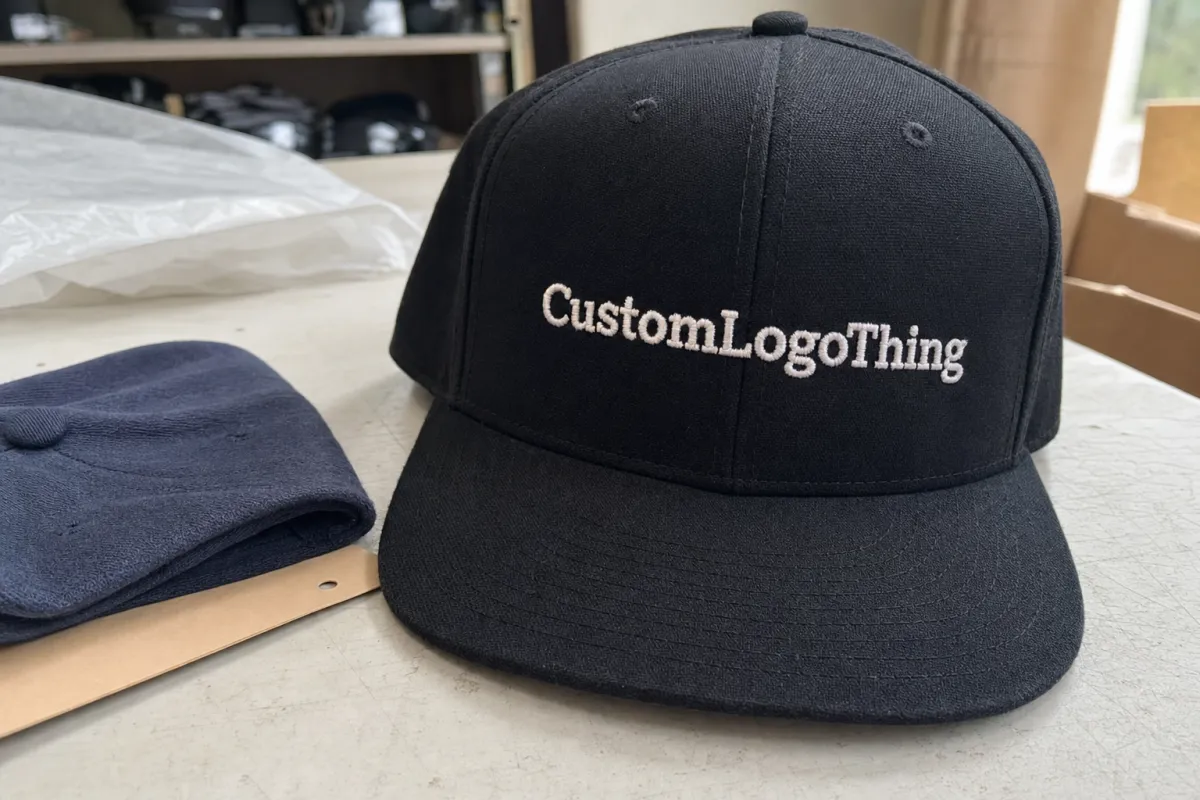
A 5,000-unit cap order can look perfect on a spreadsheet and still fail in the buyer meeting. The margin works. The delivery date looks possible. Then the crown sits too high, the snap closure feels brittle, or the embroidery puckers across the front panel.
A snapbacks sample pack for brand buyers turns preference into physical evidence before procurement commits. That matters because caps are worn at eye level. Bad construction does not hide politely in the background.
Samples are not freebies. They are risk-control tools. One rejected bulk shipment can cost more in rework, missed retail drops, rushed freight, and customer complaints than the entire sampling stage. For event merch, a two-week delay can push caps past the date that made the order useful.
Digital mockups still have a job. They show placement, color intent, and approximate scale. They do not prove hand feel, stitch density, panel structure, sweatband comfort, or how the cap photographs on real people. Physical samples expose those details fast.
Here is where buyers get burned: they approve the idea of a hat, not the product. A snapback that looks right once but cannot be repeated cleanly at volume is not a reliable SKU. It is a lucky sample.
Brand buyers need repeatability across decoration methods, fabric lots, packaging choices, and replenishment runs. That applies to apparel brands, brewery merch teams, sports retailers, agencies, event organizers, streetwear labels, and Corporate Gifting Teams evaluating private-label caps. The useful path is simple: test the cap, test the logo method, test the retail finish, then price the production order with fewer unknowns.
Buyer rule: if the cap will carry your logo in public, evaluate it like product packaging. It has to protect the brand identity, not just display it.
What Comes Inside the Snapback Sample Pack
A practical sample pack usually includes a tight range of cap bodies rather than a random pile of styles. Common options include structured 5-panel snapbacks, structured 6-panel snapbacks, flat bill caps, slightly curved bill caps, classic trucker mesh backs, cotton twill, polyester, and acrylic-wool blend styles.
Side-by-side comparison is the point. Buyers can check crown height, bill stiffness, seam alignment, eyelet placement, closure quality, sweatband construction, and how the front panel holds shape. A cap that feels premium usually has small, measurable differences: firmer buckram, cleaner interior taping, smoother stitching, and a bill that bends evenly without creasing.
Decoration samples matter just as much as the blank cap. Flat embroidery, 3D puff embroidery, woven patches, leather patches, rubber patches, sublimated patches, screen print, heat transfer, inside labels, and back-arch embroidery all behave differently.
A thin serif logo may look crisp on a woven patch and turn muddy in puff embroidery. A complex mascot may need simplification before stitching. A fine outline may require a patch border of roughly 2-3 mm to stay clean after attachment. Tiny type is usually where wishful thinking goes to die.
Custom Logo Things can also build the pack around presentation details: hang tags, barcode stickers, poly bags, retail header cards, size stickers, insert cards, and shipping carton labels. That matters for buyers selling through retail, ecommerce, or event merchandise tables. Packaging affects scanability, storage, unboxing, and the first impression before anyone touches the cap.
The pack should match the decision. A sourcing manager may need construction samples. A creative director may need decoration comparisons. A sales team may need branded packaging options for a line review. Those are related, but they are not the same job.
| Sample Element | What Buyers Learn | Typical Decision Impact |
|---|---|---|
| Structured 6-panel snapback | Retail profile, front-panel stiffness, embroidery stability | Often selected for streetwear, sports, and premium merch |
| Trucker mesh snapback | Breathability, lighter weight, outdoor comfort | Useful for breweries, outdoor promos, and summer events |
| 3D puff embroidery | Logo boldness, stitch height, edge definition | Best for simple marks and high-contrast branding |
| Woven or leather patch | Fine-detail clarity, perceived value, brand tone | Strong fit for retail packaging and lifestyle positioning |
A focused snapbacks sample pack for brand buyers also creates a cleaner quote request. Materials, logo execution, and packing choices are visible before pricing starts. That reduces vague supplier estimates and prevents apples-to-oranges comparisons.
Cap Specifications Buyers Should Compare Before Quoting
Specifications drive both quality and unit cost. Buyers should compare panel count, crown height, front buckram stiffness, fabric weight, bill material, closure type, sweatband type, interior taping, and decoration locations before requesting a final quote.
Crown structure is an easy example. A structured cap holds its shape on shelf, in product photos, and on display hooks. An unstructured cap feels softer and more relaxed, but it may not deliver the same retail silhouette. Neither is automatically better. The right choice depends on the brand, channel, and wearer expectation.
Fabric changes the message. Cotton twill feels familiar and casual. Acrylic-wool blends carry a sport and streetwear signal. Polyester improves color control and can handle bright, consistent shades. Mesh reduces weight for outdoor programs and warm-weather events.
Fit deserves more attention than it gets. Snapbacks usually cover a broad adult size range, but comfort still depends on crown depth, closure flexibility, strap hole spacing, and sweatband feel. A cap can technically fit and still feel wrong after ten minutes.
Bill construction is another quiet quality marker. Some buyers want a rigid flat bill because it photographs sharp and suits streetwear. Others want a bill with controlled flex for broader retail appeal. If the bill twists after light bending, that is not a styling choice. That is a problem.
Logo placement affects production complexity. Front panel embroidery is standard. Side panel marks, back arch embroidery, underbill printing, inside taping, woven labels, and sweatband prints add labor, setup, or alignment risk. More logo locations can be worth it, especially for retail brands, but they should be priced deliberately.
- Count stitches per inch: dense areas should look controlled, not crowded or raised unevenly.
- Inspect thread breaks: loose tails and missed stitches suggest weak process control.
- Tug the closure: brittle plastic or loose rivets show up quickly under light pressure.
- Bend the bill evenly: the bill should flex without cracking, twisting, or forming sharp creases.
- Check panel symmetry: center seams and front logos should align against the tech pack.
Better specifications reduce sampling rounds. They also shorten approval cycles and make reorder consistency easier. Judge the pack with a checklist, not a conference-room shrug and comments like “feels nice.” Very scientific. Very useless.
Logo Methods, Color Matching, and Retail Finish Details
Logo method selection changes perceived value. Dramatically. 3D puff embroidery reads bold from six feet away. Woven patches preserve fine detail. Leather patches create a premium lifestyle cue. Rubber patches feel technical and durable. Screen print and heat transfer can work for certain styles, but surface compatibility matters.
Each method has limits. Embroidery has thread, stitch direction, and density constraints. Rubber or PVC patches usually need mold setup, which can add cost before the first cap ships. Leather patches vary with deboss depth, edge finish, material thickness, and color consistency. Print methods need the right fabric surface and curing process.
Color matching is where spreadsheets get exposed. Thread charts, fabric dye lots, Pantone references, and digital screens rarely align perfectly. A cap body may look black in a mockup but slightly warm under retail lighting. A cream patch may read too yellow beside a white hang tag. Physical samples reveal those mismatches before bulk production locks them in.
Artwork preparation should be practical. Vector files are preferred. Minimum line thickness should be checked. Stitch direction should be reviewed for gradients, outlines, and small type. Patch border thickness should be confirmed before proof approval. If a logo needs simplification, do it before the quote becomes a purchase order.
Retail finish details often decide whether a cap feels like a $12 giveaway or a $32 branded product. Seam tape color, underbill color, closure color, hang tag placement, individual bagging, carton count, and barcode labels all contribute to the final presentation.
Two caps can share the same logo and fabric but land in different price tiers because of patch material, bill firmness, and packaging presentation. Custom Logo Things helps buyers match the decoration method to budget, brand positioning, and intended sales channel. The goal is not the most expensive cap. The goal is the clearest fit.
For buyers building a broader merch or launch program, reviewing related Case Studies can help connect cap decoration decisions with package branding, inserts, cartons, and other branded packaging choices.
Pricing, MOQ, and Unit Cost Factors for Custom Snapbacks
Sample pack pricing and bulk unit cost depend on cap style, decoration method, number of logo locations, material tier, packaging requirements, and order quantity. A basic embroidered snapback is not priced like a cap with a custom rubber patch, woven inside label, printed underbill, individual poly bag, and retail header card.
MOQ is practical, not mysterious. Lower quantities help with tests, influencer drops, event launches, and early retail validation. Larger runs improve unit economics because setup, digitizing, patch tooling, carton prep, and freight are spread across more caps.
Working price ranges vary widely because construction and finishing choices stack quickly. A simple decorated cap at a few hundred pieces can cost several dollars more per unit than the same concept at several thousand pieces. Premium fabrics, high stitch counts, specialty patches, private labels, and rush freight all move the number. Anyone pretending there is one universal cap price is either guessing or hiding the details.
| Cost Factor | Typical Buyer Impact | What to Confirm Before Quote |
|---|---|---|
| Blank cap construction | Structured crowns, premium fabrics, and specialty bills raise base cost | Panel count, fabric, crown height, bill shape, closure type |
| Embroidery stitch count | Dense or oversized logos increase machine time | Logo size, stitch file, thread colors, puff or flat finish |
| Patch setup | Woven, leather, rubber, and PVC patches may require setup or tooling | Patch size, border, material, attachment method |
| Packaging | Hang tags, barcodes, bags, and carton labels add handling steps | Retail channel, carton count, labeling rules, insert requirements |
| Freight method | Air moves faster; ocean usually lowers landed cost at volume | Deadline, delivery address, carton dimensions, total quantity |
The cheapest unit cost is not always the best buy. A cap that saves $0.35 but looks flat in retail photos can reduce sell-through or weaken campaign impact. In promotional programs, weak caps may get worn once. Better caps keep moving through streets, stadiums, offices, and social feeds.
Buyers should prepare estimated quantity, target delivery date, logo files, preferred cap style, number of decoration locations, packaging needs, and shipping destination. Sample fees may apply for curated blanks, decorated prototypes, custom patches, or freight. Depending on the final production structure, some fees may be credited.
The fastest way to get a clean quote is to choose from tested sample options instead of asking suppliers to price vague concepts. A sample pack gives the quote team real inputs, not guesses.
Process and Timeline From Sample Request to Production Approval
The process should feel controlled from the first inquiry. A strong sequence looks like this: buyer inquiry, brand and use-case review, sample pack recommendation, artwork check, sample shipment, buyer evaluation, quote confirmation, pre-production proof, and bulk manufacturing.
Delays usually come from avoidable gaps. Incomplete artwork. Unclear logo placement. Late packaging decisions. Too many stakeholders reviewing without scoring criteria. Last-minute changes to quantity or delivery address. The cap itself may be simple; the approval chain often is not.
Blank sample packs can often move faster than fully decorated custom samples. Decorated prototypes add artwork review, embroidery digitizing, patch setup, print prep, or special material sourcing. Timing depends on the cap body, logo complexity, and packaging requirements.
Evaluation should be disciplined. Test fit on several head sizes. Photograph caps under real lighting, including daylight and indoor retail light. Inspect stitching from 12 inches away and again at arm’s length. Compare logo scale against the tech pack. Review packaging with the same seriousness as the cap, especially if the item will ship direct to customers.
- Confirm the chosen cap body and crown profile.
- Approve the logo method, size, and placement.
- Approve thread, patch, fabric, and closure colors.
- Lock packaging requirements, including labels and carton markings.
- Confirm target quantity, destination, and deadline.
Sampling compresses the later production timeline because decisions are made with physical evidence in hand. Fewer revisions after purchase order approval usually means fewer proof cycles, cleaner factory instructions, and lower risk of rush charges.
There is also a compliance angle. If the program involves retail distribution, buyers may need barcode labels, country-of-origin details, fiber content review, or packaging guidance. For packaging and transport testing context, the International Safe Transit Association publishes widely used standards around shipment performance. For responsibly sourced paper elements such as hang tags or insert cards, FSC certification may be relevant depending on the buyer’s requirements.
Quality Controls That Separate Supplier Samples From Production Reality
Here is the uncomfortable part. Impressive samples can be hand-selected. Bulk production reveals whether a supplier can maintain stitch quality, color consistency, cap shape, logo placement, and packaging discipline at volume.
A serious supplier should be able to discuss pre-production samples, artwork proofs, stitch files, material confirmation, in-line checks, final inspection, carton labeling, and photo documentation before shipment. If those details sound excessive, compare it to packaging production. A custom box with a misaligned logo looks cheap. A snapback with an off-center front mark does the same job faster because it sits at eye level.
Red flags are easy to spot if buyers ask direct questions. Vague fabric descriptions. No stitch-count discussion. Inconsistent logo placement between samples. Missing packaging details. Refusal to write specifications clearly. Silence around tolerance.
Minor variation is normal in textile production. Buyers should expect some movement in thread shade, fabric lot, and logo placement. The issue is whether acceptable ranges are agreed before bulk work begins. A difference of a few millimeters may be fine on a side label and unacceptable on a centered front patch.
Production checks should cover more than the decorated front panel. Inspect seam tension, bill shape, closure function, loose threads, interior taping, sweatband stitching, patch adhesion, label placement, and carton markings. Pull a few caps from different cartons if possible. The top layer can look gorgeous while the middle of the run tells a different story.
Custom Logo Things supports buyers with practical documentation, visual approvals, and product recommendations based on the target retail or promotional channel. That includes decisions around cap body, decoration method, package branding, carton labeling, and repeat-order specs.
Quality control is a margin issue. Returns, replacements, rushed freight, missed event dates, and damaged brand trust can erase the savings from a low quote. Buyers who already manage Custom Printed Boxes or other product packaging know the lesson: repeatability protects profit.
Next Steps: Build a Sample Pack, Review Specs, and Request a Quote
Start with a focused decision path. Choose the cap styles to compare, gather logo files, define the event or retail channel, set a target quantity, and list packaging requirements. Three to six well-chosen caps usually produce clearer decisions than a large assortment with no buying criteria.
Send vector artwork if available, brand colors, preferred decoration method, desired delivery window, shipping location, and any compliance or labeling needs. If the logo is complex, ask whether embroidery, woven patch, leather patch, or rubber patch will preserve the design best. If retail presentation matters, include hang tags, poly bags, barcode labels, inserts, or carton labels in the discussion early.
For internal review, score each sample on fit, front profile, logo clarity, perceived value, packaging readiness, and likely unit cost. A simple 1-5 scorecard works. It forces the team to compare facts instead of debating personal taste for 45 minutes.
After the review, Custom Logo Things can refine the quote, recommend the strongest production route, prepare artwork proofing, and move the selected snapback into pre-production. Buyers can also review Custom Logo Things case studies to see how branded merchandise, retail packaging, and brand identity choices connect across a broader program.
If the team needs proof before committing to bulk caps, request a snapbacks sample pack for brand buyers and use it to turn preference into a documented purchase decision.
FAQ
What is included in a snapback sample pack for brand buyers?
A typical pack can include several snapback bodies, fabric options, crown styles, bill shapes, closure types, and logo decoration examples. Buyers may also request embroidery samples, patches, labels, hang tags, poly bags, and retail-ready packaging details. The exact contents should match the goal: retail launch, corporate merch, event giveaway, or agency client approval.
Can I get my logo on the sample caps before placing a bulk order?
Yes. Decorated samples are possible, but they usually require artwork review, digitizing, patch setup, or print preparation. A blank sample pack is faster for comparing cap fit and construction, while a decorated sample is better for final logo approval. For complex logos, an embroidery or patch test can prevent expensive mistakes before full production begins.
What MOQ applies after ordering a snapbacks sample pack?
MOQ depends on cap style, decoration method, material, packaging, and factory setup requirements. Standard embroidered snapbacks may have a different MOQ than caps with Custom Rubber Patches, private labels, or specialty fabrics. Sharing your target quantity early helps the supplier recommend sample options that make sense for the final production budget.
How long does the sample and production timeline usually take?
Blank sample packs typically move faster than fully custom decorated samples. Custom embroidery, patches, labels, or special packaging add approval and production steps. The timeline is fastest when buyers provide clean artwork, confirm specifications quickly, and avoid changing decoration methods after sampling.
How should brand buyers evaluate snapback samples before approving a quote?
Check fit, crown shape, bill stiffness, closure quality, seam alignment, sweatband comfort, and logo clarity. Photograph the samples in real lighting and compare how they look on different people, not just on a table. Score each option against budget, perceived retail value, packaging readiness, and production repeatability before selecting the final cap.


