Buyer Fit Snapshot
| Best fit | Packaging Cost for Ecommerce projects where brand print, material claims, artwork control, MOQ, and repeat-order consistency need to be specified before quoting. |
|---|---|
| Quote inputs | Share finished size, material target, print colors, finish, packing count, annual reorder estimate, ship-to region, and any compliance wording. |
| Proofing check | Approve dieline scale, logo placement, barcode or warning zones, color tolerance, closure strength, and carton packing before bulk production. |
| Main risk | Vague material claims, crowded artwork, missing packing details, or unclear freight terms can make a low unit price expensive after revisions. |
Fast answer: Packaging Cost for Ecommerce: What Affects Pricing should be specified like a repeatable production item. The safest quote records material, print method, finish, artwork proof, packing count, and reorder notes in one written spec.
Production checks before approval
Compare the actual filled-product size with the drawing, then confirm tolerance on folds, seals, hang holes, label areas, and retail display edges. Reserve space for logos, QR codes, warning copy, and material claims before decorative graphics fill the panel.
Quote comparison points
Review material grade, print process, finish, sampling route, tooling charges, carton quantity, and freight assumptions side by side. A quote is only useful when the supplier can repeat the same color, closure quality, and packing count on the next order.
I’ve stood beside a folder-gluer in a Shenzhen plant while a customer insisted two mailers should cost the same, and the gap between them was only 0.4 mm on paperboard thickness. That tiny change, plus a heavier print coverage and a matte laminate, pushed the packaging cost for ecommerce in a very real direction, long before freight or fulfillment ever entered the conversation.
That’s the part many brands miss. The packaging cost for ecommerce is not just the number on a quote; it is the sum of materials, labor, setup, toolmaking, proofs, shipping terms, and the damage or dimensional-weight penalties you avoid by choosing the right structure. If you only compare unit price, you can easily overpay in other places. I’ve seen that happen with subscription boxes, apparel kits, and fragile cosmetic sets more times than I can count.
At Custom Logo Things, we look at the full picture: product protection, brand presentation, and total landed cost. If you want a broader view of the formats available, our Custom Packaging Products page is a useful starting point, but the real savings usually come from getting the spec right before production starts.
The Hidden Cost Drivers Behind Ecommerce Packaging
The same mailer can come in at very different numbers depending on board grade, print coverage, finishing, and how much handwork is required. I remember a cosmetics client who wanted a simple white mailer, and then added full-coverage CMYK, soft-touch lamination, and a gold foil logo after the first sample. The packaging cost for ecommerce jumped because each added touch created another step on press or in finishing, and each step had its own setup and waste allowance.
Here’s what actually drives the price: material choice, structural complexity, finished dimensions, print method, coatings, inserts, and freight. A 250 gsm folding carton behaves very differently from an E-flute corrugated mailer or a rigid setup box with wrapped chipboard panels. Even before a product touches the box, the manufacturing path determines how much labor, waste, and machine time is baked into the quote. That’s why the packaging cost for ecommerce can’t be reduced to one “average” number.
Right-sizing matters too. When a box is trimmed to the product, you often reduce the board area, the void fill, and the dimensional weight charges on the shipping side. I’ve watched apparel brands cut shipping spend by 8% to 14% just by moving from oversized cartons to tighter-dimension corrugated mailers with the right flute profile. Better sizing can also lower breakage rates, which protects margin in a way that a cheap unit price never will.
And then there are the quiet costs. Tooling for a custom die, proofing rounds, warehousing of finished inventory, and fulfillment losses from crushed corners or misprinted lots all belong in the packaging cost for ecommerce conversation. If a supplier quotes only ex-works piece price, you still have to add the rest. Honestly, that’s where a lot of first-time buyers get surprised.
“The cheapest box on paper is not always the cheapest box in operation.” I heard that from a plant manager in Dongguan, and after twenty years around converting lines, I’d say he was right more often than wrong.
For reference on packaging performance and distribution testing, the standards bodies matter. The International Safe Transit Association outlines common transit test procedures, and the EPA Sustainable Materials Management resources are useful when brands want to understand material efficiency and waste reduction goals.
Ecommerce Packaging Types and What You Actually Pay For
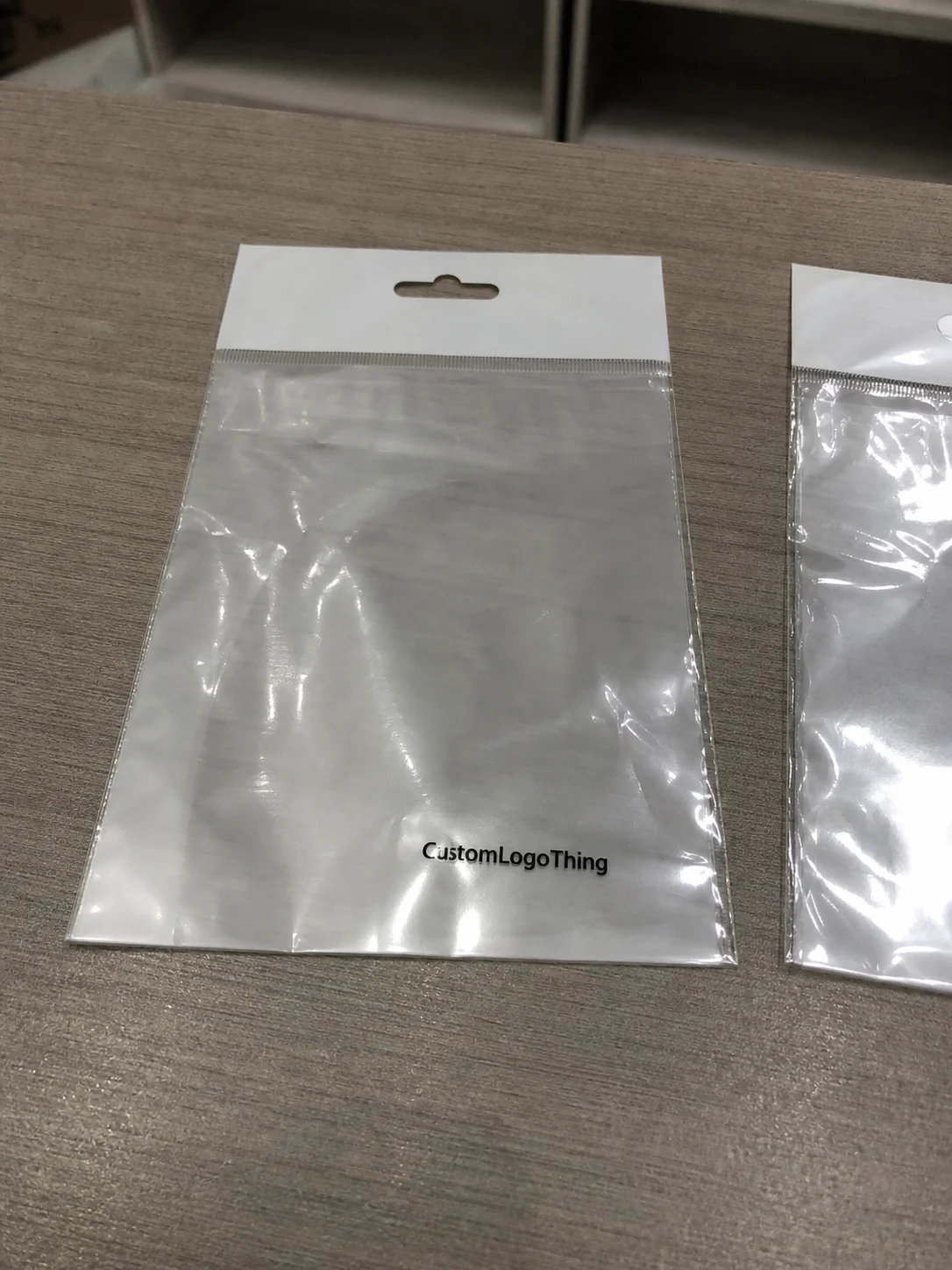
Different ecommerce formats serve different jobs, and each one carries its own cost structure. Mailer boxes are popular because they arrive flat, set up quickly, and present well for unboxing. Shipping cartons are usually cheaper in basic corrugated form and can handle heavier products. Folding cartons work well for retail packaging, cosmetics, supplements, and lighter goods that need shelf appeal. Poly mailers are often the lowest-cost option for apparel and soft goods, while rigid boxes and custom inserts sit at the premium end of the range.
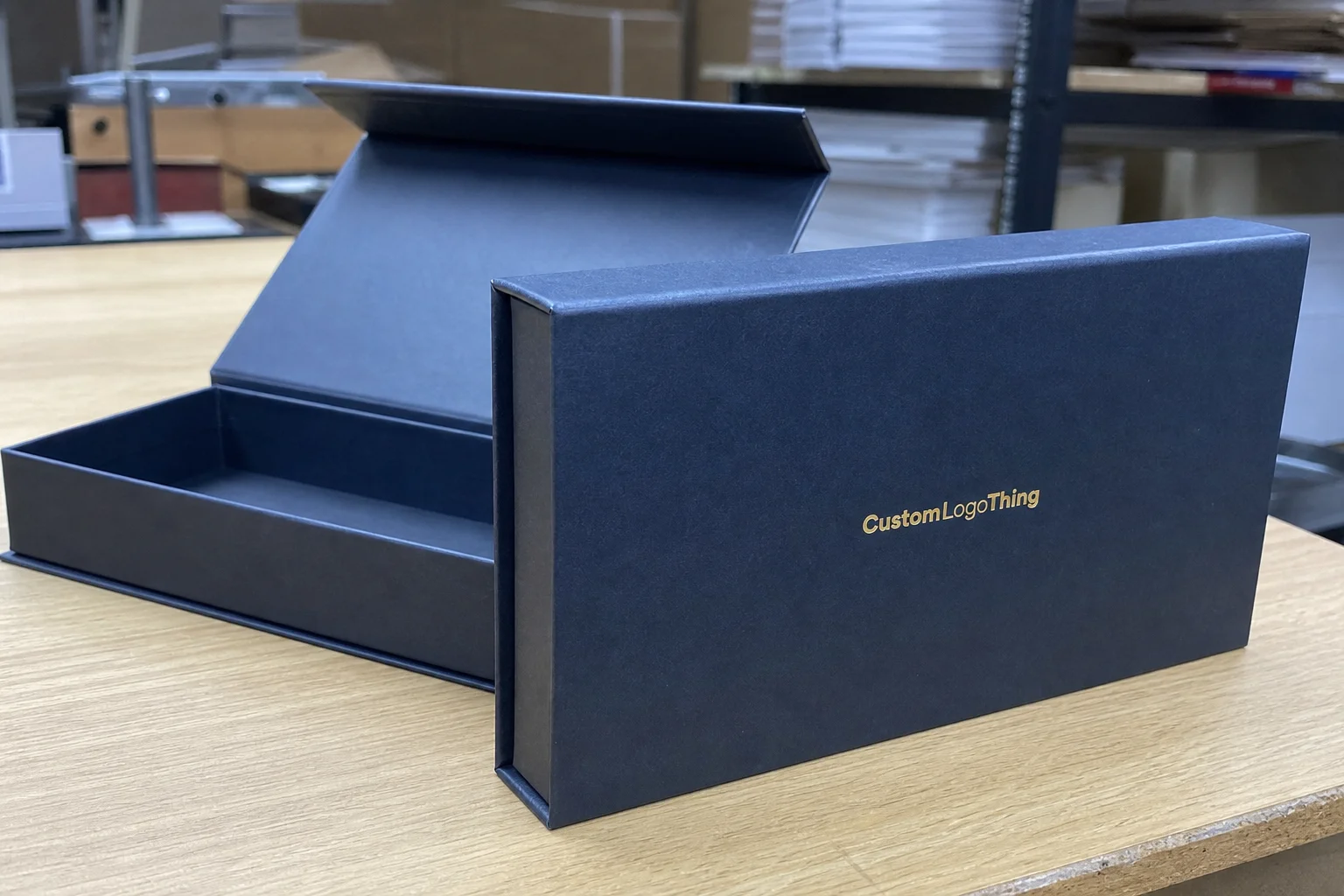
What you pay for is not just the structure itself. You pay for board grade, flute type, adhesive application, print coverage, and die-cut complexity. A plain kraft corrugated mailer with one-color flexo print is far less expensive than a rigid box wrapped in printed art paper with foil stamping and foam inserts. The packaging cost for ecommerce changes because the production route changes. A wrapper on a rigid line needs manual fitting, while a simple die-cut mailer can run faster through a regular corrugator.
For a beauty brand, I often recommend a custom printed folding carton inside a shipper, especially if the item is light but presentation matters. For apparel, a poly mailer or lightweight mailer box can keep unit cost under control while still supporting branded packaging. For subscription brands, the decision usually comes down to how much of the customer experience is happening inside the box versus how much protection the product needs in transit.
Here’s a practical example from a meeting I had with a skincare buyer in Los Angeles: she was choosing between a printed rigid box at roughly $2.10 to $3.40 per unit and a folding carton plus corrugated shipper that landed closer to $0.68 to $1.05 per order at 5,000 pieces. The rigid box looked better on a shelf, but the carton-plus-shipper system won because the product was sold DTC, not through retail. That decision cut the packaging cost for ecommerce without hurting the customer’s first impression.
If you are browsing options, our Custom Packaging Products selection can help you compare custom printed boxes, mailers, and other product packaging styles by intended use rather than by appearance alone.
Material Specs That Change Packaging Cost Fast
Thickness and board grade are among the first specs I check. In corrugated, E-flute often offers a good balance of printability and strength for lighter ecommerce goods, while B-flute is thicker and can improve stacking performance for heavier products. Single-wall corrugated is usually lower cost than double-wall, but double-wall can save money if the product is fragile and breakage risk is high. For paperboard, GSM matters just as much; a 350 gsm C1S artboard will behave differently from a 300 gsm SBS sheet, and the price reflects that difference.
Printing method also moves the number quickly. Digital printing can be economical for shorter runs and variable artwork, though the per-piece price may be higher at scale. Offset print brings excellent image quality and color control, especially for high-volume retail packaging, while flexographic printing is often efficient for corrugated mailers and shipping cartons with simpler graphics. Add hot foil stamping, and you introduce another setup stage, another material consumable, and another QC checkpoint.
Finishes deserve careful attention. Matte lamination gives a soft, premium feel, gloss varnish can enhance color pop, soft-touch coating adds a tactile effect, embossing and debossing create depth, and aqueous coatings can improve scuff resistance while keeping cost under control. Each finish has a reason to exist. None of them are free. I’ve watched buyers add three premium effects to a box that already did its job structurally, and the packaging cost for ecommerce climbed by more than 20% with no measurable gain in conversion.
Structural choices matter just as much as print. Tuck styles, crash-lock bottoms, partitions, and custom inserts all add tooling or labor. A crash-lock bottom saves assembly time at fulfillment, but it can increase manufacturing complexity. A paper pulp insert may be better for fragile glass than a simple cardboard divider, yet it can add mold cost and freight weight. The right answer depends on your product, your line speed, and your damage tolerance.
One of the cleanest ways to hold down the packaging cost for ecommerce is to specify only the features that add value. If the box is going inside a shipper, maybe you do not need full exterior foil. If the item is protected by its own molded tray, maybe the outer carton can be simpler. In my experience, good packaging design is often about subtraction, not addition.
Packaging Cost for Ecommerce: Pricing, MOQ, and Budgeting
Unit price almost always falls as quantity rises, because setup and press efficiency get spread over more pieces. A die-cut box at 1,000 pieces may carry a very different price from the same box at 10,000 pieces, even if the material spec does not change. That is the reality of setup, waste allowance, and machine uptime. The packaging cost for ecommerce is tied to how efficiently a plant can run your job, not just to the raw cost of paper or corrugate.
MOQ matters just as much. Stock packaging can be purchased in smaller amounts, but custom printed boxes, printed mailers, and rigid packaging usually need higher quantities to make sense. A common MOQ might be 500 to 1,000 pieces for some digital-print projects, 3,000 to 5,000 pieces for many offset cartons, and 1,000 to 3,000 pieces for certain corrugated mailers, depending on spec and supplier. Those numbers are not fixed rules; they shift with board type, print complexity, and plant capacity.
When a quote comes in, I want to see more than the piece price. A complete quote should include artwork prep, plates or dies, proofing, sampling, production packing, and freight terms. If those items are left out, the quoted packaging cost for ecommerce can look attractive until invoices start arriving later. I’ve sat in supplier negotiations where the “low” offer became the most expensive one after tooling, export packing, and inland transport were added back in.
Budgeting should also be tied to cost per shipped order, not cost per box alone. If a $0.62 mailer reduces damage claims and saves $0.18 in void fill and $0.27 in dimensional shipping charges, it may outperform a $0.44 plain carton in the real world. That’s the sort of comparison I like to use with ecommerce brands. It keeps everyone focused on landed cost, not vanity pricing.
Inventory risk is the other side of the equation. A seasonal brand may get a better price by ordering 20,000 pieces, but if only 12,000 are likely to sell before the packaging design changes, excess inventory eats cash and warehouse space. The best packaging cost for ecommerce strategy balances MOQ, forecasted sales, and storage capacity. If your order pattern is uneven, it can be smarter to accept a slightly higher unit cost than to sit on a warehouse full of obsolete branded packaging.
For brands trying to compare options cleanly, ask for pricing at two or three quantities, then normalize the numbers by total delivered order cost. That gives a much truer picture of your packaging cost for ecommerce than a single quote line ever will.
How Much Does Packaging Cost for Ecommerce?
The short answer is that packaging can cost a few cents or several dollars per order, depending on what you ship and how you ship it. A basic poly mailer for apparel may sit near the low end, while a printed rigid box with inserts and specialty finishes can move far higher. The packaging cost for ecommerce usually follows a simple pattern: the more structure, print detail, and hand assembly you add, the more the price rises.
For a rough working range, simple corrugated mailers and stock poly mailers are often the most economical options for high-volume orders. Custom printed folding cartons usually fall in the middle, especially when ordered at scale. Premium gift-style packaging, Rigid Setup Boxes, and multi-component kits sit at the top end because they require more labor, more material, and more finishing steps. If your catalog includes different product sizes, you may see a wide spread in packaging cost for ecommerce across the line.
That spread is normal. A candle, a pair of earrings, and a jacket do not belong in the same package family, and trying to force them into one structure usually raises both damage risk and packaging spend. I’ve seen brands save money by separating their packaging strategy by product tier instead of using one universal box for everything. The result was better fit, lower freight weight, and a more predictable packaging cost for ecommerce across their assortment.
If you want a meaningful benchmark, compare your current unit cost to your cost per shipped order after freight, void fill, returns, and breakage are included. That gives a clearer view than any generic average ever could. Packaging is one of those categories where the lowest sticker price can still produce the highest total spend.
From Artwork Approval to Delivery: Process and Timeline
The production flow is usually straightforward, but each step can affect cost and timing. It starts with inquiry, then specification review, quote, dieline development, artwork setup, sampling or proofing, production, QC, and shipping. Simple jobs move quickly through this sequence. Custom inserts, specialty finishes, or multi-part sets take longer because each component needs its own approval path.
Structural sampling is one of the slower steps, especially if the product itself is unusual. I’ve seen a candle brand lose five business days because the insert held the jar too tightly by 2 mm, and the first sample had to be revised before the final run could begin. That delay was avoidable with a product sample in hand during the quoting stage. The packaging cost for ecommerce is not only about money; it is also about the cost of time when a launch date is already fixed.
Realistic timelines depend on complexity. A simple printed mailer can sometimes move from proof approval to shipment in about 12 to 18 business days, while more customized custom printed boxes with foil, embossing, or inserts may need 20 to 35 business days or more. Freight method matters too. Air shipping can reduce transit time but increase landed cost sharply, while sea freight is more economical for volume but needs planning.
Approved files make the difference between a clean run and rework. Dielines must match actual dimensions, bleed settings should be correct, and color expectations need to be documented. If a Pantone shade is critical, say so early. If the box must pass transit testing, mention ISTA requirements before production begins. Those small details protect both schedule and the final packaging cost for ecommerce.
Proactive communication with the manufacturer keeps the schedule tight. If you know a launch will move by two weeks, tell the plant immediately. If a component is still in review, say that too. Honest timing gives the factory room to plan carton allocation, press slots, and labor without last-minute premium charges.
Why Choose a Custom Packaging Manufacturer
Working directly with a manufacturer gives you access to material sourcing, process control, and real production advice. A reseller can take your order, but a factory-side team can tell you whether a 400 gsm board is overbuilt, whether a different flute will hold up better, or whether one print method will save enough to justify a design change. That guidance often lowers the packaging cost for ecommerce without sacrificing brand presentation.
Quality control is another advantage. On a good line, you should see checks for color consistency, die-cut accuracy, glue coverage, and compression strength. Repeat orders should match the first run closely, which matters when your package branding has to stay consistent across multiple warehouse cycles. I once visited a plant where a slight glue-line shift was caught during in-line inspection, and that one catch saved a client from a pallet of boxes failing at fulfillment.
Manufacturers also help as your volume grows. Maybe you start with 2,000 units and later move to 20,000. A factory that understands your spec can advise on better material yield, alternate print layouts, and more efficient carton packing, all of which support a lower packaging cost for ecommerce over time. That matters for brands that are scaling rather than standing still.
At Custom Logo Things, the goal is practical cost control and dependable production, not glossy promises. If a simpler structure gets you a better margin, I’ll say so. If a premium finish is worth it because the product is giftable or high-value, I’ll say that too. Good product packaging should fit the product, the brand, and the margin, in that order.
How to Request a Packaging Quote That Gets Accurate Pricing
If you want accurate pricing, start with exact specs. Share dimensions, product weight, packaging type, print colors, finish, quantity, target ship date, and delivery location. If the box must fit inside a master carton, include that too. The more precise the information, the better the quote, and the more reliable your packaging cost for ecommerce forecast will be.
Product samples or clear photos help more than many buyers realize. When I see the actual bottle, garment, or accessory, I can suggest a structure that avoids wasted space or unnecessary inserts. A single photo can prevent a costly overbuild. In one supplier meeting, a jewelry brand was ready to order a rigid box with foam, but after measuring the product and checking transit risk, we moved them to a printed folding carton with a molded paper insert and cut the packaging cost for ecommerce sharply.
Ask for pricing at multiple quantities so you can compare price breaks and MOQ tradeoffs. It is common to see meaningful differences between 1,000, 3,000, and 5,000 pieces, especially for printed packaging. Also confirm whether tooling, samples, and freight are included. If they are not, note the missing items on your comparison sheet so you are looking at true landed cost, not an incomplete number.
Before you request quotes, do three things: audit your current spend, measure your product carefully, and decide which features are truly necessary. A side-by-side comparison of two or three packaging specs is often enough to reveal where your money is going. That is the cleanest way I know to control packaging cost for ecommerce without weakening the customer experience.
If you are ready to evaluate options, start with your current dimensions, your expected order volume, and the target unboxing experience. Then Request a Quote that shows structure, material, print, finish, MOQ, and freight separately. That approach gives you a much truer view of the packaging cost for ecommerce and helps you Buy with Confidence instead of guesswork.
FAQs
What is the average packaging cost for ecommerce orders?
Average cost depends on packaging style, material, print complexity, and quantity. Simple stock mailers usually cost less than custom printed boxes, while premium rigid packaging costs more because of manual assembly and finishing. The most accurate estimate comes from looking at the packaging type, the print method, and total landed cost per shipped order.
How does MOQ affect packaging cost for ecommerce brands?
Higher MOQ usually lowers unit cost because setup expenses are spread across more pieces and production runs more efficiently. Low MOQ is helpful for launches and testing, but the per-unit price is typically higher. Brands should balance cash flow, storage space, and forecasted sales before choosing a quantity.
Which packaging material is cheapest for ecommerce shipping?
Plain corrugated mailers and simple poly mailers are usually among the lowest-cost options. The cheapest choice depends on the product’s weight and fragility, because damage claims can erase the savings quickly. In many cases, right-sized corrugated packaging saves more overall than choosing the absolute lowest unit price.
What should be included in a packaging quote for ecommerce?
A strong quote should include dimensions, material spec, print method, finish, quantity, lead time, and shipping terms. It should also clarify tooling, sample charges, and whether artwork setup is included. Without those details, comparing suppliers accurately becomes difficult.
How long does custom ecommerce packaging take to produce?
Timelines vary by structure and print complexity, but custom packaging usually takes longer than stock options because of proofing and production setup. Sampling, artwork approval, and freight method all affect delivery date. Submitting complete specs early is the fastest way to keep the schedule on track.
For most brands, the smartest move is not chasing the lowest quote, it is tightening the spec until the box protects the product, fits the shipping method, and avoids unnecessary finish work. If you can trim board weight, reduce empty space, and remove one decorative step that does not sell the product, you’ll usually improve the packaging cost for ecommerce without hurting the customer experience. That’s the practical line to hold: design for the shipped order, not the sample on your desk.