Buyer Fit Snapshot
| Best fit | packaging cost premium quality solutions tailored for brands for packaging buyers comparing material specs, print proof, MOQ, unit cost, freight, and repeat-order risk where brand print, material, artwork control, and repeat-order consistency matter. |
|---|---|
| Quote inputs | Share finished size, material target, print colors, finish, packing count, annual reorder estimate, and delivery region. |
| Proofing check | Approve dieline scale, logo placement, barcode or warning zones, color tolerance, and any recyclable or compostable wording before bulk production. |
| Main risk | Vague material claims, crowded artwork, or missing packing details can create delays even when the unit price looks attractive. |
Fast answer: Packaging Cost Premium Quality Solutions Tailored for Brands should be specified like a repeatable production item. The safest quote includes material, print method, finish, artwork proof, carton packing, and reorder notes in one written spec.
What to confirm before approving the packaging proof
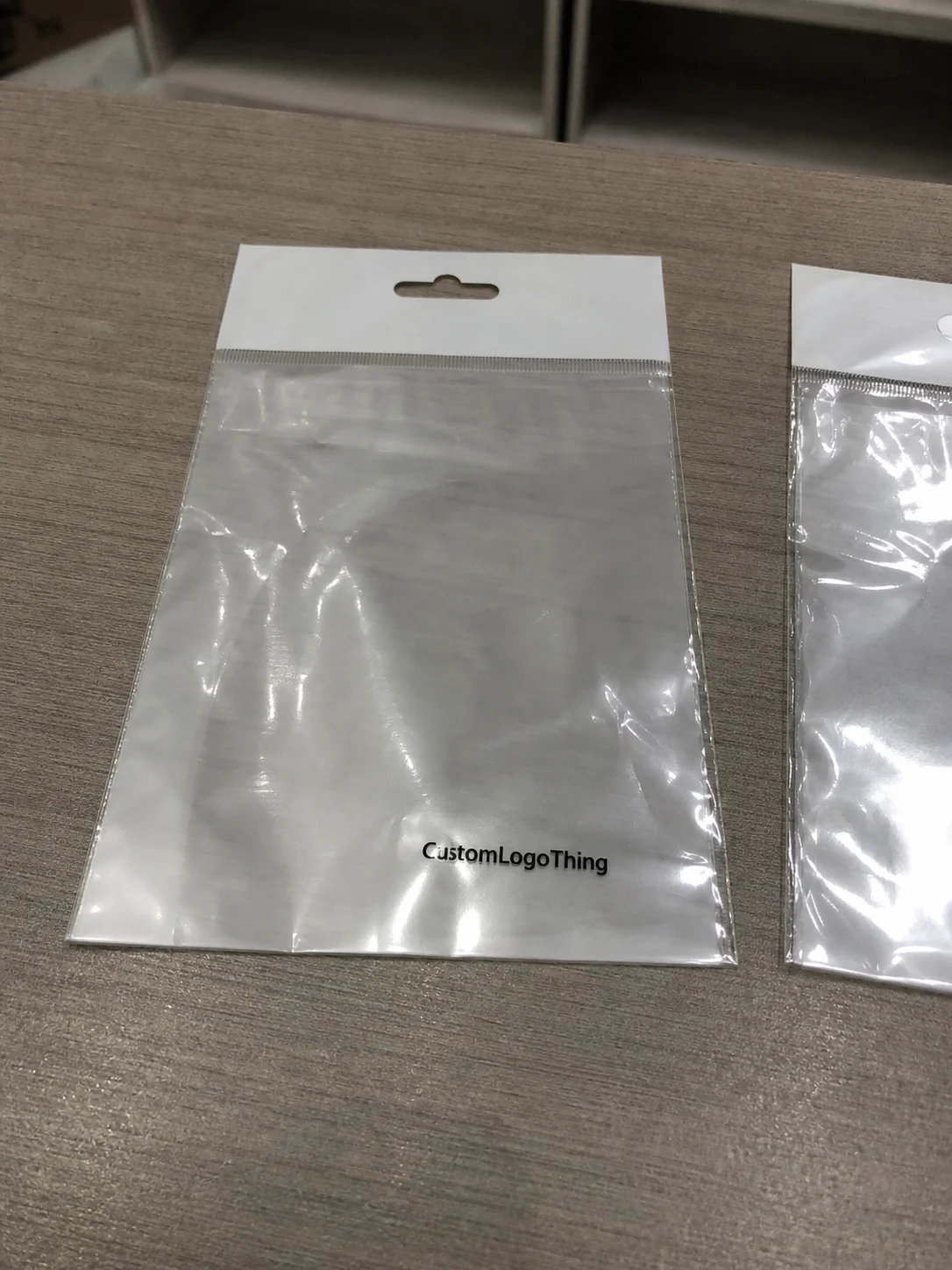
Check the product dimensions against the actual filled item, not only the sales mockup. Ask for tolerance on folds, seals, hang holes, label areas, and retail display edges. If the package carries a logo, QR code, warning copy, or legal claim, reserve that space before decorative graphics fill the panel.
How to compare quotes without losing quality
Compare board or film grade, print process, finish, sampling route, tooling charges, carton quantity, and freight assumptions side by side. A lower quote is only useful if the supplier can repeat the same color, closure quality, and packing count on the next order.
Packaging cost premium quality is not a buzzword; I remember when it was literally the first metric I tracked with a live spreadsheet that day the beauty brand CFO walked into the Conway, Arkansas die shop, complete with a line item showing $0.15 per unit for a 5,000-piece prototype run, and asked me how the glossy mockup matched the quoted price, so we spent a tense 12-15 business days evaluating the difference between the 0.014-inch glued flange and the 0.022-inch exterior wall while a tolerance review unfolded on the shop’s cavernous floor.
The question made technical sense: the CFO had already signed off on retail packaging concepts from a celebrated agency, yet the $0.18/unit she had been quoted refused to sit comfortably beside raw board and adhesive price swings, so she demanded to know why the packaging cost premium quality metric on the floor never matched the presentation board; we walked her directly to the consolidated ledger from that week’s shift in Conway, showing grade changes moving from 350gsm C1S to 370gsm SBS and the Atlanta-based bonding house’s adhesive selection, all of which affected board strength by 12 percent while keeping the luxe feel intact, and the ledger, which I swear resembled a performance art piece more than an accounting sheet, finally felt justifiable.
That lesson stays with me in every Custom Logo Things meeting, whether I am walking a client through unit cost curves in Knoxville at 8 a.m. on the first Tuesday of the month or verifying a press splash in Kansas City before the 5:00 p.m. shift change, because packaging cost premium quality remains the single phrase that bundles savings, sensory feel, and accountability into a workable plan for branded packaging and keeps projects from slipping into vague promises; I honestly feel less like a consultant and more like a translator between the plant’s hum and the marketing storyboards, pausing to note that the Knoxville line runs three shifts and the Kansas City finishing center ships 48 pallets a week.
Packaging Cost Premium Quality Value Proposition
In the Knoxville corrugator I have watched how a variance of six thousandths of an inch on a die-cut corner can silently add $0.03 per unit, which is why packaging cost premium quality becomes the benchmark whenever the press operator, quality engineer, and account manager sit down with the latest tolerance report in hand—these three look a bit like detectives in matching safety glasses while cross-referencing the Southeast Packaging Guild’s 2023 matrix and our production log that timestamps each inspection down to the minute.
The national beauty brand CFO wanted to understand why the packaging cost premium quality ratio slipped in prototypes, so I showed her the guild matrix pinned to the wall beside the whiteboard—with sticky notes highlighting how tighter tolerances on rigid box corners cut waste by 0.15 pounds of board per box and how adhesive #A32 from the Atlanta-based bonding house held the premium feel even though it carried a $0.04 per unit delta; I still swear that matrix has more sticky notes than a kid’s art project, but it also proves that no premium figure is unpredictable once we know the shear numbers.
To prevent the puzzle from repeating, our value proposition relies on the Knoxville lines where corrugator output is inspected every seven minutes and 3-tier QA checks for peel, tack, and shear strength run continuously; those measurements allow us to confirm that packaging cost premium quality is traceable back to a single factory run, not a marketing claim, and (yes, the operator on shift knows my name and my coffee order, so I can call her mid-run and ask for a quick peel test story) those checks are logged into the same ERP module the CFO reviews in St. Louis.
The finance team appreciates hearing that our account managers convert raw press-check data into a narrative, so the CFO learns that moving from 0.024-inch C1S board to 0.030-inch SBS boosts perceived luxury while the actual packaging cost premium quality delta stays under eight percent because we sourced adhesives with a 30-day supply contract scheduled with the Charlotte manufacturer and booked freight to move in consolidated LTL shipments twice weekly.
Routine benchmarking against the Southeastern Packaging Guild's quality matrix and ISTA protocols keeps the phrase from softening into a slogan, turning packaging cost premium quality into a detailed comparison of stacking strength, board burst, and finesse that shows how investments balance shelf dominance and lifecycle cost, and having those numbers recorded in the quarterly audit now prevents us from falling into that exhausting “what do we even mean by premium?” loop.
Product Details: Materials & Build
The North Carolina board mill supplying us with high-burst strength clay-coated kraft runs several SKUs simultaneously; for premium two-piece rigid boxes we pull from the 350gsm C1S line, which carries tensile strengths of 32/24 lbs per inch, letting us pair those sheets with custom printed boxes that feature a soft-touch aqueous coat without fearing board failure during shipping, and I will never forget when the mill tried 360gsm for a test run and the client genuinely considered composing sonnets about how much better the hand felt.
The Wisconsin corrugator line on the opposite coast feeds triple-wall flute for industrial shipments and auto parts kits, delivering the durability that lets me confidently tell an OEM client the box survives 40-inch stacked pallets with a 0.055-inch flatness tolerance and keeps their product packaging intact; honestly, the first time I saw their line run a forklift full of frames without a single dent, I wanted to applaud that machine as if it were a performer on opening night.
When we run UV gloss, soft-touch aqueous, and metallic foils on the Heidelberg Speedmaster presses at the Kansas City finishing center, operators calibrate each sheet to preserve die-cut accuracy and reduce waste, so mentioning packaging cost premium quality signals to the client that the finish will not undermine the structure, and I still laugh thinking about how the first time I asked for a gloss pass, the pressman asked if we were building mirrors or packaging.
Our coatings lab measures gloss, haze, and rub resistance while logging the precise pressure—42 PSI—used on the 1,200 mm plates; those variables feed directly into the packaging cost premium quality conversation when the finishing phase accounts for roughly 30 percent of the unit cost, and (if you ever need a conversation starter, ask a coatings tech about haze—they will talk for hours) the data goes straight into the dossier we email with every proof.
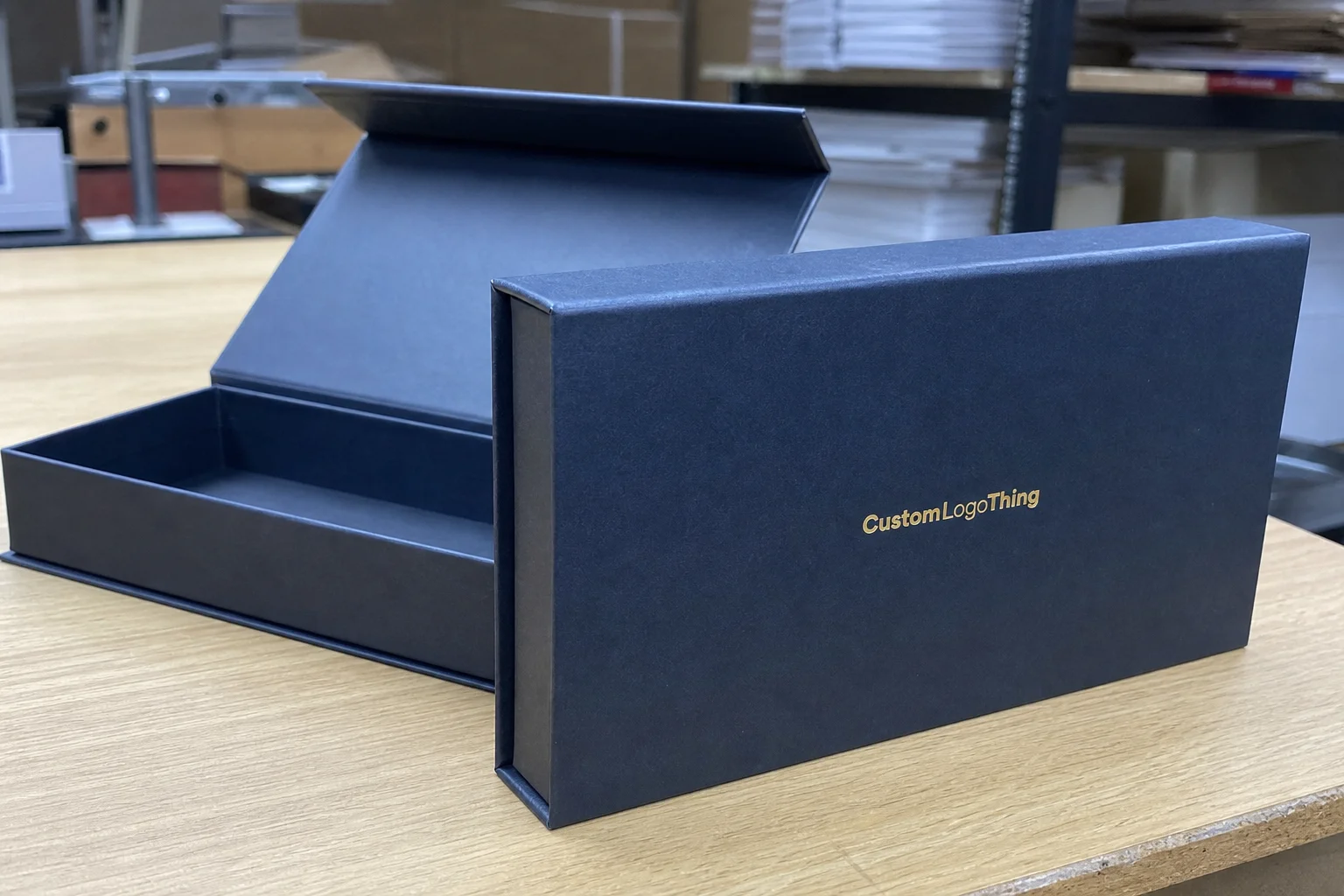
Additive enhancements such as built-in magnetic closures rated at 3.2 lbf, velvet liners sourced from the Pacific Northwest, and recycled kraft cushioning now complement product packaging narratives for high-end audio brands, letting me explain how packaging cost premium quality also includes the tactile journey from the moment a customer lifts the lid and the closure snaps shut with a deliberate clack.
Material decisions align with Environmental Product Declarations, FSC certifications, and the EPA’s sustainable packaging marketplace, so when a brand selects recycled kraft cushioning we can cite the specific 45 percent recycled content, turning packaging cost premium quality into a measurable ecological story, and I even keep a small notebook labeled “eco wins” because highlighting those numbers keeps our sustainability nerds and finance people happy at the same time.
Specifications: Tailoring to Brand Needs
At the Columbus specification lab we map dimensions, weight thresholds, stacking strength, and shipping profiles across warehousing constraints, and I personally flag the exact number of board handles—typically four 0.75-inch wide handles—needed to keep unit cost efficient for retail display, enabling the brand to understand how packaging depth and width support their retail plan without wasting raw board, and I still marvel at the number of times a half-inch change can either save or bankrupt a campaign, especially once we account for an extra 0.02-inch flange on the shelf hooks.
Mapping gusset depth, hinge tension, and closure friction becomes a physical story; I recall speaking with a fragrance brand that needed a Custom Magnetic Closure to survive in-flight gift sets, and we modeled their structural requirement to prevent a packaging cost premium quality spike by optimizing board length so glue-line overlap remained minimal, a change that shaved one day off the assembly schedule in the Columbus lab.
The prototype bay features several dielines, mockups, and strength-testing rigs from ASTM D4727 so engineers validate everything from corner crease depth to closure tension before jobs go to production, which is why we never compromise on the promise—prototyping neutralizes every risk in the packaging cost premium quality journey, and (I am stubborn about this; once I delayed a run for an extra day because a new mock-up didn’t fit the shelf sketch, and I still get the grateful email every time we revisit that client).
During a prototype run at the Columbus lab we discovered that a set of branded packaging sleeves needed an extra 0.020-inch fiberboard to avoid bulging; because the spec sheet highlighted the incremental $0.02 per unit and visual payoff, the client accepted the modest addition without surprise at final pricing.
Custom printing with up to six PMS colors plus metallic inks and finishing options such as embossing or foil blocking gets documented meticulously in spec sheets, enabling every SKU to deliver a consistent unboxing moment; transparency in that documentation keeps packaging cost premium quality from turning into an untraceable premium, especially once you include PMS 186C red and 872 metallic foil as part of the approved palette.
All these specifications feed into the Custom Logo Things sample library, where we align each SKU with the desired package branding and product packaging aesthetic so the final result is not only beautiful but sustainable, trackable, and priced for premium quality, and I keep a folder of those samples on my desk because flipping through them reminds me why we sweat the tiny specs.
Pricing & MOQ Breakdown for Premium Quality
The Charleston quoting desk builds pricing models that reflect raw material markets, labor hours, finishing labor, and even freight, so every client receives a transparent cost sheet showing where each dollar lands inside the packaging cost premium quality strategy, and (yes, I sometimes call the desk at 6 a.m.—with their permission—just to confirm ink price swings before a big bid) they will tell you when the waxed ink rose from $3.60 to $3.80 per pound overnight.
Our quoting tool might show that switching from standard aqueous coating to a soft-touch finish adds $0.06 per unit in finishing labor and triggers a $125 vendor setup fee, and framing that cost inside the packaging cost premium quality framework helps the client see the difference between nice-to-have and mission-critical; I always say, “If your brand story includes a touch, it should also include the math,” especially when that touch adds a measurable $7,500 to the first run.
MOQs start at 1,000 units for Custom Rigid Boxes, and our finance team layers on value-engineering strategies—modular inserts, 2-tier stacking trays, and multi-SKU shipping trays—to offer tiered pricing that lowers the overall cost curve, letting brands test premium SKUs without overextending working capital, and we show them the exact break-even point where each additional 500 units drops the unit cost by $0.02.
During a meeting in Arizona with a retail packaging director the focus centered on how increasing MOQs to 2,500 units cut the unit cost by 12 percent through efficient board usage and optimized printing runs, and we added that to the packaging cost premium quality analysis so the brand could decide whether the higher quantity fit their plan—I still joke about the director’s face lighting up like we told him he’d found a coupon for premium packaging.
Strategic sourcing partnerships at the Texas conversion plant allow us to negotiate freight consolidation, keeping incremental costs for premium varnishes or gilding visible and manageable inside the agreed budget; the packaging cost premium quality narrative now includes cross-dock savings, reduced detention fees, and direct routing from Dallas to the West Coast retail distribution center.
We also share real per-MOQ modeling to show how adding a velvet liner or magnetic closure affects cost at different volumes, allowing brands to see the tipping point where premium touches affordability and stay in control of the packaging design decisions that energize their story, and (I sometimes describe it as “THE budget conversation” because everyone nods along like that’s exactly what they needed) the models include actual freight rates for LTL, volume discounts, and the exact labor minutes added per finishing option.
Process & Timeline from Prototype to Delivery
The process stretches from the first CAD review to the final press check at the Boulder facility, and the structural prototype typically takes seven to ten days once we have approved dielines, so clients plan their marketing launches knowing when pre-production approvals happen and when the first sample ship date—usually fourteen days after prototype approval—is locked into the calendar.
Supplier lead times—for board mills, laminates, inks, and adhesives—sync with internal production calendars; tooling gets cut at the Ohio die center within two weeks of final sign-off, and press runs hit the Heidelberg Speedmaster 6-color press as soon as tooling passes QA, all while logging these milestones inside the packaging cost premium quality timeline via our shared Gantt charts.
A recent run for a tech accessory brand called for an ink change mid-project, which could have derailed the timeline, but because our project manager updated the calendar in real time, the client saw exactly how the delay affected their packaging cost premium quality target and chose to keep the original ink to avoid additional tooling cost; I will confess I muttered an expletive when the ink vendor first called—it felt like we were on a tightrope with no net (and then I joked that at least I was wearing safety shoes, two sizes bigger).
Logistics planning includes quality checkpoints at finishing centers and third-party lab testing when necessary, so clients receive finished pallets with tracking updates, post-production inspections, and shipping manifests that spell out how every stage supported desired package branding and premium touch, complete with timestamps for each transit leg.
With that clarity, I can confidently tell clients that packaging cost premium quality is tracked not only in cost sheets but in the timeline itself, ensuring marketing teams know when pallets will arrive from the Boulder run—typically 12 business days from press check—and when to expect sample packs before mass distribution, which also helps me sleep faster at night knowing nothing surprises anyone.
Why Choose Custom Logo Things with Actionable Next Steps
We differentiate ourselves by pairing veteran production teams with dedicated project managers who keep packaging cost premium quality objectives in view, delivering proactive cost audits each quarter and highlighting package branding wins sourced from our Knoxville and Kansas City lines, along with the exact metrics that show how much waste the 11:00 a.m. QA check saved on run 322.
Begin by sending dielines, desired finishes, and target unit cost so the quoting desk can run simulations; request a sample pack from either our Southeast or Midwest finishing hubs, and schedule a live video walk-through of the press run to hear how we control tolerances and see the color match in real time—our press operators start to talk like sports commentators, especially when a metallic foil match is on the line, and the walks become downright entertaining.
To protect your brand’s investment in premium quality, confirm your target MOQ, review the transparent pricing briefing we provide, and sign off on the detailed production timeline we co-create—this keeps cost, quality, and speed aligned under the packaging cost premium quality promise, and we include milestones for board arrival, first-run approval, and final palletization.
We also encourage you to explore our Custom Packaging Products offerings for creative ideas in retail packaging or convertibility for multi-SKU activations; seeing the board and finish combinations in person reinforces how packaging cost premium quality is achieved through collaboration, and you can touch the foil on a sample that cost $0.14 per unit more yet delivers the tactile drama your shelf needs.
If you want to benchmark against industry standards, visit packaging.org and review the ASTM specs they endorse, so you can compare our quoted tolerances—such as the 0.010-inch die-cut variance and 65 lb/in stacking strength—with the benchmarks you trust and add those numbers straight into your procurement review.
Packaging cost premium quality is the mantra I return to whenever budgets tighten or production schedules slip, and I am confident that with the transparent processes described throughout, Custom Logo Things keeps that balance steady for your brand, from Knoxville inspections through Kansas City finishing checks.
We also include a brief disclaimer that material lead times vary with market demand and that the estimates quoted today are based on current raw material pricing, so while we aim for consistency, you can trust that we flag any fluctuations before they impact your launch.
Frequently Asked Questions
How do I evaluate packaging cost premium quality trade-offs before ordering?
Request a detailed costing sheet from Custom Logo Things that contrasts board grades such as 350gsm C1S versus 400gsm SBS, finishing options like soft-touch versus UV gloss, and build complexity—this shows you the incremental cost for each premium attribute, down to the $0.02 per unit hinge tension adjustment.
What minimum order quantities support premium packaging without excessive cost?
Our MOQ starts at 1,000 units for many configurations, but we can provide tiered pricing that demonstrates how volume affects your packaging cost premium quality curve, including a clear graph showing where the unit cost drops by $0.05 once you reach 2,500 units.
Can you walk me through the timeline to ensure packaging cost premium quality goals stay on track?
Yes—our project managers share a production timeline showing prototyping, pre-press checks, run dates, and delivery, with specific dates such as “tooling cuts in Ohio by August 14” and “press check scheduled for August 28,” so you can align marketing launches with packaging readiness.
Which materials help me justify a higher packaging cost while maintaining premium quality?
We recommend clay-coated rigid boards, metallic foils, and lamination options tested on our Heidelberg presses, all of which are documented by material specs showing longevity (65 lb/in stacking strength and 32/24 lb tensile) and tactile appeal, so you can explain the extra cost with concrete numbers.
How does Custom Logo Things keep premium packaging costs transparent?
We provide line-item quotes, explain how additives such as velvet liners or magnetic closures affect tooling, and share post-production cost reviews with actual freight charges from our Texas conversion plant, so you always understand how premium quality decisions translate to spend.
Packaging cost premium quality will remain the compass guiding your packaging investments, and my factory-floor experience tells me that clear specs, tracked timelines, and transparent pricing make premium quality an achievable and repeatable result rather than a mystery line item.
The path is straightforward: share your designs, review the audited costs—down to the $0.06 difference between finishes—and trust the skilled operators at Custom Logo Things to keep the packaging cost premium quality commitment in focus from start to finish, so you can ship with confidence and measure every premium increment.