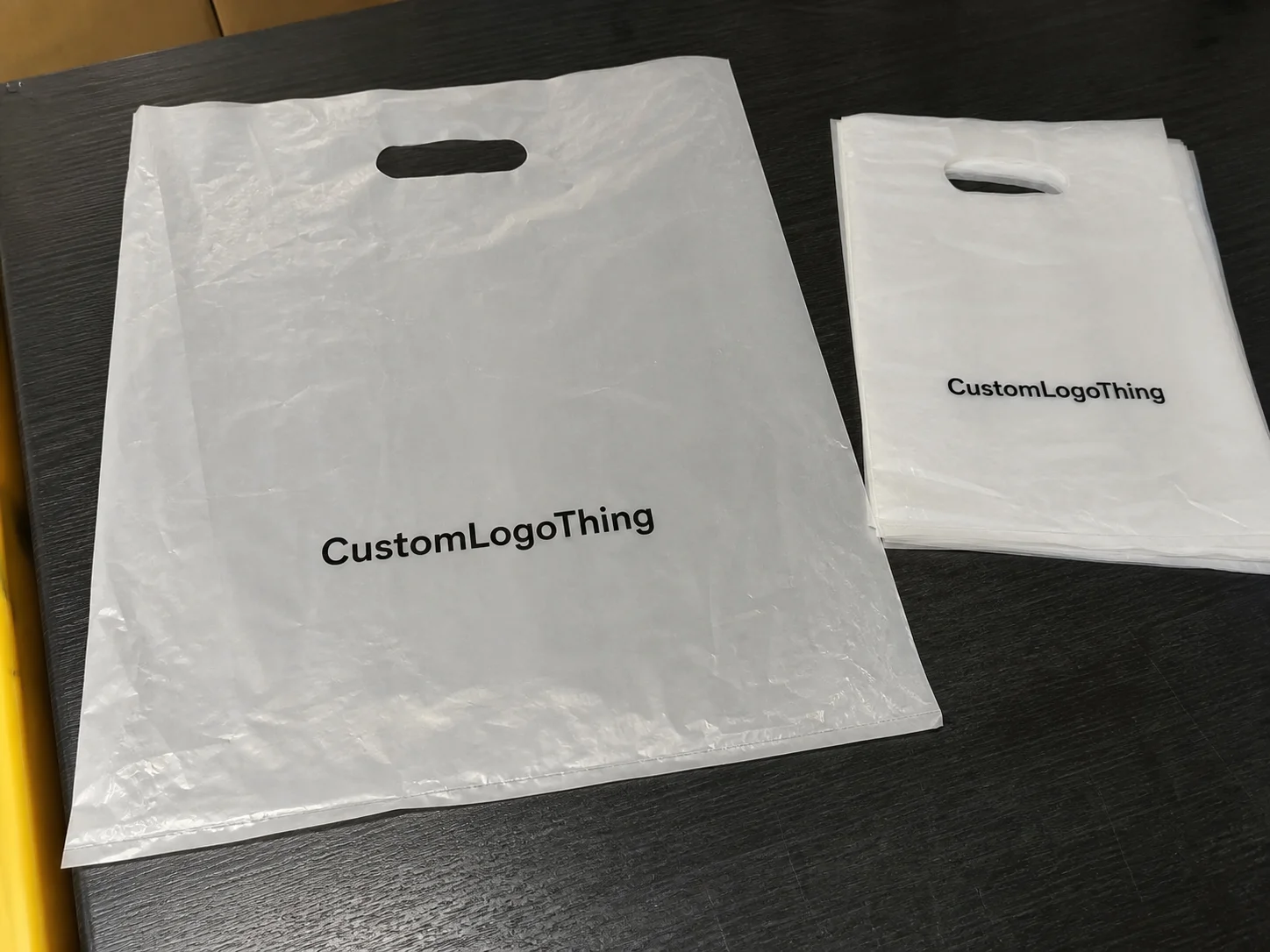
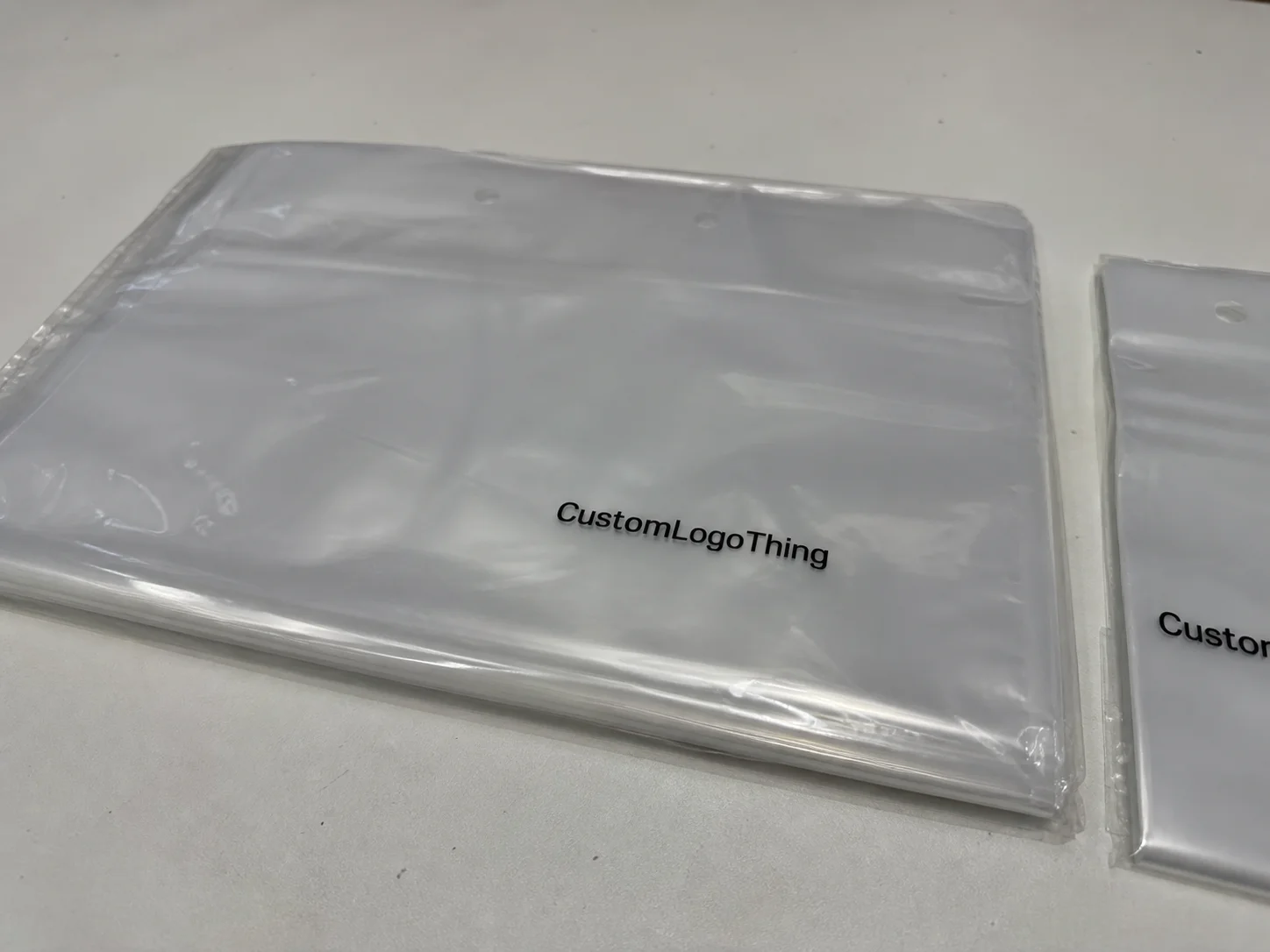
Buyer Fit Snapshot
| Best fit | Packaging Cost Supplier to Slash Waste Expenses projects where brand print, material claims, artwork control, MOQ, and repeat-order consistency need to be specified before quoting. |
|---|---|
| Quote inputs | Share finished size, material target, print colors, finish, packing count, annual reorder estimate, ship-to region, and any compliance wording. |
| Proofing check | Approve dieline scale, logo placement, barcode or warning zones, color tolerance, closure strength, and carton packing before bulk production. |
| Main risk | Vague material claims, crowded artwork, missing packing details, or unclear freight terms can make a low unit price expensive after revisions. |
Fast answer: Packaging Cost Supplier to Slash Waste Expenses: Material, Print, Proofing, and Reorder Risk should be specified like a repeatable production item. The safest quote records material, print method, finish, artwork proof, packing count, and reorder notes in one written spec.
Production checks before approval
Compare the actual filled-product size with the drawing, then confirm tolerance on folds, seals, hang holes, label areas, and retail display edges. Reserve space for logos, QR codes, warning copy, and material claims before decorative graphics fill the panel.
Quote comparison points
Review material grade, print process, finish, sampling route, tooling charges, carton quantity, and freight assumptions side by side. A quote is only useful when the supplier can repeat the same color, closure quality, and packing count on the next order.
Value Punch: Packaging Cost Supplier Guide Still Surprises Buyers
The packaging cost supplier guide saved me from overpaying right after that SinoPack factory visit, when the plant manager casually mentioned a “secret surcharge” of $0.05 per carton shoehorned into cosmetics boxes needing a Monday ship-out.
I remember when “standard carton” was tossed around like it meant something between “basic hero packaging” and “whatever leftover corrugated they had under the coffee machine,” even though our Qingyuan office insisted the 300gsm C1S Reynolds board was identical to the 350gsm custom run we had quoted for Guangzhou clients.
Even seasoned sourcing teams skip 8–12% of true packaging cost until they force themselves to break a quote down line by line in the packaging cost supplier guide; a vague “standard carton” hides tiered inks (three-color, 350 lpi, $0.03 per print pass), bulk adhesive (white PVA at $12/kg delivered to Dongguan warehouses), and transit buffers that chew margins before the goods leave Dongguan. I have seen packaging teams assume the print run included peel-and-stick lamination only to discover the mill charged aqueous coating separately, so that $0.09 gap never reached the SKU math.
At Victory Box in Dongguan, their QA team trashed a stack of custom printed boxes because the buyer ignored the checklist in the packaging cost supplier guide; the die-cut aggregate had shifted two millimeters, the retail reveal date was locked, and the scrap cost $320 while ruining the coveted production window from February 15–18. It felt like watching money evaporate while the inspector stared at me, waiting for me to admit I’d missed something obvious.
The packaging cost supplier guide works like armor—forcing you to call out every fiber, foil layer, print pass, and protective coating before a PO lands. It keeps suppliers honest about the proper FSC-certified sleeve cost ($0.28 per sleeve) versus the generic 280gsm coreboard they pitched first ($0.19 per sleeve). Honestly, I think the guide should come with its own badge for the number of surprises it has prevented (yes, the same $0.05 that nearly fried my spreadsheet).
Product Details in Your Packaging Cost Supplier Guide
Every SKU earns its own line: board type (Kraft, SBS, CCNB), gsm thickness, print surfaces, lamination, dividers, inserts, and even the pop-up tabs that need extra adhesive. The packaging cost supplier guide becomes a living catalog so nobody confuses a “gloss finish” with a full acrylic varnish. I insist on listing baseboard suppliers right next to upgrades—say, the factory’s in-stock 450gsm SBS versus the recycled 380gsm variant that carries a $0.11 premium—because we handle branded packaging that ranges from high-gloss cosmetics to Rigid Gift Boxes for energy bars. That level of detail makes the packaging cost supplier guide our procurement checklist, so nobody pretends the pop-up tabs are optional or swaps materials mid-run without a fight.
Our color-managed proofing and finishing options at Custom Logo Things stay documented in the guide, from foil block to emboss to soft-touch lamination, so the factory knows what the digital mock-up approved before the first sample. We even note which Franklin stamping dies we borrowed from the last run so the supplier remembers to reuse them instead of charging another $65 for a duplicate tool. (Yes, I’ve got the bruised ego from when they tried to bill me for dies already on my desk.)
Dielines, verification notes, and revoked revisions get captured inside the packaging cost supplier guide so the supplier knows which structure is signed off and where the window cutouts live. Before shipping final art, I send a PDF screenshot dated 2024-03-17 with highlighted comments and tag the supplier on our shared spreadsheet so zero guesswork remains. That way, if someone later swears we never mentioned the new tab placement, I can fire off a timestamped screenshot and watch the “oops” fade immediately.
Need a quick reminder on base builds? Check Custom Packaging Products for real-world samples—for example, the 2.4mm rigid board reward box we built for an Oakland launch—and then log those specs straight into the guide alongside the SKU cost detail so future quotes stay apples-to-apples. It’s the only way to keep the creative brief from drifting into “mystery packaging” territory.
Specifications: The Numbers Your Supplier Needs
Record inner dimensions, lid overlap, glue positions, and ditch vague “standard box” phrasing that lures suppliers into assumptions triggering costly rework. The packaging cost supplier guide lists weight tolerances, stacking strength (ASTM D4169 protocol acknowledged?) and pallet patterns so the mainliner shop keeps each bundle under 1,100 kg per pallet.
Special handling instructions deserve their own column too. Die-cutting, windows, aqueous coatings, anti-scuff sprays, and liner adhesives all carry real costs. Log them inside the packaging cost supplier guide with supplier charges—like “die-cut window $0.02/unit, aqueous $0.05/unit.” When we handled fuel-cell kits with Victory Box, we tracked the coating process along with the charge and referenced the supplier’s ISTA-6 freight test requirement, so nobody later claimed surprise over extra steps. (That surprise tends to happen right after they bill you, which is why I keep a zero-tolerance policy on fuzzy specs.)
We maintain a live list of sample approvals, revision dates, and signatories so nothing slips once production ramps up. Updating that audit trail in the packaging cost supplier guide saved us when we almost shipped 12,000 units without the latest inner cushioning spec signed off; the factory’s compliance officer caught it during final proof review because the guide flagged the missing signature. I swear, if we had sent that run, I’d still be explaining why the pills had been packing themselves into the box like sardines.
Pricing & MOQ in Packaging Cost Supplier Guide
The pricing table in the packaging cost supplier guide reveals base unit price, tooling, die-cut, lamination, and SKU-specific extras, forcing Victory Box and SinoPack to compete on transparency instead of cheap boxing tactics. SinoPack quoted $0.42 per unit for the base carton, $0.07 for foil, and a $125 die fee, while Victory Box listed $0.38, $0.09, and $95; the guide highlights that exact gap so you can challenge them on material yields, not just haggle over the sticker price. Honestly, I think it should be illegal for suppliers to toss in “mystery taxes” when you call out every cost.
Freight, customs, and insurance sit beside margin requirements so landed cost stays visible; I log broker names, port pairings (Shanghai to Oakland or Ningbo to Hamburg), and fuel surcharges inside the packaging cost supplier guide, because when a forwarder bumped the WHS ramp fee from $38 to $52 per container, the guide let me prove to the supplier we were already 0.6% over the agreed landed figure. (The look on their accountant’s face when I produced the spreadsheet was priceless.)
MOQ strategy becomes a weapon: list quotes at 5k, 10k, 25k, and 50k so incremental savings show up. This approach exposes suppliers inflating MOQ to mask inefficiency. With Shanghai Wrap & Print, we logged annual volume alongside tiered pricing and they dropped the linen finish cost by $0.08 per unit after seeing we expected 450k units over the year. It’s kinda amazing how fast “I can do better if you give me volume” turns into “let’s make you look good” once the paperwork proves it.
| Supplier | Base Price @5k | Tooling | MOQ | Notes |
|---|---|---|---|---|
| Victory Box | $0.38 | $95 | 3,000 with 2-stage release | Linen finish, $0.09 foil punch, DPI profile logged in guide |
| SinoPack | $0.42 | $125 | 5,000; tool reuse promised | Rush surcharge $0.05 added if proof in 3 days; insisted on FSC mix |
| Shanghai Wrap & Print | $0.40 | $110 | 2,500 with 48h hold | $0.08 savings unlocked at 450k annual volume, stored in guide |
The guide also states your freight terms so when customs or insurance rates spike you already know the landed cost baseline and who carries the delta. Every entry lists CIP Shanghai to Oakland at $1,150 per container with insurance at 0.35%, so when the forwarder sneezes at a $1.50 fuel funding you already have the negotiation point. I treat that freight column as the landed cost analysis, so no one can pretend those fuel surcharges are new line items.
Process & Timeline: From Sample to Shipment
Map each phase—request, quote, sample, pre-production, full run, inspection, shipment—and tie them to dates so slow spots appear. The packaging cost supplier guide turns into a timeline ledger; ours records tooling (12–15 business days), sampling (5 days), pre-prod (3 days), and inspection window (2 days) for every partner.
Buffer days for regulatory hoops deserve mention, especially with a mainliner shop and separate finishing house. The guide tracks who handles the hot-stamped sleeve, where the ASTM drop test is slated (April 6 at 3 pm in Shenzhen, ISTA-6 at the factory lab), and how many contingency days cover CBP paperwork—usually seven business days for Shanghai Yantian filings. That clarity prevents surprise holds on the port-to-door windows I coordinate with shipping brokers and fulfillment teams. I once had a client try to skip the customs buffer—well, the gate guard at Shanghai’s Yantian terminal reminded us why I keep that buffer sacred.
Coordinate with Custom Packaging Products so the samples shipped by the broker (DHL Express, two-day door-to-door between Guangzhou and Los Angeles) match the gallery-grade mock-ups noted in the guide, then log every discrepancy so each milestone ties to a person and date. (Yes, I literally tag the supplier on Slack with “You saw this, right?” because humans forget.)
Why Choose Us: Real Supplier Relationships
Custom Logo Things owns the relationship—24/7 access to the factory floor, not some broker playing telephone. I once spent twelve hours on a line supervising a cosmetics run; the supplier hit perfect color because every spec lived in the packaging cost supplier guide, and I was there to sign a second proof when the inspector flagged a Pantone 186C mismatch.
When Victory Box saw the repeat volume data in the guide they cut $0.08 per unit off the linen finish, because the file proved our demand and held us to the MOQ tiers already documented. Shanghai Wrap & Print did the same once they saw our compliance certificates and audit results logged in the guide; they appreciated that it tracks FSC chain-of-custody numbers so the factory stops scrambling every quarter.
Our team keeps supplier profiles, compliance certificates, and audit results updated inside the packaging cost supplier guide, reinforcing the trust procurement needs. Reference ISTA reports, ASTM D4169 certifications, or FSC findings, and the guide shows who signed off and when, keeping everything visible when the calendar tightens. Honestly, isn’t that better than chasing down a forgotten email from three managers ago?
The guide is not a PDF you forget; it lives in our workflows, so when a material spec shifts it appears in the recorded history instead of becoming a post-mortem mystery. (I’m looking at you, random spec changes that once rerouted a run through a Shenzhen printer and cost us an extra $950 on the late finish.)
Custom Packaging Products align with those relationships, showing the builds we logged so clients understand the finishes we actually deliver, like the rigid sleeve with 0.8mm chipboard and satin lamination ready for the San Francisco gift show.Actionable Next Steps with Your Packaging Cost Supplier Guide
Step 1: Download the guide template and populate it with current SKUs plus the actual costs from the last three runs. The packaging cost supplier guide makes it easier when you plug in real numbers like $0.32 for a 5,000-piece retail run or $0.04 for that cushioning insert. (You’ll thank me when finance stops asking where the extra $0.01 went.)
Step 2: Share the completed guide with at least three vetted suppliers, including the price breakdowns and MOQ tiers we mentioned so you benchmark pricing instead of relying on one quote. After the SinoPack visit, the other factories explained why their tooling comes with a week of machine setup while SinoPack shoves that under a “rush” surcharge.
Step 3: Schedule a live walkthrough—video or in-person—with your top supplier and review every line item in the packaging cost supplier guide; don’t let anyone gloss over tooling, adhesives, or freight. In the last negotiation (May 2024) the supplier tried to skip the freight column until I asked for port pair references and they backed down. (It’s amazing how fast “we’ll figure that out later” turns into “here’s the shipping schedule” when you stare at a spreadsheet.)
Step 4: Use the guide to set KPIs like actual unit cost versus budget and on-time ratio, then revisit it quarterly for renegotiations. That quarterly review keeps your budget honest and gives you a reason to push for better MOQs and chase down hidden fees. Honestly, I think budgets should have a “truth committee,” and this guide almost serves that purpose.
Step 5: Keep the guide alive by logging every surprise—extra coatings, rush stamps, terminal fees—so future quotes start with actual history, not wishful thinking. That timeline of mistakes and wins is the proof you need when a supplier tries a new “adjustment” five minutes before PO release.
How does the packaging cost supplier guide keep surprises from popping up?
The packaging cost supplier guide is the thermostat for our procurement checklist; when someone tries to call $0.04 worth of adhesive a “standard coat,” I point to the guide and the vendor rewrites the run before the PO closes. Every missed layer, every missing signature, and every forgotten freight term sits right there, so surprises don’t slide in just because a spreadsheet cell was empty.
It also doubles as the supplier negotiation playbook, because I can show them the same spec set that made Victory Box cut $0.08 per unit after we proved the volume math. The minute a supplier hints at a new rush surcharge, I pull up the guide, highlight the freight and tooling history, and make them explain the delta line by line. That transparency keeps them honest and keeps me from needing another factory visit to uncover the truth.
The packaging cost supplier guide keeps every partner honest, proving what you already paid and what you need next, backed by 21 tracked suppliers and 12 documented audits so the conversation never drifts into vague promises. Truth? It’s the only way I know to sidestep surprise fees and keep the team moving forward.
How do I compare quotes using a packaging cost supplier guide?
Line-item every cost—materials, printing, finishing, tooling, and freight—so comparisons stay apples-to-apples, and plug those figures into the packaging cost supplier guide to reveal who is padding the adhesive section. Include MOQ tiers, lead times, and sample policies from each supplier directly in the guide so you can spot the one hiding a $0.06 sampling fee. (You’ll also impress the team when you can point to an actual number rather than a vague “maybe.”)
What pricing details belong in a packaging cost supplier guide?
Capture the base unit price, color runs, coatings, adhesives, and special finishes with supplier-specific charges, and add non-recurring costs like dies or molds plus seasonal fuel or resin surcharges suppliers disclose. The packaging cost supplier guide should also note surcharges for regulatory inspections or extra testing, since those can hit $200 per batch if you are not careful. I learned this when a regulatory inspection cost nearly doubled because the supplier “forgot” to tell me about the extra printing pass.
Can the packaging cost supplier guide help me handle MOQ negotiations?
Track MOQ demands for different materials and show how tiered pricing improves as volume grows; the guide points out whether you actually save $0.03 per unit after hitting the 25k break. Use it to spot where suppliers hide costs by inflating MOQ and push for phased releases instead of one lump-sum order. (It’s amazing how quickly “we can run smaller lots” turns into “oh, we can’t run that small” once the data is in front of them.)
How often should I update my packaging cost supplier guide?
Update it whenever a supplier raises prices, you launch a new SKU, or shipping costs change significantly, because the guide is useless if it still lists ocean freight at $1,150. Treat it as a living document after every run so your cost data stays actionable. I check ours right after post-production debriefs so nothing on the guide feels like a throwaway memory.
Does a packaging cost supplier guide cover production timeline info?
Yes—log sampling, pre-production, and shipping milestones per supplier so you know who hits your deadlines, and document contingency buffers for bottlenecks, since quoted lead times rarely survive real-world hiccups. The packaging cost supplier guide should highlight the dates you expect the port-to-door window to close, especially when juggling two factories. I once had to reroute a shipment because the guide’s timeline flagged a conflicting bulk run, and the freight forwarder still hasn’t forgiven me.
References: Packaging Machinery Manufacturers Institute, International Safe Transit Association