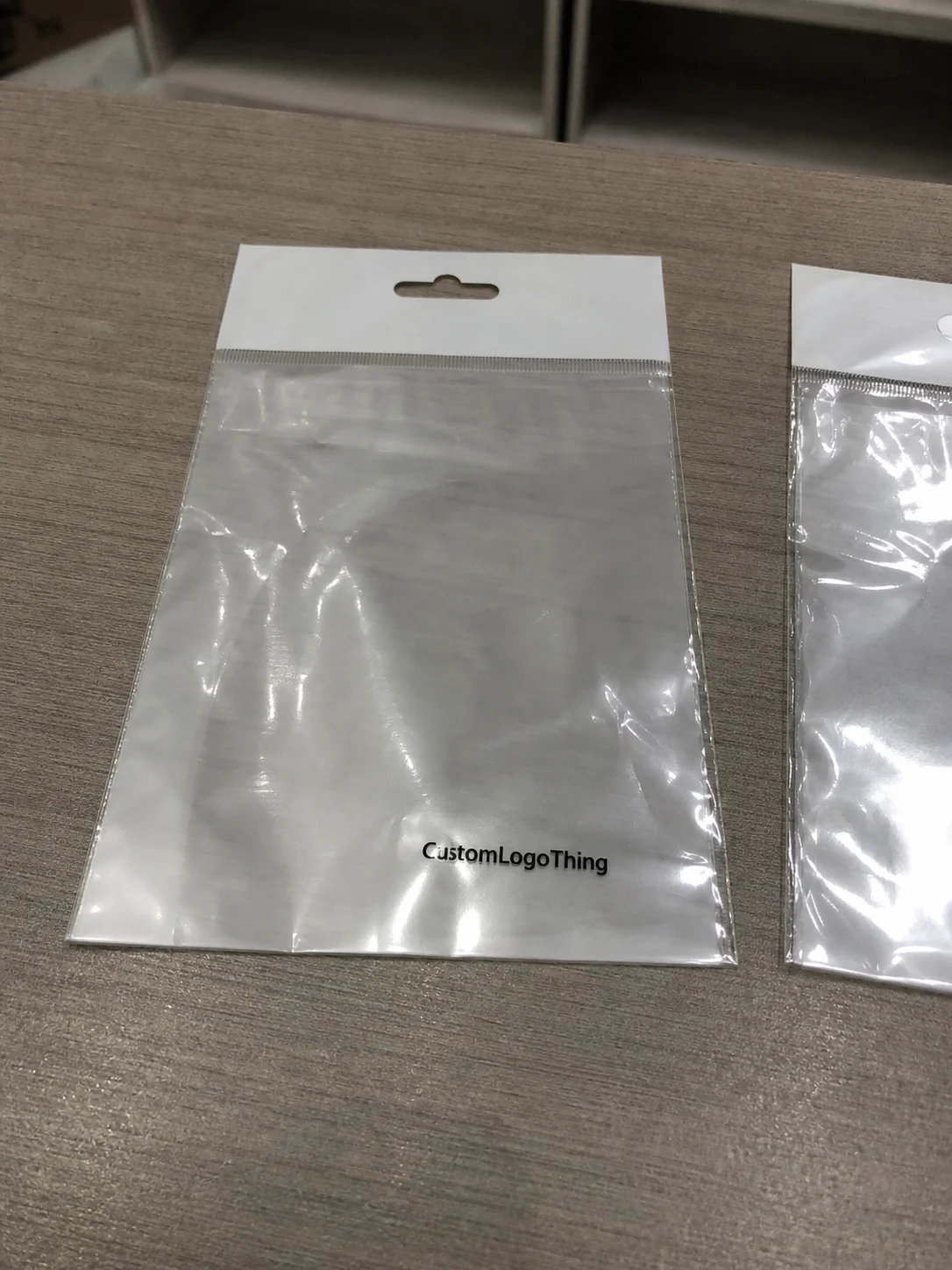
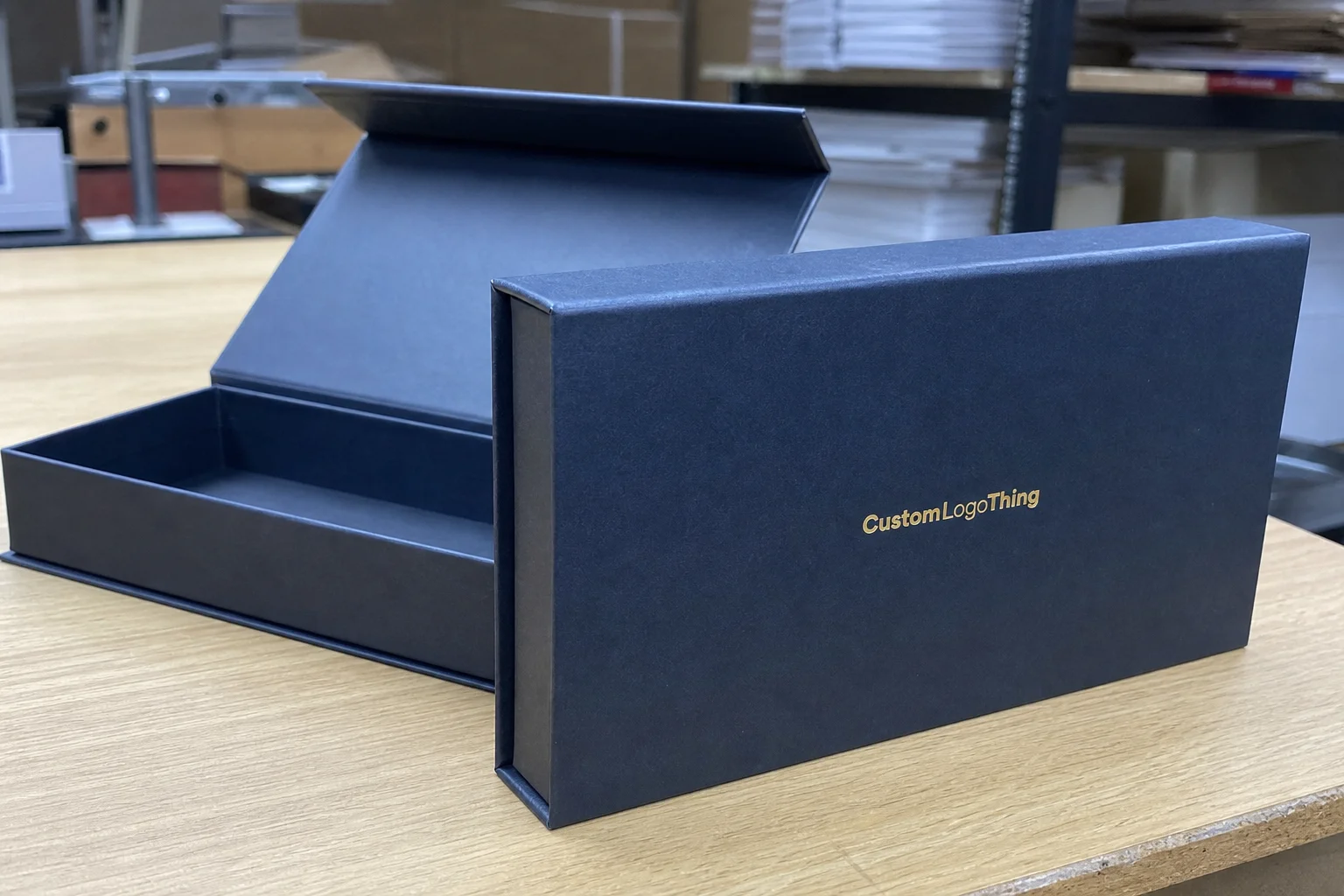
Buyer Fit Snapshot
| Best fit | packaging cost wholesale for packaging buyers comparing material specs, print proof, MOQ, unit cost, freight, and repeat-order risk where brand print, material, artwork control, and repeat-order consistency matter. |
|---|---|
| Quote inputs | Share finished size, material target, print colors, finish, packing count, annual reorder estimate, and delivery region. |
| Proofing check | Approve dieline scale, logo placement, barcode or warning zones, color tolerance, and any recyclable or compostable wording before bulk production. |
| Main risk | Vague material claims, crowded artwork, or missing packing details can create delays even when the unit price looks attractive. |
Fast answer: Packaging Cost Wholesale: Cost, MOQ, Proof, and Reorder Checks should be specified like a repeatable production item. The safest quote includes material, print method, finish, artwork proof, carton packing, and reorder notes in one written spec.
What to confirm before approving the packaging proof
Check the product dimensions against the actual filled item, not only the sales mockup. Ask for tolerance on folds, seals, hang holes, label areas, and retail display edges. If the package carries a logo, QR code, warning copy, or legal claim, reserve that space before decorative graphics fill the panel.
How to compare quotes without losing quality
Compare board or film grade, print process, finish, sampling route, tooling charges, carton quantity, and freight assumptions side by side. A lower quote is only useful if the supplier can repeat the same color, closure quality, and packing count on the next order.
Why Packaging Cost Wholesale Matters
The day I watched Mei at Shenzhen Laicheng pull a quote, I realized the ink was costing more than the packaging cost wholesale on that tray run—every extra spec was a margin leak. Witnessing a 40,000-piece retail tray with soft-touch lamination sitting at $0.28 per unit while the ink set was $0.30 taught me that the bottom line is shaped before the cartons even leave the press. Honestly, I think that’s the most dramatic warning sign you’ll ever get about creeping specs.
Keeping packaging cost wholesale tight gives brands room to reinvest. I’ve seen it twice: one skincare brand trimmed $0.12 per unit and poured it into digital outreach, another beverage client let gloss creep in and added $0.05 across 120,000 cans. The raw substrates, coatings, and labor stayed constant; it was only the specs that changed. I remember arguing with the creative director who swore the gloss was “non-negotiable,” while I was literally balancing gloss chips on a balance scale in the press room (yes, I pinched pennies on a palette).
Custom Logo Things holds the numbers steady by locking supplier pricing, auditing quality, and keeping lead times predictable. Whether we’re talking mailers from our Shenzhen line or rigid boxes from Guangxi, the freight, tooling, and board weight live in the quote from the start. No guesswork—just the forecast you can build a launch calendar around, even if somebody in marketing is doubling down on yet another “wow” effect at the last second.
Every penny saved on packaging cost wholesale is a penny that can subsidize a launch, a sample kit, or a limited-edition drop. I write that from the factory floor, not a boardroom, because I have a stack of proofs with ink bleed-proofed, die-lines locked, and budgets that still let brands experiment Without Breaking the Bank. It’s frustrating when a brand sees the final quote and asks why the numbers slid, but hey—those surprises are on me to prevent.
Product Details for Custom Packaging Runs
My team handles rigid boxes, mailers, corrugated cartons, and polished sleeves with the same focus I saw at Yantai Precision, where a limited-edition book set pivoted from C1S to SBS mid-run for a softer touch finish. The change didn’t knock the project off schedule because we already had the specs dialed for packaging cost wholesale impact. I still laugh remembering the midnight call from art direction asking if we could “also do a paper texture,” and I replied, “Sure, as long as texture doesn’t translate to a fresh $0.22 bump.”
Rigid boxes, once fully customized, live between $1.40 and $1.90 per unit. That’s the packaging cost wholesale range once you include two-piece construction, hinged lids, and inserts. Mailers with soft-touch coatings sit at $0.65–$0.90, while Corrugated Shipping Cartons stretch from $1.10–$1.35 depending on flute profile and barcoding. Those numbers form the baseline for conversations before we even draw the dieline—so when someone says “throw in foil and call it premium,” I can calmly remind them that premium still needs to pay for itself.
Any added effect burns through packaging cost wholesale quickly. Foil blocking adds $0.12–$0.18 because presses must reserve slots for foiling stations. Die-cut trays bring CNC time and packing trials; we discuss them before locking the spec sheet so the quote stays predictable. That’s why we never rush into a final art file without reviewing how each detail shifts the cost. (Rushing is how we end up with surprise plate charges and a client who suddenly thinks the factory is scamming them.)
Yantai Precision lets us switch between substrates—18 pt SBS for retail boxes, 350gsm C1S for mailers—without shocking the packaging cost wholesale quote. Their offset line swaps plates in under 20 minutes, which is what kept a midnight grocery run from turning into a high-volume penalty. I was there, watching the crew adjust while we counted down the minutes, telling myself I should probably sleep sometime this week.
The breakdown linked on Custom Packaging Products shows where each product family sits in the current packaging cost wholesale landscape. We overlay those figures with your branded goals, so the final package feels intentional without unexpected spikes. That’s been my promise since day one—no magic tricks, just numbers that reflect real runs.
Specifications That Keep Packaging Cost Wholesale Predictable
Every packaging cost wholesale quote starts with a spec sheet that covers board weight, GSM, caliper, ink coverage, coatings, and finishing. An 18 pt SBS board with 220gsm is the anchor, and once the caliper slide is confirmed, the swings shrink. Heavy CMYK floods increase ink coverage and add roughly $0.04 per unit because presses slow and cleanup takes longer. I say “add” like it’s nothing, but I once watched a client cry over a $0.04 spike—clearly, I have pockets of empathy for dramatic creatives.
Soft-touch lamination adds $0.05–$0.07 per unit, and we map that impact early. Request foil blocked edges with spot UV and you’re looking at an extra $0.12–$0.18, which is reflected in every packaging cost wholesale scenario we run. Honest numbers keep the art director from dreaming up embellishments that blow the budget after the prepress deadline. (And yes, I have gently explained that “glow-in-the-dark” is not an acceptable premium for retail boxes unless you’re secretly funding a superhero movie.)
Approved dielines mean what’s on paper matches what rolls off the line. During a Guangxi Paperboard visit I watched their technicians line up our dielines with proofs before molding a single carton. They run ASTM D4169 load testing, so there’s zero hope for surprise adjustments later—those would immediately spike the packaging cost wholesale. Nothing ruins morale like a late-night email titled “urgent rework” from a factory that suddenly discovered extra glue.
Shipping-friendly dimensions matter too. Flat pallets lower dimensional weight charges and keep freight in check, especially when skinny boxes could otherwise trigger higher rates. That planning keeps the packaging cost wholesale on target, even when we add heavy inserts or cushioning for the custom printed boxes series. I still remember measuring pallet heights with a tape measure that was longer than my patience during a particularly windy afternoon.
The art directors review design against ISTA 3A guidelines before we issue tooling orders. That means no post-approval tweaks, which locks the packaging cost wholesale figure and lets your team plan trade shows or retail drop-offs without fretting about cost creep. It feels ancient to say, but spreadsheets can be lovable when they protect budgets.
Pricing & MOQ for packaging cost wholesale orders
MOQ turns packaging cost wholesale into a story of volume and amortization. Rigid boxes start at 2,500 units, but the sweet tier opens at 10,000–15,000, when board waste drops and press cycles extend. Mailers hit their efficient zone at 5,000 pieces; dipping below that inflates the packaging cost wholesale because the setup stays fixed while unit counts fall. I rant about it often, but someone needs to remind brands that smaller runs are not “boutique” when their numbers scream “expensive one-off.”
We show exact pricing so clients can decide with full clarity. Mailers with soft-touch coatings sit at $0.65–$0.90 per piece, rigid boxes range from $1.40–$1.90 depending on inserts and foil, and corrugated cartons sit at $1.10–$1.35 depending on flute, slots, and barcoding. When you push 25k units, you knock off another $0.05–$0.08 because we skip early press runs and reduce manual finishing. That’s the discount you earn by agreeing to let the numbers breathe instead of forcing a rush for a “limited window” drop.
Tooling—die, plate, and stamp—runs about $180 for mailers and $260 for rigid boxes. We spread that over the units so you see the true unit cost. Freight, duties, and inspections layer in as well: sea freight from Shenzhen to Los Angeles adds $0.08–$0.12 per mailer, while inspection fees guided by FSC and ISTA add $0.03–$0.05. I briefly tried to hide those fees once; the client called me out, and I was immediately humiliated enough to never hide them again.
Extra details such as ILDP or additional inserts are woven into the quote so the final PO mirrors the full packaging cost wholesale, not just the factory gate. That clarity is why brands trust us when they run multiple SKUs; they don’t want surprise line items popping up after a PO has already been issued. I take pride in being the person who reminds them of those “optional” extras before they fall for the flashier pitch from another supplier.
I still remember a Guangxi negotiation where I said, “MOQ is 5,000, tooling is $180, and the packaging cost wholesale stays at $0.72 with soft-touch—scatter foiling doubles that tooling.” They respected the honesty, adjusted their art, and stayed within the original band. That’s the kind of straight talk you get with Custom Logo Things and our Wholesale Programs. Afterward, we all shared instant noodles in the warehouse and laughed about how that conversation started with me refusing to wink about hidden fees.
Process & Timeline from Quote to Freight
Our six-step process keeps the packaging cost wholesale timeline clear from discovery through freight. Step one is the discovery call, where we capture volumes, design direction, and any rush dates. Step two delivers a spec sheet summarizing board weight, coatings, tooling, lead times, and the estimated packaging cost wholesale. I often joke that this process is my version of therapy—get those issues on the table early so nobody cries when the press hits.
Step three is proofing. U.S.-based art directors send same-day mockups aligned to the dieline so step four—prepress—moves smoothly. Press-ready PDFs go into production (step five) with confirmed lead times: 14–21 days for mailers, 18–25 for rigid boxes. Final inspection (step six) locks before the goods ship. The discipline of naming every step avoids that frantic “where is my box?” email from accounting.
Rush fees add 10–20% to the packaging cost wholesale because overtime, extra shifts, and chartered freight come into play. We display those additions during spec review. If a brand targets a holiday drop, we stage a second wave instead of compressing the main run, which keeps the packaging cost wholesale steadier. Honestly, I hate rushes almost as much as I hate hidden charges. Both involve people asking for miracles and ignoring physics.
Checkpoints for revisions are spelled out: dieline updates, substrate swaps, and bulk carton approvals each trigger a fresh packaging cost wholesale review. Every change is documented with photos and references to ISTA and ASTM testing so nothing catches anyone off guard after arrival. The only thing worse than revision fees is revisions that never get approved, so we file them like we’re prepping for the apocalypse.
The factory floor in Guangxi taught me that cost creep kills trust. We lock specs before ordering materials and attach each timeline milestone to the packaging cost wholesale figure. That discipline keeps everyone's expectations aligned and the budget intact. It’s not glamorous, but then again, neither is explaining why the original schedule now takes three extra weeks.
Why Choose Custom Logo Things for packaging cost wholesale projects
After 12 years vetting partners, I still sign every factory floor report before it reaches a client to keep the packaging cost wholesale consistent across every SKU. During a midnight Deloitte audit in Guangxi, I watched antistatic tests on soft-touch boards. They passed, and the packaging cost wholesale didn’t twitch because we had already planned for the extra handling. It was a weirdly quiet night, except for the occasional beep of a machine that reminded me this isn’t a cozy craft studio—this is industrial-grade precision with a lot of caffeine.
The in-house QC team double-checks each shipment, and our U.S.-based art directors deliver same-day proofs so changes happen fast and the packaging cost wholesale stays in check. Monthly shipping audits with DHL Global Forwarding and Maersk keep the inbound container visible, so the freight line item is never a mystery. I swear, those audits are the closest thing to a reality show without the drama—well, except for the time a container came in with the wrong humidity report and I almost punched a clipboard.
Supplier relationships matter. With Guangxi Paperboard, our volume extends shipping windows and keeps the packaging cost wholesale aggressive even when we push embossing plates for Custom Retail Packaging. During another Dongguan visit, I sat through a negotiation where our consolidated volume gave three brands a shared foil slot at one price—$0.08 savings on their packaging cost wholesale breakdown. That’s how we turn my obsessive note-taking into leverage.
Every report includes ASTM, ISTA, and FSC references so your brand gets peace of mind and the exact numbers. Partnering with us means the packaging cost wholesale isn’t just a figure—it’s a discipline we defend at every turn. Honestly, we are the annoying partner who asks “have you thought about supply chain variance?” before you even drink your second cup of coffee.
Next Steps to Lock In Packaging Cost Wholesale Savings
Step one: send your dieline, print files, and volumes so we can align them with verified packaging cost wholesale bands within 24 hours. I’ll read every file like it’s my own budget on the line—because it is.
Step two: schedule a walkthrough with our project manager to review specs, flag shortcuts, and lock in tooling so the packaging cost wholesale is finalized before any materials are ordered. Honestly, I think this meeting should be mandatory; it’s the only way to catch the “What if we add a UV coat?” moments before they become invoices.
Step three: approve the prepress mockup, pay the deposit, and book the third-party inspection slot. That sequence seals the packaging cost wholesale deal without surprises. And yes, I will nag about that inspection slot until you confirm, because concerns about inspection slots are a legitimate predictor of whether a run stays on time.
Follow those steps and your only job becomes monitoring production and shipping. The margins stay where they belong while your packaging looks premium and performs reliably. If you’re still thinking about a last-minute upgrade, send me a note and I’ll tell you exactly why it will or won’t work (and maybe how to make it work without destroying the budget).
Packaging cost wholesale secrets aren’t magic—they’re honest conversations, verifiable specs, and disciplined timelines. Keep the numbers visible and your margins will thank you. I say that from a place of slightly caffeinated optimism and decades of factory dust under my fingernails.
Frequently Asked Questions
How do I Calculate Packaging Cost wholesale for a 5,000-unit mailer run?
Base it on the material—18 pt SBS—plus ink coverage and post-press finish. At that quantity, mailers land at $0.65–$0.90 per piece. Add tooling (about $180 for die and plate) and spread it over 5,000 units to see the real packaging cost wholesale. Factor freight and inspection ($0.08–$0.12 from Shenzhen) so the total stays accurate.
What is the MOQ that keeps packaging cost wholesale competitive?
For standard mailers, 5,000 units is the sweet spot; below that, the packaging cost wholesale climbs because set-up fees remain fixed. Rigid boxes start around 2,500 but hit their best tier at 10,000–15,000 units when waste drops and press time stretches. Smaller runs can combine multiple SKUs so the packaging cost wholesale stays close to enterprise-level figures.
Can I get rush production without blowing up the packaging cost wholesale?
Yes, but rushing adds 10–20% on top because labor and shipping inflate. We outline those additions so the packaging cost wholesale remains transparent. Rush availability is verified with the Guangxi and Dongguan lines before confirmation, so you only pay a premium when the timeline truly shortens. If the order can flex, we suggest a second wave instead of squeezing the main run—those savings keep packaging cost wholesale steady.
Which materials keep packaging cost wholesale lower for retail boxes?
Staying with 18–20 pt SBS or C1S combined with offset printing and matte lamination delivers a premium look while controlling packaging cost wholesale. Heavy foils or full-cover embossing tack on $0.15–$0.30 per box, so avoid those unless margin can absorb them. We can simulate metallic effects with standard inks and spot gloss to hit the brief without upsetting the packaging cost wholesale.
How does shipping factor into total packaging cost wholesale?
Shipping adds about $0.10–$0.18 per unit for sea freight and $0.35–$0.65 for air depending on carton size. We roll that into the packaging cost wholesale so the quote is final. Working with DHL Global Forwarding and Maersk keeps consolidation tight, which stabilizes cost over multiple shipments. Insurance, duties, and inland hauling are quoted separately but tracked inside the packaging cost wholesale worksheet to avoid surprises.
For more on packaging performance standards, see ISTA testing protocols and the Packaging Machinery Manufacturers Institute recommendations.
Ready to move? Send that dieline and let’s keep your packaging cost wholesale focused on profit, not surprises.