Buyer Fit Snapshot
| Best fit | Packaging Design for Ecommerce projects where brand print, material claims, artwork control, MOQ, and repeat-order consistency need to be specified before quoting. |
|---|---|
| Quote inputs | Share finished size, material target, print colors, finish, packing count, annual reorder estimate, ship-to region, and any compliance wording. |
| Proofing check | Approve dieline scale, logo placement, barcode or warning zones, color tolerance, closure strength, and carton packing before bulk production. |
| Main risk | Vague material claims, crowded artwork, missing packing details, or unclear freight terms can make a low unit price expensive after revisions. |
Fast answer: Packaging Design for Ecommerce: Artwork Proof, Packing Count, and Landed Cost should be specified like a repeatable production item. The safest quote records material, print method, finish, artwork proof, packing count, and reorder notes in one written spec.
Production checks before approval
Compare the actual filled-product size with the drawing, then confirm tolerance on folds, seals, hang holes, label areas, and retail display edges. Reserve space for logos, QR codes, warning copy, and material claims before decorative graphics fill the panel.
Quote comparison points
Review material grade, print process, finish, sampling route, tooling charges, carton quantity, and freight assumptions side by side. A quote is only useful when the supplier can repeat the same color, closure quality, and packing count on the next order.
Packaging Design for Ecommerce: Why the First Shipments Matter Most
The first time I walked a packed line at a third-party fulfillment center in Ontario, California, one carton told me more about packaging design for ecommerce than a stack of spec sheets ever could. The box looked beautiful on the outside, but the product inside had a half-inch of movement, a sloppy insert, and one corner that had already started to crush before it even reached the conveyor. I remember standing there thinking, “Well, that’s a very expensive way to learn the difference between pretty and functional.” In ecommerce, the package meets the customer before the product does, and a weak mailer or dented corrugated box can wipe out brand trust in a single delivery scan, especially when the carrier route runs through Los Angeles County sortation on the way to a residential doorstep.
That is why packaging design for ecommerce is not just about making a box look good on a shelf. It is the balance of protection, presentation, logistics, and cost. It has to survive picking and packing, sortation belts, route miles in a trailer, curbside drops, and the last few feet to a doorstep, all while still looking polished enough to support branded packaging and repeat orders. In practical terms, that can mean a 350gsm C1S artboard sleeve inside an E-flute mailer, or a 32 ECT outer shipper with a paperboard insert that keeps a 14-ounce glass bottle centered during transit. Honestly, I think this is where a lot of brands get tripped up: they design for the unboxing video and forget the truck ride.
I’ve seen companies spend $1.20 on a beautiful printed lid, then lose $8.00 in product replacement and reshipment because the structure was too soft for UPS handling. That happens more often than people think. Good packaging design for ecommerce has to consider the real journey, not the mockup on a screen. A typical sample in Guangzhou or Shenzhen may look perfect under studio lights, but the same package can fail after a 48-inch drop test or a 90-minute vibration cycle on a route out of Indianapolis, Indiana. The mockup is nice. The mockup does not get tossed onto a belt at 5 a.m. by someone who’s trying to hit a quota before coffee.
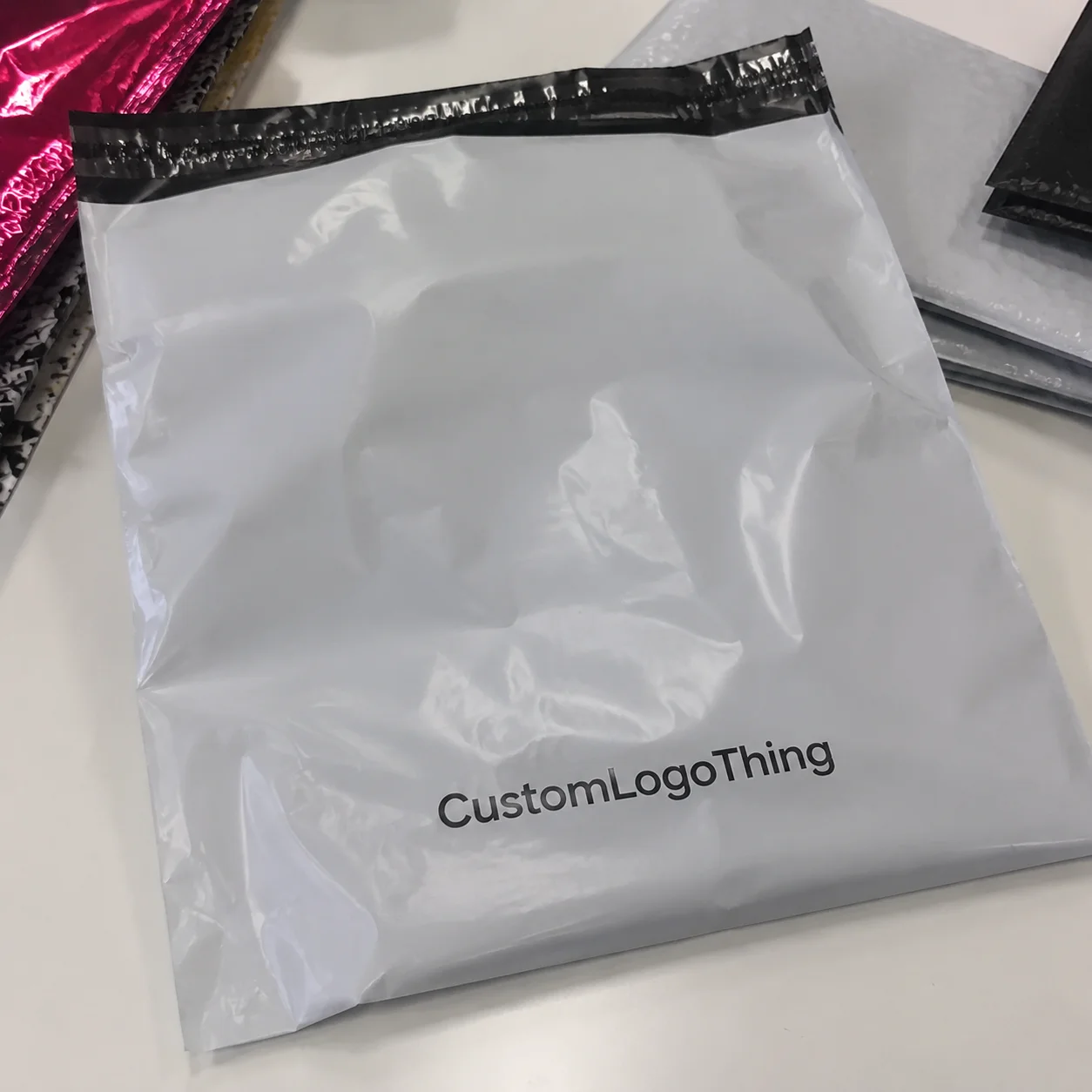
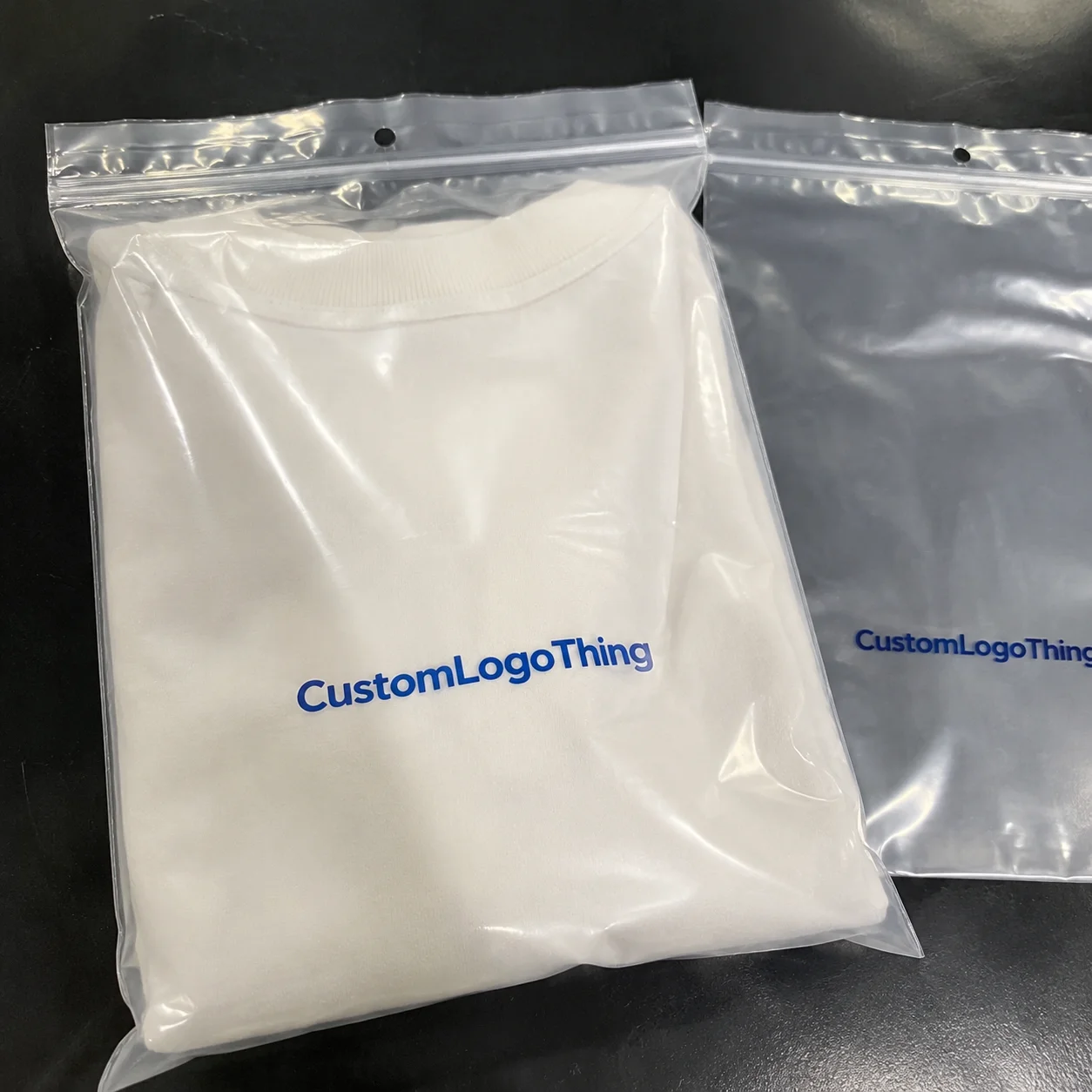
Common formats show up again and again: mailer boxes with self-locking ends, corrugated shipping cartons with pressure-sensitive tape, folding cartons placed inside outer shippers, and protective inserts made from E-flute, molded pulp, or die-cut paperboard. Each format serves a different lane, and the right choice depends on product weight, surface sensitivity, and the fulfillment system that will touch it ten times before delivery. A cosmetics kit might ship well in a 16 pt SBS folding carton tucked inside a 200 lb test shipper, while a ceramic mug may need a 44 ECT corrugated carton and a molded pulp cradle. I wish there were a magic “best box” answer (there isn’t), but packaging rarely rewards shortcuts.
How Packaging Design for Ecommerce Works in the Real World
Good packaging design for ecommerce starts with the product dimensions and ends with a packed carton that holds steady through transit. I always tell clients to think in stages: product fit, structure, graphics, and operations. If one of those stages is off by even a few millimeters, the whole system feels it, usually in the warehouse first and in the refund report second. On a 5,000-unit order, a 3 mm misread on insert depth can create enough movement to push breakage from 1.5% to 4%, and that refund report has a way of making everyone suddenly very interested in board grades.
The process begins with measurement and fragility testing. A 14-ounce glass bottle, a powder-filled pouch, and a hardcover book all need different structural logic. On one job for a natural skincare brand in Toronto, Ontario, we tested a 32 ECT corrugated mailer, then moved to a 44 ECT RSC because the inner jars were clinking during vibration testing. The board change added only $0.06 per unit at 10,000 pieces, but it cut breakage to almost nothing after 500 test shipments. That’s the kind of math I can get behind all day long.
Structural design sits right alongside material choice. Board grade, flute type, glue area, score depth, and fit tolerance all affect the final result. B-flute offers a tighter print surface and good stacking strength, while E-flute gives a slimmer profile for presentation-heavy custom printed boxes. A common spec for a premium mailer might be 1.5 mm E-flute corrugated with a 300gsm outer liner, while a heavier subscription kit may need 44 ECT single-wall board with die-cut retention tabs. When a product is fragile or oddly shaped, the die line should control movement, not just frame the item. That is the real heart of packaging design for ecommerce. If the product rattles around like a loose coin in a washing machine, the design still needs work.
Branding matters too, and it can be done without slowing pack-out to a crawl. CMYK print, spot color, foil accents, embossing, debossing, and inside-print messages all have a place, but each choice must work with production speed. A pack station that has to fold five tabs, add two tissue wraps, and position three labels will slow down quickly, especially on a Monday morning shift with 800 orders queued. I’ve watched an otherwise lovely “premium” concept turn into a warehouse headache because every single order required what felt like a minor arts-and-crafts project, right down to a 2-inch circular seal that had to be applied by hand.
Warehouse reality is where theory gets tested. Fulfillment teams care about dimensional weight, label placement, case count, and whether a box can be assembled in 12 seconds or 42. Carrier constraints matter too. A design that looks elegant but bills as a larger cubic size can increase shipping spend by 18% or more on a D2C program. A 10 x 8 x 4 inch carton that fits into a tier-one parcel rate can outperform a 12 x 10 x 6 inch carton even if both hold the same product. That is why packaging design for ecommerce has to be built with operations, not just aesthetics, in mind. The warehouse is not impressed by your mood board.
For deeper packaging standards and sustainability references, I often point teams toward the ISTA testing guidelines and the EPA’s sustainable materials guidance. Those resources help ground decisions in real shipping performance and waste reduction, which is exactly where the best packaging programs tend to win. I keep coming back to that because packaging is one of those rare places where a little discipline can save money and reduce junk at the same time, especially when a brand ships across the Midwest and pays for every extra cubic inch.
Key Factors in Packaging Design for Ecommerce
The first rule of packaging design for ecommerce is simple: protect the product first. A serum bottle with a glass dropper, a ceramic mug, and a folded apparel set do not behave the same way in transit, even if they occupy similar cubic space. Weight, fragility, surface finish, and moisture sensitivity should drive the structure, because a gorgeous exterior means very little if the item arrives scuffed or broken. A 12 oz candle in a 16 pt folding carton needs a different solution than a 2.4-pound countertop accessory packed in 44 ECT corrugated, and I know that sounds obvious, but I’ve seen beautiful packaging fail in exactly this boring, expensive way.
Material choice is usually the next decision. Corrugated board is the workhorse for shipping, while paperboard often handles presentation layers inside a mailer or shipper. I’ve seen teams choose a 36 ECT single-wall carton for a 7-pound item and then wonder why the corners collapsed after regional linehaul from Dallas, Texas to Atlanta, Georgia. I’ve also seen companies overspec everything with heavy double-wall board and pay freight penalties they never needed to pay. Good packaging design for ecommerce finds the middle ground. Not too flimsy, not wildly overbuilt. Goldilocks had a point, and so did the freight invoice.
Cost is never just the unit price. It includes board conversion, print coverage, die tooling, insert complexity, labor on the pack line, freight class, and the hidden cost of returns. A right-sized box can lower dimensional weight charges enough to offset a more expensive board grade. For example, moving from a 12 x 9 x 6 inch shipper to a 10 x 8 x 4 inch version can reduce parcel charges by $1.20 to $2.60 per order on many domestic lanes. That is why smart product packaging analysis always looks beyond the purchase order line. The cheapest box on paper is sometimes the most expensive box in the spreadsheet that matters.
Brand consistency is another major factor. The outside shipper, the interior print, the tissue paper, the label, and the insert should all sound like the same brand voice. A clean white carton with a rough unprinted insert can feel unfinished unless that contrast is intentional. Strong package branding makes the customer feel like the order was handled with care, even before they open it. A black-on-black mailer with a 1-color white interior message can feel intentional in a way a random mix of kraft, foam, and stickers never will. And yes, customers absolutely notice when the outside says “premium” and the inside says “we ran out of time.”
Sustainability should be practical, not performative. Recyclable corrugated board, paper-based void fill, and reduced box volume can meaningfully cut waste and cost at the same time. FSC-certified paper sources matter for many brands, and when clients ask about that path, I usually suggest checking FSC certification information early, before artwork and sourcing are already locked. Nothing sours a project faster than discovering a sustainability requirement after the pretty concepts are already approved, especially if the supplier is in Ho Chi Minh City or Ningbo and the production slot is already reserved.
Operational efficiency is the last major factor, though it often gets overlooked. Packaging should be quick to assemble, easy to fill, and consistent across shifts and locations. If one fulfillment center can pack 300 units per hour and another can only manage 180 because the carton is awkward, the design needs revision. A design that takes 28 seconds to assemble instead of 12 can add hundreds of labor hours over a 20,000-unit quarter. That is the part of packaging design for ecommerce that saves money quietly, every single day. Quiet savings are underrated. They don’t photograph well, but they do show up on the P&L.
| Packaging Option | Best For | Typical Unit Cost | Operational Notes |
|---|---|---|---|
| Mailer box, E-flute | Light retail kits, cosmetics, accessories | $0.48 to $0.92 | Good presentation, moderate protection, fast pack-out |
| Shipping carton, 32 ECT | General ecommerce shipments under 6 lb | $0.32 to $0.78 | Lower print area, strong carrier performance, easy tape closure |
| Shipping carton, 44 ECT | Heavier or more fragile products | $0.56 to $1.10 | Better stacking strength, often worth it for breakage reduction |
| Paperboard folding carton with outer shipper | Premium retail packaging and branded packaging | $0.22 to $0.64 | Great shelf feel, needs secondary protection for transit |
| Custom insert system | Bottles, electronics, fragile kits | $0.10 to $0.55 | Improves fit and presentation, may slow assembly if overcomplicated |
Step-by-Step Process for Packaging Design for Ecommerce
Every solid packaging design for ecommerce project I’ve worked on has followed a sequence, even if the client didn’t call it that. First comes discovery. We measure the product, note the weight, identify the shipping channel, estimate annual volume, and define the unboxing goal. If a brand ships 1,200 units a month and expects a holiday spike to 4,000, that changes the box strategy from day one. I once had a client assume their packaging would “probably” be fine during peak season (a phrase that makes my eye twitch a little), and then wonder why their team was drowning in tape and void fill by week two of November.
Next comes concept development. This is where structure, board grade, closure style, and insert logic get matched to the product. A two-piece rigid box may feel luxurious, but if the brand packs 300 orders a shift, a self-locking mailer might be the smarter option. I once sat with a client in a packaging converter in New Jersey while we tested three fold styles on the same die line; the version that looked least fancy ended up saving them 17 seconds per pack, which was a big win across their 12-person fulfillment team. Honestly, I respect any package that helps real humans move faster without swearing at the carton.
After that, I push for structural prototypes and sample runs. A real mockup from a carton factory tells you more than any rendering. You can check fit tolerance, lid friction, flute crush, and how the insert behaves when someone actually rushes the assembly. In my experience, packaging design for ecommerce gets much better once people can hold the sample and see the problem zones in daylight instead of under a monitor glow. Screens are flattering. Corrugated board is not. That’s part of the charm.
Testing is where ideas either prove themselves or fall apart. Drop testing, vibration testing, and pack-out testing should all happen before artwork is locked. For shipping validation, many teams use ISTA methods or similar protocols, and that is a sensible habit. A carton can survive on a desk and fail on a truck floor, which is why real-world motion matters. If your product is temperature-sensitive, you may also need to consider humidity, condensation, or cold-chain exposure, especially in northern routes or summer lanes from Phoenix, Arizona to Chicago, Illinois. The box does not care that the weather was “a bit much” that week.
Artwork finalization comes only after the structure behaves correctly. That sequencing saves expensive reprints. I’ve watched brands approve a beautiful print layout, then discover the barcode sits too close to a score line and keeps scanning poorly. One millimeter can create a mess in a fulfillment system. Good packaging design for ecommerce respects tolerances on both the visual side and the mechanical side. That kind of precision may feel fussy until you’re reprinting ten thousand cartons because a code keeps failing at scan.
Then comes production planning: prepress, die-making, print, converting, packing, and fulfillment scheduling. Timing matters more than people think. A small delay in plate approval can shove a production slot by a week, and a week can be the difference between hitting a product launch and missing it. At most converters in Dongguan or Xiamen, a standard print-and-convert run may take 12-15 business days from proof approval, while a rigid box with specialty finishing can stretch to 18-25 business days. The best projects stay organized around clear signoffs and one version of truth for dimensions, material spec, and print files.
Here’s the sequence I recommend most often:
- Gather product specs and shipping data.
- Define the brand experience and unboxing priorities.
- Select a structure and material grade.
- Prototype the design with actual product samples.
- Test for drop, movement, and packing speed.
- Approve artwork and finalize tolerances.
- Schedule production, inspection, and freight.
Packaging Design for Ecommerce: Cost, Pricing, and Timeline Planning
People often ask me what drives the price of packaging design for ecommerce the most, and the honest answer is that several parts of the spec move together. Design time, die tooling, board selection, print method, insert style, finishing, and shipping all shape the final quote. A simple kraft mailer with one-color print will cost far less than a fully printed carton with foil, embossing, and a custom pulp insert. For a 5,000-piece run in Vietnam or coastal China, that can mean a delta of $0.15 per unit for a basic one-color mailer versus $0.85 to $1.40 per unit for a premium printed kit. There is no mystery here, just a lot of moving parts politely pretending to be separate.
At the factory level, I’ve seen quotes shift by 20% just because a client moved from a standard chipboard insert to a folded partition system. That is not a markup trick; it is a material and labor change. If the packaging has to be hand-glued, the price goes up. If the print coverage requires more sheets or additional passes, the price goes up again. On a 10,000-unit order out of Taipei or Guangzhou, a hand-assembled insert can add $0.08 to $0.22 per unit before freight. This is why comparing quotes for packaging design for ecommerce should always include spec-by-spec review, not just total dollars. I get a little suspicious when a quote looks “simple” in a way that feels too good to be true, because usually it is.
Right-sizing often creates savings that are easy to miss. A box that trims even half an inch on each side can reduce dimensional weight charges, lower void fill use, and improve pallet density. I worked with a home goods brand in Nashville, Tennessee that cut their carton footprint by 11%, and the freight savings were enough to justify a slightly thicker board grade. That trade is common in ecommerce packaging when the math is done carefully. The trick is not just saving on the box; it is saving across the whole supply chain.
Timeline planning matters just as much as unit price. A normal project might move through discovery, sampling, revisions, approval, production, and freight over several weeks. Delays usually happen in one of three places: waiting on product dimensions, waiting on artwork signoff, or waiting on tooling approval. If a brand needs a launch tied to a sales event, I always recommend building in a buffer of at least 10 business days for unexpected revision cycles. If you have ever watched a launch date stare back at you while a sample approval email sits unanswered, you know exactly why I say that.
For teams comparing multiple options, I suggest looking at the full picture below, not just the headline price. Packaging design for ecommerce should be judged on cost per shipment, not cost per carton alone.
| Cost Driver | Lower-Cost Choice | Higher-Cost Choice | Practical Impact |
|---|---|---|---|
| Board grade | 32 ECT single-wall | 44 ECT or double-wall | Higher strength, better damage control, more material cost |
| Print method | One-color flexo | CMYK offset or high-coverage digital | Better graphics, more setup cost and potential lead time |
| Insert style | Simple paperboard cradle | Custom die-cut or molded insert | Improved fit, more design and manufacturing complexity |
| Finishing | Kraft uncoated | Foil, emboss, soft-touch | Premium feel, may slow production and increase scuff risk |
| Order quantity | 5,000 to 10,000 units | 500 to 1,000 units | Larger runs usually lower unit cost and improve material efficiency |
For most brands, a reasonable sample quote on Custom Packaging Products can range from $120 to $350 depending on complexity, while production pricing might land near $0.18 to $1.10 per unit depending on quantity and spec. A 5,000-piece order for a 350gsm C1S artboard carton with a simple insert might land around $0.42 to $0.68 per unit, while a 20,000-piece run in a manufacturing hub like Dongguan, China or Ho Chi Minh City, Vietnam can come down meaningfully with scale. Those numbers move with board availability, freight lanes, and finishing choices, so I always treat them as planning figures rather than promises. If a supplier does not explain exactly what is included, keep asking until the quote is broken out clearly. I’ve learned that “we’ll figure it out later” is not a pricing strategy; it’s a future headache with a nice font.
Common Mistakes to Avoid in Packaging Design for Ecommerce
The biggest mistake I see in packaging design for ecommerce is designing for appearance only. A pretty box that crushes at the corners is still a failed box. Protection has to come first, which means the edges, seams, scores, and closures all need to be checked under actual shipping conditions, not just held in a conference room for ten seconds. I’ve done that conference-room check too, and yes, it is wildly misleading, especially when the sample is a crisp white carton that has never seen a forklift in Memphis, Tennessee.
Oversized packaging is another common problem. When a box is two inches too tall or too wide, the brand pays for it in void fill, shipping charges, and customer annoyance. People notice when they receive a tiny product in a giant carton stuffed with paper. It feels wasteful. In the warehouse, that extra size also slows pack-out and can throw off carton inventory counts. A customer might forgive a lot, but they rarely forgive opening a package and feeling like they’ve been mailed a refrigerator box for a lip balm.
Elaborate finishes can create trouble too. Soft-touch lamination feels nice, but if it rubs inside a carton or gets exposed to moisture, it can scuff. Heavy foil can look sharp under lights, yet it may complicate folding or add setup time in converting. I’ve seen a matte black mailer look fantastic on a sample table and then pick up white scuffing after two regional legs on a carrier belt through Ohio and Pennsylvania. That’s not the finish’s fault; it’s a mismatch between finish and use case. A lot of packaging problems are really “right idea, wrong environment” problems.
Skipping real testing is a costly habit. A package that holds a set of candles may fail once the same set is shipped with a heavier neighboring SKU in a master carton. Temperature-sensitive items, glass containers, and electronics all deserve a pack-out simulation, vibration check, and drop test before approval. Packaging design for ecommerce only earns confidence when it survives motion, not admiration. I would rather see an ugly prototype pass test than a gorgeous one fail spectacularly after a 36-inch drop and a 15-minute shake cycle.
Poor insert design causes more grief than many brands expect. If the product shifts even a quarter inch, scuff marks and broken seals can show up. If the insert is too tight, packers slow down and the product gets damaged during insertion. Weak label placement is another quiet issue, especially when barcodes cross a score or sit too close to a glue flap. A small production oversight can turn into a weekly fulfillment headache. Those little mistakes are the sort that make people in the warehouse sigh loudly, which is never a good sign.
Finally, mismatched branding can weaken the whole program. If the box says premium but the internal unboxing feels rushed or inconsistent, customers pick up on that difference immediately. Good packaging design for ecommerce makes the outside promise match the inside experience, and that is what builds trust. A single 1-color interior message, a properly sized insert, and a clean 100% recycled kraft shipper can feel more credible than a flashy carton with no discipline behind it.
Expert Tips to Improve Packaging Design for Ecommerce
I always advise clients to design from the inside out. Secure the product first, then build the visual story around it. That order sounds simple, but it prevents a lot of avoidable rework. If the insert holds steady, the brand can still make the outside feel premium with custom printed boxes, internal messaging, or clean exterior graphics. There’s no medal for making packaging complicated if it doesn’t need to be, especially if the package is going through a fulfillment center in Salt Lake City or Newark where labor time is measured closely.
Standardized box families can save time and reduce inventory headaches. Instead of ordering six unusual sizes, some brands do better with two or three proven formats and a single insert family that works across variants. In a warehouse I visited outside Dallas, Texas, a beauty brand cut assembly training time by nearly 40% after simplifying their box library from nine sizes to four. That kind of change is what makes packaging design for ecommerce pay off operationally. Fewer SKUs, fewer mistakes, fewer “wait, which box is for which item?” moments.
Choose corrugated strength for the shipping lane, not just the weight of the product. A 2-pound item moving locally through a controlled route may not need the same board spec as a 2-pound item traveling across several distribution centers and a final-mile carrier handoff. I’ve learned to ask where the package will actually travel, because route stress often matters more than the item’s net weight. A carton moving from San Diego, California to Boston, Massachusetts may need more crush resistance than the same SKU shipped two states over. The box may never meet your customer, but it will absolutely meet your carrier’s less gentle side.
Factory-floor discipline helps a lot. Keep artwork safely away from scores and glue areas, simplify folds where possible, and avoid structures that depend too heavily on glue if assembly speed matters. A cleaner die line is easier to pack, easier to inspect, and usually easier to scale. Strong package branding does not need to be complicated to feel thoughtful. In fact, some of the most memorable packs I’ve seen were the least fussy, especially when the manufacturer in Taiwan or Poland kept the board tolerances tight.
Pilot runs are worth the trouble. A small batch of 250 to 500 units can reveal issues that a sample of five never will. Then gather customer feedback, ask fulfillment teams what slowed them down, and refine the design before scaling. That is how packaging design for ecommerce matures into a stable program instead of a one-time project. It’s not glamorous, but neither is reworking 20,000 cartons because someone assumed the insert was “probably fine.”
“The best ecommerce box is the one nobody has to think about in the warehouse, but the customer remembers at the doorstep.” — a line I heard from a plant manager in Ohio, and it still rings true.
What Is the Best Packaging Design for Ecommerce?
The best packaging design for ecommerce is the one that protects the product, fits the fulfillment process, and still feels like the brand on arrival. That sounds simple, but simple is often the hardest thing to engineer. A package can be attractive, efficient, and durable all at once, yet only if the structure, materials, and print decisions support one another. In practice, the best design usually uses the smallest box that safely fits the product, a board grade matched to the shipping lane, and an insert that prevents movement without slowing pack-out.
For some brands, the best answer is a custom mailer with clean branded packaging and a die-cut insert. For others, it is a standard corrugated shipper with a paperboard sleeve and minimal print coverage. The right choice depends on product fragility, order volume, return risk, and the way the item will travel through the carrier network. If the product is fragile or premium-priced, the design should prioritize protection and presentation. If the item is low-risk and high-volume, speed and dimensional efficiency may matter more than a dramatic unboxing.
That is why packaging design for ecommerce should never be judged by one sample or one supplier pitch. It needs testing, cost review, and warehouse input. The best result is often the quietest one: fewer damaged units, fewer fulfillment delays, and a customer who opens the box and thinks, “This was handled well.” That reaction is not an accident. It is the result of disciplined design.
Next Steps for Better Packaging Design for Ecommerce
If you are ready to improve packaging design for ecommerce, start with the basics: product dimensions, shipping data, brand assets, target cost per pack, and a clear view of the unboxing experience you want customers to have. Those five inputs make every later decision easier, from board selection to print coverage to insert design. I’ve never once regretted making a client slow down here, even when they were in a hurry and absolutely certain they “already knew the dimensions.” A product listed as 7.5 x 3.2 x 2.1 inches on a spec sheet often measures differently once the protective wrap is added, and that difference matters.
From there, write a packaging brief that covers fragility, fulfillment method, annual volume, and any special requirements such as FSC sourcing or recyclable materials. Then request structural samples and print proofs from a custom packaging manufacturer before committing to full production. A good supplier will welcome that process because it reduces surprises for everyone involved. If you are browsing options, our Custom Packaging Products page is a good place to compare formats and start narrowing the field, whether you need a 16 pt folding carton, a 1.8 mm mailer, or a molded pulp insert for a cosmetic set.
My practical roadmap is simple: test, refine, approve, and scale. That sequence keeps money from leaking out through returns, rush fees, and avoidable freight penalties. It also gives your team room to make smarter decisions about retail packaging, branded packaging, and the day-to-day realities of pack stations and carrier networks. I like plans that spare everyone the awkward “why is this breaking?” meeting six weeks later, especially if the first production run is already 15,000 units and the holiday window is closing.
In the end, packaging design for ecommerce should be judged in the warehouse, in transit, and at the customer’s doorstep, not just on a screen. If it protects the product, supports the brand, and keeps fulfillment moving at a sensible pace, you have the right kind of packaging. If not, keep iterating until it does. There’s no shame in another prototype; there’s only shame in pretending the first draft was perfect (it never is).
What is packaging design for ecommerce, and how is it different from retail packaging?
packaging design for ecommerce is packaging built to protect, ship, and present products in direct-to-consumer delivery. Unlike retail packaging, it must handle carrier sorting, dimensional weight, warehouse packing workflows, and repeated handling before the customer ever opens it. A retail carton may sit on a shelf in Chicago, Illinois for weeks; an ecommerce carton may move through three facilities in 72 hours and get dropped from 30 inches at the end of the line.
How do I choose the right material for ecommerce packaging design?
Match the board grade and structure to product weight, fragility, and shipping distance. Corrugated board, paperboard, and inserts each serve different needs, and the best choice depends on protection, branding goals, and sustainability targets. For many D2C programs, a 350gsm C1S artboard sleeve inside 32 ECT or 44 ECT corrugated gives a useful balance of presentation and protection.
What affects the cost of packaging design for ecommerce most?
Material choice, print complexity, insert style, tooling, and order quantity drive cost the most. Right-sized packaging can also reduce shipping charges, which often offsets a higher unit price for better protection and presentation. A 5,000-piece order might run $0.42 to $0.88 per unit for a basic shipper, while a 20,000-piece run can fall meaningfully with scale and a supplier in Dongguan, Shenzhen, or Ho Chi Minh City.
How long does the packaging design process usually take?
It depends on sampling, revisions, tooling, print setup, and production scheduling. Projects move faster when product dimensions, branding files, and approval checkpoints are ready early, especially when multiple packaging formats are involved. In practical terms, many jobs take 12-15 business days from proof approval for standard cartons, while more complex structures can take 18-25 business days before freight.
What should I test before approving ecommerce packaging design?
Test drop resistance, vibration performance, pack-out speed, and the customer unboxing experience. Also check label placement, assembly ease, insert fit, and whether the product shifts during transit or during warehouse handling. A 48-inch drop test, a 90-minute vibration cycle, and a 250-unit pilot run can expose problems that a sample of three never will.