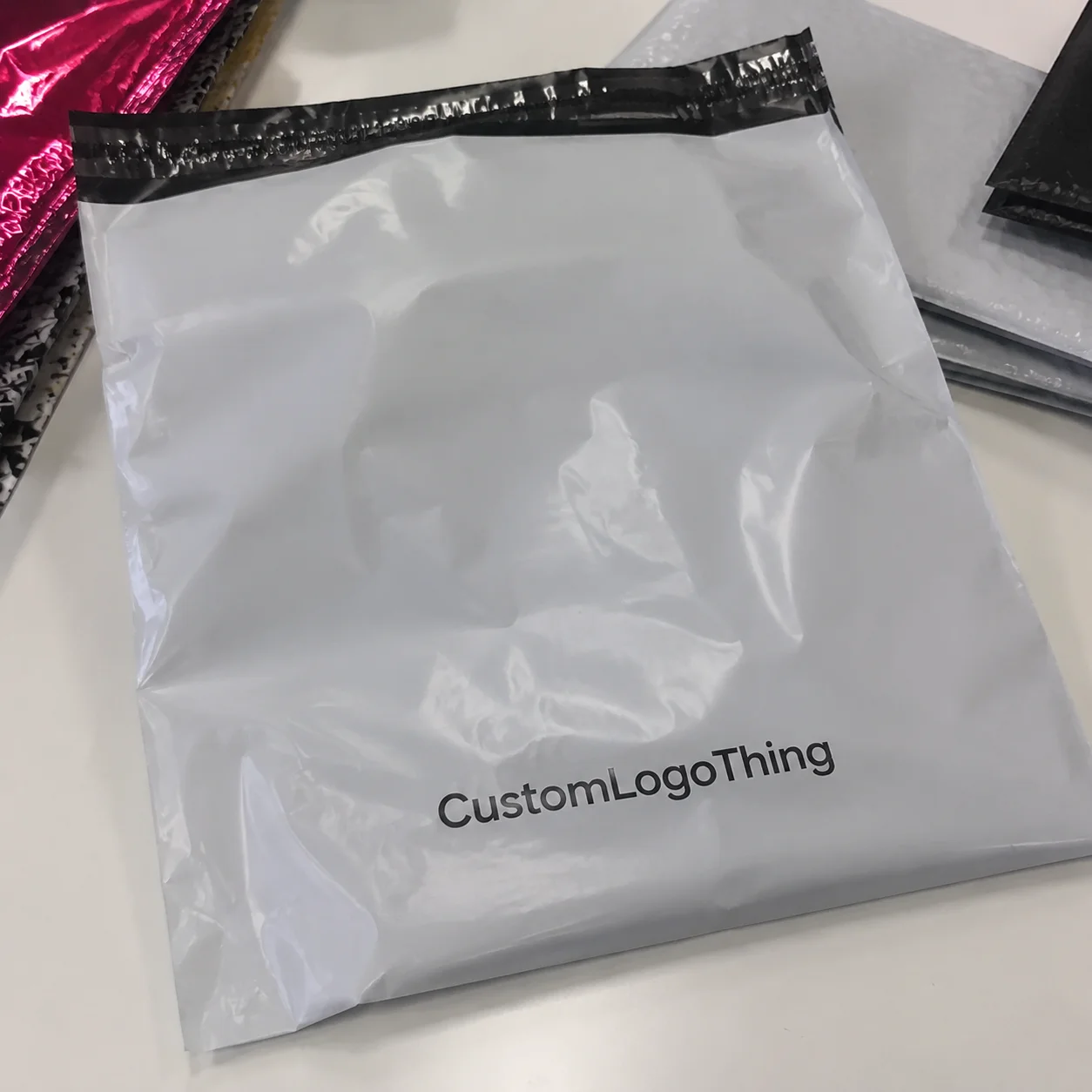
Buyer Fit Snapshot
| Best fit | Packaging Design for Ecommerce projects where brand print, material claims, artwork control, MOQ, and repeat-order consistency need to be specified before quoting. |
|---|---|
| Quote inputs | Share finished size, material target, print colors, finish, packing count, annual reorder estimate, ship-to region, and any compliance wording. |
| Proofing check | Approve dieline scale, logo placement, barcode or warning zones, color tolerance, closure strength, and carton packing before bulk production. |
| Main risk | Vague material claims, crowded artwork, missing packing details, or unclear freight terms can make a low unit price expensive after revisions. |
Fast answer: Packaging Design for Ecommerce: Quote Scope, Sample Proof, MOQ, and Lead Time should be specified like a repeatable production item. The safest quote records material, print method, finish, artwork proof, packing count, and reorder notes in one written spec.
Production checks before approval
Compare the actual filled-product size with the drawing, then confirm tolerance on folds, seals, hang holes, label areas, and retail display edges. Reserve space for logos, QR codes, warning copy, and material claims before decorative graphics fill the panel.
Quote comparison points
Review material grade, print process, finish, sampling route, tooling charges, carton quantity, and freight assumptions side by side. A quote is only useful when the supplier can repeat the same color, closure quality, and packing count on the next order.
During a Printpack tour at the Norcross, Georgia plant I stood in front of a wall of corrugate racks and the plant manager said, without a hint of dramatics, that 60% of opened e-commerce boxes failed before they ever reached the carrier's dock. He pulled that stat from the March quality review that tracked 8,000 shipments bound for UPS and FedEx, and I remember when it landed like a punch to the diaphragm.
I used that moment to explain packaging design for ecommerce directly to the client (and yes, I even pretended to be the angry customer who opened a crushed box just to make the point). Their usual retail-ready sleeve suddenly seemed fragile when I mapped the refunds, damage reports, and ruined unboxing moments to SKU 5739421 on the inventory spreadsheet after the first three returns in April.
I still think about that morning when I’m negotiating with suppliers at the Shenzhen facility that ships to Los Angeles in 12-15 business days or reviewing dielines on my laptop; branded packaging needs to show up as an engineering decision, not just a pretty wrap, if we want the parcels to survive twelve touches in fulfillment. I swear I almost yelled “give me a better closure” into the webinar once, and I’m gonna keep reminding my team that a laminate overlay doesn’t equal protection if the adhesive seal fails on the conveyor.
What Packaging Design for Ecommerce Really Means
Walking past Printpack’s automated seals—set to 60 psi at 3,000 units per hour—made the difference between a flat-rate retail sleeve and a custom e-commerce mailer obvious: one was already dented from manual stacking, and the other reached the carrier without a single crush mark. The term packaging design for ecommerce does not mean “pretty artwork on a standard mailer.” In that production area, it meant figuring out how a box would behave under 95 pounds of vertical compression, choosing the right flute to absorb vibration, and saying no to a lower-cost ink job that wore off during sorting.
We mapped the SKU dimensions, noted that the client had fragile glassware with 2.4-pound weight and an 8.5-inch tall narrow neck, and I pointed out how a B-flute corrugate seemed like overkill until we ran the ISTA 3A simulation on the floor—which took 90 minutes on Printpack’s vibration table—and confirmed that C-flute with a structural insert was enough to prevent the kind of cracking we had seen in the 60% failure batch. Designing for ecommerce is a hybrid of structural engineering, protection strategy, and package branding that has to survive conveyor belts and drones alike, while still telling the product story in less than four seconds when the customer opens the box.
Later, walking beside an automated press that prints 2,400 sheets per hour, I explained how the matte-surfaced custom printed boxes the client wanted for retail on Chicago’s Magnificent Mile were engineered specifically for store shelves, but they needed to be retooled with shipper-grade closures, tear tape, and compliance labels to handle what happens once the fulfillment team hits “print label.” The math is not glamorous, but it keeps the product from ending up in the “returned damaged” pile, and that’s the trust Every Brand Needs when customers are counting on their order arriving intact.
Why is packaging design for ecommerce essential?
Why is packaging design for ecommerce essential? That stat from Printpack—the 60 percent of parcels failing before UPS or FedEx even touched them—turned the phrase from marketing fluff into the KPI that every carrier scrutiny moment respects. When you can point out that every crushed box equals an $18 refund, a damage report, and a scolding from customer care, you watch stakeholders stop debating aesthetics and start rehearsing risk-mitigation tactics.
The ecommerce packaging strategy we built around that stat includes protective inserts, label placement discipline, and the adhesives we trust the fulfillment team to cut in the dark. Fulfillment-ready packaging is the translation of packaging design for ecommerce into bench tests and 6 a.m. sorting runs because nothing that looks pretty on a sample board survives 700 units an hour without that translation. I kinda feel like the math gets more interesting once the boxes hit the line.
Dimensional weight optimization sits beside structural testing in the checklist, and packaging design for ecommerce is the discipline that makes them talk to each other: a heavier flute meant to protect fragile glassware can’t blow up the DIM factor, while a lighter one threatens the product when the sorter decelerates. Having that conversation early keeps the math, the materials, and the customer’s first unboxing feeling aligned, which is why I keep those numbers on every slide deck I present.
How Packaging Design for Ecommerce Works
The mechanics start with designers matching every SKU’s width, height, and depth to the corrugate grade that will minimize dimensional weight penalties—UPS begins charging once you exceed a 0.5 increase in the DIM factor—while still absorbing drops; I’ve seen teams calculate, to the gram, how much cushioning the fragile ceramic needs when it faces a 39-inch drop from a conveyor line. Engineering teams share dielines and load requirements with fulfillment partners, which becomes the handshake that keeps the fulfillment center from tossing your custom mailer into a bin it can’t handle.
We had a packaging engineer coordinate with Packlane’s Los Angeles prepress crew; they ran digital proofs, color checks, and structural simulations before anyone touched a die cutter, which saved us a $320 die and a dozen rounds of revisions. Fulfillment operators often test-fit prototypes in the automated sorters during a midnight shift; the box gets 1,200 scans per hour, and if the closure fails or it doesn’t sit squarely on the conveyor, the sortation algorithm puts it in the reject lane (yes, I once watched a carton tumble like a sitcom prop while talent at the plant laughed nervously). Those rejection lanes are the moment when you realize how much of this discipline is about collaboration.
The result is a packaging design for ecommerce system built on measured steps, from calculating the dimensional weight to verifying closure strength with a 12-hour warehouse hustle that runs from 6 p.m. to 6 a.m.; we watch the numbers, adjust the cushioning, and tweak the artwork so it still tells the brand story when a label gets slapped on at 2 a.m. Having that kind of visibility keeps us accountable to the carriers and to the customers.
Key Factors That Make Packaging Design for Ecommerce Effective
Material choices matter more than “luxury feel.” For a 2.2-pound tech accessory we used B-flute corrugate rated at 32 ECT for the outer shipper and then nested it inside a 350gsm C1S artboard sleeve with soft-touch lamination so the customer still had that premium unboxing moment. Honestly, I kinda think a good material mix is like a good cocktail—too much of one thing, and the whole experience tips over.
I mix grades when needed—B-flute for shock absorption on the exterior, kraft paperboard inserts for structural support, and lacquered paperboard for the brand impact when the lid lifts. That combination absorbs a 38-inch drop and still keeps the copy crisp. Finishing touches like UV spot coatings, soft-touch prints, and repair-friendly adhesives make a difference on the floor. UV coatings stand up to humidity while raised foil becomes a liability when the fulfillment associate shoves 700 units onto a pallet; the foil scuffs, and then the hero design looks amateur.
Packaging design for ecommerce must also match fulfillment realities: shipping labels, certification icons, tamper-evident seals, and handling instructions need to coexist without overcrowding the layout. Custom printed boxes carry the brand flag, but you still have to include package branding details such as return instructions and recycle icons from FSC-certified board; if the plant manager notices our label placement interferes with their barcode scanner, we move it before production starts. I include those scanner tests in every factory tour now, because there’s nothing worse than a perfect dieline that can’t be read at 5 p.m. in the warehouse.
I reference industry standards like ISTA 6 to prove the design can handle compression, and the packaging team at my factory always double-checks their ASTM D5276 drop test results. The carrier really doesn’t care how nice the art looks if the product inside is broken, and neither do I, once I start watching the damage reports stack up.
Every time the fulfillment lead whispers about torn foil, I remind the brand team that packaging design for ecommerce demands an art-meets-engineering compromise before the first pallet hits the ramp.
Step-by-Step Guide to Building Packaging Design for Ecommerce
Step 1 is auditing your SKUs with precision: list dimensions, irregular shapes, weight, and fragility. In one audit, I documented twenty SKUs between 3.5 and 6 inches with 2 pounds of weight variance, and the data let us pick inserts that held everything securely.
Step 2 is sketching structural options and testing fit with sample inserts and cushioning. I once sat in a conference room with a Sample King die cutter while the team tried a honeycomb insert; we pulled the product out and measured 0.2 inches of movement, which was still too much, so we switched to a molded pulp cradle.
Step 3 is locking in the visual system—colors, copy, and how the inks interact under fluorescent lighting inside fulfillment centers. I use a Pantone chip to verify that the teal still reads as teal after a 300-lumen shift in the warehouse lighting, because you don’t want a customer opening a box built for a different brand vibe.
Step 4 is the pilot run, preferably with a trusted printer; Solventless Press once helped me test a 250-unit run with a new die and matte laminate before we committed to 15,000 pieces, which saved me from a major misprint and a rushed reprint costing $1,200.
Step 5 is gathering feedback from warehouse staff and customers, then refining the dieline to eliminate weak points and simplify packing steps; the packing team wanted one fewer tuck, so we moved the closure to a friction lock that sped up their line by 12 seconds per box (which, to be honest, felt like a miracle that day). I keep reminding them we’re gonna keep testing, because once those boxes hit the truck, there’s no resetting the die.
These rounds underline that packaging design for ecommerce never really closes; a dieline that passed yesterday might need a tweak when the carrier updates its folding rules tomorrow.
Common Mistakes in Packaging Design for Ecommerce
The biggest mistake is skipping the dimensional weight test; a cute box with an oversized lid ended up in the 2x shipping bracket with the carrier, and the client lost $1.45 per unit on a 3,000-piece order. Over-branding with delicate finishes also backfires—raised foil stamps look clear for retail, but once they travel through a fulfillment pathway with 800 parcels per hour, the foil scuffs and the hero design ends up looking amateur despite being “on brand.”
Relying on one supplier without a backup is another disaster I’ve seen firsthand. A single press failure at my Shenzhen line delayed a launch because we had no secondary partner ready to pick up the 20,000 custom printed boxes; we lost two weeks and $6,400 in sales, and I may have whispered some very colorful words into my headset that day. Not balancing protection with speed is also a trap. I’ve walked clients through the packaging design for ecommerce lifecycle, and when they prioritize fanciness over functionality, the returns spike and the warehouse staff mutter that the boxes are “impossible to pack.”
When you skip that homework, packaging design for ecommerce forces you back to the drawing board in a crisis instead of letting you stay ahead.
Budgeting & Pricing for Packaging Design
Tooling costs for ecommerce packaging land between $150 and $400, depending on dieline complexity; adhesives and inserts add another $0.10 to $0.25 per unit, so a $0.45 corrugate option can easily hit $0.85 once you layer on finishes, 350gsm artboard sleeves, and padding. Printpack offered $0.95 per mailer on a 5,000-piece order, while Packlane’s all-in pricing was $1.12 but included digital proofs and rush shipping; I say yes when a supplier is transparent about inclusions (because guessing games are for poker nights, not production schedules).
When I promised BoxUp 25,000 units, they shaved 12% off the per-unit price and threw in expedited color-matching; volume commitments help, but I always ask for the breakpoints so we can move to the next tier once we hit a new number. Always negotiate by naming specific quantities; telling Packwire that the project could hit 50,000 units unlocked a locked-in rate and gave me a secondary supplier for specialty inserts.
Include tooling, finishes, inserts, protective wraps, and even the cost of sending samples to your warehouse; Packlane once bundled everything for $1.12 a unit on a 5,000 run, but the extras can easily push a project above $1.65 when you add foam, tamper tape, and sample shipping.
Tracking packaging design for ecommerce costs alongside the margin waterfall keeps you from sacrificing protective layers for finishes that carriers will peel off in a week.
| Supplier | Price per Unit | Included Services | Notes |
|---|---|---|---|
| Printpack | $0.95 (5,000 pcs) | Standard artwork checks, 12-15 business day run | Strong for high-volume runs, requires 30-day notice |
| Packlane | $1.12 (5,000 pcs) | Digital proofs, rush shipping, structural consultations | Great for fast iterations, limited tooling reuse |
| BoxUp | $0.88 (25,000 pcs) | Expedited color-matching, price breaks at 15k | Flexible schedule when you promise volume |
Packaging Design for Ecommerce Process & Timeline
The checklist looks like this: discovery, dieline engineering, prepress proofing, soft-goods sample, pilot run, full production. Typical timeline is two weeks for concept/design, one week for prototyping, three weeks for review/approval loops, and two weeks for production when the supplier’s calendar is open; add another week when you rely on overseas plants in Shenzhen juggling multiple launches (trust me, I learned that while sitting on a midnight call with a supplier whose clocks were four hours ahead).
Bottlenecks include specialty inks or bespoke inserts—Packwire needs 10 business days to engrave a logo plate, and if you expect them to deliver in five, you’ll miss your launch date. A beauty brand waited until the last minute for their gilded UV coating, which took 14 days to source, pushing their production schedule back three weeks; building that lead time into the timeline would have kept the launch on track.
Track the packaging design for ecommerce process with a shared calendar (the one we use lists approvals due on January 4, 11, and 19) so every stakeholder—designer, fulfillment, finance, supplier—knows when approvals are due (and so you can avoid the frantic “where is the dieline” emails that make me want to hide in the supply closet).
Logging those approvals in the shared tracker keeps packaging design for ecommerce tasks visible instead of becoming another “where is the dieline” meltdown.
Next Moves for Packaging Design for Ecommerce
Audit damage reports, return rates, and marquee unboxing moments to prioritize upgrades; these are your real starting point for packaging design for ecommerce, and I say that as someone who still keeps a spreadsheet of the 87 brittle boxes out of 2,300 shipments I’ve had to explain. Use that data to back any ask for better materials or revised dielines, because the finance team respects numbers more than pretty mood boards.
Order a small prototype batch (100 to 250 units) through Packwire or another nimble supplier to test structural integrity and print quality before committing to production; that’s how I caught a seam failure on a soft-touch box during a 180-unit pilot and avoided a full production redo (and the subsequent lecture to my boss about forecasting failure).
Assemble a cross-functional checklist with design, fulfillment, finance, and supplier to lock decisions, budgets, and timelines so the packaging team can Move Fast and Smart—this work turns a nice illustration into a shipping-ready solution. Follow up with fulfillment staff after the prototype run, and if they report scraping or folding, refine the dieline and adjust the inserts so packing takes less than 45 seconds per unit (or at least so they stop muttering “why is this so complicated?” as they tape each box).
Embedding packaging design for ecommerce requirements into that checklist turns it from a wish list into a living operations document, and that’s your actionable takeaway: pair every aesthetic update with a measurable test (drop, compression, adhesive peel) and keep the whole team accountable to the metrics.
How does packaging design for ecommerce improve customer experience?
It protects the product in transit, reduces returns, and sets the branding tone before the customer even opens the box; I’ve seen customers rave about a clean package that survived a 39-inch drop from the carrier’s chute. Smart padding, easy-open tabs, and consistent print keep the unboxing moment pleasant and shareable, and when the customer posts a photo it feels like free marketing.
Factory-tested prototypes ensure the design survives the postal chaos, which is why I insist on ISTA 3A or 6 testing before any rollout.
What are typical costs involved in ecommerce packaging design?
Tooling runs $150-$400 depending on complexity, then materials are priced per piece—think $0.45 for simple corrugate to $1.20 for luxe rigid mailers with soft-touch lamination and 350gsm sleeves. Include finishing, inserts, and protective wraps; Packlane bundled everything for $1.12 a unit on a 5,000 run.
Always price in samples, revisions, and shipping to your warehouse, because you will need at least three rounds of approvals and two sample shipments before production starts.
How long does an ecommerce packaging design project usually take?
Expect two weeks for concept and dieline, one week for prototyping, and another five to six weeks for refinement plus production. Add buffer for specialty finishes or overseas production—lead times stretch when the supplier is juggling multiple launches.
A clear timeline keeps your launch from slipping, and logging each milestone in a shared tracker saves frantic emails.
Can I reuse retail packaging design for ecommerce?
Not without adjustments; retail packaging often prioritizes 18pt litho board on store shelves, not transit durability or dimensional weight efficiency. You must retest structural strength, sealing methods, and label placement before sending retail boxes into the mailstream.
The best ecommerce packaging design is tailored to fulfillment and customer expectations, not just aesthetics.
What should I ask suppliers when ordering ecommerce packaging design?
Ask about minimum order quantities (typically 1,000-2,500 units), lead times, and their process for proofing and quality assurance. Mention your carriers, dimensions, and any inserts so they can advise on material strength and adhesives.
Confirm costs for dielines, rush runs, and revisions to avoid surprise invoices.
Audit every SKU like your margins depend on it, because they do—packaging design for ecommerce can be the difference between a tidy $12 profit and a bruised bottom line, and the right suppliers like Printpack, Packlane, and BoxUp make sure the boxes arrive safe, branded, and ready for the customer.
Stay curious, visit the floors at least once per quarter, and treat every prototype as a negotiation with reality; the months when I skipped a factory walk-through were the same months the supplier slipped on a 15,000-unit run because we hadn’t caught a die-punch mismatch.
When I need custom printed boxes or branded packaging components that already follow fulfillment requirements, I rely on partners who document their QA standards and keep the production calendar transparent—those relationships help me trust that what ships is what we approved.
Keep nudging the team to revisit packaging design for ecommerce metrics whenever a supplier change hits the calendar, and make those quarterly damage-score reviews non-negotiable so the work stays anchored to tangible outcomes.