Brewery Retail Hats Carton Quote Guide for Buyers Today is really about protecting what shoppers notice first: a clean crown, a crisp brim, and a carton that still looks good after warehouse handling and store stocking. A brewery retail hats carton quote guide should start with the carton, because crushed crowns, bent brims, and scuffed labels can erase shelf appeal faster than almost any other packaging problem.
In practice, a useful quote is more than a box price. It should show the packaging structure, print method, insert or divider needs, shipping configuration, and whether the carton is meant for display, storage, or direct shipment. If the quote is vague, the job usually gets more expensive later, either through revisions, rework, or a carton that fits on paper but fails once a real cap goes inside.
For brewery merchandise teams, the goal is simple: keep the logo clean, keep the hat in shape, and keep the packaging process easy for both retail staff and fulfillment crews. If you already have rough dimensions, you can send them through our packaging quote form and get a much tighter starting point.
A carton for a brewery hat is not just a shipper. It is often the first retail surface a shopper sees, and once the brim is dented or the front panel scuffed, the perceived value drops quickly.
Brewery retail hats carton quote guide: what buyers should expect
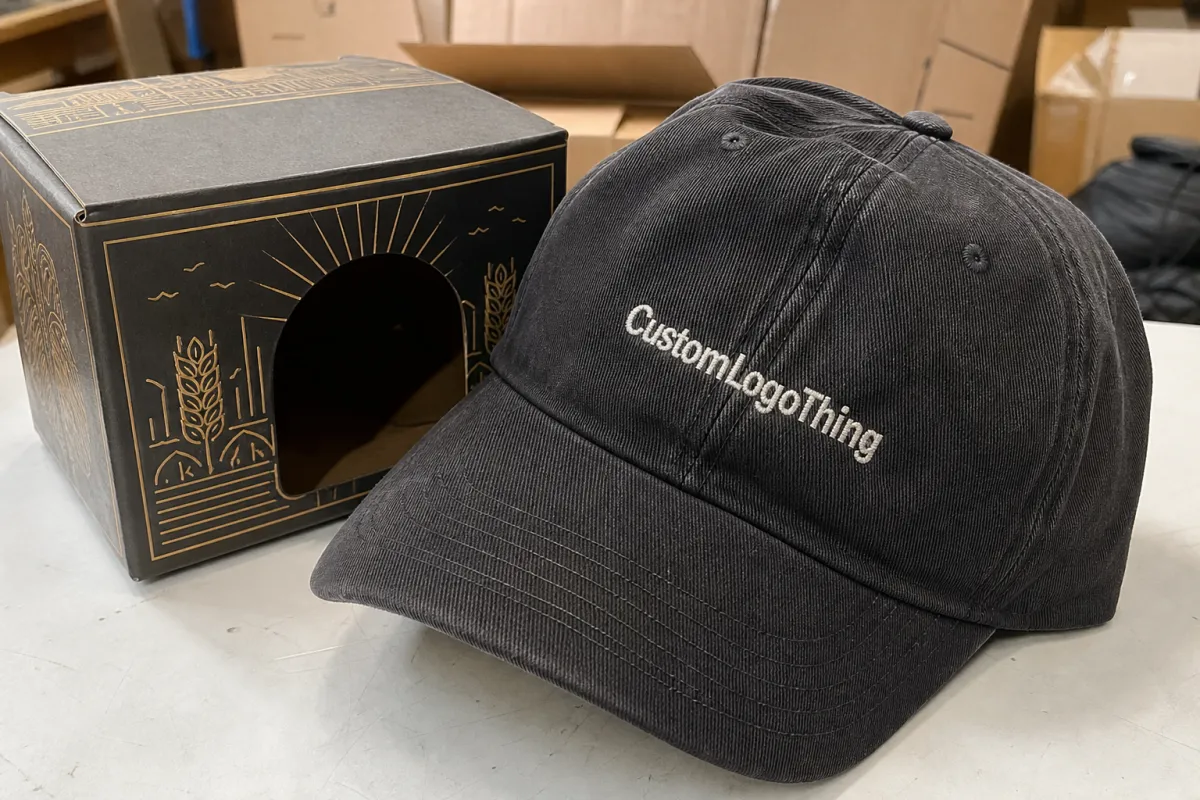
A solid brewery retail hats carton quote guide should answer three questions right away: what style of hat is being packed, how the carton will be used, and what level of finish the brewery wants at retail. Those answers shape almost every cost line. A simple tuck carton for a single cap is a very different build from a corrugated mailer that has to survive parcel handling, backroom stacking, and a second touch at the store shelf.
The carton also protects the retail value of the hat more than many buyers expect. A brewery may spend money on embroidery, woven labels, or a printed patch, but if the crown arrives flattened or the front panel rubs against a divider, the packaging undermines the product. Honest quoting starts with that reality. You are not just buying a carton; you are buying shape retention, visual presentation, and a cleaner handoff between production, warehouse, and customer.
Good quotes spell out the carton structure, print method, and any secondary parts. That might include a folding carton, a die-cut insert, a locking bottom, a window cutout, or a corrugated shipper with a retail sleeve. It should also say whether the carton is for display, storage, or direct-to-consumer shipping, because each use case changes board grade, closure style, and compression resistance.
From a packaging buyer’s point of view, the fastest way to avoid confusion is to share the actual hat style and the target selling channel before asking for a price. A display carton for a taproom merch wall does not need the same build as a carton moving through e-commerce fulfillment. That small distinction often saves time in revision and prevents a quote that looks cheap but does not meet the real job.
Hat styles, carton formats, and retail presentation
Different hat styles change the carton shape more than many teams expect. Structured caps with a firm front panel need more crown clearance and a little extra headspace to keep the front from creasing. Trucker hats often have mesh backs that compress easily, so the interior fit has to support the front panel without forcing the back to fold awkwardly. Dad hats and unstructured caps can sit lower, but they still need room for the sweatband and strap. Beanies are compact, yet they can look sloppy in an oversized carton unless the insert controls the fold.
The brewery retail hats carton quote guide should also separate carton formats by use case. A single-hat retail carton is usually built for shelf presentation and easy opening. A multi-pack shipper carton is more about compression strength and efficient packing. Display-ready cartons often carry more print coverage, because the carton itself becomes part of the merchandising story. For backroom handling, stacking strength and repeatable closure matter more than a fancy finish.
Retail presentation is not only about print coverage. Shelf orientation, barcode placement, and opening behavior all matter. If the front panel faces the shopper, the logo should sit where the eye lands first. If the carton is opened by store staff, the opening flap should release cleanly without tearing the panel or leaving ragged edges. For e-commerce pickers, a carton that opens and re-closes without damage saves time and keeps the process tidy.
For breweries that want traceable paper sources, FSC-certified board can be a good fit. The FSC system helps buyers track responsible fiber sourcing, which can matter if the carton is part of a broader sustainability message. And if the carton needs to survive parcel channels, asking whether the build is aligned to an ISTA test profile is a practical step, especially for boxes that will see drops, vibration, and compression.
Here is a simple way to think about format choice:
- Retail tuck carton - Best for shelf appeal and short-run merch programs.
- Corrugated mailer - Better for direct shipment and rougher handling.
- Display carton - Stronger on presentation, usually with more print coverage.
- Insert-driven carton - Best when you need a stable fit for one style or a mixed assortment.
Specifications that control fit, protection, and shelf appeal
The easiest way to sharpen a brewery retail hats carton quote guide is to list the specs that actually affect the build. Start with inside dimensions, not outside dimensions, because hats live in the space inside the carton. Then define the board grade, caliper or flute, closure style, print coverage, and whether the carton needs an insert or divider. If those details are clear, the quote becomes much more reliable.
For folding cartons, buyers often see 18 pt SBS or 16 pt C1S artboard used for lighter retail presentation, while corrugated options may rely on E-flute for a thinner retail profile or B-flute for better stacking strength. A matte coating gives a softer, more premium look and tends to hide scuffs better. Gloss coating can sharpen color and make logos pop, but it may also show handling marks more quickly. Spot varnish, foil, or soft-touch lamination can lift the perceived value, although each one adds setup cost and usually some lead time.
Tolerances matter. A structured cap that is too tight can flatten at the front panel or leave a visible pressure mark on the crown. A carton that is too loose lets the hat shift, which leads to wrinkled tissue, crushed brims, or artwork rubbing against the inside wall. I usually tell buyers to think in terms of a snug fit with just enough clearance for insertion, not a loose container that looks easy on a CAD drawing but sloppy on the packing table.
There is also a shipping side to fit. A carton for retail display may only need to survive local handling, while a carton used for direct shipment should resist compression, vibration, and corner crush. That is where board strength, fold direction, and closure design matter. A reliable packaging partner should be able to tell you whether the carton is being built as a presentation piece or as a carrier that must hold its shape through distribution.
If the brewery wants a premium shelf feel, the finish should support that story without making the structure fragile. A clean white panel, crisp logo placement, and a neat fold line usually do more for perceived quality than heavy decoration. Honestly, buyers sometimes over-specify print effects and under-specify the fit. The hat is the product; the carton should frame it, protect it, and get out of the way.
Pricing, MOQ, and the quote inputs that move unit cost
Pricing becomes easier to judge once the quote scope is clear. In a brewery retail hats carton quote guide, the biggest cost drivers are almost always quantity, board stock, print complexity, inserts, and whether the job uses a custom dieline or an existing format. The smaller the order, the more those setup costs show up in the unit price. Larger runs spread that work out, which is why the per-carton price usually drops as the quantity rises.
MOQ is best understood as a tradeoff, not a punishment. Lower minimums help a brewery test a new taproom merch program or try a new hat style without overcommitting inventory. The catch is that short runs often cost more per unit because the press setup, cutting, and finishing work are divided across fewer pieces. For many printed retail cartons, MOQs may start around 1,000 to 2,500 units; some simple corrugated jobs can start lower, while highly finished cartons may need more. That range shifts with material choice and print process.
Below is a practical comparison buyers can use to frame the quote conversation.
| Carton option | Best use | Typical unit range | Main cost drivers | Buyer takeaway |
|---|---|---|---|---|
| Single retail tuck carton | Taproom shelves, gift sets, branded merch walls | $0.42-$0.85 at 1,000-3,000 pcs | Board grade, 4-color print, coating, dieline setup | Good presentation, lighter protection |
| E-flute corrugated mailer | Direct shipment, store replenishment | $0.55-$1.10 at 1,000-5,000 pcs | Flute choice, print coverage, locking design, compression strength | Better shipping performance, slightly higher cube |
| Display-ready carton with window or premium finish | Front-of-house retail presentation | $0.70-$1.35 at 1,000-3,000 pcs | Window cutting, soft-touch lamination, foil, extra conversion steps | Stronger shelf impact, more setup complexity |
| Multi-pack mailer with insert | Two to four hats packed together | $0.90-$1.60 at 500-2,500 pcs | Divider count, larger blank, stronger board, freight cube | Best for bundled orders, heavier to ship |
Hidden costs deserve attention early. Freight method can move the total number more than buyers expect, especially if the cartons travel cross-country on a pallet rather than in a small parcel shipment. Split shipments, sample charges, and tooling or cutting fees should be named in the quote, not discovered later. If a brewery plans to reorder the same carton, it should also ask whether the supplier retains the die, the print files, and the approved sample reference for the next run. That can save both time and money on repeat orders.
Production process, proofing, and turnaround expectations
A clean production process keeps a brewery retail hats carton quote guide from turning into a back-and-forth exercise. The usual sequence is straightforward: gather dimensions, confirm the dieline, review a digital proof, approve a sample if the job needs one, print and convert, then inspect and pack for shipment. Each step sounds basic, but missed details at the front end tend to cost real time later.
Turnaround depends on how complete the buyer’s brief is. If the artwork is final, the carton size is confirmed, and the stock is available, many projects can move in roughly 12 to 18 business days after proof approval. Add a physical sample, and the schedule often stretches by a week or more. Add multiple revisions, and the lead time stretches again. That is normal, not a failure; it simply means the job needs more decisions before press release.
The smartest approvals are the boring ones. Final barcode placement. Final logo placement on the visible panel. Exact ship-to address. Exact hat style that will be packed in the carton. Those details do not feel dramatic, but they stop rework. A buyer who approves a proof with a placeholder barcode or the wrong front-panel orientation is almost guaranteeing delay.
For jobs where fit is critical, ask for a sample or prototype before full production. Digital proofs show layout and copy, but they do not tell you how a 7-inch crown sits in a 7-inch box, or how a mesh-backed trucker cap behaves inside an insert. A sample catches those problems while they are still cheap to fix. It also helps the brewery decide whether the carton should feel more like retail packaging or more like protective shipping gear.
Packaging buyers who want a more formal quality check can ask whether the supplier uses carton drop, compression, or transit testing aligned with ISTA methods. That does not mean every job needs full lab testing, but it gives the quote a stronger technical footing when the carton will ship through more than one handling stage.
What a packaging partner should verify before release
A trustworthy supplier does more than price a box. Before release, a good packaging partner should verify the fit against a real hat sample, check artwork alignment against the fold lines, and confirm the carton strength for the intended shipping method. Those checks sound routine, but they prevent the kind of expensive surprises that show up only after the first production run.
Fit testing is especially valuable for brewery merchandise. A structured cap can look fine in a drawing and still need a few millimeters more room at the crown. A soft cap may fit beautifully but shift too much if the insert is oversized. The supplier should be willing to flag these problems early, not after the brewery has already approved the proof. Strong partners protect the buyer from avoidable errors, even if that means saying the carton needs a small redesign before print.
They should also catch issues tied to handling. If the cartons are going to be stacked in a back room, the board may need more compression strength. If they are shipping individually through fulfillment, the closure style needs to stay closed through transit. If print areas cross a score line or fold line, the artwork may crack or misalign. A reliable quote includes that sort of practical warning because it saves the buyer from ordering a carton that looks polished on screen and weak in the real world.
Service matters too. Fast quoting, clear revision notes, realistic lead times, and help with reorders all count. The first order is important, but brewery programs often repeat in smaller refreshes or seasonal drops. A supplier that saves the die, keeps the approved art on file, and understands the prior spec can help a merch team move much faster on the next run. If your current supplier is slow to answer or fuzzy on the build, it may be worth sending the details to Contact Us and comparing scope, not just price.
Common ordering mistakes that raise cost or delay delivery
The most common mistake is assuming one carton size will fit every brewery hat. It will not. Structured caps, trucker hats, dad hats, beanies, and specialty promo headwear each behave differently, and the carton needs to respect that shape. Buyers often underestimate how much room the hat actually needs, especially once an insert, tissue, or folded tag is added.
Skipping a sample is another expensive shortcut. A proof can confirm copy and artwork placement, but not the way a real hat sits inside the carton. If the front panel bows, the brim kinks, or the carton feels loose during packing, the problem should be caught before the run. The cost of a sample is small compared with reprinting a wrong-size carton or repacking hundreds of units by hand.
Vague specs cause delays, sometimes more than material shortages. If the factory has to stop and confirm the hat style, print side, finish, and packing orientation, the order slows down immediately. That is why a brewery retail hats carton quote guide should ask for finished dimensions, a photo of the hat, the target carton use, and the quantity tier before the first price is requested. Clear inputs make for cleaner quotes.
Freight and storage are another area where buyers get surprised. Cartons may look small in a render, yet pallet count, case pack, and warehouse stacking rules can change the actual landed cost. A compact retail carton may ship efficiently in bulk, while a wide display box can eat up cube quickly. In a brewery merch program, that difference affects not only freight but also how much backroom space the buyer needs to hold inventory.
Finally, changing artwork after proof approval is a quick way to add fees. A small text edit can force a new proof, a new plate or cut file, and a new schedule. It is better to lock the logo placement and barcode details before release than to chase them after the line is already booked.
Next steps for a fast, accurate carton quote
If you want a fast response, send the hat style, finished dimensions, target quantity, artwork files, preferred carton format, and delivery destination in one clean package. That is the core of a good brewery retail hats carton quote guide, and it gives the supplier enough information to quote the actual job instead of guessing at the build. If you have a physical sample, include that in the conversation too. A real sample removes a lot of uncertainty, especially for structured caps and premium retail presentations.
Request a sample or prototype if the hat shape is unusual, the retail presentation matters, or the carton will do double duty in store and fulfillment. That one step often pays for itself by preventing a wrong-size order or a carton that opens poorly at the shelf. Ask the supplier to separate quoted costs for structure, print, inserts, freight, and any special finishing, because that makes it easier to compare options honestly.
When you review the proposal, compare quote scope, not just the unit price. A cheaper number may exclude freight, insert work, or proof corrections. A slightly higher number may include a better board, better fit, and fewer headaches at packing time. The right brewery retail hats carton quote guide helps you lock down fit, cost, and turnaround before the order goes live, and that is usually the difference between a smooth merch launch and a box of avoidable rework. If you are ready to narrow it down, send the spec set to Contact Us and ask for a line-by-line quote from Custom Logo Things.
Frequently Asked Questions
What affects a brewery retail hats carton quote the most?
Quantity, board grade, print coverage, and insert complexity usually drive the largest price changes. Artwork revisions, sample needs, and freight method can also move the final number more than buyers expect, especially on smaller runs where setup costs are spread across fewer cartons.
What carton size do I need for different brewery hat styles?
Structured caps usually need more clearance around the crown, while softer styles can fit a tighter internal profile. The safest approach is to send a physical sample or finished dimensions so the carton can be built around the real product instead of a guessed size.
What is a typical MOQ for printed hat cartons?
MOQ depends on construction, print method, and whether the job uses a custom dieline or an existing format. Lower minimums are possible, but they usually come with a higher unit cost than larger production runs because the setup work is divided across fewer pieces.
How long does production usually take after approval?
Turnaround depends on proof approval speed, stock availability, and whether a sample is required before print. Projects move faster when artwork is final, dimensions are confirmed, and shipping details are set up early, while revision cycles and sample reviews add time.
Can you quote mixed brewery retail hats carton sizes in one order?
Yes, but each size or style may need its own insert, dieline, or packing plan to avoid fit problems. A combined quote works best when the buyer separates each hat style clearly and identifies the expected carton count for each one.


