The counter is packed, the last sleeve of branded tea bags is open, and nobody knows if the previous order was kraft, white, gusseted, flat, matte, coated, or “that nice paper one.” Very glamorous. Very avoidable. A tea counter Paper Bags Reorder quote worksheet stops the scramble by putting bag size, paper type, logo print, quantity, and delivery needs in one place before anyone asks for pricing.
That is the point. Not cute paperwork. Not a form for the sake of a form. A buyer-ready worksheet gives a supplier the details that change price, lead time, and print quality. If you want a firm quote instead of a 12-email scavenger hunt, start with the specs.
Tea Counter Paper Bags Reorder Quote Worksheet: What It Prevents
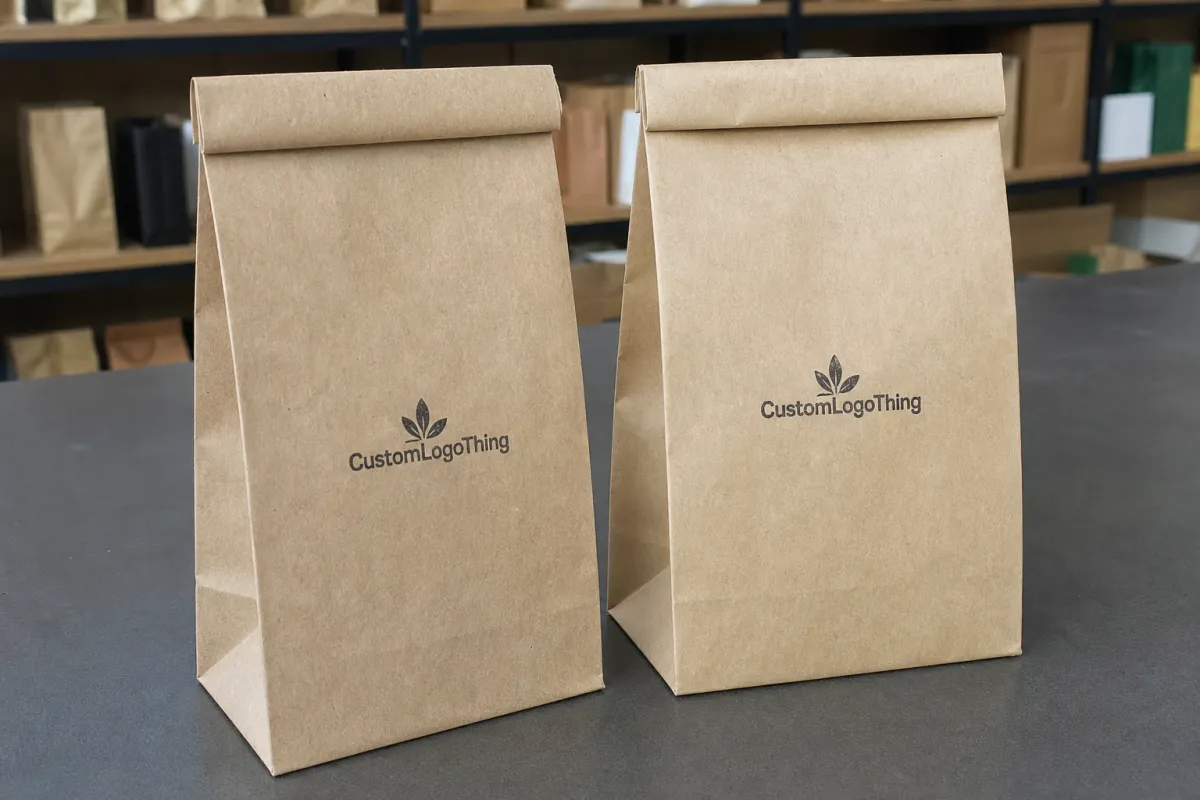
A tea counter paper bags reorder quote worksheet prevents the most common reorder problem: guessing. Tea shops rarely reorder packaging in a calm, perfectly scheduled moment. Holiday traffic, farmers market weekends, wholesale sample packs, subscription inserts, retail restocks, and new blend launches all burn through bags faster than expected.
Sloppy specs create real costs. A missing gusset measurement can change usable capacity. A vague “green logo” note can stall proofing because forest green, sage, and Pantone 553 are not the same color. An old logo file pulled from a website can add days because a low-resolution PNG does not print like vector artwork. Shocking, I know.
From a packaging buyer’s point of view, the worksheet does three useful jobs:
- Speeds quoting: size, quantity, print method, and delivery zip code are ready upfront.
- Reduces wrong-size reorders: width, height, gusset, and usable fill area are confirmed before production.
- Improves comparison: repeat runs, seasonal artwork, and upgraded paper options can be priced against the same baseline.
The worksheet is useful for shop owners, purchasing managers, cafe operators, and private-label tea sellers. If you sell wrapped sachets, loose-leaf pouches, mini gift bundles, or counter sample packs, you need repeatable bag records. Memory is not a procurement system.
Practical rule: if the bag holds product that customers see, touch, carry, or gift, treat the reorder like a branded packaging purchase, not an office supply refill.
Bag Details Buyers Should Confirm Before Reordering
A good reorder worksheet starts with the bag itself. Confirm the bag style, finished width, full height, gusset depth, handle type if any, paper color, paper weight, and closure method. Those details sound basic. They are also exactly where most reorder errors begin.
Tea counter bags usually fall into a few practical formats. Small flat paper bags work for sachets, cards, stickers, or sample envelopes. Gusseted paper bags make more sense for loose-leaf pouches because the base and sides create usable volume. Handled merchandise bags fit retail bundles, tins, mugs, strainers, and gift sets. Glassine-lined or coated options may matter if aroma, moisture, oil, or direct food contact is part of the packaging plan.
Do not measure by product weight alone. Ten ounces of dense herbal blend and ten ounces of fluffy chamomile can need very different fill volume. Measure the existing bag flat across the front, then measure full height from top edge to bottom edge. If the bag has a bottom gusset, open it and measure the depth. If it has side gussets, measure those too. Then mark the usable fill area, because a bag that is technically 8 inches tall may only look clean when filled to 6.5 inches.
Capture the print details next. Add the logo file type, imprint location, ink colors, proof number if available, Pantone references if known, and whether the artwork is unchanged or revised. Vector files such as AI, EPS, or print-ready PDF are preferred for most custom logo printing. High-resolution raster files may work for some digital methods, but screenshots from social media are not artwork. They are proof that artwork once existed.
Operational details belong in the same place. How are bags packed: 100 per inner bundle, 500 per carton, bulk packed by case? Can staff lift a 38-pound carton without turning the stockroom into a workers’ comp brochure? Include preferred carton weight, storage limits behind the counter, and whether the reorder must match previous shipments exactly.
Specifications That Change the Quote Fast
The fastest way to wreck a quote is to treat all paper bags as interchangeable. They are not. The big price movers are paper stock, thickness, construction, print method, ink coverage, number of colors, order quantity, freight, and finishing options.
Kraft paper gives a sturdy, warm, natural look and usually works well for one-color branding. White paper gives cleaner contrast for logos and product labels. Black or dyed papers can feel premium, but ink choices get narrower because many colors disappear unless you use opaque ink, foil, or a label. Specialty papers look great until the quote arrives wearing steel-toe boots.
Paper weight usually shows up in GSM or basis weight. Light counter bags may sit around 80-120gsm depending on construction and use. Heavier merchandise bags may use 150-250gsm paper or laminated stock. For rigid folding cartons, a spec like 350gsm C1S artboard with soft-touch lamination makes sense, but that is a different packaging category than simple tea counter paper bags. Apples, oranges, invoices.
Print method changes the math. A one-color flexographic or screen-style imprint can be efficient for simple logos and repeat runs. Full-color digital printing may fit lower quantities or detailed seasonal artwork. Offset or higher-volume production can make sense when the quantity climbs and the design is stable. Ask which method is being quoted so you know whether you are paying for flexibility, volume efficiency, or finish quality.
Ink coverage deserves its own warning. A small front logo is not priced like an all-over botanical pattern. Buyers love to say “just a simple print” while sending a full-bleed jungle of leaves, gold lines, and tiny origin notes. The quote will notice.
| Spec Choice | Typical Use | Quote Impact |
|---|---|---|
| Kraft paper with one-color logo | Everyday loose-leaf or sachet counter bags | Usually cost-effective, especially on repeat quantities |
| White paper with two-color imprint | Cleaner retail branding and stronger logo contrast | Moderate cost increase from added ink and setup |
| Full-color printed bag | Seasonal blends, gift sets, detailed artwork | Higher proofing discipline and possible higher unit cost |
| Coated or lined paper | Aroma, moisture, grease, or direct-contact concerns | Material choice and compliance review can raise price |
For food-adjacent packaging, be clear about what touches the bag. Wrapped tea sachets are different from loose tea placed directly inside. Sealed inner pouches, tins, envelopes, and gift items each create different material questions. If sustainability claims matter, ask for documentation instead of vibes. FSC-certified paper sourcing can be reviewed through the Forest Stewardship Council, and transit testing references may connect to ISTA standards for packed shipments.
Your worksheet should include a current bag sample photo, exact measurements, product weight per bag, expected fill volume, artwork file, desired quantity, delivery zip code, and deadline. That is the difference between a real quote and a polite guess.
Pricing, MOQ, and Unit Cost Tradeoffs
Custom Paper Bag Quotes are driven by material, size, print complexity, setup, quantity, freight, and timeline. There is no magic button. Annoying, but true.
A tea counter paper bags reorder quote worksheet should ask for two or three quantity breaks, not just one number. For example, a shop might request pricing at 1,000, 2,500, and 5,000 bags. A private-label tea seller might compare 5,000, 10,000, and 25,000 pieces if the artwork is stable and the storage space exists. Bigger orders often reduce unit cost, but only if you can use the inventory before branding, ingredients, or retail plans change.
Minimum order quantity depends on the production route. Lower minimums may be available for stock-bag imprinting or simpler digital runs. Fully custom sizes, specialty papers, custom handles, laminated finishes, or complex multi-color print usually require higher minimums because setup takes time and material is ordered around the job.
| Planning Quantity | Best Fit | Tradeoff | Typical Buyer Logic |
|---|---|---|---|
| 500-1,000 pieces | Seasonal tests, events, new counter launches | Higher unit cost, lower inventory risk | Good when artwork may change soon |
| 2,500-5,000 pieces | Standard tea counter reorders | Better unit cost, moderate storage needs | Often practical for steady retail use |
| 10,000+ pieces | Stable branding, wholesale packs, multi-store use | Lower unit cost, higher cash and storage commitment | Best when size and logo are locked |
Setup costs are the part buyers forget, then resent. Plates, screens, dielines, proofs, and machine setup can make a tiny reorder look expensive per bag. Spread those costs across 5,000 pieces and the unit cost usually looks more reasonable. Spread them across 250 pieces and everyone suddenly becomes a philosopher.
Compare quotes correctly. Same size. Same paper. Same print area. Same number of colors. Same packing method. Same freight terms. Same delivery window. Otherwise it is not a comparison; it is spreadsheet theater.
As a broad planning example, simple custom logo paper bags may land in the $0.18-$0.45 range per unit at mid-size quantities, while specialty paper, heavier construction, coatings, handles, or full-coverage printing can push higher. Freight can add a few cents per bag or a lot more if cartons are bulky and the deadline forces rush shipping. Treat ranges as planning numbers, not a final quote.
Production Steps and Lead Time for Reorders
Reorders can move faster than first orders, but only if the records are clean. The standard process is simple: submit the worksheet, confirm specs, review the quote, approve artwork or the previous proof, pay the deposit if required, schedule production, print, quality check, pack, and ship.
If the previous dieline, artwork, paper, and print method are already approved, the supplier can quote and schedule with fewer questions. That is why the worksheet matters. It gives production and sales teams a controlled starting point instead of a vague “same as last time” request with no order number, no sample, and no useful file attached.
Typical timing varies by production route. A simple repeat imprint on an available stock bag may quote quickly and move into production faster. A custom-size run or high-volume order needs more time for material, setup, scheduling, drying, packing, and freight. Many repeat custom packaging jobs are planned in the 10-20 business day range after proof approval, but rushes and specialty specs can change that. Not always. Often enough to plan for it.
What slows the timeline? Changed artwork. Missing vector files. New bag dimensions. Color matching requests. Specialty paper sourcing. Rush freight. An unclear delivery address. Approval delays. The factory is helpful. The factory is not psychic.
Proof approval deserves discipline. Name one decision-maker and approve in writing. Group approval chains are where deadlines go to nap. If three people need to comment, collect their feedback internally before sending one final approval.
Shipping details belong on the worksheet too. Add delivery zip code, storefront or warehouse address, dock access, preferred receiving hours, and whether split shipments are needed. Large runs may involve carton counts, palletization, and freight class. Smaller runs may ship parcel, but bulky paper goods can still cost more to ship than buyers expect because air in a carton is not free.
Artwork, Branding, and Counter Display Details
Tea counter bags have to perform visually in a small, busy space. The logo should face forward, the brand name should be readable from a few feet away, and the print should not disappear under clips, fold lines, stickers, or counter shadows. A gorgeous mark placed too low on a gusseted bag is not branding. It is hide-and-seek.
Use the worksheet to confirm front-facing logo position, imprint size, blend labeling space, color contrast, and how the bag is displayed. Are bags stacked flat? Lined up behind the register? Clipped to a rail? Packed into a basket? A supplier can recommend better placement if the actual counter setup is clear.
One-color printing can look sharp and controlled, especially on kraft or white paper. Metallic ink or foil can feel premium but adds cost and complexity. Full-color artwork needs proofing discipline because textured paper can mute detail and darker stocks can shift colors. If exact brand color matching matters, provide Pantone references and understand that paper color, ink opacity, and coating all affect the final result.
Many tea shops are smarter using one branded bag plus blend stickers. That reduces SKU chaos. You do not need a separate printed bag for every chamomile variation known to mankind. Print the brand consistently, then use labels for blend name, caffeine level, ingredients, lot number, or seasonal notes.
Compliance content needs a home. Ingredients, net weight, origin, allergen notes, business address, and brewing directions may live on the bag, a label, an inner pouch, or a separate insert. Requirements vary by product and selling channel, so confirm with your compliance resource before printing thousands of bags with missing information. Packaging suppliers can advise on space and print practicality, but they are not your regulatory attorney.
Take photos of the counter and include them with the tea counter paper bags reorder quote worksheet. Front view, side view, storage shelf, and current display are enough. Those four photos can prevent awkward print placement, over-tall bags, and cartons that do not fit your back-room shelving.
How Custom Logo Things Keeps Reorders Clean
Custom Logo Things is built for buyers who want accurate reorders, not vague inspiration boards. Pretty references are fine, but pricing comes from specs. The team helps translate an old invoice, physical sample, photo, or incomplete reorder note into a cleaner spec sheet when there is enough real information to verify size and construction.
That matters because repeatable records reduce repeatable mistakes. Approved dimensions, paper stock, imprint details, artwork versions, quantity history, and shipping preferences all help keep future bag runs consistent. If your last order used a 5-inch by 8-inch white gusseted bag with a one-color front logo, the next quote should not drift into a different paper, different imprint area, and mystery freight.
The sales approach is practical: clear options, quantity breaks, realistic lead time, and plain tradeoffs between cost, speed, and finish. No pretending every bag is “luxury” because someone added a logo. Some bags need to be premium. Some need to be durable and affordable. Some need to be ready before a market event in two weeks. Those are different buying problems.
Custom Logo Things supports straightforward counter bags and more involved branded paper Packaging for Retail tea shops, cafes, gift sets, market stalls, subscription programs, and private-label launches. If you are planning multiple packaging pieces, ask about Wholesale Programs so quantity strategy, reorder cadence, and branding consistency can be reviewed together.
Quality control is not magic either. It is checking specs before production, reviewing artwork placement, confirming print expectations, and packing orders so the delivered bags are usable, countable, and ready for the counter. Boring? Maybe. Useful? Absolutely.
If you already have questions about art files, lead time, or order minimums, the FAQ is a practical starting point. For a live reorder, use the worksheet and send the actual specs through Contact Us so the quote can be checked against the bag you need, not the bag someone imagines.
Next Steps Before You Request the Reorder Quote
Before requesting pricing, collect one current bag sample. Measure it flat. Photograph the front, side gusset, bottom, and inside if lining or coating matters. Count remaining inventory. Estimate weekly usage. If you use 300 bags per week and production plus shipping may take 15 business days after proof approval, waiting until the final carton is open is not brave. It is expensive.
Use this reorder prep sequence:
- Confirm bag style: flat, gusseted, handled, lined, coated, or merchandise style.
- Confirm size: lay-flat width, full height, bottom gusset, side gusset, and usable fill area.
- Confirm paper: kraft, white, black, dyed, coated, glassine-lined, or unknown sample match.
- Confirm print: logo placement, imprint size, ink colors, proof number, and artwork version.
- Choose quantity ranges: current repeat quantity plus one lower and one higher option.
- Provide delivery details: zip code, address type, deadline, and receiving limits.
Add notes about what did not work last time. Bags too small. Paper too thin. Logo too low. Cartons too heavy. Storage shelves too short. Stickers peeling. Customers confused by blend labeling. Reorders are a chance to fix dumb little problems before they become expensive habits.
Ask for quote options in clear tiers: current spec repeat, upgraded paper, alternate quantity break, and rush timeline if needed. That keeps the quote useful instead of bloated with random choices nobody asked for.
The tea counter paper bags reorder quote worksheet is the fastest way to get a usable price because it gives the supplier the facts that actually change cost, lead time, and print quality. Send the completed worksheet, current bag photos, and artwork files to Custom Logo Things for a reorder quote that can be checked, priced, and moved forward without guessing.
FAQ
What should I include in a tea counter paper bag reorder worksheet?
Include bag style, width, height, gusset, paper color, paper weight if known, logo placement, ink colors, quantity, delivery zip code, deadline, and whether the artwork is unchanged. Add photos of the current bag from the front, side, bottom, and inside if lining or coating matters. If you have an old invoice or proof number, include it. That can save a lot of detective work.
Can I get a reorder quote if I do not know the original bag specs?
Yes, but the quote will be more accurate if you send a physical sample or clear measurements. Measure the bag flat across the front, full height, and gusset depth. Do not estimate from product weight alone. Custom Logo Things can help identify likely construction and material options from photos, but final specs need confirmation before production.
What quantity should I request for custom tea counter paper bags?
Ask for at least two or three quantity breaks so you can compare unit cost against storage space and cash flow. For stable everyday branding, a larger reorder often lowers unit cost. For seasonal blends or new launches, a smaller run may reduce inventory risk. The right quantity depends on usage rate, reorder lead time, available storage, and whether the artwork is likely to change soon.
Why did my paper bag reorder price change from the last order?
Pricing can change because of paper costs, order quantity, print coverage, freight, rush timing, or changes to bag size and artwork. Even small spec changes can affect unit cost if they require different material, setup, or production routing. A clean tea counter paper bags reorder quote worksheet helps separate true market changes from quote differences caused by missing or mismatched details.
How fast can custom tea counter paper bags be reordered?
Repeat orders with approved artwork and unchanged specs are usually faster than first-time custom orders. Lead time depends on material availability, print method, order quantity, proof approval speed, and shipping destination. If the bags are needed for an event, holiday rush, or store opening, say that upfront so rush options and realistic dates can be reviewed.


