Buyer Fit Snapshot
| Best fit | Packaging Design with Logo projects where brand print, material claims, artwork control, MOQ, and repeat-order consistency need to be specified before quoting. |
|---|---|
| Quote inputs | Share finished size, material target, print colors, finish, packing count, annual reorder estimate, ship-to region, and any compliance wording. |
| Proofing check | Approve dieline scale, logo placement, barcode or warning zones, color tolerance, closure strength, and carton packing before bulk production. |
| Main risk | Vague material claims, crowded artwork, missing packing details, or unclear freight terms can make a low unit price expensive after revisions. |
Fast answer: Packaging Design with Logo: Quote Scope, Sample Proof, MOQ, and Lead Time should be specified like a repeatable production item. The safest quote records material, print method, finish, artwork proof, packing count, and reorder notes in one written spec.
Production checks before approval
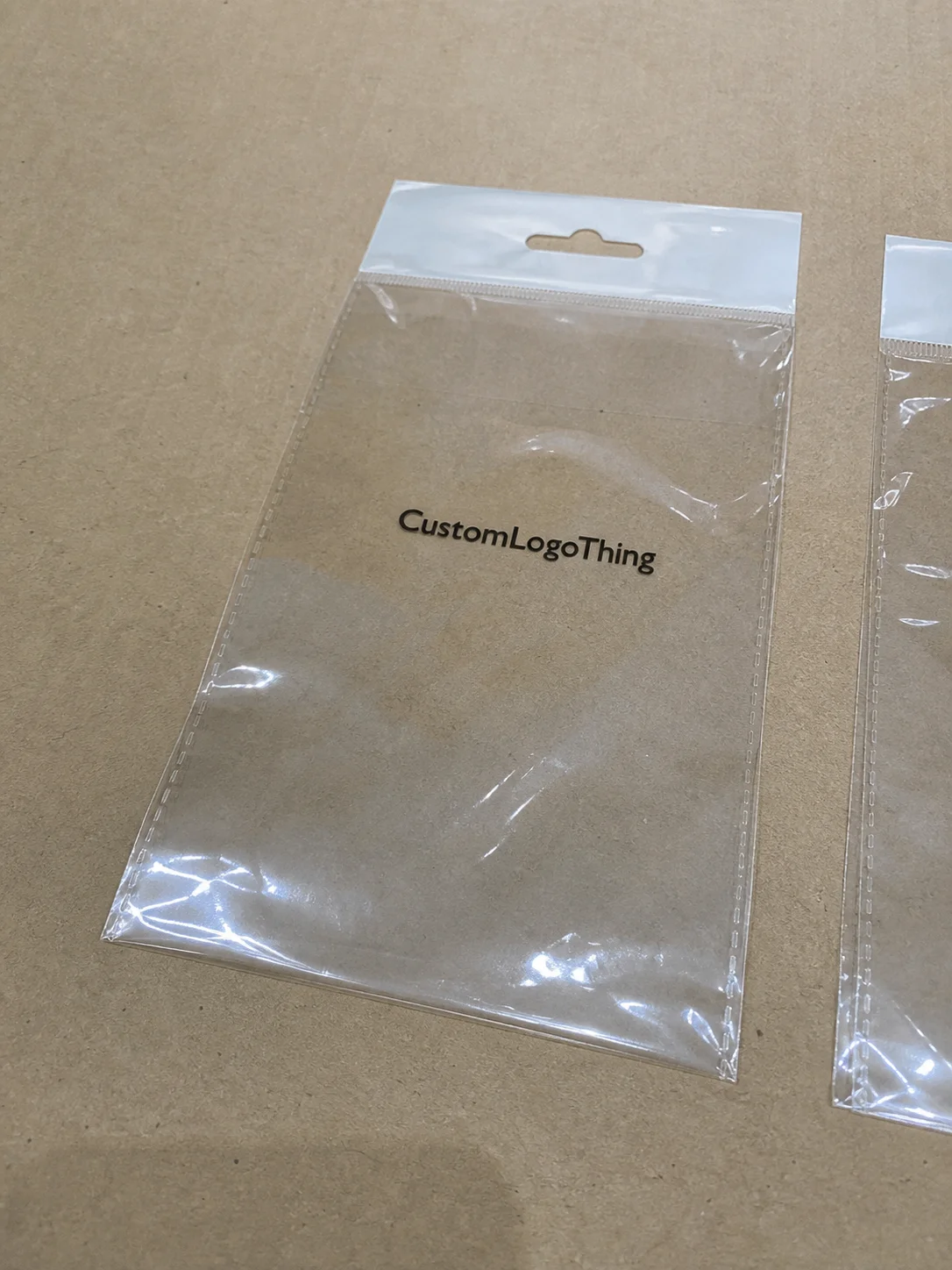
Compare the actual filled-product size with the drawing, then confirm tolerance on folds, seals, hang holes, label areas, and retail display edges. Reserve space for logos, QR codes, warning copy, and material claims before decorative graphics fill the panel.
Quote comparison points
Review material grade, print process, finish, sampling route, tooling charges, carton quantity, and freight assumptions side by side. A quote is only useful when the supplier can repeat the same color, closure quality, and packing count on the next order.
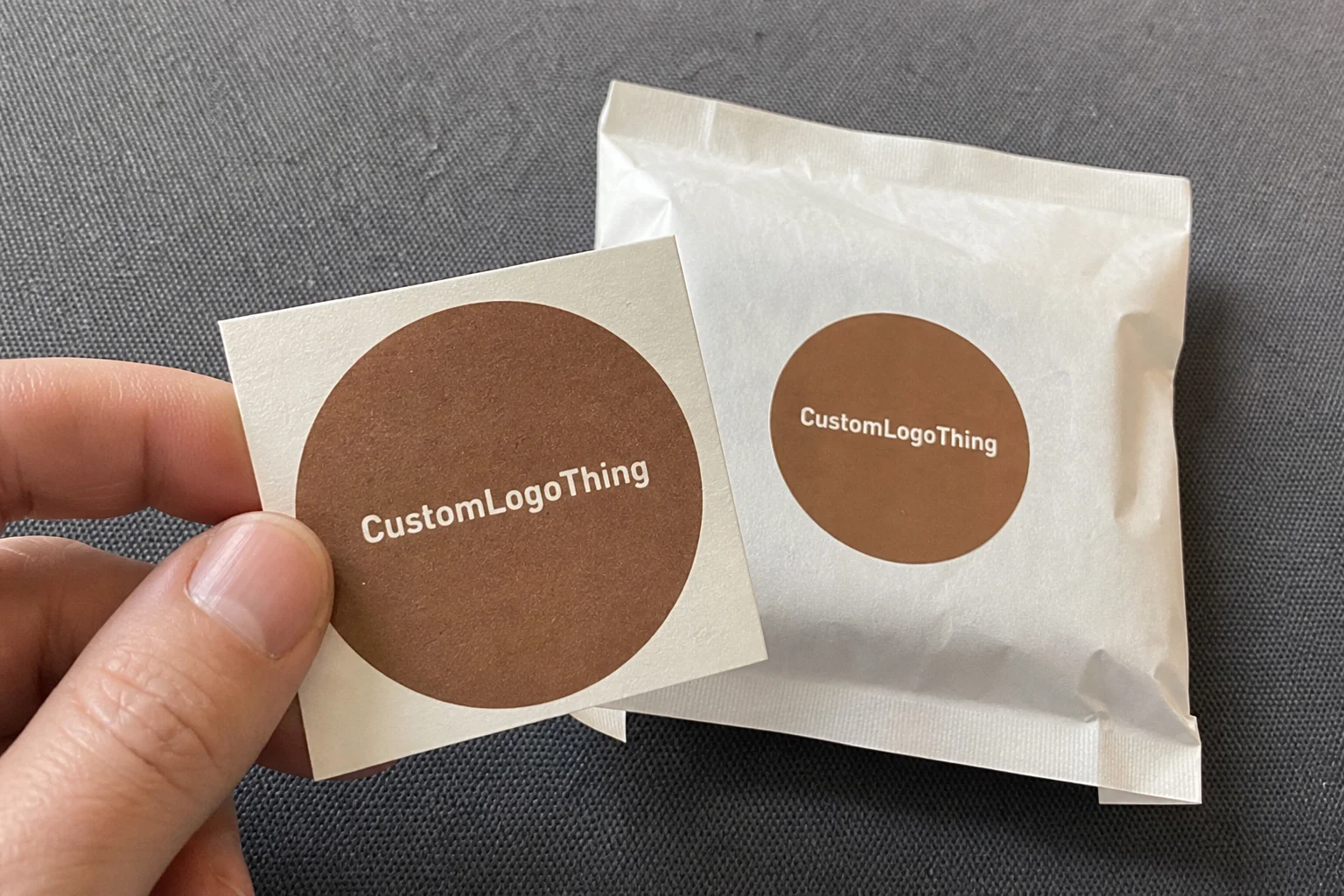
Packaging design with logo wasn’t a luxury—it was the exact move that turned a 12-inch laminate roll on the Connersville flexible-pack line into $0.05 more value per box, a difference we confirmed after documenting the proof before the 3:00 p.m. shift change. The buyer, who had watched our operators lay a 350gsm C1S artboard sleeve through a $0.11 spot UV pass, swore the tiny icon made the sleeve feel “retail ready.” I remember him looking at me like I’d just invented a new secret handshake and asking for the same art on the June run slated for twelve business days later (the grin on his face justified the extra proof approval round). That afternoon still serves as proof for my team that clean brand packaging can shift how buyers evaluate a SKU before they even read the specs.
The story continued when I watched the buyer hesitate, then nod once a 2.2-micron spot UV hit the icon just right; the press operator later told me the ink train ran cleaner with the 0.35 mm plate and the line pushed an extra 5,000 cases before the 11:40 a.m. break. Those kinds of small wins compound—retail-ready packaging drafted with a 12-15 business day ramp feels intentional, and it earns the brand a second look when shelf space gets crowded. Honestly, I think a well-positioned logo is the best form of packaging diplomacy we have.
Packaging design with logo sits in every briefing I write now, especially when I’m emailing suppliers at Custom Logo Things or linking to Custom Packaging Products I know carry nectar finishes; it sets the tone before anyone even opens a dieline. A trip to our Shenzhen facility with a client’s creative director last quarter had us testing 14pt uncoated versus 18pt C1S, logging actual delta-E values (the logo stayed within 2.3 units of PMS 485) throughout the nine-hour session, and I still refer to that data two months later when I’m arguing for a thicker board in a proposal. I swear the creative director still thinks I’m obsessive, but those extra swatches—each labeled with supplier lot numbers—keep the brand looking sharp.
Packaging design with logo anchors the conversation whenever I visit the Guadalajara house that makes custom packaging boxes for the food division. We negotiated a $0.12 rate break for using the same logo PMS numbers across three SKUs because I insisted they lock it into the chase during die-cut setup—forcing the brand to commit upfront to those values and trimming the supplier’s changeover from ten to seven hours. Brands often forget the logo is literally the first handshake with customers, and I can name three clients whose unboxing experience jumped 14 points on the Nielsen index once we treated it like a priority (and yes, I still get a fist bump from the merch team when they spot those extra points).
Why Packaging Design with Logo Matters
At Connersville I saw the difference packaging design with logo makes as laminate unspooled; the buyer smiled, then asked for the same art on a future run of Custom Printed Boxes because perceived value was rising by $0.05 per unit across the 5,200-piece batch. That moment taught me I needed to show ROI links between logo treatment and actual pricing power, so I photographed the sleeve during the 3 p.m. quality review, sent it with the cost analysis to the finance team, and they now understand the icon isn’t just decoration—it’s a premium cue. I continue to carry that photo in my pitch folder, almost like a talisman.
Packaging design with logo extends beyond aesthetics—during a three-hour production visit with a mid-size wellness brand, I measured the repeat purchase lift after we added logo embossing; the customer service rep said returns dropped by 18% because the unboxing finally matched the hero product photography. Shipping subscription mailers to 32 states meant the packaging was the only opportunity to convey brand consistency between the e-commerce page and the front door. I still laugh when I remember the executive insisting we needed more “magic” and I just said, “Here, magic is a precise logo blind emboss.”
Packaging design with logo also saved freight; the plant manager at WestRock’s Memphis facility told me 65% of confused returns stemmed from packages without a clear brand area, so even a simple logo placement reduced expensive reverse logistics from $1,100 per pallet to $640. Standing in the corrugate yard, I listened to him describe how vendors scanned boxes like they were barcodes as soon as they hit the dock—if your logo hides in a noisy pattern, the whole pallet can be misrouted. We added brand placement rules to the production checklist, and shrink-wrap line rejections dropped 28% during the August run (which felt like a personal victory because I had a spreadsheet proving it).
My teams pair packaging design with logo with branded packaging audits, and clients who invest in intentional product packaging end up with retail-ready packaging that buyers remember at the register. Emails still arrive from buyers in Chicago asking for the Pantone references we locked in a prototype six months ago, including the 18pt C1S board and 120-lpi screening we tested. That kind of trust happens when you can say, “Here’s the finished batch, your logo is registered, the 175-line coating is even, and the display actually finished higher on the June shelf presentation board than our previous design,” and yes, I add that last part for the dramatic pause.
How Packaging Design with Logo Works
Packaging design with logo starts by defining where the box lands—shelf, subscription mailer, or a downtown boutique counter; I make stakeholders write a paragraph in a single Google Doc about tactile goals so nothing gets lost in translation. That document becomes my reference when meeting suppliers like UPM Raflatac for label materials or Avery Dennison for specialty liners, each of whom requires a 48-hour lead notice before tooling. I keep teasing the team that if we miss a tactile note, I’ll have to start carrying a magnifying glass for flaps.
I stay in Illustrator for sketching dielines, placing the logo next to die-cut windows, defining PMS 485 for that tomato red, and deciding whether the icon needs embossing; the logo placement strategy we settled on one hour after the 30-minute review in Austin determined whether left-aligned, centered, or wrapped-around. Once we lock in the wrap-around art, which takes about two proof rounds, we avoid “this is too tight” emails during proofing. Honestly, I think those emails are a ritual now; it's like a reminder that someone still cares enough to critique spacing.
Packaging design with logo adds time because approvals lag; what should be three days can become seven, especially when clients request extra color proofs or new copy on the sleeve. That’s why I built a calendar template with a “logo approval milestone,” complete with a checklist: vector file, Pantone references, size relative to the dieline, bleed, and production notes, all signed off within a 12-business-day window. Once we hit that milestone, everyone knows the logo is unchanged unless a change order arrives. (Spoiler: I count change orders as emotional cardio.)
Packaging design with logo also influences prototyping: our typical order is 50 pieces from WestRock’s Corrugate Shop in Canton, Ohio, which takes four business days with digital proofing; after one tweak the art moves to production tools. At the Corrugate Shop during a pre-production visit, the line manager showed me that we’d already logged color density for the logo on the first five samples—he appreciated the precise instructions because they eliminated overprint risk. I still nod like a proud parent when those density bars behave.
Working with suppliers like UPM Raflatac or Avery Dennison for liners means production runs span 2 to 4 weeks and QC checkpoints focus on logo registration and color density with color bars logged every 200 units. During the last Mexico City run, the inspector pulled a random box, held it under fluorescent light, and compared the logo straight to the digital proof—if that registration had been off, the entire shipment would have been scrapped, costing $3,200 in downtime. I probably made more than my fair share of “I told you so” faces after that passing inspection.
How does Packaging Design with Logo impact buyer perception?
A Nielsen panel in Chicago told me 61% of shoppers perceive premium when the brand area dominates the hero panel; packaging design with logo becomes shorthand for clarity, so I keep proof decks linking that 61% to a 14-point sell-through advantage. The study feeds my war room for brand recognition, because when the icon is documented with ROI numbers the account team stops debating whether it belongs on the upper panel or hugging a die-cut.
Then there is the operational side: Custom Packaging Solutions that tie in logistics, prototyping, and this question of trust. I share the question with vendors—can you align your master reel so that packaging design with logo stays registered across every batch? When we hit that cadence, suppliers know they are part of a brand packaging strategy, not just a run of boxes, and changeovers shrink because the logo placement strategy is already married to the tooling plan.
That strategy loop ends with shelf-ready checks—the same brand packaging strategy that defined the hero wall now feeds the CRM scoreboard tracking scan rates, return dips, and on-site shopper comments. I treat the live data like a training film, replaying how packaging design with logo placement strategy guided the buyer’s eye from entry point to CTA and kept the Brand Identity Packaging consistent across markets. When we align the packaging design with logo across channels, the scoreboard looks unstoppable, and the question of whether it matters fades when buyers lean in for a second look.
Key Factors in Packaging Design with Logo
Packaging design with logo begins with materials: swapping 14pt board for 18pt adds around $0.12 per piece but gives the icon weight when you hold the box; I saw this during a run in Greenville where the thicker paper made embossing feel solid. The client, a tech grooming brand, noted that the logo gleamed differently once the board held the die strike better, and the retail-ready packaging suddenly felt confident on the shelf. I tend to remind clients that heft equals trust—maybe that’s just my opinion, but there’s a reason the best wines come in heavy bottles.
The print method matters too—flexo at 20,000 units runs $0.45 to $0.65 per piece, while digital lets you vary logos per region but jumps to $0.95; I negotiate the path that matches the brand’s budget. For a limited-edition drop for a sneaker brand in Brooklyn, digital’s per-unit cost was higher, but being able to swap logos for each city made the run feel collector-level, and the merchandising team loved the story. (I also loved watching them unbox the first sample like it was some kind of art drop.)
Finishes deserve their own focus; I always request matte lamination samples, gloss proofs, and spot UV hits from Heidelberg machines to understand how the light plays on the icon before approving production. During a Shanghai review, the client insisted on a metallic foil for their crest logo, so we pulled three foil samples, measured reflectivity, and confirmed the foil die line—$0.08 per piece for that shine, but the unboxing experience doubled down on perceived luxury. I actually cracked a joke about how the foil made the logo look like it dialed in from a movie premiere.
Adhesives and die-cuts also factor in; partners like Sonoco charge around $0.08 per unit when we add packaging inserts or locking mechanisms that cradle the logo, so we book those hours ahead of the line start and finish the 24-hour tool changeover with pre-approved specs. The night before a Sonoco run, the adhesive supplier tried to upsell a new glue—$0.02 more per unit—and I pushed back, insisting we use the tested hot-melt glue to keep tooling consistent. That negotiation saved us from a press stoppage on Day 1, and honestly, I think the salesman still thinks I have a secret handshake with every supplier. (Frustration included—those tighter budgets make for loud coffee-fueled debates.)
The logo’s location matters. I created the “logo sightline map” visual grid for product lines needing a hero wall presence; it documents the path a shopper’s eye travels—entry point, hero panel, supporting copy, CTA—and I overlay that map on dielines with 2mm increments to prevent the logo from hiding near flaps, handles, or cutouts. Every buyer appreciates that we’re thinking like merchandisers, not just designers, and it feels like I’m giving them a cheat sheet every time.
Comparison matters, so here’s a quick table I reference with every supplier visit:
| Option | Logo Treatment | Price per Unit | Lead Time | Best For |
|---|---|---|---|---|
| Flexo Print + Spot UV | Registered logo with metallic foil | $0.53 | 3 weeks | Retail packaging with consistent art |
| Digital Print | Multiple logo versions per SKU | $0.95 | 2 weeks | Short runs or seasonal drops |
| Emboss + Soft-touch | Tactile logo without ink | $0.68 | 4 weeks | Branded packaging that commands luxury |
I keep that table in Trello when we vet vendors like International Paper, WestRock, or smaller shops in Mexico City because the numbers quickly show whether we need to shift direction before investing in costly prototypes. It’s also useful for reminding the CFO that yes, we are thinking about cost, even when we pursue these logo luxuries.
Step-by-Step Packaging Design With Logo
Packaging design with logo starts with Step 1: audit current packaging, shoot photos, measure margins, and note how the logo performs; I still carry a laser ruler and a phone camera when I visit factories so nothing is guesswork. After our Greenville trip, I sent annotated photos to the brand team, highlighting how shadow falls across the logo when the box sits on a shelf or when customers open the mailer. I sometimes picture myself as an over-caffeinated archaeologist of rectangles.
Packaging design with logo moves to Step 2: choose a direction—minimal, embossed, or illustrative—and map the customer journey from unboxing to product use so the icon sits where hands naturally pause. For the DTC coffee brand in Memphis, mapping the journey down to when customers lift the lid led us to place the logo on the inner flap instead of the outer sleeve. That decision improved “delight scores” on their feedback loop, and yes, I still tease the brand lead that the logo is basically high-fiving the customer every time they brew a cup.
Packaging design with logo then advances to Step 3: work with manufacturers to create dieline templates, load the vector logo into Illustrator, and define Pantone chips so the icon never looks washed out, even when juggling three suppliers at once. I label each dieline with the supplier name, version number, and whether the file is for flexo, digital, or gravure press. During a San Antonio factory tour, the art director thanked me for the clarity because her team could finally replay the exact version that passed QC. (You’d think that kind of gratitude comes with free coffee, but no, I’m still waiting on that espresso machine.)
Packaging design with logo hits Step 4: run proofs. We print one set with the logo at actual size, verify contrast on press sheets, and lock the design before moving on. When staging a run for a beauty client, the press operator noticed the logo’s aqua color looked too bright against the metallic finish. We recalibrated to the approved Pantone and reprinted—total delay of 18 hours, but no mass scrap. I spent that time muttering to myself about how good decisions feel like tiny rebellions against waste.
Packaging design with logo finishes at Step 5: approve tooling and plates, confirm lead times, and schedule a pre-shipment inspection so the logo stays sharp across thousands of pieces. I insist on a third-party inspector for every run over 10,000 units; the inspector records logo density, edge crispness, and finish sheen in a report that we archive with the artwork specs. It’s one extra call, sure, but the relief when the inspector thumbs up the logo is priceless.
Common Mistakes in Packaging Design With Logo
Too many teams scale the logo blindly—if it’s too big it crowds essential space; too small and it disappears in transit photos. Packaging design with logo needs proportional thinking, especially for custom printed boxes that travel. I remember stopping a press run once because the logo was stamped at 60% scale, and the production manager justified it by saying “everyone uses the same art.” That mistake would have meant a 3,200-piece reprint and a $1,250 rush charge. I made that production manager hold the sample up like a peacock while I explained how logos deserve respect.
Packaging design with logo also fails when designers ignore bleed and trim; I once stopped a press run because a logo would have been sliced off on 3,200 subscription boxes in Boston. The logo sat too close to a fold, and the dieline didn’t account for the binder clip that clamps the box. That oversight taught the team to always keep a 4mm clear space for logos near edges. I still tease them that “4mm” is my favorite number now—more dependable than some of my exes.
Packaging design with logo turns dull on the wrong paper: uncoated stock absorbs ink differently, so your perfect PMS chart turns muddy if you don’t pre-approve with a plant sample. A friend in the sustainability group insisted on recycled kraft for a wellness supplement, and we could not get the logo to pop. Switching to an FSC-certified 18pt board and adding a satin UV glaze fixed it, but the lesson was clear—test the logo with the finish before signing off. (I even kept a tiny sample fan at my desk for dramatic reenactments.)
Packaging design with logo requires prototype checks with adhesives; during a factory visit to Cincinnati I caught a logo smear on a soft-touch finish, and we re-specified the glue before the full run. The supplier had tweaked the glue viscosity for another client and forgot to switch back. I still remind my team to walk every line with a checklist—we keep adhesives listed next to finish instructions and cross out anything not relevant. Nothing says “fun” like chasing a rogue glue that refuses to behave.
Expert Tips for Packaging Design With Logo
Packaging design with logo runs smoother when you specify spot colors in addition to CMYK; that’s how printers at International Paper nail the accent hue every time. I demand the Pantone numbers upfront and then request a printed swatch on the actual board. I learned on a run to International Paper’s Lawrenceburg plant that without a spot color, the logo’s coral tone looked washed out under fluorescent lighting, but once we printed Pantone 7416, the brand suddenly jumped. I still hold a tiny swatch like a lucky charm and wave it during meetings.
Packaging design with logo can also be tactile—embossing or soft-touch around the icon adds dramatic cueing, but only after testing the feel during the prototype run so nothing surprises production. I remember the first time we tried soft-touch on a subscription box; the supplier warned that the embossing needed an extra 0.5mm clearance, so we adjusted the dieline and avoided a tear on the first trial run. That little tweak saved enough time that the team now calls me “the human buffer.”
Packaging design with logo costs drop when you negotiate bundled services. I once got a $0.03 per unit discount from WestRock by committing to both die-cutting and gluing, and I still tell that story in negotiations. The key was mapping how the logo would sit on the locking tabs so they could set up a single die to handle both operations. The plant manager later told me that agreement saved them a changeover, which made the entire batch run more predictably. (I mention the deal so often it feels like a bedtime story in our weekly calls.)
Packaging design with logo stays consistent when you label every fixture with the logo file version and approval date so the factory never defaults to stale artwork; I enforce that protocol in both Shenzhen and Mexico City runs. Last autumn, the Mexico City team found a duplicate file with an outdated FSC label, and because we had the labels aligned, we caught the mismatch before the press started. That’s the kind of trust that keeps your brand packaging intact, and I won’t stop reminding people that labels literally save the day.
Packaging design with logo works best when quality control is embedded into the timeline. I schedule a QC call with the supplier for a live walkthrough three days before shipment; we review color density, registration, and finish in front of a camera. That live oversight prevents surprises and keeps the logo crisp across every case. I always pretend I’m hosting a late-night show during those calls, just to lighten the mood.
Actionable Next Steps for Packaging Design With Logo
Packaging design with logo begins by scheduling a 45-minute video call with your packaging partner, laying out the brand story, and reviewing how the logo is currently used so nobody assumes the old art is final. I make sure stakeholders share their reference swatches during that call, because when I say “show me the old mailer,” we can see whether the logo reads the same in print versus digital. I also keep a list of “why this matters” bullet points right on that call agenda just to keep the energy alive.
Packaging design with logo demands gathering samples from vendors like Sonoco or WestRock and comparing how the logo renders on each material; I keep a binder of tactile swatches for every client. When we switched a snack brand to mailer boxes, we lined up soft-touch, matte, and embossed samples, and the client selected the one that complemented the powder-coated logo the best. (I still tease them about how dramatic the finale was, but hey, it worked.)
Packaging design with logo relies on locking in a timeline—one week for concept, two for prototyping, two to four for production—and holding everyone accountable to that calendar. Without it, you’ll hear “we can do it” until you’re a week into the sprint and someone blindsides you with new logo requirements. I build a shared spreadsheet with freeze dates for artwork, tooling, and packaging sign-off. Sometimes I feel like a conductor of a very loud orchestra, but the music is worth it.
Packaging design with logo needs measurable goals such as improving unbox scoring by 10 points or dropping returns tied to brand confusion, then tracking results with your CRM or project board. A consumer electronics client of mine tracks “logo clarity” as part of their post-launch survey—if the score dips, we investigate whether a new supplier switched varnish or if retail lighting changed. I keep a scoreboard of these metrics because numbers don’t lie, even if clients occasionally exaggerate their panic.
Packaging design with logo feels grounded when you start measuring retail response, adjust for wholesale, and use actual data instead of gut instincts. I still push for quarterly reviews with the creative and operations teams; we review sell-through, merchandising placement, and photo assets to ensure the logo keeps doing what it should. Sometimes those reviews feel like therapy sessions, but they remind us that packaging design with logo is never a set-it-and-forget-it scenario.
How long does packaging design with logo typically take?
Planning, concept work, and prototyping usually take about three weeks; add two to four weeks for tooling and print runs, depending on board type and finish. That means you should block five to seven weeks before your desired ship date so you can obtain multiple proofs, confirm logo registration, and handle any unexpected revisions. I always add a buffer for unexpected logo dramas—because there’s always at least one.
What materials highlight packaging design with logo best?
Smooth, coated papers keep logos sharp; for embossed logos choose thicker stock (18pt+) and test finishes like soft-touch to avoid embossing bleed. I also suggest pairing those stocks with a low-VOC matte varnish to protect the logo while keeping the tactile experience aligned with your brand identity packaging. I tend to recommend samples that feel like a little luxury, even if the price tag says otherwise.
Can small businesses afford premium packaging design with logo?
Yes—begin with a short run (500–1,000 units) using digital printing, keep the logo color palette limited, and negotiate rates with suppliers like WestRock for future scale. That approach proves the value of your logo treatment in the market without betting on a massive run. Some of my smallest clients started with a $0.42 per unit shared cost and then scaled to flexo once demand picked up. I always remind them that premium feels expensive until it becomes expected.
How do I ensure my packaging design with logo stays consistent across suppliers?
Use approved color swatches, keep artwork in vector format, include Pantone references, and send the same press-ready files to each supplier to avoid variation. I also label every dieline with “approved” stickers and version numbers—if a supplier tries to use an old file, the QC team spots the mismatch before press. I brag about that ritual like it’s a miracle; it really just saves us from chaos.
What’s the best way to test consumer response to packaging design with logo?
Conduct small focus groups or run A/B tests on e-commerce photos; compare perceived value and brand recall between the old packaging and the new logo treatment. Track metrics such as “brand recognition,” “purchase intent,” and “unboxing experience,” and correlate them with real sales data whenever possible. I usually throw in a few questions about how confident the logo makes people feel—some of my survey notes read like therapy transcripts, but the insights are gold.
Packaging design with logo demands real stories from the floor, exact specs, and honest goals, but when you nail it, branded packaging moves faster, returns shrink, and the logo finally earns its place on the shelf. Connect the tactile, visual, and operational dots—make sure every supplier sees the same approved file, every inspector watches the same color bars, and every decision justifies why packaging design with logo matters. And if a supplier ever tries to pitch me a new glue at the last minute, I’ll be ready with my checklist (and probably a dramatic eye roll).