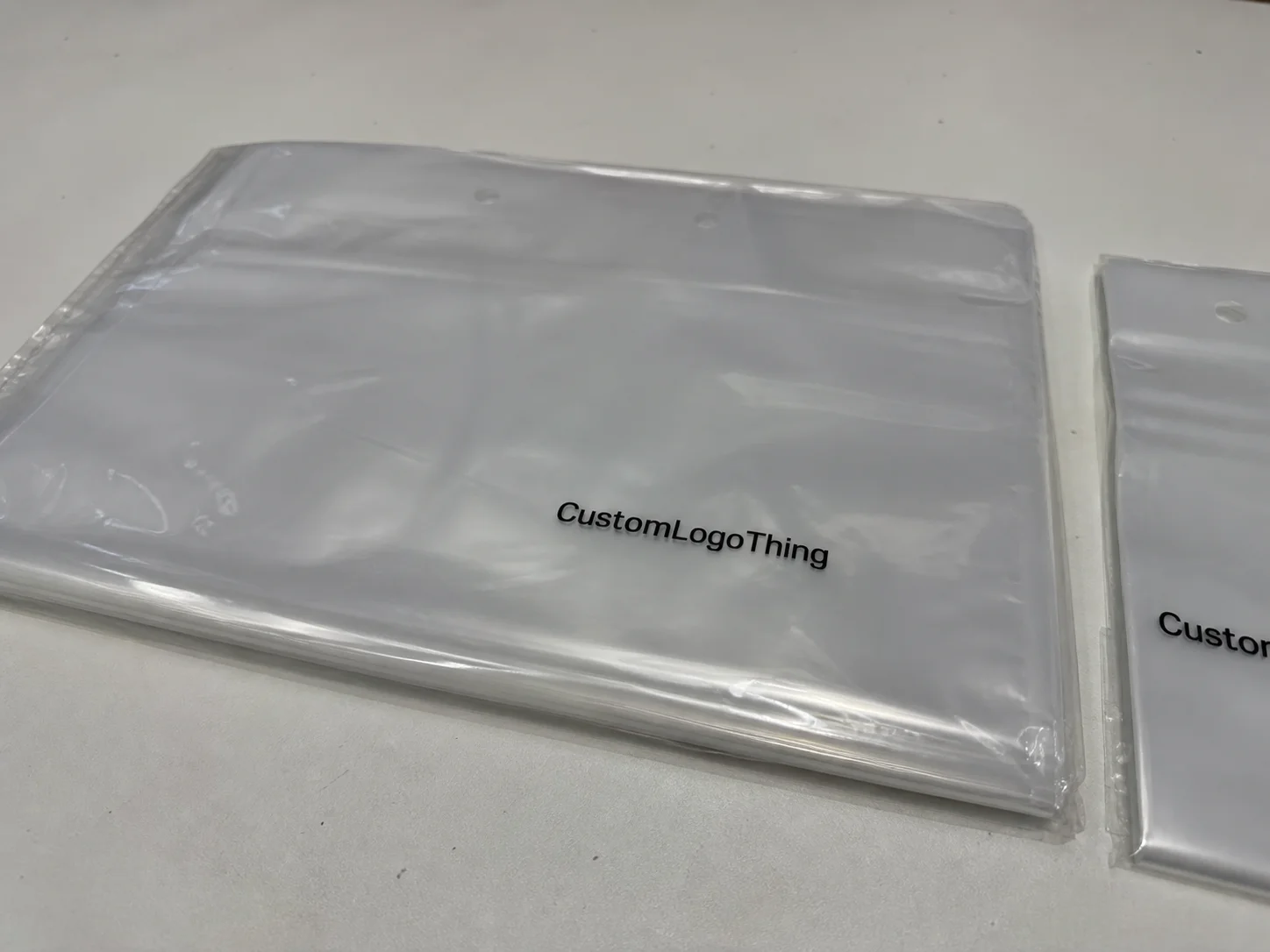
Buyer Fit Snapshot
| Best fit | Packaging Supplier Custom Printed projects where brand print, material claims, artwork control, MOQ, and repeat-order consistency need to be specified before quoting. |
|---|---|
| Quote inputs | Share finished size, material target, print colors, finish, packing count, annual reorder estimate, ship-to region, and any compliance wording. |
| Proofing check | Approve dieline scale, logo placement, barcode or warning zones, color tolerance, closure strength, and carton packing before bulk production. |
| Main risk | Vague material claims, crowded artwork, missing packing details, or unclear freight terms can make a low unit price expensive after revisions. |
Fast answer: Packaging Supplier Custom Printed: Quote Scope should be specified like a repeatable production item. The safest quote records material, print method, finish, artwork proof, packing count, and reorder notes in one written spec.
Production checks before approval
Compare the actual filled-product size with the drawing, then confirm tolerance on folds, seals, hang holes, label areas, and retail display edges. Reserve space for logos, QR codes, warning copy, and material claims before decorative graphics fill the panel.
Quote comparison points
Review material grade, print process, finish, sampling route, tooling charges, carton quantity, and freight assumptions side by side. A quote is only useful when the supplier can repeat the same color, closure quality, and packing count on the next order.
The first printed sample usually tells you more than a polished sales deck ever will. I’ve seen a packaging supplier custom printed project look perfect on paper, then fall apart the moment the first prototype came off press: weak folds, muddy black ink, and a logo that looked two shades lighter than the approved proof. On one run I reviewed in Dongguan, the sample box was quoted at $0.24 per unit for 10,000 pieces, but the first physical sample had a lid spring-back issue that added 4 extra seconds to every pack-out. That gap between promise and reality is where buyers either save money or lose a month. I remember one job where the box opened beautifully in the mockup and then arrived with a lid that popped back up like it had a mind of its own. Cute for exactly zero seconds.
For custom packaging projects, I’d frame the conversation this way: a packaging supplier custom printed order is not just ink on paperboard. It blends structure, branding, material science, production planning, and logistics. A good spec might use 350gsm C1S artboard for a folding carton, or 1200gsm greyboard wrapped in 157gsm art paper for a rigid box, depending on the product weight. Get those pieces aligned, and your packaging becomes part of the product experience. Miss them, and you end up with boxes that look cheap, ship badly, or quietly chew through margin with rework and freight surprises. Honestly, I think that last part is what makes people regret the project most. Not the box. The invoice after the box.
Packaging Supplier Custom Printed: What It Really Means
Here’s the simplest definition I use with clients: a packaging supplier custom printed service takes a plain packaging format and turns it into something built around your product, your brand, and your distribution model. That may include Custom Printed Boxes, mailers, folding cartons, sleeves, inserts, labels, inner trays, or full retail packaging with coatings and special finishes. In practice, I’ve seen this cover everything from a 250gsm kraft mailer for a skincare sampler in Los Angeles to a laminated rigid gift box assembled in Suzhou for a premium electronics launch. The supplier is not just applying graphics. They’re building a package that has to protect the item, present it well, and survive the channel it moves through.
The first surprise for many buyers is that the printed sample exposes technical competence fast. I remember a cosmetics client who had three suppliers quote a rigid box with foil stamping and a soft-touch finish. The presentations sounded nearly identical. The first prototype from one packaging supplier custom printed partner had lifting foil at the edges after a single die-cut pass. The other sample held crisp lines at a 0.5 mm registration tolerance. The sample was built in Shenzhen, and the approved production run came back at $1.36 per unit for 3,000 pieces with a 12-business-day turnaround after proof approval. Same promise, very different outcome. One looked luxury. The other looked like someone sneezed during production (which, fair, maybe they did).
There are three broad levels of packaging customization:
- Stock packaging — standard boxes or mailers with no printing, or only a simple label.
- Semi-custom packaging — stock structures with custom graphics, inserts, or selective finishing.
- Fully custom printed packaging — a structure and print layout designed for your exact dimensions, branding, and use case.
A packaging supplier custom printed program often starts in the middle and grows from there. A subscription brand may begin with printed mailer boxes and later move to fully custom inner packaging. A food brand might start with sleeves and labels before investing in a branded carton. In one case I handled in Chicago, a tea company began with a $0.19 printed sleeve on a stock tuck-end box, then upgraded six months later to a full custom carton once monthly volume hit 12,000 units. Honestly, I think that progression is smarter than jumping straight into a complex spec before the market proves demand. No need to build a palace before you know if anyone is moving in.
Why does custom printing matter so much? Because packaging is one of the fastest ways to communicate value. A 1-color brown box says something different from a 4-color carton with matte lamination, spot UV, and crisp typography. Customers notice that difference in less than three seconds. Retail packaging, especially, has to work as a silent salesperson. A salmon-pink cosmetic carton with a 90% coverage print and soft-touch finish can look like a $28 product on a shelf in Austin, while a plain kraft mailer can make the same item feel like a warehouse leftover. Branded packaging builds recognition, supports unboxing, and helps a product look intentional rather than improvised.
Who uses a packaging supplier custom printed service most often? E-commerce brands, cosmetics companies, specialty food producers, Subscription Box Businesses, gift packaging sellers, and premium retail product companies. I’ve also seen smaller startup teams order very modest runs because they needed credibility on launch day, not just protection in transit. That’s common. And fair. If your box has to do the talking before your brand has traction, it better not mumble. A startup in Portland once ordered only 800 units of a magnetic closure box because they were testing a $42 candle line at pop-ups. Small run, big pressure.
One more point: custom printing is both creative and operational. It affects artwork approvals, barcode placement, inventory planning, MOQ, storage, and freight. Treat it like a pure design exercise, and costs creep up. Treat it like a pure procurement exercise, and the brand suffers. The good packaging supplier custom printed conversation sits in the middle. If your carton is printing in Qingdao and shipping to Toronto, the supplier needs to account for pallet height, humidity, and sea freight timing—not just the logo size.
How a Packaging Supplier Custom Printed Process Works
A proper packaging supplier custom printed workflow usually follows a predictable path, even if the details vary by format. First comes consultation. Then comes the dieline or structure layout. After that, artwork review, proofing, sample production, approval, manufacturing, and shipping. That sounds tidy on paper. In practice, one revision to a barcode, one color correction, or one material substitution can add days. On a rigid box project I reviewed in Ningbo, a “small” switch from 157gsm art paper to 128gsm art paper changed the wrap tension enough to delay production by 6 business days. Sometimes a tiny “quick fix” turns into a three-email argument and a week of silence. Love that for everyone involved.
When I visited a converter outside Shenzhen, their production manager showed me a wall of sample pulls from different client stages. The digital mockups looked almost identical across projects. The physical samples did not. One carton needed a 0.25 mm crease adjustment because a magnetic closure sat too tight after lamination. Another needed ink density adjusted because the black panel dried glossy instead of matte. The supplier was running a 5,000-piece batch at $0.31 per unit for a bath product brand, and they caught the issue before full production. A good packaging supplier custom printed process catches those details before 20,000 units are on a truck.
To get an accurate quote, a supplier usually needs:
- Exact dimensions in millimeters or inches
- Product weight and fragility level
- Material preference, such as 300gsm artboard, corrugated E-flute, or rigid greyboard
- Print coverage, including inside printing if required
- Finishing choice, such as matte varnish, soft-touch lamination, foil, embossing, or spot UV
- Order quantity and reorder expectations
- Destination country and shipping method
That information matters because a packaging supplier custom printed quote with missing details is often just a placeholder. The real cost emerges once material grade, die lines, and finishing are confirmed. I’ve had suppliers send me quotes so vague they were basically decorative. Pretty formatting. Completely useless. One quote even listed “custom paper” as the material, which is about as helpful as saying a car is made of “vehicle stuff.”
Proof types also vary, and Buyers Need to Know the difference:
- Digital mockup — fast and useful for layout, text placement, and rough visual direction.
- Pre-production proof — a higher-fidelity sample that reflects print and structure more accurately.
- Physical sample — the closest test to final production, useful for fit, color, closure, and customer experience.
For a packaging supplier custom printed order, I usually push clients toward a physical sample whenever the packaging has a closure, insert, fold, or premium finish. A flat digital proof will not tell you how a magnetic flap feels or whether an insert rattles in transit. That’s a real issue, not a theoretical one. On a skincare launch I helped review in Ho Chi Minh City, the digital proof showed a perfect fit, but the physical sample revealed a 2 mm gap that caused the serum bottle to clink inside the carton. The number of “looks fine on screen” disasters I’ve seen is honestly embarrassing for the industry.
Typical timeline ranges
Simple projects can move in 10 to 15 business days from proof approval if the material is in stock and the artwork is final. More complex jobs take 20 to 35 business days, sometimes longer if the order needs custom tooling, unusual laminations, or imported board. A packaging supplier custom printed order with foil, embossing, and spot UV usually adds time, because each decoration stage needs its own setup and inspection. For example, a 7,500-piece folding carton using 350gsm C1S artboard, matte lamination, and foil stamping in Guangzhou often lands closer to 18 business days after proof approval, not the optimistic 5-day promise some sales reps toss around like confetti.
Timeline bottlenecks usually come from five places: artwork revisions, color matching, mold or tooling delays, supplier capacity, and freight congestion. I’ve seen a 7-day delay turn into 19 days because the buyer changed the logo size after proof approval. That is not rare. It is expensive. And yes, it usually happens right when someone in leadership says, “Can we just make it a little bigger?” On a Manila shipment I tracked, one last-minute barcode fix pushed ocean booking back 11 days because the cartons missed the weekly vessel cutoff.
“The sample looked great until we tested the drop resistance,” one operations manager told me after a failed mailer run. “The outer design was fine, but the insert split on the second drop.” That’s exactly why a packaging supplier custom printed project needs both branding review and functional testing. Their mailers were built in Vietnam with 32 E-flute corrugated board, and they still needed a stronger insert glue line after the first trial.
For performance testing, I look at whether the supplier references standards like ISTA for transport simulation or material testing aligned with ASTM methods. Not every project needs formal lab certification, but the supplier should know the language of testing if the packaging will ship long distances or carry fragile goods. If your packaging is going from a factory in Foshan to warehouses in New Jersey, a 1-meter drop test and compression review are not overkill. They’re common sense with a clipboard.
On the sustainability side, many buyers now ask for FSC-certified paper, recyclable board, soy-based inks, and lower-waste production. If that matters to your brand, bring it up early. A packaging supplier custom printed quote can shift significantly depending on whether you need virgin board, recycled content, or a specific certification trail. For reference, the FSC system is widely recognized for responsible sourcing claims. A supplier in Jiangsu once quoted an extra $0.03 per unit for FSC-certified 300gsm board on a 20,000-unit run, which was cheap insurance compared with losing a retail account over missing documentation.
Key Factors to Evaluate Before You Choose a Supplier
If you’re comparing a packaging supplier custom printed option, start with four quality checkpoints: print quality, color consistency, material strength, and structural integrity. Those four tell you more than a slick presentation deck ever will. The strongest supplier may not be the cheapest, but the one that keeps all four stable across a run of 5,000 or 50,000 units. On a 15,000-piece carton run I reviewed from Dongguan, the price difference between the cheapest and mid-tier supplier was only $0.05 per unit, but the cheapest option showed visible banding in the background color after 1,200 units. That’s how “savings” become paperwork.
Print quality is about sharpness, registration, ink saturation, and whether small text stays legible. In packaging design, tiny typography often exposes weak production control first. I’ve seen 6-point legal text blur badly on a carton because the board coating absorbed too much ink. The proof looked fine. The finished box did not. A good packaging supplier custom printed partner will warn you if the design pushes the print process too hard. If they don’t mention dot gain, ink trapping, or coating compatibility, keep your wallet in your pocket.
Color consistency matters even more when brand identity depends on a specific shade. If your brand blue shifts from one batch to the next, shelf recognition drops. For many branded packaging programs, buyers should ask whether the supplier uses Pantone matching, press calibration, and signed-off master samples. Don’t assume the answer is yes. Ask. Then ask again if the answer sounds slippery. A supplier in Shanghai once claimed “close enough” on a deep teal PMS match. It was not close enough. It was a different personality.
Material strength is often underestimated. A premium-looking box can still crush under a 2.5 kg product if the board grade is too light. A folding carton made from 250gsm C1S board behaves differently from a rigid box built with 1200gsm greyboard and wrapped art paper. A packaging supplier custom printed project should specify the product’s weight, shipping distance, and stacking pressure. Those numbers change everything. If your item is shipping from Shenzhen to Berlin by sea, a 0.8 mm board might hold the look but fail the stack test in a humid container.
Structural integrity means the box actually works. Tabs close cleanly. Inserts hold the item. The lid opens without tearing. The closure survives repeated use if the box is intended for retail display or gifting. I once sat in a supplier meeting where the sales team kept talking about “luxury feel,” but the sample insert only held the perfume bottle if it was turned 8 degrees to the left. That is not luxury. That is a future complaint. In real terms, if a customer needs two hands and a prayer to close the box, the structure needs a redo.
MOQ, or minimum order quantity, deserves attention too. Some packaging supplier custom printed vendors can support 500 units. Others need 5,000 or 10,000 before the economics work. If your brand is still testing product-market fit, a low MOQ protects cash. If you already reorder monthly, a higher MOQ may lower unit cost enough to matter. I’ve seen a 1,000-unit pilot in Taipei cost $0.62 per box, while a 10,000-unit reorder dropped to $0.21 because setup costs were spread properly.
| Packaging option | Typical starting MOQ | Approx. unit price | Best use case |
|---|---|---|---|
| Stock mailer with label | 100-250 units | $0.45-$1.10 | Early testing, small e-commerce launches |
| Semi-custom printed folding carton | 1,000-3,000 units | $0.18-$0.62/unit for 5,000 pieces | Retail products, subscription inserts, cosmetics |
| Fully custom rigid box | 500-2,000 units | $1.10-$4.80 | Premium gifting, electronics, luxury goods |
Those prices are directional, not universal. A packaging supplier custom printed quote depends on board grade, finishing, internal components, and freight. But the table shows why unit price alone can mislead buyers. A $0.22 box with a $480 setup fee may be worse value than a $0.29 box with lower tooling and better shipping density. On a 5,000-piece run, that difference can decide whether your landed cost stays under $1.00 or creeps to $1.24 before customs and last-mile delivery.
Sustainability is another decision point. Ask whether the supplier offers recyclable materials, FSC-certified paper, water-based coatings, soy-based inks, or source reduction options that reduce material use by 8% to 15% without hurting performance. Not every project needs every green claim. If sustainability is part of your brand promise, the supplier should be able to document it. A factory in Kunshan once showed me a recycled-content carton that cut board weight from 350gsm to 320gsm while keeping the same footprint and reducing freight cube by 6%. That’s the kind of detail that matters.
Communication is a hidden quality marker. A responsive packaging supplier custom printed team should answer in specifics: lead time, board grade, finish options, tolerance ranges, and shipping assumptions. If the reply is vague, that vagueness usually shows up later in the sample or the freight booking. “We can do it” is not an answer. “We can do it in 14 business days from proof approval using 350gsm C1S artboard, with matte lamination and a ±1 mm tolerance” is an answer.
For buyers building product packaging systems that will scale, I also ask one practical question: can this supplier keep the same standard six months from now? A supplier that changes board sources every quarter may create subtle differences in stiffness or surface texture. That matters in retail packaging, where consistency is part of the brand experience. If your launch box feels one way in March and another way in September, customers notice even if they can’t explain why.
Step-by-Step: Ordering from a Packaging Supplier Custom Printed
Ordering from a packaging supplier custom printed partner becomes much easier once you treat it like a controlled process instead of an informal back-and-forth. I’ve watched projects slip for weeks because the buyer sent three different dimensions in three different emails. That kind of confusion is completely avoidable. Also, somehow those emails are always titled “quick question.” Quick for whom? On a carton order I handled for a beverage brand in Singapore, one wrong height measurement changed the die line by 4 mm and forced a second proof. That cost 3 business days. Tiny error, real money.
- Define the goal. Are you protecting the item, improving shelf impact, supporting gifting, or reducing shipping damage? A packaging supplier custom printed order should start with one clear priority.
- Audit the product. Measure width, depth, height, weight, and breakage risk. For fragile goods, note whether the item needs an insert, tray, or void fill.
- Gather specifications. Prepare dielines, artwork files, barcode data, compliance copy, and finish preferences. If you need a matte finish with spot UV on the logo only, say that explicitly.
- Request comparable quotes. Send the same brief to at least three suppliers so you can compare a packaging supplier custom printed offer on equal terms.
- Review samples carefully. Check color, fold lines, closure fit, scuff resistance, barcode legibility, and whether the product rattles inside the package.
- Approve production in writing. Confirm quantity, lead time, shipping method, payment terms, and final approved spec before mass production starts.
- Inspect the first shipment. Measure a few cartons, compare them to the approved sample, and document defects within 48 hours if anything is off.
That sequence sounds basic, but it saves money. A packaging supplier custom printed project can fail at any one of those steps, and the failure is usually visible in the first box. Not the hundredth. The first. I’ve personally seen a 2,000-unit beauty carton job in Vietnam go sideways because the buyer approved the mockup before checking the insert depth, then discovered the serum bottle sat 6 mm too high and crushed the top flap.
What to include in your quote brief
Your quote brief should contain dimensions in millimeters, order quantity, product photos, target audience, shipping destination, and finish preferences. If possible, include a rough budget range. When a supplier knows whether you are targeting $0.35 per unit or $2.50 per unit, they can propose realistic materials instead of guessing. A supplier in Ningbo can spec a 300gsm C1S folding carton for a $0.28 target; they cannot magically build a foil-stamped rigid box for the same number unless they enjoy making impossible promises.
I also recommend including two or three reference images. One should show the style you like. One should show what you absolutely do not want. That avoids a huge amount of wasted sampling time for any packaging supplier custom printed job. It also saves you from the classic “that’s not what I meant” conversation, which is somehow always worse in person. If your brand wants a clean luxury look, say so. If you hate glitter, say that too. Nobody can read your mind through a PDF.
If you need other packaging components, review Custom Packaging Products alongside your core box spec. Sometimes a better outer box paired with a simpler insert gives you better total value than overbuilding every piece. I’ve seen a $1.80 rigid box paired with a $0.06 EPE insert beat a $2.40 all-in premium carton because the product stopped shifting in transit and the pack-out time dropped by 18 seconds per unit.
One client in the gift sector brought me a quote that seemed high at first: $3.15 per rigid box at 2,000 units. After we broke out the magnets, double-layer wrap, custom insert, and ocean freight, the landed cost was actually competitive. That’s why comparing just the headline number can mislead you. A strong packaging supplier custom printed decision depends on the total system, not one line item. The factory was in Suzhou, the destination was Vancouver, and the cheapest quote lost once we priced in air freight for a rushed launch.
Common Mistakes Buyers Make with Custom Printed Packaging
The most common mistake I see is vague specifications. A buyer says “small box, premium finish” and expects the supplier to fill in the gaps. That usually produces mismatched quotes, multiple revisions, and a frustrated schedule. A packaging supplier custom printed project should never rely on guesswork for size, board grade, or closure type. I had one brand in Melbourne ask for “luxury,” which in supplier language can mean anything from soft-touch lamination to full rigid construction. That ambiguity added 9 days to sampling.
Another mistake is ignoring print method limits. Offset printing, digital printing, flexo, and screen printing all behave differently. A rich photographic image may look great digitally but lose sharpness on certain board stocks. A metallic effect that looks beautiful in a mockup may require foil or cold transfer to reproduce properly. If the supplier says your design is too dense for the chosen process, listen. They’re not being dramatic. They’re saving you from a pallet of expensive regret. One supplier in Guangzhou told me a 4-color full-bleed design on 280gsm kraft would bleed at the edges unless we switched to coated stock. They were right. Annoyingly right.
Shipping and storage costs also get underestimated. A box that looks inexpensive at $0.28 per unit can become a storage burden if it ships flat at awkward dimensions or needs oversized cartons. In one factory-floor review, I watched a pallet count double because a client chose a non-standard insert that nested poorly. The unit cost was fine. The warehouse cost was not. When the packaging footprint jumped from 260 x 180 x 45 mm to 310 x 205 x 55 mm, the freight cube changed enough to add $420 on a single ocean shipment.
Approving digital artwork without checking structure is another expensive trap. A logo can sit perfectly on the screen and still land too close to a fold line once the dieline wraps. Barcodes can look clear online and still scan poorly if they’re placed near a curve or glossy edge. For any packaging supplier custom printed order, the artwork must be tested against real dimensions. I’ve seen a UPC print shifted by 3 mm and fail a warehouse scan in Dallas, which is a very boring way to blow a launch.
Budget creep usually comes from over-finishing, endless revisions, and quantity changes after the quote is issued. A buyer adds embossing, then foil, then soft-touch lamination, then a sleeve, and the cost jumps 40% before production begins. That’s not rare. It’s predictable. The last project I tracked went from $0.67 to $0.94 per unit because the team kept saying “just one more upgrade” like the invoice was a hobby.
Here’s a quick diagnostic checklist I use before release:
- Are the dimensions measured from the actual product, not an estimate?
- Has the print method been matched to the artwork style?
- Is the sample physically tested for fit and closure?
- Do we know the full landed cost, including freight and storage?
- Has the supplier confirmed lead time in writing?
If you can’t answer those five questions, the packaging supplier custom printed order is still too loose. Tighten the spec first. Then print.
Expert Tips for Getting Better Results and Better Value
The smartest packaging teams build a spec sheet and keep it updated. That one document can save hours every time you reorder. Include dimensions, substrate, finish, artwork versions, barcode rules, tolerance limits, and approved supplier notes. Then every packaging supplier custom printed quote starts from the same baseline. I’ve kept one master file that has survived five product launches, three countries, and a very opinionated finance team in Hong Kong.
Simplify where you can. A cleaner design can reduce setup costs without hurting brand impact. For example, moving from four special finishes to one well-placed finish may cut cost by 12% to 18% and make production more stable. I’ve seen brands spend heavily on decorative layers that customers barely notice. A strong typeface, accurate color, and good structure often do more than a pile of effects. The customer is not awarding you a medal for using every finish in the catalog. On a $15 candle box, that extra embossing can be the difference between a healthy margin and a painful one.
Pilot batches are another useful tool. If you’re launching a new SKU or entering a new channel, test 200 to 500 units before committing to a larger run. That lets you check customer feedback, assembly time, and shipping damage rates. A packaging supplier custom printed pilot can reveal issues that no proof will show. One beauty brand I advised tested 300 units in Atlanta and discovered the matte coating scuffed inside fulfillment totes; fixing that before the 10,000-unit run saved them about $1,900 in rework.
Ask about alternate materials and print methods when cost or lead time gets tight. A switch from rigid to folding carton, from full wrap to partial print, or from foil to metallic ink can preserve the look while reducing cost. Not always, but often enough to be worth asking. A supplier who thinks like an advisor will offer options instead of defending one expensive route. In one case, swapping 157gsm art paper for a 128gsm coated wrap reduced cost by $0.11 per unit and shaved 3 business days off production in Dongguan.
Negotiate around total value, not just unit price. Ask about:
- Sampling fees and whether they are credited back on order
- Revision allowances before artwork lock
- Freight terms and palletization
- Inventory planning for reorders
- Flexibility on future quantity changes
That’s where a good packaging supplier custom printed relationship pays off. The supplier should be willing to flag problems before production starts. If they notice the paper stock will scuff under a matte finish or the insert tolerances are too loose, that warning is valuable. It prevents waste, delays, and awkward client calls later. A supplier in Xiamen once flagged a 1.5 mm closure tolerance issue before tooling was cut; that single warning saved a $620 mold redo.
Honestly, I think the best suppliers are the ones who ask uncomfortable questions. They ask about transit lanes, retail display conditions, and whether the box needs to survive a 1-meter drop. That curiosity usually means they care about performance, not just selling a printed shell. If someone doesn’t ask where the goods are shipping, how they’re stacked, or whether the brand wants gloss or matte, they’re not advising. They’re taking orders.
What to Do Next After You Shortlist a Supplier
Once you have three potential partners, compare them on the things that actually matter: quality, communication, turnaround, sustainability, and value. I’d rank each packaging supplier custom printed option using a simple 1-to-5 score in those five categories, then add notes for sample quality and responsiveness. That keeps emotion out of the decision. In one sourcing review I ran for a skincare client in Seoul, the highest-scoring supplier wasn’t the cheapest; they were the only one who quoted a 14-business-day sample lead time and a 21-business-day production window without hedging.
Request the same brief from each supplier. Same dimensions. Same print coverage. Same finishing. Same destination. That is the only fair way to compare a packaging supplier custom printed proposal without accidentally favoring the one that guessed less ambitiously. If one quote includes 157gsm art paper, matte lamination, and foil while another assumes plain white board, you are not comparing suppliers. You’re comparing two different products.
Ask for a sample pack or physical prototype before you commit to volume. If the supplier cannot provide one, that does not automatically disqualify them, but it does mean you should be more cautious. A real sample tells you more about structural quality than a render ever will. I’d rather wait 5 extra business days for a hand-built sample in Shanghai than discover a closure problem after 8,000 units are on the water.
Before production starts, confirm these details in writing:
- Final dimensions and material spec
- Approved artwork version
- Quantity and overage allowance
- Lead time from proof approval
- Shipping method and delivery window
- Payment terms and invoice schedule
That paperwork might feel tedious. It is not. It’s protection against misunderstandings that can cost thousands of dollars. A packaging supplier custom printed purchase is easier to manage when every assumption is written down. If the quote says 5,000 pieces at $0.27 each and the delivery window is 12-15 business days after proof approval, everyone knows what success looks like.
From there, keep the discussion grounded in both brand goals and operational realities. The right package should make the product look stronger, ship safely, and scale with your business. If it does those three things, the supplier has done their job. A carton that looks great in Milan but collapses in a Leipzig warehouse is not a win. It’s a very stylish problem.
And if you’re still deciding, remember this: the best packaging supplier custom printed partner is not the one with the flashiest sales pitch. It is the one whose sample, spec sheet, and timeline hold up under pressure. That’s the difference between packaging that merely exists and packaging That Actually Works. I’ve seen it in factories from Shenzhen to Ho Chi Minh City, and the pattern is always the same: clear specs beat shiny promises.
Custom printed packaging should help your brand, not complicate it. Keep the conversation practical. Keep the numbers specific. Keep the sample in your hands before you sign off. That’s how you get better results from a packaging supplier custom printed relationship without paying for preventable mistakes. If a quote can’t tell you the board grade, the finish, the MOQ, and the lead time in plain numbers, it’s not ready for a purchase order.
What should I ask a packaging supplier custom printed before getting a quote?
Ask about minimum order quantity, print method, material options, sample availability, and lead time. Provide exact dimensions, artwork files, and finishing preferences so the quote reflects real production costs. Confirm whether freight, setup fees, and revisions are included in the estimate. A good starting brief usually includes product dimensions, a target unit cost like $0.25 to $0.60, and the destination city or port.
How long does a packaging supplier custom printed order usually take?
Simple orders may move quickly if artwork is ready and materials are in stock. More complex projects take longer because of proofing, sampling, color matching, and finishing steps. Ask for both sample lead time and full production lead time before approving the project. In many factories in Shenzhen, Dongguan, or Ningbo, production typically takes 12-15 business days from proof approval for a standard folding carton, while foil-stamped rigid boxes can take 20-30 business days.
Why do packaging supplier custom printed prices vary so much?
Pricing changes based on material grade, print complexity, finishing, quantity, and setup requirements. Small runs usually cost more per unit because fixed production costs are spread across fewer pieces. Landed cost matters more than unit price when shipping and storage are significant. For example, a 5,000-piece 350gsm C1S carton might quote at $0.18-$0.62 per unit, while a 1,000-piece rigid box with foil can land above $1.10 per unit before freight.
How can I tell if a packaging supplier custom printed is reliable?
Look for clear communication, detailed proofs, consistent sample quality, and realistic timelines. Reliable suppliers explain tradeoffs instead of promising the lowest price and fastest turnaround every time. Ask for references, past work examples, or a sample pack when possible. A supplier that can explain board grade, finish tolerance, and color matching in plain language is usually safer than one that only says “no problem.”
What is the biggest mistake brands make with custom printed packaging?
The most common mistake is approving artwork before checking structure, fit, and print limitations. Another major issue is choosing a supplier only on price and discovering hidden costs later. A strong spec sheet and sample review process prevents most avoidable errors. I’ve seen projects in Guangzhou and Suzhou lose two weeks because a barcode was placed too close to a fold line, so the scanner failed on the first shipment.