Buyer Fit Snapshot
| Best fit | personalized packaging for subscription box business for packaging buyers comparing material specs, print proof, MOQ, unit cost, freight, and repeat-order risk where brand print, material, artwork control, and repeat-order consistency matter. |
|---|---|
| Quote inputs | Share finished size, material target, print colors, finish, packing count, annual reorder estimate, and delivery region. |
| Proofing check | Approve dieline scale, logo placement, barcode or warning zones, color tolerance, and any recyclable or compostable wording before bulk production. |
| Main risk | Vague material claims, crowded artwork, or missing packing details can create delays even when the unit price looks attractive. |
Fast answer: Personalized Packaging for Subscription Box Business should be specified like a repeatable production item. The safest quote includes material, print method, finish, artwork proof, carton packing, and reorder notes in one written spec.
What to confirm before approving the packaging proof
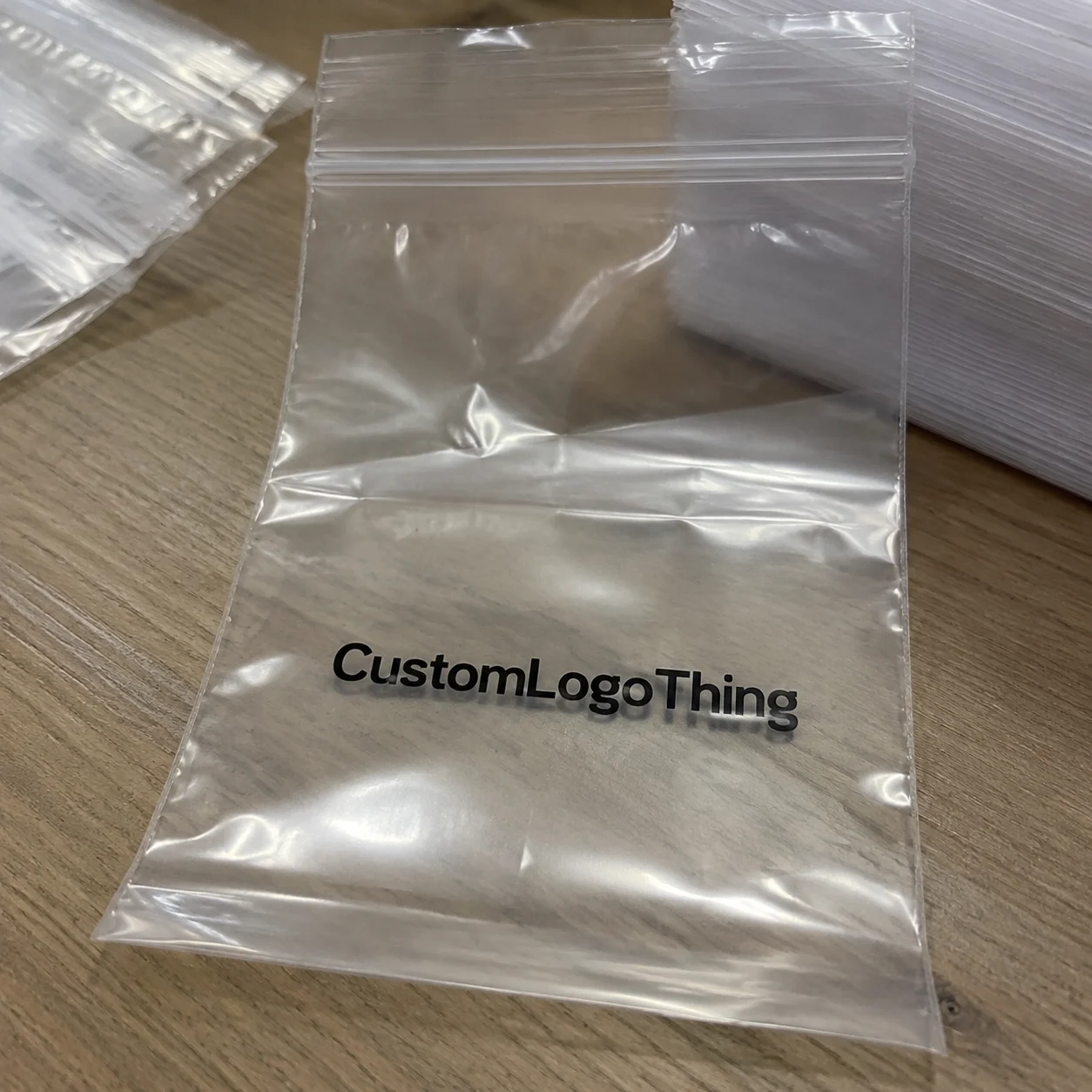
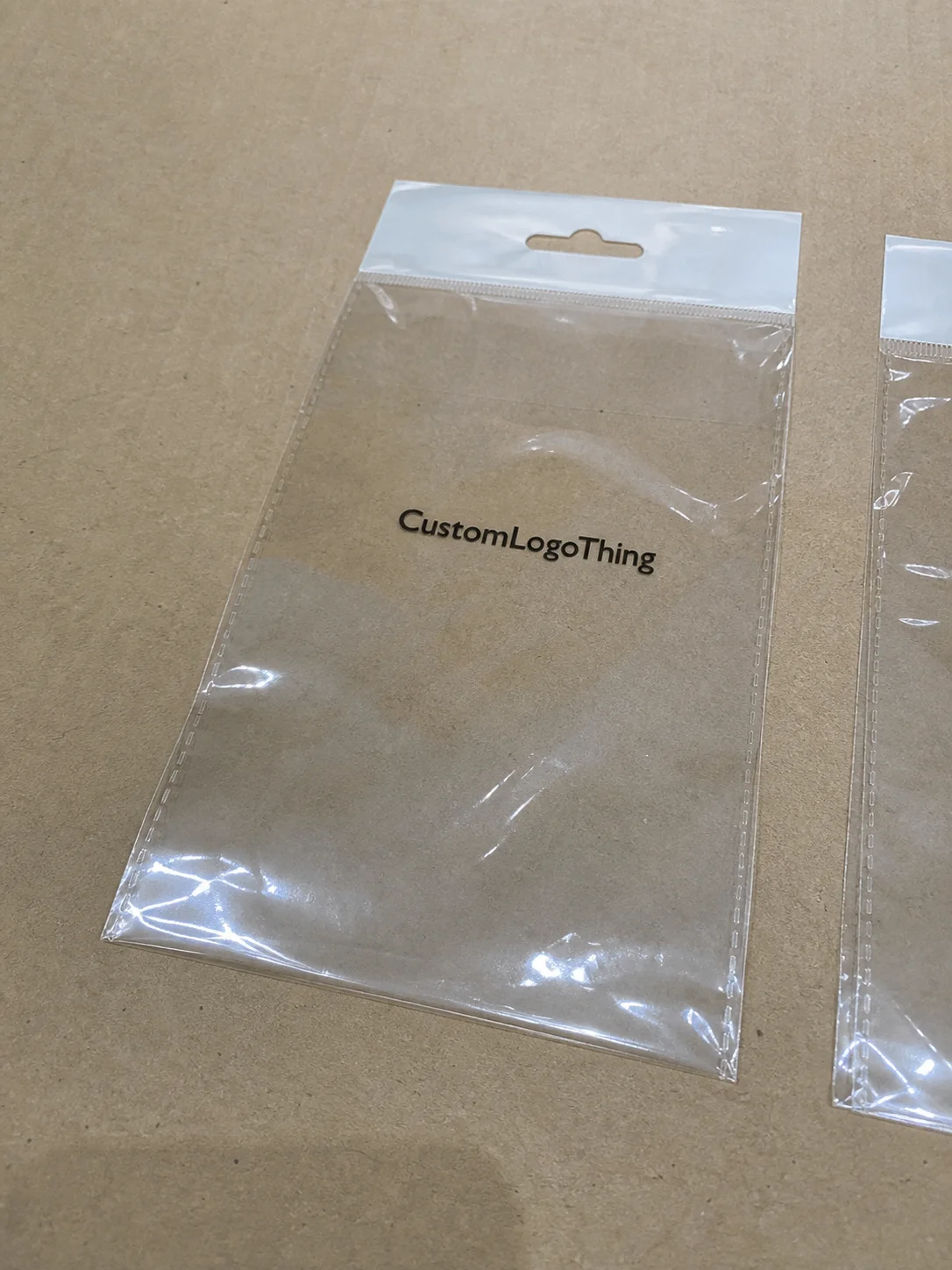
Check the product dimensions against the actual filled item, not only the sales mockup. Ask for tolerance on folds, seals, hang holes, label areas, and retail display edges. If the package carries a logo, QR code, warning copy, or legal claim, reserve that space before decorative graphics fill the panel.
How to compare quotes without losing quality
Compare board or film grade, print process, finish, sampling route, tooling charges, carton quantity, and freight assumptions side by side. A lower quote is only useful if the supplier can repeat the same color, closure quality, and packing count on the next order.
I’ve watched a $0.12 insert card make a subscription box feel like a $60 gift. That’s why personalized Packaging for Subscription Box business matters so much: one small change can shift the whole customer experience without blowing up your budget or turning your warehouse into a circus. On a 5,000-piece run, a simple name card might add just $0.08 to $0.15 per unit, which is a lot easier to swallow than a full rebrand and a storage nightmare.
I remember standing on a packing floor in Shenzhen, coffee in one hand and a sample box in the other, when the factory manager handed me two nearly identical cartons. One had a plain generic insert. The other had the subscriber’s name printed on the welcome card and a tier-specific message tucked under the tissue. Same board. Same ink. Same carton size. But the second one looked like someone actually cared. That’s the difference personalized packaging for Subscription Box Business can make. And yes, customers notice. Even the ones who swear they don’t care (they do). That job was quoted at $0.27 per unit on 8,000 pieces, and the supplier in Guangdong Province still hit the 14-business-day production window after proof approval.
Honestly, a lot of brands think packaging personalization means “put the logo bigger.” Cute idea. Wrong target. Real personalization is about branding, retention, referrals, and making the customer feel like the box was assembled with them in mind. That could mean branded packaging, custom printed boxes, a variable-print sleeve, or just a message card that speaks to the subscriber’s plan level and purchase history. For a 12-month wellness subscription I worked on, the team used one corrugated mailer, three insert versions, and a personalized belly band printed in Hangzhou, China, on 350gsm C1S artboard.
Personalized Packaging for Subscription Box Business: What It Really Means
Personalized packaging for Subscription Box Business means tailoring the outer and inner packaging elements to the subscriber, the product mix, or the box tier. That can include the corrugated mailer, tissue paper, inserts, labels, sleeves, stickers, and the little message card that lives on top of the product. It does not have to mean a fully custom rigid box with gold foil and magnetic closure. Sometimes it’s just a custom printed box with one variable element and a clean system behind it. A stock mailer with a $0.05 personalized label and a $0.09 printed insert can still feel deliberate if the design is tight.
Here’s the distinction most people miss: branded packaging says, “This is our company.” Personalized packaging says, “This box was made for you.” That difference matters because subscription customers buy on repeat. If your packaging feels generic after month two, the emotional lift drops fast. I’ve seen churn rates soften when a brand added a segmented insert for long-term subscribers, especially in beauty and wellness boxes where perceived value is part of the product. One client in Austin, Texas, used a loyalty-specific card for subscribers at month six and saw first-to-second-month continuity improve by 4.6% over a two-cycle test.
One of my first factory-floor lessons came from a women’s skincare client who wanted “more premium” packaging without changing the structure. We added a name-printed card, a soft-touch outer mailer, and a one-color inner print on the lid. Cost increase? About $0.23 per unit at 8,000 pieces from a factory in Dongguan, with proof approval to shipment taking 13 business days. Their unboxing videos jumped because people loved seeing their name inside the box. That’s personalized Packaging for Subscription box business in action: small, controlled, and measurable.
It also supports referrals. Customers share boxes that feel specific and thoughtful. A generic carton rarely gets filmed. A box with a clever message, a seasonal insert, or a tier-based surprise often does. That kind of package branding can raise perceived product value without changing the product itself. One snack brand I visited in Chicago, Illinois, added a seasonal first-order insert and got 31% more tagged social posts during the 10-day campaign window.
“We thought packaging was decoration. Turns out it was retention.” That was from a food subscription founder I worked with after they tested a personalized welcome insert and saw more first-to-second-month continuity. Their insert cost $0.11 each on 10,000 pieces, and the supplier in Ningbo shipped the job in 15 business days after artwork lock.
Personalization can range from variable-print touches to full custom structural packaging. At the simple end, you might use a stock mailer with custom labels and printed inserts. At the deep end, you might build a fully custom carton with multiple versions for different subscribers, SKUs, or seasonal campaigns. Both can work. The right choice depends on budget, fulfillment flow, and how much complexity your team can actually handle without making mistakes. In practice, I usually see brands start with one variable element on a 350gsm C1S artboard insert before moving to a full custom box run.
So no, personalized Packaging for Subscription box business is not just about making things look cute on Instagram. It’s a customer experience decision. It’s an operations decision. And yes, it’s a cost decision. Ignore any one of those and the math gets ugly quickly. I’ve seen a brand in Los Angeles spend $18,000 on foil and then forget to budget $0.14 per unit for the inner card print. The result was a gorgeous box and a very unhappy finance team.
How Personalized Packaging for Subscription Box Business Works
When people ask how personalized Packaging for Subscription Box Business actually gets made, I tell them it follows a very ordinary path: design, proofing, sampling, production, packing, and fulfillment. The only thing fancy is the variable content. Everything else still has to survive real-world logistics, pallet stacking, and someone on a packing line moving 800 boxes an hour. In one factory outside Shenzhen, I watched cartons get drop-tested from 76 cm because the client was shipping direct-to-consumer across the U.S. and didn’t want crushed corners at scale.
First, your packaging supplier needs the basics: finished dimensions, product weight, quantity, print method, number of versions, and where the personalized elements go. If you’re asking for custom printed boxes, they’ll also need dielines, artwork in vector format, and any Pantone references. Missing one of those can add a week. Sometimes two, if your team sends “final_final_v7” artwork. I’ve seen it. Painful. Also, please don’t do that to the poor prepress team. They are already one coffee away from mutiny. For a standard quote, I want to see carton size in millimeters, target quantity, and whether the structure is corrugated E-flute, B-flute, or a 350gsm folding carton.
Then comes the personalization logic. A subscription box can use subscriber name labels, seasonal inserts, tier-specific messaging, or SKU-based box versions. For example, a three-tier beauty program may use one outer box with three insert versions, while a meal kit brand may use the same box but different labels for gluten-free, vegetarian, and family plans. That is still personalized packaging for subscription box business, even if the base structure stays the same. A brand in Singapore I worked with used one mailer and four inner-card versions, all printed in a single run on a 3,000-piece MOQ, which kept the cost near $0.19 per unit for the variable card only.
The production workflow usually looks like this:
- Concept approval and budget sign-off
- Dieline confirmation and structural review
- Artwork build with variable content rules
- Sample print and structure mockup
- Revision cycle and proof approval
- Mass production
- Delivery to warehouse or fulfillment center
- Integration into packing SOPs
That sounds simple. It isn’t always. Delays usually happen when the dieline is wrong, the subscriber segmentation is not finalized, or the marketing team keeps changing copy after proof approval. In my experience, the fastest projects are the ones where ops, marketing, and packaging all get into the same room before anyone orders a single carton. Miraculous, I know. The cleanest projects I’ve managed moved from proof approval to finished goods in 12-15 business days at a factory in Foshan, with freight to California taking 5 more business days by ocean plus truck.
Here’s a timeline I’ve seen work for a clean rollout: 3-5 business days for concept and quote alignment, 2-4 days for dieline and artwork setup, 5-7 days for sample approval, 12-15 business days for production, and 3-6 days for freight depending on route. If you’re doing variable data printing or multiple box versions, add a few days. That is the reality behind personalized packaging for subscription box business. For a U.S. brand sourcing from Shanghai, I usually budget 24 to 31 calendar days end to end, assuming nobody changes copy after signoff.
The fulfillment team matters more than people think. Packaging and operations have to stay synchronized or the whole thing falls apart. If the warehouse receives 4 versions of a box but the pick list only shows one SKU, the result is chaos, customer complaints, and a lot of apologizing. I once watched a team in New Jersey spend half a day rebuilding their packing flow because the seasonal insert was sized 2 mm too wide for the tuck area. Two millimeters. That’s how fragile packaging operations can be. Packaging is funny like that: spend six figures on product development, then get ambushed by a flap that refuses to behave. Their fix was a 1.5 mm reduction in insert width and a switch to 320gsm board for the next print run.
For standards and testing, I like to see teams reference industry bodies such as ISTA for transit performance and EPA recycling guidance when sustainability claims matter. If you’re shipping fragile product packaging, testing against the right distribution profile saves money later. A drop test, compression test, and vibration test can be the difference between a clean launch and 400 crushed lids in a Dallas warehouse.
Subscription Box Packaging workflow with custom inserts, variable labels, and branded mailers on a packaging line" class="blog-content-img" loading="lazy">
Key Factors That Shape Cost, Quality, and Brand Impact
Pricing for personalized packaging for subscription box business is not one number. It’s a stack of choices. Box structure, print method, finishing, quantity, insert complexity, and shipping weight all pull the total in different directions. That’s why a quote for a simple printed mailer at 5,000 units can land around $0.38 to $0.72 each, while a rigid two-piece box with foil and custom inserts can jump to $2.40 or more per unit. Same brand. Very different bill. One wellness client in Portland ordered 7,500 mailers with a one-color interior print and landed at $0.41 per unit FOB Shenzhen; the same layout in rigid stock was quoted at $3.05 per unit in Seoul, South Korea.
The classic tradeoff is this: stock packaging with custom print costs less and moves faster, while fully custom structural packaging gives you more control over the unboxing. Neither is automatically better. If you’re shipping lightweight cosmetics, a well-printed corrugated mailer may deliver all the brand feel you need. If you’re selling a luxury apparel or jewelry subscription, a rigid box with a custom insert tray may be worth the higher price because the tactile experience supports the product positioning. Honestly, I think this is where a lot of brands get seduced by shiny things and forget the math. The box does not care about your mood board. It cares about board grade, glue line, and whether the freight carton holds up on a humid dock in Savannah.
Here’s a simple comparison I’ve used with clients who needed personalized packaging for subscription box business but didn’t know where to spend.
| Packaging Option | Typical Cost Range | Best For | Pros | Tradeoffs |
|---|---|---|---|---|
| Printed mailer box | $0.38-$0.85/unit at 5,000+ | Beauty, snacks, apparel | Lower cost, lighter shipping weight, easy fulfillment | Less premium feel than rigid packaging |
| Custom corrugated box with inserts | $0.72-$1.60/unit at 5,000+ | Mid-range subscription brands | Good protection, strong branding, flexible layouts | More setup time, insert complexity adds labor |
| Rigid box with specialty finish | $2.40-$6.00/unit at 3,000+ | Luxury, gift, premium tiers | Strong perceived value, high-end unboxing | Heavier, higher freight, more storage space |
Print finishes can make a box feel expensive, but they can also become overpriced glitter if used badly. Matte lamination gives a soft, modern look. Gloss adds punch. Foil stamping works when you want a specific accent, not when you want to cover every inch like a hobby craft project. Embossing and spot UV are great on logos or focal points. Soft-touch lamination feels premium but can scuff if your warehouse handles the boxes roughly. That matters. On one 6,000-unit run in Dongguan, we switched from full soft-touch to soft-touch on the top panel only and cut the unit cost by $0.06 without losing the premium feel.
Material choice influences both durability and customer perception. For beauty and cosmetics, I often recommend 300gsm to 350gsm artboard with a rigid sleeve or corrugated mailer depending on the shipment weight. For food subscriptions, grease resistance and safe inks matter more than dramatic finishes. For apparel, fold strength and storage efficiency can be more important than anything decorative. Again, personalized packaging for subscription box business should fit the product, not just the mood board. A 350gsm C1S artboard insert in a mailer box works well for lightweight cosmetics, while a 32ECT corrugated mailer is better if you’re shipping a heavier mixed SKU box from a fulfillment center in Atlanta.
Sustainability is another budget line, not a free bonus. Recycled content, FSC-certified paper, and recyclable inks can raise costs slightly, usually by 5% to 18% depending on sourcing and print complexity. If your brand promises eco-friendly retail packaging, back it up with the right materials. FSC-certified stock is a real signal, and you can verify suppliers through FSC. Don’t slap “green” on the box if the lamination makes it unrecyclable in your target market. Customers notice that stuff now, and they will absolutely tell you about it in a one-star review. A recycled kraft mailer in Ontario, Canada, may cost $0.04 more per unit than virgin stock, but it often saves you grief in customer trust.
To quote accurately, suppliers need details. Not vague “premium box” talk. They need dimensions, quantity, number of artwork versions, finish type, product weight, destination, and whether fulfillment will happen in-house or through a 3PL. When buyers skip those details, the quote becomes a guess. And guesses cost money. In one negotiation with a cosmetics supplier in Xiamen, adding the actual insert count and carton weight cut the estimate error by almost 14%. That’s the difference between a real plan and a pretty spreadsheet. It also helped the supplier quote freight separately at $0.07 per unit instead of hiding it inside the box price like a magician with a calculator.
Step-by-Step Process to Launch Personalized Packaging for Subscription Box Business
If I were building personalized packaging for subscription box business from scratch, I’d start with the customer experience, not the artwork. Pretty graphics won’t save a weak unboxing flow. A box has to protect the product, fit the warehouse process, and make the subscriber feel seen. That order matters. A Miami beauty brand I advised spent three weeks perfecting foil color before discovering their insert was blocking the product tray by 4 mm. That was a fun meeting. For everyone else.
Step 1: Audit the current unboxing experience. Open one of your existing boxes and be honest. What does the customer see first? Where does the product shift during transit? Does the message feel generic? If you’ve got damage complaints or dull social media response, the packaging may be part of the problem. I’ve sat in client meetings where the brand team thought the issue was product quality, but the real problem was a bland opening experience and a box that arrived looking tired. Put the current box on a table, measure the lid gap, and note whether the fill line sits above or below the 15 mm threshold you actually want.
Step 2: Map the segments. Subscription programs often have tiers, seasonal rotations, and customer groups with different expectations. A 12-month loyalty subscriber should not receive the exact same insert as a first-time buyer if you want retention to feel intentional. This is where personalized packaging for subscription box business gets smart: you decide what varies and what stays fixed. Keep one core structure. Change the message where it matters. If you have three segments and one seasonal campaign, that’s four content rules, not 14 random ideas from marketing Slack.
Step 3: Choose the packaging format. If the product is fragile, choose protection first. If it’s gift-oriented, choose presentation first. If storage space is tight, avoid oversized rigid boxes. Your packaging format has to fit both the product and the warehouse rack. I’ve seen brands overspend on a beautiful box that added 18% to freight costs because nobody measured stack height early. That’s not branding. That’s self-inflicted pain. For reference, a corrugated mailer from a factory in Foshan can ship flatter and usually costs less to store than a rigid setup with a two-piece lid.
Step 4: Build a content system. This is where many teams get sloppy. Variable elements need rules. Which name format will you use? What happens when a subscriber has a nickname, or no name at all? What seasonal copy gets approved? What tier gets which insert? Create a copy matrix before production. Otherwise, personalized packaging for subscription box business turns into a proofreading marathon. And nobody wakes up excited for that. I like to see the content system locked at least 7 business days before proof approval, especially if there are 2 to 4 variable cards in the same job.
Step 5: Request samples. Always. A digital mockup is not a sample. A sample is where the truth shows up. Check the board thickness, print alignment, ink density, tape score lines, and how the inserts sit inside the shipper. In one Shenzhen sampling session, we caught a sleeve that looked fine in renderings but bowed under humidity after 48 hours. That would have been a disaster in summer freight. I also check scuff resistance with a quick rub test and confirm that the fold lines still behave after the box sits stacked for 24 hours.
Step 6: Plan inventory and warehouse instructions. Tell your fulfillment team exactly how the boxes arrive, how many versions there are, and where each version lives. Write a packing SOP. If you’re using multiple box SKUs, label them clearly. If the packaging team has to decode mystery cartons during peak volume, the process will break. Personalized packaging for subscription box business needs organized storage, not hope. In one New Jersey warehouse, we used color-coded shelf labels and reduced picking errors by 22% in the first month.
Step 7: Test a small rollout. Start with one shipment cycle or a limited subscriber segment. Measure damage rates, customer support tickets, retention, and social shares. If the personalized element earns more repeat orders or fewer complaints, scale it. If not, adjust. Packaging should earn its place on the P&L. A 1,000-box pilot in Denver can tell you more than a polished deck with six mockups and no warehouse feedback.
To keep the rollout clean, I like a simple project timeline:
- Week 1: Audit, goals, supplier brief
- Week 2: Dieline and artwork setup
- Week 3: Sample review and revisions
- Week 4-5: Production and transit
- Week 6: Warehouse integration and first launch
That pace can compress if you’re using a standard structure and already have print-ready art. It can stretch if your brand is still debating whether the inside print should be navy or black. I’ve watched that debate drag for nine days. Nine. For a color inside a box nobody sees until they open it. Welcome to packaging. If the supplier is in Suzhou and you approve artwork by Wednesday, a straightforward mailer run can still land in your warehouse by the end of week five.
Subscription Box Packaging launch with dielines, samples, labels, and fulfillment-ready cartons" class="blog-content-img" loading="lazy">
Common Mistakes with Personalized Packaging for Subscription Box Business
Most expensive mistakes with personalized packaging for subscription box business are boring mistakes. Not dramatic ones. Not “the factory burned down” mistakes. More like “we forgot the lid height changed after the product sample” mistakes. That kind of thing. One client in Philadelphia lost a full week because the final filler pouch was 6 mm taller than the prototype and nobody updated the insert drawing.
First mistake: too many design elements. Brands get excited and add foil, spot UV, embossed logos, a patterned insert, a custom sticker, and three messages. Now the box looks busy, not premium. Good packaging design has hierarchy. Your eye should land somewhere specific. If everything screams, nothing speaks. I’ve had clients strip out two finishing effects and suddenly the box looked $20 better, not worse. On a 4,000-unit run, removing one unnecessary foil pass saved $0.17 per unit and made the box easier to recycle.
Second mistake: ignoring fulfillment reality. A mockup is flat. A warehouse is not. If the packaging is hard to fold, hard to label, or easy to misorient, the line slows down and error rates rise. I once worked with a subscription beauty brand that loved a tucked flap design until their 3PL told them it added 11 seconds per box. Multiply that by 30,000 units. Now you’ve got labor overruns and a very annoyed ops manager. Their new design used a front lock tab and shaved the pack time to 6 seconds per box.
Third mistake: ordering before finalizing dimensions. This one hurts because it’s avoidable. If your product fill changes even 3 to 5 mm after sample approval, the insert tray may no longer work. Reprints are expensive. Rework is worse. Personalized packaging for subscription box business only saves money when the specs are locked. I always want final product measurements in millimeters and a signed-off prototype before mass production starts.
Fourth mistake: underestimating shipping weight. Specialty board, rigid packaging, and thick inserts can make freight jump faster than expected. I’ve seen a box upgrade add $0.19 in unit cost and another $0.11 in outbound shipping. Small on paper. Huge at 20,000 subscriptions a month. That’s why product packaging has to be evaluated as a system, not a single item. A client shipping from Louisville, Kentucky, cut annual freight by $14,300 after switching from a heavy rigid insert tray to a lighter 32ECT corrugated divider.
Fifth mistake: sloppy variable data proofing. If you are printing names, tier labels, or seasonal copy, every field needs a proof. Every field. One swapped subscriber name can turn a feel-good unboxing into a customer service headache. It only takes one screenshot to make the brand look careless. The internet loves a packaging fail. Tragic, but true. I recommend a 2-person proof check on every variable file, especially if the data export has more than 500 rows.
Sixth mistake: paying for premium finishes everywhere. Foil on the logo can be smart. Foil on every line of text? No. Use the budget where the customer actually notices. Put the money on the outer box, the top insert, or the first touchpoint. Personalized packaging for subscription box business works best when the spend is visible and strategic. A $0.09 spot UV pass on the logo often does more than a $0.31 blanket gloss treatment on the entire panel.
The good news is these mistakes are easy to avoid when you treat packaging like part of operations, not a side quest for marketing. Talk to the supplier early. Talk to the warehouse early. Measure everything twice. Then measure again because somebody will still move a dimension by accident. Humans are consistent only in their ability to make tiny, expensive mistakes. I’ve seen a 1 mm board tolerance issue create 2,000 misfolded cartons in a single production day in Guangzhou.
Expert Tips to Improve Personalized Packaging for Subscription Box Business
If you want personalized packaging for subscription box business to actually improve retention, start where the customer touches the box first. That usually means the outer mailer, the top insert, or the welcome card. Those are your high-impact surfaces. A clever inner panel is nice, but the first three seconds matter more. If your box lands on a doorstep in Boston at 8:00 a.m., the exterior has to carry the brand before the lid ever opens.
Use modular packaging systems. One base design can support multiple campaigns if you plan it right. For example, a single custom printed box can carry different seasonal belly bands, tier-specific inserts, or regional sticker labels. That’s a lot easier than redesigning the whole structure every quarter. It also helps your supplier hold better pricing because the base tooling stays stable. I’ve seen brands keep their box cost at $0.44 per unit by reusing one dieline across three campaigns in the same year.
Keep one variable element per box when you can. If you personalize the outer box, keep the insert generic. If the outer box is fixed, make the insert personalized. One variable touchpoint is usually enough to create perceived exclusivity without complicating production. This is a lesson I learned after a client insisted on four variable elements and then wondered why the fulfillment center wanted to charge more. Fair question. Bad plan. Their pack time increased by 9 seconds per box and their error rate doubled during the first week.
Get samples early and test tolerances. Don’t just check the artwork. Check how the board behaves. A 350gsm C1S artboard with matte lamination will feel different from a 32ECT corrugated mailer. In humid shipping lanes, that matters. Also check how the insert sits after vibration testing. I like to see a box survive a basic transit simulation before I recommend scale-up. That’s where ISTA-style thinking pays off. On a run out of Ningbo, we caught corner crush before production and saved the client from reprinting 12,000 sleeves.
Track the numbers. Personalized packaging for subscription box business should be measured, not admired. Look at retention from month one to month three, unboxing shares, damage rates, return complaints, and average order value. If the packaging adds $0.35 per unit but saves one churned customer every 20 boxes, you might have a winner. If it just looks nice and nobody notices, rethink it. A simple A/B test across 2,000 subscribers can tell you whether the new insert is lifting retention by 2% or just eating budget.
Negotiate beyond the per-unit price. A cheap box price can hide expensive freight, high minimums, or poor print consistency. Compare quotes from Custom Packaging Suppliers on the total landed cost, not just the headline number. I’ve watched buyers save $0.08 on the box and lose $0.14 in shipping because they ignored cube size. That’s not a savings. That’s a trap with a spreadsheet. Ask for freight terms, carton counts per pallet, and whether the quote assumes FOB Ningbo, EXW Dongguan, or delivered to your warehouse in Ohio.
For buyers building a new packaging design program, I usually recommend checking our Custom Packaging Products selection alongside supplier samples so you can compare structure, print, and finish options side by side. Seeing the difference physically beats staring at a PDF every time. A physical sample in your hand tells you more than a 3D render ever will, especially when you’re deciding between a 300gsm folded carton and a 1.5 mm rigid board.
Personalized packaging for subscription box business works best when it feels intentional, not overworked. One sharp detail beats five mediocre ones. Every time. I’d rather see a single clean name card in a well-built mailer than a box trying to do six jobs and failing three of them.
What to Do Next: Build a Smarter Packaging Plan
Before you place an order, write a one-page brief for personalized packaging for subscription box business. Keep it plain. Box size. Monthly quantity. Product weight. Target customer. Personalization needs. Budget range. Warehouse setup. The clearer the brief, the fewer surprises later. If you can include board grade, print finish, and destination city, even better. A supplier in Shenzhen can quote a 5,000-piece mailer faster when they know it’s shipping to Toronto than when they’re guessing.
Then gather 2-3 sample references. Not just pretty boxes. Actual references that show what you want customers to feel. Do you want premium? Friendly? Clean? Giftable? Durable? Put words on paper. I’ve had clients say “modern” when they meant “minimal with a soft tactile finish and one accent color.” That’s a lot more useful than one vague adjective and a prayer. If you can attach a box from Tokyo, London, or Seoul that has the right unboxing feel, do it. Physical references cut revision rounds fast.
Ask suppliers for a quote that splits out structure, print, inserts, and finishing. You need to see where the money is going. A $1.10 quote with $0.45 in printing and $0.35 in inserts tells you a lot more than a flat number. That transparency makes it easier to decide whether to trim a finish, simplify the insert, or reduce the box version count. It also helps you compare a 3,000-piece run against a 10,000-piece run without pretending they are the same thing.
Test one personalized element first. Don’t rebuild the entire system on day one. Maybe it’s a name-printed card. Maybe it’s a seasonal insert. Maybe it’s a branded sleeve. One measured upgrade can show you whether the investment makes sense before you scale up. I’ve seen brands spend $8,000 on a full packaging overhaul and get less lift than a $600 personalized insert test in the first quarter.
Set a timeline with real handoff dates. Sampling, revision, approval, production, delivery, warehouse rollout. Put names next to tasks. Packaging projects fail when everybody assumes somebody else is driving. The smart move is boring: plan the schedule, assign ownership, and keep the artwork locked once approved. If your proof comes back from the factory in 12 business days, respond in 24 hours, not 4 days later after the marketing meeting drifts into snack territory.
In my experience, the brands that win with personalized packaging for subscription box business are the ones that treat packaging like part of the product, not a decorative afterthought. That means fewer surprises, cleaner operations, and better customer experience. It also means your box earns its keep. A well-built box from Dongguan, a clear insert system, and a warehouse team that knows the SOP can do more for retention than another round of vague brand language.
If you want to start small, that’s fine. Start with one better insert, one cleaner outer box, and one process your warehouse can actually execute. Then build from there. That’s how real packaging systems grow. A 1,000-box pilot in Phoenix can turn into a full subscription program if the numbers make sense and the line runs clean.
What is personalized packaging for subscription box business, exactly?
It means customizing packaging elements like boxes, inserts, labels, and cards to reflect the subscriber, brand, or box tier. It can be simple personalization or fully custom packaging depending on budget and order volume. The goal is to make the unboxing feel intentional, not mass-produced. A $0.09 name card or a tier-specific insert can be enough to change the experience.
How much does personalized packaging for subscription box business usually cost?
Cost depends on quantity, material, print method, box size, and finishing. Simple printed mailers are usually cheaper than rigid custom boxes with foil or embossing. Your total cost also changes with inserts, shipping weight, and how many versions you need. On a 5,000-piece order, a printed mailer might land around $0.38 to $0.72 per unit, while a rigid box can go from $2.40 to $6.00 per unit.
How long does personalized packaging production take?
Timeline depends on sampling, proofing, print method, and order size. Delays usually happen during artwork approval or when dimensions are not finalized early. A clean process with fast approvals moves much faster than a messy back-and-forth. In many cases, production runs 12-15 business days after proof approval, plus 3-6 business days for freight.
What packaging elements should I personalize first?
Start with the outer box, then add a welcome card, insert, or tissue wrap. These touchpoints create the strongest first impression without exploding production complexity. Personalize the parts customers see and handle most. A simple first step might be a custom label or a 350gsm C1S artboard insert with one variable message.
How do I avoid mistakes with personalized packaging for subscription box business?
Finalize dimensions before ordering. Keep personalization simple enough for your fulfillment team to execute consistently. Proof every variable detail and test a small batch before scaling. I also recommend checking board thickness, transit tolerance, and warehouse packing time before you approve mass production.
Personalized packaging for subscription box business is not a vanity project. It’s a retention tool, a brand signal, and an operations decision wrapped into one box. If you plan it carefully, you get better unboxing, better perceived value, and fewer warehouse headaches. If you rush it, you get expensive cardboard and regret. I know which one I’d pick. A 5,000-piece run in the right city, on the right board, with the right insert, is a lot cheaper than fixing a bad launch after the boxes are already on a truck.