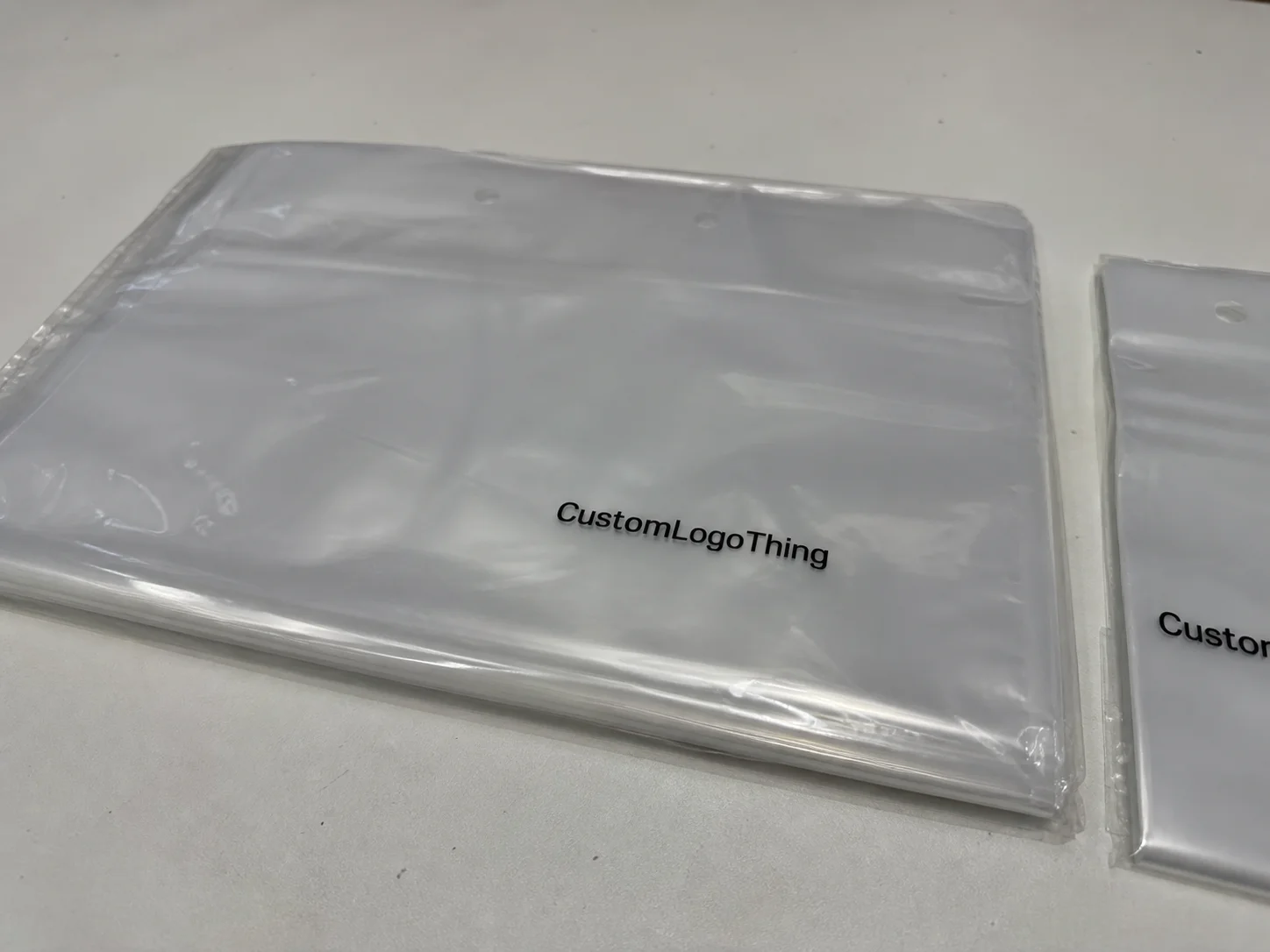
Buyer Fit Snapshot
| Best fit | Packaging Supplier Selection projects where brand print, material claims, artwork control, MOQ, and repeat-order consistency need to be specified before quoting. |
|---|---|
| Quote inputs | Share finished size, material target, print colors, finish, packing count, annual reorder estimate, ship-to region, and any compliance wording. |
| Proofing check | Approve dieline scale, logo placement, barcode or warning zones, color tolerance, closure strength, and carton packing before bulk production. |
| Main risk | Vague material claims, crowded artwork, missing packing details, or unclear freight terms can make a low unit price expensive after revisions. |
Fast answer: Packaging Supplier Selection: Production Spec, Color Control, and Delivery Risk should be specified like a repeatable production item. The safest quote records material, print method, finish, artwork proof, packing count, and reorder notes in one written spec.
Production checks before approval
Compare the actual filled-product size with the drawing, then confirm tolerance on folds, seals, hang holes, label areas, and retail display edges. Reserve space for logos, QR codes, warning copy, and material claims before decorative graphics fill the panel.
Quote comparison points
Review material grade, print process, finish, sampling route, tooling charges, carton quantity, and freight assumptions side by side. A quote is only useful when the supplier can repeat the same color, closure quality, and packing count on the next order.
Packaging Supplier How to Choose is one of those decisions that looks tidy on a spreadsheet and turns messy in the warehouse if you get it wrong. I’ve stood on more than one corrugated line in Shenzhen, watched a buyer celebrate a quote that was $0.03 per unit lower than the competition, and then seen the same buyer call back 10 business days later because the flaps were mis-creasing, the print was drifting by nearly a Pantone shade, and the cartons were arriving flat-packed but unusable. That kind of “savings” makes the finance team smile for a week and the operations team pay for it for a quarter. Packaging supplier how to choose is really about finding a partner who can protect your margins, your launch date, and your brand at the same time, whether your goods are going into a 200-count retail shipper or a 5,000-piece launch run.
Most buyers still start in the wrong place. They ask, “What’s the unit price?” before they ask, “Can this supplier actually make the box I need?” If you sell scented candles, supplements, electronics, or apparel, the answer changes based on board grade, print method, closure style, coating, and shipping stress. I remember one buyer who wanted a luxury sleeve for a candle line and kept comparing it to a plain mailer quote of $0.11 per unit for 10,000 pieces, which was never going to hold the candle glass or protect the fragrance label. A good packaging supplier how to choose process starts with your product reality, not with a random quote pulled from a template in Guangzhou or Ningbo.
Packaging Supplier How to Choose: What Actually Matters
When people say packaging supplier, they may mean a distributor, a broker, or a true manufacturer, and that distinction matters more than most buyers realize. A distributor often buys from multiple plants and resells; a broker may connect you to a factory but stay in the middle of communication; a manufacturer controls the board, printing, converting, and scheduling under one roof. In packaging supplier how to choose, that difference affects your pricing control, your lead times, and how fast a problem gets solved when a die-cut goes wrong or an ink batch shifts. A plant in Dongguan with its own corrugator and die-cut line can usually answer faster than a middleman in Hong Kong waiting on a back-and-forth with three subcontractors.
On a factory floor, the cheapest quote often turns into the most expensive mistake once you add defects, rework, freight rebooking, and the labor cost of repacking 8,000 units. I’ve seen a retail packaging program for a personal care brand where the buyer saved $0.04 per unit on paperboard, then lost nearly $3,200 in chargebacks because the cartons failed a drop test at the distribution center in Dallas, Texas. The supplier looked cheap on paper; the total cost was a different story. That is the heart of packaging supplier how to choose: compare the full landed value, not just the line item.
Packaging supplier how to choose also means matching the supplier to the job. A plant that runs high-volume corrugated shippers all day may not be the best fit for a rigid setup box with foil stamping, embossing, and a soft-touch lamination. A boutique shop that excels at luxury packaging may not have the speed or cartonization discipline for a 50,000-piece e-commerce run. I’ve visited facilities in Shenzhen where the converting line was excellent, but the prepress team was thin; the result was beautiful product packaging with repeated file corrections and two extra days of sign-off on every round. Good fit matters. Bad fit is how people end up sending three “urgent” emails before lunch and still not getting a straight answer.
“We thought we were buying boxes. We were really buying schedule control, print consistency, and someone who would answer the phone when the pallet count was short.”
That quote came from a buyer I worked with during a seasonal rush in June, and it still sums up packaging supplier how to choose better than any checklist alone. You are not only buying boxes, mailers, or cartons. You are buying compliance support, packaging design guidance, and the ability to keep your brand promise intact from first sample to final pallet. In practical terms, that could mean a plant that keeps 350gsm C1S artboard in stock in Foshan, or a converter in Ho Chi Minh City that can rerun a corrected proof in 48 hours instead of waiting a week.
How the Packaging Supply Process Works
The packaging supply process usually starts with an inquiry, but the quality of that inquiry changes everything. If you send a supplier only a rough size and a logo, you may get a fast quote and a weak outcome. If you send exact dimensions, product weight, closure style, shipping environment, artwork files, and target annual volume, you force the supplier to think like an engineer. That is a better starting point for packaging supplier how to choose. I wish more buyers did this from the beginning; it would save everyone from the classic “we forgot to mention the insert” scramble that can add $120 in rush sample costs and three lost days.
The first real step is usually a dieline or spec review. For custom printed boxes, a good supplier checks board thickness, score direction, glue areas, and how the product sits inside the structure. For folding cartons, I always want to see whether the art wraps correctly across folds, especially on reverse tuck end and auto-bottom styles. For corrugated shipping cartons, the flute profile and box compression strength can make or break performance. A supplier that catches a structural issue before production begins saves you money twice: once in material waste and once in time. On a 20,000-unit run, avoiding even a 1.5% defect rate can save 300 cartons and the labor to rebuild them.
Then comes material selection. Paperboard, corrugated board, and rigid setup board each behave differently on press and on the line. A 350gsm C1S artboard with aqueous coating feels very different from a 2mm grayboard wrapped in printed art paper. In packaging supplier how to choose, the supplier should explain those differences in plain language and not hide behind jargon. You want someone who can say, “This mailer will crease well at 28 ECT, but if you want heavy inserts we should move to a stronger board,” instead of shrugging and hoping it works. Hope is not a sourcing strategy, no matter how many people say it with a straight face.
Printing and finishing follow. Flexographic printing is common for corrugated, especially when the artwork is bold and the run is long. Offset printing is the workhorse for folding cartons and many premium retail packaging programs because it gives crisp detail and tighter color control. Litho lamination is often used on premium boxes when a high-end printed sheet is laminated to corrugated or rigid board for a richer look. Foil stamping, embossing, spot UV, debossing, and matte or soft-touch lamination can all add brand value, but they also add time and risk if the files or tooling are not prepared correctly. Packaging supplier how to choose gets easier once you understand how those processes affect quality and schedule, especially if your packaging is being produced in Shenzhen, Dongguan, or Wenzhou where line schedules can be tight.
Sampling is where a good supplier proves discipline. I’ve had clients send over a small jewelry box spec and assume the first sample would be perfect. Instead, the sample showed the lid magnet was too weak and the insert was loose by 1.5 mm. That was not a failure; that was the process working. A trustworthy supplier will send a prototype, then a pre-production sample, then a press proof if color accuracy is critical. If they rush past those steps, you should slow down and ask why. On premium packaging programs, a prototype at $45 to $120 is cheap compared with a reprint on 12,000 pieces.
Production, inspection, packing, and shipping come last, but they are not afterthoughts. I’ve stood beside final inspection tables where operators were checking print registration, glue strength, and carton count with an AQL-style mindset, even when the order was not formally certified that way. That kind of discipline matters. For packaging supplier how to choose, ask what happens when they find a defect at the end of the line. Do they quarantine the batch? Reprint? Call you immediately? Those answers tell you more than a glossy brochure ever will. Ask whether the cartons are packed 20 per master carton, polybagged in bundles of 50, or palletized at 1.2 meters high; the answer reveals a lot about how the plant actually works.
For more background on packaging practices and industry standards, I often point readers to the Paperboard Packaging Council and the International Safe Transit Association. Both are useful when you’re trying to understand board performance, transit testing, and why sample validation matters. If your packaging is shipping from southern China to a warehouse in California, that transit testing matters even more because a three-week ocean journey can expose glue, compression, and humidity problems that never show up on a desk.
Key Factors in Packaging Supplier How to Choose
Material expertise is the first filter I use in packaging supplier how to choose. If you need rigid boxes, the supplier should know grayboard calipers, wrap paper tolerances, and how wrapped corners behave under humidity. If you need e-commerce mailers, they should understand corrugated strength, mailstream abrasion, and how a tear strip impacts packing speed. If your product is food-related, they need to discuss food-safe inks, migration concerns, and barrier needs, not just print finish. A factory in Zhejiang that works with frozen-food cartons will talk about moisture resistance in a way that a generalist reseller probably will not.
Here is what most people get wrong: they assume a supplier who can source anything can make anything well. Not true. A supplier that handles paperboard, corrugated board, Rigid Setup Boxes, inserts, and protective mailers may still have stronger and weaker lanes internally. Ask where they are strongest. Ask which line runs the most volume. Ask what they make every day. Packaging supplier how to choose becomes much clearer when you know whether a shop is a specialist or a generalist. I’m biased here, but I’d rather have a supplier that knows one lane deeply than one that claims to know every lane and somehow never sounds thrilled about any of them.
Quality control should be visible, not implied. I want to hear about incoming material checks, in-process inspections, and final review before shipment. If a plant says “we inspect everything,” I ask how. Do they use calibrated calipers? Do they measure glue coverage? Do they run color checks against a master standard? Do they sample from the top, middle, and bottom of the pallet? A strong supplier will answer with specifics, not slogans. In packaging supplier how to choose, specificity is a sign of maturity. For example, a QC sheet that lists 1.2 mm board thickness tolerance, ±0.5 mm die-cut variance, and Delta E color targets tells you far more than a line that simply says “good quality.”
Capacity and flexibility matter just as much as quality. A supplier can be excellent at a 200,000-unit run and struggle with 2,000-unit test orders, or the reverse. If your business has seasonal peaks, product launches, or multiple SKUs, ask whether the plant can handle schedule changes without slipping by a week. I once worked with a cosmetics brand that needed three carton sizes, two finishes, and four language versions. The winning supplier had enough production planning discipline to slot the jobs in sequence and keep the SKUs separate through final packing in a plant outside Shanghai. That saved a small fortune in mislabels and one very long meeting that nobody wanted to attend.
Sustainability and compliance are no longer side topics. FSC paper, recycled content, and low-VOC or aqueous coatings are common requests now, and they should be discussed upfront. If you sell through retail channels, packaging supplier how to choose also means checking retailer specs for box size, barcode clarity, shipper strength, and pallet pattern. If you ship direct-to-consumer, your packaging may need to survive a rougher journey than you expect. For sustainability standards and responsible sourcing, the Forest Stewardship Council is a useful reference point. A 100% recycled kraft mailer may be fine for one brand, while a 60% recycled board with a brighter print surface may be better for another.
Customer service and technical support are the quiet difference-makers. The best supplier I dealt with in a Guangzhou facility had a prepress technician who caught an overprint issue from a 200 dpi file before anyone else noticed. He called, explained the fix in plain terms, and saved us from a color shift on 12,000 folding cartons. That is packaging supplier how to choose in the real world: not just a price sheet, but a team that can guide revisions, structural adjustments, and print corrections without drama. I’d rather hear “we need 24 hours to reproof that plate” than “it should be fine” from someone guessing at the answer.
One more thing: packaging design is not only about appearance. It affects assembly speed, shelf impact, shipping survival, and unboxing experience. A supplier who understands package branding will ask where the product is sold, who opens it, and how the box should feel in the hand. That context matters whether you are buying custom printed boxes for a DTC brand or retail packaging for a national rollout. A matte black rigid box in London retail may need a different finish spec than the same item sold through Shopify in Melbourne, where shipping abrasion changes the equation.
| Supplier Type | Typical Strength | Typical Risk | Best Fit |
|---|---|---|---|
| Factory / Manufacturer | Direct control of materials, printing, and scheduling | May require clearer specs and larger MOQs | Brands needing consistent quality and tighter cost control |
| Broker | Access to multiple plants and sourcing options | Communication can add an extra layer | Buyers who want sourcing help across different box styles |
| Distributor | Convenience and local inventory access | Less control over factory-level details | Standard packaging needs and repeat commodity orders |
Cost, Pricing, and the Real Value Equation
Packaging pricing is driven by a handful of concrete variables: substrate grade, print method, dimensions, quantity, finishing, inserts, tooling, and freight. A 24 pt folding carton with one-color print and aqueous coating will price very differently from a rigid setup box with magnetic closure, foil stamp, and custom foam insert. If a quote looks dramatically lower, packaging supplier how to choose requires you to ask what was removed from the spec, because something usually was. A factory in Yiwu can quote a simple mailer at $0.09 per unit, but once you add lamination, a tear strip, and a custom insert, the real number may double.
Unit price is only one piece of the puzzle. A buyer might see a quote fall from $0.62 to $0.41 per unit as volume rises from 5,000 to 25,000 pieces, and that is real savings. But if those 25,000 boxes sit in a rented warehouse in New Jersey for six months, the storage cost can erase the gain. I’ve watched brands overbuy packaging because they wanted the better tier price, then scramble when artwork changed and 6,000 units became obsolete. Good packaging supplier how to choose includes thinking about inventory carrying cost, not just the per-piece line. If a pallet costs $18 to store each month and you keep 10 pallets for half a year, that’s $1,080 before you ship a single box.
To compare quotes fairly, the specs must match exactly. Same dimensions, same caliper or board grade, same print coverage, same finish, same inserts, same carton configuration, same packing method. If one supplier quotes a printed mailer with no insert and another quotes it with a PET insert tray, you are not comparing the same product. That sounds obvious, but I’ve sat in meetings where teams argued over a $4,800 spread that was really just a spec mismatch. Packaging supplier how to choose becomes much easier when the quote sheet is disciplined. Even something as small as a shift from 300gsm C2S to 350gsm C1S can change feel, durability, and cost all at once.
There are hidden costs too, and they show up fast. Artwork revisions can add one or two days each round. Rush fees may kick in if you need the job bumped ahead of another production slot. Overages can be helpful, but only if you understand how many extras are included. Quality failures cost even more because they trigger freight changes, labor rework, and sometimes retailer penalties. If your packaging is tied to retail packaging compliance or e-commerce fulfillment rules, a missed dimension or barcode issue can become a chargeback. That is a painful lesson, and I’ve seen it happen more than once. A single barcode misread on a 1,500-unit shipment can turn into a $500 fee plus repacking labor in Atlanta or Rotterdam.
Sometimes it helps to think in terms of value instead of price. A supplier charging $0.18 per unit for 5,000 pieces may actually be the better choice than one charging $0.15 if the first one has a 99.5% pass rate, answers emails within four hours, and can re-run a corrected color proof without delaying the launch. Packaging supplier how to choose is partly a math problem and partly a risk-management problem. The cheapest box is not cheap if it arrives late, prints wrong, or fails the warehouse drop test. A two-cent difference on 8,000 units is only $160; a missed launch week can cost ten times that in sales and ad spend.
Here is a practical comparison I use with clients:
| Quote Element | Supplier A | Supplier B |
|---|---|---|
| Unit price | $0.18 at 5,000 units | $0.15 at 5,000 units |
| Board grade | 350gsm C1S with aqueous coating | 300gsm C2S with no coating |
| Proofing included | Yes, one press proof | No, charged separately |
| Typical lead time | 12–15 business days from approval | 18–22 business days from approval |
| Total risk | Lower rework and better consistency | Higher chance of color and durability issues |
If you are ordering branded packaging for a launch, I would rather see a quote that explains the structure clearly than a bare number with no detail. The detailed quote tells you the supplier understands the job. The vague quote tells you they may be guessing. A one-line quote with no board grade, no finish, and no packing method is how projects drift into surprise fees later.
Timeline, Sampling, and Production Scheduling
The timeline for packaging supplier how to choose should be built backward from your launch date. A simple repeat order might move from purchase order to shipment in 8 to 12 business days if the materials are in house and the artwork is unchanged. A fully custom structure with new tooling, foil, inserts, and multiple rounds of sampling can take several weeks longer. The key is not optimism; it is realistic sequencing. I’ve learned the hard way that “we should be fine” is not the same thing as a production schedule, especially if your goods are moving through a plant in Guangdong and then on a 21-day sea leg to Long Beach.
Sampling is often where schedules slip. Prototype samples are useful for fit and structure. Pre-production samples are better for confirming the final material and finishing. Press proofs help lock color. If you skip one of those steps, the risk goes up. I once walked a client through a rigid box project where the insert was approved from a CAD sample but never checked with the actual perfume bottle. The bottle rattled inside the final package because the glass tolerances differed by 2 mm. That was an expensive lesson in packaging supplier how to choose and in why test samples matter. One small dimensional gap can ruin a $7 luxury unboxing moment.
Tooling and finishing add time in very predictable ways. A new cutting die may take several days to prepare. Foil stamping plates or embossing dies may add another stretch of time. Special coatings can require extra curing or scheduling adjustments. Freight booking also matters, especially if you are moving cartons by ocean and need a vessel schedule that aligns with warehouse receiving. Good suppliers explain these steps before the order is placed, not after you are already behind. A plant in Suzhou may quote production in 10 days, but if the export booking takes 4 more days, your real lead time is longer than the sales note suggests.
A strong supplier will also build buffer time into the plan. If the art needs a revision, or a color proof is off by a point or two, there should be room to correct it without blowing the whole launch. I usually recommend at least 10% schedule buffer for custom printed boxes and a little more if the program includes multiple SKUs. Packaging supplier how to choose is about whether the partner can help you plan around reality, not fantasy. For a 15,000-unit seasonal run, I’d rather see a quote that allows 2 extra days for proof approval than one that looks faster but creates panic later.
Step-by-Step: Packaging Supplier How to Choose the Right Partner
Step 1: Define your packaging requirements clearly. Include product dimensions, weight, fragility, shelf display needs, shipping conditions, and sales channel. A mailer for a 1 lb apparel item is a different animal from a retail carton for a glass serum bottle. The more exact you are, the better the supplier can quote and engineer the right product packaging. If your bottle is 42 mm wide, 118 mm tall, and capped with a spray top, say so; otherwise, the insert design will be guesswork.
Step 2: Build a shortlist based on specialization. If you need e-commerce mailers, find suppliers who run corrugated or mailer lines every day. If you need luxury rigid boxes, look for a partner with strong lamination, wrapping, and insert capabilities. Packaging supplier how to choose gets much easier when you compare specialists against the same kind of job instead of asking every vendor to quote everything. A factory in Dongguan making 100,000 folding cartons a week is not automatically the right fit for a 3,000-piece jewelry box with foil and ribbon closure.
Step 3: Request samples, references, and a detailed quote. Ask for actual physical samples, not just photos. A sample tells you how the paper feels, how the folds align, and whether the finish matches your expectations. A detailed quote should list board grade, print process, finish, insert type, carton count, packaging method, and shipping assumptions. If any of those items are hidden, ask why. A legitimate quote might say “350gsm C1S artboard, matte aqueous, 1-color black, 1 press proof, FOB Shenzhen,” and that level of specificity is exactly what you want.
Step 4: Ask about certifications, production location, QC methods, and the team handling your account. FSC certification matters for many brands. So does knowledge of ASTM-style test expectations or retailer-specific requirements. Ask whether the job is run in-house or outsourced. Ask who answers when a file issue comes up at 8:00 p.m. local time. Packaging supplier how to choose is partly about accountability, and accountability starts with knowing who is actually touching your order. If the production is in Xiamen and the sales contact is in Hong Kong, you should know how quickly that message travels when a problem appears.
Step 5: Place a test order or pilot run. A pilot order of 500 to 2,000 units can reveal more than a week of email exchanges. Check print quality, delivery accuracy, box assembly, insert fit, and issue resolution. I’ve seen buyers save themselves from a bad long-term relationship by discovering that a pilot run arrived with misaligned glue points and mixed SKUs. Better to find out early than after the warehouse manager starts making that long, tired face people make when they know a headache is coming. If the pilot comes back in 14 business days and the supplier still responds within one day, that is a promising sign.
One of the best supplier conversations I ever had happened at a small factory outside Dongguan. The owner laid out three samples on a steel table, pointed to the Edge Crush Test data, and told me flatly, “If you want the lowest price, I am not your plant. If you want the same box every month, I can do that.” That honesty sticks with me. Packaging supplier how to choose should always reward that kind of clarity, because consistency is worth more than a quote that changes every time the artwork changes by 2 mm.
For buyers building out broader packaging programs, it also helps to review your internal assortment and see how many jobs could be standardized. Some brands can simplify by using one master carton size with different inserts, or by reducing the number of custom printed boxes they order each quarter. If you need to explore options, the Custom Packaging Products page is a useful place to see how different package branding and product packaging styles fit together. A standard outer carton plus three insert variants can cut SKUs from nine to four, which is easier on procurement and the warehouse.
Document every approved spec. Keep the dieline, the board grade, the finish callout, the approved Pantone reference, the ink build, and the assembly steps in one folder. I’ve watched businesses lose months because a reorder went to a different supplier contact and nobody could find the original carton drawing. Packaging supplier how to choose is easier the second time if you build a proper record the first time. A shared file with revision dates, sample photos, and sign-off names can save a 10,000-piece reorder from turning into a detective story.
Common Mistakes Buyers Make When Choosing a Supplier
The biggest mistake is choosing solely on price and ignoring board strength, print durability, and assembly performance. A package that looks fine in a PDF can fail in real handling if the board is too light or the glue line is weak. I’ve seen shelf-ready cartons warp under warehouse humidity in Miami because the buyer saved a few cents on the substrate. Packaging supplier how to choose is not about finding the lowest number; it is about finding the number that survives reality.
Another common mistake is not verifying whether the supplier is a factory or a reseller. That confusion can make lead times unpredictable, and it can hide accountability when something goes wrong. If the quote comes from one office, the sample comes from another, and the production update comes from a third party, ask who actually controls the job. In packaging supplier how to choose, the closer the supplier is to the actual production line, the better your chance of getting a straight answer. A plant in Zhongshan can answer a machine issue in hours; a broker may need a full day to translate the question and the answer.
Skipping sample approval is a shortcut that usually costs money later. One cosmetic client I worked with approved artwork by email, skipped a physical proof, and discovered the gold foil was too subtle once the cartons arrived. The boxes were technically usable, but the brand team rejected them because the shelf impact had been lost. Packaging supplier how to choose means protecting yourself from “close enough” outcomes. A $60 press proof is a cheap insurance policy against a 6,000-unit reprint.
Communication cadence matters more than many buyers realize. If a supplier only replies every three or four days during sampling, that pace will likely continue when the line gets busy. Ask how often they send updates, what format they use, and who owns the project timeline. A supplier with strong communication can warn you about a material shortage, a freight delay, or a color mismatch before it becomes a crisis. That kind of proactive note saves launches. I’ve seen one short email about a delayed paper shipment save a whole team from scheduling a product shoot on the wrong day.
Freight, import duties, storage, and reorder consistency often get ignored until the second purchase order. A cheap offshore quote can become expensive if duties are high or if your warehouse cannot accept a full container. Likewise, if the supplier changes board vendors between runs without telling you, the second batch may not match the first. Packaging supplier how to choose should include a long-term view, because the cost of keeping your packaging consistent over 12 months is part of the decision. A program that looks perfect on the first order can still fail on the third if the board caliper drifts or the ink match changes.
Expert Tips to Make the Best Decision
Ask for a packaging engineer or production specialist to review your specs before quoting, especially if your product is fragile, heavy, or high-value. That one conversation can uncover weak points in the closure, insert, or carton geometry. I’ve seen a 150-gram skincare bottle require a completely different tray depth than the buyer expected, and a packaging engineer caught it in 15 minutes. Packaging supplier how to choose improves dramatically when technical eyes are on the job early. A good engineer will tell you whether 28 ECT is enough or whether 32 ECT is safer for your load.
Use a weighted scorecard. I like to score quality, timeline, service, price, and scalability on a 1-to-5 basis, then apply weights based on business priority. If you are launching a premium retail packaging program, quality and color consistency might outweigh price. If you are shipping commodity e-commerce mailers every month, cost and turnaround may matter more. A scorecard keeps emotion out of the decision and makes packaging supplier how to choose much more objective. For example, quality might count for 40%, service for 20%, timeline for 15%, price for 15%, and scalability for 10%.
Choose a supplier who can grow with you. A good pilot supplier should also be able to handle the repeat run when your volume doubles or triples. I’ve watched brands switch vendors too often because they never asked whether the first shop could scale. That creates new dieline checks, new color references, and new lead-time uncertainty every time. Packaging supplier how to choose should reward continuity when the relationship is working. If your first order is 2,000 pieces and your next order is 20,000, the supplier should be able to tell you how the press schedule changes in practical terms.
Ask for documentation on every approved standard. Keep one master record for dimensions, board caliper, finish, barcode placement, closure style, and pallet count. If your packaging design changes, update the file immediately and confirm the revision with the supplier. That sounds basic, but in factory life I’ve seen more confusion caused by old PDFs than by machine failure. A clean spec library saves everyone time. It also helps when your packaging team is working across time zones like Los Angeles, Shanghai, and Amsterdam.
Look for proactive communication, because the best packaging partners tell you early when a risk appears. A material shortage, a plate delay, or a freight booking issue is not the problem itself; the surprise is the problem. One of my favorite suppliers used to send a short note the minute a schedule changed by even two days, and that gave buyers enough time to adjust their launch plan. In packaging supplier how to choose, that kind of honesty is worth real money. A two-day warning can save a warehouse shift, a marketing reschedule, and a lot of unnecessary stress.
If you are comparing branded packaging options, do not forget how the box feels in the hand, how the print reads under retail lighting, and how the package opens on camera. Those details matter more than people admit, especially for product packaging that appears in unboxing videos or on a crowded shelf. Package branding is not a cosmetic afterthought; it is part of the buying experience. A soft-touch finish that costs $0.06 more per unit can make a product look like it belongs in a higher price band.
My practical advice, after twenty-plus years in plants and supplier meetings, is simple: ask sharper questions, request real samples, and trust the supplier who can explain the “why” behind each spec. Packaging supplier how to choose is less mysterious when you stop treating packaging like a commodity and start treating it like a production system with brand impact attached. The right partner can tell you why a reverse tuck end works for one SKU, why a five-panel folder is better for another, and why a 350gsm C1S artboard may be the correct middle ground between cost and durability.
FAQ
What should I ask when I’m learning packaging supplier how to choose?
Ask whether they manufacture in-house or broker the job, and then ask for material specs, lead times, QC details, sample options, minimum order quantities, and revision support. Those six questions usually expose whether the supplier is organized enough for your project. If they can tell you the board grade, finishing process, and target lead time in business days, you are already ahead of most buyers.
How do I compare packaging supplier quotes fairly?
Use identical specs for every quote, including dimensions, board grade, finish, inserts, and quantity. Then check what is included, such as tooling, proofing, freight, and packing method. Packaging supplier how to choose gets much easier when every quote describes the same thing. A fair comparison might be three quotes for the same 4 x 4 x 2 inch carton, same 350gsm C1S artboard, same matte lamination, and same shipping terms.
How long does packaging production usually take?
Simple repeat orders move faster than fully custom packaging, and sampling, approval, finishing, and shipping all add time. A realistic supplier should explain each stage before you commit, including any likely delays from new tooling or multiple revisions. For many custom carton jobs, production typically takes 12–15 business days from proof approval, while ocean freight to the U.S. West Coast can add 18–24 days.
What are the biggest red flags in packaging supplier how to choose?
Watch for vague answers about materials, quality checks, or lead times, plus quotes that are dramatically lower without clear spec details. Poor communication during sampling or revision stages is another strong warning sign, because it usually gets worse after the order is placed. If a supplier cannot name the production city, the board grade, or the proofing timeline, treat that as a warning light.
Should I choose a local packaging supplier or an overseas factory?
Local suppliers may offer easier communication and faster issue resolution, while overseas factories can be cost-effective at scale if quality and logistics are well managed. The best choice depends on your timeline, budget, consistency needs, and how much control you want over the process. A local supplier in Chicago may be ideal for a rush run of 1,000 units, while a factory in Shenzhen may be better for 25,000 units with a 10-week planning window.
If there is one takeaway I’d leave you with, it is this: packaging supplier how to choose is never just about finding a vendor who can quote a box. It is about finding a partner who understands the materials, the production flow, the deadlines, and the way your packaging supports the brand in the real world. The right supplier protects your margins, your launch, and your reputation, and that is worth far more than shaving a few cents off the unit price. A difference of $0.02 per unit on 10,000 cartons is only $200; a late or failed launch can cost far more than that in one afternoon. So pick the supplier who can prove their process, not just their price.