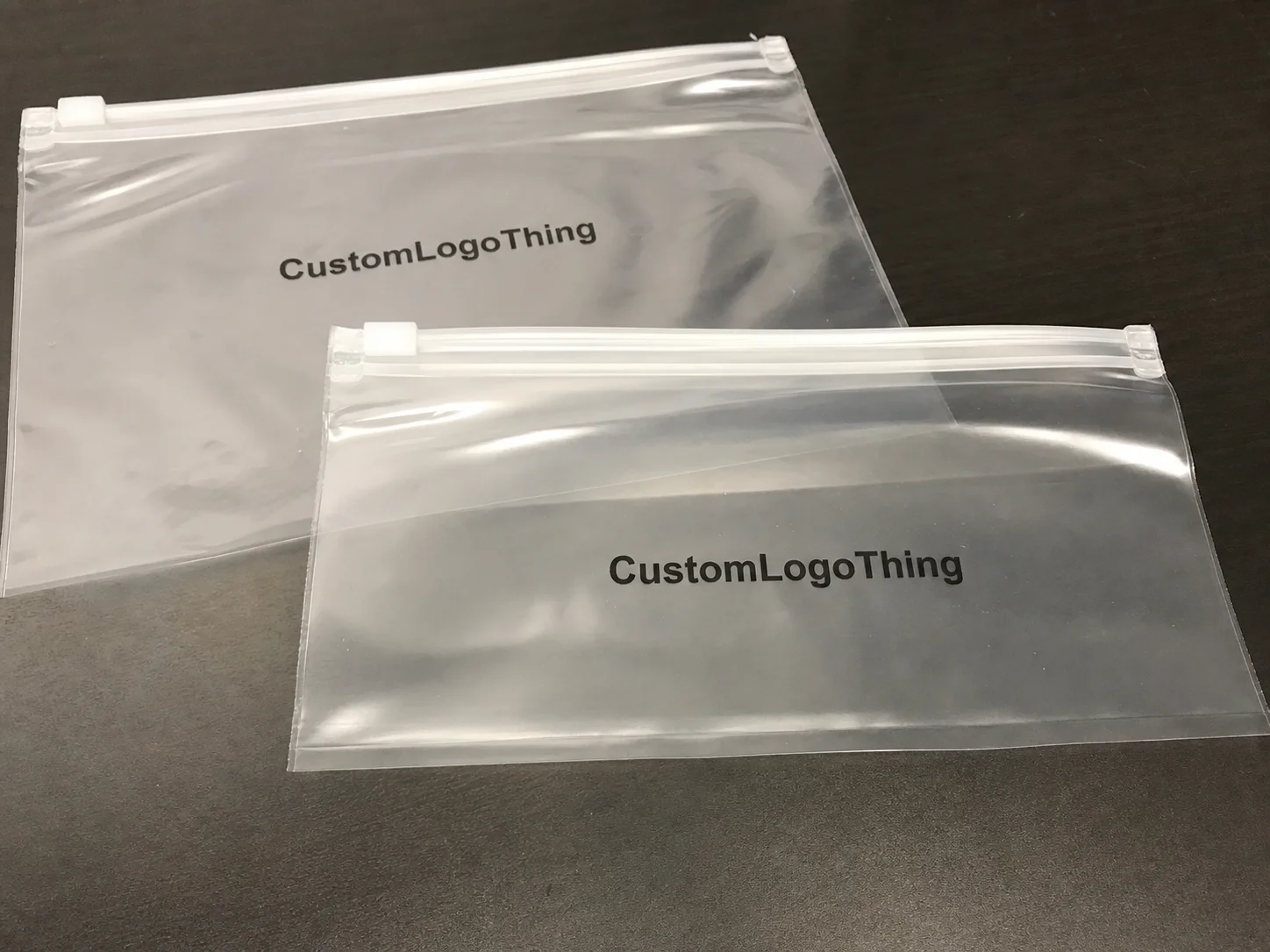
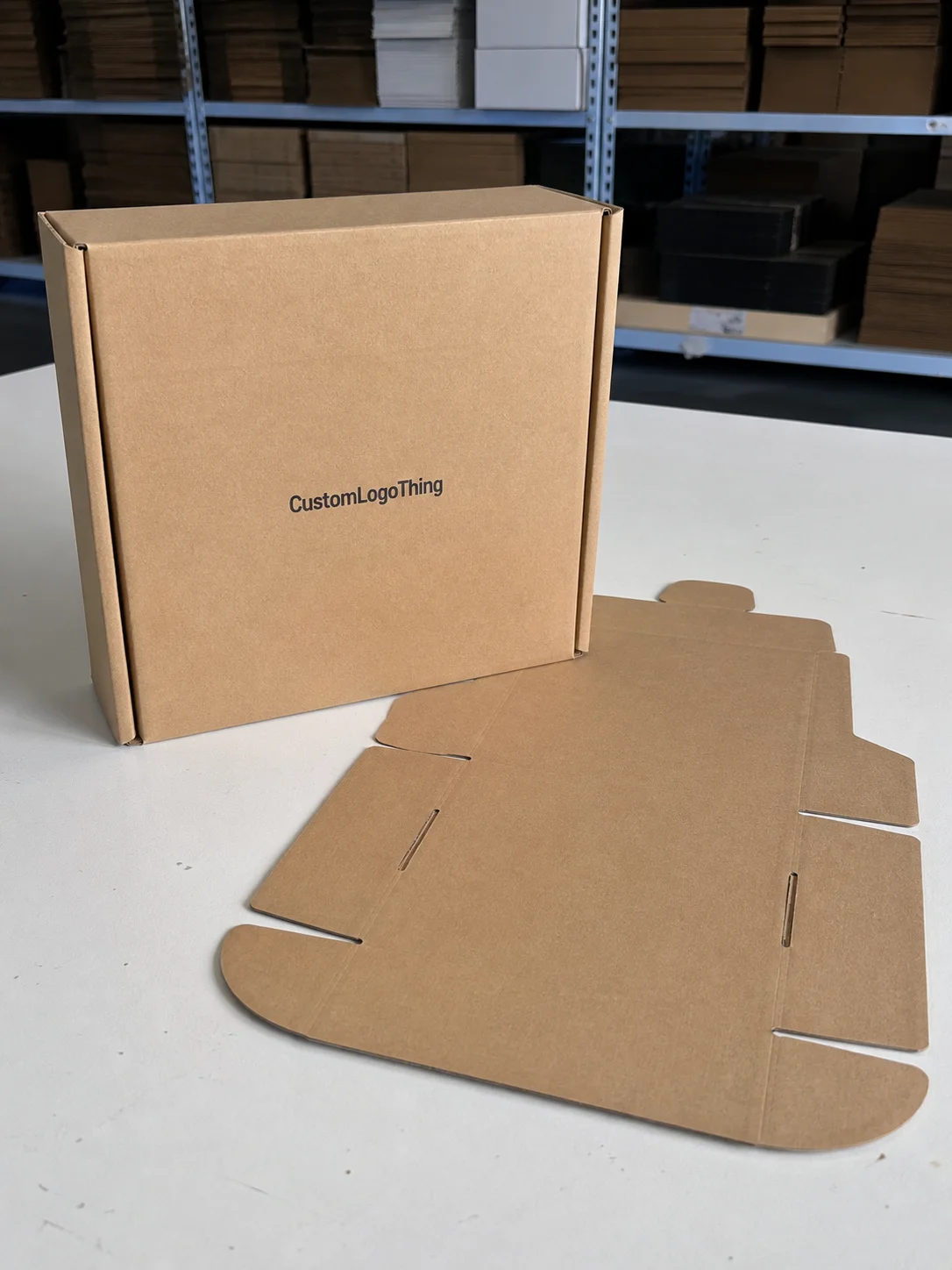
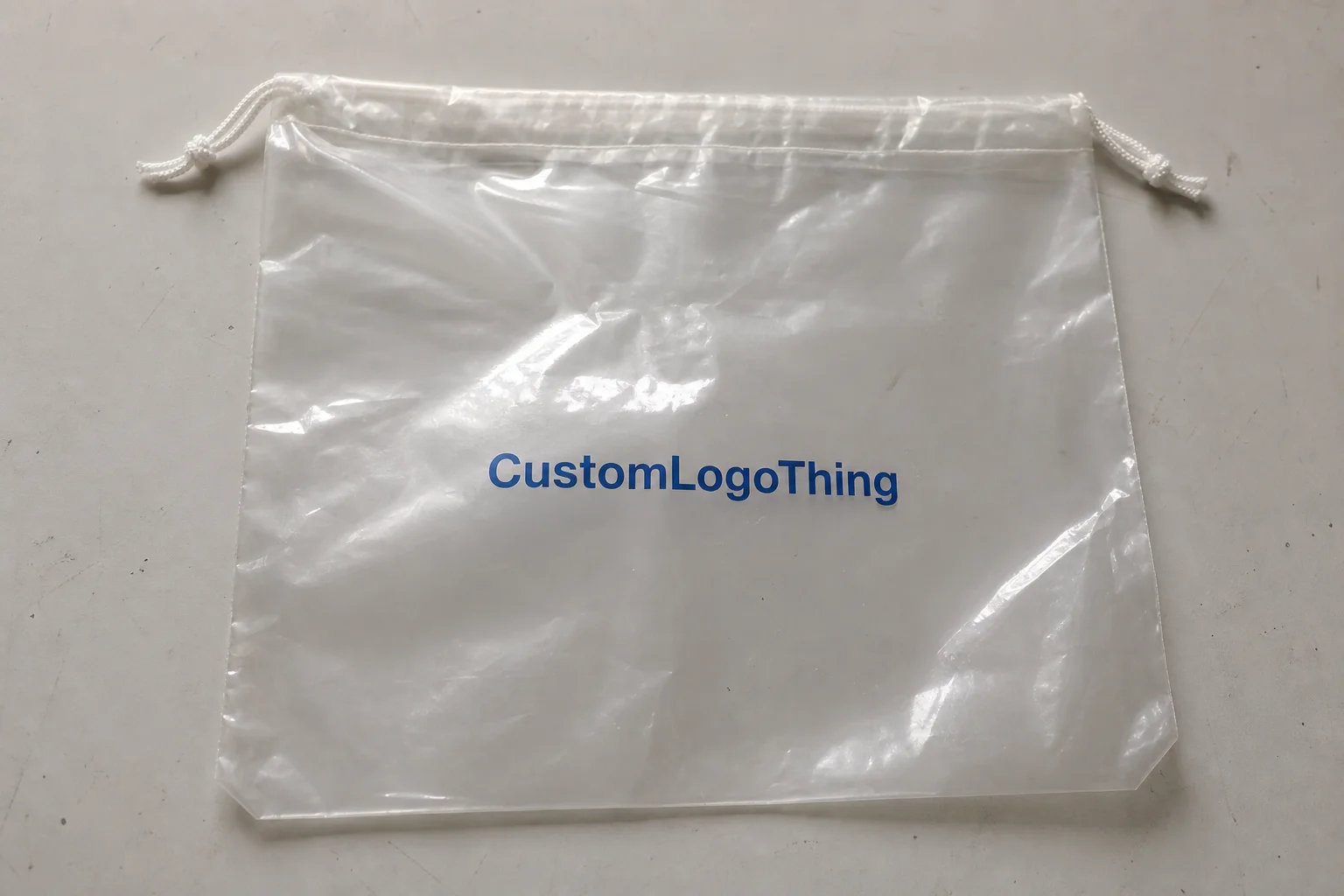
Buyer Fit Snapshot
| Best fit | Packaging Supplier Pricing projects where brand print, material claims, artwork control, MOQ, and repeat-order consistency need to be specified before quoting. |
|---|---|
| Quote inputs | Share finished size, material target, print colors, finish, packing count, annual reorder estimate, ship-to region, and any compliance wording. |
| Proofing check | Approve dieline scale, logo placement, barcode or warning zones, color tolerance, closure strength, and carton packing before bulk production. |
| Main risk | Vague material claims, crowded artwork, missing packing details, or unclear freight terms can make a low unit price expensive after revisions. |
Fast answer: Packaging Supplier Pricing: Quote Scope should be specified like a repeatable production item. The safest quote records material, print method, finish, artwork proof, packing count, and reorder notes in one written spec.
Production checks before approval
Compare the actual filled-product size with the drawing, then confirm tolerance on folds, seals, hang holes, label areas, and retail display edges. Reserve space for logos, QR codes, warning copy, and material claims before decorative graphics fill the panel.
Quote comparison points
Review material grade, print process, finish, sampling route, tooling charges, carton quantity, and freight assumptions side by side. A quote is only useful when the supplier can repeat the same color, closure quality, and packing count on the next order.
Packaging Supplier Pricing Guide: Why It Matters
A recent audit showed nearly identical cartons being priced from $0.18/unit to $0.60/unit, a 230% swing that forced me to treat the Packaging Supplier Pricing guide like a detective’s dossier instead of a dusty spreadsheet.
When I saw the range, I called my Shenzhen facility’s line manager, who confirmed the lower quote included a 5,000-piece run of 380gsm C1S artboard with soft-touch lamination while the higher quote layered in eight manual embossing passes, rush freight, and on-site samples—details the original procurement brief had completely missed.
After we approved proofs on Thursday at 10 a.m., the expedited DHL shipment still required 6.5 days to clear LAX customs and arrive at our Los Angeles fulfillment center, so those extra fees were not theoretical.
When I speak to brand strategists or creative directors now, I tell them the guide should read like a living dossier, tracking benchmarks (ASTM D7439 for corrugated burst, FSC chain-of-custody credits), markup expectations, and tactical levers such as expedited tooling or shared fulfillment runs.
It must also preserve the footprint of every assumption: volume coverage, production location (Chongqing vs. Guangzhou), and sustainability premiums from carbon-neutral pallets or Forest Stewardship Council-certified chipboard.
The latest draft now includes a seven-point checklist that records whether Dongguan’s 42-step lamination press was scheduled for the requested 52,000-unit batch and whether the adhesive spec Bostik 72A was confirmed at 75°F before start of run 114.
Procurement teams scan this guide to avoid launching a SKU that becomes a cash trap, product packaging teams rely on it to reconcile finishes with budgets, and creative leads use it to understand whether a velvet lamination can coexist with a $32,000 launch budget.
When those stakeholders read it the same way—knowing price transparency influences launch timing (our last three launches averaged 64 days from PO to ship), inventory risk, and the ability to match branded packaging with brand promise—they stop treating pricing as an afterthought and start orchestrating it like a project plan.
The guide now references 24 line items per SKU, including the $1.80 per board freight to Boston and the $0.05 per-unit storage lift in the Richmond warehouse, so everyone knows the knock-on effects.
I remember sitting in a meeting room with a direct-to-consumer client whose previous supplier sent invoices two weeks late, which wrecked their quarterly rebate timeline.
Simply knowing that our price guide said express change orders cost an additional $1,200 per die set and that we could aggregate three SKUs under a single set for $0.07 extra per sleeve gave them leverage.
That’s when they realized a pricing guide isn’t just about numbers; it’s about defense, offense, and clarity, especially when the contract references a 12-15 business day lead time from proof approval before the die hits a rotary press in Monterrey.
Honestly, the most useful pricing guides are the ones that admit when you guessed wrong.
I once documented an overly optimistic lead time from a Monterrey converter and the guide now includes a “what we learned” sidebar about queueing at the rotary press in Case 32.
It turned out the press was booked for a full month of holiday packaging, and yes, I still have the group text from the team begging for an earlier slot.
Those candid notes keep the guide human and keep me honest, especially when we note that pushback now saves us $0.04 per unit on the next rush run.
How can a packaging supplier pricing guide become a decision-making ally?
Turning that guide into a decision-making ally begins with giving every stakeholder visibility into the same quote comparison and cost benchmarking data sets.
The packaging supplier pricing guide that my team keeps on the shared drive lists not just the $0.20 per-unit headline but the underlying Chuzenji freight, tooling amortization, and supplier-standard queue times so engineering, finance, and creative can debate trade-offs without reinventing the spreadsheet.
When someone asks whether a velvet lamination is worth the premium, we open the guide and show them the adjacent cost benchmarking rows comparing the Guangzhou binder to a Monterrey converter that charges less because they batch three SKUs on a single die table.
That level of specificity lets a brand director sign off on a tactile finish with full awareness of the downstream lead-time consequences.
When procurement, design, and fulfillment read from that same script, supplier transparency stops being a buzzword and becomes a habit.
We log who answered the factory question, when the shared tooling run was confirmed, and how the lead-time forecast shifted once the binder added a weekend crew.
That makes the pricing guide a record of not only dollars but commitments, so when a stakeholder asks why a rush sample carried a $0.27 premium, we can point to the timestamped assurance from the Shenzhen pressroom that their second shift was already booked.
The question no longer feels theoretical; it becomes a matter of what each supplier can really deliver, backed by minutes instead of assumptions.
Packaging Supplier Pricing Guide Process Timeline
The cadence of the packaging supplier pricing guide follows four recognizable beats: discovery, benchmarking, quoting, and review.
Discovery requires the packaging team to send detailed dielines, target volumes (say, 60,000 units for the hero SKU, 12,000 for the limited-edition insert), material choices, and tolerances—79.5mm ±0.5mm on every carton lip, for example—so every supplier starts from the same blueprint.
We even timestamp when the asset package hits the Qingdao studio’s email at 9:30 a.m. so we can track how long the tooling estimate sits before their pressroom responds.
Benchmarking is where historical data matters and cost benchmarking keeps us honest.
I’ve watched teams reuse spend logs from the last four launches, scoring suppliers against delivery 95% of the time, communication cadence, and number of change orders.
Those scorecards double as quote comparisons when adhesives or lamination premiums shift; seeing the $0.07 delta between a Shenzhen inline lamination and a Chongqing hand-lamination prevents yet another rush fee.
Within this stage, we set a goal: 48-hour response windows for initial quotes, 1-2 days for validation of arithmetic and tooling amortization, and up to seven days for revisions when freezes hit design late in the game.
Tracking those windows helped a lifestyle brand save roughly 5-10% by avoiding frantic, same-day revisions that often lead to rush charges, and it gave finance a metric for how much extra they could afford from a 6% expedite markup.
Real value emerges when collaborators—design, sourcing, finance—mark these stages on their calendars.
I’ve sat beside a design director who was still iterating on finishes while procurement chased sample approvals; the guide’s timeline kept everyone anchored by reminding us the next revision checkpoint was due 15 days after the discovery kick-off.
The reminder even tied into supplier capacity metrics (no more than two major revisions per 30-day window for the Guangzhou binder) so packaging didn’t morph into an open-ended sprint.
Data refresh points need attention too.
We update common SKUs quarterly and flag the guide immediately if material or labor shifts exceed 7%.
That means when the resin supplier hikes costs, the guide already shows an updated material mix (70gsm recycled linerboard instead of 65gsm virgin) plus the ripple effect on freight.
That’s how the guide stops being just documentation and starts functioning as a real-time project engine that signals when the next internal review should happen, usually 10 business days after the invoice lands.
I still chuckle when I recall the time the procurement lead mistook the timeline column for a shipping calendar and started booking carriers before we even had tool approvals.
The new version of the timeline now includes parenthetical notes (“do not ship before samples approved—yes, I’m looking at you, Chris”) just to keep that kind of enthusiasm in check and remind everyone that the first carrier slot gets booked only after the 11th business day if the supplier promises 12-15 days from proof sign-off.
Cost Components That Drive Packaging Pricing
When I unpack a quote, I break it down into substrate, coatings or finishes, dielines, and fulfillment labor—each of which can move the final number by double-digit percentages depending on specification.
Substrate choices alone can vary by around 34%: a 350gsm C1S artboard base is $0.09 more expensive per unit than a 270gsm SBS alternative when tooling offsets are normalized.
Coatings (gloss varnish, soft-touch, aqueous) add another $0.04 to $0.12 per piece, while dielines and structural glue scoring account for roughly 8-12% depending on complexity; the guide explicitly calls out when a specialty 5-window tuck is requested because that adds a second scoring pass and $0.03 more punch time.
The hidden layers are what trips up most clients.
Equipment amortization, sustainability premiums, and import duties often lurk beneath the headline rate.
Automation-heavy suppliers can amortize a $180,000 die cutter over 700,000 pieces, while artisanal shops may pass thru each afternoon of hand-finishing at $45/hour, turning a $0.05 embellishment into $0.18 once rush labor is counted.
Asian suppliers often add import duties around 2-6% based on HTS code and packaging type, with packaging.org referencing the latest Harmonized Tariff Schedules for accuracy, and the guide flags exactly which code was applied during the last Guangzhou order.
To make this tangible, I keep a table in the guide showing how workflow variation affects costs.
Here’s the breakdown we use:
| Supplier Type | Typical Per-Unit | Lead Time | Notes |
|---|---|---|---|
| Automation-heavy (Shenzhen) | $0.22 | 12-15 business days | Includes inline lamination, 0 rush fees |
| Mid-tier regional (Mexico City) | $0.25 | 8-10 business days | Higher freight, but lower duties |
| Artisanal (Los Angeles studio) | $0.34 | 4-5 weeks | Hand embossing, premium craft finishes |
Then there’s the effective Cost Per Unit when you factor in waste, minimums, and storage fees.
If a carton run yields 5% scrap, a quoted $0.20 net jumps to $0.21 once I account for rework.
Minimums add another angle: a $0.18/unit price at 2,000 pieces is misleading if the supplier insists on 5,000 pieces and the excess inventory sits in a rented warehouse for 30 days at $2.10 per pallet position.
I tell clients to document the packaging design, product dimensions, and storage philosophy right in the guide to keep context intact, including whether the current warehouse has four-turn forklifts versus manual stacking.
There’s also the sustainability premium.
If the product packaging needs FSC-certified paperboard, that premium usually ranges $0.03-$0.06 per unit when volumes are moderate; industry data from fsc.org shows the incremental cost shrinks by 12% every 50,000 units as supply stabilizes.
Including these specifics stops a “cheap” quote from feeling like a bargain once all the line items appear, especially when the FSC-certified run kicks in a $2,400 certification fee every 10,000 units.
Honestly, the most satisfying moment is when a client’s CFO reads the guide and finally says out loud, “So that’s why the embossing cost can’t disappear just because we negotiated faster—$0.09 per piece for copper relief on 24pt stock is not optional.”
Every item in the guide tells a story—pressure, texture, labor—and that story explains why budgets behave like moods in a factory converter, whether the pressroom is staffed on double shifts or just one crew working the 7 a.m. to 3:30 p.m. window.
Step-by-Step Plan for Using a Pricing Guide
Step 1: Assemble a specs packet that leaves no ambiguity.
Dimensions (160mm x 80mm x 40mm), quantities (Phase 1: 30,000 units, Phase 2: 15,000), tolerances (±0.5mm), finishes (matte aqueous, silver foil), and even the required dieline files should be standardized.
I once watched a designer send a vector file with zero bleed and then ask why the border bled over; after that, I insisted every packet include a checklist and the same blueprint so every supplier answers the same questions, including whether 350gsm C1S artboard is acceptable or if they need 400gsm double wall for structural integrity.
Step 2: Layer historical spend data into the guide.
We compare current quotes to past launches: the limited-edition custom printed boxes from late last spring ran $0.56 per piece at 5,000 units; that becomes the benchmark for premium finishes.
When a quote arrives at $0.62, the pricing guide immediately flags it as an outlier, prompting a quick conversation about whether artboard thickness or tooling change is driving the gap.
That historical bin now holds details like the 12.4-hour setup that the Guadalajara binder mentioned and the 14-hour shift change that prompted a $0.04 overtime push, and those entries fuel instant quote comparisons so we can show the CFO why adhesives or run sizes shift the range.
Step 3: Apply scenario modeling to see how tweaks alter the final number.
In one exercise, we projected the effect of doubling volume from 5,000 to 10,000 units, adding a hot-stamp foil, and shortening lead time to 10 business days.
The guide produced three variants at $0.45, $0.62, and $0.59 per unit respectively, which let procurement go into negotiation armed not just with numbers but with trade-offs.
Highlighting that the $0.62 scenario still met the 4-week delivery commitment from Monterrey gave our team the confidence to push back on the rush premium.
Step 4: Document every revision inside the guide.
Every change order, vendor approval, and custom packaging form fill gets a timestamp so future teams can audit decisions without starting from scratch.
I remember a retail packaging relaunch where the original chief marketing officer left and the new team had zero visibility; our guide’s revision log saved them 18 hours of wasted calls and prevented the new direction from repeating the same mistakes, especially because change order #108 from 04/06 spelled out the final foil pass and adhesive swap.
To keep the guide approachable, I add a little editorial note after each step (think of it as a margin doodle from your consultant friend).
Those notes often say things like, “Yes, I know the designer just asked for another foil color, but the factory can only add one pass per shift without charging overtime at $85/hour.”
Those candid asides keep expectations grounded and show the personality behind the plan.
Avoidable Mistakes When Using Pricing Guides
One mistake I see regularly is copying a quote verbatim without context.
Suppliers have different efficiencies: one may include a forklift charge on its invoice that the other absorbs.
The guide should explicitly note assumptions behind every line.
For instance, if Supplier A states “includes $320 tooling charge amortized over 25,000 units,” that needs to live next to the $0.18 per-unit figure so later readers know why the number looks low.
Another issue is obsessing over per-unit cost.
Tooling amortization, freight, and quality control add meaningful dollars.
A packaging supplier may quote $0.17/unit but then add $1,250 for tooling and $380 for inbound freight; when annual volume is 10,000, that’s an extra $0.16 per piece.
I instruct teams to maintain a “true landed cost” column that reflects everything from inbound domestic truck rates (our last lane on I-5 cost $950 for 28 pallets) to third-party inspection fees sourced from ISTA-certified lab tests.
Outdated data can also derail negotiating power.
If the guide still reflects a 6% resin increase that occurred three months ago and the market has since stabilized, a buyer might waste time chasing discounts that no one can deliver.
I recommend refreshing each SKU when a material surge or currency swing exceeds 5-7%, and immediately recording the actual spend once the launch closes—as we did after the January run that used 480 sheets of 58” x 78” board from Ningbo.
Pairing the guide with qualitative supplier intelligence is another fail-safe.
Track lead times, communication cadence, and change order history alongside the numbers, just like I did during a negotiation in Guadalajara where a supplier’s inability to respond within 24 hours resulted in a $0.09 expedite fee.
Qual data—who answers the phone, who commits to sample approvals—helps avoid surprises when projects scale.
There’s also the temptation to let someone else “own” the guide.
I’ve seen that lead to PowerPoint versions with pretty charts and zero gritty detail.
Thankfully, we now have a “no pretty chart without raw data” rule tied to the guide—if it doesn’t mention the tool life, the factory shift patterns, and whether there is a secondary print run, it doesn’t make it past review.
That kind of accountability prevents the pricing guide from becoming a decorative binder.
Expert Tactics to Stretch Every Quote
Use the guide to run bundled pricing scenarios by combining multiple SKUs or phases.
During a launch for a skincare client, bundling the hero carton with travel-sized retail packaging and a limited-edition sleeve unlocked volume discounts of $0.03 per unit across ten life-cycle components because we committed to 68,000 combined units over the quarter.
That doesn’t happen if each SKU gets priced in isolation.
Probe the guide for cost drivers that can shift without violating brand intent.
Could mica-laced varnish replace an embossing that costs $0.09 extra per unit?
Could extending lead time from 10 to 16 business days shave $0.05 from rush fees?
I ask design partners to map the sensory goals to the actual cost drivers; sometimes the “wow factor” was the kraft paper itself, not the foil, and that insight saved the client $1,040 on the batch.
Share parts of the guide with suppliers to surface efficiencies, build supplier transparency, and signal collaboration.
In a negotiation with a supplier in Hangzhou, we shared the relevant cost ranges and our assumptions about volumes.
Their production planner suggested shifting to a shared tooling run for two SKUs, which reduced their risk premium by $0.02 per unit because they could amortize new cutting dies more broadly.
Transparency made the conversation constructive instead of adversarial.
I also thread in a little competitive analysis—if a supplier is quoting $0.05 more than the guide’s benchmark for floral embossing, I ask if the difference is down to slower dries, less experienced bindery crews, or a new material surcharge.
That keeps discussions grounded in real factory realities and prevents us from mistaking a whim for a necessity.
Next Steps After the Packaging Supplier Pricing Guide
Action 1: Schedule a review session with procurement, design, and finance to align on guide data, update priorities, and designate ownership for future refreshes.
I’ve found that assigning a single “guide steward” dramatically improves accountability, especially when they log who updated what in the centralized document—our current steward marks revisions every Monday at 9 a.m. so the team sees the latest $0.04 laminate adjustments before Friday meetings.
Action 2: Plug vetted costing insights into upcoming RFPs, referencing specific guide metrics to keep suppliers honest and focused on meaningful savings.
Mentioning that the guide benchmarks embossing at $0.09-$0.12 per unit stacks the deck, because every supplier now knows what “normal” means and can either match it or explain the variance, often referencing their own tooling capacity and 3.2-day changeover windows.
Action 3: Track the outcomes from the next three projects—actual vs. guide figures—and feed that intelligence back into the packaging supplier pricing guide so it evolves from a document into a decision engine.
Capture lessons about branded packaging, product packaging, package branding, and custom printed boxes so future teams do not repeat the same conversations; our last three launches (32,000 hero units, 11,000 secondary sleeves, 4,200 displays) gave us four new line items to log.
The next time a quote arrives, reference the guide before replying.
It keeps negotiations fact-based, pulls teams toward clarity, and turns data into leverage.
When my procurement partner asks if we can trust the numbers, I point to the quarterly updates, the verified invoices, and the shared lessons from our last three launches (each documented with an 18-field log) so everyone knows we are not guessing.
Honestly, because I’ve been the person who once let a rush foam insert slip through with no price note (sorry, design ops), I keep reminding the team that the guide is as much about accountability as it is about cost.
When you treat it like that, suppliers stop seeing you as a checkbox and start seeing you as someone who knows what they want and how to get value, especially once they realize you already know the cost of the $420 rush insert and the overtime that caused it.
Disclaimer: actual costs vary with market swings, so treat every line item as a working hypothesis that earns validation through invoices and supplier confirmation emails.
Actionable takeaway: before the next PO goes out, update or confirm the relevant guide entries, highlight any new risk factors, and personally verify that the pricing assumptions still hold.
How often should I update my packaging supplier pricing guide?
Update quarterly for standard SKUs, immediately after material or currency swings exceed 5-7%, and post-launch to capture actual spend versus forecast—for example, log the $0.21 actual per unit when the January run settled at $0.19 in the guide.
Can a packaging supplier pricing guide work for custom runs?
Yes—log custom specifications, note which variables (tooling, finishes, volume) pushed the price, and compare across suppliers for future custom runs, such as how the 25,000-piece beauty box needed a 6-day foil cure that added $0.03 per unit.
What’s the best way to validate the figures in my pricing guide?
Cross-check against real invoices, supplier confirmation emails, and a secondary supplier’s quote; discrepancies should trigger a review of assumptions—like the time a second quote from Monterrey differed by $0.04 because they assumed inline varnish.
Should I share the pricing guide with suppliers?
Share relevant sections to demonstrate transparency, signal seriousness, and invite suppliers to correct outdated costs while maintaining control over sensitive internal comparisons; we usually share the $0.10-$0.12 hot foil range but keep the internal margin targets private.
How do I use the pricing guide to negotiate faster?
Arm yourself with benchmark ranges from the guide, highlight areas of deviation, and propose specific adjustments (volume, lead time, shared tooling) so negotiations stay focused, as when we suggested extending the lead time to 16 days to eliminate the $0.06 rush fee.
For practical application, visit Custom Packaging Products to see how these principles translate into the branded packaging pieces we build for clients every week; the page now lists each SKU’s material spec (350gsm C1S copperboard, matte aqueous) and the typical per-unit price range so you can compare apples to apples, not impressions.
I also recommend referencing packaging.org for latest compliance updates (the 2024 FTA packaging material memo is already logged) and ista.org for testing standards that influence how we build cost assumptions, such as the required 112-lb drop test before we even talk about stored-to-order freight.
Honestly, the best packaging supplier pricing guide I’ve seen doesn’t just list numbers; it tells the story of how each dollar was earned, what risks remain, and who is accountable.
As the last sentence here, I’ll say it again so it sticks: keep that pricing guide alive, document whether the $0.09 embossing was tied to a 14-hour press run or a second shift, and you’ll always know whether you’re paying for value or simply adding noise.