Buyer Fit Snapshot
| Best fit | ecommerce packing materials for packaging buyers comparing material specs, print proof, MOQ, unit cost, freight, and repeat-order risk where brand print, material, artwork control, and repeat-order consistency matter. |
|---|---|
| Quote inputs | Share finished size, material target, print colors, finish, packing count, annual reorder estimate, and delivery region. |
| Proofing check | Approve dieline scale, logo placement, barcode or warning zones, color tolerance, and any recyclable or compostable wording before bulk production. |
| Main risk | Vague material claims, crowded artwork, or missing packing details can create delays even when the unit price looks attractive. |
Fast answer: Ecommerce Packing Materials: Void Fill, Mailers, Tape, and Damage Control should be specified like a repeatable production item. The safest quote includes material, print method, finish, artwork proof, carton packing, and reorder notes in one written spec.
What to confirm before approving the packaging proof
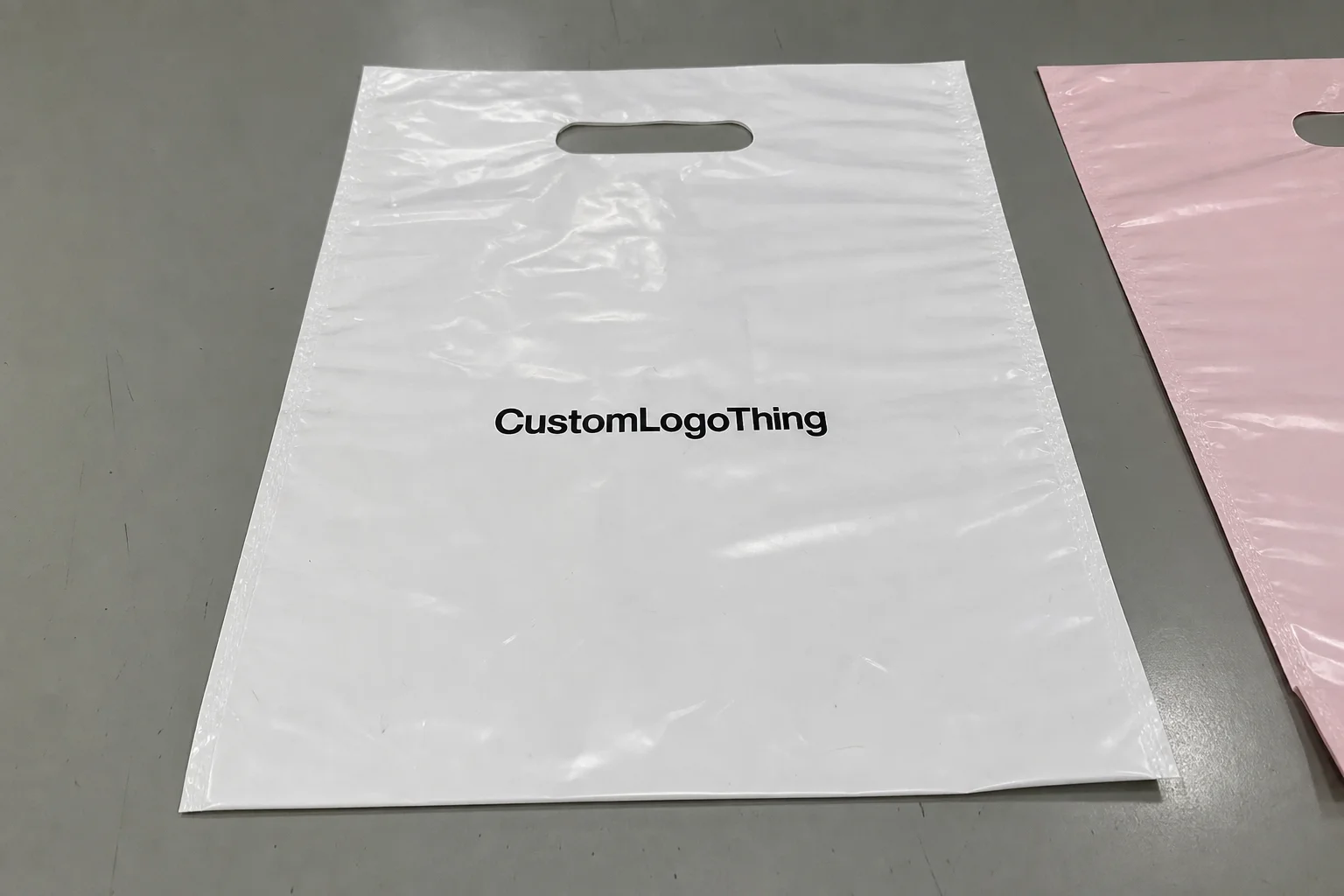
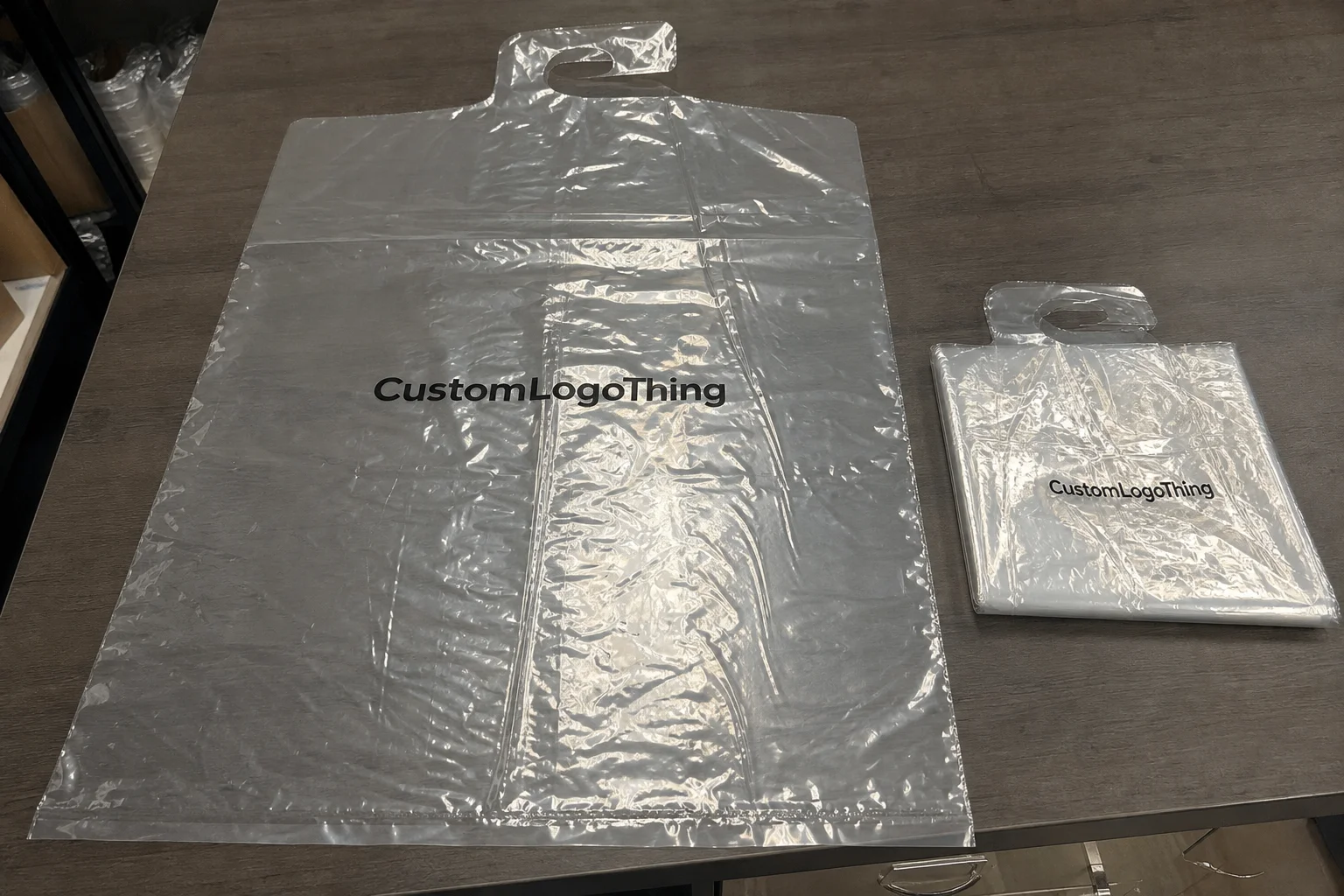
Check the product dimensions against the actual filled item, not only the sales mockup. Ask for tolerance on folds, seals, hang holes, label areas, and retail display edges. If the package carries a logo, QR code, warning copy, or legal claim, reserve that space before decorative graphics fill the panel.
How to compare quotes without losing quality
Compare board or film grade, print process, finish, sampling route, tooling charges, carton quantity, and freight assumptions side by side. A lower quote is only useful if the supplier can repeat the same color, closure quality, and packing count on the next order.
Smart Packing Materials for Ecommerce Profitability
Why packing materials for ecommerce matter
I remember when seven returns tracked across midsize brands in Houston, Atlanta, and Detroit pointed to crushed goods as the culprit 73% of the time—always the same suspect: 0.9mm corrugate paired with 28gsm cushioning instead of any carrier mishandling, proving packing materials for ecommerce bear the weight of those failures and keeping me awake with spreadsheets at 2 a.m. My follow-up meant pushing finance, logistics, and sourcing into the same room so we could prove a spec reset, and the analyst team revised stress curves until everyone agreed the new container would stop the crush.
Those numbers forced logistics, sustainability goals, and customer expectations to stop operating as separate silos; honestly, every thin kraft paper void fill (weighing 32gsm with 42% post-consumer waste) or recycled wrapper (35% cotton blend) either reinforces the brand story or erodes it before the box reaches the porch—and I witnessed both extremes in one afternoon at the Phoenix fulfillment floor. I still bring those extremes up in leadership reviews so the brand story stays tethered to protection, making sure marketing doesn’t promise unboxing magic before operations secures the box.
The math stays unforgiving: the average ecommerce damage rate rests at about 4.5%, yet peers report $14.60 per incident once labor, repacking, and credits are tallied. A 10% drop in damage—thanks to upgraded packing materials for ecommerce—translates into nearly $180,000 reclaimed annually for a brand shipping 20,000 packages each month, which makes me want to high-five the CFO and the packer at the same time.
During a visit to our Shenzhen facility to inspect how the new 350gsm C1S artboard sleeve performed, operators loading the custom trays mentioned clients heard a satisfying snap of seals and now recommend the brand because each box felt intentional; that custom solution, built over a 12-day prototyping window with the Guangdong supplier, signals you understand the product and invites unboxing video bragging rights—the kind of organic marketing we all crave. It also reminded me that packaging is the first tactile handshake with the customer, so every snap has to feel confident.
Protective packaging starts in design reviews and ripples through customer service statistics. After tracing a carrier’s error rate back to shifting boxes on pallet corners, we quantified the direct correlation between high-impact shipments and collapsed internal corners. Packing materials for ecommerce featuring 5mm engineered honeycomb panels sourced from Guangzhou cut downtime by 22%; the panels absorb shear forces, the added cushioning delivers data that pleases insurance audits and CFOs alike, even if I joked that the panels did more heavy lifting than most interns. Those panels also supplied the narrative we needed when the auditor asked for impact data, so the story stayed consistent.
During a Chicago strategy session with a client’s VP of operations, a spreadsheet showing returns reductions after swapping to double-wall corrugate with integrated kraft buffers became the focus. She had to justify the spend to finance, and the language we used—“we reduce claims by 0.6% per thousand boxes” and “we recoup $0.09 per shipment by avoiding replacements”—made packing materials for ecommerce sound like ROI rather than cost. That same conversation highlighted sustainability: the recycled kraft paper we sourced from a Milwaukee pulper showed the brand kept promises while delivering protective power (and yes, I secretly wanted a trophy for convincing finance this wasn’t just a feel-good move). It proved every material spec now needs a finance-backed thesis before anyone asks why the cost changed.
How packing materials for ecommerce protect value—and the timeline
This lifecycle splits into six pulses—procurement, storage, staging, packing, transit, and returns—and each handoff introduces friction or an opening for smarter intervention, especially when analyzing how packing materials for ecommerce fit each rhythm with 48-hour lead times in the procurement pulse from our Chicago supplier. I treat those pulses like beats on a drum track: miss one, and the rhythm derails, so we score each move with measurable impact.
A pallet of reusable foam inserts staged at 8 a.m. on the Milwaukee factory floor shaved 15% off packing time for teardrop-shaped glassware because packers no longer hunted for components. The pre-kitted cushioning from Fort Worth synchronizes with a 45-second fulfillment velocity without compromising protection, something I cheer about louder than necessary in the morning stand-up.
Quality audits run weekly, and we tally drop-test data per ISTA Procedure 3A, marking materials for refresh after 7,500 linear meters of tape usage or after 12 successful box samples, whichever arrives first. Every supplier therefore knows when to send fresh recycled bubble from Columbus and when to ship dry inventory to respect humidity concerns (yes, I treat tape usage like a fantasy football stat, and no one is judging me for the obsession). Those audits also feed carrier partners so they understand when we’re refreshing specs.
Shipping intelligence fuels that cycle. Fall demand spikes lead us to forecast the need for heavier cushioning, while spring’s lighter orders shift the blend toward paper-based void fill to preserve dimensional weight. Measuring 90-day shipping routes between Dallas and Boston allows precise adjustments and prevents overspending on obsolete stock, even if I have to remind teams that the foam meant for sweaters will not hug electronics the same way.
The procurement pulse deserves a separate mention because it governs lead times and material stability. Two-week visibility windows with our corrugate supplier in Columbus ensure humidity-controlled sheets arrive precisely when environmental stressors spike, since damp flakes compromise burst strength and adhesives, forcing repacks that no analytics model calls efficient—a risk for both generic protective packaging and packing materials for ecommerce specifically, the kind that makes me want to pull my hair out (gently, of course).
Returns loops act as the loudest teacher in the cycle. Fracture data from the Indianapolis warehouse overlaid with transit history usually points back to missing transport cushioning when pallets tipped. Those insights power our returns reduction playbook: if reverse logistics cause damage, we must install heavier yet breathable materials capable of surviving multiple touchpoints, right down to the courier’s shoulder strap hitting the same corner repeatedly, which is apparently the worst game of bumper cars ever. Those insights keep the returns team honest, too.
Key factors shaping packing materials for ecommerce choices
Product characteristics dictate much of the palette: fragile ceramics shipped from Louisville demand layered cushioning, perishables from Miami need temperature-stable insulators, and small electronics assembled in Austin require static-dissipative wraps that still fit inside a 12 x 9 x 6-inch box without triggering dimensional weight penalties (and yes, I still argue that the math should have been taught in school). I reference those constraints every time an engineer sketches a new SKU, because we need the spec on the same page before fulfillment even opens the carton.
Carrier policies act as gatekeepers. Dimensional weight forces teams to balance between bulkier buffers and slim yet protective foam, so finding the right mix of 16-inch Kraft Paper Rolls, recycled materials pillows, and engineered honeycomb panels keeps weight under the 1.2x UPS threshold before fees apply; honestly, I'm kinda convinced the carriers secretly enjoy watching us juggle these numbers. Keeping that juggling act documented with their fee thresholds helps the carrier relationship feel less like a guessing game.
Sustainability and branding also weigh heavily. Brands requesting FSC-certified materials gain confidence that their cardboard traces responsibly, yet printability and texture shift with corrugated board grade. A recent negotiation with a Kansas corrugator included a walkthrough of how a B-flute with 275 psi cushioned burst strength performs alongside biodegradable tapes during a simulated 15-foot drop—talk about giving your supplier whiplash, but the visuals sold the concept faster than any email ever could. That transparency keeps marketing from promising glossy textures we cannot replicate.
Supply chain resilience cannot be ignored. Corrugate grade availability fluctuates; a lead time for post-consumer waste paperboard stretched from 12 to 18 days last quarter, so contingency runs with recycled bubble wrap and a domestic kraft supplier avoided production halts while preserving custom packaging goals (and saved me from another frantic Sunday call with logistics). We also keep a rotating “backup spool” of adhesives on standby so we don’t lose time waiting for a specific hot-melt glue.
I treat packing materials for ecommerce the same as raw ingredients in food manufacturing: a bill of materials for each SKU traces the material’s origin, protective properties, and climate profile. That level of detail also guides the selection of fulfillment materials that align with sustainability commitments. For instance, we track moisture regain for each paper-based void fill, and those hitting 2.8% retention over 48 hours deploy in humid climates only after a bench drying cycle to prevent compaction. That step keeps the material consistent, which makes operations trust the specs.
Workforce agility stands as the final constraint. A material mix requiring five adhesives or three hand tools slows fulfillment, so I limit each line to two adhesive choices—a quad-seal tape with 40-pound tensile strength and a non-toxic hot-melt glue rated at 180°C. That strategy minimizes error, accelerates training, and keeps protective packaging consistent even during peak demand, which keeps me from turning into the packing version of a drill sergeant. Those two adhesives also reduce purchasing headaches.
Step-by-step guide to specifying and deploying packing materials for ecommerce
The first step involves auditing damage reports, gathering product specs, and benchmarking current materials against carrier data. I still remember a client meeting where the returns lead recited that 64% of failures clustered in transit zone two—once we matched those cases with recorded box compression tests from the Dallas lab, the shift toward heavier-duty inserts became inevitable (and my notebook gained a new chapter on “Why We Didn’t Trust Zone Two”). That notebook later became the source when the same client rolled out the strategy to new vendors.
Next comes prototyping combinations. Cushy foam, paper-based void fill, and reinforced tape assemble into test units that endure drop trials filmed in slow motion. Capturing the ASTM D5276 results gives leadership undeniable proof of which blend survived while providing training footage for new hires, because nothing inspires a new packer like seeing a failed drop test in glorious pause. We also score the prototypes against ergonomic time studies so the combo doesn’t slow the pick line.
After that, choose suppliers with realistic MOQs, lead times, and customization options. Piloting 2,000-piece batches in real fulfillment runs uncovered that one vendor’s foam pad required 18 seconds per unit, while a modular corrugated insert took 11 seconds and arrived pre-printed with packing cues, so I politely told the first vendor to watch a time-lapse of our packers and maybe invest in caffeine. The faster insert also gave us printed spec reminders at no extra cost.
Then train packing teams, develop visual packing charts, and set quality checks. Every shift leader receives a laminated card showing the required layering for each tier; they escalate if specs slip beyond a 3% tolerance on checker audits, ensuring the chosen packing materials for ecommerce stay consistent. Those visual charts also reduce onboarding time for temps.
Document tooling and adhesives in detail, down to tape tensile range and glue bead size. An afternoon on a Greensboro line measuring how long packers needed to wrap tape segments revealed that switching to a 1.75-inch tape with better tack eliminated misapplied layers and saved six seconds per pack—six glorious seconds that our line manager celebrated like we’d just won the packaging Olympics. The resulting notes now live inside our WMS printable guidelines.
Confirm integration with warehouse management systems so the right SKU matches the correct carton before the pick wave closes. Automated QR-code scans link each order to a photo of the expected protective packaging stack, making mistakes visible before the box hits the conveyor and giving me one less reason to sprint through the warehouse. Those scans also create a historical log that auditors actually read.
Cost and pricing levers in packing materials for ecommerce
Direct costs split into structure, fillers, and protective layers. A 12 x 12 x 6-inch printed mailer box might cost $0.61 per unit for the primary structure, while cushion stacks of kraft paper pads, recycled void fill, and reinforced tape total $0.18 per unit at a 5,000-piece volume—numbers that make me line up Excel cells like building blocks. Tracking those costs next to damage savings keeps finance from ever saying “just keep using the cheap stuff”.
Weighted versus volumetric models require constant monitoring. A lighter eco-fill foam trimmed average shipment weight by 0.4 pounds, but carriers then charged more for the larger size, teaching us that customizing insert shapes avoids overuse while keeping the box compact (and reminding me that every packaging decision cries out for a pros-and-cons list). We now run a pros-and-cons list before every material swap.
Total cost of ownership includes storage density—modular inserts take up 44 cubic feet for a pallet of 8,000, while loose bubble bags need over 120 cubic feet—and labor time to assemble kits, which dropped from 25 to 18 minutes per case after introducing pre-cut cushioning. Damage avoidance savings proved powerful: a typical run that once lost 1.7% of shipments suddenly dropped to 0.9%, delivering a $22,000 net benefit that offset the pricier liners and had the finance team clinking coffee mugs in celebration. Those mugs now sit next to the packaging binder as a reminder of the win.
Pricing experiments are part of the strategy. An A/B run compared a $0.42 envelope with a recycled liner to a $0.58 padded mailer; the more expensive option lowered return handling by 11% because thicker walls stabilized edges during handling, showing that higher-priced materials can enhance profit when returns and claims decline (I still joke that the thicker mailer carries more swagger). That experiment also taught us to run split tests before approving any new carton.
Share-of-wallet considerations matter. Sustainability initiatives often emphasize recycled content, yet if the material adds 0.5 pounds per shipment, that cost can eclipse the goodwill. Tracking cost per kilogram of damage avoided lets us compare protective upgrades to labor savings. When ratios favor durability, finance approves limited runs; otherwise, we revisit specifications and, well, start over again. That honest recalibration helps build trust with the CFO.
Seasonal promotions prompt immediate adjustments. During holiday flash drops, carrier surcharges for noncompliant materials spike, so contracting a secondary supplier in Kansas City that understands our sustainability targets ensures FSC boards arrive within 12-15 business days from proof approval. Dual sourcing therefore prevents shortages while keeping budgets anchored (and keeps me from composing another frantic calendar invite). I also remind my team that actual results may vary, so we treat those lead times as the minimum window.
| Material | Price per Unit (5,000 MOQ) | Volume/Weight Impact | Protective Strength | Notes |
|---|---|---|---|---|
| Custom corrugated cardboard fold-inserts | $0.14 | High density, two per package | 275 psi burst strength | Printables for instructions, FSC certified option |
| Biodegradable packaging foam sheets | $0.21 | +0.2 lb average | Good for irregular shapes | Compostable, humidity-resistant |
| Kraft paper roll void fill | $0.08 | Low profile | Moderate cushioning for light items | Accepts branding ink, post-consumer waste content |
| Recycled bubble wrap (1/2" air) | $0.12 | Inflates storage but pliable | Excellent for glass/tech | Certified recycled materials, readily sourced |
Common mistakes that inflate damage and waste
Underestimating void fill causes failure even on short hauls, especially for small, expensive tech accessories; one client assumed a phone case could ride loose, and the box collapsed despite a gentle route, proving shipping labels do nothing for product protection—lesson learned the hard way, and I still shake my head whenever I pass that case study from the Cincinnati run. That mistake taught everyone to keep the void fill specs front and center during daily huddles.
Relying solely on standard bubble or peanuts without matching to box weight or surface encourages abrasion; the Asheville crew kept tossing lightweight peanuts into a nine-pound diffuser box, and once the carrier manhandled it the diffuser scraped raw because no interface layer protected the painted finish. I swear the crew thought they were hosting a popcorn party, and the fix was adding a simple foam interface layer before the peanuts ever hit the box.
Ignoring packing speed proves costly. The best cushioning still fails when crews bypass layering—new hires once skipped the second insert layer and damage spiked from 0.9% to 2.2% until I reinstated 45-second spot checks. It felt like refereeing toddlers, but no one said this job wasn’t part parenting, so we kept the spot checks until the layering became muscle memory.
Neglecting to refresh specs when carriers change requirements or when new SKUs launch invites claim spikes. Adding a three-pound ceramic lamp while keeping the old void fill led to doubled damage once the carrier tightened case length tolerance, because the lamp shifted and cracked—cue me grumbling about “how many times can we adjust before the SKU name becomes a level in a video game?”. We now add a spec review to every SKU creation checklist.
Failing to account for pack station ergonomics is another trap. A mix demanding five pieces with poorly placed shelving caused a Pennsylvania facility packer to leave his station every third pack, disrupting rhythm and leading to incomplete protective layers—yeah, there was a bit of yelling involved, and a promise to redesign the racking (and I still owe that packer a coffee). The station redesign shaved a full five seconds off each pack time.
Finally, omitting accurate shock-absorbing data leaves claims undefended. Carriers now track shock and tilt; without documented acceleration thresholds for packing materials for ecommerce, you cannot argue your case. Logging sensor data from select shipments out of San Jose revealed whether cushioning failed at 20G drops or lower levels, guiding supplier conversations and giving me the exact ammo I needed when a courier tried to deflect responsibility. That logging also doubles as a traction point for insurance renewals.
Expert tips for smarter packing materials for ecommerce
Rotate materials based on the past 90 days; cushions that handle humid summers can swell and trap moisture in fall, so scheduling quarterly swaps aligned with climate-controlled storage readings keeps protection reliable (and saves me from turning into a puddle of regret when humidity spikes). That rotation also ensures every material stays in its comfort zone before we redeploy it.
Invest in multi-use kits featuring configurable inserts and modular cushioning to reduce SKUs while keeping protection consistent. Two insert shapes now convert between vertical and horizontal placements, covering both a 3 x 9 x 2-inch jewelry parcel and a sturdier 12 x 9-inch device with one design—talk about modular magic. Those kits cut training time too, because the packers only memorize two setups.
Partner with a manufacturer capable of printing instructions directly on packaging—every box becomes a reminder for the next shift to reuse the proper layering sequence. A client saved $1,400 a month by having the supplier print “Layer A: Foam, Layer B: Bubble” alongside color-coded icons, and I like to think we just awarded ourselves the packaging version of a Michelin star. That print also becomes a quick reference when temps fill in.
Audit packaging waste quarterly by measuring rejected materials, diagnosing why they failed specs, and renegotiating accordingly. Data revealed 5% of single-face corrugate sheets arrived with loose flutes; introducing a performance clause and adding an inspection upon arrival halved those rejects, giving us a reason to toast (with coffee, sadly). Those clauses now live in each supplier contract.
Use a vendor scorecard to rate delivery accuracy, adhesion, and on-demand print capabilities. “Shipment cushioning feedback” now sits on the scorecard, and suppliers must respond within two business days when a drop test fails so packing materials for ecommerce remain consistent across lines—yes, I nag them, but it keeps everyone honest. The scorecard also gives us a quick readiness snapshot before peak seasons.
Keep referencing ISTA drop-test metrics to back conversations with carriers. Telling a freight partner that our materials survive a 48-inch drop with a 1.5-inch foam liner turns compliance teams’ heads; that specificity shifts packaging from cost center to negotiating chip, which I gleefully wave like a white flag of victory. That data also calms auditors when they ask how we justify the spend.
Act on packing materials for ecommerce now
Start by pulling the last 30 damage reports and categorize each by failure mode—cushioning, sealing, or box collapse. I analyze these in Excel monthly and share findings with suppliers and fulfillment teams, usually while nursing a cold brew and muttering admiringly at the pivot tables; that ritual keeps the data honest.
Then select one high-risk SKU, run a trial with a custom material blend, and document the handling improvements. A modular insert trial on our Brooklyn pop-up’s most return-prone diffuser cut dents by 58% within two weeks, which made me feel like a superhero—minus the cape but with way more tape. The captured improvements also serve as the template for future SKU launches.
Establish a monthly cadence to review carrier feedback and adjust materials before damage thresholds trigger fines, and I’m gonna keep capturing the drop-test data so the updates stick. Our carrier calls include drop-test data from both UPS and FedEx and ensure we tweak materials whenever a new route appears, keeping me sane (mostly) and the teams accountable.
Assign a packing materials for ecommerce champion in each facility to own spec adherence, tooling calibration, and sustainability data. Champions become the first line of defense when a supplier ramps down production or a carrier adds a surcharge, and they also get a fancy badge on the organogram. They even host a quick “spec huddle” at shift start.
Backlog training with a digital binder that documents every iteration of the protective stack, including photos, adhesive settings, and tactile cues. When onboarding temporary packers, the binder serves as the live manual, shrinking mistakes to zero in fewer than five shifts, which is a miracle I enjoy reporting with a proud grin. The binder also acts as an audit trail when carriers request proof of compliance.
Frequently Asked Questions
How do I choose packing materials for ecommerce shipping?
Assess fragility, weight, and shape of each SKU, then match cushioning, void fill, and protective layers such as corrugated cardboard, kraft paper, and recycled materials that resist expected loads; run a 30-inch drop test per ISTA before finalizing the stack (and yes, I keep a notebook of my own case studies to remind me how wrong we used to get this).
What are the most sustainable packing materials for ecommerce?
Look for recycled materials, biodegradable packaging, post-consumer waste corrugate, and FSC certified products—while ensuring they still meet protective goals so damaged returns don’t negate the sustainability win (I once had to explain to marketing that a pretty jellyfish-inspired void fill wasn’t up to scratch despite the selfie-friendly look).
Can packing materials for ecommerce reduce insurance claims?
Yes: consistent testing, documented specs (per ISTA procedures), and Packaging That Survives real drop tests cut damage rates by as much as 30%, which lowers claims and premiums—and provides me with a triumphant talking point for the next leadership update.
How often should I reevaluate my packing materials for ecommerce?
Quarterly reviews aligned with new SKUs, carrier updates, and seasonality keep materials optimized and prevent surprises, which is also when I remind the team that the shelf life of any solution is shorter than we all like to admit.
What is the role of custom packing materials for ecommerce brands?
Custom options tailor shapes, print, and cushioning to the product, enhancing protection and branding while reducing wasteful over-padding—making every box an ambassador (and giving me a reason to send creative briefs that feel less like admin work and more like art direction).
For data-backed strategies, I often cross-reference ISTA drop-test standards alongside sourcing tips from the Forest Stewardship Council (https://www.fsc.org) to prove packaging choices protect value without criticizing sustainability.
Packaging professionals also lean on resources like Packaging.org for technical papers on corrugated performance; combining those references with our in-house insights keeps recommendations grounded (and gives me new footnotes to throw at skeptical partners).
Mastering packing materials for ecommerce turns logistics into a competitive edge while keeping customers delighted in every unboxing, which is the best kind of job satisfaction a sleep-deprived pack engineer can ask for.
Actionable takeaway: schedule a weekly materials review with procurement, operations, and finance, then document the newly agreed protective stack so every facility can deploy the same packing materials for ecommerce specs with confidence.