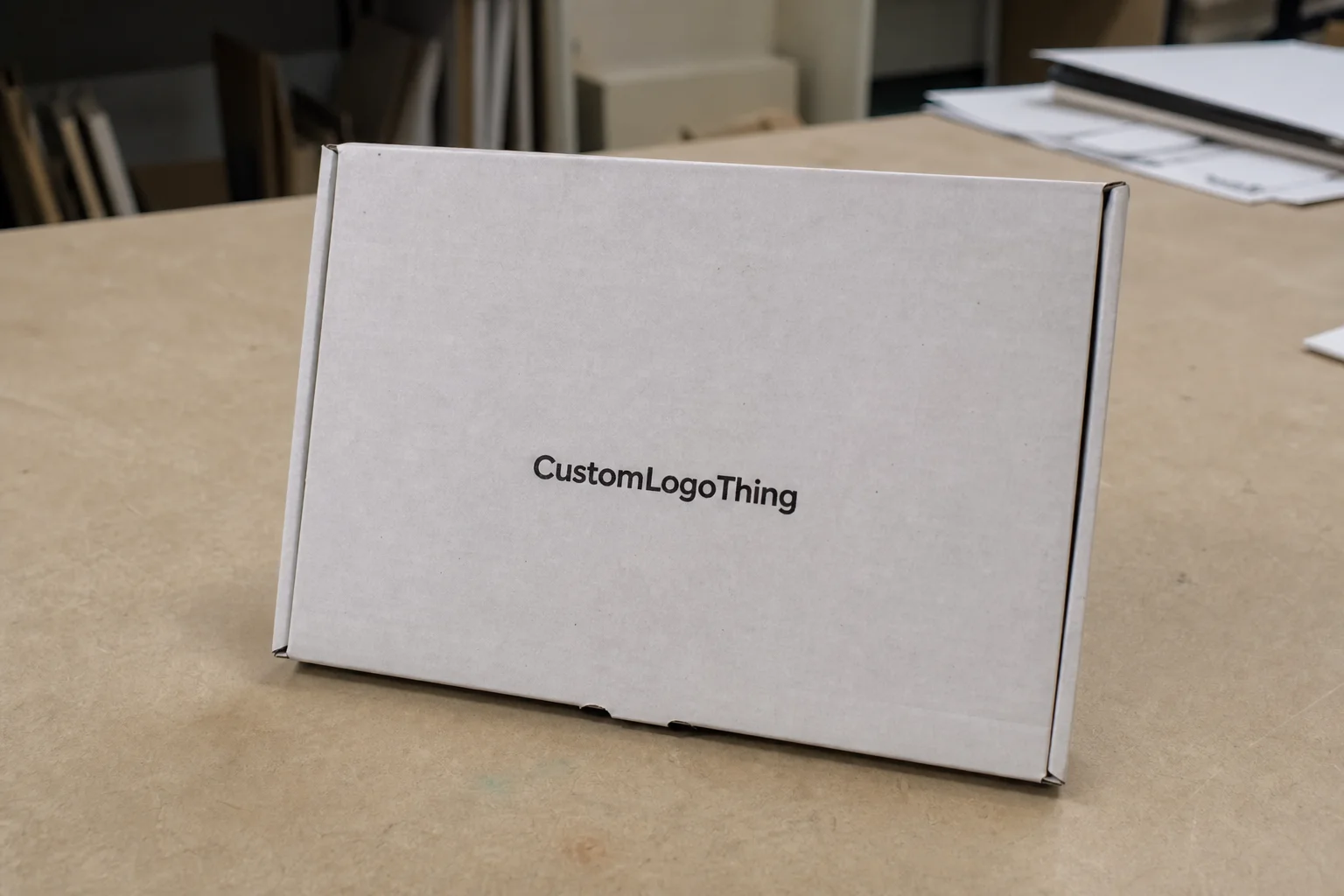
The first thing a bridesmaid notices is usually the box, not the gift. That detail matters because presentation sets expectations before the lid opens. Personalized bridesmaid boxes do more than look polished; they frame the proposal, protect the contents, and make the package feel planned rather than assembled in a rush.
A well-made box can turn modest items into something thoughtful, coordinated, and worth keeping. A poorly chosen one does the opposite and makes even good gifts look generic.
What Personalized Bridesmaid Boxes Actually Do
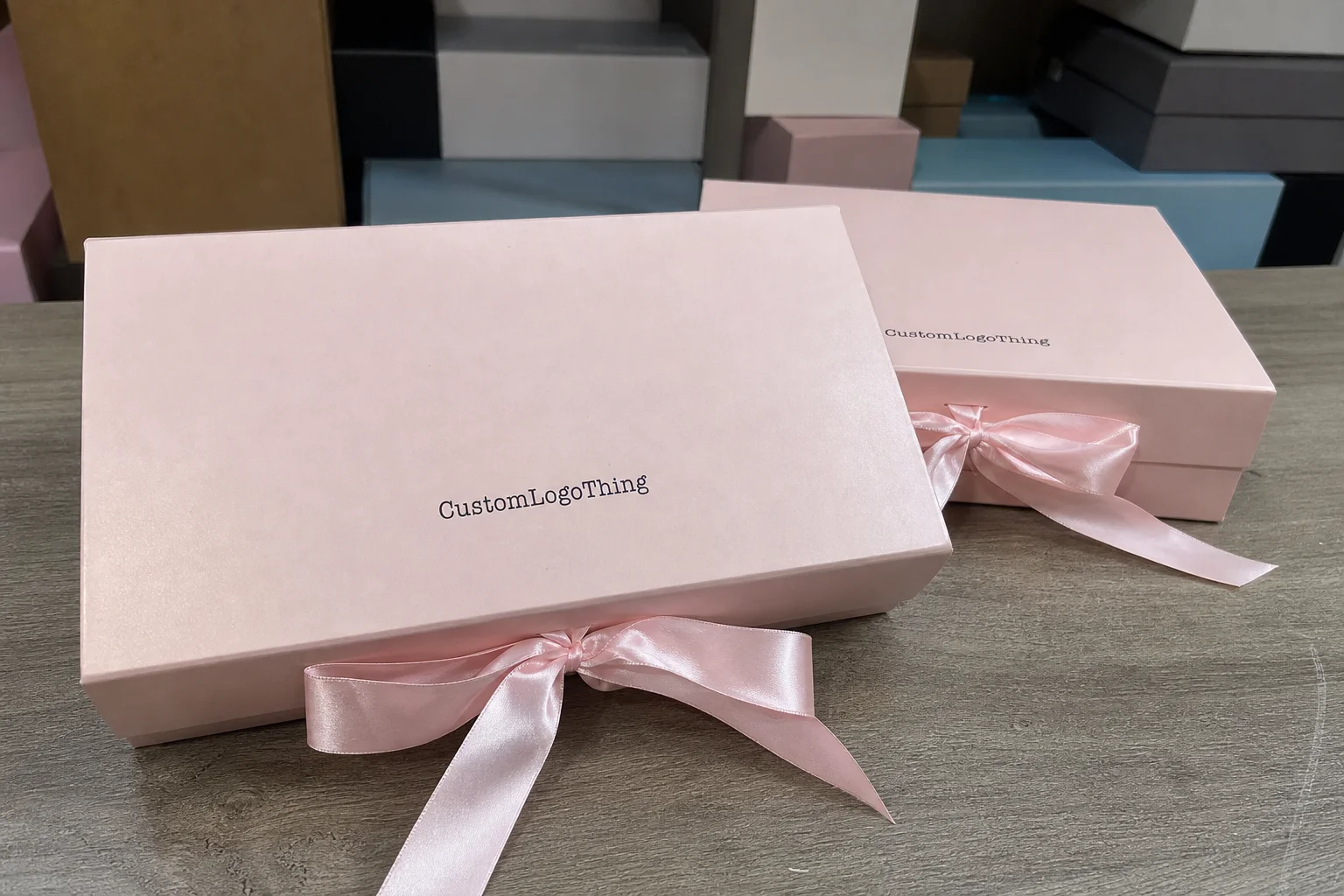
From a packaging buyer’s point of view, these boxes are presentation systems. They organize small items, reduce movement, and create a reveal that feels deliberate before anything is touched.
Personalization can appear on the lid, the insert, a sleeve, or the closure. Names are the most obvious option, but roles, monograms, wedding colors, printed liners, and ribbon wraps all change how the box reads. A name on the lid feels different from a monogram on a belly band, and a printed interior changes the experience again.
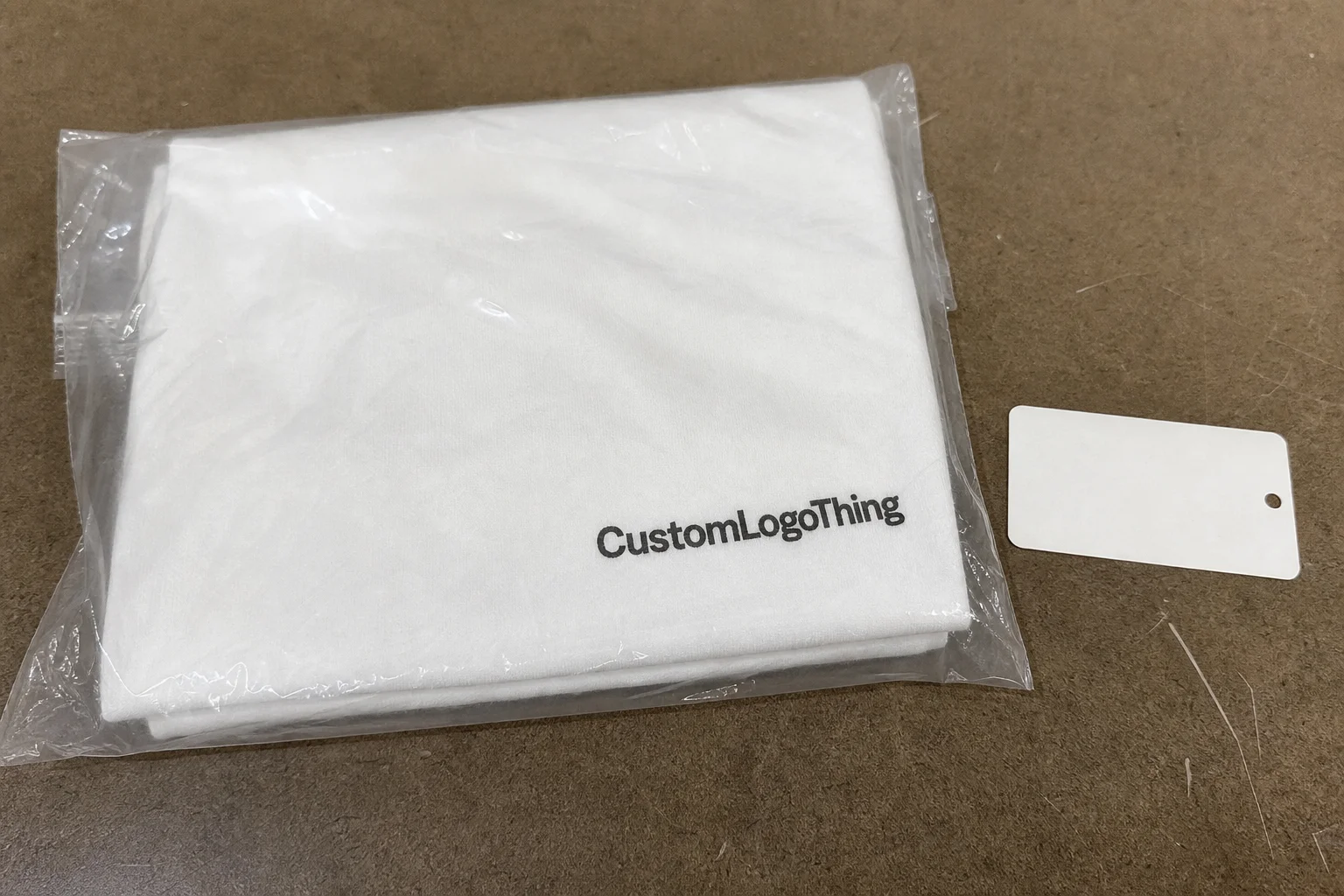
Personalized bridesmaid boxes also serve a practical function. Clear sleeves, poly bags, or protective wrap can keep cosmetics, candles, cards, and small accessories grouped and clean during handling. That matters if the boxes are traveling between homes, being shipped to multiple addresses, or packed days before the event.
The decision usually comes down to appearance, protection, budget, and timing. Push one too hard and the others usually suffer. A beautiful box that arrives late is still a problem, and a cheap box that crushes in transit is another. The best packaging sits in the middle and makes the contents easy to open, easy to photograph, and easy to remember.
Production Process and Timeline From Artwork to Delivery
The workflow is straightforward, but each step adds time if the details are not ready. Production usually starts with concept and sizing, then moves into artwork collection, proofing, sampling if needed, manufacturing, packing, and shipping. In practice, the total planning window often runs three to six weeks. Simpler printed cartons may move faster, while rigid boxes with inserts or specialty finishes usually take longer.
Before production starts, buyers should have a clean list of recipient names, spelling confirmation, quantities, color choices, and any text that will be printed on the box or insert. If the order includes variable names, ask for one master file and one final proof for every unique layout. That extra check prevents avoidable errors.
Lead time changes quickly once customization grows. Standard printed details may be ready in roughly 12 to 15 business days after proof approval. Add foil, spot UV, custom inserts, or a specialty closure and the schedule often stretches to 15 to 25 business days. Rush shipping can shorten transit, but it does not remove artwork approval or production setup time.
There are a few common delays that catch people off guard:
- Proof revisions after names or colors were entered incorrectly.
- Missing image files, low-resolution logos, or unclear font choices.
- Holiday congestion in production and freight lanes.
- Multiple delivery addresses that require separate packing and labels.
- Last-minute changes to gift contents that alter the box size.
If the boxes need to arrive before dress fittings, the bridal shower, or the rehearsal dinner, work backward from the event date and add a buffer. A week sounds generous until two days disappear on proof corrections.
A clean proof is cheaper than a reprint, and a reprint is cheaper than explaining a misspelled name on a wedding gift.
The most reliable orders include one more safeguard: a final sign-off that compares the artwork, the insert dimensions, and the ship date in the same review. That prevents the common problem where each department sees only part of the order.
Materials, Inserts, and Finish Choices That Change the Look
Box structure shapes the entire experience. Rigid setup boxes feel substantial and are often used for proposal kits or premium gift sets. Folding cartons are lighter and more economical, which makes them useful for smaller items or tighter budgets. Mailer-style corrugated boxes are better when the set needs shipping strength. Magnetic closure boxes add a more gift-like feel, but they raise cost and require careful dimensional planning.
Inserts are the quiet part of the design, but they do a lot of work. A simple paperboard insert can hold a perfume bottle upright. A die-cut tray can keep a candle, lip balm, and note card from shifting. Foam or molded inserts protect fragile glass, though many wedding buyers prefer paper-based solutions for a cleaner look and easier recycling.
Finish choices change perception quickly. Matte lamination feels softer and often photographs better than high gloss under indoor light. Soft-touch adds a velvety feel, but it can show scuffing if the boxes are handled repeatedly. Foil accents and spot UV work best in small doses because they create contrast without crowding the design. Printed liners are another strong option when the outside should stay restrained but the reveal should feel special.
Plastic-based protection has a place, but it should be used with restraint. Clear sleeves can keep sets grouped, poly bags can protect cosmetics or small accessories from dust, and shrink wrap can secure a bundle. The goal is to keep the set clean and stable while preserving a premium feel.
Durability matters as much as appearance because these boxes may be shipped, stacked, and opened more than once for photos and gift assembly. If the package has to survive transit, ask how it was tested. Packaging teams often reference ISTA drop-test methods to check whether a box can handle real handling conditions. For buyers choosing fiber-based materials, FSC-certified paperboard is a practical way to keep the material story cleaner without sacrificing print quality.
For buyers comparing structures and print methods, a product listing that shows box style, size range, insert options, and finish choices is far more useful than a glossy mockup. Our Custom Packaging Products page is a straightforward place to narrow the field before committing to an insert or finish.
Cost and Pricing Factors That Move the Quote
Pricing is usually less mysterious than it looks. The biggest drivers are box size, board thickness, print coverage, insert complexity, and order quantity. A small rigid box with one-color print can cost more than a larger folding carton if the setup is more involved. Decorative finishes add another layer. Foil, embossing, soft-touch lamination, and custom die-cuts all push the quote upward in a measurable way.
Setup charges are separate from unit cost, and that distinction matters. A buyer comparing two quotes may see one lower per-box price and assume it is cheaper overall, then discover that tooling, proofing, or sample fees were not included. Small orders tend to look expensive because setup is spread across fewer pieces. Larger runs usually pull the unit price down because fixed costs are absorbed more efficiently.
Here is a practical comparison of common box options buyers use for gift sets and proposal packaging:
| Box Type | Best Use | Typical Unit Cost at 1,000 Pieces | Notes |
|---|---|---|---|
| Folding carton | Lightweight gift sets, stationery, small accessories | $0.55-$1.20 | Lower material cost, faster production, less structural weight |
| Mailer-style corrugated box | Shipping-friendly gift kits and bundled items | $1.10-$2.40 | Better transit protection, good for multiple small products |
| Rigid setup box | Premium proposal boxes and photo-forward presentation | $2.25-$5.00 | Higher perceived value, heavier board, more manual assembly |
| Magnetic closure box | Gift sets that need a strong reveal and reused storage | $3.50-$6.80 | Premium feel, often paired with custom inserts and ribbon |
Shipping, packing labor, rush fees, proof revisions, and specialty finishes can all move the final number. So can the delivery method. A single-address shipment is simpler than sending boxes to five different homes. The right question is not only, “What is the unit price?” It is also, “Does this quote include artwork support, samples, insert fitting, and delivery to the places I actually need them?”
If the order includes several recipient names or mixed gift contents, ask for the pricing to separate the fixed costs from the variable ones. That makes it much easier to see where the money is going. Buyers who compare only the headline unit price often miss the part that affects the final invoice.
Use the same specification across every quote: same size, same board, same print method, same insert count. Mixing specs turns comparison into guesswork. For a cleaner starting point, review our Custom Packaging Products and note which structure fits the gift list before requesting pricing.
Step-by-Step Ordering Checklist for a Smooth Build
A good order usually follows a simple sequence. The fastest way to improve the final result is to finalize the contents first and let the packaging follow the gift list, not the other way around.
- Confirm the recipient list, spellings, roles, and any short personal notes.
- Finalize the gift contents, then choose the box size based on those items.
- Set the visual direction: wedding palette, font style, finish preference, and overall tone.
- Request a proof and check every line, especially names, alignment, and message copy.
- Approve packing details so delicate items go in first, followed by fillers, cards, and the final reveal layer.
- Lock the delivery date and verify whether the shipment is going to one address or several.
That sequence saves money. A box chosen too early often forces extra filler, and filler can make the reveal look less intentional. A box chosen too late can squeeze the gift set and damage the presentation.
It also helps to create a clean spreadsheet with the essentials: recipient name, approved spelling, chosen gift items, insert count, ship-to address, and any notes about wrapping. That kind of file is boring. It is also the difference between a controlled build and a last-minute scramble.
Once the packaging shape is set, the rest of the build becomes easier to price. That is why buyers often return to the same Custom Packaging Products listing more than once: first to narrow the structure, then to confirm finish, insert, and transit needs.
Common Mistakes That Make Gift Boxes Feel Generic
The most common mistake is visual overloading. Too many fonts, too many colors, and too many decorative touches can make the box feel crowded instead of curated. Personalization works best when one element leads and the others support it.
Spelling errors are another fast way to make a custom box feel rushed. One mismatch between the label, the lid print, and the insert can undermine the whole piece. In wedding packaging, consistency is the baseline. If the box says “maid of honor” on one side and “matron of honor” on another, the problem is quality control.
Size errors are just as damaging. A box that is too large forces filler, and filler often reads as clutter. A box that is too small crushes the gift set or leaves no room for a proper reveal. The insert should hold the contents in place with minimal movement.
Weak shipping protection can break the entire experience. A cracked candle jar, a dented cosmetic palette, or a bent card changes the tone immediately. For fragile pieces, ask whether the package needs a corrugated outer shipper, a die-cut insert, or a protective sleeve around individual items.
If the insert does not fit, the design does not matter. Buyers remember that after the first damaged reveal.
Finally, do not buy for appearance alone. A box that looks elegant on a render but cannot survive packing, transit, or storage will create repacking work later. If the goal is polished personalized bridesmaid boxes, the packaging has to hold up in real use, not just in a mockup.
Expert Ways to Make the Boxes Feel More Personal
One strong personalized element usually does more than five weak ones. A name printed cleanly on the lid can be enough. So can a short message inside the cover, a monogram on a belly band, or a custom color story that mirrors the wedding palette.
Add one useful item that fits the person, not just the theme. A travel-sized toiletry kit works if the wedding weekend involves a hotel stay. A hair clip or scrunchie makes sense for a getting-ready box. A small candle, a handwritten note, or a compact mirror can be thoughtful if it is chosen with the recipient in mind.
A layered reveal helps too. Place the most personal piece on top or in a separate sleeve so the box opens in stages. The first view should be clean and confident. The second should carry the emotional lift.
Keep the design linked to the event context. Bridesmaid gifts should not feel like generic promo kits. They should relate to the shower, rehearsal dinner, or wedding-day palette. Even small alignment choices, like matching ribbon to the floral tones or echoing the invitation typography, can make the packaging feel considered.
There is also value in restraint. A box does not need every available finishing trick to feel special. A lot of buyers think customization means adding more. In practice, it usually means choosing better: stronger board, tighter insert fit, and a simpler layout with stronger print placement.
For teams planning multiple addresses or mixed gift contents, the smartest move is to finalize the list, set the budget, request a proof, and lock the delivery date early. That keeps the order manageable and gives you room to correct mistakes before production starts.
What should personalized bridesmaid boxes include?
Include the recipient’s name or role, a coordinated color palette, and at least one useful gift so the box feels intentional instead of decorative only. A note card, tissue, or a custom insert helps keep items organized and improves the reveal.
How far in advance should I order personalized bridesmaid boxes?
Plan for several weeks of lead time so there is room for proofing, revisions, production, packing, and shipping. Add extra time if you need custom artwork, specialty finishes, or delivery to multiple addresses.
What affects personalized bridesmaid box pricing the most?
The biggest drivers are quantity, material choice, print coverage, insert complexity, and shipping method. Small orders usually have a higher unit cost because setup and proofing are spread across fewer boxes.
Can I use plastic bags inside bridesmaid gift boxes?
Yes, clear or Printed Plastic Bags can help protect small items, group pieces by recipient, and reduce movement during transit. Use them selectively so the box still feels premium and not overwrapped.
How do I make bridesmaid boxes feel personal without spending too much?
Choose one high-impact custom element, such as a name, monogram, or handwritten note, and keep the rest of the design consistent. A tight color palette and practical gifts usually do more for personalized bridesmaid boxes than extra decoration.