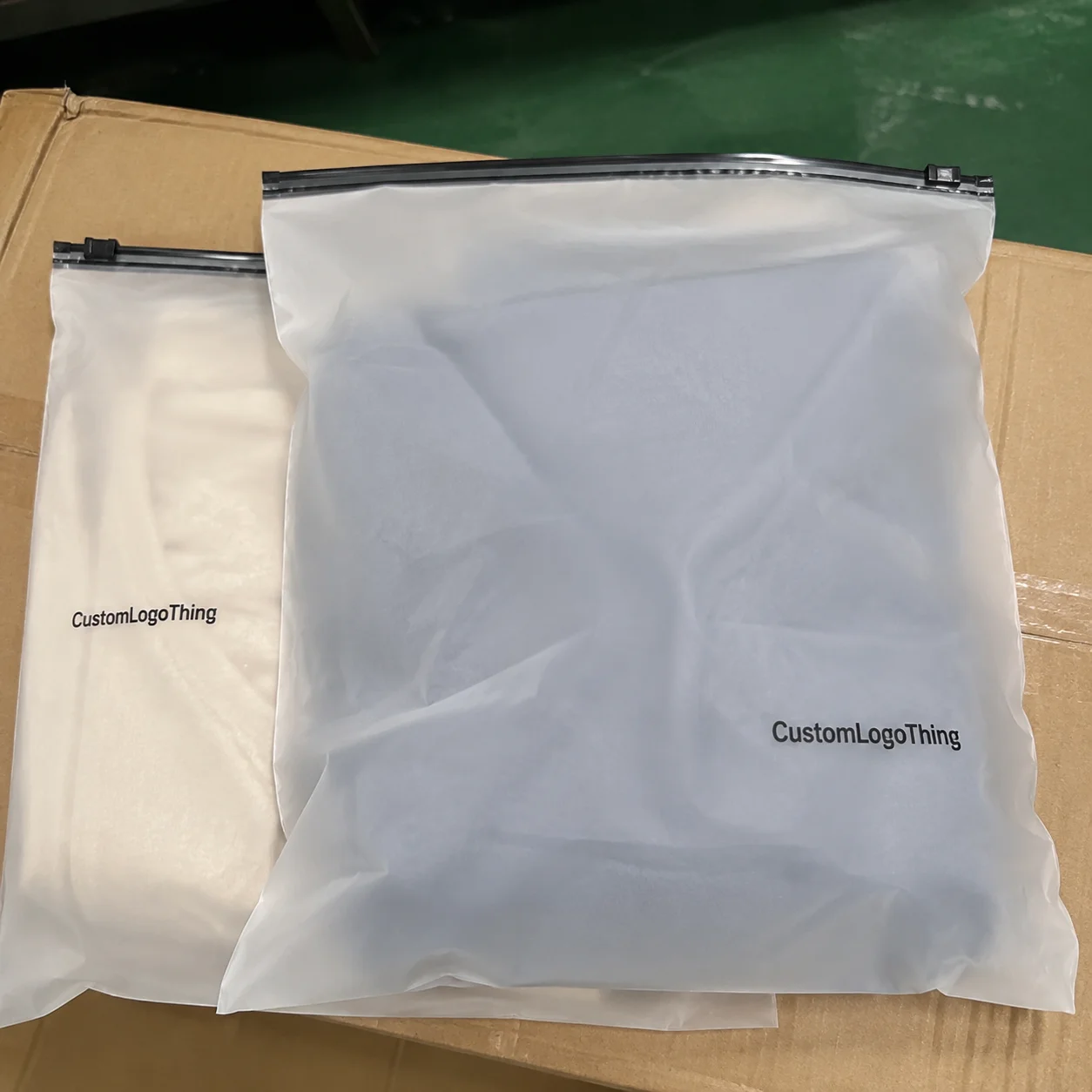
Printed Plastic Bags for garment inserts have one job, and it is not glamorous. Keep a folded shirt, insert card, hangtag, or care sheet clean, flat, and presentable while it moves through packing, shipping, and retail handling. Easy in theory. Not always easy in production.
For apparel brands, these bags sit right between protection and presentation. The right version is not just a clear sleeve with a logo slapped on it. It has to fit the folded stack, open quickly on the line, seal consistently, and still look good when the customer opens the package. If any of those fail, the bargain price starts looking less charming.
How Garment-Insertion Bags Solve a Real Packaging Problem
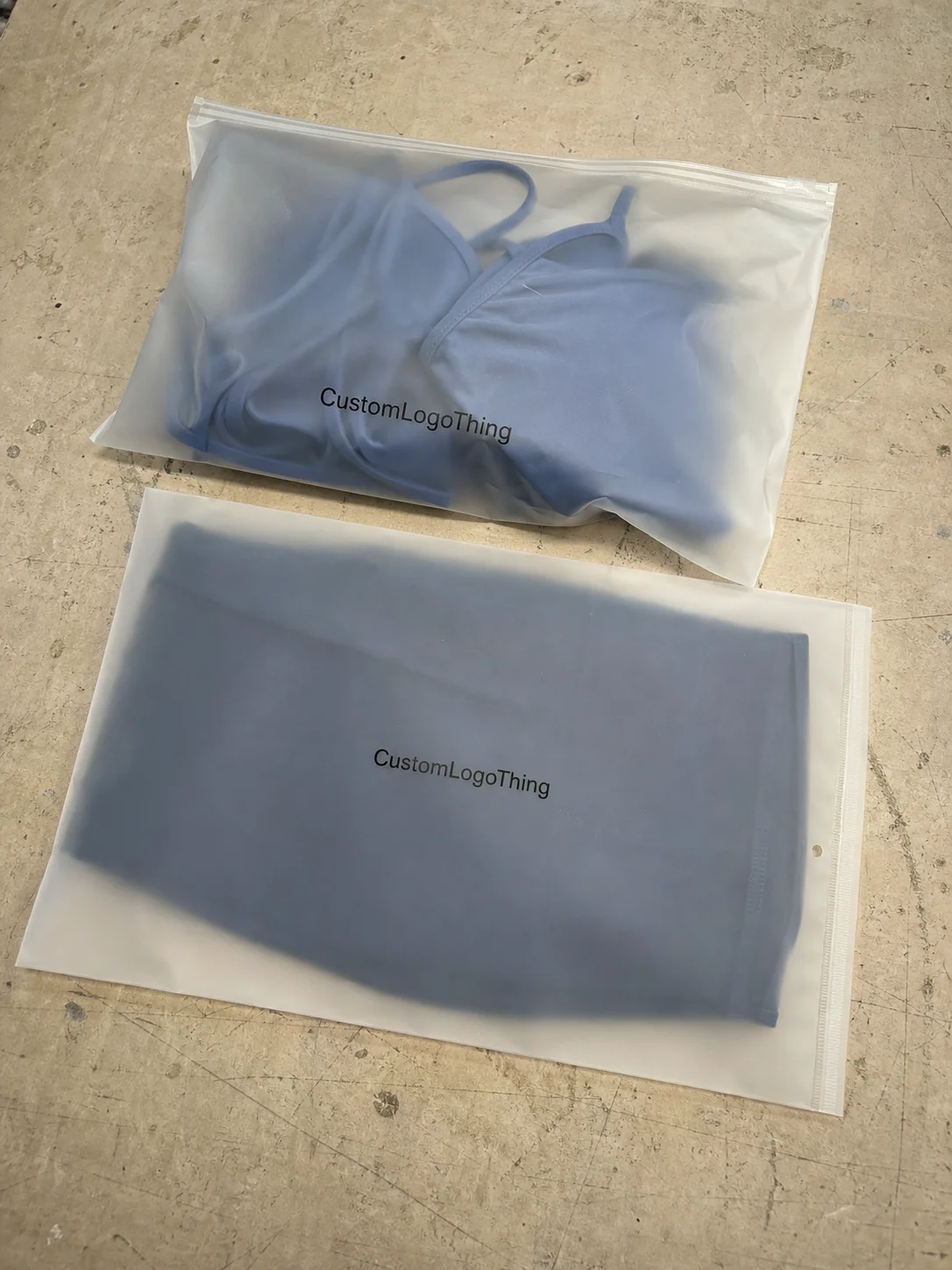
A folded garment is more delicate than buyers sometimes assume. Add a printed insert card, tissue, or care sheet, and the stack becomes more sensitive to pressure, dust, static, and edge wear. A well-sized bag keeps everything aligned so the shirt stays crisp, the paper insert does not curl, and the package does not rub itself ugly inside a carton.
That is why Printed Plastic Bags for garment inserts are usually treated as a functional overwrap first and a branding surface second. The material choice matters. A polyethylene bag gives flexibility and a softer hand. A polypropylene film gives a clearer, crisper look. Frosted film reduces glare and hides fingerprints better, which is useful if the package gets handled a lot before it reaches the shelf.
Some buyers want a resealable flap for returns or retail handling. Others only need a simple open-top sleeve that can be dropped into the fold sequence without slowing the line. That difference sounds small. It is not. A bag that works in a sample photo can still fail if the opening is too tight, the film is too slick, or the seal area crowds the artwork.
A sample tells the truth faster than a mockup does. If the bag takes two extra seconds to open on the line, those seconds multiply quickly across a real order.
The practical question is always the same: will the bag fit the folded stack, protect the contents, and still support the brand image? If yes, it earns its place. If no, the “savings” usually come back as rework, damaged presentation, or slower packing speed.
How Printed Apparel Insert Bags Work in the Packing Line
On the line, the bag is part of the workflow, not an afterthought. The garment gets folded, the insert card or hangtag is placed, and the bundle moves into the sleeve or overwrap. Then the package is closed, stacked, cartonized, or sent onward for retail distribution. If the bag is hard to open, inconsistent in width, or too tight for the finished fold, the whole process slows down. Small dimension errors become expensive fast.
Print placement matters more than many buyers expect. A logo too close to the seal can distort when the bag closes. Barcode zones need enough contrast to scan cleanly. Care instructions, sizing marks, and promotional copy have to stay visible without crowding the window area or hiding the garment. In some programs, the bag carries only a small one-color mark. In others, it functions like a branded sleeve that does a lot of the selling before the product is even touched.
Manufacturing is straightforward in concept but specific in execution. Film is extruded, printed by flexographic or gravure methods depending on the job, cut to size, and sealed or perforated as needed. Higher-volume orders usually justify tighter registration and more consistent color control. Smaller runs can still look good, but the economics tend to favor simpler artwork and fewer setup changes.
Manual insertion gives more flexibility on bag style and opening size. Semi-automatic or higher-volume operations usually need a cleaner lead edge and a predictable opening so operators are not fighting the package on every cycle. That is why a bag that looks perfect in a proof can still be wrong for a real packing environment.
If your packing process handles multiple SKUs, the bag structure needs to support changeovers without creating confusion. Color coding, size windows, and print zones can help operators identify the right product quickly. The best printed plastic bags for garment inserts make the line easier to run, not harder.
Key Specs That Affect Appearance, Protection, and Cost
Material choice is the first decision that really changes how the package behaves. LDPE is flexible and forgiving, which makes it popular for folding and insertion. PP tends to look sharper and crisper, which some brands prefer for premium presentation. Recycled-content options can work too, but print behavior, haze level, and seal characteristics should be checked before the order is locked in.
Thickness is usually discussed in mils, and it affects both durability and cost. A thinner film can be fine for clean retail handling. A slightly heavier gauge is worth considering if the package will be packed tightly, shipped long distances, or handled several times before shelf display. As a practical range, many garment insert programs sit around 1.5 to 3 mil, but the correct spec should follow the product, not habit.
Printing variables matter just as much. One-color logos keep setup simpler and usually cost less. Two- or three-color art can look stronger, but every additional color adds registration work and can slow the press. Coverage area matters too. A small corner mark costs less than a full bleed design, and opaque ink usually costs more than a light imprint because it uses more material and needs tighter press control.
| Construction | Typical Use | Approx. Unit Cost at 5,000 pcs | Visual Effect | Notes |
|---|---|---|---|---|
| Clear LDPE, 1-color print | Basic shirt and insert protection | $0.08-$0.15 | Simple, clean, flexible | Good for fast packing and standard retail presentation |
| Frosted LDPE, 1-2 colors | Mid-tier branded presentation | $0.11-$0.20 | Softer, more premium feel | Hides fingerprints and minor surface scuffs better |
| Clear PP, 2-3 colors | Sharper display-focused packs | $0.12-$0.24 | Higher clarity and crisp edges | Often chosen for retail-facing assortment packs |
| Recycled-content film | Sustainability-led programs | $0.10-$0.22 | Depends on resin blend and haze | Confirm print adhesion and seal strength with samples |
Compliance features can also influence the spec. Some markets require suffocation warnings, retailer-specific text, or product identification on the bag itself. Others care about ventilation holes, antistatic behavior, or recycled-content claims. If the bag is meant for e-commerce handling as well as retail presentation, the film and seal need to survive more abuse. For transit testing, many teams still reference ISTA protocols, especially where drops, vibration, and carton handling are part of the risk profile.
For sustainability claims, the details need to be honest and supportable. If you specify recycled material, ask for the resin statement and confirm whether the print ink, lamination, or seal layer affects recyclability. The FSC standard applies to paper components, not plastic film, so keep the insert card discussion separate from the bag itself.
Printed Plastic Bags for Garment Inserts: Process and Lead Time
The order flow is usually simple, but every step can shift the schedule. First comes the spec request: dimensions, material, thickness, print colors, seal style, and any warning text. Then the artwork gets checked against a dieline or layout. After that comes proofing, where the buyer confirms size, placement, and color intent before production starts. Once the proof is approved, the bags go to press, then cutting, sealing, packing, and shipment.
What slows things down? Artwork revisions are the most common cause. Missing dieline details create back-and-forth. Color matching questions can eat up a day or two if the brand wants the logo within a tight visual standard. Compliance text changes are another frequent delay, especially if a retailer or distributor adds a requirement after the job has already been quoted. Last-minute size changes are the worst, because they affect film usage, plate layout, and the packing method at the same time.
Lead time depends heavily on the construction. Simple clear sleeves with light branding often move faster than multi-color custom runs with warning text, special perforation, or unusual dimensions. A straightforward job might be done in roughly 12 to 15 business days after proof approval. A more complex custom order can easily need longer once setup, press time, inspection, and freight are included. That is not a promise. It is a realistic planning window that avoids wishful scheduling.
Seasonal launches deserve buffer time. If the bags are tied to a new collection, a retail reset, or a line change, the packaging should be approved before the apparel reaches final packing. A two-day delay in packaging can turn into a much larger delay if the packing crew is waiting on approved sleeves for thousands of units. That is why printed plastic bags for garment inserts belong in launch planning, not in the last-minute pile.
What Drives Cost, Pricing, and MOQ Decisions
Price is usually driven by five things: material grade, thickness, print coverage, color count, and volume. Size matters too, because a wider or longer bag uses more film and may require different tooling. When a quote looks lower than the rest, the reason is often buried in one of those variables. The spec may be lighter, the print area smaller, or the material less clear than the buyer actually needs.
MOQ exists because setup work is real. Press calibration, plate creation, registration checks, and material yield all cost money before the first saleable bag comes off the line. A low-volume custom job spreads those fixed costs across fewer units, so the unit price climbs. Larger runs usually reduce the per-piece cost, but only if the spec stays consistent and the press run is efficient. A 20,000-piece order often looks much better on paper than a 2,000-piece pilot for exactly that reason.
There are also hidden costs buyers should ask about directly. Proof charges, plate fees, freight, and special features like reseal strips or perforation can change the total landed price. If the project requires exact color control, ask whether a press proof is included. If the packaging has to ship to multiple distribution points, ask how freight is quoted. A quote that looks attractive at first glance can get expensive once the extras are added.
Comparing vendors only works if the spec sheet is the same. A 2-mil clear LDPE sleeve with one-color print is not comparable to a 3-mil frosted PP bag with two-color coverage and warning text. Buyers sometimes think they are evaluating price, but they are actually comparing different products. That is a quick way to make a bad decision.
If you want a useful comparison, ask suppliers to quote the same dimensions, same thickness, same print count, same bag opening, and the same carton pack. Then you are comparing value instead of a headline number that hides the tradeoffs.
Step-by-Step: Choosing the Right Bag for Your Garment Inserts
Start with the finished folded stack, not the cut size of the garment. A polo, a tee, and a woven shirt can all fold to very different dimensions once the insert card and tissue are included. Measure the actual packed bundle, then leave enough room for easy insertion without so much slack that the package looks loose inside the carton.
Next, define the packaging job. Is the bag mainly protecting the garment during shipping? Is it presenting the product on a retail fixture? Does it need to support both retail and e-commerce handling? The answer should drive the material, thickness, and print style. A display-first package may need better clarity and more deliberate print placement. A shipper-focused package may care more about puncture resistance and seal integrity.
Then choose the material and visual finish. LDPE gives flexibility. PP gives a sharper surface. Frosted film softens glare. Recycled-content options may support sustainability goals, but they should be tested for haze, print adhesion, and seal quality. A slightly thicker film can improve handling and protect the insert better, but it also changes the feel and can raise cost. There is always a tradeoff; the job is to choose the one that matters most.
After that, decide what the print needs to communicate. A logo is the minimum. Size identification, style codes, barcodes, and handling instructions can be useful too, especially in multi-SKU operations where line workers need fast visual cues. Keep the artwork readable and avoid overloading the surface. The best printed plastic bags for garment inserts usually have enough branding to feel intentional, but not so much that they fight the product inside.
Finally, request samples or a pre-production proof and test them on the actual packing line. Check insertion speed, seal consistency, clarity under warehouse lighting, and how the finished pack looks in a carton and under retail lights. If a bag passes on paper but causes wrinkles, slows the line, or obscures the garment, it is not the right spec.
The most efficient packaging choice is rarely the cheapest bag. It is the one that keeps the product clean, the line moving, and the presentation consistent without forcing operators to fight the package every shift.
Common Mistakes Buyers Make With Insert Packaging
The first mistake is sizing the bag too tightly. That creates friction during insertion, wrinkles the garment, crushes the insert card, and can stress the seal. The second is choosing a visually attractive print without checking opacity and placement. A design that looks sharp in a mockup may hide the product, interfere with barcodes, or sit awkwardly over a fold line.
Another common problem is ignoring retailer or compliance requirements until late in the process. If a warning statement, product ID, or handling note needs to be on the bag, the artwork should account for it from the start. Rebuilding a layout after proof approval costs time and money, and it can easily push a launch behind schedule.
Buyers also compare quotes too casually. One supplier may quote a heavier film, better print control, or a larger usable bag size, while another quotes a stripped-down version that only appears cheaper. If the spec sheet is not aligned, the comparison is not real. That mistake gets expensive once the production run starts.
The last mistake is skipping the physical sample test. It sounds basic, but a sample often exposes things that art files never show: static cling, opening difficulty, seal weakness, or a fit that looks acceptable until the garment is folded under real working conditions. If the sample does not run well, the production version usually will not improve on its own.
What size should printed garment insert bags be?
Measure the finished folded garment stack, including any cards, tissue, or hangtags that stay inside the bag. Leave enough extra room for easy insertion without creating excess slack that makes the package look loose. The best check is a real sample on the packing line, because the fold method usually matters more than the flat garment size.
How much do printed plastic bags for garment inserts cost?
Price depends mainly on size, material, thickness, number of colors, and order quantity. Larger runs usually lower unit cost because setup expenses are spread across more bags. To compare quotes fairly, ask suppliers to quote the same dimensions, same film, same print coverage, and the same carton pack before you judge value.
What print method is best for apparel insert bags?
The best method depends on artwork complexity, color count, and the look you want on the finished bag. Simple logos and text often work well on standard flexographic production, while heavier branding may require more setup and tighter color control. Ask for a proof so you can check legibility, registration, and the way the print sits on the film.
How long is the turnaround for custom printed garment bags?
Turnaround varies based on artwork approval, material availability, print method, and order size. Simpler stock-based designs usually move faster than fully custom multi-color runs with warning text or special features. Build in extra time for proof revisions and shipping so printed plastic bags for garment inserts do not become the bottleneck in your launch schedule.
Do I need special compliance text on garment insert packaging?
Some retail channels and product categories require warning language, product identification, or handling instructions. Requirements depend on the bag style, the market, and how the product is sold or shipped. Check compliance early, because a late text change can force a layout redo and delay the entire order. For most buyers, that is the difference between a calm release and a last-minute scramble.