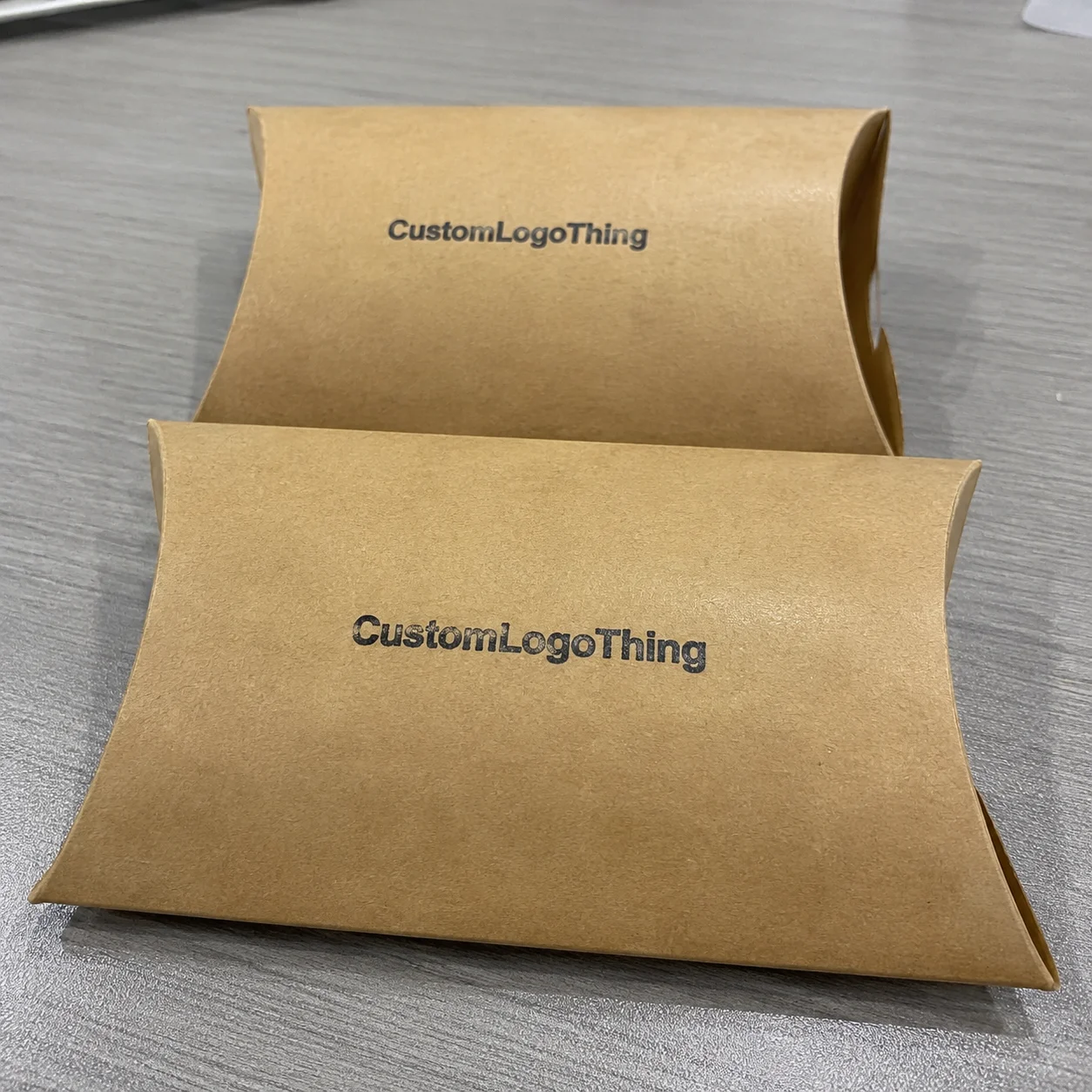
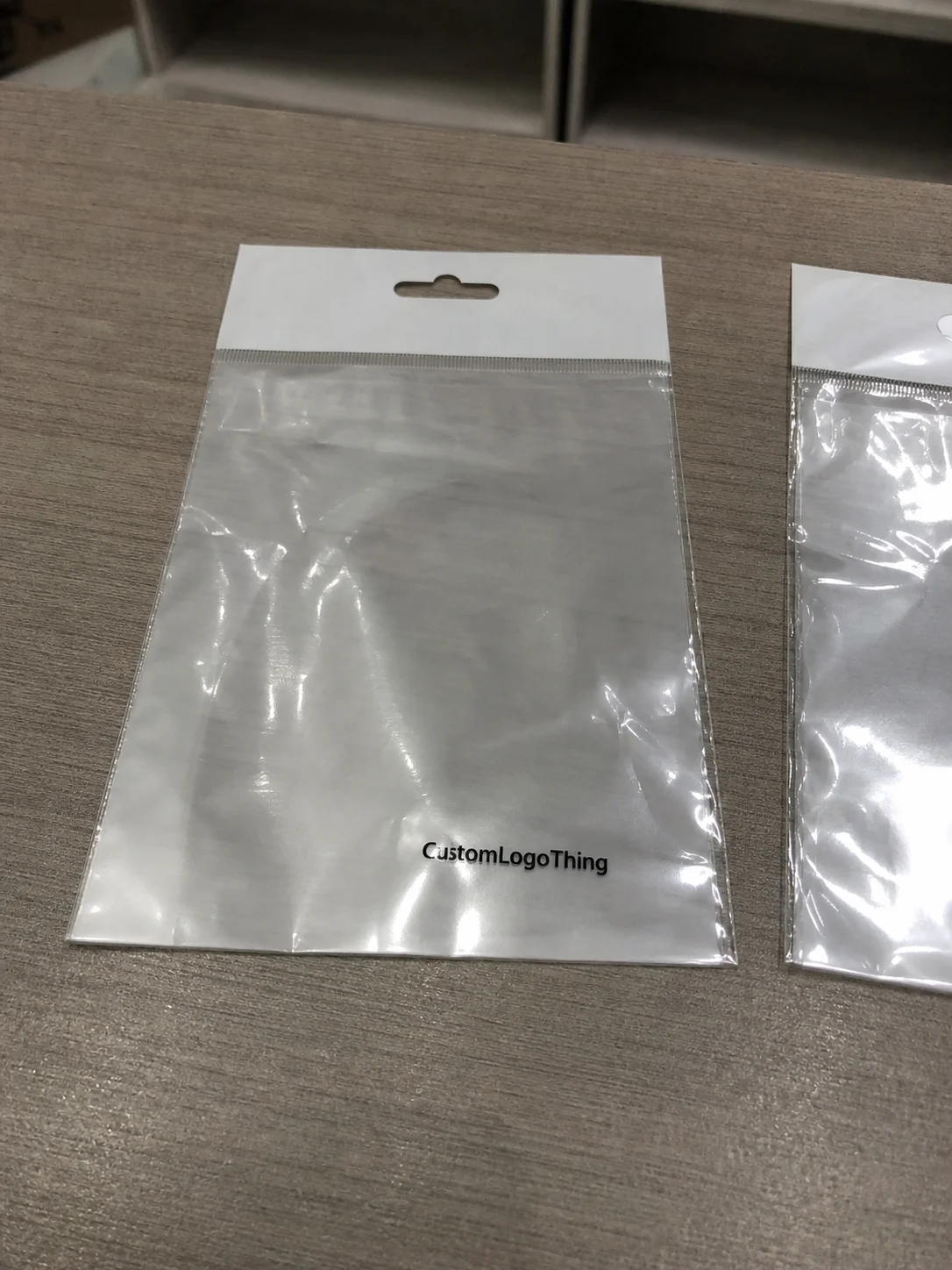
Buyer Fit Snapshot
| Best fit | Personalized Candle Tins Bulk Order projects where brand print, material claims, artwork control, MOQ, and repeat-order consistency need to be specified before quoting. |
|---|---|
| Quote inputs | Share finished size, material target, print colors, finish, packing count, annual reorder estimate, ship-to region, and any compliance wording. |
| Proofing check | Approve dieline scale, logo placement, barcode or warning zones, color tolerance, closure strength, and carton packing before bulk production. |
| Main risk | Vague material claims, crowded artwork, missing packing details, or unclear freight terms can make a low unit price expensive after revisions. |
Fast answer: Personalized Candle Tins Bulk Order: Pricing, MOQ & Lead Times should be specified like a repeatable production item. The safest quote records material, print method, finish, artwork proof, packing count, and reorder notes in one written spec.
Production checks before approval
Compare the actual filled-product size with the drawing, then confirm tolerance on folds, seals, hang holes, label areas, and retail display edges. Reserve space for logos, QR codes, warning copy, and material claims before decorative graphics fill the panel.
Quote comparison points
Review material grade, print process, finish, sampling route, tooling charges, carton quantity, and freight assumptions side by side. A quote is only useful when the supplier can repeat the same color, closure quality, and packing count on the next order.
I once watched a buyer save $0.03 per unit on a Personalized Candle Tins Bulk order in Dongguan, then lose $0.19 per unit after dents, lid mismatch, and rework fees. That was on 18,000 tins. The spreadsheet looked great on Monday and painful by Friday.
I’m Sarah Chen. I built and sold a packaging brand after 12 years in custom printing and metal packaging sourcing across Shenzhen, Dongguan, Huizhou, and Ningbo. I’ve stood next to stamping lines at 11:40 PM arguing over lid friction tolerance, and I’ve had freight forwarders quote $3,200 one day and $4,850 three days later for the same route because a booking window slipped. Details sound small until they hit your margin.
If you’re planning a Personalized Candle Tins Bulk Order, you probably care about three things: margin, speed, and not getting blindsided. Good. That’s the right mindset. This guide is for decision-makers placing real volume—1,000 units and up, not hobby test batches—and it covers formats, specs, pricing tiers, MOQ logic, lead times, and the checks that prevent expensive mistakes.
Personalized Candle Tins Bulk Order: Why Most Buyers Overpay First
Most first-time buyers overpay because they compare factory unit prices, not landed performance. I’ll be direct: a cheap quote with a 6% defect rate is not cheap. I saw this with a California home fragrance brand that switched suppliers to save $0.04 per tin. The new factory used thinner tinplate (0.18mm instead of 0.23mm), and 9 out of every 200 lids arrived deformed after ocean transit. They paid overtime labor to sort and re-lid before filling. Total loss across one run: $6,740.
What actually matters in a personalized candle tins bulk order:
- Defect rate: target under 1.5% for standard tins, under 2.0% for complex emboss.
- Reorder consistency: color delta and lid fit should match previous PO tolerances.
- Freight efficiency: nesting ratio and carton strength directly affect damage and cost.
- Turnaround reliability: committed date vs. actual ship date, not “about two weeks.”
In early calls, I ask one question: “If I save you $0.02 but create one week of launch delay, did I help?” Most retail teams say no, because missing a seasonal drop can burn $20,000+ in missed revenue for a mid-sized ecommerce brand moving 3,000 to 5,000 units per scent.
Another real case: during a supplier audit in Huizhou, I found pallet overhang of 35mm on both sides because cartons were stacked 14 across instead of 12. It looked minor. It wasn’t. Overhang took edge hits during warehouse handling, and corner crush jumped from 1.1% to 4.3%. We corrected the pallet pattern, upgraded from 5-ply to 7-ply B/C flute master cartons, and reduced damage claims by roughly $2,100 per container cycle.
For a smart personalized candle tins bulk order, value comes from predictable quality and transparent costing. You should know exactly what you’re paying for: tinplate gauge, print process, coating type, inspection level, carton spec, pallet layout, and shipping mode. If a quote hides line items behind “premium quality,” assume there’s risk tucked inside.
If you’re comparing suppliers now, ask for the last three production defect reports for similar SKUs. If they hesitate, that tells you plenty.
Product Details: Choosing the Right Personalized Candle Tins Bulk Order Format
Not all tin styles behave the same on a filling line or during transit. Pick the wrong format for your wax system and sales channel, and money disappears fast in a personalized candle tins bulk order.
Common formats and where each works best
Seamless round tins are popular for clean aesthetics and stronger sidewall integrity. Typical sizes: 4 oz (70x45mm), 6 oz (80x55mm), 8 oz (85x60mm). They usually perform better in subscription shipping because there’s no side seam weak point.
Rolled-edge tins are forgiving in handling and reduce cut risk in manual-fill operations. I recommend them for fast-moving mid-price collections. Standard lid friction can be tuned to about 1.8–2.6 kgf pull force depending on wax shrink behavior.
Window-lid tins convert well in gift displays, but they scratch more easily and need a stronger inner tray or separator cards. PET window thickness usually sits between 0.25mm and 0.35mm. Anti-scuff varnish helps when cartons are tightly packed, though it won’t make them scratch-proof.
Travel tins (2 oz to 4 oz shallow formats) fit discovery kits and hospitality welcome packs. These are often sold in 6-pack and 12-pack sets where freight cube matters more than individual branding space.
Deep-fill multi-wick tins are heavier and need tighter flatness control. If your fill is 12 oz+ with 2 or 3 wicks, base stability and lid-fit repeatability are critical. I’ve seen off-center wick complaints trace back to uneven base panel depth by as little as 0.6mm.
Decoration methods and tradeoffs
In a personalized candle tins bulk order, decoration can swing costs by 15% to 40% depending on coverage and finish stack. For brands sourcing Custom Candle Tin Packaging, this is often the biggest budget fork after metal gauge.
- Offset direct print: clean look at volume, great for full-wrap artwork; setup cost is higher but per-unit cost usually drops at 5,000+.
- CMYK label wrap: flexible for SKU variety, faster revisions, easier for short runs like 1,000 to 3,000.
- Emboss/deboss: strong shelf impact, with added tooling and alignment time.
- Spot color (Pantone): better brand consistency than raw CMYK for signature tones.
- Matte/gloss varnish: matte feels premium but can scuff if coating cure is rushed.
My usual recommendation for premium brands at 5,000+ volume is offset plus spot matte varnish. Fast-launch DTC teams with six scents and frequent artwork changes often do better with high-quality label wraps for flexibility and speed. Kinda boring answer, but it works.
Compatibility checks buyers skip
Three things get skipped too often in a personalized candle tins bulk order: wax adhesion behavior, lid friction after cure, and real-world transport simulation. Different wax blends (soy, coconut-apricot, paraffin blends) contract differently, which changes lid pressure and can lift label edges. Run a fill-and-cure test for at least 72 hours at around 22°C and 50% RH before approving mass production.
Also verify wick-centering jig compatibility with the actual inner diameter. A 1mm drift across lots can trigger leaning-wick complaints and tunnel burn issues that look like wax formula failure but actually start as packaging tolerance drift.
Specifications That Impact Performance and Brand Perception
Specs are where profitable orders are won or lost. Every personalized candle tins bulk order needs a written specification sheet, not a long email thread with screenshots and “same as last time” notes.
Material and gauge
Common tinplate options: 0.18mm, 0.20mm, 0.23mm, and 0.25mm. My default for most retail candles is 0.23mm body with a matched-strength lid. At 0.18mm, you may save $0.01–$0.02 per unit, but freight damage risk climbs quickly, especially in stacked ocean shipments.
For stackability, request carton-level compressive load testing. Thin-gauge tins in tall stacks can ovalize, then lid fit gets inconsistent. One Midwest client cut damage claims from 3.8% to 1.2% by upgrading gauge and reducing pallet stack height from 7 layers to 5.
Coatings and safety
Interior coatings matter for oil interaction and rust prevention. Reliable factories offer food-contact-safe lacquer systems and anti-rust treatment, but “safe” still needs documentation. Fragrance-heavy formulas with citrus notes can be more aggressive over long storage periods, so ask for compatibility confirmation in writing and run your own soak test.
For sustainability claims, use certified paper inserts and cartons. If you need chain-of-custody documentation, check sources at FSC. Don’t print eco claims unless paperwork is complete; I’ve seen legal teams stop full print runs over one unsupported line.
Print and finish controls
A personalized candle tins bulk order should include color tolerance parameters. If brand color is critical, specify Pantone references and acceptable variation bands. Request adhesion tests (cross-hatch), abrasion/scuff checks, and solvent rub resistance where needed.
Practical rule: if tins are packed tightly with no poly bag or interleaf, require anti-scuff varnish or separators. It may add $0.006 to $0.015 per unit, and it can save a premium line from being marked down due to cosmetic damage.
Dimensional tolerances and fit
For lid-body fit, target friction that survives transit vibration but still opens by hand. Factories should document diameter and height tolerances and provide lot-based measurement reports. Ask for samples from the start, middle, and end of the run; that catches process drift early.
Fill-volume accuracy matters too. Wax fill weights (6.5 oz vs. 7.0 oz) should match real usable volume, not nominal diameter × height math. Mismatch creates overflow risk in summer transport or visible underfill at retail.
Cartons, drop tests, and palletization
Master carton specs are not optional. A durable setup is often 7-ply B/C flute, suitable burst strength for long transit, edge protectors for full pallets, and stretch wrap with top cap. If your route is rough, run transit simulation aligned with recognized protocols from ISTA.
I also insist on documented pallet pattern, max height, and container loading photos. No photos, no trust. Learned that one the hard way after a forwarder swapped slip sheets and we spent $1,900 fixing collapsed loads on arrival.
Pricing & MOQ for Personalized Candle Tins Bulk Order
You want numbers, so here’s a realistic framework for a standard personalized candle tins bulk order using 6 oz to 8 oz round tins, 0.23mm tinplate, and low-to-moderate print complexity.
| Quantity Tier | Typical Unit Price (EXW) | Setup/Tooling Notes | Typical Lead Time (Production) |
|---|---|---|---|
| 1,000 units | $0.42 - $0.68 | Higher setup burden per unit; limited finish options | 15-22 business days |
| 3,000 units | $0.31 - $0.52 | Better print economics; some emboss possible | 14-20 business days |
| 5,000 units | $0.24 - $0.44 | Strong value zone for offset/direct print | 12-18 business days |
| 10,000+ units | $0.19 - $0.36 | Best setup spread; negotiate annual volume rates | 12-16 business days |
These ranges are directional, not guarantees. They move with diameter, height, gauge, finish stack, and pack-out method. If someone quotes $0.14 for a complex embossed tin at 3,000 units, ask sharp questions. Either specs are cut down hard, or quality control is gonna be thin.
Main price drivers in a personalized candle tins bulk order:
- Tin dimensions and metal thickness
- Direct print vs. label application
- Emboss/deboss tooling complexity
- Custom lid fit requirements
- Secondary packaging (inner trays, gift sleeves, inserts)
MOQ is mostly a factory-efficiency equation. Printing plates, coating line washups, and setup labor cost money whether you run 500 pieces or 5,000. That’s why standard sizes often start near 1,000 units, while custom diameter plus emboss can push practical MOQ to 3,000 or 5,000.
Hidden-cost checklist for every personalized candle tins bulk order:
- Mold adjustments after first sample round ($80–$400 is common)
- Pantone proof cycles (sometimes billed after first pass)
- Third-party inspections ($250–$450 per day by location)
- Carton upgrades for long transit routes
- Freight surcharges and destination handling fees
Negotiation advice from someone who has done this too many times: if your forecast is stable, lock projected annual volume. A 30,000-unit 12-month commitment with scheduled releases can often reduce price by $0.02 to $0.05 per unit and improve production priority. Split shipments may help cash flow, but they usually raise freight per unit—run both scenarios before sign-off.
“We thought we were negotiating hard by squeezing unit price. Sarah pushed us to negotiate carton spec and inspection level. That saved more than any unit discount.” — Operations Manager, U.S. Candle Brand (7-figure annual revenue)
Process & Timeline: From Artwork to Delivered Bulk Inventory
A reliable personalized candle tins bulk order follows a structured workflow. Suppliers that skip steps increase risk. Pretty simple.
Step-by-step workflow
- Inquiry: share dimensions, fill weight, finish, quantity tiers, and delivery destination.
- Spec confirmation: lock gauge, coating, print method, and carton standard.
- Quotation: request line-item pricing, not one lump sum.
- Dieline/artwork check: prepress verifies bleed, trapping, and color intent.
- Sample approval: physical sample for fit, finish, and fill test.
- Mass production: scheduled run with in-process QC checks.
- Final QC: AQL inspection and defect documentation.
- Shipping: book sea/air/express based on urgency and margin impact.
Typical timing for a personalized candle tins bulk order:
- Artwork/prepress: 2-5 business days
- Sample production: 5-10 business days
- Sample transit/review: 3-7 business days
- Mass production: 12-20 business days
- Sea transit: 20-40+ days by route
- Air transit: 5-12 days
Most delays come from artwork revisions, slow internal approvals, and vessel booking in peak windows. I’ve seen teams lose 9 days because marketing wanted one more foil tweak on the lid copy. Beautiful result, late launch.
Approval gates you should enforce
Don’t skip these four checkpoints for a personalized candle tins bulk order:
- Pre-production sample signed by procurement and brand team
- Color proof aligned to Pantone references under controlled lighting
- Fit test with actual wax fill and cure cycle (minimum 72 hours)
- Final AQL inspection with agreed critical/major/minor defect criteria
If you need deeper detail on approval questions and production scenarios, our FAQ page covers real client cases and straightforward answers.
Shipping mode and landed cost impact
Sea freight is usually best for planned replenishment. Air is useful for urgent launches but can raise freight per unit by 2x to 5x depending on lane and fuel. Express is the emergency button, not the operating model.
Recent personalized candle tins bulk order example: 5,000 tins by sea landed around $0.05–$0.09 freight per unit on a consolidated booking; air moved that to roughly $0.22–$0.38. If your gross margin is tight, that difference bites fast.
Build a reorder calendar before you need it
Strong teams back-schedule from sales peaks. If Q4 is big for you, start PO planning at least 90 to 120 days ahead for sea routes. Keep roughly 1.3x to 1.6x lead-time inventory coverage on fastest sellers. Conservative, yes. Also what keeps you out of panic airfreight.
If you’re scaling recurring purchases, review our Wholesale Programs for structured tier pricing and scheduled production slots that help stabilize repeat runs in your wholesale candle tins program.
Why Choose Us for Personalized Candle Tins Bulk Order Projects
Plenty of vendors can quote a personalized candle tins bulk order. Far fewer can execute consistently with documentation, accountability, and clear communication when things go sideways.
We work with audited manufacturing partners and defined QC checkpoints from raw tinplate intake to final packing. We document corrective actions. If a lot misses spec, you get a report with root cause and resolution timeline, not a vague apology email.
I stay personally involved in packaging engineer reviews for high-risk projects: custom emboss, specialty coatings, tight lid tolerance, and mixed-SKU master cartons. We run prepress checks before production so alignment issues don’t show up after 10,000 units are printed.
Commercial transparency is non-negotiable. Quotations are line-item based: body/lid, print process, coating, tooling, packing, inspection options, and shipping assumptions. You can trace every dollar in your personalized candle tins bulk order.
A Toronto client came to us after two inconsistent runs from another supplier—same Pantone callout, visibly different lid tone between batches. We rebuilt print controls, standardized proof lighting, and tightened sign-off gates. Their next three runs stayed consistent enough for retail planograms, and returns tied to “mismatched packaging” dropped by about 38% over two quarters.
We also flag risk early. If a requested finish tends to scuff in high-friction transit, we’ll say so. If MOQ goals are unrealistic for tooling economics, we’ll say that too. Honest warnings can feel inconvenient in the moment, but they protect your margin long-term.
Bottom line: the right personalized candle tins bulk order partner protects margin through process discipline, not sales adjectives.
Next Steps to Place Your Personalized Candle Tins Bulk Order Without Delays
If you want a smooth personalized candle tins bulk order, send complete specs on day one. Half-complete RFQs create fuzzy pricing and days of avoidable back-and-forth.
Buyer checklist
- Exact tin dimensions (diameter × height in mm)
- Target wax fill weight (oz or grams)
- Quantity tiers (1,000 / 3,000 / 5,000 / 10,000+)
- Print files (AI or vector PDF)
- Pantone references and finish requirements
- Lid type and friction preference
- Carton and pallet constraints
- Destination port or full delivery address
- Required compliance or testing standards
- In-warehouse deadline (not just ship date)
Copy-paste RFQ template
Subject: RFQ – Personalized Candle Tins Bulk Order
Body:
SKU count: [#]
Tin size(s): [e.g., 80x55mm, 85x60mm]
Fill weight: [e.g., 180g soy blend]
Material: [e.g., 0.23mm tinplate]
Finish: [e.g., CMYK + matte varnish + emboss logo]
Quantity tiers: [1k / 3k / 5k / 10k]
Packaging: [units/carton, carton max weight, pallet preference]
Inspection: [AQL level request]
Destination: [port/city/country]
Target delivery date: [date]
Notes: [special requirements]
15-minute quote scorecard
Use weighted scoring so the lowest unit price doesn’t automatically win.
- Price (30%)
- Lead time reliability (25%)
- QC process and inspection proof (25%)
- Freight and packaging efficiency (20%)
Score each supplier from 1 to 5 in each category, multiply by weight, and compare totals. Quick and practical.
Action plan for your next Personalized Candle Tins Bulk Order:
- Submit a full spec pack with artwork files and Pantone references.
- Request a sample timeline with fixed milestone dates and owners.
- Confirm inspection standard and defect criteria before deposit.
- Approve pallet/carton spec in writing before mass production starts.
- Back-schedule shipping mode against your in-warehouse date, not hoped-for ship date.
If you execute those steps, your personalized candle tins bulk order is far more likely to arrive on time, with stable quality, and without the classic first-run surprises that quietly drain margin.
What Should You Check Before Placing a Personalized Candle Tins Bulk Order?
Before placing a personalized candle tins bulk order, confirm six items in writing: tinplate gauge, coating compatibility with your wax blend, lid friction tolerance, print color standard (Pantone or approved proof), carton/pallet specification, and final inspection criteria (AQL). Then validate everything with a physical sample run that includes fill, cure, and a basic transit simulation. That sequence catches most expensive failures before mass production and gives procurement, operations, and brand teams one shared approval record.
Frequently Asked Questions
What is the minimum quantity for a personalized candle tins bulk order?
Typical MOQ starts around 1,000 units for standard sizes and basic finishes. Custom diameters, embossing, or specialty coatings often push MOQ to 3,000 to 5,000 units because setup and tooling need volume to stay economical. You can sometimes combine multiple SKUs in one personalized candle tins bulk order if the total run meets factory thresholds.
How much does a personalized candle tins bulk order cost per unit?
Unit pricing usually drops as volume rises because fixed setup costs spread across more pieces. A lot of projects land between $0.19 and $0.68 per unit depending on quantity and complexity. Main drivers are tin size, gauge, print finish, and pack-out method. Compare landed cost—unit price plus defects, freight, duties, and handling—not factory price alone for your personalized candle tins bulk order.
How long does production take for personalized candle tins in bulk?
Sampling and artwork approval typically take 1 to 3 weeks, depending on revision rounds. Mass production is often 12 to 20 business days after approval for a standard personalized candle tins bulk order. Add transit, customs, and inland delivery to calculate a realistic in-warehouse date.
Can I order bulk personalized candle tins with custom sizes and finishes?
Yes. Custom diameter/height, embossed logos, specialty coatings, and premium finish stacks are all feasible. Expect one-time tooling costs and added development time. For any custom personalized candle tins bulk order, run pre-production fit testing with real wax to verify lid behavior, handling durability, and visual consistency.
What files do I need to start a personalized candle tins bulk order?
Provide editable vector artwork (AI or vector PDF), Pantone references, and finish callouts. Include tin dimensions, fill volume, quantity tiers, and destination details. If possible, send a physical reference sample; that single step can cut prepress clarification time by several days on a personalized candle tins bulk order.