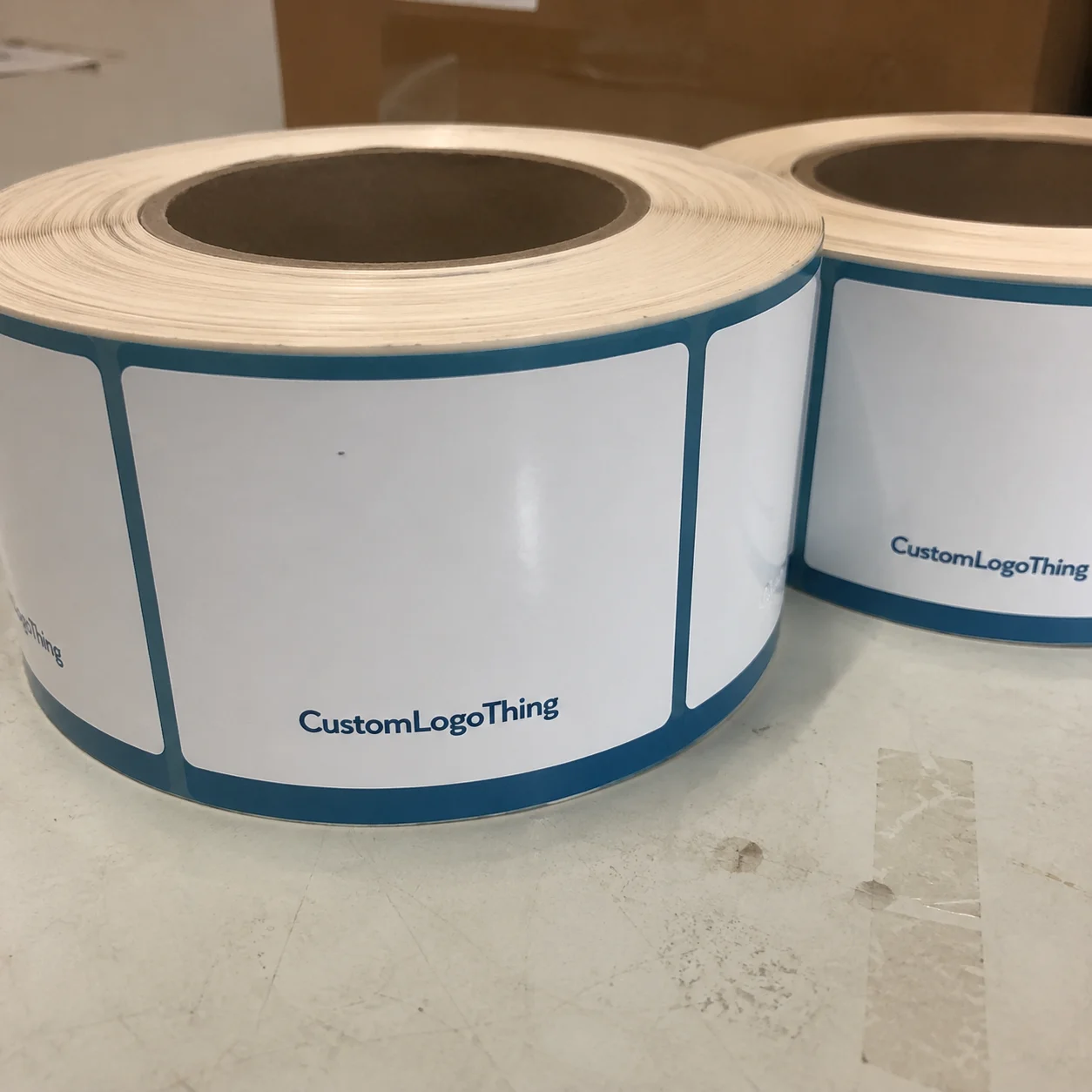
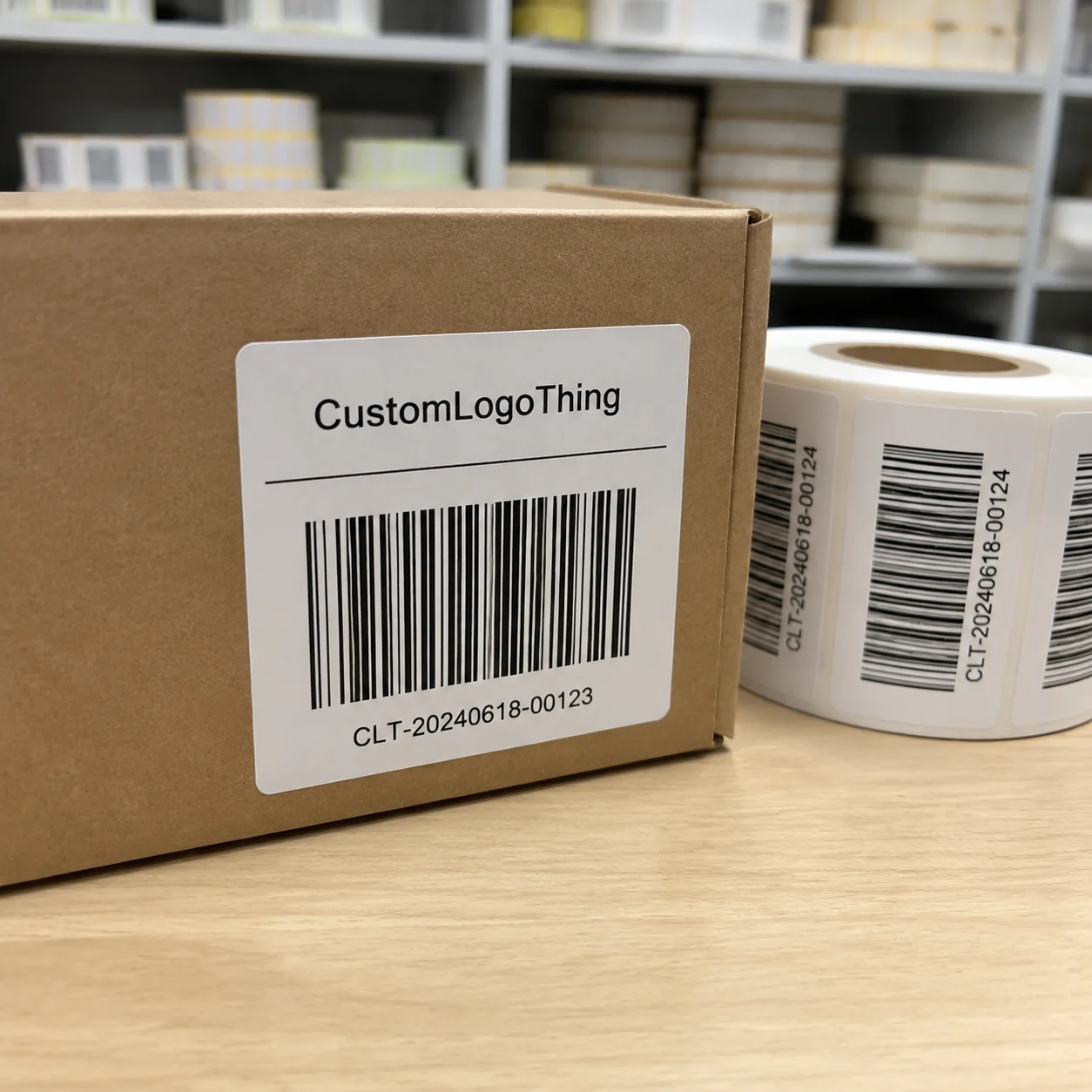
Personalized Champagne Bottle Labels can make a standard bottle look planned, polished, and far more event-ready without changing the wine itself. They shift the first impression quickly, which is why they are used for weddings, proposals, client gifts, milestone birthdays, and brand activations.
For buyers ordering 20, 50, or 500 bottles, printed labels are usually more consistent than handwritten tags or improvised decorations. They also make it easier to keep a repeatable look across multiple bottles. Full custom packaging can do more, but it also adds cost, structure, and lead time that many orders do not need.
The practical challenge is that labels have to work on a real bottle, not just on a screen. A design can look clean in a mockup and still fail if the bottle is wet, the stock is wrong, or the artwork ignores the curve of the glass.
Why personalized champagne bottle labels do more than decorate
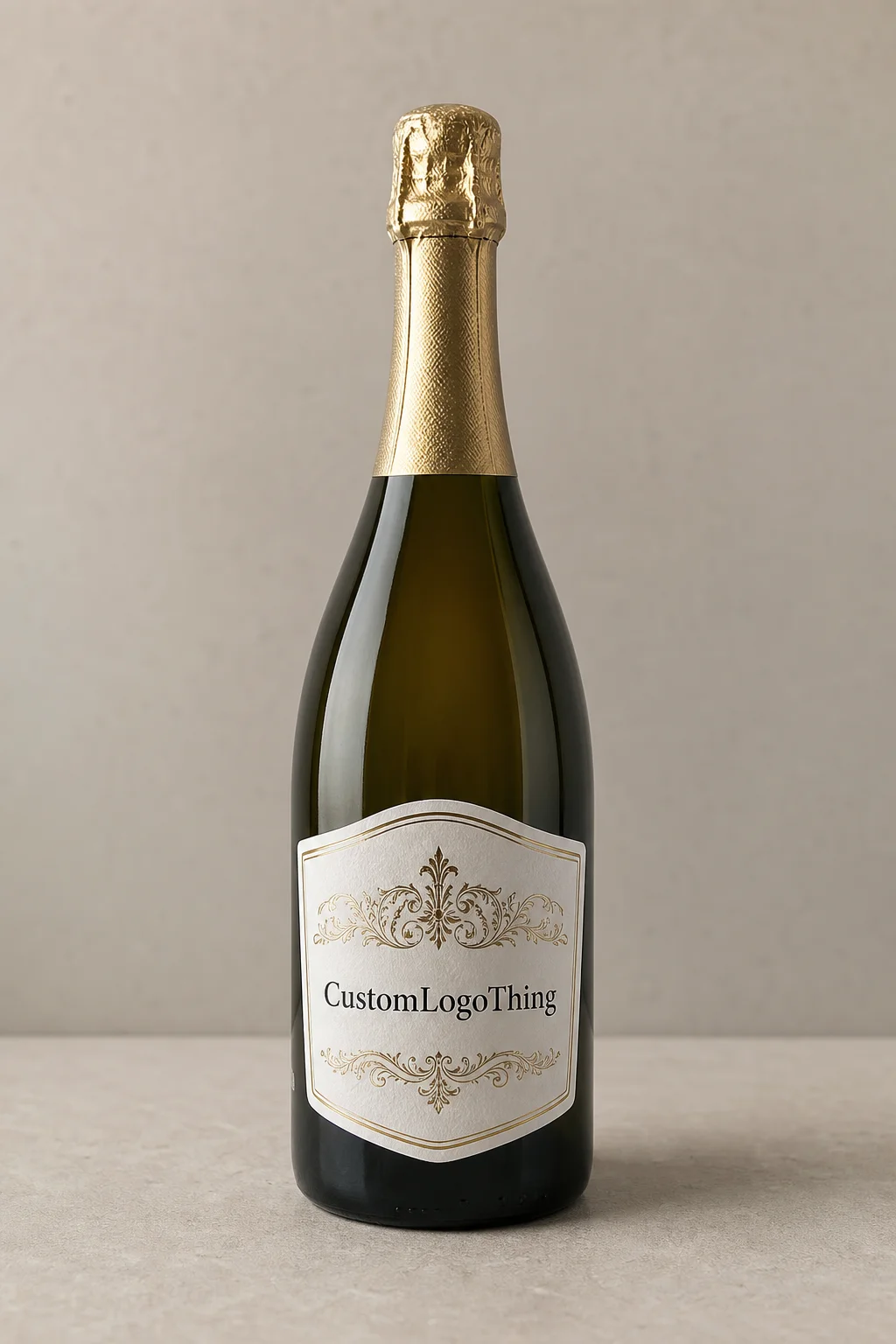
A label swap changes perception quickly. The bottle feels intentional, even when the contents are unchanged. That is why these labels show up on reception tables, in Holiday Gift Boxes, and in launch kits where the bottle is part of the presentation rather than just a beverage.
The strongest use cases tend to repeat across categories:
- Weddings and proposals — names, dates, engagement messages, welcome tables, and keepsake gifts.
- Corporate gifting — client thank-yous, executive gifts, team celebrations, and year-end packages.
- Brand activations — product launches, influencer kits, sponsor gifts, and event displays.
- Milestone birthdays and anniversaries — personal messages that feel specific rather than generic.
From a buyer’s perspective, the main value is presentation speed. A custom printed label is faster to produce than rebuilding the bottle into a fully packaged item, and it is easier to order in repeatable quantities. When an event requires consistency across many bottles, labels are often the most practical option.
There are limits, though. Labels can elevate a decent bottle, but they will not hide a bottle that already looks tired. They also need the right application conditions. Dust, oil, condensation, and rough handling all shorten the life of the adhesive. A label that is even a few millimeters too wide can wrinkle on the shoulder. A label that is too small can make an otherwise expensive bottle look underdressed.
“A well-sized label looks deliberate. A bad fit looks rushed. People notice both.”
For projects that need matching bottle-neck or gift-box details, Custom Labels & Tags can help keep the look aligned across the whole presentation.
How the label process works from artwork to bottle
The process is straightforward, but it works best when the measurements are done before the artwork. The bottle determines the usable design area, not the other way around. After that comes label shape, material selection, artwork setup, proofing, printing, and application.
A clean workflow usually looks like this:
- Measure the bottle body and neck areas that can actually accept a label.
- Choose the label shape and substrate.
- Prepare or supply the artwork.
- Review a digital proof with dimensions, bleed, and safe zones.
- Print and finish the labels.
- Apply to clean, dry bottles and allow the adhesive to set.
Digital printing is often the most flexible option for event work because it handles shorter runs, variable text, and revisions without punishing the order with large setup costs. It also makes proofing easier. If the order needs a premium finish, specialty inks, foil accents, or texture, those are available too, but each one adds cost and production complexity.
Matte and gloss finishes remain the most common choices. Matte creates a softer, quieter look and works well with minimalist layouts. Gloss sharpens color contrast and tends to read brighter under event lighting. Soft-touch finishes feel more luxurious in the hand, although they can scuff more easily if the bottles are handled heavily or packed tightly.
Proofing is where many orders are saved. A screen mockup can look excellent and still fail once curvature and trim are introduced. A proper proof should show the actual size, bleed area, and any trim line that might affect text placement. Tiny type near the edge, logos that sit too close to a curve, and overly crowded layouts should all be caught here instead of in production.
Application is just as important as printing. Small runs can be hand-applied, but a guide or jig improves consistency once the order reaches several dozen bottles. Temperature matters more than many buyers expect. Labels usually behave better in a warm, dry prep room than on bottles that just came from refrigeration or an ice bath. If the bottles will be chilled, use materials and adhesives designed for cold surfaces and allow time for the adhesive to bond before moving them.
Label materials, finishes, and adhesion factors
Material selection changes both the look and the failure rate. Paper labels are usually the most budget-friendly and can look very polished on dry bottles. Vinyl and synthetic stocks cost more, but they hold up better against moisture, handling, and refrigeration.
Here is the practical tradeoff:
| Material | Best for | Pros | Tradeoffs |
|---|---|---|---|
| Paper | Dry gifting, short display periods | Lower cost, crisp print, easy to customize | Less moisture resistance, more prone to edge lift |
| Vinyl | Chilled bottles, heavier handling | Durable, moisture resistant, stronger hold | Usually costs more than paper |
| Synthetic stock | Premium events, longer storage | Resists moisture, clean finish, good adhesion options | Not always the lowest-cost choice |
Adhesive choice matters more than most buyers expect. A label can look perfect on a flat worktable and still fail on a cold bottle if the adhesive is not rated for condensation. If the bottles will sit in ice buckets, travel in gift boxes, or be handled repeatedly before the event starts, ask for an adhesive designed for that environment. Otherwise, edge lift and bubbling can appear just when the bottles are supposed to look their best.
Finish also changes how the design reads in person. Matte is elegant and modern, especially for minimal typography and monochrome layouts. Gloss helps strong color and photo-driven artwork stand out under lighting. Soft-touch creates a premium feel, though it can show wear if the order is packed loosely or rubbed against other items. Foil remains one of the clearest luxury cues, which is why it shows up so often on wedding monograms and branded marks.
Size and shape deserve more attention than they usually get. A neck label works well for short names, dates, or small symbols. A front label gives more room for event messaging and branding. Wrap labels use more of the surface area, but the usable width changes with bottle curvature, so accurate measurements matter. Champagne bottle shoulders can eat into design space faster than expected.
For buyers who need to think about sustainability claims, asking about FSC-certified paper or recyclable substrates is reasonable. Industry references from The Association for Packaging and Processing Technologies and material guidance from FSC can help set expectations.
Cost, pricing, and MOQ considerations
Pricing usually comes down to five variables: quantity, material, finish, shape complexity, and whether the artwork includes specialty effects like foil or textured coatings. A simple paper label printed digitally for a short event run will cost much less than a synthetic label with foil details and a custom die-cut shape. That gap is normal. The inputs are different.
As a rough buying range, small quantities often land around $0.35-$1.25 per label depending on size and finish. Larger runs can move closer to $0.12-$0.35 per label when the design is straightforward and the order is well standardized. Specialty finishes, odd shapes, and rush production can push the price higher. If a quote sounds unusually low for a premium-looking label, ask what was stripped out. Usually the answer is somewhere in the stock, finish, or proofing process.
Minimum order quantity depends on the production method and the vendor’s workflow. Low-MOQ options make sense for weddings, proposals, and one-off corporate gifts where there is no repeat order to spread the setup cost across. Higher MOQs are more efficient for brands that plan to reuse the label style across multiple launches or recurring events.
What usually affects unit price
- Setup and proofing spread over a smaller or larger run.
- Material choice such as paper, vinyl, or synthetic stock.
- Finish complexity including foil, soft-touch, or specialty coatings.
- Die-cut shape versus standard rectangle sizes.
- Artwork complexity and the number of revisions before approval.
It helps to budget for more than the printed quantity. A 5% to 10% overrun is a practical cushion for spoilage, placement errors, or bottle substitutions. That sounds small, but it matters on event orders where there is no time to reprint the missing labels.
Shipping and approval time should also be part of the real cost. The lowest print quote can become the most expensive once rush freight and reprints are added. In label ordering, the cheapest number on the invoice is not always the cheapest order overall.
Process and timeline: how long custom orders actually take
A realistic label timeline includes briefing, artwork setup, proof approval, production, finishing, shipping, and application. For a simple event label, 7 to 15 business days from proof approval is a workable planning window. Specialty materials, foil, complex shapes, or extra revisions can extend that timeline. Rush service may be available, but it usually narrows your finish options and reduces the room for changes.
The most common delay is approval. Not printing. Approval. If the artwork changes after the proof is built, the schedule moves. That is why bottle measurements, wording, and layout decisions should be done before the first proof is sent. A corrected proof is still a delay, even when the correction is small.
Simple layouts are easier to rush because they involve fewer production steps. Standard sizes move faster than custom dies. A clean white paper label with black typography and a logo can be turned around much more easily than an arch-shaped label with foil borders, layered type, and a specialty coating.
Event orders need extra buffer because there is no second chance on the day. A marketing mailer can be rescheduled. A wedding cannot. It is safer to finish labels early and store them properly than to discover a bottle size error after approval and then pay for an emergency reprint.
If the bottles will travel inside gift boxes or multi-item kits, shipping performance matters too. Guidance from organizations like ISTA can be useful for packaging that needs to survive transit without shifting, scuffing, or lifting labels at the edges.
Common mistakes that make labels look cheap or fail on bottle
The first mistake is designing for a flat rectangle instead of a curved bottle. Champagne bottles taper, shoulder inward, and create awkward transitions that can wrinkle a design that looked perfect on a computer screen. The bottle does not care how good the mockup looked.
Artwork resolution causes another problem. Logos pulled from a website screenshot or compressed image often print poorly. Edges soften, small text gets hard to read, and the whole design can look fuzzy once it is on glass and viewed from across a table. Crowded layouts create the same issue. If the label requires guests to lean in to read it, the design is probably trying to say too much.
Incorrect sizing is the expensive mistake. Too large, and the label can lift, fold, or show seams. Too small, and the bottle looks like it was underprepared. Both are avoidable with an actual-size proof and real bottle measurements. Guessing is how people end up ordering a second run.
Storage and handling create a separate set of problems:
- Labels stored in heat can curl or lose flatness.
- Labels applied to wet bottles can slip or bubble.
- Bottles handled too soon after application may lift at the edges.
- Condensation from ice buckets can shorten label life if the stock is wrong.
Another common issue is waiting until the last minute to apply them. That often leads to uneven placement, fingerprints on the adhesive, and rushed alignment. If consistency matters, use a guide or jig and assign one person to handle application. Two people applying labels differently usually gives you two different-looking bottles.
What to do next before you place an order
Before ordering personalized champagne bottle labels, measure the bottle neck and body, then confirm the actual flat label area available for print. Do not rely on the bottle name alone. Two bottles that look similar can have very different usable surfaces once the shoulder and taper are measured.
Then gather the basics: logo file, wording, quantity, finish preference, deadline, and whether the bottles will be chilled or gifted. If the order is tied to an event, mention how the bottles will be stored and handled. That detail affects the recommended adhesive and substrate more than most people expect.
Ask for a digital proof and an actual-size check before production begins. If the order is especially visible, requesting a short-run sample can be worthwhile. That is a sensible precaution for weddings, premium client gifts, or branded launches where the bottle presentation is part of the overall display.
- Best for small events: simple shapes, standard sizes, paper or synthetic stock, minimal revisions.
- Best for chilled bottles: moisture-resistant stock and adhesive rated for cold surfaces.
- Best for premium gifting: matte, soft-touch, or foil accents with careful proofing.
- Best for tight timelines: standard sizes and clean vector artwork.
If the goal is a polished bottle presentation without adding unnecessary complexity, Custom Labels & Tags is a practical starting point. Keep the layout clean, measure carefully, and match the finish to how the bottle will actually be used.
FAQ
How do personalized champagne bottle labels stay on a chilled bottle?
Use an adhesive designed for cold or condensation-prone surfaces. Apply the label to a dry bottle whenever possible and let it bond before heavy handling. If the bottles will sit in ice or cold storage for long periods, test a sample first.
What size should personalized champagne bottle labels be?
Measure the exact label panel on the bottle, not just the overall circumference. Leave room for curvature, seams, and the portions of the bottle that should stay visible. Ask for an actual-size proof so you can verify fit on the exact bottle style being used.
Are custom champagne labels expensive for small quantities?
The unit price is usually higher on short runs because setup and proofing are spread over fewer labels. Standard sizes and simple materials help keep the cost down. Specialty finishes such as foil or textured stocks raise the price faster than most buyers expect.
How long do personalized champagne bottle label orders take?
Standard timelines usually include proofing, production, finishing, and shipping, so plan ahead. Simple designs and fast approvals move quicker than complex artwork or specialty finishes. Rush service may be possible, but it often reduces material and finish options.
What file do I need for custom champagne bottle labels?
A clean vector logo file is best for sharp print quality. Provide the wording, quantity, bottle dimensions, and finish preferences along with the artwork. If the art is not print-ready, ask for layout support before the proof stage so delays do not stack up later.