Why personalized cosmetic bags get noticed fast
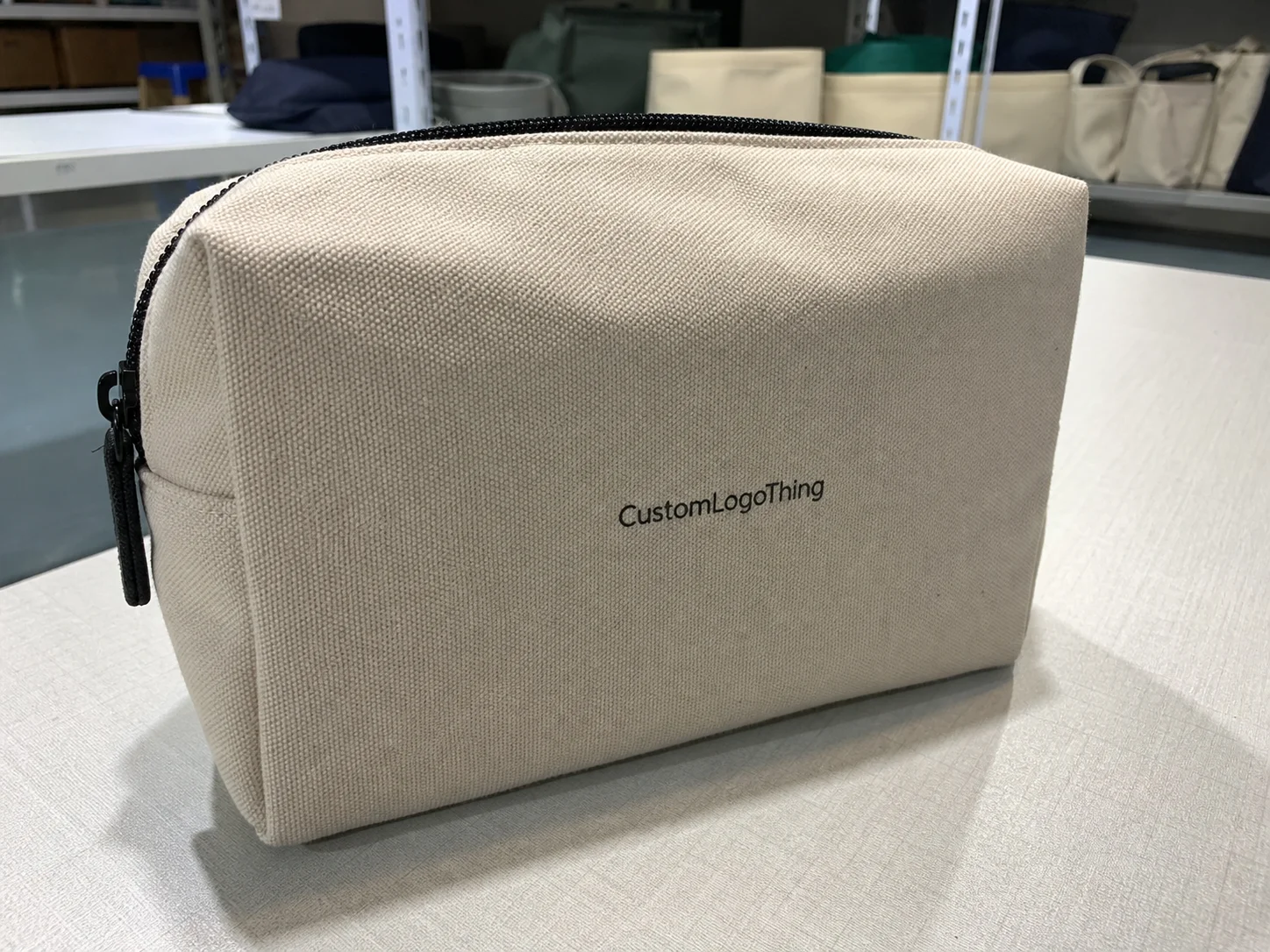
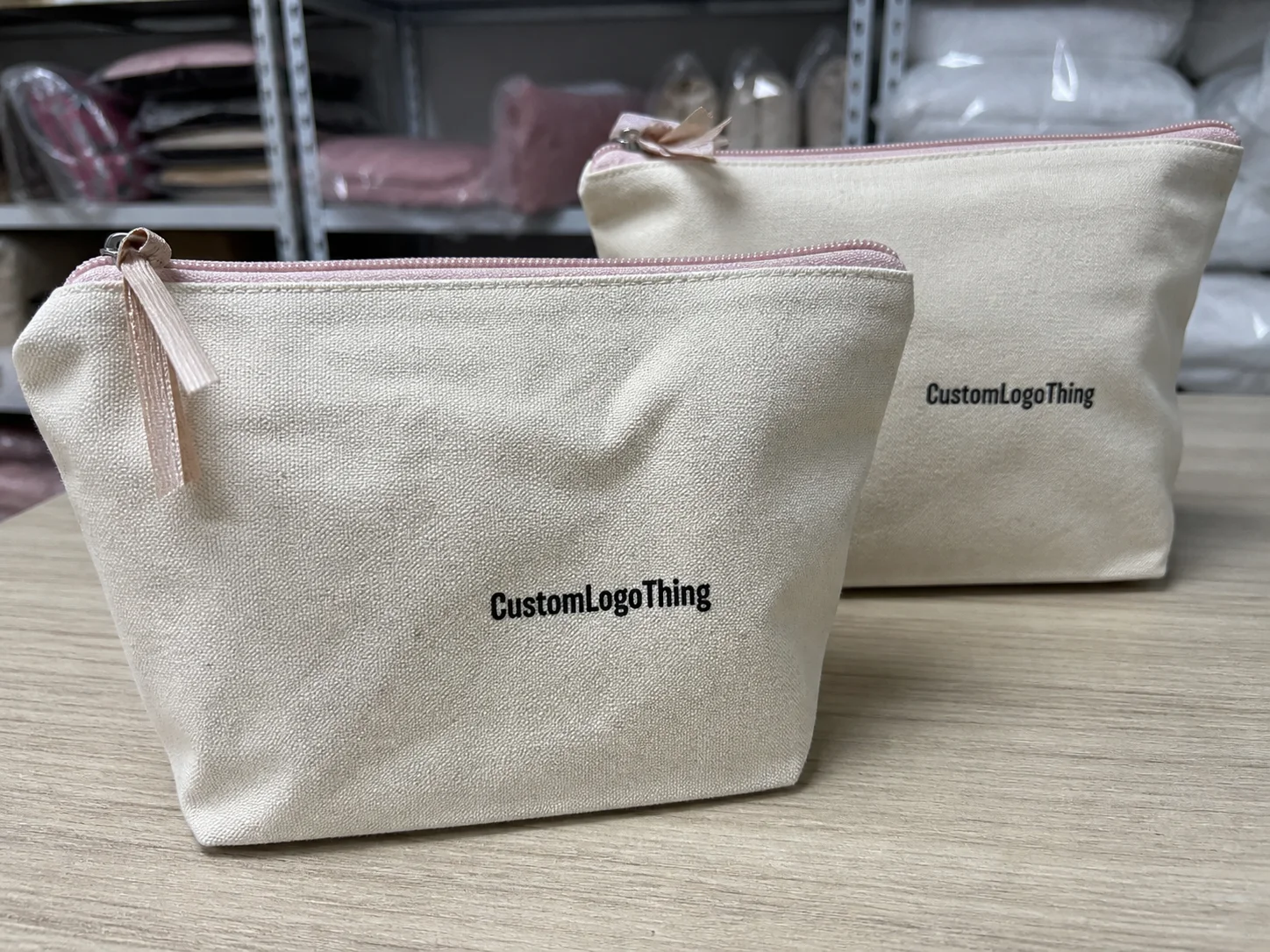
Personalized Cosmetic Bags work because they stay in circulation. A flyer gets discarded, a tote gets buried in a closet, and a postcard disappears the same day it arrives. A cosmetic bag tends to remain on a vanity, in a gym tote, or inside a carry-on, where it gets opened, handled, and seen repeatedly. That repeated exposure is the real branding value.
The best versions do not rely on decoration alone. They feel sturdy in the hand, open and close cleanly, and hold their shape well enough that the logo remains visible instead of collapsing into a wrinkled pouch. Buyers sometimes focus on the mockup and ignore the build. That usually leads to a bag that looks fine in a render and disappointing in real use.
Personalization can extend well beyond a printed logo. Brand color, zipper tape, puller style, lining, label, and even package insert design can all be part of the spec. Those details matter because the bag should look like it belongs to the brand system, not like a generic pouch with a logo added at the last minute. For retail launches, subscription kits, travel sets, and event giveaways, that consistency makes the whole package feel more deliberate.
There is also a practical side to the category. Cosmetic bags live close to liquids, makeup residue, skincare, and frequent handling, so the surface needs to tolerate wipe-down cleaning and the seams need to survive more than one trip. For that reason, buyers should think about the bag as a small product, not just a piece of packaging. A proper spec starts with dimensions, materials, and closure type, then moves into decoration and secondary packaging.
Packaging teams often compare new bag specs against general handling and transport expectations from groups like ISTA and broader packaging resources from Packaging School / Packaging Institute resources when they want a sensible baseline for durability and shipping behavior. That does not replace a product-specific test, but it helps keep the spec grounded.
A cosmetic bag that gets used every week delivers more brand exposure than most promo items that get glanced at once and forgotten.
How the customization process and timeline works
The process is usually simple on paper and messy in execution if the buyer is not precise. It starts with an inquiry, then a spec review, then artwork or sample development, and finally production once the proof is approved. That sequence only works smoothly when the buyer knows what needs to be fixed before production begins.
Delays usually come from ordinary problems: artwork sent in the wrong file format, a logo that is too small for the available print area, last-minute changes to zipper color, or a buyer approving a sample without checking whether the bag can actually hold the intended contents. None of that is unusual. It is just avoidable.
Lead time depends on construction. A simple printed pouch can often be produced in about 10 to 15 business days after approval. A more customized bag with specialty material, lining, multiple components, or custom packaging often takes 15 to 25 business days. If a sample round is needed first, or if the order includes freight, customs, or a revision cycle, the calendar stretches quickly. Rush work is possible, but the tradeoff is usually fewer options, tighter artwork limits, or a higher unit cost.
The clean sequence looks like this:
- Inquiry and requirement gathering.
- Artwork review and quote.
- Digital proof or physical sample approval.
- Production.
- Inspection and packing.
- Shipping.
Good suppliers can explain where the bottlenecks are before the order starts. They should be able to tell you which file formats they need, what decoration methods suit the material, and whether the closure or seam construction fits the intended use. If the item is going into retail distribution, they should also be able to explain any documentation or testing expectations that apply to the program.
Buyers with sustainability requirements should ask early about recycled content claims, paper-based inserts, and any certification documents that support the materials used. A sentence in a quote is not evidence. If a claim matters to the brand, it needs to be backed by documentation that can survive internal review.
Cost, pricing, and MOQ factors to compare
Price follows a short list of variables. Material, size, print method, closure type, lining, and order quantity drive most of the cost. Add a custom insert, hang tag, specialty packaging, or a more complex shape and the price moves again. For personalized cosmetic bags, the only reliable way to compare quotes is to make sure those variables are identical.
MOQ exists because setup is real. Screens, plates, tooling, source material, and labor all have to be spread across the run. That is why a small order often looks expensive on a per-piece basis. The setup cost does not disappear just because the buyer wants 300 units instead of 3,000. The factory still has to prepare the same machinery and check the same artwork.
Broad pricing ranges help set expectations, but they are not promises.
| Bag type | Typical MOQ | Approx. unit cost | Best use |
|---|---|---|---|
| Budget promo pouch | 500-1,000 pcs | $0.35-$0.90 | Giveaways, event kits, simple campaigns |
| Mid-range retail pouch | 1,000-3,000 pcs | $1.10-$2.80 | Beauty retail, subscription boxes, bundled sets |
| Premium reusable travel bag | 1,000-5,000 pcs | $2.50-$6.50 | Premium launches, travel sets, higher perceived value |
Those ranges shift quickly depending on the build. A single-color logo on a simple pouch is cheap compared with full-color decoration on a structured bag that also needs a lining, a branded zipper pull, and interior labeling. Transparent PVC or EVA can look inexpensive at first glance, but thickness, clarity, and sealing method affect the final number. Fabric styles introduce different costs, especially when the stitching needs tighter tolerances or extra reinforcement at stress points.
Hidden costs are where many buyers get frustrated. Ask whether the quote includes setup, sample charges, artwork revisions, Pantone matching, carton labeling, inspection, packaging inserts, customs handling, and freight. A quote that seems unusually low often leaves out one or more of those pieces. Cheap quotes are easy to write. Clean production is harder.
It also helps to ask for pricing at more than one quantity. The jump from 500 to 1,000 units may be small if the setup cost is doing most of the damage, while 3,000 units can bring the unit price down meaningfully. That is often the point where the economics start to look sensible for a retail program or large campaign.
Materials, print methods, and closures that change the result
Material choice drives the feel, the price, and the durability of the bag. PVC and EVA are common for clear or semi-clear styles because they show the contents and give the product a neat, cosmetic-counter look. PEVA is softer and lighter, which can suit travel kits. PU gives a smoother, more premium surface. Canvas and nylon lean more casual and durable. Recycled blends can work well for brands that want a lower-impact message, but the content needs to be verified with documents, not assumed from a label.
Thickness matters more than many buyers expect. Thin PVC can look inexpensive and crease easily, while heavier-gauge material feels more stable and usually lasts longer in transit and repeated use. The tradeoff is weight, cost, and sometimes a stiffer hand feel. There is no perfect material. The right choice depends on whether the bag is being sold at retail, handed out as a promo item, or bundled with a travel set.
Decoration method matters just as much. Screen print is usually the most cost-efficient choice for simple logos and solid colors. Heat transfer can handle more detailed graphics, though durability depends on the substrate and the quality of the application. Digital print gives more color flexibility, but it is not always the best option for every surface. Embroidery creates a more tactile finish, but it is rarely the right answer for thin synthetic bags or very small logo areas. The best supplier will tell you what the material can realistically support instead of pushing every method as if they were interchangeable.
Closures are a functional choice first and a style choice second. Zippers are the standard because they are secure and familiar. Snap tops work on some structured cases. Hook-and-loop is inexpensive but can feel low grade if the bag is supposed to support a premium brand story. Drawstrings fit soft pouches and gift-style sets, though they are less useful for makeup kits that need clear organization. A bag that opens smoothly and closes without drag will usually feel better to the end user than a bag with a fancy-looking but awkward closure.
Color control is another area where buyers need realistic expectations. Fabric, zipper tape, thread, and printed graphics rarely match perfectly across every substrate unless the production method is tightly controlled. Pantone references help, but they do not eliminate variation. Ask the supplier how they handle tolerance on the main material, the trim, and the print layer. That conversation is more useful than hoping the proof will magically match every component.
For clear or semi-transparent bags, the contents matter too. Visibility is an advantage in travel kits and retail display, but it also means the internal arrangement must look tidy. If the bag goes on a store shelf, the customer sees the inserts, bottles, and internal labels through the material. A clean exterior can still look careless if the contents are badly staged.
Step-by-step buying guide for personalized cosmetic bags
Start with the use case, not the artwork. Retail, promo, subscription, and travel all call for different specs. A retail bag needs better finish consistency and more attention to presentation. A promo pouch can be simpler if the logo is doing most of the work. A subscription insert needs efficient packing. A travel bag needs structure, easy cleaning, and a closure that will not fail after being stuffed into a carry-on.
Then define the spec in plain language. Size, material, closure, color, print area, quantity, and target budget should all be on the page. If those boundaries are vague, every supplier will interpret the bag differently and the quotes will not be comparable. Flexibility sounds useful until it turns into a spreadsheet full of mismatched assumptions.
A clean quote request should include:
- Finished dimensions.
- Target material and finish.
- Logo file in vector format.
- Print location and color count.
- Closure preference.
- Quantity by size, if multiple SKUs are involved.
- Delivery deadline and destination.
Artwork preparation matters more than people think. Send vector files, not screenshots or flattened images pulled from a website. If color accuracy matters, include Pantone references. If the logo has fine lines or small text, ask whether the selected print method can reproduce those details at the chosen size. A clean mockup is not enough if the production method cannot carry the detail through to the final bag.
Sampling is where the project becomes real. Check logo placement, zipper function, seam alignment, stitch density, surface finish, and any odor or residue if the material is synthetic. If the bag is meant to hold actual beauty products, test the sample with the real items inside. A set of brushes, a compact, and a bottle cluster can behave very differently than a blank bag on a table. That small test catches size and weight issues before the order is locked in.
Before production starts, confirm the details that often get skipped: carton count, packing method, inspection standard, lead time, and shipping terms. If the order is tied to a launch or a bundled promotion, ask for production-stage photos or at least a clear approval trail. A supplier that handles those questions directly is usually easier to manage through the rest of the order.
If the brand makes environmental claims, ask for documentation on FSC-certified paper components, recycled content, or relevant compliance materials. Not every order needs the same paperwork, but a claim should never be left hanging on a sales sentence. The more specific the claim, the more specific the proof needs to be.
Common mistakes buyers make with custom cosmetic bags
The first mistake is sizing by instinct. People look at a render and assume the bag will hold mascara, a compact, a brush set, and a few bottles. Then the sample arrives and the bag is too shallow, too short, or too narrow. Measure the actual contents first. That is the only reliable way to spec the bag.
The second mistake is choosing the decoration method for appearance alone. A print can look fine in a proof and still scratch, peel, or fade after normal handling if the substrate and application method are not matched properly. If the bag will be used often, ask how the decoration performs on the actual material rather than on a generic sample.
The third mistake is ordering too few units. Buyers often underorder because they want to test demand first, which is understandable. The problem is that low volume can make the price per piece much higher than expected. The test then costs more than the buyer planned, and the economics of the campaign get worse before the product even reaches the market.
The fourth mistake is skipping sample approval. A sample is the least expensive point at which to catch problems such as an awkward opening, a zipper that binds, a logo that sits too close to a seam, or a color mismatch between trim and body. Once production starts, each fix costs time and money. Sampling exists to prevent exactly that kind of waste.
The fifth mistake is forgetting the real environment. Moisture, leakage, heat, travel abrasion, and constant opening all affect performance. A bag that lives inside a gift box can get away with lighter construction than a bag that will be thrown into a gym tote or carried through airports. The intended use should drive the spec, not the other way around.
Another common problem is ignoring QC until the end. A decent inspection should include zipper cycling, seam integrity, print alignment, color tolerance, and a quick check for packaging damage. For larger runs, carton consistency and packing count matter too. If a vendor cannot describe their inspection process clearly, that should slow the order down, not speed it up.
Next steps before you request a quote
Prepare a one-page spec sheet before talking to suppliers. It does not need to be polished. It just needs to state the facts: dimensions, material, color, print area, closure, quantity, target cost, and delivery window. If there are multiple versions, separate them clearly. That makes pricing far easier to interpret.
Ask for proof of production capability, not just a polite quote. Sample photos, current run examples, inspection notes, and realistic lead time estimates tell you more than sales language ever will. If the vendor cannot separate setup costs from unit costs, or refuses to quote more than one quantity, they are not giving you enough information to buy well.
Compare quotes only after confirming that the bags are actually the same product. Same size, same material, same decoration method, same closure, same packing, same destination. If any of those change, the quote is not comparable. Many budget problems start with side-by-side quotes that are only similar in name.
Before paying a deposit, lock the artwork version, the approval method, and the change policy. If revisions after approval trigger extra cost, that should be written down. A clear policy now is better than a surprise invoice later.
For most buyers, the best result is not the most elaborate bag. It is the one that feels good in hand, survives use, and supports the brand without wasting money on unnecessary detail. That balance is the point of personalized cosmetic bags: enough customization to look intentional, enough durability to hold up in real use, and enough cost control to keep the program viable.
What are personalized cosmetic bags usually made from?
Common materials include PVC, EVA, PEVA, PU, nylon, canvas, and recycled blends. The right choice depends on whether you need visibility, water resistance, a soft feel, or a more premium retail finish. Thickness and sealing method matter as much as the base material.
How much do personalized cosmetic bags cost per unit?
Unit cost changes with material, size, print method, and quantity. Higher MOQ usually lowers the per-piece price, while premium materials, more decoration coverage, and custom closures push the number up. Setup fees and packaging choices can change the total more than buyers expect.
What is the normal turnaround for custom cosmetic bags?
Turnaround depends on artwork approval, sampling, production load, and shipping method. Simple orders can move in roughly 10 to 15 business days after approval, while more complex builds often need 15 to 25 business days or more. Samples and freight add time.
What MOQ should I expect for personalized cosmetic bags?
MOQ varies by factory and construction type, but it is often tied to print setup and material sourcing. Lower runs are possible, though the per-unit price is usually higher and customization options may be more limited. The best number depends on the production method, not just the product name.
Can I order personalized cosmetic bags with my logo and brand colors?
Yes. Most buyers customize logo placement, bag color, zipper color, and sometimes lining or label details. Send vector artwork and color references so the supplier can match the brand more accurately. If color consistency matters, ask how they handle tolerance across different materials.