Why personalized holiday totes feel more premium than gift wrap
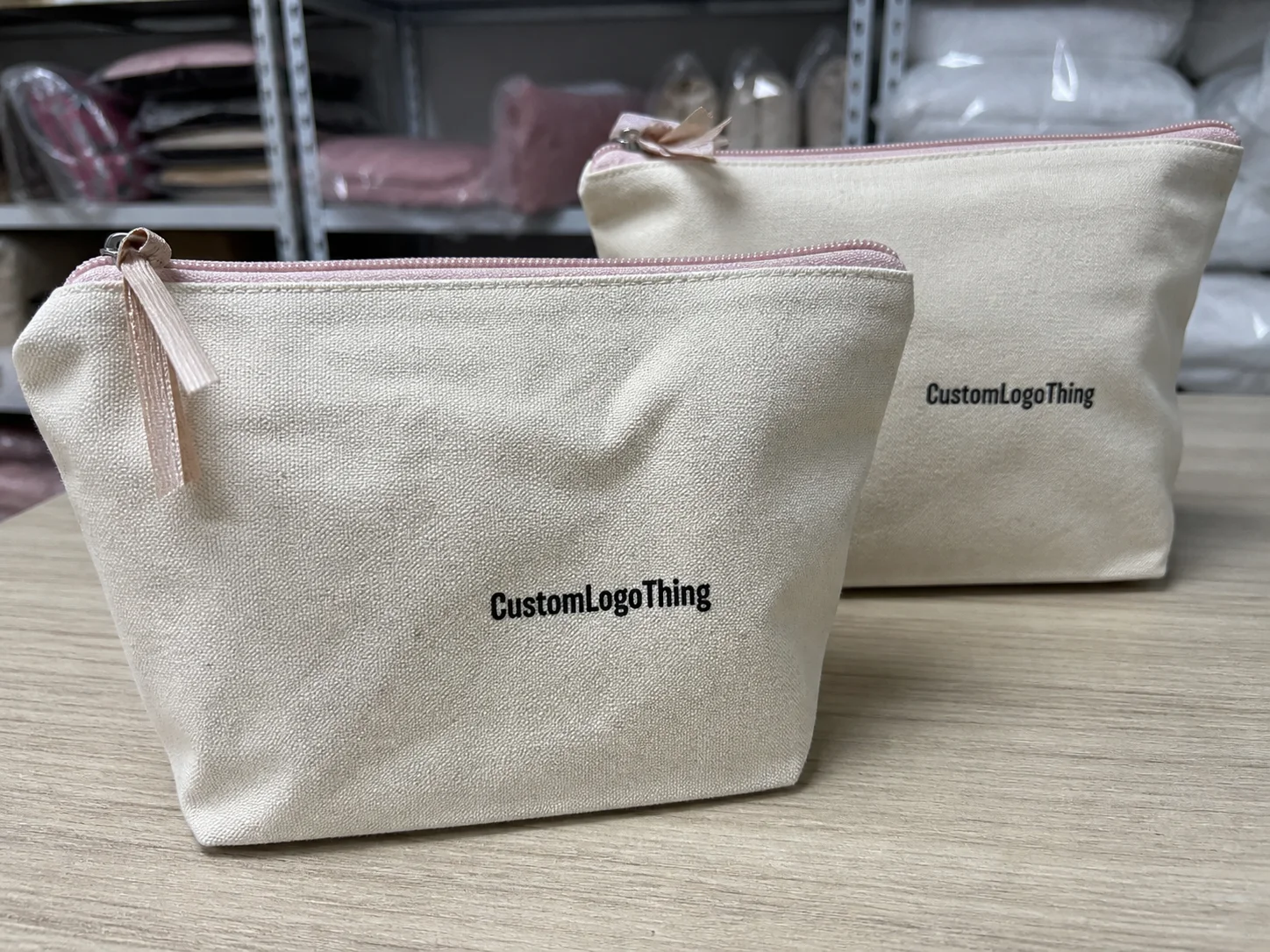
personalized christmas tote bags have a built-in advantage over disposable wrap: they keep working after the present is opened. A paper wrap or tissue bundle creates a moment, then disappears. A reusable tote stays in the home, in the car, or tucked into a closet for later errands, so the gift continues to signal value long after the exchange itself. That lasting utility changes how people judge the package before they even look inside.
Personalization strengthens that effect. A name, family surname, monogram, or short seasonal message makes the bag feel assigned rather than generic. People hold onto items that appear made for them, and they tend to discard items that feel mass-produced and forgettable. That is one reason custom holiday gift bags often do a better job than plain festive packaging when the goal is to make a modest present feel thoughtful.
From a materials standpoint, many holiday totes sit under the broader Plastic Bags category, especially when buyers need moisture resistance, wipe-clean surfaces, and sharper print definition. In practice, that usually means polyethylene film, blended film structures, or laminated builds rather than thin, fragile single-use carriers. Those constructions matter because holiday gifts are rarely light and tidy; they may include boxed candles, mugs, apparel, jars, or bundled sets that need a little structure during handoff.
It also helps to separate the different bag categories buyers often mix together. Promotional totes are usually chosen for branding and distribution efficiency. Retail-ready gift bags lean more heavily on shelf appeal and finish quality. Party favor bags often trade strength for lower cost and easier volume handling. Using the wrong category can leave you with a bag that looks attractive but does not match the contents, the event, or the budget.
The buying question is rarely “What looks festive?” The more useful question is how to balance appearance, durability, and unit cost within a short seasonal window. That balance becomes even more important once minimum order quantity, print method, packaging inserts, and shipping deadlines are on the table. Buyers who define those limits early usually get cleaner results and fewer last-minute compromises.
How personalization works on holiday tote bags
Personalization is not one process. It is a set of production choices, and each one affects appearance, Cost, and Turnaround. Screen printing remains the most common route for simple logos, names, and one- or two-color graphics. It gives strong ink coverage on many plastic surfaces and becomes especially cost-efficient at higher quantities. Heat transfer is often used for smaller batches or more detailed artwork, although it can involve more labor and may feel less integrated on some films. Digital printing is better when the design includes full-color seasonal art, gradients, or multiple name variations. Label-style personalization works well when the tote itself is standard and the custom element needs flexibility, such as a tag, sticker, sleeve, or applied logo panel.
Most buyers end up providing a small bundle of information rather than a single file. Expect to send:
- Artwork in vector format when possible, usually AI, EPS, or PDF.
- Name lists if each tote needs individual personalization.
- Color preferences for both the bag and the imprint.
- Bag size and handle style.
- Quantity and delivery deadline.
Proofing is where holiday projects either stay clean or start drifting. A digital mockup should show placement, relative size, and text layout clearly enough for a practical review. If the job uses spot colors, the proof may reference a Pantone match or a close visual equivalent. Revisions can improve the result, but each round adds time, and time becomes scarce quickly once seasonal schedules tighten.
The substrate matters more than many first-time buyers expect. Glossy plastic usually makes colors brighter, but it can also create glare in photos and under store lighting. Matte finishes often read as more refined, though they may slightly soften vivid reds or metallic tones. Frosted surfaces sit between those two looks and tend to hide scuffs more effectively. If the bag will be photographed, displayed on a counter, or stacked for distribution, the finish changes the final impression in a very real way.
Personalization also works best when the design is flexible enough to live beyond one event. A seasonal motif that can be reused for employee gifts, client thank-yous, family gatherings, and retail holiday bundles is often more efficient than a design built for one narrow use. Reusable artwork saves design time on the next order and makes it easier to reorder without rebuilding the whole file from scratch.
Key cost and pricing factors to compare before ordering
Pricing is driven by several moving parts rather than one simple rate. The biggest cost drivers are usually quantity, bag size, material thickness, number of print colors, and artwork complexity. Handle style matters too. A reinforced loop handle or a more structured die-cut option usually costs more than a basic punched handle, particularly if the tote needs to carry heavier contents without stretching or tearing.
MOQ, or minimum order quantity, deserves a plain explanation. If a production run is only economical at 5,000 pieces, ordering 500 pieces means setup costs are spread across far fewer bags, so the unit price rises. That does not make small orders a bad idea. It simply means the buyer should compare total landed cost, not only the per-bag figure on the quote.
As a rough market pattern, buyers often see pricing move this way:
| Specification | Typical cost impact | Best fit |
|---|---|---|
| One-color logo on standard-size tote | Lowest setup cost; usually the best unit value at higher quantities | Employee gifts, simple retail packaging |
| Two-color seasonal design with names | Moderate increase from added print steps and proofing time | Family gifting, customer giveaways |
| Full-color holiday artwork | Higher ink or transfer cost; more sensitive to artwork quality | Retail sales, premium presentation |
| Short-run personalized names | Often the highest per-unit cost because data handling and setup are spread thin | Small staff gifts, limited event use |
Setup fees and plate charges also affect the final number. A screen-printed order may need a separate screen or plate for each color. If you repeat the same design later, the second run is often cheaper because the tooling already exists. That is why reorder pricing can improve noticeably when the artwork and bag specification stay unchanged.
There is a common pricing trap around holiday packaging: low-cost bags are not always economical. If a bag tears at the handle, scuffs in transit, or smears under normal handling, the real cost rises quickly because you lose product, labor, and goodwill. A slightly higher unit price can be easier to justify if the bag arrives looking clean and survives the actual gifting process.
Shipping needs to be included as well. A quote that looks attractive on paper may not be attractive once freight, cartons, and rush handling are added. Holiday buyers often compare the wrong number first. The useful figure is the total delivered cost per usable bag, not the base print cost alone.
Process and timeline: from quote to delivery
The production path is fairly predictable, even though holiday demand can make it feel compressed. It usually starts with a quote request, moves into spec confirmation, then artwork submission, proof approval, production, packing, and shipping. Each step depends on the one before it being complete and accurate, and that is where holiday orders often gain or lose time.
A standard timeline often looks something like this:
- Quote turnaround: 1 to 3 business days if the specifications are complete.
- Proofing window: 1 to 2 business days, sometimes longer if names, colors, or placement need revision.
- Production: commonly 10 to 15 business days after proof approval for standard runs.
- Shipping buffer: allow additional time based on destination and carrier load, especially near peak season.
That schedule is not fixed. It depends on material availability, print method, and how quickly approvals move. The most common delay is incomplete artwork. The next most common is a late color change. After that, it is usually a proof sitting with someone who is out of office. Holiday production tends to punish indecision more than almost anything else.
Lead time matters even more when carrier networks are congested and production lines are already full. A buyer who approves a proof on Tuesday and expects delivery by Friday is taking a serious risk unless the order is already in a rush lane. Building extra time into the schedule is not overcautious; it is the practical way to avoid a miss that could affect an event, a store launch, or a staff handout.
If the totes are being sent to several offices or families, add a contingency window for address changes, reprints, or split deliveries. Logistics can become messy fast once personalized items are shipped in multiple cartons. A box labeled for the wrong recipient group creates avoidable sorting work right when the team is least available to fix it.
For packaged gifts that include fragile items, some buyers also ask about transport testing under ISTA protocols. That is more common in e-commerce than in holiday gifting, but the principle carries over cleanly: the package should survive the trip, not only the photograph on the proof sheet.
Step-by-step guide to choosing the right tote specification
Start with the contents. Employee gifts, retail packaging, event handouts, and bundled holiday kits all call for different specifications. A tote for a boxed candle and mug set needs more structure than a tote carrying gift cards or small accessories. A bag meant for retail resale needs stronger shelf appeal than one used once at a staff lunch and then taken home.
Step 1: define the contents. Measure the largest item first, then allow room for tissue paper, filler, or a rigid insert. Buyers often choose based on the gift itself and forget about packing friction. That is how a bag ends up looking overstuffed and strained, or underfilled and visually awkward.
Step 2: choose size deliberately. A medium tote may feel like the safest choice, but “safe” is not always right. A bag that is too large can make a modest gift look small and underplanned. A bag that is too small can flatten the presentation and make the contents harder to insert. The goal is visual balance, not just capacity.
Step 3: pick material thickness and closure style. Thicker material generally improves strength and perceived value, but it can also raise cost and change the hand feel. Some buyers want a fold-over top, others want an open-top gift bag, and others need a closure for privacy. Each version sends a slightly different signal, so the choice should match the event.
Step 4: decide where the artwork belongs. Centered logos are easy to read. Repeated seasonal patterns feel more festive. Small names near the handle can feel personal without overpowering the design. If the goal is an upscale look, restraint usually works better than crowding the surface. If the goal is holiday cheer from a distance, stronger contrast and larger type are easier to read.
Step 5: request samples or a proof. This is the point where print quality becomes tangible. If a supplier offers a material sample, take it. If not, review the proof closely for spacing, spelling, and color contrast. Confirm quantity, shipping address, and whether you need a few extras for damage, substitutions, or last-minute additions.
If sustainability matters, ask for claims that can be verified. Recycled content, where applicable, should be stated clearly, and any paper inserts, tags, or cartons may fall under FSC-certified sourcing if the supplier is using that framework. The FSC system does not apply to every tote material, but it can matter for the overall package system surrounding the tote.
Common ordering mistakes that make holiday totes look cheap
Most disappointing holiday totes are not ruined by one large error. They are pulled down by a series of smaller mistakes that add up to a less polished result. Thin line work, tiny text, weak contrast, rushed approval, and the wrong bag size can all make a well-intended design feel cheaper than expected.
Here are the issues that show up again and again:
- Artwork that is too detailed for the print method, especially on glossy plastic.
- Text that is too small to read at a normal viewing distance.
- Color combinations that disappear on the bag surface, such as dark green on black or metallic red on deep red.
- Ordering too late and hoping the schedule will somehow clear.
- Skipping proof review and noticing errors only after production has started.
Misspelled names are particularly hard to forgive because they are personal by definition. One incorrect letter can turn a keepsake into waste. That is why many suppliers ask for a separate spelling list or data sheet when individual personalization is part of the order. Treat that list as controlled artwork, not a casual email thread.
Visual mismatch is another common problem. A bag can look attractive on screen and still disappoint in hand if the finish, size, or print coverage does not match the contents. A large bag with a tiny logo can seem underdesigned. A compact tote with oversized graphics can feel cluttered. The best results come when design and function support each other.
Holiday rush pricing can also hide value gaps. If a quote is unusually low, confirm whether shipping, setup, and proof support are included. A low price that misses the deadline is not really a low price, especially if the bags are needed for a fixed event date.
Expert tips for better results, better value, and better gifting
The strongest holiday totes usually do not try too hard. Clean branding, a clear name treatment, and a finish that fits the gift tend to age better than heavily trend-driven graphics. A design that still looks good when reused will deliver more value than one that only works for a single week in December.
If the artwork is flexible, ask which print method is most cost-efficient for the actual design rather than defaulting to the most decorative option. A buyer should not pay for capabilities the graphic will never use. If the art is one color and the quantity is reasonably strong, screen printing often beats a more complex method on both cost and durability.
Build in a buffer. Five to ten percent extra is a practical rule for many holiday runs, especially when the bags are being distributed to multiple groups or events. Extras absorb transit damage, last-minute additions, and the occasional miscount. They also keep one missing carton from turning into a production problem at the distribution stage.
Match the finish to the mood. Glossy surfaces create a festive shine and make colors pop. Matte finishes feel calmer and often more upscale. Translucent materials create a lighter, modern look. There is no single correct answer; the right choice depends on whether the bag needs cheerful retail energy or a quieter gift presentation.
If the totes will be handed out in batches, label cartons by recipient group. It seems minor until dozens of packages have to be sorted under time pressure. Clear carton labeling reduces labor, prevents mix-ups, and makes the final distribution much less chaotic.
Next steps before you request a quote
Before requesting pricing, build a one-page spec sheet. Include bag size, material preference, quantity, imprint colors, personalization fields, delivery deadline, and whether you need one repeated design or individual names. That single document prevents a surprising amount of back-and-forth and helps the quote reflect the actual job rather than a rough guess.
Gather print-ready artwork and a clean spelling list. If there are multiple names, format them consistently. If you have logo files, send vector art whenever possible. If the design depends on a specific shade, state it clearly. “Close enough” is not a useful specification once production starts.
Compare at least two production options. Review unit Cost, Lead Time, proof support, and what is included in the quote. Shipping, setup fees, and reorder pricing often show the real differences. It also helps to ask whether the supplier can support a future reorder without rebuilding the file from scratch, because that can save time on the next seasonal run.
Work backward from the giveaway date, not forward from the quote request. Leave room for approval, production, transit, and a small buffer for corrections. That is the simplest way to keep personalized christmas tote bags from turning into a last-minute scramble.
“The smartest holiday packaging is the packaging that still looks good after the party is over.”
How do personalized Christmas tote bags differ from standard holiday gift bags?
They are customized with names, logos, messages, or seasonal artwork instead of using a generic print. They usually feel more premium because the recipient can reuse them after the holiday. They can be made in different materials and print methods depending on budget and durability needs.
What affects the price of personalized Christmas tote bags the most?
Quantity, material thickness, bag size, and the number of print colors are the biggest drivers. Setup fees, artwork complexity, and personalization by individual name can also raise unit cost. Higher quantities usually lower the per-bag price, but only if the design and timing are finalized early.
How long does the process usually take for custom holiday tote bags?
The timeline typically includes quote, proofing, production, and shipping stages. Fast approvals shorten the schedule, while artwork changes and color revisions extend it. Holiday demand can add extra lead time, so a built-in buffer is smart.
What information do I need before requesting a quote?
Have the bag size, quantity, artwork, personalization details, and delivery deadline ready. Include your preferred material, print colors, and whether you need individual names or a single repeating design. Knowing the event type helps the manufacturer recommend the right specification and budget range.
Can I order a small quantity of personalized tote bags for family or staff gifts?
Yes, but small orders often have a higher unit cost because setup fees are spread across fewer bags. Some suppliers have a minimum order quantity, so it helps to ask early. If you only need a small run, simpler artwork usually gives the best value.