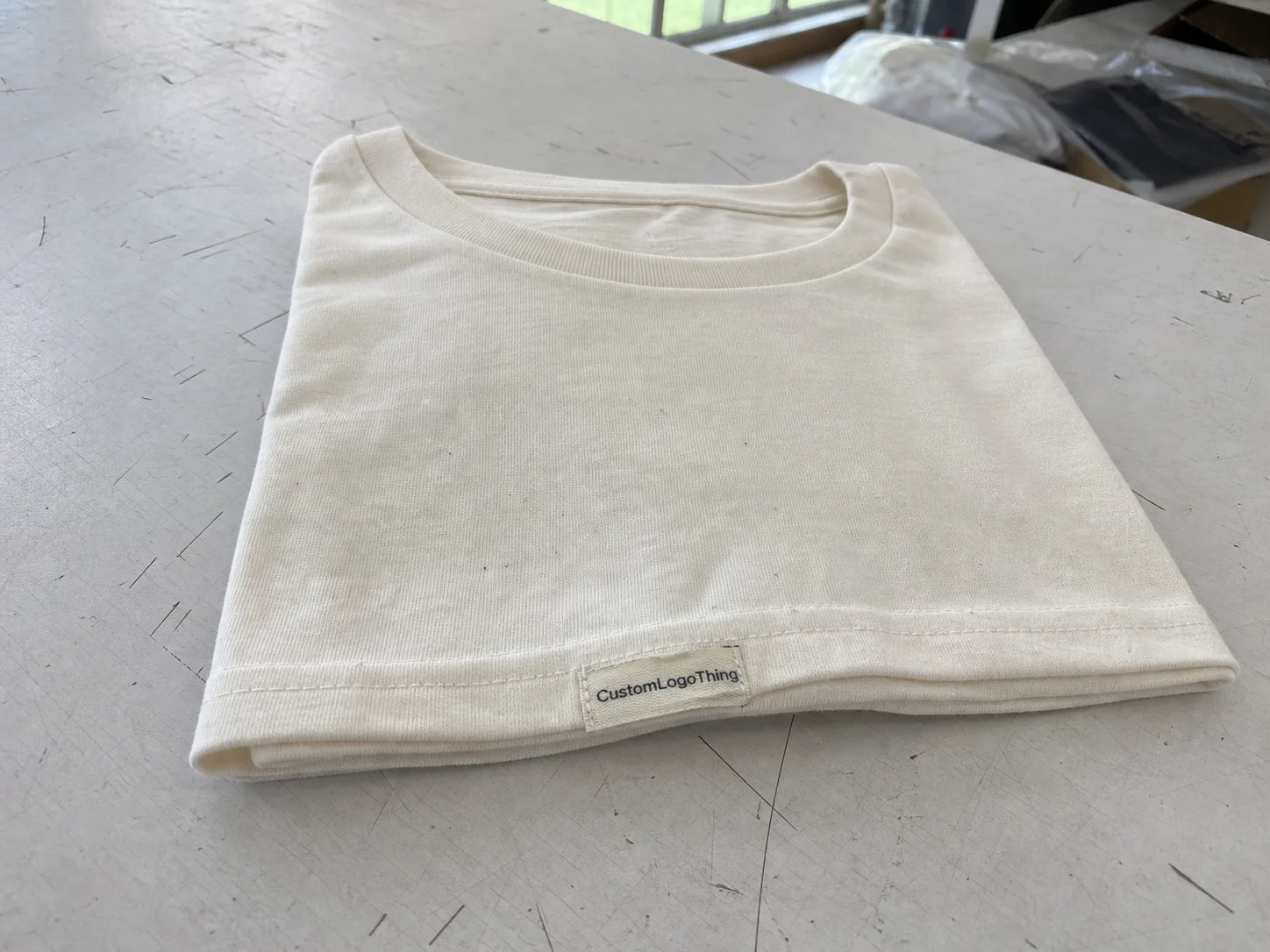
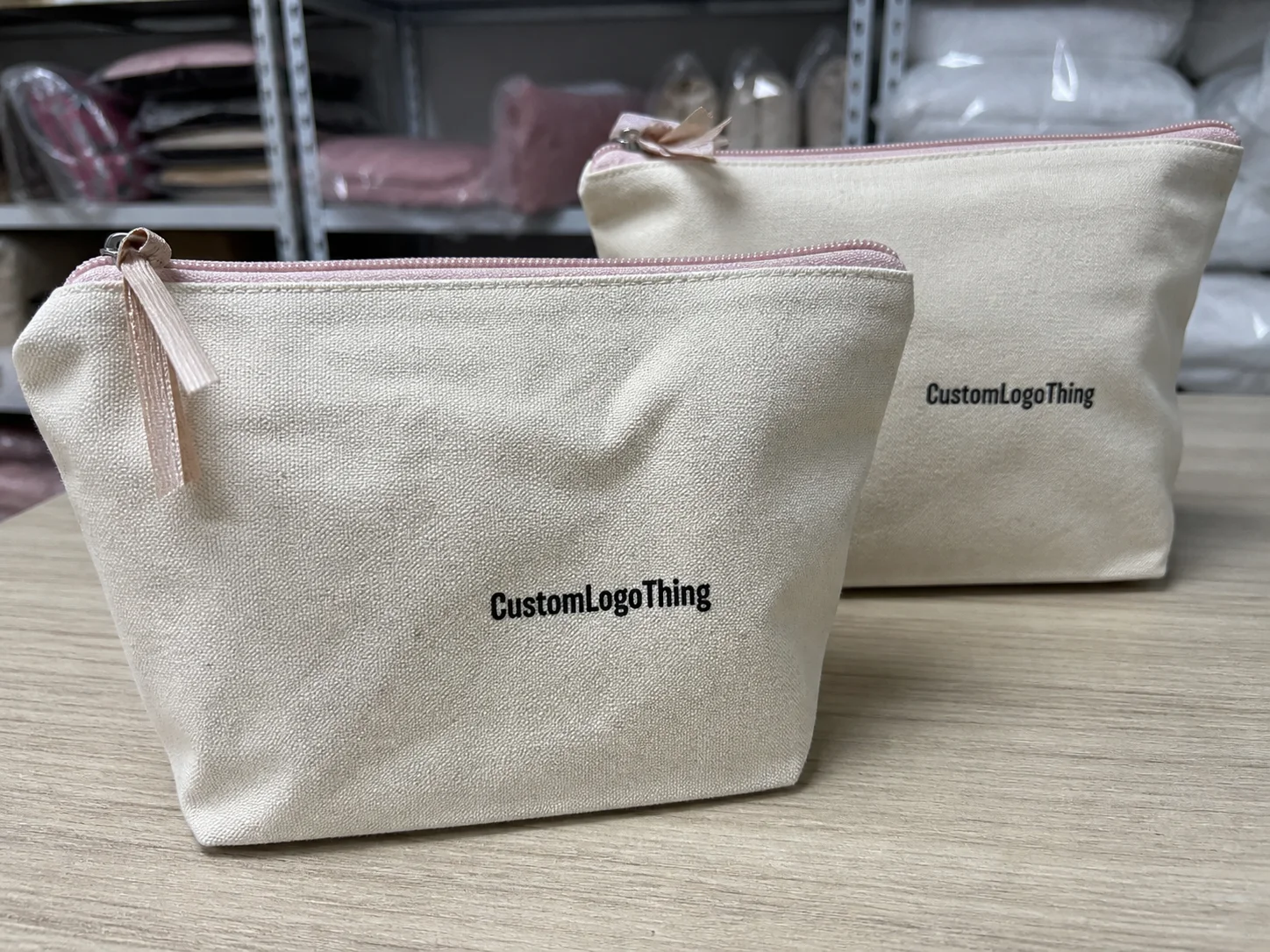
Personalized cotton drawstring bags look modest on a spec sheet. In use, they pull more weight than most packaging buyers expect. They hold a product, carry a logo, and keep working after the first unboxing. That matters if the goal is repeat visibility instead of one-time presentation.
The appeal is practical, not decorative fluff. Cotton has texture. It folds cleanly. It feels natural in the hand. A drawstring closure makes the bag easy to open, close, and reuse without asking the customer to think about it. That combination is why these bags show up in retail sets, event kits, jewelry packaging, candle bundles, wellness boxes, sample packs, and gift programs that need a better finish than a plastic sleeve or generic carton.
There is also a brand behavior effect that is easy to miss. A pouch gets reused for travel, storage, or gifting, which means the logo keeps moving after the original purchase. That turns a small package into a long-tail brand asset. Not glamorous. Just effective.
Good results do not come from the bag alone. They come from matching fabric weight, size, decoration method, and closure style to the actual use case. If any one of those is off, the bag can look cheap, print poorly, or feel awkward in hand. That is where most buyers lose time and money.
Why personalized cotton drawstring bags feel premium
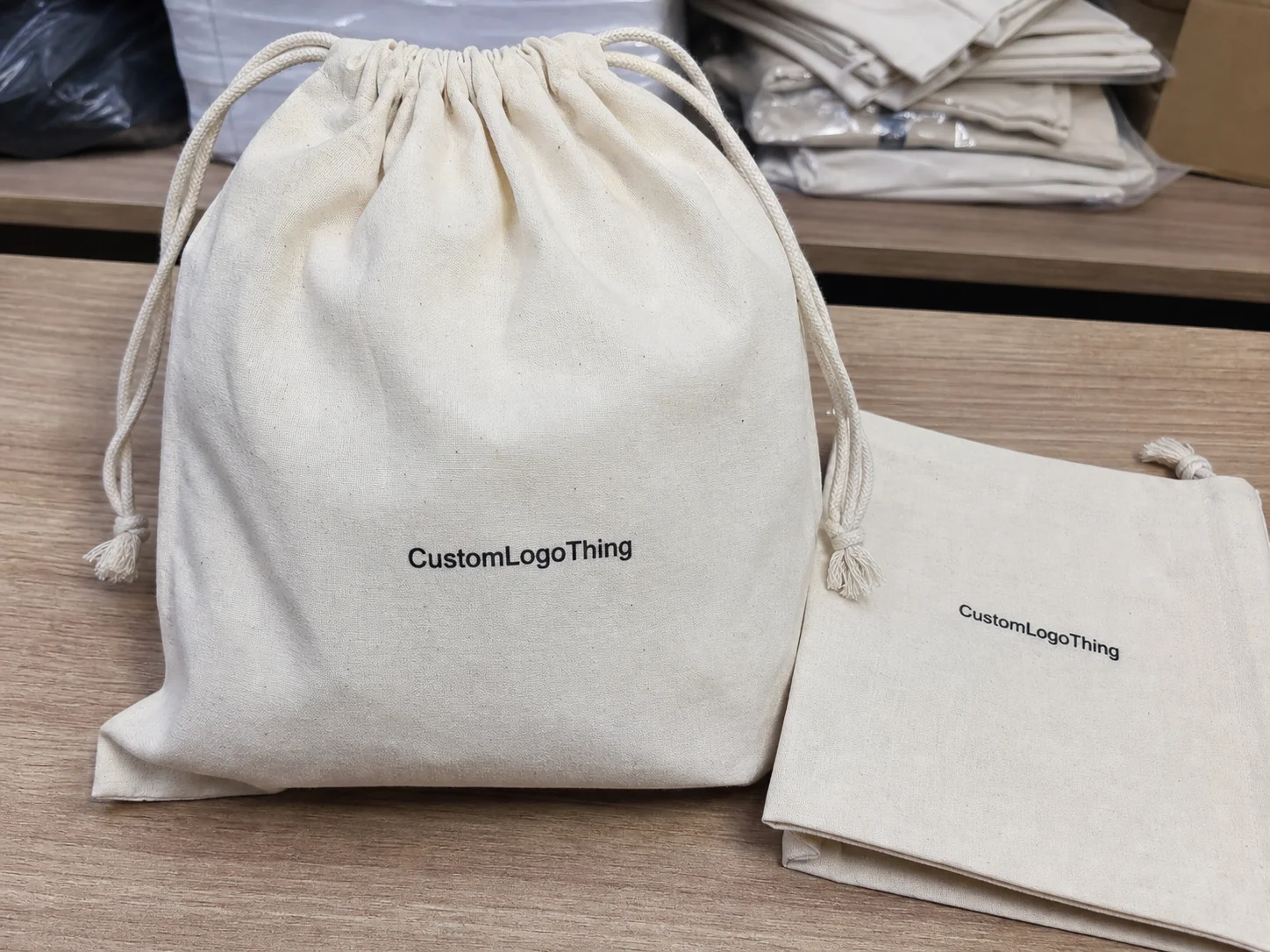
These bags feel better than many low-cost promotional items because they are simple without looking disposable. Cotton does not try to imitate a luxury box. It gives the product a quieter presentation. That restraint usually reads as more thoughtful than a loud, glossy package with a lot of visual noise.
The material is a big part of the perception. Cotton has visible weave, a soft surface, and enough structure to protect small items without becoming rigid. The handfeel tells customers something before they even see the logo. That is useful. Packaging that feels deliberate tends to improve the perceived value of the item inside it.
Logo execution matters just as much. A clean one-color print on natural cotton often looks stronger than a complicated graphic on a synthetic pouch. The reason is simple: the bag supports the brand instead of fighting it. If the artwork is too detailed or the imprint too small, cotton texture starts doing damage. Thin lines break up. Tiny text softens. Colors shift slightly depending on the fabric tone.
That is not a defect. It is a material constraint. Buyers who understand that constraint usually end up with better-looking bags because they pick artwork that suits the substrate rather than forcing a design that belongs on coated paper or vinyl.
Reusable packaging also changes how the product feels over time. A customer may keep the bag in a drawer, a travel kit, a gym bag, or a gift wrap stash. The logo stays visible in a way that a box rarely does. That kind of repeat exposure is hard to buy cheaply through other packaging formats.
There is one caveat worth stating plainly: not every cotton bag is premium by default. Loose stitching, poor seam alignment, thin fabric, and weak print all erase the benefit fast. Premium is a result, not a material label.
“The best packaging does not compete with the product. It gives the product a cleaner first impression, then keeps doing useful work after the sale.”
For broader packaging and materials background, the Packaging School / packaging.org resources are useful. If the sustainability story matters, the EPA recycling guidance gives a realistic view of reuse and recovery without turning the topic into marketing copy.
How personalized cotton drawstring bags are customized from artwork to finished bag
The production path looks simple from the outside, but the order of decisions matters. Start with the product size. Then choose fabric weight. Then choose decoration. Then decide where the logo should sit. If that sequence gets reversed, buyers often end up forcing artwork onto a bag that was never the right shape or scale.
Artwork choice should lead the print method, not the other way around. Screen printing works well for bold shapes, strong type, and single or limited-color logos. Embroidery adds texture and a more tactile look, but it can simplify small details. Heat transfer gives more room for fine artwork in some cases, although the feel depends on the film and the base fabric. Woven labels are useful when the goal is subtle branding with a sewn-in finish instead of a printed surface.
Cotton behaves differently from coated or synthetic packaging. Natural and unbleached fabric soften color slightly. A white logo on ecru cloth is not the same as a white logo on bright white fabric. Textured weave can also affect edge clarity. Buyers sometimes treat proofing like a formality. It is not. The proof should reflect the real substrate, because that is where the final look is decided.
Bag construction deserves more attention than it usually gets. Straight side seams, reinforced hems, and a clean top finish make the bag feel retail-ready. Sloppy construction shows immediately, even if the print is perfect. A weak seam or uneven drawcord can make a decent design look underdeveloped.
Closure style also changes the feel. A single drawcord is usually fine for lightweight kits or small giveaways. A double drawcord feels more balanced and closes more evenly. Cord material matters too. Cotton cord looks and feels consistent with the bag body. Synthetic cord can offer different durability or friction behavior, but it may read more utilitarian.
For a clearer comparison, this is the basic tradeoff set buyers usually work through:
| Decoration method | Best use | Typical strengths | Tradeoffs |
|---|---|---|---|
| Screen printing | Simple logos, strong spot color, higher volumes | Clean edges, efficient setup, good visual impact | Less ideal for tiny type or very detailed art |
| Embroidery | Premium gifts, retail sets, tactile branding | Texture, durability, polished finish | Small details often need simplification |
| Heat transfer | Detailed graphics or multicolor logos | Flexible artwork options, good detail in some cases | Feel and longevity depend on use level and fabric |
| Woven label | Subtle branding, stitched presentation | Durable identity, clean sewn-on appearance | Less immediate visual impact than direct print |
If the bag needs to survive shipping stress or repeated handling, transport expectations matter. ISTA standards are a useful reference point for thinking about closure security, seam strength, and packing density. Not every pouch needs formal testing, but the logic behind it is sound.
Cost, MOQ, and quote factors that move unit pricing
Pricing for personalized cotton drawstring bags usually depends on several variables at once. The biggest ones are bag size, fabric weight, decoration method, print area, number of colors, and how much setup work is needed before production starts. There is rarely a single line item that explains the whole quote.
Fabric weight is one of the clearest cost drivers. A 6 oz cotton bag costs more than a 4 oz bag because it uses more material and usually feels more substantial. Larger dimensions do the same thing. More fabric means more cutting, more stitching, and more handling. If a buyer wants gussets or reinforced seams, the price shifts again.
MOQ affects the unit cost because setup labor gets spread across the run. A screen, artwork cleanup, embroidery digitizing, or color separation takes time whether the order is 250 pieces or 5,000 pieces. Smaller orders carry more of that overhead per unit. Larger orders usually bring the number down. That is not a pricing trick. It is just how fixed prep costs behave.
For planning, these are common market-style ranges, not promises:
- Simple one-color screen-printed bags at 1,000 to 5,000 pieces often land around $0.18 to $0.55 per unit, depending on size and fabric weight.
- Embroidery often sits higher, commonly around $0.35 to $1.20 per unit or more when the logo is large or thread colors multiply.
- Special finishing, interior labels, gussets, or retail-ready folding can add cost to the landed price.
Those numbers move with freight, labor, lead time, and material availability. They still help because they show the real structure of the spend. A plain reusable pouch is one budget level. A fully branded presentation bag with extra finishing is another.
Packaging format changes the quote too. Bulk packing is the cheapest path and the fastest to process. Individual folding, barcode labeling, polybagging, or retail presentation adds labor after decoration. Buyers often assume the bag itself is the whole cost. It is not. Every extra handling step has to be paid for.
There is another subtle pricing issue: artwork readiness. If the file needs cleanup, redrawing, or layout corrections, the project can absorb more prep time before a single sample is approved. Clean vector art and clear instructions reduce that drag. Messy files usually produce messy quotes.
Production steps and turnaround: from proof to shipment
Good production starts before manufacturing begins. The standard flow is artwork review, digital proof, sampling if needed, material prep, decoration, finishing, inspection, and packing. Skip one of those steps and the risk tends to show up later as a delay, a rejected proof, or a bag that does not match the plan.
Most bottlenecks are administrative, not mechanical. Final dimensions are missing. The brand has not confirmed logo color. The buyer guessed the insert size instead of measuring it. Those issues can slow an order before production even starts.
Simple one-color runs generally move faster than embroidered or multicolor orders because setup is lighter and there is less risk of alignment problems. If stock fabric is available and artwork is approved quickly, the schedule can stay tight. Special fabric requests, custom sizing, or sample revisions add time. That is normal. What usually causes trouble is pretending the added steps will not affect the calendar.
Manufacturing time and freight time should be treated separately. A product can leave production on schedule and still miss an event because shipping was underestimated. Holiday periods, customs checks, carrier congestion, and inland trucking all affect the final date. If the launch date matters, approve the proof early and leave room for transit.
Rush orders can work, but only when the brief is clean. Clear artwork, realistic quantity, available stock, and quick proof approval make a rush possible. A rushed file with missing details is still a delayed file. Speed does not rescue ambiguity.
Inspection also matters. A decent QC check should catch imprint placement, color consistency, stitching defects, cord length issues, and carton count before the bags ship. If the order is large enough to matter, this should not be optional. Replacing a bad batch after delivery costs far more than catching the issue inside the factory.
Fabric weight, size, and closure choices that affect performance
Fabric weight changes the behavior of the bag immediately. Lightweight cotton folds flat, packs easily, and works well for inserts, samples, and small event kits. Heavier cotton holds shape better, feels sturdier in the hand, and usually protects the contents more confidently. That extra substance often reads as more premium, even before the logo is noticed.
Size should match the real product, not a rough estimate. A bag that is too big creates slack and can make a small item look underwhelming. A bag that is too small is frustrating to pack and can strain the seams or distort the closure. Measure the tallest, widest, and bulkiest components. Then allow enough room for insertion and cinching.
For kits with several items, size the bag for the hardest piece first. Candle sets, bath bundles, and retail gift sets often contain one awkward component that decides the whole pouch size. That is the part that gets forgotten in early planning. The result is usually a bag that fits on paper but works poorly in real use.
Closure style affects both function and appearance. A single drawcord is fine for lightweight contents. A double drawcord feels more balanced and often closes more neatly. Cord material changes the story too. Cotton cord tends to feel cohesive with the bag body. Synthetic cord may offer different durability or friction behavior, but it can read less natural.
Functional extras are worth paying attention to if the bag will be reused often. Reinforced seams reduce split risk. Gussets increase usable volume and make the bag easier to fill. Interior labels help with retail identification or sorting. These details sound minor until the bag has to survive real handling, shipping, and repeated reuse.
Sustainability claims should stay honest. Cotton is reusable, but that does not mean every cotton bag is the right answer for every packaging problem. The better approach is to match the material to the lifecycle. If the bag is going to carry a premium item, be reused, and represent the brand for a while, cotton makes sense. If it is meant to be thrown away after one use, the pitch gets weaker.
Common mistakes that lead to weak print or slow approval
The most common artwork failure is low-resolution design. A logo that looks fine on a monitor can break apart on textured cotton, especially if the lines are thin or the text is small. Once the weave starts competing with the detail, the print loses sharpness fast.
Another frequent mistake is choosing the decoration method before the artwork is stable. A bold icon may be ideal for screen printing, while a multi-color mark with fine spacing may need a different approach. If the design is still changing, the print method is probably not settled yet. Locking that decision too early creates rework later.
Fit problems are just as common. Buyers guess the bag size instead of measuring the item, the insert, or the full kit. That usually turns into a bag that is too loose, too tight, or awkward to close. It sounds small until the first sample arrives and the presentation is off.
Proofing mistakes slow everything down. Skipping the proof review, ignoring the fabric color, or failing to confirm shipping details can derail an otherwise clean order. A proof is the last chance to catch mistakes before they become a whole production run.
These checks prevent most avoidable problems:
- Use vector artwork whenever possible.
- Confirm logo size and placement in inches or millimeters.
- Check contrast against the actual fabric color, especially on natural cotton.
- Approve the final quantity, shipping details, and carton marking before production starts.
- Request a sample or swatch if the bag will sit in front of customers or hold a premium product.
There is a pattern here. Clear files move quickly. Messy files do not. That is true in printing, embroidery, and packaging generally. The people who save time are usually the ones who did the boring setup work properly.
Next steps for a cleaner order and better results
Before requesting a quote, gather the logo file, quantity, target size, preferred fabric color, and the actual purpose of the bag. Is it holding a product, supporting a launch, wrapping a gift, or carrying a trade show sample? That answer should shape the spec more than guesswork or habit.
Ask for a proof that shows imprint placement, fabric description, closure details, and bag dimensions clearly. If those basics are vague, the order will probably need clarification later. Buyers who care about presentation should also ask for a sample or swatch, especially if the pouch will sit next to premium merchandise.
The best version of this product is the one that fits the use case cleanly. A jewelry sample bag does not need the same structure as a candle pouch. A subscription insert bag does not need the same closure behavior as a retail gift set. The right spec is the one that fits the contents, the timeline, and the budget without forcing the result.
personalized cotton drawstring bags work best when the design and production choices support each other. Fabric weight, logo method, size, and closure should all point in the same direction. If they do, the bag looks clean, feels intentional, and keeps doing brand work after the original handoff. That is the whole point.
What size should personalized cotton drawstring bags be for small retail items?
Use the usable interior size, not just the outside measurement on the spec sheet. The bag should fit the product without fighting it, and it should not leave so much extra room that the item shifts around inside. For multi-item kits, size the bag around the tallest or bulkiest component first. That is usually the piece that decides whether the bag works.
Which decoration method works best for personalized cotton drawstring bags?
Screen printing is the most straightforward option for simple logos and strong visual impact, especially on larger runs. Embroidery gives a textured, premium finish, but small details often need to be simplified. Heat transfer can work for more detailed graphics, though the feel and durability depend on the fabric and how hard the bag will be used. Woven labels are useful for subtle branding and stitched presentation.
How do you estimate the price of personalized cotton drawstring bags?
Start with quantity, bag size, and fabric weight. Then add decoration complexity, number of colors, print locations, and any special finishing. Smaller runs usually cost more per unit because setup labor is spread across fewer bags. Bulk packing is cheaper than individual folding or retail-ready packaging, since each extra handling step adds labor.
How long does production usually take for personalized cotton drawstring bags?
Simple orders can move quickly once artwork is approved and stock is available. Complex artwork, embroidery, sampling, or special finishing adds time before production is complete. Shipping should be counted separately from manufacturing so the delivery date stays realistic. Freight is often where the calendar gets stretched.
What artwork files are best for personalized cotton drawstring bags?
Vector files are the safest choice because they scale cleanly and keep edges sharp. If the logo has fine text or thin lines, simplify it before production so it reads well on fabric. Confirm colors, placement, and size during proofing, not after the order has already moved into production.
Do personalized cotton drawstring bags need quality-control checks?
Yes. A basic QC check should cover print placement, seam quality, cord length, bag dimensions, color consistency, and carton count. For larger orders, it is worth checking a finished sample before release. Catching a problem after shipment is slower, more expensive, and usually avoidable.