The strongest personalized duffle bags for men are not the loudest ones. They are the ones that fit a real routine: a short business trip, a gym session that spills into dinner, a weekend bag that can handle a pair of shoes without bulging like a tent. The personalization should sharpen that use case, not compete with it.
Once initials, a name, a monogram, a leather patch, or a metal tag is added, the bag stops being generic stock. It becomes a gift with intent, a team item that feels coordinated, or a brand piece that looks chosen rather than rushed. That change sounds small. In practice, it changes how buyers judge every other detail, from zipper feel to packaging.
The hard part is that buyers usually care about four things at once: appearance, durability, cost, and timing. Miss one and the whole order feels off. Get all four aligned and a straightforward duffle can look more expensive than its materials suggest.
Personalized Duffle Bags for Men: What Buyers Really Need
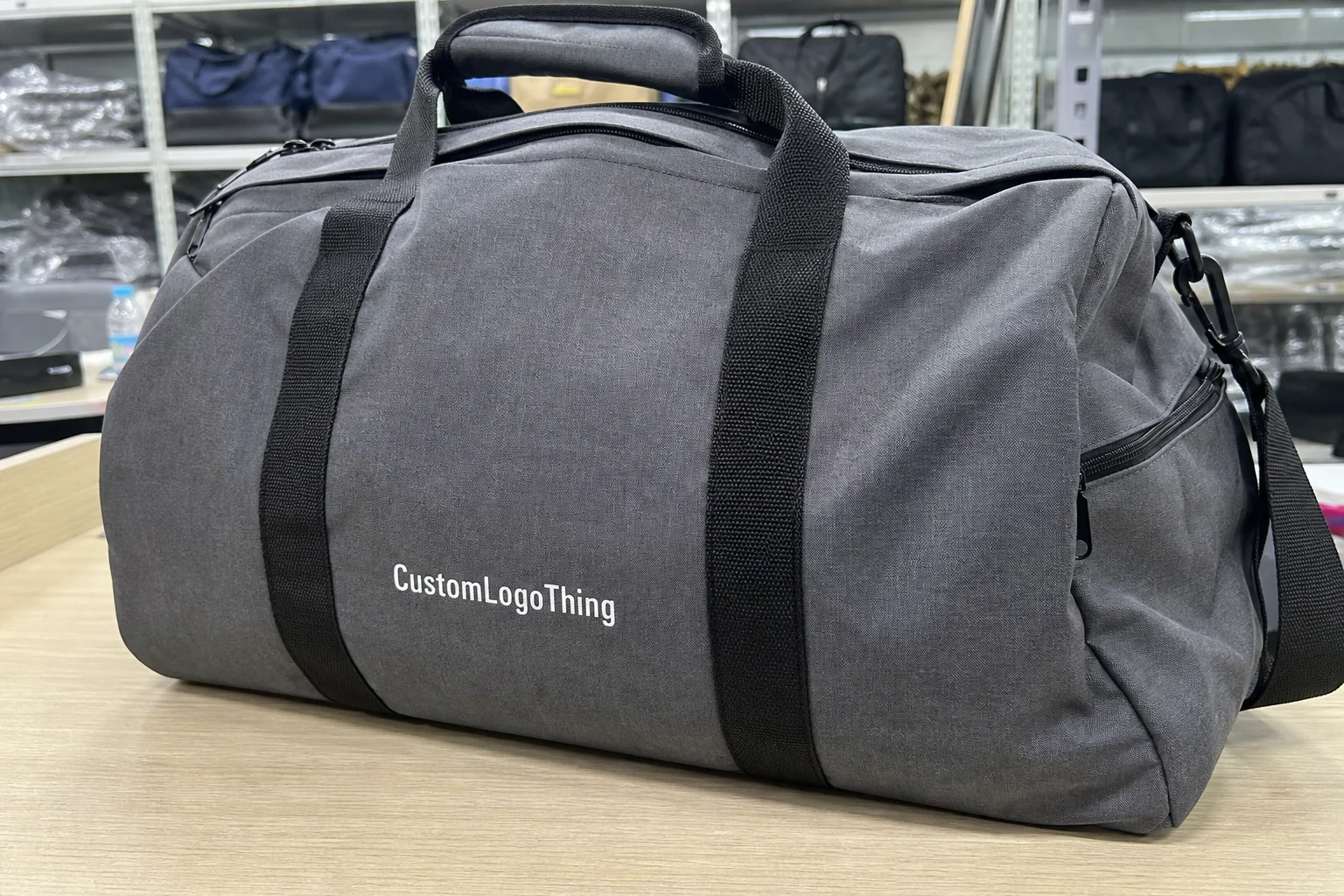
The best starting point is use, not decoration. A travel duffle needs structure, a comfortable shoulder strap, and zippers that do not catch under pressure. A gym bag needs quick access and a lining that can handle damp gear. A corporate gift needs a cleaner profile and a personalization method that reads as considered rather than promotional. Those are different briefs, even if they all sit under the same product category.
Personalization works best when it matches the context. Embroidered initials feel restrained and personal. A debossed leather patch usually reads more executive. A full-color print can work for a team event or promotion, but on an everyday carry bag it can look too busy unless the artwork is carefully controlled. The rule is simple: the marking should support the bag’s purpose, not dominate it.
Most good orders begin with five answers: who will use the bag, where it will travel, what it needs to carry, what visual tone it should have, and when it has to land. Without that, buyers tend to pick a style first and a use case second. That is how you end up with a sharp-looking bag that is too shallow, too soft, or too branded for its audience.
“A personalized bag feels premium when the decoration looks intentional and the base bag can survive daily use.”
That idea applies whether the order is 20 pieces for a leadership offsite or 500 bags for a client program. Presentation matters too. A bag packed in a dust bag with a clean hang tag does more for perceived quality than many buyers expect. The same bag, delivered loose in a carton, can feel less considered even if the construction is identical.
There is also a subtle point many teams miss: men notice proportions quickly. If the bag is too tall and narrow, it reads like a tote with handles. If it is too shallow, it will never hold its shape once packed. The best-looking personalized duffle bags for men usually sit in the middle, with enough structure to stand up without looking stiff.
The Process: From Artwork to Finished Bag
Most suppliers start with intake. They need the dimensions, quantity, budget, decoration method, and intended use before they can recommend a workable spec. A useful supplier will also ask whether the personalization is a monogram, logo, name, or a combination. That changes the production method and the review steps.
Artwork prep comes next. Vector files are the cleanest option for logos because they scale without pixelation. If the design is text-based, the supplier should have the exact spelling, preferred font style, and placement notes. Small typography is where many orders slip. Thin scripts can break down in embroidery, and tiny serif fonts can lose detail when printed onto textured material.
Thread and print colors can usually be matched to a close Pantone reference, but exact color matching depends on the method and the material. Polyester, canvas, and faux leather all take color differently. A logo that looks crisp on a screen may appear deeper or duller once it is stitched or pressed onto a real panel.
The digital proof is the first real checkpoint. It should show logo size, placement, spacing, color, and the relationship between the decoration and the seams, pockets, or zipper lines. A centered logo on a mockup can shift visually once it lands on a curved body panel or on a section with topstitching. That is not a flaw in the proof; it is a reason to review it carefully.
For higher-value orders, a physical sample is worth the extra time. It shows the things a digital proof cannot: whether the zipper pull feels flimsy, whether the fabric has enough structure, whether embroidery puckers on the curve, and whether the handles sit flat in the hand. Those details matter more on a premium gift bag than on a giveaway item.
Production usually follows a familiar sequence: cutting, decoration, sewing, assembly, hardware attachment, finishing, and inspection. Good quality control should include stitch checks, strap pull tests, zipper operation checks, seam alignment, and a visual review for loose threads or puckering. Buyers often ask for “premium,” but premium is really a stack of small tolerances handled consistently.
Packaging should be decided early, not after production starts. Tissue wrap, individual polybags, dust bags, hang tags, and carton inserts all change labor, material cost, and timing. If the bags are headed into retail, gifting, or distribution, packaging is part of the product specification, not an afterthought.
For orders that will travel through multiple handling points, packaging strength matters as much as the bag itself. Transit damage often shows up as crushed corners, bent hardware, or scuffed PU surfaces. References such as ISTA can help frame packaging expectations for cartons and palletized shipments, especially when the order crosses long distances.
Materials, Size, and Hardware That Change the Final Look
Material choice drives both cost and perception. Polyester is usually the budget-friendly route and can work well if the weave is tight and the backing is solid. A common choice is 600D polyester, which balances weight and durability better than thin promotional fabric. Canvas has more texture and often suits casual travel or heritage-style branding. Faux leather, usually PU, pushes the look toward polished and dressier. Real leather changes the entire cost structure, adds weight, and needs more care.
Buyers often overfocus on the exterior finish and underfocus on structure. A bag can look good flat on a table and still collapse once packed. Lining weight, interfacing, and panel construction decide whether the duffle holds its shape. For a weekend bag, that shape retention matters more than a flashy surface treatment.
Size matters more than many briefs admit. A compact gym duffle may sit around 18 to 20 inches long, while a weekend bag often needs more depth and a wider opening for shoes, toiletries, and a spare outfit. If the bag must carry a laptop or work items, interior organization becomes part of the spec, not a bonus feature. Padded sleeves, divider pockets, and a luggage strap can make the bag far more usable without adding much visual weight.
Hardware is where “close enough” usually fails. Zippers should open smoothly without snagging at the corners. Strap webbing should feel dense rather than floppy. Reinforced handles help the bag keep its profile after repeated loading. Bottom feet are a small detail with a clear payoff because they reduce wear on hotel floors, airport benches, trunks, and office lobbies. Interior linings and pocket edges should be finished cleanly so they do not fray after a few months of use.
Decoration placement changes the look more than most buyers expect. Front-panel embroidery is direct and easy to read. End-panel branding is subtler and works well for buyers who want the personalization to feel private. A leather patch can add polish without making the duffle look corporate. A removable tag can be useful for limited runs or event-specific gifting, since it allows a lighter brand footprint on the bag itself.
If the order is meant to signal status, the budget is usually better spent on structure, zipper quality, and stitching consistency than on a complicated exterior. A well-built polyester bag with neat embroidery can look more premium than a weak faux-leather bag that photographs well but feels thin in hand.
For buyers paying attention to sourcing, recycled polyester, certified paper inserts, or FSC-certified packaging can strengthen the broader story around the order. That does not make the bag itself sustainable by default. It does, however, show that the order was specified with more than the visible face in mind.
Cost, Pricing, and MOQ: What Drives the Quote
The quote for personalized duffle bags for men usually breaks into five parts: base bag, decoration, setup, packaging, and freight. Sample charges may sit outside the main total, especially if the buyer wants a decorated physical sample before full production. If a supplier only gives a unit price and skips the rest, the comparison is incomplete.
| Option | Typical feel | Indicative unit cost at 500 pcs | Indicative unit cost at 5,000 pcs | Best use case |
|---|---|---|---|---|
| 600D polyester with one-color embroidery | Practical, clean | $7.50-$11.00 | $4.20-$6.50 | Corporate gifting, team orders |
| Canvas with patch or print | Casual, textured | $9.00-$14.00 | $5.50-$8.00 | Weekend travel, retail-style gifting |
| PU faux leather with deboss or tag | Polished, dressier | $12.00-$20.00 | $7.00-$12.00 | Executive gifts, premium programs |
Those ranges are directional. Size, lining, zipper grade, logo coverage, packaging, and labor market all move the number. A bag with multiple compartments, custom zipper pulls, or a structured base can land above a simpler shell even if the exterior looks similar in photos. That is usually where buyers first run into surprise costs.
MOQ changes the economics more than most people expect. Setup work is spread over fewer pieces in a small order, so the unit price rises. That is not just supplier margin; it is the math of cutting, decoration setup, labor time, and inspection. A 100-piece run can look expensive next to a 1,000-piece run even if the bag spec is nearly identical.
Decoration method changes the quote and the finish. Embroidery tends to feel durable and premium for initials or short names. Printing handles more detail and more colors, though the finish depends on the ink and the material underneath. Patches and debossing usually suit cleaner branding and can keep the bag from looking too promotional. The right choice depends on whether the buyer wants the mark to be visible from across a room or discovered up close.
To compare quotes properly, ask each supplier to price the same bag body, the same decoration, the same quantity, and the same freight basis. One quote may look cheaper because it excludes packaging or uses a lighter zipper. Another may include reinforced cartons or a better lining. A fair comparison should account for the whole landed cost, not just the factory number.
Sample policy also matters. Some suppliers deduct sample cost from the bulk order, while others do not. Some charge extra for embroidery setup or custom molds. Those details are worth clarifying before anyone approves artwork. The cheapest quote on paper can become the most expensive once revisions, reproofing, and freight are added.
Production Timeline: Lead Time, Proofs, and Shipping
Lead time is a chain, not a single date. Concept review may take a day or two. Proofing can take another day if the design is simple, or several if the buyer wants adjustments. Sampling adds more time. Then production, inspection, and transit each have their own pace.
For a simple stock duffle with one-color embroidery, the path from proof approval to dispatch may fall around 12 to 20 business days, depending on order volume and factory load. More complex orders take longer, especially if the bag body itself is being customized rather than just decorated. If the order includes custom hardware, special lining, or unique panel shapes, the schedule needs more room.
Delays usually come from the same places: artwork revisions, color approval, sample changes, and packaging decisions. Packaging surprises buyers because it feels secondary, but once tissue wrap, individual cartons, or inserts are added, the production plan changes. That needs to be locked before the line runs.
Shipping can stretch or compress the entire project. Air freight reduces transit time but pushes the cost up fast. Sea freight lowers the per-unit freight cost but needs more planning and a larger timing buffer. For a fixed event, launch, or holiday deadline, buyers should work backward from delivery and leave room for customs, port congestion, and missed cutoffs. A three-day buffer is light. A week is safer if the date is not negotiable.
Rush orders happen, but they come with tradeoffs. Buyers may lose sample rounds, have fewer material options, or pay more for priority production. That can be acceptable if the deadline is real. It is a poor idea if the timeline is only aspirational and the order can wait for a cleaner run.
Common Mistakes That Make the Bag Feel Generic
The first mistake is choosing style before function. A polished photo can hide a weak zipper, a shallow main compartment, or a strap that digs into the shoulder. Buyers sometimes approve the front panel and forget that the rest of the bag still has to work on a train platform or through an airport terminal.
The second mistake is over-branding. Large logos, crowded copy, and too many colors can make a personalized gift feel like giveaway merchandise. That may be acceptable for a trade show. It is less convincing for someone who expects the bag to live in a carry-on rotation. Personalization should feel deliberate, not loud for its own sake.
Poor artwork files create another set of problems. Blurry files, low-resolution logos, and thin typefaces are risky for embroidery and small-format printing. A supplier can clean up some files, but every fix adds time and the final result may still lose detail. Simple letterforms usually hold up better for names and initials, especially when the mark is small.
Many buyers also forget to design for the person carrying the bag. A business-travel bag needs a cleaner silhouette, more structure, and possibly a luggage pass-through. A gym bag needs easy access and a lining that can be wiped clean. A weekend bag may need a wider opening and pockets that can handle chargers, grooming items, and shoes without turning the interior into a pile.
Skipping the sample is another costly shortcut. Mockups are useful, but they do not show thread pull, zipper feel, fabric stiffness, or how the logo looks in daylight. A physical sample can reveal whether the bag feels balanced or awkward in the hand. It also shows whether the personalized detail lands where the eye naturally goes.
Consistency across the full run matters more than one perfect sample. A single approved sample is not enough if the first bag and the last bag do not match. Good production means the full batch looks like one order, not a collection of near-misses.
One last mistake shows up after delivery: underestimating wear points. Handles, strap anchors, zipper ends, and bottom panels take the most abuse. If those areas are not reinforced, the bag may still look good when new and fail much earlier than expected. That failure does not always appear in a product photo, which is why buyer-side review has to go beyond the mockup.
Expert Tips and Next Steps for a Better First Order
Start by defining the bag’s main job. Travel, gym, work, or gifting. That single choice should shape the size, structure, material, and decoration method before any quote goes out. It sounds basic. It prevents most of the expensive mismatches.
For higher-visibility orders, ask for a decorated sample or a detailed pre-production proof. If the bags are for a sales team, executive event, or client gift, the presentation standard rises fast. A sample earns its place by catching problems before the full run is locked.
A simple comparison sheet keeps the decision grounded:
- Material and fabric weight or finish
- Dimensions and practical capacity
- Decoration method and placement
- MOQ and unit price at your target quantity
- Sample policy and sample cost
- Lead time and shipping assumptions
That sheet usually exposes whether one supplier is genuinely stronger or just better at quoting. It also gives your team a clean way to evaluate options without getting trapped by one attractive mockup.
Presentation should be treated as part of the product. Dust bags, tissue wrap, Branded Hang Tags, and retail-ready packaging can make personalized duffle bags for men feel more like a curated gift than a bulk order. For gifting programs, that effect often matters more than saving a small amount per unit.
The most reliable first orders are rarely the flashiest. They are the ones where the bag fits the use case, the decoration matches the tone, the timeline leaves room for proofing, and the packaging arrives in one piece. That is usually enough. Anything beyond that should be judged against whether it improves the bag’s actual life in use.
FAQ
What should I look for in personalized duffle bags for men?
Start with the bag’s real use case: travel, gym, work, or gifting. Then check material quality, zipper strength, strap comfort, and where the personalization will sit. The best result comes from matching the decoration method to the tone you want, not simply choosing the lowest price.
Which customization method looks best on a men's duffle bag?
Embroidery usually feels the most premium for names or initials. Printing works well for logos and more detailed artwork. Patches, debossing, or metal tags can look sharper if you want something more understated and less promotional.
How much do custom duffle bags for men usually cost?
Price depends on material, size, decoration method, and order quantity. Smaller orders usually carry a higher unit cost because setup is spread across fewer bags. Freight, packaging, and sample charges can change the total budget more than buyers expect.
How long does production usually take for personalized duffle bags?
Timeline depends on proofing, sampling, production, and shipping method. Simple designs on stock bags move faster than highly customized orders. Build in extra time if the bags are tied to a launch, event, or holiday deadline.
What is the biggest mistake buyers make with custom duffels?
They choose style before function and end up with the wrong size or structure. They also approve artwork without checking placement, scale, or file quality. Skipping sample review is another common mistake because problems often show up only after the full order ships.