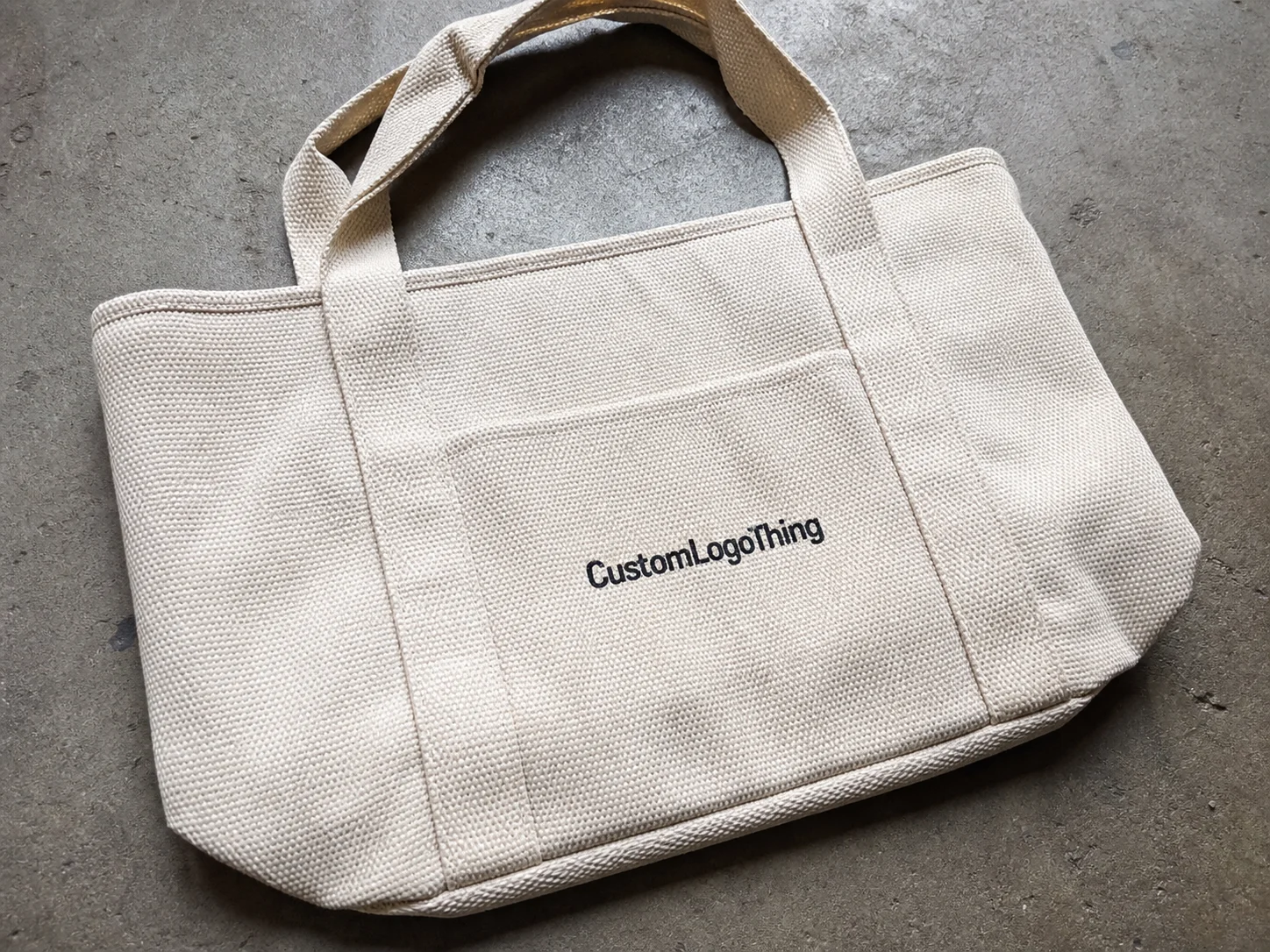
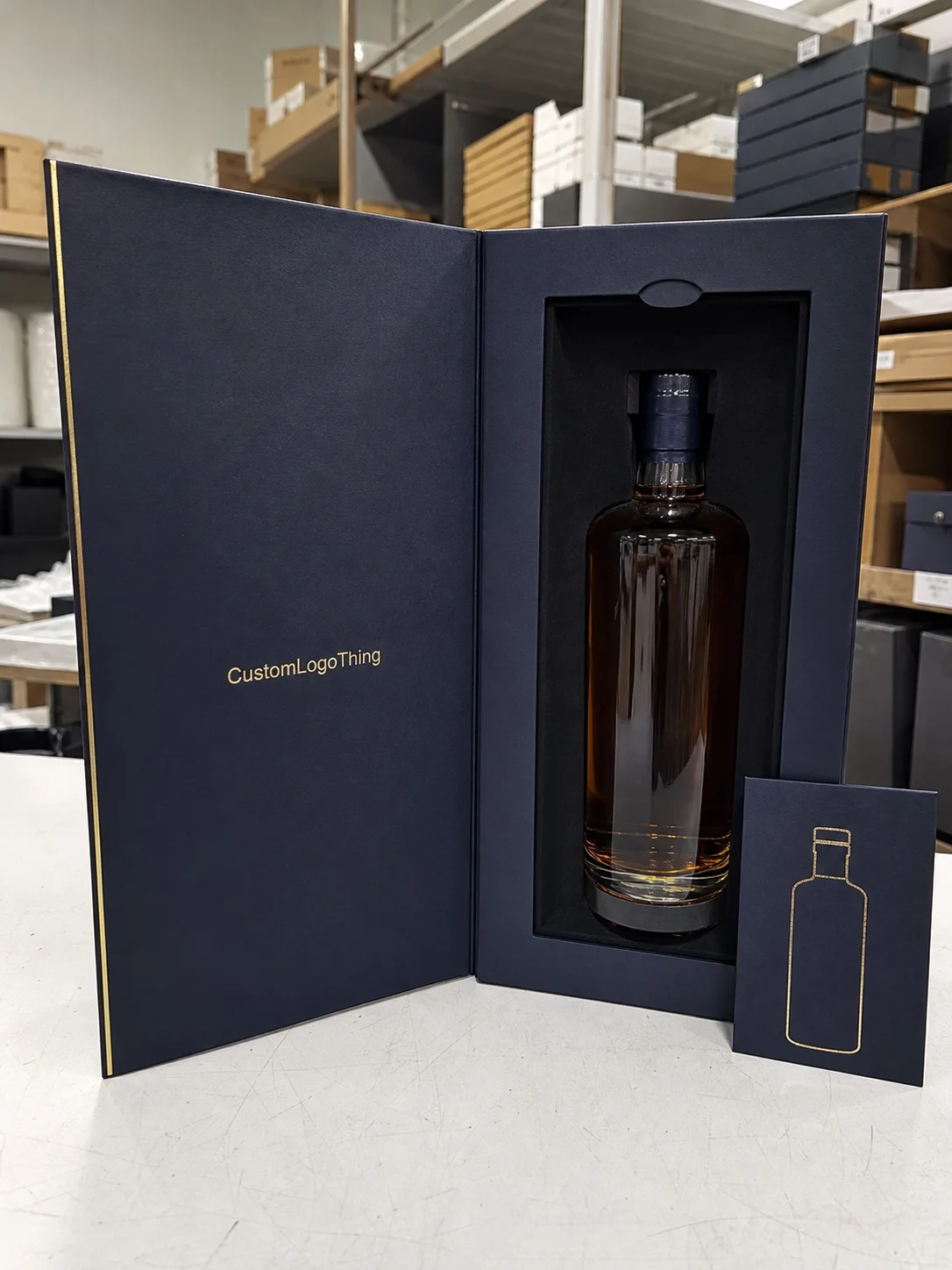
Personalized reusable bags do more than move products from one counter to another. They keep a logo in circulation through parking lots, office corridors, school pickups, trade shows, and neighborhood sidewalks long after a single handoff is over. That repeated visibility is why buyers treat them as working brand assets, not just packaging.
The practical appeal is easy to understand. A good bag fits the load, survives the expected number of uses, and presents the branding cleanly every time it is carried. If it collapses, tears early, or prints unevenly, the savings disappear fast. If it is built correctly, it can look polished, feel sturdy, and quietly do marketing work for weeks or months.
Why personalized reusable bags get noticed before signage does
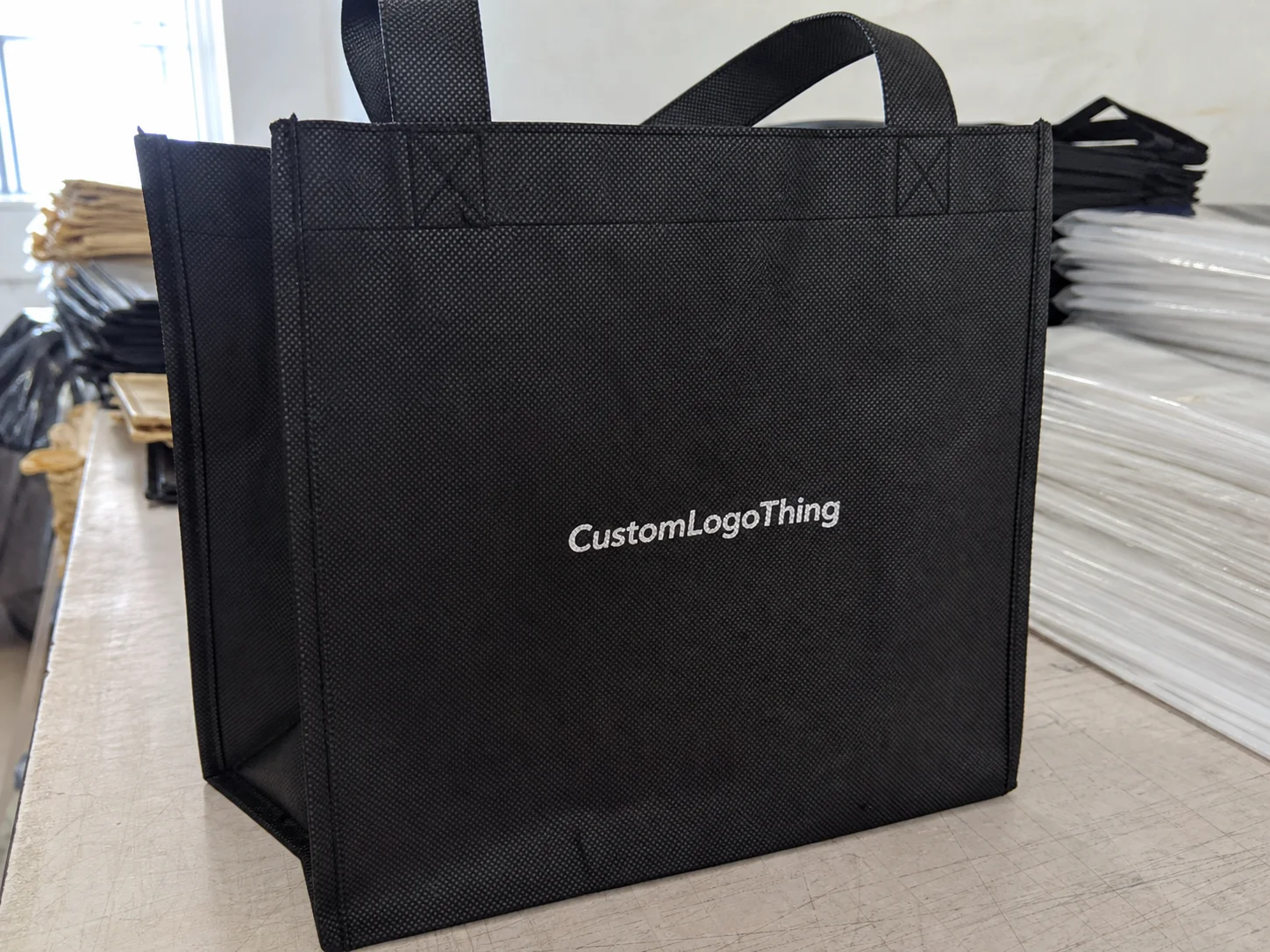
A sign sits still. A bag moves. That difference matters because a reusable carrier travels into places a fixed display never reaches. It is seen leaving a store, loading into a car, landing on a kitchen counter, and sometimes reappearing in the community the next day. One purchase can create repeated exposure without additional media spend.
In packaging terms, personalized reusable bags are carrier bags intended for multiple uses. They may be made from woven polypropylene, nonwoven polypropylene, polyethylene film, recycled film, or heavier laminated structures. The best material depends on the job. A retail boutique bag has different needs than a grocery carryout bag, and both differ from a promotional event bag that only has to survive a handful of trips.
Buyers usually want three things: less single-use waste, better presentation at the point of handoff, and a sturdy branded carry option that feels more deliberate than a thin disposable bag. That last part is easy to underestimate. A bag that feels thoughtful changes the perception of the whole purchase.
Buying lens: the best bag is not the fanciest one. It is the one that matches load weight, print area, handling conditions, and distribution plan.
For stores, trade events, food programs, and campus giveaways, start with the end use and work backward. That prevents two expensive mistakes: overspending on a heavy-duty spec where a lighter one would do, or underbuying strength where the bag will fail in the first week.
How the decoration and construction process works
The production sequence is fairly straightforward once the jargon is stripped away. A supplier starts with blank roll stock or a preformed bag body, prints the artwork, then seals, trims, gussets, and packs the finished product. Handles may be die-cut, stitched, heat-sealed, or welded depending on the construction. Each step changes cost, lead time, and the places where an imprint can or cannot sit cleanly.
Decoration methods vary by quantity and artwork. Flexographic printing is often used for larger runs because, once the plates are made, it moves quickly and holds up well for repeat orders. Screen printing is a strong fit for bold spot colors and simpler logos. Digital printing and heat-transfer decoration can make sense for shorter runs or more detailed artwork, provided the substrate and finish can support them.
Construction affects print quality more than many first-time buyers expect. Flat panels usually give the cleanest imprint zone. Gussets add capacity, which is useful, but they also change where artwork can sit without distortion. Handles, folds, and seams interrupt usable space, so a logo that looks perfect on a flat proof can feel cramped once it is applied to the actual bag.
The handoff between artwork and production is where many problems begin or end. A clean proof, clear color expectations, and final specification approval reduce the risk of rework. If the art file is muddy, if the logo depends on tiny type, or if the buyer is vague about acceptable color variation, the result can drift far enough to become a problem.
For buyers who want broader packaging context, the EPA and the Packaging School / packaging industry resources are useful references. They will not replace a job-specific spec sheet, but they help frame the sustainability and materials conversation.
| Decoration method | Best for | Typical strengths | Common limits |
|---|---|---|---|
| Flexographic printing | Larger repeat runs | Efficient for volume, consistent spot-color output | Setup cost, less flexible for frequent art changes |
| Screen printing | Bold logos and spot colors | Strong color density, good on simple artwork | Slower for multi-color designs, less ideal for fine detail |
| Digital / heat transfer | Short runs or complex art | More adaptable for smaller quantities | Material compatibility and finish can limit options |
Key specs that change durability, feel, and branding impact
Material choice changes almost everything the buyer can feel in hand and see on the shelf. Woven polypropylene feels structured and strong, and it often performs well where the bag will be reused many times. Nonwoven polypropylene is lighter and usually more economical, which makes it a common fit for retail promotions and event distribution. Film-based options can offer gloss, transparency, or moisture resistance depending on the blend and construction.
Thickness and weight rating matter just as much as the material family. In bag work, you may hear mil count, denier, or grams per square meter. Those numbers are not decorative technicalities; they help predict tear resistance, flex under load, and whether the bag will hold up through repeated handling. A bag that looks fine on a screen can still fail if the material is too light for the contents.
Size and shape deserve more attention than they usually get. Width, gusset depth, handle style, and handle drop all affect comfort and capacity. A bag that is too shallow looks awkward and can force product above the rim. A bag that is too large wastes material and can make the package feel less premium than it should. The goal is a bag that fits the intended contents without looking stuffed or underfilled.
Branding variables matter too. The number of colors, imprint coverage, PMS matching tolerance, and whether the logo needs one side or wraparound placement all affect cost and visibility. On textured materials, especially nonwoven surfaces, fine detail can soften slightly, so thicker strokes and simplified artwork often reproduce better than delicate linework.
For buyers who want durability considered against transit conditions, it helps to ask whether the bag should meet any handling or ship-test expectations tied to ISTA protocols. Not every reusable bag order needs formal transit testing, but if the bag is shipping product or moving through multiple points of handling, that question can save guesswork later.
One material caveat is worth stating plainly: sustainability claims are only as good as the local disposal and reuse context. A recyclable resin does not guarantee the bag will actually be recycled, and a recycled-content bag does not guarantee lower impact if it is overbuilt for the job or shipped inefficiently. Specifying the right construction usually matters more than chasing the most impressive-sounding material label.
Process and timeline: from proof approval to delivery
The ordering sequence is usually predictable: Request a Quote, confirm the specs, submit artwork, review a digital proof, approve the job, enter production, then pack and ship. That sounds simple, but the schedule often lives or dies in the proofing stage. The factory cannot print what it does not have approved, and that pause matters more than many buyers expect.
Lead time changes with the job. Simple one-color designs on standard stock bags usually move faster than custom sizes, special colors, multi-pass printing, or orders that rely on imported materials. A standard order may be turned in roughly 12 to 15 business days after proof approval, while more complex programs can run longer if materials need to be sourced or if decoration requires multiple stages.
Approval timing is a real schedule driver. If artwork sits with the buyer for three days, or if the proof comes back with new edits, that time usually comes straight out of the production window. Many “late” jobs are really jobs that started late because the proof cycle dragged on. That is not always the supplier’s fault, and it is not always the buyer’s either; it is simply how the calendar works.
Before placing an order, ask these questions:
- What is the estimated production time after proof approval?
- Does the quote include printing, assembly, and packing?
- What shipping method is planned, and where is freight billed?
- Can I see a preproduction sample or digital proof?
- What happens if the art needs correction after proofing?
There is also a quiet production constraint that buyers often miss: some bag styles print well but pack inefficiently, which changes freight costs and carton counts. A flatter bag can ship more densely than a bulky laminated one, even when the unit price looks similar. If freight is a meaningful part of the budget, ask how many bags fit per carton and whether pallets will be required.
Cost, pricing, MOQ, and what actually drives unit cost
Pricing breaks into several parts, and it helps to think about them separately. Material choice, bag size, print colors, setup charges, packing style, and freight all affect the final landed cost. The headline unit price might look attractive, but if the quote hides plate charges, artwork fees, or expensive shipping, the real cost can move higher than expected.
MOQ, or minimum order quantity, reflects setup economics. Smaller minimums usually cost more per piece because the press setup, proofing, and handling work are spread across fewer bags. Larger runs generally improve unit economics, though buyers should still compare inventory needs honestly rather than ordering a huge volume just to get a slightly better per-bag price.
The practical purchasing rule is simple: compare the total delivered cost at the same specification. That means the same dimensions, same material, same print count, same packaging, and same destination. Otherwise, you are not comparing personalized reusable bags on equal terms; you are comparing different products with similar-looking quotes.
| Quote element | Why it changes price | What to confirm |
|---|---|---|
| Material | Heavier or more specialized substrates cost more | Exact construction, thickness, and finish |
| Print colors | More colors usually mean more setup and complexity | Number of inks, PMS needs, and coverage area |
| Quantity | Setup cost is spread across more pieces at higher volume | Price breaks at each order tier |
| Freight | Shipping can move the landed cost quickly | Destination, mode, and whether freight is prepaid or collect |
As a practical range, a simple nonwoven bag can often land in a low per-unit band at higher quantities, while woven or laminated bags with heavier decoration may move into a noticeably higher bracket depending on size and print coverage. Exact pricing depends on the spec, but that spread is normal. For many buyers, the decision is less about a few cents and more about whether the bag will genuinely be reused enough times to justify the build.
A second cost factor is print complexity. A one-color logo on one side is usually straightforward. A multi-color wrap, metallic ink, or artwork with fine detail may require more setup, slower press speed, or tighter quality checks. The quote should spell out where those costs are coming from. If it does not, ask.
A step-by-step buying checklist for a cleaner order
Start with the use case. What is being carried, how often will the bag be reused, and where will it circulate? Retail packaging, food service, campus events, and trade shows all impose different demands. If the job is to carry a few lightweight items once or twice, the construction can be lighter. If the bag must support repeated customer use, it needs more strength and better finishing.
Next, lock in the spec sheet. Write down the material, dimensions, handle style, gusset depth, color, imprint area, and target quantity before asking for final pricing. A quote request with vague sizing usually comes back with assumptions, and assumptions are where mismatches begin.
Artwork preparation deserves care. Vector files are preferred because they stay sharp at size and reproduce more cleanly on print equipment. If brand color matters, provide the reference, whether that is a PMS target or a controlled internal standard. Also call out small type, thin lines, gradients, and subtle artwork effects, because those elements are the first to suffer on textured or flexible surfaces.
Finally, ask for a sample or preproduction proof when the project has strict brand, size, or strength requirements. If the bags will be used for retail-facing distribution or high-visibility promotion, it is worth seeing how the logo sits on the actual material before the full run starts. That extra check can prevent costly surprises.
- Define the end use and expected load.
- Select the bag material and construction.
- Confirm the dimensions and handle style.
- Prepare artwork in the cleanest file format available.
- Review proof details, colors, and placement before approval.
Quality-control checks should not be vague. Confirm seam integrity, handle attachment, print registration, carton count, and whether the bag surface shows scuffing, pinholes, or uneven coating. If the order is intended for a retail floor, inspect a few samples under the same lighting where the bags will actually be handed out. A color that looks fine in production light can read differently under warm store lighting or outdoor daylight.
Common mistakes that create reprints, delays, or weak results
The first mistake is choosing the cheapest bag first and the application second. If the material is too light or the seams are weak, replacement cost, customer frustration, and damaged merchandise can erase the savings quickly. The lowest quote is not always the lowest-cost decision.
The second mistake is artwork that was never really built for the substrate. Low-resolution logos, tiny type, and colors with no defined standard often look acceptable on screen and disappointing on a finished bag. Flexible packaging is less forgiving than a flat brochure, especially on textured materials like nonwoven polypropylene.
Timeline errors happen constantly. Buyers underestimate proof approvals, production queues, and freight windows, then assume the supplier is late when the order was actually stalled days earlier. The production schedule is only as good as the last approval step, which is why fast responses from the buyer side can matter as much as factory capacity.
Size mismatches are another easy way to weaken the result. A bag that is too shallow for the product looks crowded and cheap. A bag that is too large can waste material and make the brand feel less intentional. Neither problem helps the customer experience, and both are avoidable with a proper spec sheet.
Practical rule: if you would not be happy carrying the bag yourself, do not approve it just because the quote is low.
One more mistake is overlooking how the bag will age. Some finishes wrinkle more easily, some inks scuff on contact, and some handles loosen faster under repeated load. A bag can look excellent on arrival and still disappoint after a few cycles of use. If reuse is the point, ask about wear points, not just first impressions.
Expert tips and next steps before you request quotes
Before supplier outreach, settle a short internal decision list: final quantity, target unit cost, required delivery date, bag dimensions, and acceptable color variation. If those five items are still moving around, every quote will be hard to compare and every revision will take longer than it should.
Then evaluate the bag by function, not habit. Ask whether it needs to be display-ready, heavy-duty, recyclable, foldable, or optimized for repeated handling. Once the job is clear, the construction usually becomes obvious. A laminated retail bag and a lightweight event tote do not deserve the same spec, even if both carry a logo.
When comparing quotes, make sure the assumptions are identical. Exact dimensions, same print count, same packing method, and same destination are necessary for a fair comparison. Without those details, one supplier may look cheaper simply because the quote is not built on the same basis.
The cleanest next step is simple: gather the spec sheet, artwork, and delivery window, then request quotes for personalized reusable bags from at least two production scenarios. Compare price, lead time, and durability side by side, and choose the version that fits the actual job rather than the one that only looks good on paper.
If the bag is part of a broader packaging program, the most useful question is not “What is the cheapest option?” It is “Which build gives the right balance of strength, presentation, and landed cost over the full life of the bag?” That framing usually leads to better decisions than chasing a headline price alone.
What materials are best for personalized reusable bags?
Woven polypropylene works well when the bag needs stronger structure and repeated use. Nonwoven polypropylene is often the more economical choice for lighter retail and event programs. Film-based options can make sense when moisture resistance, gloss, or a specific presentation style matters.
How much do personalized reusable bags cost per unit?
Unit cost depends on size, material, print colors, quantity, and shipping destination. Larger runs usually lower the per-bag price because setup costs are spread across more pieces. To compare accurately, ask for total delivered cost at the same specification, not just the base unit price.
How long is the typical turnaround time?
Turnaround depends on artwork approval, bag construction, print method, and current production load. Simple standard orders generally move faster than custom sizes or multi-color decoration. Always confirm whether the quoted timeline starts at proof approval or at purchase order placement.
What MOQ should I expect for personalized reusable bags?
MOQ varies by bag style and print method, but smaller orders usually cost more per piece. If volume is uncertain, ask for pricing at two or three quantity breaks so you can see where unit economics improve. A higher MOQ can be worthwhile if the bag will be used over a longer campaign or across multiple locations.
What artwork files work best for custom reusable bags?
Vector files are preferred because they stay sharp at size and reproduce more cleanly on print equipment. Brand color references should be provided when exact matching matters, especially for logos with spot colors. Thin lines, tiny text, and low-resolution images are the most common causes of proof issues and print loss.