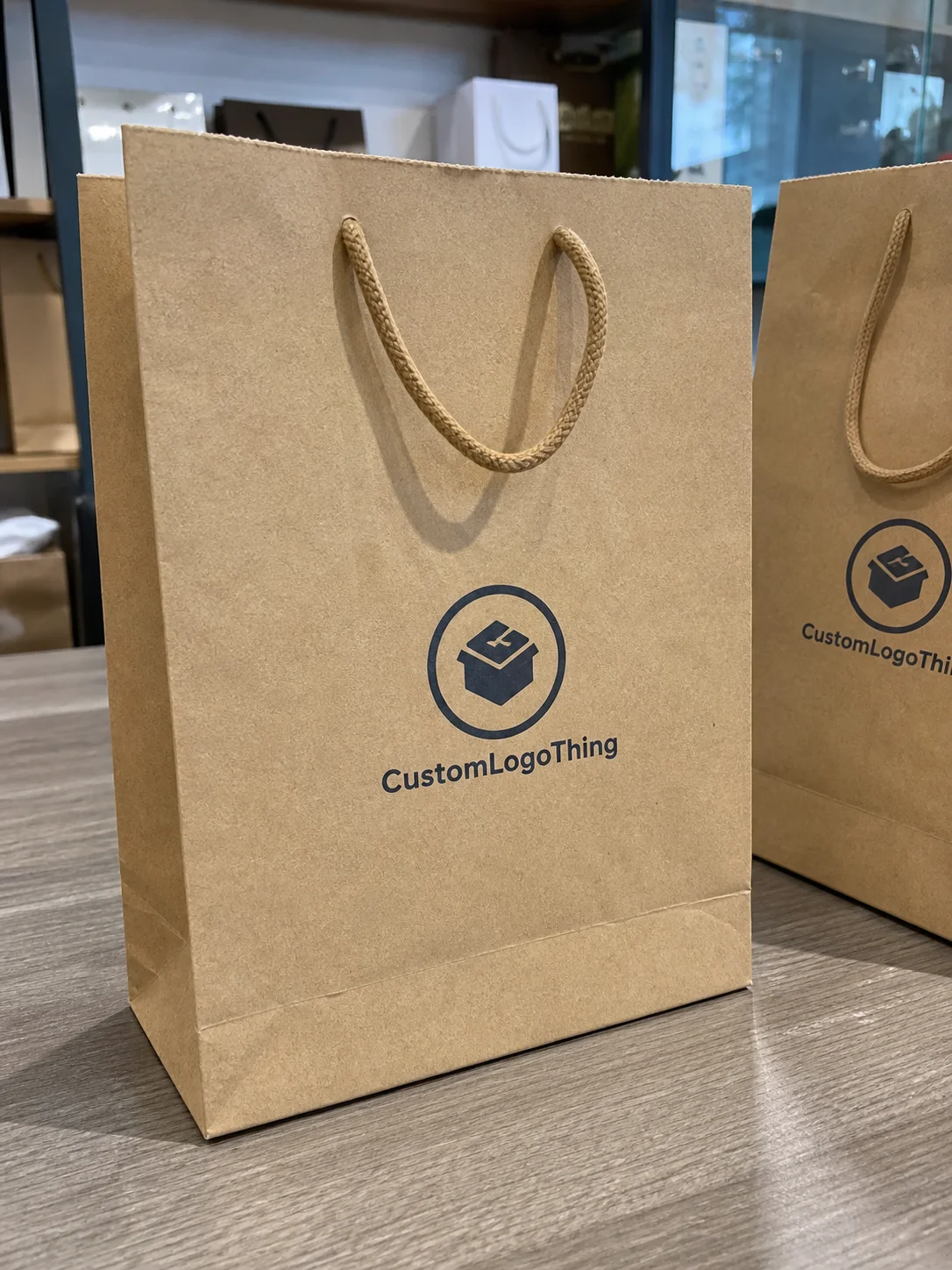
Personalized Favor Boxes do a great deal of work for such a small piece of packaging. Guests pick them up, open them, carry them across a room, and often take them home, which means the box is doing the job of both presentation and protection. It has to look considered without becoming fussy, and it has to fit the contents without wasting material or labor.
That balance is why buyers who treat the box as an afterthought usually spend more later. A rushed size choice, a weak closure, or a print file that was never checked at actual scale can turn a simple favor into a headache. The better approach is to match the structure, material, and decoration to the item inside and the way the box will be handled once it leaves the packing table.
For weddings, showers, launch events, corporate gifting, and holiday giveaways, the right box can elevate even a modest favor. The key is knowing where the money goes, where the common failures happen, and which details really change the result.
Why personalized favor boxes punch above their weight
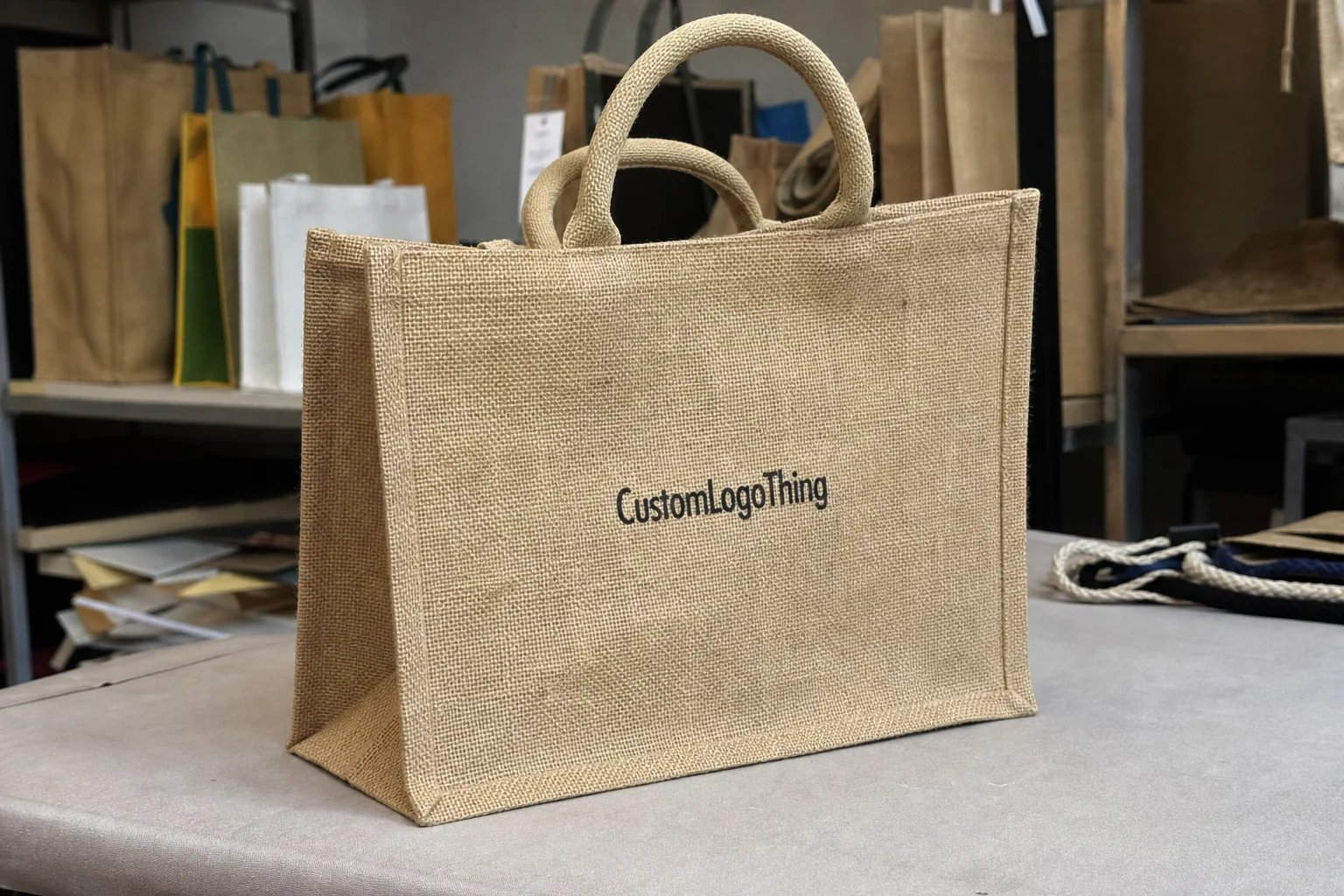
The reason Personalized Favor Boxes matter so much is simple: people interact with them directly. A centerpiece may be admired from a distance, but a favor box is handled, read, photographed, and judged up close. That makes fit, print quality, and closure performance more visible than in many larger packaging projects.
Personalization usually includes names, event dates, logos, color matching, short messages, or a small design motif that ties everything together. Depending on the format, it may also include a clear window, a die-cut shape, a handle, or an insert that keeps the contents from shifting. Some buyers want a crisp, modern look with minimal print. Others prefer a more decorative presentation that feels tied to the event theme. Both can work, but they serve different budgets and different levels of handling.
In practice, the category sits between gift packaging and light protective packaging. It is not a generic retail carton, and it is not a decorative bag with a ribbon added at the last minute. Buyers usually choose Personalized Favor Boxes because they want the favor to look finished while still being easy to pack, stack, and distribute.
There is also a cost advantage that surprises first-time buyers. Personalization does not always mean a high-end build. A well-designed standard structure with a label, a single-color print panel, or a modest window can look polished without pushing the order into premium territory. The expensive version is usually the one with too many finishes, a custom shape, and a deadline that leaves no room for correction.
“A good favor box should make the gift feel more thoughtful, not more complicated.”
For buyers comparing options at Custom Packaging Products, the best choice is the one that fits the event’s presentation goals without creating unnecessary assembly or shipping problems. Pretty matters. So does a box that actually closes, stacks, and survives the trip.
How the customization process and production steps work
Ordering personalized favor boxes is straightforward once the sequence is clear. The trouble usually starts when a buyer skips one of the early steps and expects the production team to solve it later. Packaging can do a lot, but it cannot guess dimensions or fix a blurry logo.
The usual workflow looks like this:
- Measure the contents and account for inserts, tissue, wrap, or filler.
- Select the box structure based on weight, visibility, and handling needs.
- Prepare artwork using the correct dieline, logo files, and color references.
- Review the proof for copy, placement, bleed, and structure alignment.
- Confirm the print method based on quantity, finish, and speed.
- Approve a sample or prototype if the item is heavy, fragile, or irregularly shaped.
- Move into production, then inspection, packing, and shipment.
The print method makes a real difference. Digital printing is usually the most practical choice for shorter runs or orders with variable artwork because it handles changes quickly and avoids heavy setup. Offset printing becomes more efficient as the quantity rises and the design stays consistent across the run. Flexographic printing is often used for high-volume, repeatable projects where the artwork is simpler and the economics improve at scale. Labels remain the budget-friendly route when the buyer wants personalization without committing to a fully printed structure.
Each option has tradeoffs. Digital gives flexibility, but per-unit cost may stay higher than a larger offset run. Offset can look excellent, though it needs more upfront setup. Labels are fast and useful for events with lower volume, but they do not produce the same integrated look as direct print. None of these are inherently better; they just fit different project types.
Personalization can also add complexity in less visible ways. A single event name and date is easy enough. Twelve different guest names, however, create a variable data project, and that means more proofing, more file control, and more chances for something to be misread or mis-typed. Even a small typo on a favor box can become the part everyone remembers.
Most buyers should focus first on the dieline and the structural details, then on the graphics. The visible panel may be the exciting part, but the closure, fold lines, locking tabs, and adhesive points are what determine whether the box works in real life. A beautiful package that opens during transport is still a failed package.
There are also print limitations worth checking before artwork gets too detailed. Fine type can disappear on reflective surfaces. Highly intricate linework can lose sharpness on clear plastic. Foil, tiny QR codes, and barcode placement all depend on the material and the print process. If the design only looks good in a digital mockup, it probably needs simplifying.
One practical question that should come up early is whether the boxes ship flat or assembled. Flat-packed boxes can save freight and storage space, but they may create more labor during packing. Pre-assembled boxes save time later, though they can increase shipping volume. That tradeoff affects the real cost more than many buyers expect.
If you are comparing structures, browse Custom Packaging Products early in the process and match the box format to the contents before you finalize the artwork. It is much easier to adjust a design to a proven structure than to force a structure to fit a finished design.
Cost and pricing factors that actually move the quote
Packaging quotes can look inconsistent until you break down the inputs. The actual drivers are usually quantity, material thickness, box style, print coverage, number of colors, finish, inserts, and whether the project needs a custom cut or window. Two boxes that look similar in photos can price very differently once those details are added.
MOQ, or minimum order quantity, is one of the biggest reasons unit cost changes. A run of 250 boxes carries a larger share of setup cost per box than a run of 2,000, even if the design is simple. That does not mean small orders are bad. It just means the economics are less forgiving.
Here is a practical way to think about the common cost tiers:
| Option | Typical use | Relative cost | Tradeoff |
|---|---|---|---|
| Clear box + label personalization | Small events, tighter budgets | Lowest | Quick and affordable, but less integrated in appearance |
| Custom-printed plastic or paperboard box | Weddings, launches, branded giveaways | Mid-range | Stronger presentation, higher setup cost |
| Rigid presentation box with specialty finish | VIP gifting, premium events | Highest | More impact, longer lead time, more material cost |
For rough budgeting, simple clear favor boxes with label personalization often fall around $0.40-$1.20 per unit, depending on size and volume. Mid-range printed versions often land near $1.00-$2.80 per unit at moderate quantities. Premium rigid or specialty-finished boxes can move well beyond that, especially once inserts, custom shapes, or extra finishing steps are included. Those are only planning ranges, but they are far more useful than pretending every quote is identical.
Buyers also overspend in predictable places. Full-bleed artwork is often requested where a front-panel design would create a cleaner result. Specialty finishes get added because they look good on a sample board, even though guests may barely notice them at the table. Rush charges are another common cost driver, especially when the event date was treated as flexible until it suddenly was not.
One of the easiest ways to lower cost without making the package look cheap is to simplify the design and let the structure do the work. A clean logo placement, one strong color, and a sensible material choice often look better than a crowded print layout with too many decorative elements. The box should support the favor, not compete with it.
For recurring events, larger runs can be more efficient than placing several tiny orders across the year. Setup is the part that gets spread out as quantity rises. If the box design is likely to repeat, a slightly larger order may create better value than a series of rushed reprints.
Choosing the right size, style, and material
The best box is the one that fits the contents properly. That sounds obvious, but it is one of the most common mistakes buyers make. A favor that rattles in a box looks underplanned, while one that is squeezed too tightly can warp the structure or stress the closure.
Start with the item itself. Candies, candles, soaps, small jars, sample kits, and folded gifts all behave differently. Add the insert, wrap, or filler you plan to use, then confirm the finished dimensions. That extra step matters because a box that fits the product alone may not fit the product once it is dressed for the event.
Style selection should follow the handling situation. Tuck-top boxes are well suited to light favors and simple packing lines. Handle boxes make sense when guests will carry the favor around before leaving. Window boxes and clear display boxes are useful when the product is the visual centerpiece. Insert-ready formats help hold items in place and reduce shifting in transit.
Material choice has just as much influence on the final result. PET is valued for clarity and stiffness, which is why it is common in clear display packaging. Polypropylene offers good toughness and a bit more flex, which helps in situations where the box needs durability without becoming brittle. PVC still appears in some applications where it is suitable and permitted, though buyers often check category fit and compliance requirements carefully before choosing it. Paperboard works beautifully for some favor formats, especially when the event calls for a softer or more classic presentation, but it is not the right answer for every product weight or visibility requirement.
Finish also changes perception quickly. Gloss surfaces feel bright and clean, but they can show fingerprints and reflections. Matte finishes hide handling marks better and often read as more refined. Transparent materials show off the item inside, which is useful when the favor itself has color or shape appeal, but they also expose poor packing. If the tissue is crooked or the insert is off-center, everyone sees it.
Material thickness matters more than many buyers realize. A thin clear box may look fine on screen, then feel too soft once it is filled. A heavier item needs a stronger wall, a better lock, or both. If the box is going to travel in bulk cartons before it reaches guests, test it with the actual contents rather than guessing from a photo.
That fit test should include everything the box will contain, not just the main item. A candle wrapped in tissue behaves differently from a bare candle. A jar inside an insert may need extra clearance at the shoulder or lid. A box that closes easily on an empty table can become frustrating once the packing line starts moving. Those are the kinds of details That Save Money later because they prevent rework.
For buyers comparing Custom Packaging Products, the most practical choice is usually the one that balances visibility, protection, and assembly speed. A box that looks beautiful but takes too long to fill is rarely the bargain it first appears to be.
Timeline, lead time, and proof approval without the chaos
A packaging timeline usually includes artwork preparation, proof review, possible sampling, production, quality control, and shipment. If any one of those steps slows down, the entire schedule shifts. That is not a flaw in the process; it is simply how custom packaging works.
Simple label-based personalization can move faster because the structure already exists and the artwork is easier to apply. Fully printed boxes, specialty finishes, and custom structures usually take longer because there are more production steps and more opportunities for correction. Seasonal demand can stretch schedules too, especially around weddings, holidays, and year-end events.
The biggest delays usually happen after the proof is issued. Someone notices the date changed. The logo file was outdated. The size was approved from memory instead of from a measured spec sheet. A proof is only useful if the buyer is reviewing the final version against the real requirements, not the version they hope is still current.
A realistic planning window for straightforward custom work is often 12-15 business days from proof approval, with longer timelines for specialty finishes or structural changes. That estimate can move depending on quantity, complexity, and current production load. Shipping time still needs to be added, and busy seasons can add more friction than most buyers plan for.
The safest way to work is backward from the date the finished boxes must be in hand. If staff need time to stuff the favors or if the boxes must be packed into event kits, build that labor into the calendar too. The most common budget mistake is forgetting that assembly also costs money.
Proof approval should be treated as a checkpoint, not a formality. Confirm spelling, layout, color references, panel placement, and box dimensions. If the artwork needs to be set on a dieline, check the bleed and safe area carefully. A small misalignment might not stand out on a screen, but it can become obvious once the box is printed and folded.
If the event date is fixed, leave yourself a buffer. Boxes that arrive a few days early are useful. Boxes that arrive on the day of setup create unnecessary pressure, and pressure tends to show up as mistakes at the table.
Common mistakes buyers make with custom favor packaging
The first mistake is choosing a box based on appearance alone. A box can look elegant and still be the wrong size, too weak for the item, or awkward to close. The second mistake is underestimating how much inserts, tissue, or wrap change the dimensions. Even a small change in packing material can affect whether the box stays square and secure.
Artwork problems are another frequent issue. Low-resolution files print poorly at small sizes. Fine text can disappear. Dark artwork on a clear surface may lose contrast. Metallic effects can be impressive, but only if the Material and Print process support them. A design that depends on delicate detail needs to be checked on the actual structure, not just approved as a screen image.
Timeline errors are just as common. A buyer waits too long, then tries to rescue the project with rush production. Sometimes that works. Often it means fewer finishing options, less proofing time, and more stress. The simplest way to reduce cost and frustration is to keep the project moving before the deadline becomes a problem.
Over-designing is one of the most visible mistakes. It is tempting to place the logo, event name, date, slogan, illustration, and decorative border on every panel. The result often feels crowded rather than premium. A single strong visual usually looks more confident than a box trying to explain everything at once.
Another mistake is ignoring assembly labor. If a box takes extra time to fold, tape, insert, or close, that cost shows up somewhere. For large event orders, even a small increase in assembly time can make a cheaper box more expensive in total labor than a simpler format. That is especially true if staff are packing hundreds of units by hand.
Buyers should also think about handling conditions. If the favors will be handed out in bulk, loaded into gift bags, or transported across a venue, the box needs to withstand that movement. Basic transport expectations, including the kind of handling checks commonly used in packaging testing, are a useful reference point even for event work. The goal is not industrial overkill. It is simply making sure the box survives the job it was built for.
Expert tips for a cleaner look and better value
Start with one strong design element. That may be a logo, a name, or a short event line. It does not need three competing focal points. In a small format, negative space helps the box feel intentional instead of crowded. The more visual noise you add, the less premium the packaging tends to look.
Ask for a sample or prototype if the contents are fragile, heavy, or oddly shaped. Candles, glass jars, and assembled gift kits are the obvious examples, but even a small product can behave badly if the insert or closure is not right. A sample reveals those issues before the full run is already printed.
Pay attention to lighting and finish. Glossy clear packaging can look excellent under bright event lights, but it also shows fingerprints and reflections. Matte surfaces are more forgiving. Transparent styles look crisp only if the contents are packed neatly, because there is nowhere to hide an uneven fold or a crooked label.
Ask about pack-out requirements early. If staff or guests are assembling the favors, the box should be easy to fill, close, and stack. A design that takes two minutes per unit can become expensive very quickly when multiplied across a large order. Assembly speed is part of the true unit cost, even if it never appears as a line item.
If sustainability matters to the brief, check the material choices rather than assuming all packaging is equivalent. Paperboard and fiber-based components may be more straightforward to source responsibly in some cases, while clear plastics require a closer look at recycling compatibility and local collection realities. References such as epa.gov/recycle and sourcing standards from FSC can help frame the conversation. The right environmental choice depends on the structure, the contents, and how the packaging will actually be used.
In many orders, the cleanest version is also the best value. A modest print treatment, a practical material, and a closure that works every time usually outperform a decorative box that looks impressive only in a mockup. Guests notice quality first, clutter second, and convenience last, which is exactly why the simpler version often wins.
Next steps: order the right version on the first try
Before requesting a quote, gather the three basics: the contents list, the target quantity, and the delivery date. If you can also provide the item dimensions, the quote will usually be more accurate and the back-and-forth will be much shorter. Clear specs save time on both sides.
Then confirm the details that affect production. Does the box need an insert? A handle? A transparent window? A front-panel print, lid print, or label? Will the favors be packed by hand or shipped prefilled? Those decisions influence Cost, Lead Time, and the amount of labor required after delivery.
Look beyond unit price. Compare the print method, finish, material thickness, assembly time, and shipping format. A box that costs a little less can easily become the more expensive choice once staff time and rework are included. A cleaner design with fewer moving parts often gives better value than a more elaborate one with hidden friction.
Ask for proof milestones and production timing up front so the schedule is clear before the order is approved. That keeps the project moving and reduces the chance of late changes. Personalized favor boxes work best when the structure, artwork, and timeline all fit together from the start.
Get those pieces aligned, and the box stops being a small detail. It becomes part of the gift itself, which is exactly why guests remember it.
FAQ
How much do personalized favor boxes usually cost per piece?
Pricing depends mainly on quantity, material, print coverage, and finish. Smaller runs usually cost more per box because setup is spread across fewer units. Simple label personalization is often the least expensive option, while full custom printing, inserts, and specialty finishes raise the price.
What is the typical turnaround for custom favor boxes?
Typical turnaround includes proofing, production, quality control, and shipping. Simple label-based projects can move faster than fully printed or specialty-finished boxes. Most delays come from late artwork changes, so final files and fast proof approval matter a great deal.
What should I send to get an accurate quote for personalized favor boxes?
Send the box size, quantity, contents, artwork, and desired delivery date. Add notes about inserts, handles, closures, transparency, or any special finish you want. The more complete the spec sheet, the fewer surprises later in the process.
Can personalized favor boxes hold heavier items like candles or small jars?
Yes, but the box needs the right wall strength and closure style. Fit testing is the safest way to confirm that the box will not bow, pop open, or crush in transit. Heavier items often benefit from inserts or reinforced construction.
Are personalized favor boxes better than plain boxes with labels?
Labels are faster and usually cheaper for smaller runs or simple branding. Fully printed boxes create a more integrated look and are often better for events where presentation matters. The better choice depends on budget, quantity, and the level of finish you want guests to see.