Buyer Fit Snapshot
| Best fit | Personalized Jewelry Boxes Bulk Order projects where brand print, material claims, artwork control, MOQ, and repeat-order consistency need to be specified before quoting. |
|---|---|
| Quote inputs | Share finished size, material target, print colors, finish, packing count, annual reorder estimate, ship-to region, and any compliance wording. |
| Proofing check | Approve dieline scale, logo placement, barcode or warning zones, color tolerance, closure strength, and carton packing before bulk production. |
| Main risk | Vague material claims, crowded artwork, missing packing details, or unclear freight terms can make a low unit price expensive after revisions. |
Fast answer: Personalized Jewelry Boxes Bulk Order: Pricing, MOQ, Lead Times should be specified like a repeatable production item. The safest quote records material, print method, finish, artwork proof, packing count, and reorder notes in one written spec.
Production checks before approval
Compare the actual filled-product size with the drawing, then confirm tolerance on folds, seals, hang holes, label areas, and retail display edges. Reserve space for logos, QR codes, warning copy, and material claims before decorative graphics fill the panel.
Quote comparison points
Review material grade, print process, finish, sampling route, tooling charges, carton quantity, and freight assumptions side by side. A quote is only useful when the supplier can repeat the same color, closure quality, and packing count on the next order.
Why Personalized Jewelry Boxes Bulk Order Beats Generic Packaging
I watched a brand burn $14,200 in three months after choosing cheap stock boxes instead of a proper personalized jewelry Boxes Bulk Order. That number isn’t dramatic. It’s arithmetic. They saved $0.11 per unit at purchase, then paid for crushed corners, loose inserts, and refunds triggered by “arrived damaged” videos.
I remember standing on a factory floor in Dongguan, Line 3, 8:40 a.m., coffee in hand, pretending I wasn’t already annoyed by the previous night’s spreadsheet chaos. We ran a side-by-side drop check: 1.2mm board rigid setup box versus a thin 350gsm folding box for ring sets. Same 60cm drop. Folding box failed 6 out of 20. Rigid box failed 0 out of 20. Unit gap: $0.23. Return handling per damaged order: roughly $8.50 once support time, replacement freight, and inspection are included.
Most buyers compare unit price only. Honestly, that’s the fastest route to fake savings. The real equation is cost per delivered order, and a Personalized Jewelry Boxes bulk order touches four margin drivers directly:
- Protection: stronger board and tighter inserts reduce transit damage.
- Perceived value: intentional unboxing supports higher selling prices.
- Brand consistency: Pantone matching, finish control, and structural consistency across SKUs.
- Repeat purchase lift: polished packaging improves retention, especially in DTC.
One U.S. Etsy-to-Shopify jewelry brand dropped complaint rate from 6.8% to 2.1% in 10 weeks after switching to a personalized jewelry boxes bulk order with molded EVA insert and 1200gsm rigid shell. Their average order value was $74. No hype required. Fewer issues did the work.
Bulk economics improve quickly once fixed charges spread over volume. Dieline prep can run $60–$180 based on complexity. Foil plate setup often lands around $45–$90 per logo position. A first run of 500 units can feel expensive; at 5,000 to 10,000 units, setup costs dilute fast and unit pricing starts to make sense.
Use a better question set. What happens to margin if damage drops by 2%? What happens to conversion if unboxing looks premium in social content? What happens to freight if box design adds 0.008 CBM per 100 units? Those are the numbers that decide profit.
You’ll get specifics here: style options, material specs, MOQ logic, practical price bands, timelines, and the exact workflow for your next personalized jewelry boxes bulk order. If your SKU mix is already defined, this can turn into a same-day RFQ brief and save everyone from a 19-email back-and-forth.
Product Options for Personalized Jewelry Boxes Bulk Order
A personalized jewelry boxes bulk order isn’t one product. It’s a system of decisions, and structure alone can swing landed cost by 18% to 40% depending on lane, packing density, and carton strategy.
Box styles and where they fit
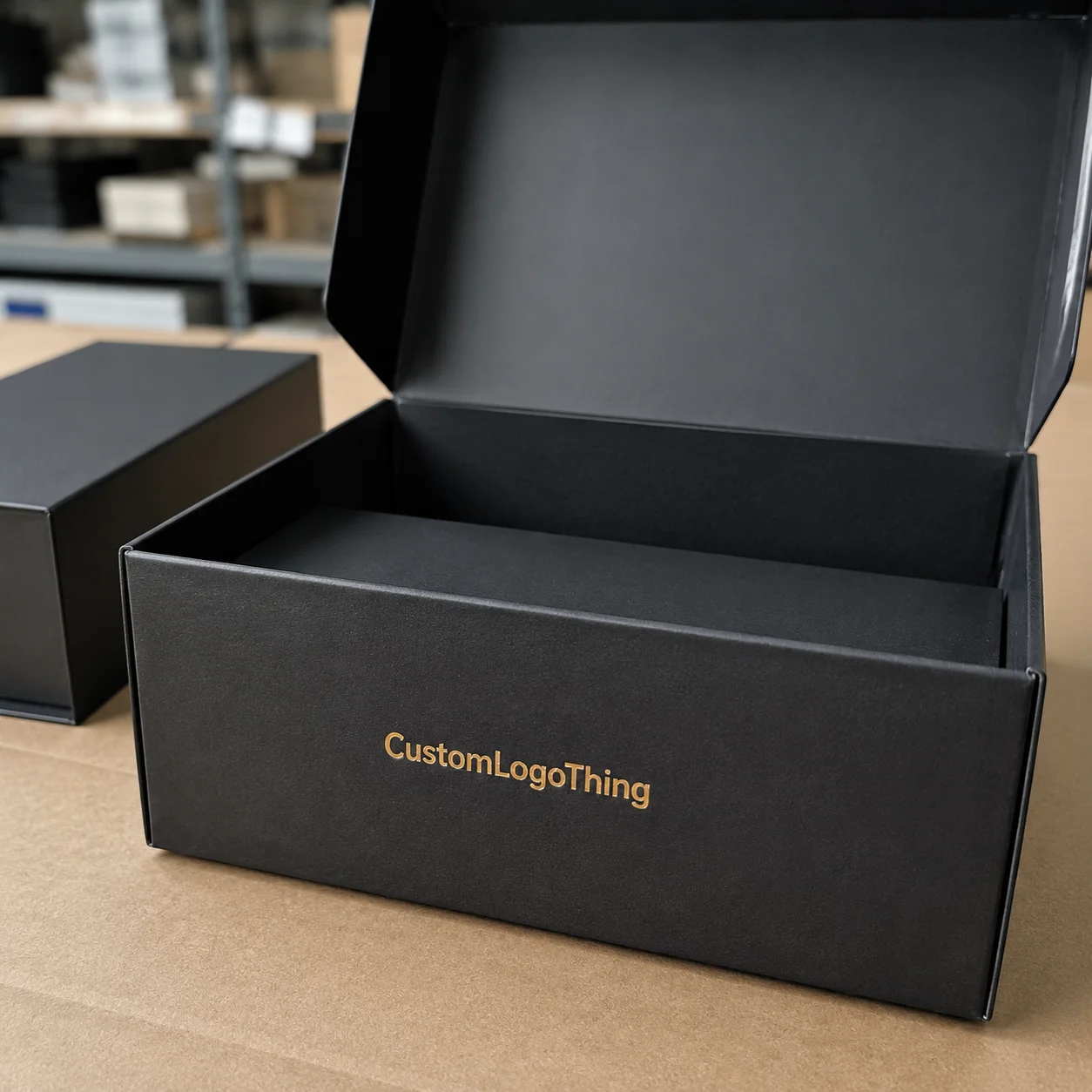
- Rigid two-piece (lid + base): classic premium look. Great for rings, pendants, earrings. Typical board: 1000–1400gsm greyboard with 120–157gsm wrap.
- Magnetic closure box: gift-ready feel for bracelets and full sets. Higher perceived value with higher material and labor cost.
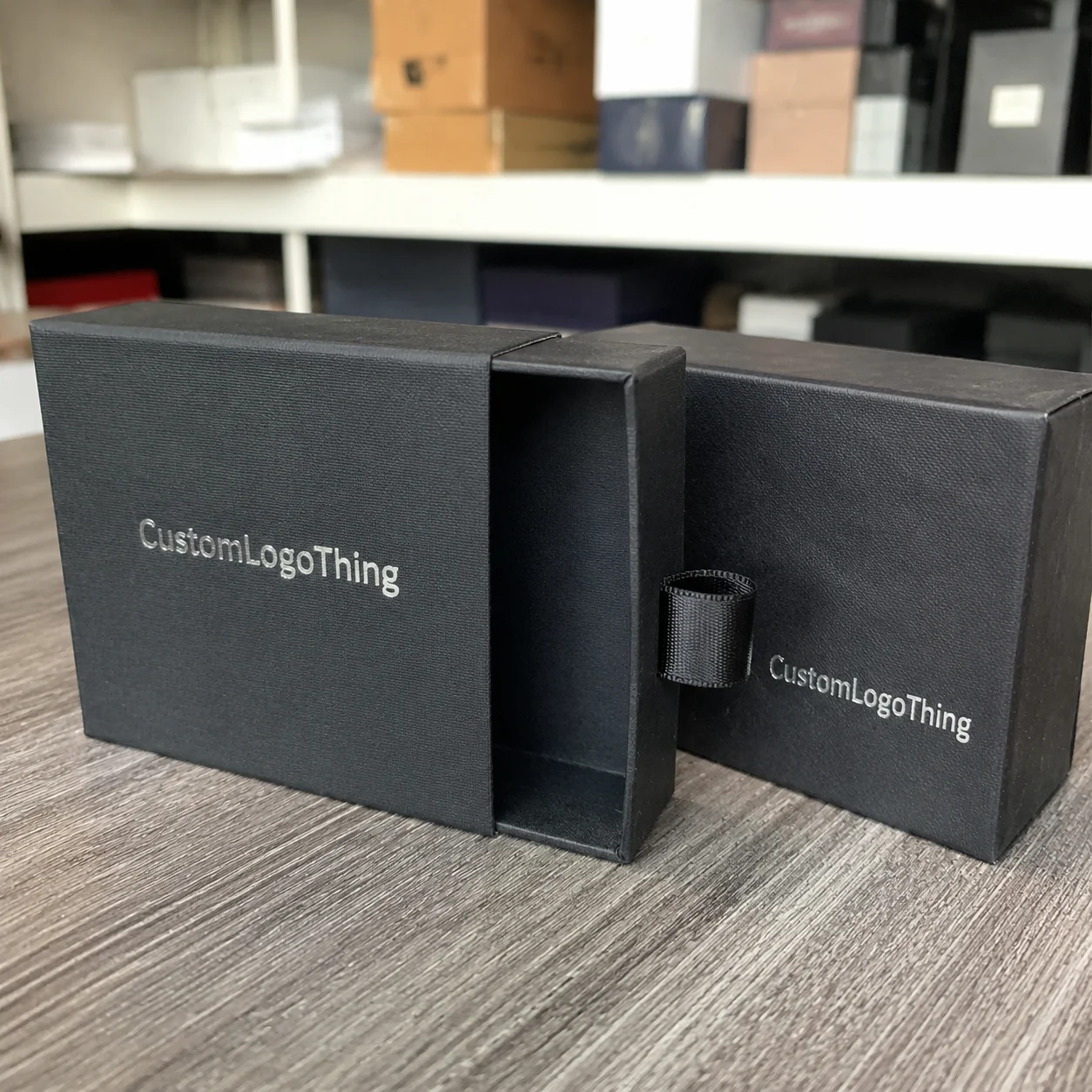
- Drawer/slide box: strong reveal experience, useful for layered inserts. Good for pendant + card combinations.
- Foldable rigid box: can cut shipping cube by up to 60% versus pre-assembled rigid. Useful for import-heavy programs.
- Book-style box: magnetic or ribbon closure, often selected for premium wedding sets.
- Mailer-compatible gift box: can reduce reliance on a second outer box for selected eCommerce workflows.
Match structure to jewelry SKU mix
Rings need tighter slot control and minimal vertical movement. Earrings need card stability. Bracelets need C-cuff cuts or wrapped pillow support. Full sets usually need multi-cavity EVA or layered foam. If your personalized jewelry boxes bulk order covers five SKUs and each uses a different insert material, labor complexity rises and defect risk follows. Standardizing at least two insert platforms across styles usually keeps operations stable.
I’ve seen teams try seven insert types “for flexibility,” then spend two weeks firefighting assembly errors. It was kinda painful to watch.
Materials: practical pros and cons
1000gsm rigid board works for lightweight pieces under ~80g packed weight. Heavier multi-piece sets usually do better with 1200gsm or 1400gsm. Wrap papers range from coated art paper, which prints sharply, to uncoated textured stock, which feels premium but makes color consistency harder. Kraft can look excellent for eco-positioned brands, yet foil misalignment is more visible if registration drifts.
Insert options include EVA foam, velvet flocked foam, microfiber, suede, PU, and paperboard trays. EVA gives reliable shape retention and consistent cavity cutting. Velvet feels soft but attracts dust in dry conditions (yes, that dust appears out of nowhere). PU looks high-end but can trigger odor complaints if curing is rushed. Sustainability-focused programs often choose FSC-certified board and recyclable paper inserts; chain-of-custody claims can be verified at fsc.org.
Branding methods that actually work
- Foil stamping: crisp logos on dark wraps; requires plate setup.
- Emboss/deboss: subtle premium effect, strongest on thicker papers.
- Spot UV: high contrast effect; avoid heavy texture stocks.
- Screen print: useful for solid logos on specialty materials.
- CMYK offset: best for full graphics and printed sleeves.
- Digital variable print: useful for short-run name personalization.
Add-ons buyers ask for most
Ribbon pulls, magnetic lids, logo cards, tissue wrap, sleeves, shopping bags, and thank-you inserts show up in nearly every personalized jewelry boxes bulk order. Keep scope controlled. Every add-on introduces another process step, and every step introduces variance. A launch list plus a phase-two upgrade list usually protects both budget and lead time.
Shipping reality check
I had one client push for deep-lid magnetic boxes for tiny stud earrings. Beautiful result. Terrible freight efficiency. Carton count jumped 38%, freight moved from $2,900 to $4,120 on a single lane, and then came the complaint about “factory pricing.” The factory wasn’t the core issue. Cube was.
For many programs, foldable rigid formats strike the best balance between premium presentation and freight control in a personalized jewelry boxes bulk order. Compare each shortlisted design three ways: aesthetics, unit economics, and logistics footprint. That side-by-side usually exposes the expensive choice fast.
Specifications That Matter Before You Place a Bulk Order
Vague spec sheet, vague output, expensive correction cycle. Before placing any personalized jewelry boxes bulk order, lock the checklist. I learned this the hard way years ago after approving a “near match” sample that looked perfect under office light and totally off under retail LEDs.
Pre-quote checklist
- Internal dimensions (L × W × H in mm)
- Jewelry type and per-box product weight
- Insert cavity count and cavity dimensions
- Logo placement (lid center, inside lid, base sidewall)
- Finish list (foil color code, lamination, emboss depth)
- Color standard (Pantone reference or approved physical sample)
Board and paper specs in plain language
1000gsm rigid board is entry premium. 1200gsm is the dependable middle ground for most jewelry lines. 1400gsm is better for heavier sets or rougher handling exposure. Wrap paper at 120gsm can work, while 157gsm often yields cleaner fold edges on larger formats. Soft-touch lamination feels upscale but fingerprints more on dark colors than matte film. Gloss lamination increases color pop yet may dilute a luxury feel if overused.
Tolerance and fit
Structural tolerance for rigid assembly usually sits around ±1mm to ±1.5mm. Insert cavity tolerance can be tighter, depending on die quality and material rebound. Lid friction matters. Too loose and boxes rattle. Too tight and opening feels awkward. Opening-force checks on random samples per lot help prevent surprises.
If ring inserts compress too much, product tilt appears quickly during courier handling. Tiny miss, big complaint rate.
Print and color control
A serious personalized jewelry boxes bulk order includes Pantone confirmation, not approximate matching. Foil appearance shifts by substrate, so testing should be done on final paper rather than swatches alone. Artwork should include at least 3mm bleed with a safe zone at least 2.5mm from die-cut edges. Retail barcodes need a clean 30mm × 20mm area so labels don’t land on heavy texture or foil.
Compliance and durability basics
Transit validation should reflect real shipping conditions. For formal guidance, ISTA provides recognized test protocols. Adhesive quality deserves equal attention; poor glue cure can split corners under humidity shifts. Odor control is another blind spot, especially with PU and certain foils. Ask suppliers for airing time after lamination and confirmed glue-cure windows before final packing.
Honest disclaimer: no packaging partner can promise zero transit damage across all carriers and seasons. What they can do is reduce failure probability with proper design, testing, and QC discipline.
Sample sequence that saves money
- Plain white sample: confirm structure and fit first.
- Digital mockup/proof: confirm graphics and logo placement.
- Pre-production sample: confirm final material, finish, and insert.
Skipping this sequence turns a personalized jewelry boxes bulk order into paid guesswork. And paid guesswork is still guesswork, just with invoices attached.
Personalized Jewelry Boxes Bulk Order Pricing and MOQ Breakdown
This is the section people ask for first and interpret last. Pricing in a personalized jewelry boxes bulk order is a layered stack, not a single figure.
What makes up your cost
- Tooling/setup (dieline prep, foil plate, and sometimes insert die)
- Board and wrap materials
- Printing and finishing
- Insert materials and labor
- Assembly and packing labor
- Master cartons and palletization
- Freight (EXW, FOB, DDP each shift total cost differently)
Practical price bands
| Style | MOQ Range | Typical Unit Price (EXW) | Notes |
|---|---|---|---|
| Entry rigid two-piece (1000gsm, 1-color foil) | 1,000–3,000 | $0.58–$0.92 | Best for ring/earring SKUs; cost stabilizes at 3,000+ |
| Premium magnetic rigid (1200gsm, soft-touch + foil) | 2,000–5,000 | $1.15–$1.95 | Higher labor and magnet cost; strong gift positioning |
| Drawer box with custom EVA insert | 2,000–5,000 | $1.05–$1.78 | Excellent unboxing effect; more assembly time |
| Foldable rigid box (flat-pack) | 3,000–8,000 | $0.88–$1.42 | Lower freight cube; needs tighter setup control |
For a typical personalized jewelry boxes bulk order of 5,000 units with one size, one logo position, and standard finishes, all-in EXW often lands around $0.74 to $1.28 depending on structure and insert. If someone offers $0.29 for “premium rigid with foil and velvet,” ask where the cut is happening: board thickness, adhesive quality, or both. Spoiler: usually both.
MOQ logic by process
Rigid Setup Boxes usually carry higher MOQs because manual labor and setup waste are real cost centers. Folding cartons can start lower, sometimes 500–1,000 with digital print, though they won’t always deliver the same premium feel or crush resistance. Mixed-SKU runs can work inside a personalized jewelry boxes bulk order if board, wrap, and finish systems stay standardized. Too many variable changes and unit cost rises fast.
Hidden costs buyers miss
- Second foil location adding $0.04–$0.12 per unit
- Color changeovers between SKUs
- Special paper sourcing with 7–12 day delays
- Split shipments and partial pallet surcharges
- Rework caused by unclear insert fit requirements
I sat in a Shenzhen negotiation where a buyer pushed hard for lower unit pricing while adding three logo placements and imported custom paper. The “discount” disappeared by the third line item. We re-scoped to one foil location, standardized two sizes instead of four, and reduced landed cost by 19%. That meeting should be required reading for sourcing teams.
Negotiation levers that actually work
Want better pricing on your personalized jewelry boxes bulk order? Consolidate sizes. Trim finish complexity. Standardize inserts. Increase total run size with phased deliveries. Ask suppliers to separate repeat-order pricing from first-order setup charges. Compare landed cost, not just EXW headlines.
Planning larger volume? Review Wholesale Programs first. Structured volume schedules often outperform one-off quotes.
Process and Timeline: From Artwork to Delivery Without Delays
A smooth personalized jewelry boxes bulk order follows a predictable process. Predictable ships on schedule.
Standard timeline by stage
- Quote + technical review: 1–2 business days
- Dieline confirmation: 1–3 business days
- Proofing + artwork correction: 2–4 business days
- Pre-production sample: 5–7 business days
- Mass production: 12–18 business days
- QC + final packing: 2–3 business days
- Dispatch: 1–2 business days after balance/payment clearance
Best case sits near 3.5 weeks from final approval. Standard case is 4–6 weeks. Add shipping, and the full range usually becomes 5–9 weeks depending on destination and freight mode.
Client responsibilities that keep timing tight
Approval speed matters. Confirm Pantone early. Sign off insert fit with actual jewelry, not stand-in samples. Send shipping documents without rework loops. One personalized jewelry boxes bulk order slipped nine days because the lid logo size changed after sample approval, forcing plate resets and revised QC criteria.
I know the temptation to “just tweak one thing.” That one thing is gonna cost you a week more often than people expect.
Delay risks you can avoid
- Missing bleed and incorrect artwork layers
- Last-minute size edits after sample signoff
- Custom paper stock-outs at mills
- Holiday congestion in key production hubs
QC checkpoints that matter
Incoming checks should verify board gsm, paper shade, and foil lot consistency. In-line checks track logo registration and corner-wrap quality. Assembly checks should include magnet polarity, insert adhesion, and lid-base fit. Pre-dispatch random carton drop checks catch weak master carton builds before export handoffs create costly failures.
Freight mode choices
Sea freight usually wins on cost for planned inventory. Air freight supports tighter launch windows. Express should be treated as emergency replenishment unless margins are unusually high. In one DTC case, switching from repeated express shipments to planned sea on a personalized jewelry boxes bulk order dropped monthly logistics spend from $6,400 to $2,150.
Simple timeline promise format: Best case 24 days, standard case 32 days, contingency buffer 7 days. Suppliers that won’t commit to all three usually bring surprises.
Why Choose Us for Personalized Jewelry Boxes Bulk Order
You don’t need a motivational pitch. You need packaging that lands on spec, on time, with predictable landed cost. That’s how we handle every personalized jewelry boxes bulk order.
Our work centers on Custom Packaging Production with jewelry-specific insert engineering. Rings, studs, bracelets, layered sets—we design cavity geometry around real product dimensions and movement tolerance. The production network includes stable board and paper suppliers in Shenzhen and Dongguan, plus verified foil and magnet vendors that reduce supply disruption risk.
Quotes are line-item transparent: setup fees, per-unit material, labor, carton specifications, and freight assumptions. Before mass production, we lock a pre-production sample and provide photo/video QC checkpoints. If issues appear, we document root cause and corrective action.
Common failure patterns are predictable: slow communication, fuzzy MOQ answers, surprise charges after approval. We prevent that with clear spec gates and signed change-order rules. If paper, size, or foil placement changes after approval, you get exact dollar and timeline impact before work proceeds.
I care about that clarity because I’ve sat on the buyer side of vague supplier calls, and it’s exhausting.
Our clients include DTC jewelry brands, retail chains, subscription programs, and wholesalers running recurring personalized jewelry boxes bulk order cycles. Defect handling follows documented thresholds and corrective workflows. Reprint policy basics are discussed upfront, not after containers arrive.
Need a quick style comparison? Visit Custom Packaging Products. Need process details first? Check our FAQ. The approach stays factual: reliable production, clear communication, and disciplined cost control.
Action Plan: Place Your Personalized Jewelry Boxes Bulk Order in 5 Steps
A smooth launch depends on execution discipline. This framework has been used for brands ordering 1,000 units and others ordering 120,000 units. It works because it removes ambiguity from your personalized jewelry boxes bulk order.
Step 1: Prepare SKU list and internal dimensions
List each jewelry category: rings, earrings, bracelets, pendants, sets. Add internal dimensions in millimeters and quantity split by size. Example: Ring box 55×55×40mm (3,000 pcs), bracelet box 210×55×32mm (1,500 pcs), set box 180×130×45mm (500 pcs). Without this split, quotes are assumptions.
Step 2: Send artwork and finish priorities
Provide vector logos (AI/PDF), Pantone references, and a finish shortlist. Mark every feature as “must-have” or “nice-to-have.” Foil, emboss, and spot UV can escalate cost quickly; prioritization keeps the personalized jewelry boxes bulk order on budget.
Step 3: Request two quote scenarios
Request:
- Cost-optimized option: reduced finish complexity, standardized inserts, freight-efficient structure.
- Premium option: upgraded materials and presentation details.
Both quotes should include MOQ, setup fees, unit price tiers, and estimated landed cost by shipping mode. If line items are unclear, ask for revision.
Step 4: Approve only after fit and drop simulation
Use actual products to test insert fit and lid closure. Then run internal carton drop checks from 60cm and 80cm. If shifting appears, adjust insert compression before mass production. One extra sample cycle costs less than reworking 5,000 units in a rushed personalized jewelry boxes bulk order.
Step 5: Lock production window and buffer stock
Confirm production slot, shipping method, and milestone delivery dates in writing. Keep 2–4 weeks of packaging buffer stock during launch periods or promotions. Brands that skip buffer planning usually pay for unplanned express freight later.
Actionable takeaway: before you request pricing, send one complete brief containing SKU matrix, internal dimensions, insert fit notes, logo files, Pantone codes, finish priorities, target Incoterm (EXW/FOB/DDP), and required delivery week. Teams that do this usually cut quote-to-approval time by 30–50% and avoid the costly revision loop. That’s the fastest route to a profitable, low-stress personalized jewelry boxes bulk order.
What Is the Best Way to Plan a Personalized Jewelry Boxes Bulk Order?
The best method is simple: define SKU dimensions first, standardize inserts where possible, lock print specs before sampling, and compare landed cost instead of unit cost. A personalized jewelry boxes bulk order performs best when your team controls four variables early—structure, material, finish count, and shipping mode.
If one of those changes late, timeline and margin usually move in the wrong direction.
- Start with a size-and-quantity matrix by SKU.
- Request one freight-efficient quote and one premium quote.
- Approve only after fit test + drop test.
- Keep a 2–4 week packaging buffer for launches.
That approach protects brand presentation, keeps custom jewelry packaging consistent, and prevents expensive resets during a personalized jewelry boxes bulk order.
FAQs
What is the typical MOQ for a personalized jewelry boxes bulk order?
MOQ depends on structure and print method. For a personalized jewelry boxes bulk order, rigid custom boxes often start around 1,000–3,000 units, while simpler folding formats may start lower. Shared sizes or shared artwork can reduce effective MOQ per SKU, and mixed-size planning is possible when total volume is strong.
How much does a personalized jewelry boxes bulk order usually cost per unit?
Unit cost changes with structure, board thickness, insert material, and finish complexity. A personalized jewelry boxes bulk order commonly falls between $0.58 and $1.95 EXW. Landed cost shifts by freight mode and destination, so request line-item quotes that separate setup/tooling from repeat-order pricing.
How long does production take for personalized jewelry boxes in bulk?
A typical personalized jewelry boxes bulk order timeline includes proofing, sample approval, production, QC, and shipping. Production itself is often 12–18 business days after final sample signoff. Artwork delays and material stock-outs remain the two biggest timing risks, so early spec lock is critical.
Can I order multiple sizes in one personalized jewelry boxes bulk order?
Yes. A multi-size personalized jewelry boxes bulk order works well when structure and print setup are planned together. Consolidating materials and finishes across sizes lowers cost and complexity. Share quantity splits by size at the quoting stage for accurate pricing and schedule control.
What files do you need to start a personalized jewelry boxes bulk order?
To begin a personalized jewelry boxes bulk order, send vector logo files (AI/PDF), box dimensions, insert requirements, and color references (Pantone if available). Include finishing preferences such as foil, emboss, or spot UV with placement notes. No dielines yet? Provide product dimensions and we can build dielines for approval.