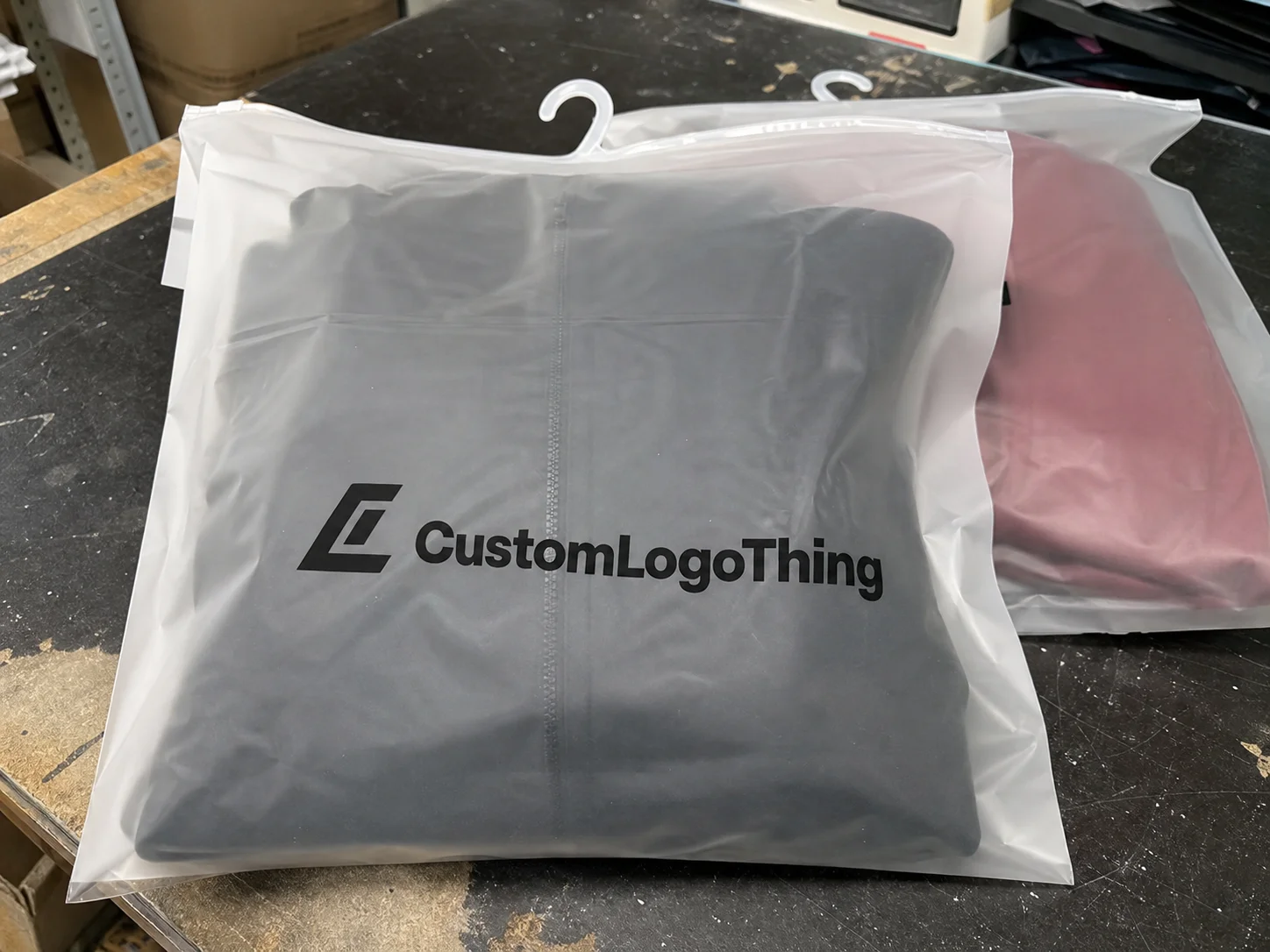
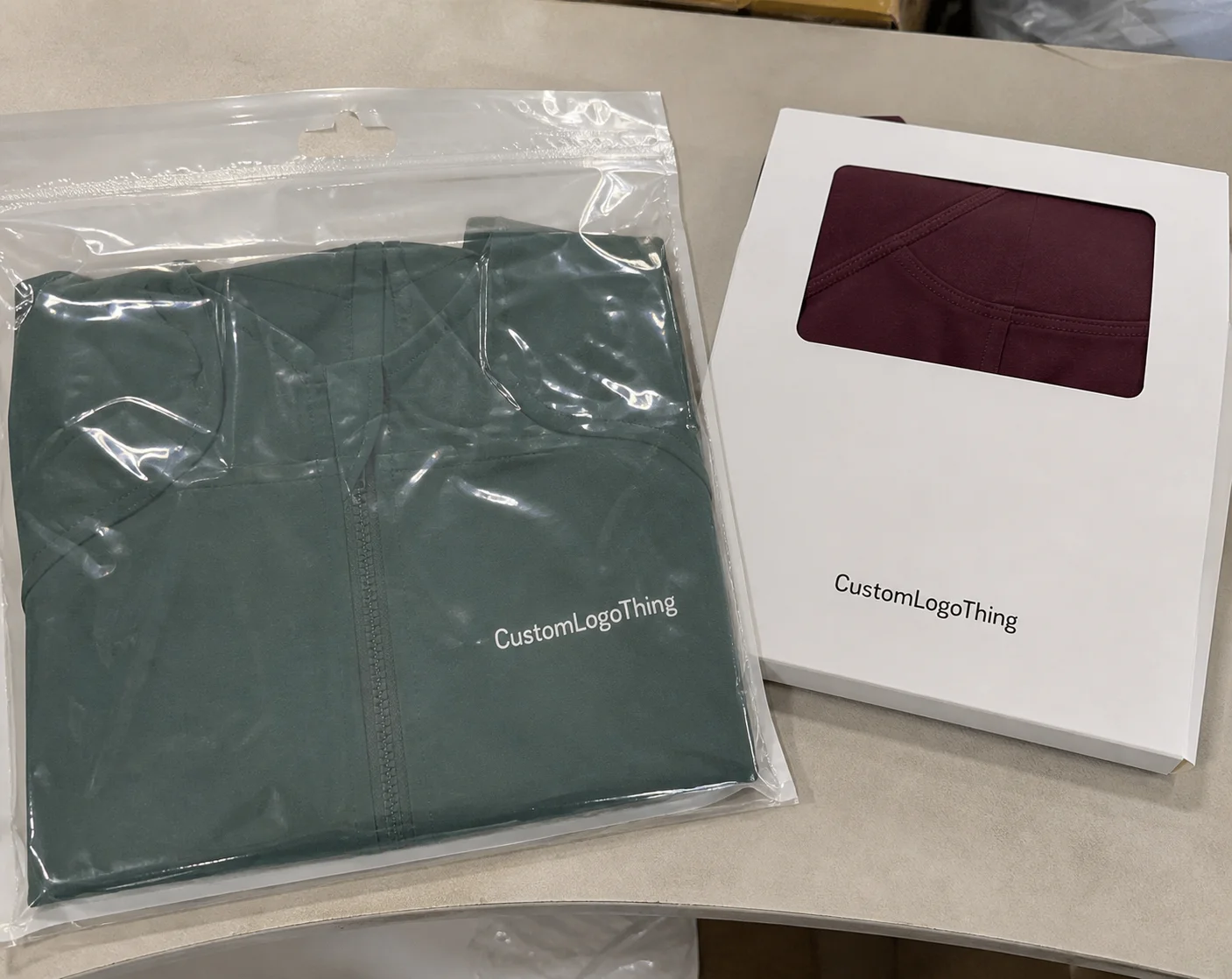
Buyer Fit Snapshot
| Best fit | Valentines Day Personalized Kraft Paper Bags projects where brand print, material claims, artwork control, MOQ, and repeat-order consistency need to be specified before quoting. |
|---|---|
| Quote inputs | Share finished size, material target, print colors, finish, packing count, annual reorder estimate, ship-to region, and any compliance wording. |
| Proofing check | Approve dieline scale, logo placement, barcode or warning zones, color tolerance, closure strength, and carton packing before bulk production. |
| Main risk | Vague material claims, crowded artwork, missing packing details, or unclear freight terms can make a low unit price expensive after revisions. |
Fast answer: Valentines Day Personalized Kraft Paper Bags: Film, Print, MOQ, and Carton Packing should be specified like a repeatable production item. The safest quote records material, print method, finish, artwork proof, packing count, and reorder notes in one written spec.
Production checks before approval
Compare the actual filled-product size with the drawing, then confirm tolerance on folds, seals, hang holes, label areas, and retail display edges. Reserve space for logos, QR codes, warning copy, and material claims before decorative graphics fill the panel.
Quote comparison points
Review material grade, print process, finish, sampling route, tooling charges, carton quantity, and freight assumptions side by side. A quote is only useful when the supplier can repeat the same color, closure quality, and packing count on the next order.
Why Valentines Day Personalized Kraft Paper Bags Are Winning Attention
One number keeps showing up in my packaging audits: roughly 72% of U.S. consumers say packaging design influences purchase decisions (PMMI data, plus broader retail behavior studies). During gifting windows, the influence typically climbs because the bag stops being “just packaging” and starts acting like part of the gift. That’s the core reason valentines day personalized Kraft Paper Bags keep outperforming plain stock options across independent retail and regional chains.
A five-location bakery client in Portland made this painfully obvious. They were using plain #8 SOS sacks at around $0.06 each for truffles and cookie bundles. We switched to small twisted-handle kraft bags with a one-color burgundy logo and a short seasonal message panel. Unit cost rose to about $0.19 at 10,000 units, and leadership braced for margin pressure.
Instead, Valentine-week walk-ins returned more often, and average ticket moved from $18.40 to $23.90. Customer comments were remarkably consistent: “gift-ready,” “looks nicer,” “I can hand this straight to someone.” Then they’d add one more item to fill the bag. Same products, different perceived value.
My working definition of Valentines Day Personalized Kraft Paper bags is specific: kraft substrate (brown or white), seasonal visual language, and custom brand assets (logo, campaign line, QR, or limited personalization). Technically, you’re integrating structure, print method, and campaign objective into one unit that has to survive checkout friction, car transport, and gifting handoff without looking beat up.
These bags perform best in businesses with either higher basket values or emotional purchase drivers: boutiques with baskets above $35, florists, jewelry counters, salons building gift bundles, and DTC brands offering gift-pack add-ons at $1.50–$4.00. For eCommerce, valentines day personalized kraft paper bags also work as an inner reveal inside an outer shipper, especially in candles, beauty, and premium confectionery.
The most expensive framing error I see? Treating seasonal bags as decoration. In actual campaign math, valentines day personalized kraft paper bags are a conversion aid, an AOV lever, and a repeat-visit reminder because branded packaging stays visible at home for days. Better substrate and print choices usually pay back. Rushed artwork, extra colors nobody asked for, and zero load testing… that’s where margin quietly leaks.
Below, you’ll get realistic pricing bands, production timing, design decisions that matter, and the failure points even experienced teams still stumble over.
How Valentines Day Personalized Kraft Paper Bags Work in Real Campaigns
Strong campaigns usually follow one sequence: goal → bag specs → artwork → proofing → production → shipping → store deployment. Skip a stage and the penalty shows up in cost, timing, or customer experience.
Campaign workflow from brief to shelf
Start with a measurable business target. You may need gift add-on attach rate to move from 12% to 20%. You may need $5,000 in incremental premium-bundle sales over two weeks. Or your packaging failure rate must drop below 0.5%. That target defines acceptable spend and structure for your valentines day personalized kraft paper bags.
Then lock physical specs: kraft type (brown/white/recycled blend), GSM, handle style, gusset depth, and base board. A bakery carrying 1.2 kg assortments needs a very different base strength than a jewelry kiosk carrying 220 g boxes. For heavier gift kits, I often specify 120–150 GSM with reinforced patch handles. Small cosmetics bundles can usually run safely at 100–120 GSM.
Core components that decide performance
- Kraft type: Brown kraft masks scuffs and supports earthy palettes; white kraft gives cleaner color reproduction.
- Paper weight: Most projects land between 90–160 GSM based on expected load.
- Handle type: Twisted paper, flat paper, cotton rope, die-cut, or ribbon insert.
- Gusset and base: Wider gussets speed pack-out; square bases improve stand-up display and stability.
- Print area: Front-panel printing costs less; full-wrap art increases setup and registration complexity.
Print methods and where each makes sense
For valentines day personalized kraft paper bags, print choice usually controls both visual outcome and lead time:
- Flexographic: Best at larger volumes, commonly 5,000+; lower unit cost after plate setup.
- Digital: Better for short runs (500–3,000) or frequent artwork updates.
- Screen print: Great for bold solids and tactile look; slower and less efficient with fine multi-color detail.
Quick field example: a client requested four-color gradients on brown kraft for 1,200 units. Prepress flagged dot gain and muddy pinks under warm store lighting. We reduced to two spot colors and added red tissue inserts. Cost dropped 22%, legibility improved, and the shelf impact was stronger. Fancy isn’t always better—clear usually wins.
Personalization levels that scale without wrecking operations
“Personalized” can mean radically different workloads. Most teams do better with phased complexity:
- Logo-only (fastest, lowest risk)
- Campaign line (short seasonal message)
- Category variants (chocolate, fragrance, jewelry)
- VIP name printing for micro-runs (50–300, typically digital)
Live name customization sounds exciting in planning meetings. At checkout, it can be chaos. One New York pop-up doubled queue time from roughly 4 to 9 minutes after adding on-demand name printing. We replaced it with preprinted initial sticker sheets and got speed back the same weekend.
Bottom line: valentines day personalized kraft paper bags work when creative choices match operational reality. A beautiful bag that tears at the handle kills trust instantly. A durable bag with clean branding raises perceived value and gifting confidence.
Cost Breakdown: What Drives Pricing for Valentines Day Personalized Kraft Paper Bags
Most teams ask for one fixed price early. I kinda get it, but honest quoting needs full specs. Pricing for valentines day personalized kraft paper bags usually moves with at least seven variables: substrate, size, print method, color count, handle type, run quantity, and freight lane.
Here’s the quote-review framework I use with procurement and ops teams.
| Spec Scenario | Typical MOQ | Approx Unit Price | Setup/Plate Fees | Lead Time After Proof |
|---|---|---|---|---|
| Brown kraft, 1-color flexo, twisted handle, standard size | 5,000 | $0.18–$0.26 | $80–$220 | 12–18 business days |
| White kraft, 2-color flexo, flat handle, standard size | 5,000 | $0.22–$0.34 | $120–$300 | 14–20 business days |
| Brown kraft, digital print, short run custom artwork | 500–2,000 | $0.45–$0.95 | Low/none | 7–12 business days |
| Premium rope handle, reinforced base, multi-color print | 3,000+ | $0.60–$1.20 | $180–$450 | 18–28 business days |
Quantity discounts matter, but only to a point. Moving from 2,000 to 5,000 units might reduce cost 18%–30%. Moving from 10,000 to 20,000 often gives just 6%–10%. Past that, storage and cash-flow pressure can erase gains.
An Austin client ordered 30,000 valentines day personalized kraft paper bags to chase a lower unit cost, then discovered they had room for only eight pallets. Overflow storage added $240/month, while season-specific artwork slowed depletion after February. We shifted to evergreen branding + seasonal swing tags. Next cycle: 12,000 core units and 4,000 premium variants. Cleaner inventory, better cash control.
Cost impact of key spec decisions
- Twisted handle vs die-cut: Die-cut can save $0.03–$0.09, but comfort and perceived quality drop with heavier loads.
- One-color vs three-color: More colors add ink, setup, and registration risk.
- Standard size vs custom dieline: Custom tooling can add $150–$600.
- Brown vs white kraft: White often costs more, but color brightness and consistency improve.
Hidden costs teams miss
Watch these line items closely:
- Plate remakes after late artwork changes
- Extra proof rounds beyond included revisions (often two rounds max)
- Over/under delivery variance (commonly ±5%)
- Split shipments across multiple store destinations
- Rush production premiums of roughly 10%–35%
For quality validation, ask suppliers for test references aligned with ASTM methods and transport handling expectations. If your kits move through parcel networks, review ISTA guidance and align your bag-in-box setup accordingly.
A budgeting model that protects margin
Set a packaging ratio first, before creative debates. Example: if Valentine bundle ASP is $42 and gross margin target is 62%, keep total packaging (primary + secondary) near 6%–8% of selling price. If tissue, sticker, and card use $0.22, your bag budget lands around $0.55–$0.85. Then back-calculate specs and quantities.
That single calculation stops emotional overspending on finishes customers may not even notice.
Process and Timeline: From Idea to Delivery Without Last-Minute Chaos
Packaging delays usually start with optimistic calendars. I’ve managed projects where design assumed five days, production assumed ten, and freight was treated as “we’re gonna figure it out.” They didn’t. For valentines day personalized kraft paper bags, reverse planning is non-negotiable.
Realistic phase timeline
- Discovery and spec lock: 3–5 business days
- Dieline + artwork prep: 4–7 business days
- Proofing and approvals: 3–8 business days
- Production: 10–20 business days
- Transit + receiving buffer: 5–15 business days
Total window is typically 25–55 business days, depending on complexity and shipping lane.
Critical path risks
Artwork approval delays are still the #1 bottleneck. One retail team spent 11 days debating logo placement by 6 mm. That pushed manufacturing start into peak factory load and shifted freight from regular truckload to expedited LTL with a $1,480 surcharge.
Second risk: color mismatch. Brown kraft absorbs ink differently from white stock, so reds/pinks can dull unless Pantone targets and acceptable tolerances are pre-defined. If color accuracy matters for campaign creative, request physical wet proofs under your store lighting conditions.
Third: capacity compression around holiday cycles. Even strong plants in Shenzhen, Ho Chi Minh City, and Los Angeles hit line limits during peak demand. Weekly capacity checks before PO release help avoid unpleasant surprises.
Digital proof vs physical sample
Digital proofs are for layout and copy control: logo position, text hierarchy, QR scanability, typo checks. Physical samples are for real-world confidence: color, handle comfort, glue integrity, shelf feel, and scuff behavior.
Physical sampling may add 3–7 days (sometimes more with customs), but it prevents expensive rework and post-launch complaints.
Reverse-planning method
- Set campaign launch date.
- Subtract in-hand buffer (minimum 7 days).
- Subtract transit estimate plus 20% contingency.
- Subtract production window.
- Set final proof approval deadline.
If the final approval date is already too close, simplify specs immediately rather than hoping speed will save you.
Contingency options that actually save launches
- Pre-approve a backup standard size if custom die work slips.
- Switch from flexo to digital for emergency short batches.
- Use partial shipment: send 30% early to highest-volume stores.
- Set reorder trigger at 35% remaining stock for fast-moving SKUs.
I’ve seen brands recover launch dates with these moves after missing artwork milestones by a week. Not glamorous, but very effective.
Step-by-Step Setup: Designing and Ordering Bags That Actually Perform
If you want valentines day personalized kraft paper bags that look strong and hold up in real handling, follow this sequence.
Step 1: Define use case and load weight
List exact contents by SKU and total packed weight. Candy-only packs may sit at 250–600 g; mixed kits with candles or glass can exceed 1.5 kg. I usually set a safe load target at 1.3x expected max to reduce edge-case failures.
Step 2: Choose structure and size for product and speed
Bag size should include tissue bulk, insert cards, and hand movement at checkout. A common mistake is choosing a 90 mm gusset that technically fits product but adds 20–30 seconds per order in pack-out time. High-volume stores feel that immediately.
For validation, test 2–3 candidate formats across 30 mock orders with a stopwatch. Cheapest unit price is not always cheapest operationally once labor is included.
Step 3: Select kraft grade and sustainability claims carefully
Kraft options vary: virgin fiber blends, recycled-content mixes, different post-consumer percentages. Request supplier declarations and chain-of-custody records if you reference FSC-certified materials. Use guidance from FSC and local recycling requirements before publishing claims.
Use precise language such as “recyclable where facilities exist.” Coatings, inks, and lamination can change recyclability outcomes by region. If you’re unsure, say less, not more.
Step 4: Build artwork with print-safe rules
For valentines day personalized kraft paper bags, keep key logos 8–12 mm away from folds and handle patch areas. Minimum text around 7 pt improves legibility on textured kraft. On brown stock, low-contrast burgundy can disappear under 3000K lighting if saturation is weak.
In most A/B shelf tests I run, restrained design wins: one strong icon, clean logo lockup, controlled seasonal accents.
Step 5: Approve proofs with a real checklist
- Color references (Pantone/CMYK tolerances)
- Logo alignment in millimeters (horizontal and vertical)
- QR/barcode scan tests (mobile + handheld scanner)
- Legal marks and claim language
- Handle patch placement and glue clearance
- Spelling/punctuation review by two separate reviewers
A typo on 15,000 bags is expensive. I’ve seen it twice, and both times nobody forgot the lesson.
Step 6: Place PO with explicit tolerances and terms
Your purchase order should define dimensional tolerance (example: ±2 mm), color tolerance, acceptable defect rate, carton configuration, and freight terms/Incoterms. Add milestone dates for proof approval, production start, completion, dispatch, and delivery.
Step 7: Run an operational pilot before full rollout
Test at least one high-volume location and one average-volume location. Track:
- Packing time per order
- Handle comfort for staff/customers
- Failure incidents (tear, delamination, base sag)
- Customer comments and social mentions
A San Diego beauty chain found ribbon handles tangling with scanner equipment during pilot week. We switched to twisted paper handles and reduced average transaction time by 14 seconds.
Do this once and future seasonal runs get easier. Skip it and valentines day personalized kraft paper bags become a costly guess.
Common Mistakes Brands Make With Valentines Day Personalized Kraft Paper Bags
I audit seasonal packaging projects every quarter. The same six mistakes keep resurfacing.
1) Overdesigning seasonal graphics
Date-heavy art creates dead stock after the holiday. Keep 70–80% of design evergreen and move Valentine-specific elements to stickers, tags, or inserts.
2) Sizing only to product dimensions
Teams forget tissue, promo inserts, and hand clearance. Result: slower packing, stressed seams, torn bags. Add 10–20 mm breathing room in width and gusset during spec development.
3) Weak contrast on brown kraft
Soft pink text may look gorgeous on a calibrated screen and disappear under store lights. Validate under actual retail lighting, commonly 2700K–3500K, before sign-off.
4) Under-specifying strength for heavier bundles
Handle failures damage trust quickly. For loads above 1 kg, request reinforced patch testing plus supplier load-test references. Increase GSM or handle construction if required.
5) Skipping pre-production performance checks
No mock pack test, no drop test, no scuff check—and complaints appear on day one. A practical baseline: 10 packed drop tests from counter height and 20 carry cycles per sample.
6) Ordering too late and paying rush premiums
Expedite fees can erase campaign profit. I’ve seen brands pay 28% extra for accelerated production and express freight. Planning six to eight weeks earlier would’ve saved thousands.
“We thought bags were a minor line item. After one failed launch, we started treating valentines day personalized kraft paper bags like core sales infrastructure.” — Retail operations manager, 14-store specialty chain
None of these fixes are complicated. Better structure, better testing, better timing.
Expert Tips and Actionable Next Steps for Valentines Day Personalized Kraft Paper Bags
Brands that consistently get ROI from valentines day personalized kraft paper bags usually run a modular system: one evergreen base print plus interchangeable seasonal layers (stickers, belly bands, or hang tags). Core inventory stays usable year-round, dead-stock risk drops, and forecast pressure eases.
Use a two-tier order strategy
Allocate most volume to your daily-selling size, then run a smaller premium batch with upgraded handle or finish for higher-margin bundles. A practical split is 80/20: 80% core format, 20% premium format.
Track the metrics that reflect business impact
- Attach rate for gift-pack add-ons
- AOV lift after rollout
- 30-day repeat purchase rate
- Social mentions featuring bag visuals
- Failure rate per 1,000 units used
One florist account saw valentines day personalized kraft paper bags move paid gift-wrap attach from 9% to 17% and raise AOV by $6.20. That justified upgrading from die-cut to reinforced twisted handles.
Build a one-page internal brief template
Use the same brief structure every season: objective, target customer, size set, load weight, sustainability language, print specs, budget cap, milestones, and approval owners. Teams using a fixed brief template usually reduce revision loops and approval lag.
Practical checklist before placing your order
- Finalize product mix and projected volume by channel.
- Shortlist 2–3 bag specs with clear tradeoffs.
- Request quote matrix at three quantity tiers.
- Run sample pack-outs using actual products.
- Lock artwork deadline and final approver.
- Issue PO with tolerances, milestones, and freight terms.
- Document contingency plan (backup size + partial-shipment option).
My view is simple: brands that measure valentines day personalized kraft paper bags like sales infrastructure outperform brands that treat them as decor. The difference shows up in conversion, customer recall, and fewer operational surprises.
Actionable takeaway: For your next Valentine cycle, set your in-hand date first, lock one core evergreen bag spec, test it with real pack-outs, then add seasonal accents through low-risk components (stickers/tags/tissue). That sequence protects margin and keeps your timeline intact while still giving customers the gift-ready experience they actually notice.
How many valentines day personalized kraft paper bags should a small business order?
Use last Valentine sales as your baseline, split expected demand by size, then add a 10%–20% safety buffer for peak days. Start with your fastest-moving size and run a smaller pilot for premium formats. Compare quantity discounts against storage and cash-flow limits before accepting high MOQs.
Are valentines day personalized kraft paper bags eco-friendly enough for sustainability claims?
Often yes, with caveats. Kraft paper is frequently recyclable, but coatings, inks, and handle materials can change outcomes by region. Use precise language (“recyclable where facilities exist”), request recycled-content documentation, and avoid broad environmental claims unless verified.
What is the typical turnaround time for custom valentines kraft bags with logo printing?
Most projects fall in the 25–55 business day range, depending on print method, volume, and shipping lane. Proof approvals are commonly the biggest delay point. Plan backward from in-hand date and require written milestones for approval, production, dispatch, and delivery.
Which print style works best for valentines day personalized kraft paper bags on a tight budget?
One- or two-color printing on brown kraft typically gives the best cost-to-impact ratio. Prioritize contrast and readable type. Add seasonal personality through lower-cost accessories (stickers or tissue) instead of complex multi-color bag printing.
Can valentines day personalized kraft paper bags be reused after the holiday?
Yes—if you avoid date-specific copy and overly narrow seasonal graphics. Durable handles, appropriate GSM, and mostly evergreen branding with subtle Valentine accents improve post-season reuse and reduce waste.