Buyer Fit Snapshot
| Best fit | Personalized Jewelry Boxes with Foam Insert projects where brand print, material claims, artwork control, MOQ, and repeat-order consistency need to be specified before quoting. |
|---|---|
| Quote inputs | Share finished size, material target, print colors, finish, packing count, annual reorder estimate, ship-to region, and any compliance wording. |
| Proofing check | Approve dieline scale, logo placement, barcode or warning zones, color tolerance, closure strength, and carton packing before bulk production. |
| Main risk | Vague material claims, crowded artwork, missing packing details, or unclear freight terms can make a low unit price expensive after revisions. |
Fast answer: Personalized Jewelry Boxes with Foam Insert: Material, Print, Proofing, and Reorder Risk should be specified like a repeatable production item. The safest quote records material, print method, finish, artwork proof, packing count, and reorder notes in one written spec.
Production checks before approval
Compare the actual filled-product size with the drawing, then confirm tolerance on folds, seals, hang holes, label areas, and retail display edges. Reserve space for logos, QR codes, warning copy, and material claims before decorative graphics fill the panel.
Quote comparison points
Review material grade, print process, finish, sampling route, tooling charges, carton quantity, and freight assumptions side by side. A quote is only useful when the supplier can repeat the same color, closure quality, and packing count on the next order.
Anyone who has watched a ring slide even 8 mm inside a shipper knows how fast a tiny movement becomes a scratched plating surface, a loosened stone, or a customer opening the parcel with that polite little look that says, “this should have felt more premium.” That is exactly why Personalized Jewelry Boxes with foam insert matter so much: they keep the piece steady, present it cleanly, and give your brand a physical signature the customer can feel the second the lid lifts. Not later. Immediately. And yes, that first touchpoint often decides whether a $120 necklace feels like a gift or like inventory.
I remember standing on a packing line in Dongguan, Guangdong, and watching a supervisor tap a box, then shake his head like the carton had personally insulted him. He was checking lid bounce, corner crush, and insert fit on a run of 8,000 units for a bridal brand. I’ve spent enough time on factory floors in Shenzhen, Dongguan, Bangkok, and a few very busy finishing plants in the Los Angeles area to know the difference between packaging that looks good in a mockup and packaging that survives actual fulfillment. The brands that invest in personalized jewelry boxes with foam insert usually understand one simple truth: the box is not separate from the product experience. It is part of the product experience, right down to the 1.5 mm foam clearance and the feel of the lid close.
And honestly, a lot of jewelry brands undersell that point. A velvet-lined tray, a crisp logo, a fitted cavity, a clean magnetic close, and a foam density chosen for the weight of the item can do more for perceived value than another round of paid ads ever could. Which is annoying, because packaging is not the flashy part people want to budget for. But it is the part they remember when the box lands on a dresser in Austin, a boutique counter in Miami, or a gift table in Toronto.
Why Personalized Jewelry Boxes with Foam Insert Stand Out
Personalized jewelry boxes with foam insert stand out because they solve two jobs at once. First, they protect delicate items during shipping and handling. Second, they stage the jewelry in a way that feels intentional, which matters whether the box is opened at a boutique counter, on a bedroom dresser, or during a gift exchange at a holiday dinner. If the unboxing feels sloppy, the whole brand feels a little less serious. Harsh? Maybe. True? Absolutely. I’ve watched customers notice a 2 mm offset in a logo before they noticed the clasp material.
When I visited a client’s packing line in Bangkok, I watched a team test a batch of pendant boxes with loose tissue inside. The pendants looked fine at the packing station, but after a 30-minute vibration test and a 90 cm drop check onto corrugated board, the chains had migrated, the clasps had pressed against the inner board, and three units showed faint rub marks. The fix was simple: convert to personalized jewelry boxes with foam insert with a 12 mm die-cut cavity and a slightly denser EVA foam. Same necklace. Better presentation. Far fewer complaints. Everyone’s blood pressure improved, which is rare in packaging meetings.
Plain language version? These are custom-printed or custom-finished jewelry boxes paired with a shaped foam insert that hugs the item in place. That foam may have a velvet wrap, a flocked surface, or a clean-cut exposed edge depending on the brand style and budget. For rings, earrings, bracelets, watches, and small gift sets, the precision of the insert matters just as much as the box exterior. Sometimes more, if I’m being blunt. A 350gsm C1S artboard sleeve around a rigid core can look premium, but if the cavity is off by 1 mm, the whole thing feels sloppy.
Compared with loose-fill, tissue, or generic molded trays, personalized jewelry boxes with foam insert usually offer tighter control over movement. Loose-fill can shift. Tissue can wrinkle. Generic trays often force the piece into someone else’s design logic. A fitted foam cavity, by contrast, is engineered around the actual dimensions of the jewelry, the clasp location, and the preferred unboxing angle. That is a much better use of the customer’s first 15 seconds.
“If the piece rattles, the brand feels cheaper. If it nests perfectly, the customer notices even if they never say it out loud.”
That quote came from a packaging manager I worked with during a long run of bridal sets in Suzhou, and I still think about it whenever someone asks why personalized jewelry boxes with foam insert cost more than a plain folding carton. The answer is that packaging is doing brand work, shipping work, and protection work at the same time. If any one of those jobs fails, the whole thing starts wobbling. A $0.15 insert means nothing if the item arrives scratched.
For online sellers especially, the first physical touchpoint is often the box itself. That means the visual finish, the interior foam, the logo placement, and even the resistance of the lid all become part of how the customer judges quality. A rigid drawer-style box with black EVA foam and a gold foil mark feels different from a glossy tuck box with a generic insert, even if the jewelry inside is identical. People absolutely make those judgments in two seconds flat, usually before the shipping label is even off.
If you’re building a packaging lineup, it can help to review broader structural options alongside your box program. Our Custom Packaging Products page is a practical place to compare packaging families before you lock in one format, especially if you are weighing rigid boxes against folding cartons for a 2,000-piece or 10,000-piece run.
How Personalized Jewelry Boxes with Foam Insert Are Made
The build sequence for personalized jewelry boxes with foam insert usually begins with the outer structure. A rigid paperboard box, a specialty coated folding carton, or a presentation-style drawer box may be chosen depending on the weight of the jewelry and the brand position. A ring in a minimalist direct-to-consumer line does not need the same construction as a heavy watch set with cufflinks and a polishing cloth. I’ve had clients try to treat every SKU like it deserved the same box, and that always ends in confusion and a bigger invoice.
In most packaging plants in Dongguan, Shenzhen, and Ho Chi Minh City, the process starts with a dieline and sample spec sheet. The outer box substrate is selected first, then the printing method, then the finishing, and only after that do we finalize the foam geometry. That order matters because the cavity depth and lid clearance are tied to the actual internal dimensions of the box, not just the wish list on the design brief. I know that sounds obvious. It still gets ignored all the time. One misread internal height can ruin a whole 5,000-piece job.
Common outer box substrates include rigid paperboard wrapped with printed paper, coated art paper, and premium presentation board. For a higher-end feel, I often see 1200gsm to 1500gsm greyboard wrapped in 157gsm art paper, specialty paper, or 350gsm C1S artboard for lighter folding styles. For lighter runs, a well-constructed folding carton may be enough, especially if the jewelry is small and the shipment stays inside a larger mailer or outer carton. If you want a more substantial hand feel, a 1.8 mm greyboard core wrapped in soft-touch paper is a safe, expensive-looking choice.
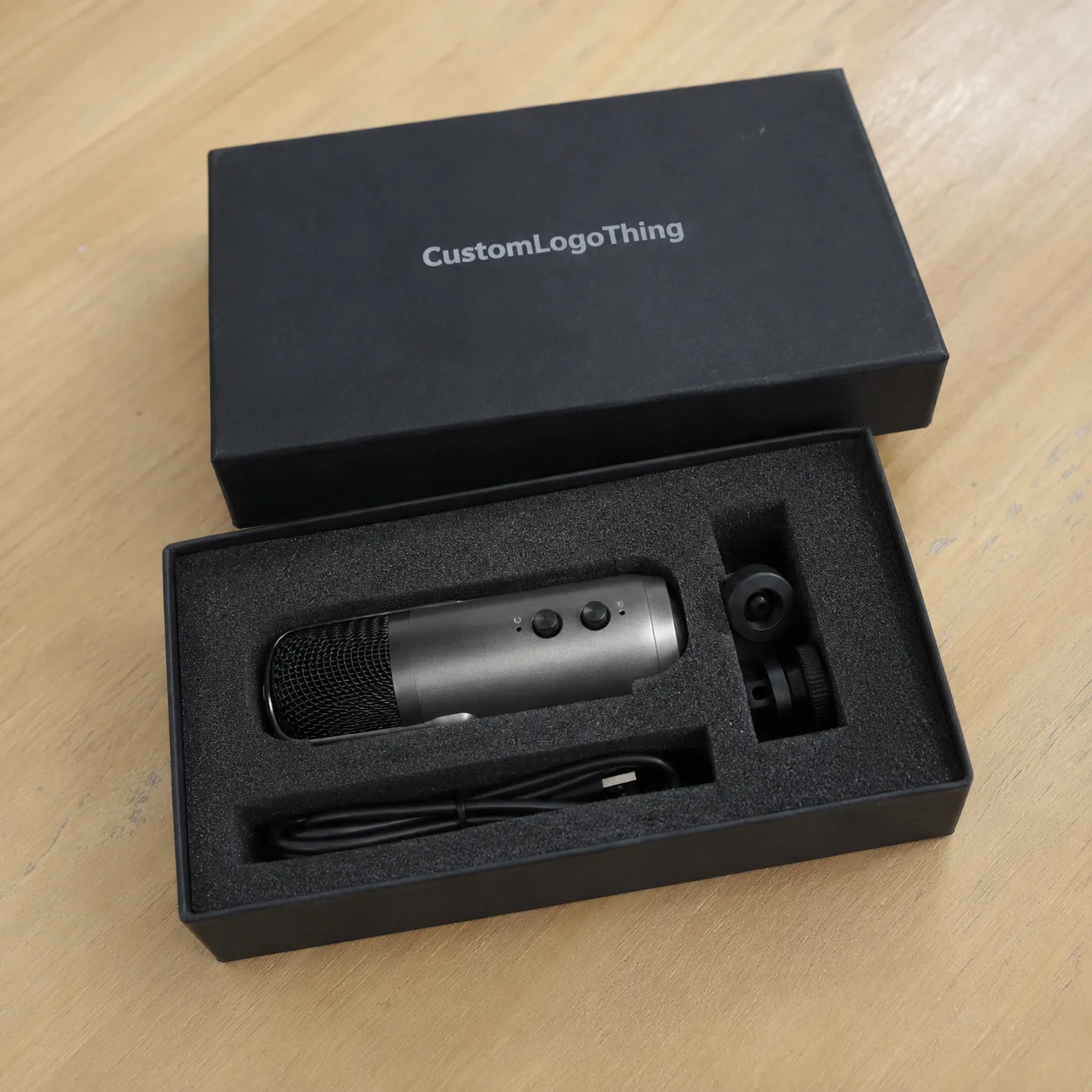
The foam side is where the technical details really start to matter. Personalized jewelry boxes with foam insert may use EVA foam, PE foam, polyurethane foam, or EVA wrapped in velvet. EVA foam is a favorite in premium gift packaging because it cuts cleanly, holds its shape, and gives a crisp cavity edge. PE foam can be useful when resilience and lower cost matter more than the ultra-premium feel. Polyurethane foam is softer and sometimes used for lighter items, though it is not always my first choice for high-end retail presentation because it can feel less structured over time. I have seen it sag just enough to ruin an otherwise beautiful reveal. Tiny detail. Big annoyance. On a 3,000-piece order, that tiny detail becomes 3,000 annoyed customers.
Foam engineering is not guesswork. A cavity that is 1 or 2 mm too loose can let a ring move during transit. A cavity that is too tight can pinch a delicate prong setting or force a chain into an unnatural bend. On a good production line, we talk about density, compression fit, and tolerance just as much as we talk about print color and foil alignment. For many jewelry brands, a 30 to 35 kg/m³ EVA density is the sweet spot for presentation plus protection, though the exact spec depends on the product weight and the travel distance.
That is why sample approval matters so much for personalized jewelry boxes with foam insert. A mockup can look gorgeous on a table and still fail in actual use if the ring shank sits too shallow, the bracelet slot is too narrow, or the necklace cavity does not leave enough room for the clasp. I’ve seen a sample that passed visual approval but failed when a customer tried to remove the item with long nails; the foam edge was too close to the finger access point, and the unboxing friction undermined the entire premium effect. The box was technically “right” and practically irritating. A classic factory heartbreak, and one I still see every quarter.
Here is the basic manufacturing flow I see most often:
- Box structure selection: rigid box, drawer box, folding carton, or hinged presentation box.
- Material choice: greyboard, wrapped art paper, specialty paper, or coated board.
- Printing and finishing: offset printing, CMYK, Pantone matching, foil stamping, embossing, debossing, matte or soft-touch lamination.
- Foam cutting: die-cutting, CNC cutting, or laser cutting depending on volume and complexity.
- Insert wrapping: velvet, flocking, or paper wrap where needed.
- Final assembly: gluing, alignment, quality inspection, and pack-out.
When volume is high, die tooling becomes cost-effective. When the design has unusual curves or multiple cavity depths, laser cutting or CNC profiling can be the better choice, especially for limited runs or seasonal launches. The key is to match the cut method to the SKU plan, because personalized jewelry boxes with foam insert can turn expensive fast if every small variation requires a separate tool. And yes, I’ve watched people discover that too late, usually with the exact face you’d expect after a $600 tooling surprise.
For brands that want to compare exterior styles before they approve production, the table below is a useful starting point. These are broad manufacturing ranges, not hard rules, because final pricing depends on size, finish, quantity, and where the boxes are made. A rigid box produced in Dongguan is priced differently than a folded carton finishing job in Shenzhen or Ningbo.
| Box Style | Best For | Typical Feel | Relative Cost |
|---|---|---|---|
| Rigid set-up box | Rings, earrings, premium gift sets | Heavy, polished, high-end | Higher |
| Drawer-style box | Necklaces, bracelets, multi-piece sets | Interactive and giftable | Medium to higher |
| Folding carton with insert | Light jewelry, e-commerce programs | Practical and efficient | Lower to medium |
| Hinged presentation box | Fine jewelry, watches | Classic retail presentation | Higher |
If you want the strongest brand impression, personalized jewelry boxes with foam insert paired with a rigid set-up box is usually the safest choice. If you need lower shipping weight and easier storage, a lighter carton with a well-designed foam tray may be smarter. There is no universal winner; the right choice depends on the piece, the route, the warehouse humidity, and the customer experience you want to create. A 600 km freight route in Texas is not the same as air shipping from Shenzhen to Sydney.
For technical packaging performance, third-party standards can help guide your testing plan. I often point clients toward ISTA test protocols for distribution simulation and the ISTA site when they need a starting point for transit validation. If sustainability claims matter, the EPA recycling guidance is a sensible reference point too, especially if you are balancing paperboard, foam, and recovery expectations. A foam insert wrapped in velvet may feel luxurious, but the test data still has to hold up in transit.
Key Factors That Affect Fit, Finish, and Pricing
Personalized jewelry boxes with foam insert can range from economical to very premium, and the price usually comes down to a handful of concrete variables. Box size is the first one. A compact ring box uses less board, less paper, and a smaller insert, while a long necklace box needs more material and more careful handling during assembly. That alone can shift unit pricing by a noticeable amount. You can practically see the cost creep in the sample stack, especially once the length moves past 160 mm.
Print complexity comes next. A one-color logo on a matte black wrap is less expensive than a full-artwork CMYK exterior with foil stamping, embossing, and a soft-touch finish. Soft-touch lamination feels excellent in hand, but it can add cost and sometimes complicate scuff resistance during packing. I’ve had clients choose it for a luxury look, then switch to matte laminate after seeing how warehouse friction affected the first batch. Beautiful in the conference room. Less beautiful in a carton sliding across a dock in Guangzhou.
Foam type is another major cost driver. EVA foam generally costs more than basic PE foam, especially when you add flocking or velvet wrap. If the cavity needs sharp edges for a ring mount or custom tabs for a necklace, cutting complexity also goes up. That is why one SKU can be dramatically different from another even if the outer box looks nearly identical. A simple ring cavity and a double-slot pendant layout are not priced the same, even if both sit inside a 90 mm square lid.
MOQ has a big influence too. On a run of 5,000 pieces, tooling and setup costs can be spread out enough that the per-unit price becomes manageable. On 300 or 500 pieces, those same setup steps remain largely the same, which pushes the price up. I’ve seen brands get frustrated by this, but the reality is simple: the cutting machine, printing plates, proofing time, and hand assembly do not shrink just because the order is smaller. The supplier is not hiding a secret discount button in the back room (I wish). On a 5,000-piece production run in Dongguan, a basic custom foam insert might land around $0.15 per unit; on 500 pieces, the same spec can jump several times higher because setup stays fixed.
Typical Cost Drivers at a Glance
| Cost Factor | Lower-Cost Choice | Higher-Cost Choice | Impact on Unit Price |
|---|---|---|---|
| Box structure | Folding carton | Rigid set-up box | Medium to high |
| Printing | Single-color logo | Multi-color print plus foil | Medium to high |
| Foam | Basic PE foam | EVA with velvet wrap | Medium |
| Cut complexity | Simple rectangular cavity | Multi-level custom cavity | Medium |
| Quantity | Small run | Higher MOQ | Lower unit price at scale |
Brand details matter too. Magnetic closures, ribbon pulls, hidden compartments, window cutouts, and internal message cards all affect tooling and assembly time. If your logo requires tight Pantone matching, expect an additional proofing step. If the project uses metallic foil, the foil stamp plate and registration tolerances need extra scrutiny. None of this is difficult, but it is rarely free. A gold foil stamp on a 100 mm lid can add a clean premium effect, but it also means another physical tool and another round of checks.
Shipping method affects design choices as well. If the boxes are going out in a secondary corrugated carton with decent edge protection, you can usually focus more on presentation. If they are going directly into mailers for e-commerce fulfillment, the outer box finish and closure strength have to work harder. In humid climates like southern China, board warp and adhesive performance deserve attention, especially for personalized jewelry boxes with foam insert stored in a non-climate-controlled warehouse. A box that looks perfect in a 22°C sample room may behave differently in a 35°C loading bay.
One thing buyers often miss is the difference between decoration cost and functional cost. A gold foil logo looks luxurious, but the foam insert is what keeps the stone from moving. If the budget is tight, I usually advise clients to protect the fit first and then polish the exterior as far as the budget allows. Pretty packaging that fails transit is still a bad investment. No amount of sparkle fixes a rattling ring. A $1.80 box that protects the product is better than a $3.20 box that just photographs well.
For a realistic starting point, small custom runs may land in a range like $0.85 to $2.40 per unit depending on size and finish, while larger quantities can come down materially once setup is spread across the order. Those numbers are not promises, and they change with every spec sheet, but they are useful for planning if you are comparing personalized jewelry boxes with foam insert against other packaging formats. A 10,000-piece run in Shenzhen with simple matte print and PE foam can be much leaner than a 1,000-piece velvet-wrapped set in Bangkok.
Step-by-Step Process for Ordering Personalized Jewelry Boxes with Foam Insert
The cleanest orders always start with measurements. I mean actual measurements, not “about the size of a small ring.” Measure the jewelry in millimeters, including the widest point, the tallest point, and any delicate features such as prongs, stone settings, clasps, or hanging loops. If the jewelry includes a chain, record the chain length and how it is usually folded or tucked for presentation. Guessing here is how everyone ends up redoing samples and pretending they “learned something.” A proper spec sheet should include width, height, depth, and target insert clearance in millimeters.
Once the item dimensions are clear, choose the box style. A ring box may need only a compact upright cavity and a simple lift notch. A bracelet or necklace may need a longer horizontal tray with a separate accessory pocket for a card or polishing cloth. Personalized jewelry boxes with foam insert work best when the outer box and the inner cavity are designed as one system rather than treated as separate decisions. That one-system thinking saves a lot of back-and-forth later, especially if the order is split across a 2,500-piece first batch and a 7,500-piece replenishment.
Then come the finish decisions. Matte black with silver foil gives one effect. Soft cream with blind debossing gives another. Velvet wrap on the foam adds warmth and a more tactile luxury feel. If the customer base skews younger and the brand voice is modern, a clean minimalist treatment may fit better than ornate decoration. If the line is bridal, pearl-like paper, satin ribbon, and a velvety insert can make more sense. A drawer box finished in warm white with rose-gold foil reads very differently from a black rigid box with sharp white print, and customers notice the difference immediately.
After that, ask for a sample or prototype. I cannot stress this enough. A beautiful rendering on screen is not the same as a physical box with a real object inside it. The sample should be checked for closure tension, cavity fit, logo placement, lid alignment, and removal ease. For personalized jewelry boxes with foam insert, I also like to test the sample with two or three different hands, because what feels easy to one person may feel awkward to another. Also because one person will absolutely say, “It’s fine,” while another struggles like they’re opening a vault. That is not a useful product review.
Here is the order flow I recommend to most buyers:
- Gather dimensions: jewelry, accessory items, and target box size.
- Choose the box style: rigid, drawer, folding carton, or hinged presentation.
- Select branding details: logo method, color, finish, and closure type.
- Approve the foam design: cavity shape, depth, density, and surface treatment.
- Review the sample: fit, look, feel, and removal ergonomics.
- Confirm production schedule: proofing, tooling, manufacture, assembly, and freight.
- Run QC checks: carton integrity, insert alignment, and print consistency.
A typical timeline might look like 2 to 4 business days for artwork proofing, 7 to 12 business days for sample production, and typically 12 to 15 business days from proof approval for mass production, though it depends heavily on finish complexity and current plant workload. When a project includes multiple SKUs, expect sampling to take longer because each cavity layout needs review. That is especially true for personalized jewelry boxes with foam insert designed for mixed sets. If you add foil stamping and specialty paper, give yourself a few extra days rather than pretending the factory can bend time.
In one client meeting in Chicago, a jewelry brand wanted a single box to fit rings, earrings, and a pendant. We solved it by standardizing the outer box and creating three interchangeable foam layouts. The result was cleaner inventory control and lower tooling cost. That is a practical example of how personalized jewelry boxes with foam insert can be engineered to support multiple SKUs without multiplying every line item in the budget. One outer box, three insert specs, fewer headaches.
Common Mistakes to Avoid with Foam Insert Jewelry Packaging
The first mistake I see all the time is making the foam cavity too tight. A cavity that grips the piece like a vise can bend a chain, stress a delicate prong, or make the customer feel like they need tools just to remove the item. Premium packaging should feel secure, not punitive. With personalized jewelry boxes with foam insert, the right fit is snug but forgiving. Not a wrestling match. For most pieces, 1.5 mm to 2 mm of practical clearance is plenty if the foam density is correct.
The second mistake is choosing foam that is too soft or too thin. Soft foam may look plush in the sample room, but in transit it can allow movement, especially if the box is stacked or dropped. I’ve opened boxes where the item had bounced enough to create tiny wear marks on plated surfaces after a 1-meter drop test. That is not a visible failure from a distance, but it is exactly the sort of detail customers notice when they inspect a precious piece. And then they remember it forever, which is not ideal branding.
Another issue is ignoring product variation. A ring in size 5 and a ring in size 9 are not always interchangeable in the same cavity, especially when the setting profile differs. Bracelets with irregular links need a different nest than flat bangles. Pendant chains may require extra slack control. When brands try to force every SKU into one cavity design, personalized jewelry boxes with foam insert lose their precision advantage. If your line includes six ring sizes, you may need two cavity families, not one heroic guess.
Unboxing ergonomics get missed too. If there is no finger notch, ribbon pull, or lift tab, the customer may have to dig under the jewelry to get it out. That is especially frustrating for customers with longer nails, lower dexterity, or packaging that includes small pieces tightly seated in black foam. I’ve seen a beautiful box lose favor simply because the removal process felt fussy. Gorgeous on the shelf. Grumpy in the hand. A 10 mm notch would have solved it.
Skipping durability tests is another expensive error. A box can look excellent on a shelf and still collapse on a fulfillment line if the corners are weak or the glue line is inconsistent. For personalized jewelry boxes with foam insert, I like to check corner crush, lid flex, and drop performance with the actual packed item inside, not an empty sample. Empty samples can be misleading by several grams and a lot of real-world stress. A “perfect” empty box is not a meaningful achievement, especially if the insert shifts after the first 50 shipments.
What I Test Before Approving a Run
- Fit test: does the jewelry sit centered without forcing?
- Shake test: does the item stay still when gently agitated?
- Removal test: can the customer lift it out comfortably?
- Closure test: does the lid stay shut under normal handling?
- Surface test: are there scratches, scuffs, or print rub marks?
Those tests sound basic, but they catch more problems than most people expect. In my experience, the brands that document this checklist end up with fewer returns and better unboxing feedback, which is exactly what you want from personalized jewelry boxes with foam insert. A 15-minute test before signoff can save a 15-day headache after launch.
Expert Tips for Better Presentation and Lower Waste
If you want the box to look more expensive without wasting material, start by designing the insert around the natural shape of the jewelry. A ring should nest where the band wants to sit. A necklace should lie in the direction it would naturally unfold. A bracelet should rest flat rather than being folded into an awkward curve that creates tension. That sounds small, but those little decisions separate average packaging from polished packaging. It is the difference between “custom” and “we tried.” A 16 mm deep cavity that follows the product contour always looks more intentional than a generic square cutout.
I also recommend standardizing insert families whenever possible. If you can build two or three shared cavity patterns that cover six or seven SKUs, you save on tooling, simplify replenishment, and reduce the chance of SKU mix-ups in fulfillment. One brand I advised used the same outer box across a full line of earrings, rings, and pendants, then changed only the foam layout. That kept the brand identity unified while trimming storage headaches. Less chaos. Fewer late-night emails. Fewer “where is the sample version 4B?” messages at 11:47 p.m.
For brands trying to balance luxury with sustainability, the best route is often a paperboard exterior combined with a foam insert that is as small and efficient as possible. There is no perfect solution for every market, and foam is not always the easiest material to explain in a sustainability story, but smart design can reduce waste significantly. Keep the cavity tight, avoid excess dead space, and use only the foam thickness required for the actual piece. A 20 mm foam block for a 3 mm earring is just excess weight, cost, and guilt.
It also helps to think about the complete packaging chain. Personalized jewelry boxes with foam insert perform best when the outer mailer, inner box, and item card all work together. A premium jewelry box tossed into a loose corrugated shipper with no restraint can still arrive damaged. A modest box packed carefully inside a fitted mailer can survive very well. The whole system matters, especially on routes that run from Shenzhen to Paris or from Miami to San Francisco with multiple handoffs in between.
I’ve had good results when brands test actual warehouse conditions instead of only approving studio samples. A desk sample tells you how the box looks under perfect lighting. A fulfillment test tells you whether the lid stays closed after 300 boxes move through a packing bench, a cart, and a truck trailer. That difference is real. Anyone who has watched a pallet stretch wrap fail in a humid loading bay knows what I mean. I still remember a batch in Ho Chi Minh City where the glue held in the office and failed in the warehouse by 4 p.m.
“A packaging sample that lives only on the design table is a theory. The one that survives the warehouse is the real product.”
For brands seeking broader packaging options that fit a unified identity, pairing personalized jewelry boxes with foam insert with other branded packaging can keep your shelves, e-commerce kits, and display materials visually aligned. That is one reason many buyers source from a single supplier instead of piecing together packaging from several disconnected vendors. One factory in Dongguan can often handle the box, foam, and outer mailer spec all in the same production calendar.
What to Do Next Before You Place an Order
Before you place an order for personalized jewelry boxes with foam insert, build a one-page packaging brief. Include jewelry dimensions in millimeters, box style, target quantity, brand colors, logo format, preferred finish, target budget, and deadline. A good brief saves back-and-forth, shortens proofing, and lowers the chance of expensive revisions after sampling. It also makes everyone calmer, which is underrated in procurement. A brief with 12 specific data points beats a vague email every single time.
Then collect reference images. Show what you like, but also show what you want to avoid. If you dislike glossy surfaces, say so. If magnetic lids feel too strong or too weak for your brand, say that too. If visible seams bother you, note it. The more specifically you describe your preferences, the easier it is to translate your vision into personalized jewelry boxes with foam insert that actually match the brand. A supplier in Shenzhen can work with specifics. They cannot read your mind, and they should not have to.
Ask for a dieline before final artwork is locked. That gives your design team the internal and external dimensions they need for logo placement, safe margins, and any foil or embossing registration. If the supplier can provide a sample plan, even better. That means you know what will be reviewed, how it will be judged, and who signs off on each step. In a factory setting, clarity saves more money than bargaining over pennies ever will. It also avoids the classic mistake of printing a logo 4 mm too close to the edge.
Prepare an approval checklist as well. I like to see five items minimum:
- Fit: jewelry sits correctly in the cavity.
- Finish: print, foil, lamination, and color are acceptable.
- Closure: lid, drawer, or magnetic action works properly.
- Presentation: item aligns well and looks premium.
- Shipping readiness: box survives handling and pack-out.
Once those pieces are in place, the order process gets much smoother. I’ve seen brands waste two weeks because three departments were commenting on different files with different assumptions. I’ve also seen a launch go out early because everyone agreed on the spec sheet before toolmaking started. The difference was not luck. It was disciplined packaging planning and a supplier who answered questions in the same day, not three business days later.
If you are building a repeatable system, personalized jewelry boxes with foam insert can become a long-term packaging platform rather than a one-off expense. That means your next collection, holiday set, or replenishment run can reuse the same outer box family, the same closure style, and sometimes even the same insert architecture with only minor tweaks. That is the kind of practical efficiency every operations team appreciates, especially when the next run is 20,000 pieces and the launch date is non-negotiable.
And if your brand cares about sourcing language, you can also check paper and fiber references through the Forest Stewardship Council when you want to discuss responsibly sourced paperboard options with your supplier. It is not a magic badge, but it is a serious standard worth understanding, especially if your retail team needs documentation for a buyer in London or Amsterdam.
My last piece of advice is simple: think of personalized jewelry boxes with foam insert as a system, not a shell. The box, the foam, the fit, the finish, the mailer, and the customer’s first two seconds of opening all belong to the same story. If you get that story right, the packaging stops acting like a cost center and starts acting like part of the product itself. That is the point. Everything else is just expensive decoration.
FAQ
What size foam insert works best for personalized jewelry boxes with foam insert?
Measure the jewelry first, then add only the minimum clearance needed for easy removal and safe nesting. A good insert fits snugly without compressing delicate parts like prongs, clasps, or chains. For most SKUs, 1.5 mm to 2 mm of clearance works well, but the exact fit depends on the item and foam density.
Are personalized jewelry boxes with foam insert good for shipping fragile pieces?
Yes, when the foam density and cavity depth are matched to the item, the insert helps prevent shifting and surface damage. For especially fragile pieces, pair the box with a protective outer mailer or shipping carton. I usually recommend a drop test from 90 cm with the actual packed item before launch.
How much do personalized jewelry boxes with foam insert usually cost?
Pricing depends on box material, print method, foam type, size, and order quantity. Small runs cost more per unit, while larger orders usually reduce unit pricing because setup costs are spread across more pieces. A 5,000-piece run in Dongguan might start near $0.15 per unit for a simple insert spec, while premium rigid constructions can land much higher.
How long does production take for custom foam insert jewelry boxes?
Timeline depends on artwork approval, sample approval, tooling, and assembly requirements. A prototype phase is often the biggest schedule variable, so approving the sample quickly helps keep the order moving. In many factories, mass production typically takes 12-15 business days from proof approval, assuming the finish is straightforward and the supplier is not buried under a holiday rush.
Can personalized jewelry boxes with foam insert be made for different jewelry types?
Yes, the insert can be tailored for rings, earrings, necklaces, bracelets, pendants, and gift sets. Many brands create multiple cavity layouts within one box style to support different SKUs efficiently. That is usually cheaper than building a separate outer box for every product line.
If you are ready to make packaging feel as considered as the jewelry itself, start with the measurements, the sample, and a supplier who understands personalized jewelry boxes with foam insert as both a protection system and a presentation tool. That is where the best results usually begin, whether the job ships from Dongguan, Shenzhen, or a finishing plant in California.