Personalized Label Stickers: Design and Order Tips
What Personalized Label Stickers Do for Packaging
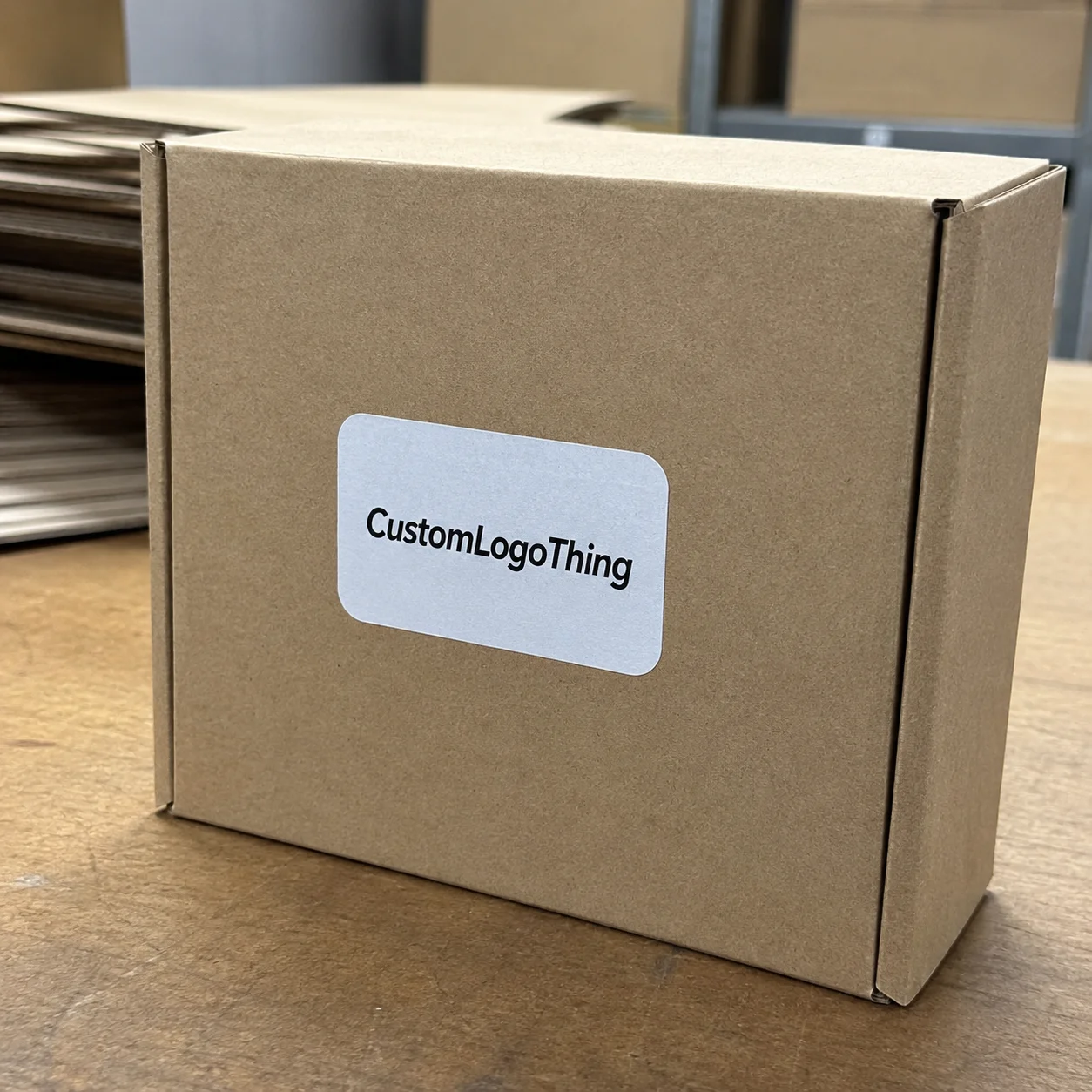
Put two identical glass jars, kraft mailers, or folding cartons on a shelf. Give only one of them a crisp, well-fitted label. The labeled one usually feels more credible before anyone reads a single word. Personalized Label Stickers are often the smallest printed piece on the package, yet they carry the brand name, product promise, compliance details, barcode, batch information, and first impression.
A personalized label sticker is a custom-printed adhesive label built around brand-specific artwork, sizing, material, finish, and application requirements. That last part matters more than many buyers expect. A dry tea pouch, refrigerated sauce bottle, bath oil jar, candle tin, and subscription mailer all ask different things from the label.
Not every sticker has the same job. Decorative stickers add personality. Product labels identify the item and carry required copy. Shipping labels move cartons through carrier systems. Warning labels communicate safety information. Tamper seals show whether a lid, box, or closure has been opened. Promotional decals may be temporary, seasonal, or campaign-based. They can all be adhesive printed pieces, but the materials, adhesives, and production tolerances are not interchangeable.
The common mistake is treating a good label as a nice graphic. In production, the label has to survive the real package environment: moisture, oils, refrigeration, sunlight, squeezable containers, coated paperboard, warehouse handling, or three days rubbing against corrugated board in transit. A premium-looking label that lifts at the corner after 48 hours is not premium packaging.
Buyers get better quotes when they think in specifications rather than adjectives. “Luxury matte label” is vague. “2 x 3 inch matte white BOPP label with permanent adhesive for a glass jar stored in a bathroom” gives a printer something useful. The same discipline helps when comparing Custom Labels & Tags, because small specification changes can make two quotes look similar while the finished labels perform very differently.
How Custom Label Stickers Are Made
The basic production flow is fairly consistent: artwork intake, file check, material selection, print setup, proofing, printing, finishing, cutting, quality control, packing, and shipping. The details inside those steps shift with size, quantity, shape, finish, SKU count, and whether the labels are supplied on rolls, sheets, or individually cut pieces.
Digital printing is commonly used for short to medium runs, multiple SKUs, seasonal artwork, and orders that need flexible setup. It does not require printing plates, so it can be efficient for 250, 500, 1,000, or 5,000 labels per version, depending on the construction. Digital production also handles variable artwork well, which helps with flavor sets, scent families, limited runs, and test launches.
Flexographic printing is usually the stronger fit for larger repeat orders where roll format, production speed, color control, and lower unit cost are the priorities. Flexo uses plates and press setup, so the upfront work is heavier. Once the run is large enough, though, the economics can improve. For repeat retail packaging, that setup can pay for itself quickly.
Format matters as much as print method. Roll labels suit dispensers and automated application equipment. Sheet labels are handy for office, studio, or small-batch hand application. Individually cut stickers feel more promotional and can be inserted into mailers, handed out at events, or used as branded extras. If the label will run through a machine, confirm core size, roll outside diameter, gap between labels, liner type, label orientation, and unwind direction before production starts.
Finishing choices add appearance, protection, or both. Common options include matte laminate, gloss laminate, soft-touch coating, spot UV, foil accents, embossing, and writable surfaces. Gloss laminate can make colors look brighter and easier to wipe down. Matte reduces glare and gives many retail packages a calmer look. Soft-touch feels refined, but dark soft-touch labels may show scuffs if the product is handled heavily.
Die-cutting and kiss-cutting sound simple, but they affect use. Die-cut labels follow the final outer shape. Kiss-cut labels are cut through the face material but left on a backing sheet or roll, which makes peeling easier. Production choices should start with use case first, artwork second, because adhesive, liner, finish, and roll direction all affect how the label behaves after it leaves the press.
Materials, Adhesives, and Finishes That Change Performance
The face stock is the visible label material. Paper is common for dry retail products, short-run packaging, pantry goods, and simple branded applications. Kraft paper gives a natural, textured appearance, although it usually has less moisture resistance than synthetic films. BOPP film, short for biaxially oriented polypropylene, is a strong choice for moisture-resistant labels on jars, bottles, cosmetics, and refrigerated products. Vinyl is tougher and often used where durability, outdoor exposure, or abrasion resistance matter. Clear film creates a “no-label” appearance, but it needs careful artwork planning.
Adhesive selection is just as important. Permanent adhesive is designed to stay put. Removable adhesive allows cleaner removal for temporary labeling. Repositionable adhesive gives some forgiveness during application, although the open time is usually limited. Freezer-grade adhesive is built for cold storage and condensation. High-tack adhesive helps with rough, textured, recycled, or low-energy plastic surfaces. Specialty adhesives may be needed for tubes, flexible pouches, coated tins, or containers with difficult curves.
Container material changes adhesion. Glass is usually friendly, but condensation can interfere. Rigid plastic varies by resin type and surface energy. Cardboard can shed fibers. Metal tins may have oils from handling or manufacturing. Flexible pouches move, wrinkle, and stress the label edge. Coated paperboard can look simple while behaving like a low-grip surface. A label that sticks well to a flat PET bottle may not behave the same way on a tapered HDPE jar.
Environmental conditions should be named early in the quote request. Will the product face refrigeration, hot fill, oily hands, shower steam, outdoor sunlight, warehouse dust, or shipping friction? A candle warning label on the bottom of a jar has different needs than a front label on a kombucha bottle or a body scrub label exposed to wet hands and oils.
Matte and gloss both have their place. Gloss can sharpen color and add a clean retail shine. Matte can reduce reflection under store lighting and make black, cream, and muted palettes feel more expensive. Lamination is worth considering when products face moisture, repeated handling, oils, cleaning, or long shelf life. It adds cost, but it can protect ink and reduce scuffing.
Clear labels need a separate note because they create more surprises than white stock. White ink backing improves opacity and contrast. Without it, fine type can disappear against amber glass, dark liquid, or a colorful product inside the container. Trapped air, fingerprints, and dust are also easier to see on clear film. The “invisible” look is possible, but the application process has to be clean.
Sustainability takes a little honesty. Recyclable paper labels can work well on paper-based packaging. FSC-certified paper can support responsible sourcing claims when documentation is in order; buyers can learn more from the Forest Stewardship Council. Compostable claims need careful verification, and the label should not undermine the recyclability of the container. The real target is compatibility between the label, package, recovery stream, and claim language.
| Material or Finish | Typical Best Use | Performance Notes | Budget Impact |
|---|---|---|---|
| Paper | Dry retail packaging, boxes, jars, mailers | Good print quality, limited moisture resistance unless coated | Usually lower cost |
| BOPP Film | Food jars, cosmetics, refrigerated products | Moisture-resistant and clean-looking with the right adhesive | Moderate |
| Vinyl | Durable decals, outdoor use, rough handling | Strong durability, often heavier than standard label films | Moderate to higher |
| Clear Film with White Ink | Bottles and jars needing a no-label look | White backing improves opacity and readability | Higher than standard white film |
| Matte or Gloss Laminate | Products exposed to handling, moisture, or scuffing | Protects ink and changes the visual finish | Adds cost but often improves life span |
Cost and Pricing Factors That Affect Your Quote
Label pricing is driven by size, material, adhesive, finish, print method, color coverage, shape, order quantity, SKU count, proofing needs, and shipping destination. A 2 x 3 inch matte paper rectangle is not priced like a clear BOPP label with white ink, foil, custom shape, and five scent versions.
Unit cost drops as quantity rises because setup, file handling, press setup, color control, startup waste, and packing labor are spread over more labels. A simple paper label can feel expensive at 250 pieces because setup time is doing most of the work. At 5,000 or 10,000 pieces, the unit cost often becomes more comfortable, especially if the artwork is clean and the material is standard. Exact pricing depends on specifications, so treat any range without a quote as a planning guide rather than a promise.
Minimum order quantity depends on the production method, material, finish, tooling, and format. Sheet labels may support smaller quantities. Roll labels with special materials or finishes may need a higher minimum. Custom dies, foil dies, specialty laminates, and unusual adhesives can also push the practical minimum upward because the setup has to be justified.
Premium finishes raise cost for clear reasons. Foil requires tooling or specialty digital finishing. Embossing needs pressure control and compatible stock. Specialty laminates add material and conversion steps. White ink on clear film may require an extra print layer to keep type readable. Custom shapes can need tooling or longer cutting time. None of these are bad choices, but they should support the shelf strategy instead of being added out of habit.
Multiple SKUs add another layer of labor. One rectangular label for one product is straightforward. Twelve custom-shaped labels across four scents and three sizes require version control, barcode control, quantity splits, and careful packing. Buyers often miss hidden budget items such as artwork cleanup, barcode testing, unwind direction changes, rush fees, split shipments, and extra samples for approval.
Shop-floor rule: a clean spec saves more money than a hard negotiation after the quote is already built. Final size, material, quantity, surface, finish, and deadline are the details that let production Choose the Right path.
For a practical quote request, include final dimensions, quantity, material preference, application surface, indoor or outdoor use, roll or sheet format, number of designs, required delivery date, and destination ZIP or country. If you are comparing Custom Labels & Tags, keep those specs identical across suppliers so the numbers actually mean something.
Process and Timeline from Artwork to Delivery
A clean label order usually follows a predictable path: gather specs, submit artwork, confirm material and adhesive, review a proof, approve a sample or digital proof, enter production, complete finishing, inspect the finished labels, pack, and ship. Printing itself may be fast. The slower part is often decision-making before the press runs.
Prepress is where small issues get caught. A production file should be checked for bleed, safe zones, resolution, color mode, fonts, barcode size, dielines, white ink layers, and cut paths. Many labels use 1/16 inch to 1/8 inch bleed depending on the process and supplier preference. Safe zones keep text and borders away from the cut edge, which matters because even accurate die-cutting has normal mechanical tolerance.
Digital proofs show layout, spelling, size, cut line, and general content. They are not perfect predictors of final color or material feel because screens emit light and printed ink reflects light. Physical samples or press proofs are better for evaluating material, finish, opacity, color, and adhesion. For critical retail launches, a sample can prevent an expensive surprise.
Lead time depends on artwork readiness, proof approval, material availability, custom die requirements, specialty finishing, number of SKUs, rush capacity, and shipping method. A standard reorder with approved files can move much faster than a new label family with clear film, white ink, foil accents, and twelve artwork versions. If a deadline is fixed, mention it before quoting rather than after proofing.
Plan time for one proof revision and one label application test before a launch, trade show, retail delivery, or seasonal campaign. The application test should use the actual container, filled if possible, under normal storage conditions. A refrigerated beverage label, for example, should be tested after chilling and condensation, not only on a dry empty bottle at room temperature.
Automated labeling equipment adds another layer. Confirm roll core size, label gap, unwind direction, outer roll diameter, liner type, and label orientation. A beautifully printed roll can still be wrong if the machine needs copy leading edge first and the roll arrives trailing edge first. That error is preventable, but only if the equipment details are confirmed before production.
For distribution packaging, buyers may also want to review broader transport testing expectations. The International Safe Transit Association publishes packaging test procedures used across shipping and logistics. A label is only one part of the package, but abrasion and handling during transit can decide whether it still looks sharp on arrival.
Common Label Ordering Mistakes to Avoid
The most common mistake is choosing personalized label stickers based only on appearance without testing how they stick to the actual container. A label can look perfect on a proof sheet and fail on a slightly oily jar, a textured recycled mailer, a curved tube, or a cold bottle with condensation. Adhesion is a system: face stock, adhesive, surface, pressure, dwell time, and environment all work together.
Sizing mistakes are close behind. Labels that wrap too far around tapered jars can wrinkle or flag at the edges. Labels placed across seams on flexible pouches may lift as the pouch flexes. Labels sitting too close to a curved shoulder can tunnel because the material is fighting the container shape. Measuring with a flexible tape and testing a paper mockup can save a full rerun.
Artwork issues create another set of headaches. Missing bleed can leave hairline edges. Low-resolution images can print soft. Thin borders can reveal normal cutting variation. Type below about 5 or 6 points may become hard to read depending on font, ink spread, and background contrast. Colors can shift between screens and print, especially with bright RGB colors that do not reproduce the same way in CMYK or spot color systems.
The wrong adhesive can ruin an otherwise good label. Cold, oily, textured, recycled, squeezable, and damp surfaces all need attention. Freezer products may need adhesive designed for low-temperature application or storage. Bath and beauty products often need resistance to oils and wet handling. Squeezable tubes need a construction that can move without edge lift.
Barcode and compliance checks deserve their own pass. Ingredient panels must be readable. Barcode contrast should be tested, especially on metallic, clear, or dark backgrounds. Lot code space should not be covered by laminate choices that make variable printing difficult. If a retailer has label placement rules, confirm them before printing, not after cartons are packed.
Version control is another quiet source of waste. Multiple flavors, scents, sizes, or language versions should have a clear file list and quantity breakdown. Similar artwork can trick the eye, especially when only a barcode, net weight, warning line, or ingredient statement changes. A naming convention that includes SKU, size, version date, and quantity is not glamorous, but it prevents expensive mix-ups.
Run a small test or sample review any time you change containers, materials, suppliers, finishes, or application methods. That advice sounds obvious because it is. It is also one of the cheapest ways to avoid waste.
Next Steps Before You Approve a Label Order
Start with the physical package. Measure the container, photograph the application surface, decide exactly where the label sits, and note whether it will be applied by hand or by machine. For curved jars and bottles, use a paper mockup before finalizing the size. For pouches, check seams, gussets, and fill expansion.
Create a simple spec sheet. It does not need to be fancy, but it should include label size, shape, quantity, number of designs, material preference, finish, adhesive needs, packaging environment, deadline, and shipping address. Add notes for refrigeration, oils, outdoor use, bathroom exposure, hot fill, or long storage. If the label is part of a larger branded package set, include links or references to matching Custom Labels & Tags so color and finish expectations stay aligned.
Test the label on the actual product whenever possible. A similar container is helpful for early planning, but coatings, curves, surface energy, moisture, and filling conditions can change adhesion. Apply the sample with normal hand pressure or the actual labeling machine, then check it after 24 hours, 48 hours, and after the expected storage condition. Look for edge lift, bubbling, scuffing, ink wear, and readability.
Review the proof in three passes. First, check spelling, legal text, ingredients, warnings, and claims. Second, check size, shape, bleed, safe area, and cut line. Third, check color notes, finish, barcode, roll direction, quantity by version, and production details. Separating those reviews helps catch mistakes because the eye stops trying to inspect everything at once.
Ask for technical input if the label involves unusual surfaces, freezer storage, bath and beauty products, outdoor exposure, automated labeling, clear film, foil, embossing, or premium finishes. These are normal packaging challenges, not signs that the project is too complicated. They simply need the right material and process choices before the order is locked.
Before approving personalized label stickers, confirm the material, adhesive, proof, timeline, and application method. The goal is not just a label that looks good on screen. It is a label that applies cleanly, stays readable, and still represents the product well after storage, handling, and delivery.
FAQ
What are personalized label stickers used for?
They are used for branding, product identification, ingredient panels, promotional seals, packaging decoration, barcode labels, warning labels, and short-run seasonal or SKU-specific packaging. The best use depends on the product surface, storage environment, handling conditions, and whether the label is decorative, functional, or both.
How much do custom product label stickers cost?
Cost depends on size, quantity, material, adhesive, finish, shape, number of artwork versions, and whether the labels are printed on rolls, sheets, or individual pieces. A quote is more accurate when you provide the label dimensions, order quantity, application surface, deadline, finish preference, and shipping location.
What material is best for waterproof personalized labels?
BOPP film, vinyl, or other synthetic face stocks are common choices for moisture-resistant labels, especially when paired with the right adhesive and a protective laminate. For products exposed to refrigeration, condensation, oils, or bathroom use, the adhesive and finish matter just as much as the face material.
How long does it take to produce custom label stickers?
Production time depends on artwork readiness, proof approval, material availability, order quantity, finishing, custom dies, and shipping method. The fastest timelines usually come from clean artwork, standard materials, prompt proof approval, and avoiding last-minute changes after production setup.
Can personalized sticker labels be made for multiple SKUs?
Yes, multiple flavors, scents, sizes, or product variants can usually be produced in one project if the specifications are organized clearly. To avoid delays, provide a file list, quantities per version, shared dieline details, barcode information, and any color or text differences between SKUs.