Custom Logo Things
Personalized Labels for Blankets: Buy Smarter
Learn how personalized labels for blankets are built, what they cost, and how to choose materials, finishes, and timelines that fit the blanket rather than forcing a one-size-fits-all spec.
Why personalized blanket labels make a big brand difference
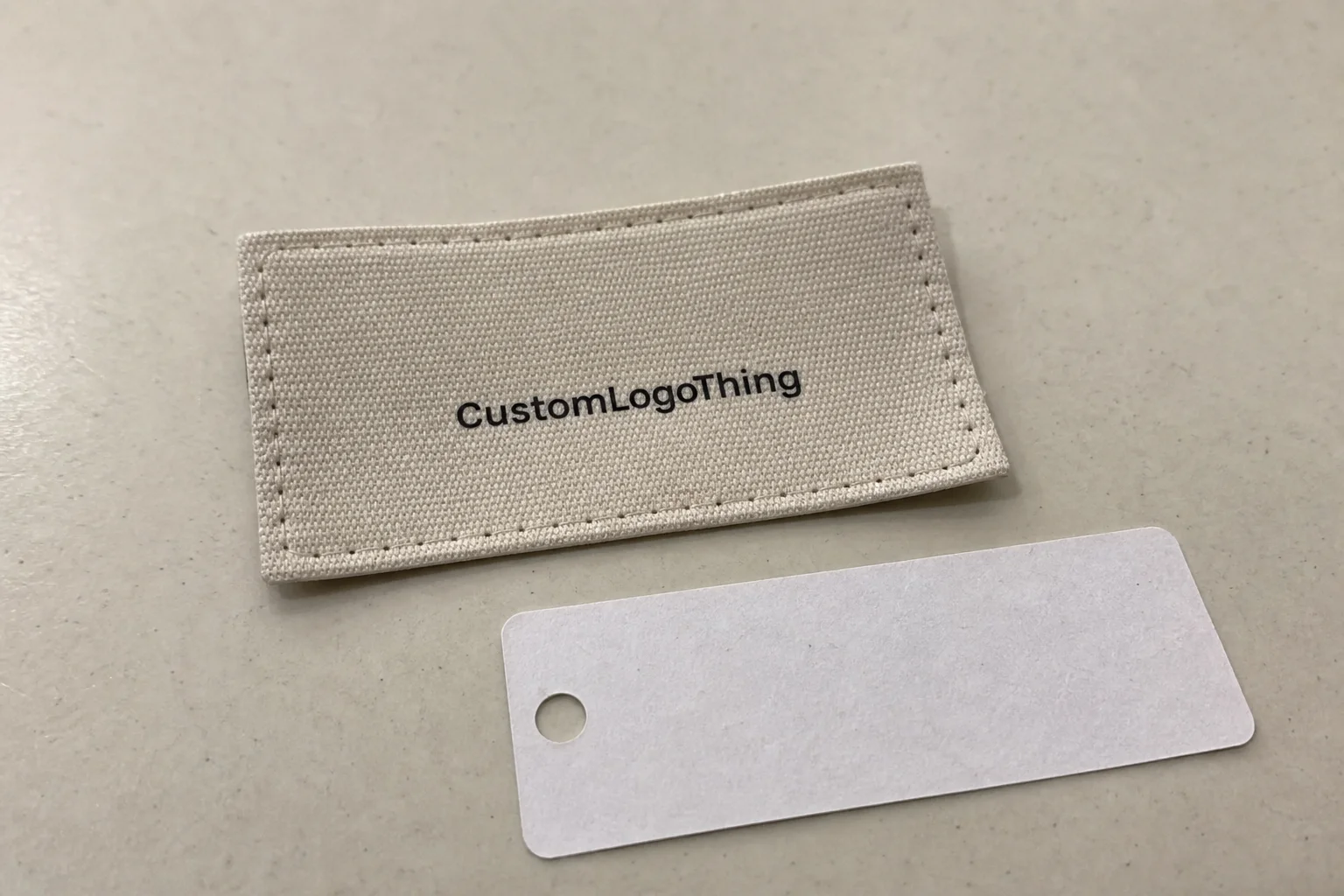
Personalized labels for blankets do more than identify the maker. On a blanket, the label becomes part of the product experience because it is seen in the folded stack, noticed when the item is opened, and felt every time the fabric is handled. If the blanket is soft but the label is stiff, poorly placed, or visually cheap, the whole piece can feel less finished than it should.
That matters across blanket categories. Plush throws, woven blankets, sherpa layers, knit pieces, fleece blankets, and baby blankets all create different expectations at first touch. A thick woven label can look clean and premium on a heavier throw, while a smoother printed satin label may suit a baby blanket or a lightweight fleece piece. The label also carries practical details such as care instructions, fiber content, size, and origin, so the spec has to balance branding and readability.
Buyers usually judge the label as part of the blanket, not as a separate accessory. The right decision is rarely just about branding. It is a balance of fabric behavior, wash frequency, visibility, cost, and how much structure the blanket can tolerate without losing softness.
A blanket label should feel like part of the textile, not like an afterthought stitched on to satisfy a checklist.
If you are setting up a new product line, it helps to treat the label spec as part of the blanket spec from the start. That keeps artwork, construction, and placement aligned and reduces last-minute changes that slow production down.
How the label production process works
The workflow is usually straightforward: artwork review, material selection, proofing, sample approval, production, finishing, and shipment. If the buyer only has a logo and rough notes, the supplier usually turns that into a production-ready file with the right size, fold style, thread colors, print resolution, and attachment method.
Woven labels are built on a loom, so they perform best when the artwork uses clear shapes and does not rely on tiny text. Printed satin labels are more forgiving when the design needs fine detail, small type, or subtle color transitions. Cotton labels bring a more natural hand-feel, while heat-transfer labels can work well when the brand wants a very low-profile finish. Sew-in fabric labels remain common because they feel familiar, wash well, and hold up under repeated laundering if the construction is right.
Placement is discussed early for a reason. A label can sit in a corner seam, side seam, folded edge, center back, or on an attached hang tag, and each choice affects both comfort and presentation. A center-back label is easy to see on a folded retail blanket, but it is also more noticeable during use. A corner seam label often feels more discreet and is usually the cleaner choice for throws and decorative blankets.
Before production starts, a good supplier will confirm size, quantity, placement, and expected wash performance. Those details decide whether the label lies flat, stays readable, and matches the blanket finish once it is sewn in and folded for packing.
For buyers comparing blanket label programs with broader packaging work, the same discipline used for Custom Labels & Tags applies here: lock the spec first, then approve the sample before quantity production starts.
Material, finish, and attachment factors that affect performance
Material choice has a direct effect on how the label looks, feels, and lasts. Woven labels usually feel more premium because the artwork is built into the structure of the label rather than printed on top. They also tend to hold up well in the wash. Printed labels can show finer text and cleaner small details, which matters if the spec includes care symbols, a longer information block, or a logo with thin strokes that would be lost in weaving.
Blanket material changes the decision. A thick sherpa or plush fleece can swallow a stiff label, especially if the edge is bulky or the backing is rigid. Knit blankets can stretch, which means placement and seam behavior matter more than they would on a stable woven throw. Baby blankets usually need a stricter softness check because the label sits closer to skin contact, and buyers are less forgiving of rough edges or scratchy thread paths.
Finish matters as much as print method. A label can be technically correct and still feel wrong if the fold is bulky, the edge is sharp, or the backing shows through a light-colored blanket. The best spec keeps the label readable while minimizing friction against the fabric.
Common finish and attachment choices include:
- Damask woven labels for fine detail and a cleaner premium look.
- Satin printed labels for smoother hand-feel and clear care instructions.
- Cotton labels for a natural texture and softer brand presentation.
- Heat-transfer backings for low-profile application on compatible fabrics.
- Folded edges or die-cut shapes for a more finished visual edge.
There is also a practical information problem to solve. Brand name, care symbols, fiber content, size, and country of origin all need space, and the label cannot be cluttered without losing legibility. That is where label size and text hierarchy come in. If the copy is crowded, the text can disappear once the blanket is folded or once the pile of the fabric catches the light.
For shipping and quality discipline, many packaging teams ask whether the supplier understands transit testing through ISTA methods and whether any paper inserts or hang tags come from FSC-certified paper streams. Those details do not change the label itself, but they do show whether the supplier thinks about the full packout and not just the artwork file.
Personalized labels for blankets: step-by-step ordering guide
Start with the use case. A retail throw, a handmade gift, a baby blanket, a hotel blanket, and a promotional item all need slightly different label thinking. Retail resale usually calls for cleaner branding and durable construction. Baby products usually need softer hand-feel and more careful information layout. Hospitality pieces may need wash durability and simple identification over decorative detail.
Then choose the label type based on the blanket fabric and the expected wash cycle. If the blanket is plush or used mainly for display, a soft woven or printed label often works well. If it will be washed frequently, durability rises in importance and the attachment method becomes part of the decision. If the buyer already knows the product mix, it is faster to start with Custom Labels & Tags and request a quote that includes material, fold, size, and backing in one pass.
The ordering sequence is usually simple:
- Prepare clean vector artwork and final wording.
- Confirm logo placement, font legibility, and color references.
- Choose the material and attachment method.
- Review a digital proof or physical sample at actual size.
- Approve quantity, pack-out, and delivery timing.
The sample step is where many weak decisions get corrected. A label that looked balanced on screen can look too wide on a narrow seam, too dark on a cream blanket, or too stiff once sewn. A digital mockup helps, but a real sample tells the truth about hand-feel, edge softness, thread contrast, and whether the label sits flat at the blanket border.
It also helps to document the spec in plain language before production. That record makes reorders easier, reduces interpretation errors, and protects consistency across product runs.
Cost, pricing, MOQ, and quote basics
Label pricing comes down to a few variables: size, material, color count, attachment method, artwork complexity, and volume. The more custom the build, the more setup cost is spread across each piece. That is why a smaller run can feel expensive even if the label itself is tiny.
A useful way to think about the market is to compare label types by function rather than by price alone. A simpler printed format may be more budget-friendly, but it may not deliver the same hand-feel or shelf presence as a woven label. A premium finish may cost more, but it can lift perceived value on a gift blanket or a retail throw.
Most buyers also need a realistic view of minimum order quantity. Small runs are possible, but the unit price usually rises because setup is being divided across fewer labels. For woven and specialty constructions, MOQs often start higher than buyers expect, while simpler printed or heat-applied formats can sometimes support lower test runs. The exact floor depends on the supplier, the label width, and whether the artwork requires a special weave density or a nonstandard backing.
| Label type | Best fit | Typical feel | Often seen at 5,000 pieces | Notes |
|---|---|---|---|---|
| Woven damask | Retail throws, premium blankets | Soft, detailed, low profile | $0.14-$0.32 per unit | Strong wash performance and a polished look |
| Printed satin | Baby blankets, soft goods, care-heavy labels | Smooth, flexible, readable | $0.10-$0.24 per unit | Good for fine text and color clarity |
| Cotton sew-in | Natural or handmade product lines | Soft, textile-like, understated | $0.12-$0.26 per unit | Works well with earthy branding |
| Heat-transfer | Low-profile branding on certain fabrics | Very light, almost tagless | $0.11-$0.28 per unit | Depends heavily on fabric compatibility |
Ask for an itemized quote whenever possible. That makes setup, unit price, sampling, and shipping visible as separate line items, which is the easiest way to compare offers honestly. It also helps you see whether a higher quote is driven by material choice, larger size, extra colors, tighter finishing, or a rush schedule.
Turnaround time, production steps, and lead time planning
Lead time and turnaround get used interchangeably, but they are not the same thing. Turnaround usually describes the total path from inquiry to delivery. Lead time is the production window after the proof has been approved. That distinction matters because a blanket launch can slip if the buyer assumes the clock only starts after payment clears.
The usual sequence is consistent: artwork review, proof approval, material sourcing, production, finishing, inspection, and dispatch. If the label spec is simple and the artwork is ready, the process can move quickly. If the buyer needs multiple revisions, a sample rerun, or a specialty backing, the schedule stretches.
Simple label orders may move in roughly 10 to 15 business days after approval, while more involved constructions can take longer. If the blanket program has a seasonal launch or retail deadline, get the production window confirmed in writing before the rest of the schedule is locked.
For planning, work backward from the date the blanket ships. If the label must arrive before sewing, hemming, or final packout, build in enough margin to absorb a proof revision without risking the ship date.
Common mistakes buyers make with blanket labels
- Choosing a label that is too stiff, scratchy, or visually heavy for a soft blanket.
- Underestimating how much tiny text can blur, crowd, or disappear on a small label.
- Skipping sample approval and discovering too late that the fold, texture, or color does not suit the blanket fabric.
- Ignoring wash durability, especially for products that will be laundered often or sold as baby items.
- Forgetting to align the label spec with brand position, so a premium blanket ends up looking generic.
Another issue is information overload. Once care instructions, fiber content, country of origin, and brand details are squeezed into one small area, legibility falls apart. A cleaner structure usually looks more expensive and performs better during production.
Baby and gifting lines are more sensitive here. People hold those products close, read them carefully, and expect a softer finish. A label that looks industrial can cut against the warmth the blanket is supposed to communicate.
Expert tips for a cleaner finish and better resale value
Use high-contrast typography and keep copy tight. The brand name should be readable at a glance, even if the label is only a few inches wide and the blanket is folded on a shelf. If the logo is detailed, consider a slightly larger size or a simpler one-color version for the label so the mark does not disappear into the fabric texture.
Match the label texture to the blanket experience. Plush throws usually look better with softer, lower-profile constructions. Heavier woven blankets can handle a little more structure, especially if the label helps create a premium retail finish.
A few practical habits improve the final result:
- Keep the care information organized so the brand stays visually dominant.
- Check the label against the real blanket color, not just a screen proof.
- Place the label where it will not curl, snag, or irritate during use.
- Use a fold or seam position that supports a clean retail presentation.
Buyers and shoppers often equate neat finishing with better product control, even if they never say it out loud. A blanket with a well-made label tends to look more deliberate, more giftable, and more trustworthy.
FAQ
What type of personalized labels for blankets works best for soft throw blankets?
Soft woven or printed satin labels are often the best fit because they keep the hand-feel comfortable while still showing branding clearly. The right choice depends on whether the blanket will be folded for display, washed often, or used mostly as a decorative piece.
How much do custom blanket labels usually cost per piece?
Unit cost depends on size, material, quantity, and finish, and larger runs usually lower the per-label price. A good quote should separate setup, sampling, and shipping so you can compare the real cost structure rather than just the headline unit price.
What is the typical turnaround for custom blanket labels?
Turnaround depends on proof approval, material selection, and order complexity, but simple jobs usually move faster than specialty constructions. Build in extra time if you need samples, rush delivery, or multiple revisions.
Can personalized labels for blankets include care instructions and fiber content?
Yes, many labels include care symbols, fiber content, size, and origin details alongside the brand name. The challenge is fitting that information cleanly, which is why text hierarchy and label size matter so much.
Where should a blanket label be placed for the best result?
Common placements include a corner seam, side seam, folded edge, or center back, depending on the blanket style and how visible you want branding to be. Placement should support comfort, durability, and a clean retail presentation.
For blanket programs, the best label choice is the one that matches the fabric, the wash cycle, and the level of finish the buyer expects. Material, placement, and proofing matter more than a generic spec, because they decide whether the label reads as part of the product or as an afterthought.