Custom Barcode Labels Bulk Order: The Small Label That Controls Big Inventory
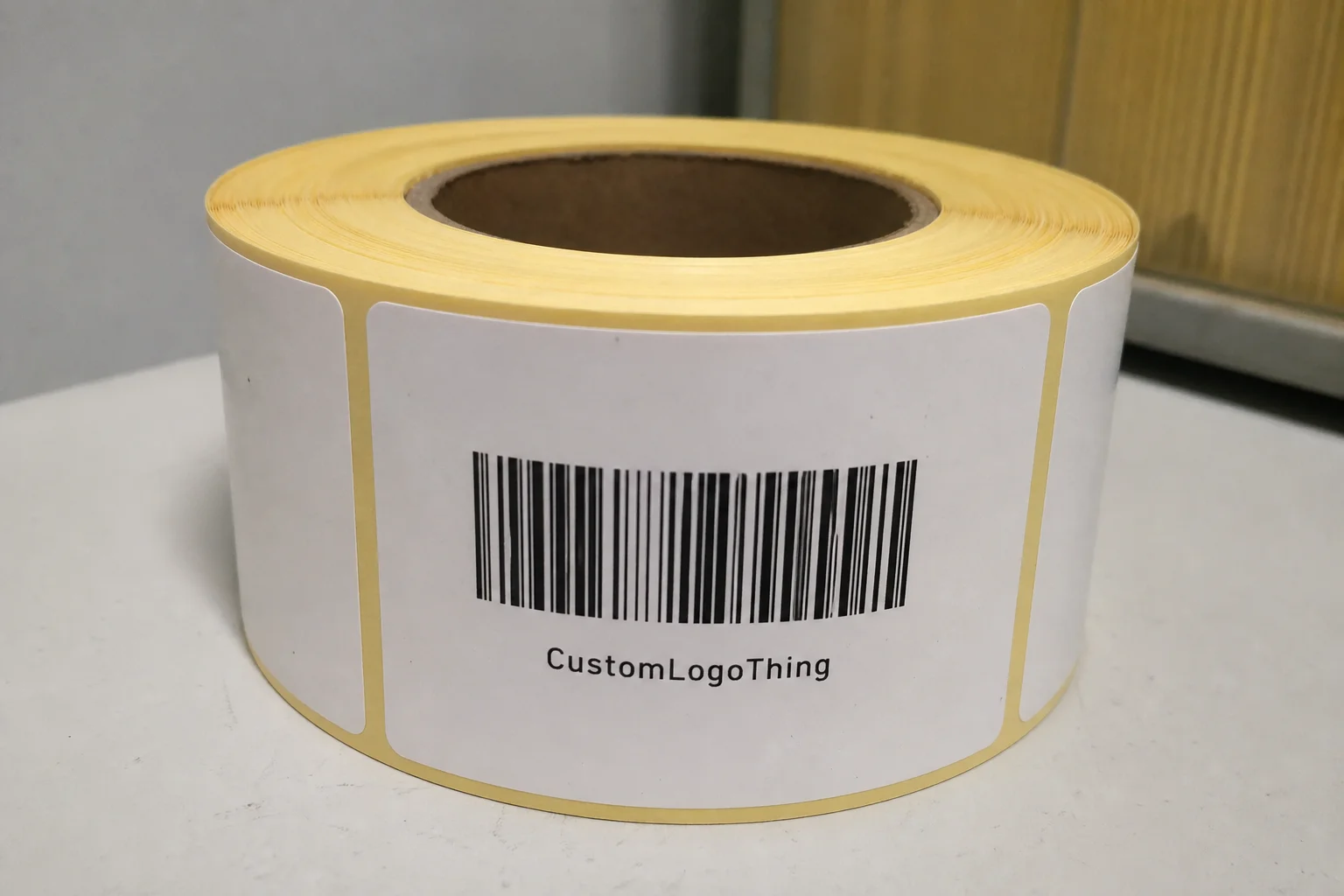
One unreadable barcode can slow a receiving dock in under 10 seconds. That does not sound dramatic until it happens 300 times before lunch. A custom barcode Labels Bulk Order is not a decorative purchase; it is an operational control point for inventory accuracy, shipment speed, retail compliance, and the labor cost hiding inside every manual entry.
Small label. Large consequence. A warehouse associate who keys in a SKU by hand may lose only 20 or 30 seconds per unit, but across 400 cartons that becomes more than three labor hours before anyone counts rescan attempts, supervisor checks, delayed ASN updates, or customer service fallout. For ecommerce fulfillment teams, food and beverage brands, supplement companies, cosmetics sellers, electronics distributors, and warehouse operators, barcode labels sit at the awkward intersection of packaging, data, and cash flow.
Buyers often underestimate barcode labels because the unit price looks tiny beside custom printed boxes, retail packaging, or primary product labels. The comparison is tempting and usually wrong. A carton can look excellent and still create a fulfillment problem if the barcode label smears, curls, scans inconsistently, or uses the wrong code type for the receiving system.
Ordering in bulk changes the economics. Unit cost often improves because setup, material handling, press calibration, proofing, slitting, and packing are spread across more labels. The larger gain is less visible: fewer emergency reorders, fewer mixed label batches, and less chance that a restock gets stuck while purchasing waits for replacement rolls.
Custom Logo Things supports barcode labels as part of a wider branded packaging system. That matters because a warehouse label should not fight the product label, carton ID, shipping sticker, or shelf-facing brand presentation. Buyers can align barcode labels with Custom Labels & Tags, product labels, branded cartons, and broader Custom Packaging Products so the package stays organized from production bench to retail shelf.
Practical rule: treat barcode labels like production components, not office supplies. If a label controls receiving, pick-pack accuracy, lot tracking, or retailer acceptance, it deserves a real specification.
Label Formats Built for Scanning, Storage, and Application
The right format for a custom barcode labels bulk order depends on how the label is applied, stored, and scanned. Roll barcode labels are common for dispensers, desktop label systems, semi-automatic applicators, and higher-volume packaging lines. Sheet labels make sense for office use, sample runs, low-volume SKU management, and teams applying a few hundred labels at a time. Individually cut labels work for kitting, field service packs, promotional bundles, or projects where operators need to grab one label without managing a roll.
Material selection is the next fork in the road. Paper labels are cost-effective for dry indoor use on cartons, sleeves, stockroom bins, and retail boxes. BOPP film gives better moisture resistance for chilled beverages, cosmetics, personal care items, and many food applications. Vinyl can be a stronger choice for rough handling, equipment tags, outdoor-adjacent storage, or surfaces exposed to abrasion. Thermal-compatible facestocks may be required if the label must pass through a direct thermal or thermal transfer printer before final use.
Adhesive is not a footnote. Permanent adhesive works for most cartons and retail units. Removable adhesive fits temporary labels, returnable containers, and controlled relabeling. Freezer-grade adhesive is built for cold storage, but the application temperature still matters. Aggressive adhesive can help on textured corrugated, certain plastics, powder-coated metal, and other difficult surfaces.
A common purchasing mistake is treating freezer storage and cold-temperature application as the same requirement. They are not. Some labels can survive freezing after they are applied at room temperature; others are formulated to bond while the package is already cold. The distinction affects both cost and failure risk.
Barcode types vary by channel. UPC and EAN codes appear heavily in retail. Code 128 is common for logistics, serialized tracking, and dense alphanumeric data. Code 39 still appears in industrial and warehouse environments. QR codes support URLs, authentication pages, warranty registration, or batch-level product information. Buyers may also need SKU labels, lot labels, expiration labels, warehouse location labels, and serialized asset tags in the same order.
Surface behavior deserves more attention than it gets. Corrugated cartons behave differently from glass jars, plastic bottles, poly mailers, metal components, clamshell packaging, and coated retail display boxes. Curves matter. Texture matters. Dust from corrugated fibers matters more than many buyers expect. A label that looks flat on a proof can wrinkle on a tapered bottle or lose contact on a recycled carton with a rough face.
Application method should be specified early. Hand-applied labels tolerate slightly more variation than automated lines, but even hand application benefits from consistent roll winding and liner quality. Desktop printers, semi-automatic applicators, and high-speed labeling lines may require exact core size, roll outer diameter, gap spacing, face-out or face-in winding, and unwind position. Those details sound minor until a line operator opens a box of Labels That Fit the artwork but not the machine.
Barcode Specifications That Prevent Failed Scans
Barcode performance is not created by artwork alone. Quiet zones, contrast, symbol size, print resolution, code type, surface finish, and scanner distance all affect readability. The barcode may look acceptable to a human and still fail repeatedly under warehouse lighting or at a retailer's receiving station.
Contrast is the starting point. Black bars on a white or very light background remain the safest specification for most applications because scanners need reflectance difference, not brand harmony. Metallic inks, heavy texture, tinted backgrounds, and low-contrast brand colors can reduce readability. A muted gray barcode on a kraft label may look refined in packaging design, but it can perform badly if the scanner cannot separate the bars from the background.
Print resolution and line sharpness become more critical as codes get smaller or denser. Small UPC labels, dense Code 128 labels, and serialized variable-data labels leave less room for ink spread, dot gain, or fuzzy edges. For many production label jobs, 300 dpi may be acceptable. Smaller codes or tight data density may call for higher-resolution output or adjusted sizing. Scanner environment, code type, substrate, and print method all change the answer.
Size also has to include the human layer. A barcode label may need the code itself, a human-readable number, SKU name, lot code, batch number, expiration date, country detail, compliance copy, and internal receiving information. If the design team chooses a 1 x 0.5 inch label before confirming data needs, somebody will end up shrinking the code or deleting useful text. Neither move helps inventory control.
Lamination and varnish can protect print from abrasion, moisture, oils, and repeated handling. Protection has tradeoffs. High gloss on a curved bottle can create glare. A thick laminate may stiffen a label and make edge lift more likely on a tight radius. Matte varnish can reduce glare but may affect contrast depending on ink density and surface texture.
For serialized or variable labels, data hygiene is non-negotiable. Buyers should supply barcode data in a structured spreadsheet or approved data file, with fields separated clearly for SKU, serial number, lot, expiration date, and human-readable copy. Screenshots and copied marketplace images are weak source files. They invite transcription errors, and a single bad column can replicate a mistake across thousands of labels.
Proofing should include visual review and scan checks before full production, especially for labels used by retailers, third-party logistics providers, or automated warehouse systems. Standards bodies such as ISTA focus heavily on transport testing, and while barcode labels are a different component, the principle carries over: test the package system under the conditions it will actually face.
Pricing, MOQ, and Unit Cost Drivers for a Custom Barcode Labels Bulk Order
Pricing for a custom barcode labels bulk order depends on label size, material, adhesive, print method, number of versions, variable-data requirements, finishing, roll quantity, and turnaround pressure. A plain 2 x 1 inch paper barcode label is a different product from a freezer-grade BOPP label with serialized Code 128 data and a protective varnish.
Bulk orders reduce unit cost because fixed work gets spread across the run. Setup, digital preparation, die selection or tooling, material handling, press time, slitting, inspection, and packing all have a cost before the first roll ships. Move from 5,000 labels to 25,000 labels and the price per label can drop materially, even though the total invoice is higher.
MOQ should be treated as a specification outcome, not a universal promise. Simple paper barcode labels may have flexible entry quantities. Specialty films, freezer-grade adhesives, laminated labels, unusual shapes, tight tolerances, or heavy variable data may require higher minimums because material rolls, setup time, and inspection labor do not shrink neatly for tiny runs.
The cheapest label is not always the lowest-cost label. If a label fails scanning, peels during transit, smears in a humid warehouse, or forces relabeling labor, the savings disappear quickly. Relabeling 2,000 units by hand can cost more than choosing the correct adhesive and finish at the start.
| Label specification | Typical use | Common cost driver | Buyer watchpoint |
|---|---|---|---|
| Paper roll barcode labels | Dry cartons, stockroom bins, retail boxes | Size, quantity, print coverage | Moisture and abrasion resistance are limited |
| BOPP barcode labels | Bottles, jars, cosmetics, chilled products | Film material and adhesive type | Test on curved or squeezable containers |
| Freezer-grade labels | Frozen food, cold-chain cartons, chilled storage | Adhesive chemistry and application temperature | Confirm whether labels are applied before or after chilling |
| Serialized barcode labels | Asset tags, lot tracking, warehouse control | Variable data setup and inspection | Supply clean data and verify start, end, and sequence rules |
Realistic quote inputs make pricing faster and cleaner: label dimensions, quantity, material preference, adhesive requirement, barcode type, number of SKUs, roll or sheet format, core size, delivery location, and deadline. If the same label supports branded packaging or retail packaging, include photos of the full package so placement and contrast can be checked.
Ask for price breaks at several quantities. The difference between 5,000, 10,000, and 25,000 labels can be meaningful because setup and press time are not linear. For purchasing teams, a quote should show cost per label, freight, setup fees if any, proofing terms, overrun policy, and reorder terms before approval. That makes the decision factual instead of emotional.
Process and Timeline From Barcode File to Finished Rolls
A good barcode label order starts with specification intake, not an artwork attachment. The typical process moves through artwork and data review, material recommendation, quote approval, proof creation, customer approval, production, quality checks, packing, and shipment. Skip the intake step and small errors travel far.
Data hygiene comes first for SKUs, serial numbers, lot codes, expiration dates, and QR destinations. A clean spreadsheet with one field per data type is easier to verify than a mixed PDF full of copied labels. Duplicates, missing digits, extra spaces, and inconsistent prefixes should be corrected before proofing because variable-data errors can multiply across thousands of labels.
Proofing is the buyer's control gate. Check barcode numbers against source data. Confirm human-readable text. Review SKU names, dimensions, roll direction, color, label count, and any compliance copy. If labels will be machine applied, roll orientation deserves special attention because the wrong unwind can halt an applicator even when the printed label is perfect.
Timelines vary. Material availability, order quantity, data complexity, finishing, die requirements, proof approval speed, and freight method all influence the calendar. Straightforward repeat roll labels may move faster after proof approval. Specialty materials, large multi-SKU runs, or serialized files with inspection requirements usually need more time.
Build buffer time before retail launches, warehouse moves, seasonal promotions, or new product introductions. Barcode labels are often needed before cartons can ship, before 3PLs can receive inventory, and before retailers will accept units into their systems. In practice, label delays can become carton delays, then fulfillment delays, then customer service tickets.
Rush production may be possible for some specifications, but rush does not remove the need for barcode verification and proof approval. Speed without data control is expensive. Reorders are cleaner because the approved material, die, artwork, barcode rules, and roll specifications are already documented. For companies ordering through Wholesale Programs, that documentation can help purchasing teams repeat the same spec across planned restocks instead of rebuilding the order from memory.
Common Ordering Mistakes That Raise Costs or Delay Shipments
The first mistake is choosing label size before confirming barcode dimensions, quiet zones, and human-readable information. Designers often want labels as small as possible. Operations teams need labels large enough to scan, read, and apply without drama. The winning size is the one that works on the actual package.
The second mistake is using low-resolution barcode images pulled from screenshots, PDFs, marketplace dashboards, or old label photos. Production needs generated barcode data or clean vector artwork whenever possible. A barcode that has been resized, compressed, or copied multiple times may have distorted bars even if it looks acceptable on a screen.
Adhesive mismatch is another quiet cost in a custom barcode labels bulk order. A label that holds on a smooth retail box may fail on cold corrugated, dusty cartons, oily plastic, curved bottles, textured paperboard, or metal parts. ASTM adhesive and material test methods are often used across packaging and materials evaluation, and the lesson is blunt: surface energy, temperature, and handling conditions change performance. The FSC framework is also relevant when buyers specify paper-based labels or packaging materials with responsible sourcing requirements.
Too many small SKU versions can raise cost unless the order is organized carefully. If 40 SKUs share the same size, material, adhesive, and print setup, the job may be easier to group. If every SKU changes size, color, finish, and data structure, setup complexity increases quickly.
Roll direction errors deserve more attention. Applicators and dispensers may need a specific unwind position, gap, core, or roll outside diameter. A label wound the wrong way can turn into downtime even though the barcode scans perfectly.
Compliance risks sit in the same category. Incorrect UPC assignments, missing lot information, poor contrast, barcodes placed over folds, and labels crossing carton edges can cause retailer rejections or warehouse exceptions. For regulated categories such as supplements, food, cosmetics, and electronics, buyers should verify required text before ordering.
The prevention method is practical: send a sample package if available, or at least send a surface photo, existing label, scanner requirement, and application method before quoting. The more real-world detail supplied upfront, the less guesswork enters barcode label printing.
What Should You Include in a Custom Barcode Labels Bulk Order?
A custom barcode labels bulk order should include label dimensions, total quantity, barcode symbology, barcode data, SKU count, material, adhesive, application surface, roll or sheet format, core size, roll direction, deadline, and delivery location. If the label is part of a wider product packaging or package branding system, include that context early.
Send artwork files, barcode data, existing packaging photos, and any retailer or warehouse requirements at the start of the quote process. A receiving guide from a retailer, a 3PL label instruction sheet, or a scanner requirement can prevent expensive redesign later. If the required barcode type is unclear, flag that before files are built.
Custom Logo Things can align barcode labels with custom product labels, shipping stickers, box labels, custom printed boxes, and branded carton systems. That alignment is not about decoration. It helps purchasing, packaging design, fulfillment, and inventory teams work from the same specifications instead of managing disconnected label vendors for each packaging component.
Request quantity price breaks and reorder documentation. A useful quote should let your team compare the current run against future inventory needs: 5,000 labels for a short restock, 10,000 for a rolling production schedule, or 25,000 for a more stable SKU. Reorder notes should include material, adhesive, size, core, roll direction, barcode rules, and approved artwork version.
Approval discipline matters. Check proofs against source data, not memory. Scan test samples where possible. Verify roll orientation before production begins. For variable data labels, confirm start and end numbers, duplicate rules, and any skipped sequences. A five-minute proof review can protect thousands of labels.
For a bulk barcode label quote, prepare the label size, quantity, barcode type, material needs, adhesive requirements, application surface, SKU or serial data, roll or sheet preference, and delivery deadline. With those details, the discussion can focus on scannable labels, firm specifications, and practical restock timing instead of guesswork.
FAQ
What information do I need for a custom barcode labels bulk order?
Provide label size, total quantity, barcode type, barcode data, number of SKUs, material preference, adhesive requirement, application surface, roll or sheet format, core size, roll direction, and deadline. Photos of the package or surface help confirm adhesive choice, label size, and barcode placement before production.
Can you print serialized barcode labels in bulk?
Yes, serialized barcode labels can be produced when the data is supplied in a clean spreadsheet or approved data file. The proofing step should verify start and end numbers, sequence rules, human-readable text, prefixes, skipped numbers, and duplicate prevention requirements.
What is the MOQ for a custom barcode labels bulk order?
MOQ depends on label size, material, adhesive, finishing, and whether the order uses static or variable data. Simple paper barcode labels usually have more flexible minimums than specialty film, freezer-grade, laminated, or highly customized labels.
How long does bulk barcode label production take?
Lead time depends on material availability, artwork readiness, quantity, variable-data complexity, proof approval speed, finishing requirements, and shipping method. Reorders are often faster because the approved specifications, artwork, and barcode rules are already on file.
How do I keep custom barcode labels scannable?
Use high-contrast printing, adequate barcode size, clean quiet zones, sharp source files or generated barcode data, and a material that suits the package surface. Test scans before full production when labels will be used by retailers, warehouses, or automated fulfillment systems.