Barcode Labels Unit Cost Breakdown: Request a Quote
What a Barcode Label Really Costs on the Line
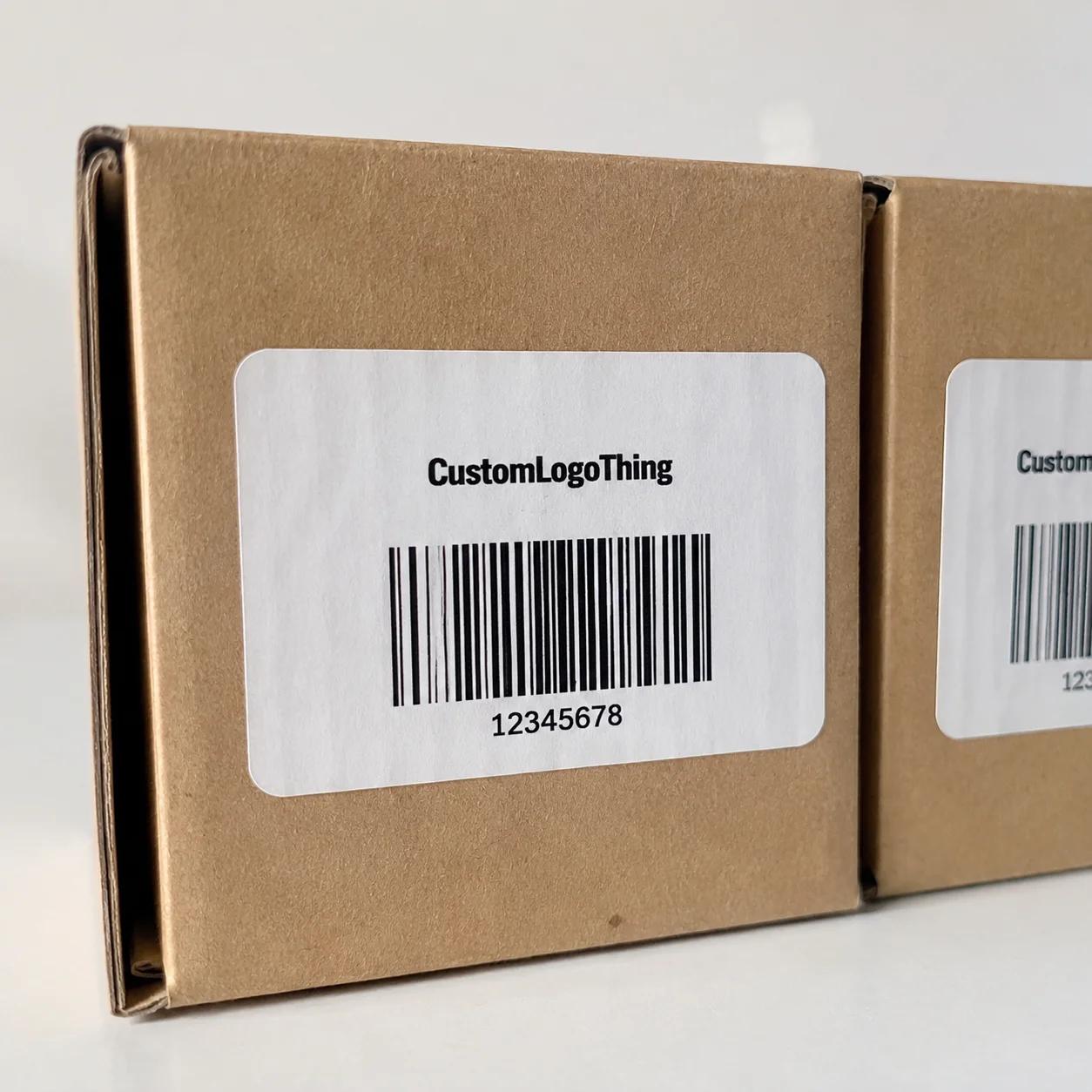
A barcode label that costs a fraction of a cent more can still be the cheaper label. Not on the invoice, maybe. On the line. If it scans cleanly, stays attached through handling, and keeps a receiving dock or packing station moving, the math changes quickly. A practical barcode labels Unit Cost Breakdown includes more than paper, ink, and adhesive. It includes material selection, print method, roll setup, inspection requirements, order volume, and the conditions the label has to survive.
Those conditions are rarely identical from one job to the next. A 2 x 3 inch shipping label on clean corrugated has a different job than a 1 x 1 inch QR code on a curved bottle. A freezer label on a seafood case faces different failures than a drum label exposed to abrasion and chemical splash. The lowest unit price can look tidy in a spreadsheet, then lift at the corner after 48 hours in cold storage. Or smear just enough that a scanner reads it once, fails twice, and turns a five-second task into a small operational dispute.
For purchasing, the quote should separate cost drivers from performance safeguards. Face stock, adhesive, liner, print process, color count, roll format, variable data printing, and barcode verification all affect pricing. Not every job needs every premium option. That is where many label quotes become cloudy: buyers see a cost per label, but not which choices protect scan rate and which choices merely add expense.
Custom Logo Things helps buyers compare barcode label options with enough detail to make a defensible production decision. The aim is predictable pricing, fewer rejected scans, less downtime on application equipment, and labels matched to the product, packaging surface, and distribution path. Buyers reviewing related custom printed label options can also visit Custom Labels & Tags before sending specifications for a quote.
Practical buying rule: the best barcode label is not always the lowest quoted unit cost. It is the lowest total cost label that scans, sticks, and moves through your operation without avoidable rework.
Unit Cost by Material, Adhesive, and Print Method
A dependable barcode labels unit cost breakdown starts with construction. The major cost drivers are face stock, adhesive system, liner, ink or thermal transfer ribbon compatibility, die cutting, roll finishing, inspection, packing, and freight. On a simple stock paper roll label, material may carry most of the cost. On a small serialized label with tight inspection requirements, prepress, data handling, and quality checks can take a larger share than buyers expect.
Direct thermal paper is usually chosen for short-life shipping, warehouse, and logistics labels. It does not need a ribbon, which can reduce the system cost. The trade is durability: the image is sensitive to heat, sunlight, abrasion, and time. Thermal transfer paper uses a ribbon and usually holds barcode readability longer, making it a better fit for inventory labels, product identification, and warehouse storage.
Films cost more, but they earn their place when paper cannot survive the job. Polypropylene is a common step up for moisture resistance on bottles, pouches, and some refrigerated products. Polyester is usually the stronger choice for long-term asset labels, chemical exposure, abrasion, outdoor use, and durable goods. Specialty films can be specified for high heat, low temperature, heavy abrasion, or chemical contact. Those constructions may require special-order material and a higher MOQ.
Adhesive is often the quiet cost driver. General-purpose permanent adhesive is the baseline for many carton and retail labels. Freezer-grade, removable, high-tack, low-surface-energy, wash-resistant, or chemical-resistant adhesives raise the cost because the adhesive chemistry has to do more work. A low-surface-energy plastic pail, powder-coated metal part, or flexible pouch with surface movement may need a different adhesive than standard kraft corrugated.
Print method changes the economics too. Blank or preprinted rolls are common when the buyer prints variable data in-house on thermal transfer equipment. Digitally printed barcode labels are useful for shorter runs, multiple SKUs, variable data, and frequent artwork changes. Flexographic production often makes sense for larger repeat runs because setup charges and tooling fees are spread across more labels. Hybrid production can combine branded graphics, color bands, static warnings, and variable barcode data in one practical format.
| Label Construction | Common Use | Typical Cost Position | Buyer Watchpoint |
|---|---|---|---|
| Direct thermal paper with permanent adhesive | Short-life shipping and logistics labels | Lowest baseline for many stock sizes | Heat, light, and abrasion can reduce readability |
| Thermal transfer paper with ribbon match | Warehouse, inventory, and product ID labels | Moderate cost per piece plus ribbon | Ribbon grade must match face stock and durability needs |
| Polypropylene film with permanent adhesive | Moisture-prone packaging, bottles, and pouches | Higher than paper, usually lower than polyester | Curves and squeeze movement may need adhesive testing |
| Polyester film with specialty adhesive | Durable goods, chemicals, outdoor, and abrasion-heavy use | Premium construction | Overbuilding adds cost if the environment is mild |
Barcode symbology also affects production. Code 128, UPC, EAN, QR, Data Matrix, and GS1 formats have different space needs, quiet zones, and verification expectations. Dense 2D codes on small labels require sharper print resolution and cleaner contrast than a large carton code. A useful quote prices the practical construction instead of defaulting to the most expensive material, which helps purchasing compare true unit cost against actual performance requirements.
How Barcode Label Unit Cost Is Calculated
Barcode label unit cost is calculated by combining fixed production costs with variable label costs, then dividing the total by the order quantity. Fixed costs may include artwork review, prepress, plate work, die setup, machine make-ready, data setup, and inspection planning. Variable costs include face stock, adhesive, liner, ink, ribbon compatibility, press time, finishing, packing, waste allowance, and freight.
That formula sounds simple. It is not simple in practice. A 10,000-label order with one static UPC spreads setup across the run. A 10,000-label order with five SKUs, serialized QR codes, and separate roll counts behaves more like several smaller jobs sharing one purchase order. The cost per label rises because file handling, version control, proofing, roll changes, and inspection take more time.
The cleaner way to read a barcode labels unit cost breakdown is to sort each cost into three groups: required performance, production efficiency, and optional finish. Required performance includes the material, adhesive, barcode contrast, and verification level needed for the label to scan and stay attached. Production efficiency includes quantity, roll format, number of versions, and standard versus custom tooling. Optional finish includes extra color, lamination, flood coating, or specialty presentation details that may matter for retail branding but do not always improve scan performance.
For buyers, this distinction is useful. It reveals which choices lower pricing without creating risk. A standard rectangle may remove tooling cost. A common stock material may reduce MOQ. Consolidating versions may improve bulk pricing. But removing a freezer adhesive from a cold-chain label is not savings; it is deferred rework.
Specifications That Protect Scan Rate and Label Performance
Good label pricing starts with good specifications. Before pricing, provide the label size, finished roll width, core size, outside roll diameter, unwind direction, number across, gap or black mark sensing, and whether the labels are hand-applied or machine-applied. A 3 inch core with an 8 inch maximum outside diameter is not the same production setup as a 1 inch core roll made for a small desktop printer.
Barcode content needs the same discipline. Code 128, UPC-A, EAN-13, QR codes, Data Matrix, GS1-128, serialized numbering, batch codes, lot codes, expiration dates, and variable data files all change how artwork and production are prepared. A file with 50,000 sequential numbers carries a different risk profile than a static carton label. Duplicate prevention and data control deserve attention before the job reaches production.
Scan quality depends on small physical details. Contrast between bars and background must be strong enough for the scanner. Quiet zones need to remain clear. X-dimension has to fit the scanner and the print method. Ink spread, thermal sensitivity, ribbon resin level, and glossy surfaces can all affect readability, especially on small labels or curved containers. These details belong in the cost discussion because inspection and print control are real costs, not decorative extras.
Standards and test methods give buyers a more stable language for performance. Barcode verification may follow ISO/IEC grading practices depending on the application. Distribution packaging may be tested under protocols from ISTA. For material claims, chain-of-custody paper sourcing can involve FSC certified stocks when available and appropriate for the label construction.
Environment is where many surprises appear. Refrigeration, freezer storage, condensation, warehouse heat, sunlight, abrasion, chemical exposure, corrugated dust, flexible pouch movement, and curved bottle surfaces can all change the right face stock and adhesive. A label for a chilled beverage bottle may need moisture resistance and a stronger adhesive than a label on a dry folding carton, even if both carry the same UPC.
Compliance and operational rules also affect the quote. Retail barcode requirements, warehouse receiving rules, inventory tracking, healthcare traceability, food traceability, tamper evidence, and sequential numbering can add inspection or documentation steps. Strong specifications prevent quote revisions, production delays, and labels that look acceptable in an office but fail during actual handling.
Pricing, MOQ, and Quote Variables Buyers Should Expect
Unit cost usually drops as quantity increases because setup, file preparation, tooling, plate work, press make-ready, inspection setup, and production waste are spread across more labels. On a short run, those fixed costs can be a meaningful share of the quote. On a larger run, the same fixed costs become much smaller per label. That is why bulk pricing often shows a visible drop at practical quantity breaks.
MOQ is not just a sales rule. Minimum order quantity depends on material availability, roll configuration, print method, die size, variable data complexity, and whether the construction uses a stock material or a special-order face stock or adhesive. A stock 4 x 6 inch direct thermal label may have a lower minimum than a custom-shaped polyester label with a low-temperature adhesive and sequential Data Matrix codes.
For a clean barcode labels unit cost breakdown, Custom Logo Things will typically need total quantity, number of SKUs, label dimensions, color count, static versus variable data, roll or sheet format, application method, substrate surface, operating environment, and shipping destination. Freight is part of landed cost. Heavy rolls can change the economics on high-volume jobs more than buyers expect.
Common adders include lamination, varnish, flood coating, color matching, sequential numbering, barcode verification, specialty adhesives, small roll counts, rush production, split shipments, and custom tooling. A laminate may be smart for abrasion, chemicals, or long storage, but unnecessary for a short-life carton label. The same logic applies to premium adhesives: pay for them when the surface or environment requires them, not because the word "premium" sounds safer.
The cheapest construction is not always the best financial choice. If a low-cost label causes scan failures, relabeling labor, returned cartons, or slowdowns at packing stations, the apparent savings can vanish quickly. Ask for price breaks at two or three quantities, request a material recommendation, and compare total landed cost instead of only the printed label unit price.
| Quote Variable | Why It Affects Cost | Practical Buyer Guidance |
|---|---|---|
| Quantity and number of SKUs | Setup and inspection time are spread across the run | Request breaks at two or three quantities |
| Material and adhesive | Paper, film, and specialty adhesives carry different raw material costs | Match construction to surface and environment |
| Variable data | Files, numbering rules, proofing, and inspection add handling time | Send clean spreadsheets and clear sequence rules |
| Roll configuration | Core size, unwind, outside diameter, and roll count affect finishing | Confirm applicator or printer requirements early |
| Tooling and dies | Custom shapes or nonstandard sizes may require tooling fees | Use standard sizes when they fit the application |
A strong quote should make these variables visible enough for purchasing to challenge assumptions. If two quotes differ by 18%, the answer may be material, roll count, inspection level, freight, or a different view of spoilage. Without the breakdown, that difference is just a number.
Proofing, Production Steps, and Lead Time
The usual order path is direct: quote request, specification review, material recommendation, artwork and data file check, digital proof, approval, production scheduling, printing, finishing, quality checks, packing, and shipment. Clean information at the start removes pauses later. A missing unwind direction can hold up a job just as easily as missing artwork.
Prepress is where small details get caught before they become expensive. Barcode size, quiet zones, human-readable text, numbering sequence, color contrast, dieline fit, roll direction, and file format are checked before production. Vector artwork is preferred for logos and static graphics. Variable data should arrive in a clean spreadsheet with columns labeled clearly for SKU, serial number, lot code, date, or URL.
Proofing can be simple or more involved depending on risk. A PDF proof is usually enough to confirm layout, data structure, human-readable text, and general barcode placement. A printed sample or material drawdown makes sense when adhesive, face stock, color, or surface performance is critical. Barcode verification can be added when the application requires tighter scan assurance, especially for retail, healthcare, regulated inventory, or major distribution programs.
Lead time depends on material availability, custom die needs, plate or tooling preparation, quantity, number of versions, variable data complexity, inspection requirements, and the current production schedule. Standard jobs with approved files and available material move faster. Specialty adhesives, custom constructions, and large serialized runs need more planning time because material sourcing, data control, and inspection cannot be rushed without adding risk.
Buyers can protect the schedule by approving proofs quickly, providing clean data files, confirming roll direction early, and avoiding label size changes after tooling or setup has begun. One simple mistake, such as changing from outside-wound to inside-wound after the applicator team reviews the order, can force rework in finishing. That costs time.
Production teams that already manage branded packaging, carton labels, or product ID labels may benefit from keeping the quote tied to the same specification language used on Custom Labels & Tags. Shared terminology reduces back-and-forth and helps purchasing compare cost per piece across related programs.
How Custom Logo Things Builds Barcode Labels for Purchasing Teams
Purchasing teams need clear, comparable information. Custom Logo Things can translate product use, packaging surface, application method, and distribution environment into a label construction that is priced honestly and built for the job. The quote should make sense to a buyer, a warehouse lead, a packaging engineer, and the person who has to load the rolls on the printer or applicator.
Manufacturing support can cover custom sizes, roll or sheet formats, static and variable printing, branded label options, adhesive matching, and production-ready artwork review. A plain functional inventory label may only need black print on thermal transfer paper. A branded barcode label for retail packaging may need color control, a clean white background behind the code, and enough quiet zone to pass scanner checks.
Technical questions matter because barcode labels are small but operationally heavy. A poor adhesive can interrupt shipping. An unreadable code can slow receiving. Duplicate serial numbers can create inventory confusion. A label that curls on the liner can feed poorly through an applicator, even if the print itself looks fine.
Good sales support should ask direct questions, identify unnecessary cost drivers, recommend practical alternatives, and provide price breaks so the purchasing team can balance budget and performance. If a general-purpose permanent adhesive will work, there is no reason to push a more expensive specialty adhesive. If the label will see condensation, freezer storage, or abrasion, the barcode labels unit cost breakdown should show that clearly because the extra cost is doing real work.
Custom Logo Things can support plain barcode labels, branded barcode labels, shipping and carton labels, product identification labels, inventory labels, compliance labels, and durable film labels. The goal is not to oversell premium materials. The goal is to make sure the label scans, sticks, and moves through production with the least avoidable waste.
Before You Request a Barcode Label Quote
Before requesting pricing, confirm the basic production details: label dimensions, application surface, operating environment, barcode type, quantity, number of versions, roll direction, core size, and whether the label will be printed in-house or fully printed by the manufacturer. If the label runs through a printer or applicator, check the equipment manual for core size, maximum outside roll diameter, label gap, and unwind direction.
Gather photos or samples of the packaging surface whenever possible. Curved containers, textured cartons, cold-chain products, squeeze bottles, pouches, and powder-coated metal surfaces can change the adhesive recommendation. A quick photo of the label location can prevent a quote based on the wrong assumption.
Prepare artwork and data files early. Vector artwork is best for logos and static marks. Barcode data should be organized in a clean spreadsheet, with numbering rules, SKU lists, human-readable text, and compliance requirements from retailers or distributors included before proofing begins. For serialized work, confirm whether numbers can repeat across SKUs or must remain unique across the full order.
Ask for material options when the application has risk. A useful quote may show one economical baseline, one recommended construction, and one higher-durability option for moisture, abrasion, cold, chemicals, or long storage. That gives purchasing a real comparison instead of a single number without context.
Send Custom Logo Things the specifications, application details, and target quantity to prepare a barcode labels unit cost breakdown that shows what drives the price and which construction makes the most sense for production. For buyers comparing MOQ, setup charges, bulk pricing, and landed cost, that clarity is the difference between buying labels and buying labels that actually work.
FAQ
What information is needed for a barcode labels unit cost breakdown?
Provide label size, total quantity, barcode type, material preference if known, adhesive requirements, roll or sheet format, color count, application surface, storage conditions, and whether data is static or variable. For roll labels, include core size, outside roll diameter limits, unwind direction, and whether labels will be hand-applied or run through an applicator.
Why does barcode label pricing change so much by quantity?
Setup, prepress, tooling, press make-ready, inspection, and production waste are shared across the order, so larger runs usually reduce the unit cost. Material buying efficiency and roll finishing also improve at higher quantities, especially when the job uses a common stock construction.
Are direct thermal barcode labels cheaper than thermal transfer labels?
Direct thermal labels are often lower cost because they do not require ribbon, but they are more sensitive to heat, light, abrasion, and time. Thermal transfer labels usually cost more as a system, yet they are a better fit for longer-life identification, warehouse storage, durable goods, and tougher environments.
How can I lower my barcode labels unit cost without hurting scan quality?
Use standard label sizes when possible, consolidate SKUs, order at practical quantity breaks, avoid unnecessary laminates or specialty adhesives, and confirm barcode size and contrast before production. The most reliable cost reduction comes from matching the material to the real use case instead of choosing the lowest-cost construction blindly.
Can Custom Logo Things quote barcode labels with variable data?
Yes, variable data such as serial numbers, SKU codes, lot numbers, QR codes, Data Matrix codes, and sequential numbering can be quoted when the data structure and file format are clear. Clean spreadsheets, numbering rules, and proof approval help prevent delays and reduce the risk of duplicate or unreadable codes in the final quote.