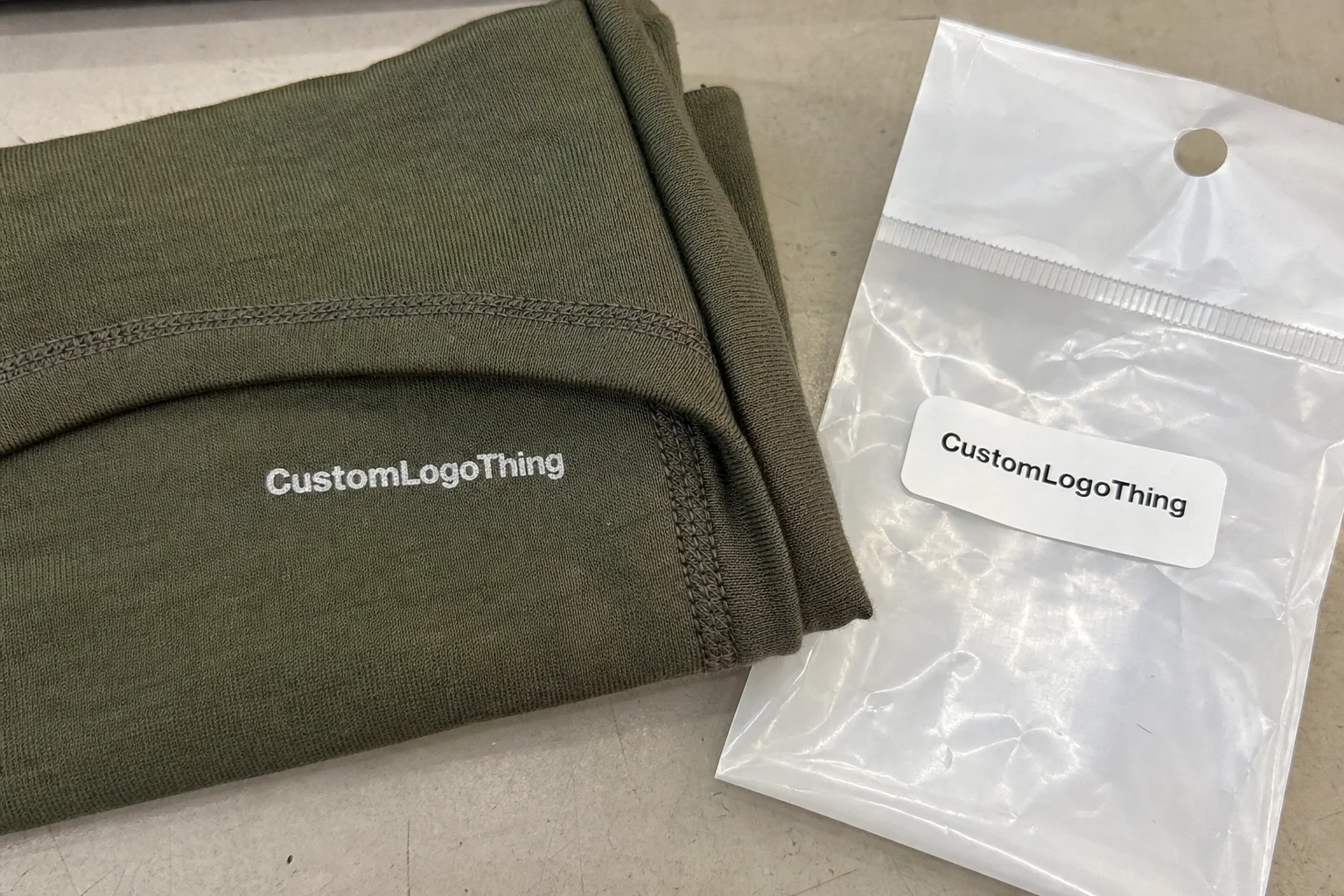
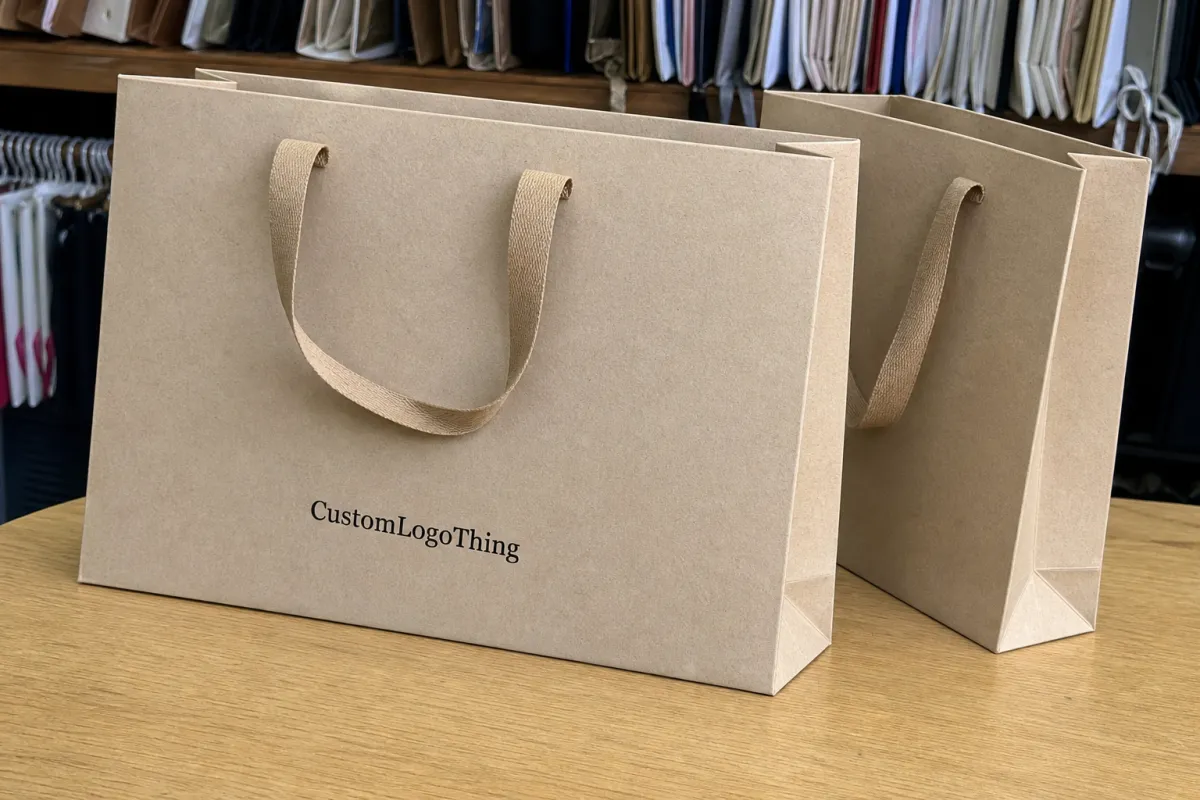
Buyer Fit Snapshot
| Best fit | personalized packaging for coffee brand conversions for packaging buyers comparing material specs, print proof, MOQ, unit cost, freight, and repeat-order risk where brand print, material, artwork control, and repeat-order consistency matter. |
|---|---|
| Quote inputs | Share finished size, material target, print colors, finish, packing count, annual reorder estimate, and delivery region. |
| Proofing check | Approve dieline scale, logo placement, barcode or warning zones, color tolerance, and any recyclable or compostable wording before bulk production. |
| Main risk | Vague material claims, crowded artwork, or missing packing details can create delays even when the unit price looks attractive. |
Fast answer: Personalized Packaging for Coffee Brand Conversions: Dieline, Finish, Proof, and Buyer Review should be specified like a repeatable production item. The safest quote includes material, print method, finish, artwork proof, carton packing, and reorder notes in one written spec.
What to confirm before approving the packaging proof
Check the product dimensions against the actual filled item, not only the sales mockup. Ask for tolerance on folds, seals, hang holes, label areas, and retail display edges. If the package carries a logo, QR code, warning copy, or legal claim, reserve that space before decorative graphics fill the panel.
How to compare quotes without losing quality
Compare board or film grade, print process, finish, sampling route, tooling charges, carton quantity, and freight assumptions side by side. A lower quote is only useful if the supplier can repeat the same color, closure quality, and packing count on the next order.
Why Personalized Packaging for Coffee Brand Feels Like a Signature Brew
The first time I stepped onto the Custom Logo Things Greensboro pressroom, a production lead leaned over the fanned-out coffees and told me that 68% of specialty coffee buyers decide whether a roast is serious within the first three seconds of seeing a bag—so that sense of instant judgment became the heartbeat of our discussion about personalized Packaging for Coffee brand, where a $0.03 foil-stamped valve sourced from the PPG supply line and an embossed origin panel pressed on a Heidelberg Speedmaster can feel like a warm handshake in a crowded marketplace. Honestly, I think those three seconds are the most honest moments in retail; you either earn the inhale or you’re swiped left by a caffeinated shopper. I still carry that metric into every briefing because it keeps everyone honest about how the first impression locks into aroma expectations.
Defining personalized packaging for coffee brand is about more than colors and logos; it is about tailored sizes, tactile finishes, bespoke typography, storytelling panels that wrap around bricks or pillow packs, and purposeful adhesives such as 3M 300LSE that hold gussets or Apply-A-Seal strips in place, creating not just a look but a tactile conversation that introduces roast profile, region, and the ethos of the grower before the lid even comes off. I remember when our art director insisted the type should almost pant like the beans themselves, and we ended up with a cover that winks at the farmer while promising a deep, syrupy sip. It’s kinda like choreographing a cupping table where every gesture tells the next guest what to expect.
Most people miss that the conversation continues in the hands of the customer. One hot summer on a raw acetate lamination line, we swapped a standard kraft substrate for a custom tactile coating cured at 320°F on 350gsm C1S artboard, and the perceived freshness shot up because the aroma still escaped through the pressurized valve exactly when shoppers expected it, yet the exterior remained velvet-smooth for a more Premium Unboxing Experience; that personalized packaging for coffee brand communicated “freshness” before the beans did. (I swear, the valve is like a tiny trumpet announcing arrival.)
How Personalized Packaging for Coffee Brand Comes Together
The personalized packaging for coffee brand journey starts in our design lab just off the Greensboro bay doors, where sketch artists loop roasters through substrate samples, lining up SBS boards, kraft laminates, and compostable PLA windows while framing timelines; from that discovery call through CAD dielines, proofing, and a final ship date, we typically operate on a four to six week cadence, depending on finishes and ingredient sourcing, with the average 10,000-piece run from proof approval to dock date taking 13 business days when shipments leave our Greensboro facility bound for Denver or Vancouver. I always tell clients, “Bring your questions early—otherwise you’ll spend two weeks wondering if a foil stamp will peel during an overnight flight to Denver.” That cadence also gives importers time to coordinate customs paperwork and roasters room to schedule their cupping sessions.
In that timeline, art directors define graphics and our structural engineering team builds dielines in AutoCAD; those designs then move through pre-press checks on the Heidelberg 4-color offset press before the MPS flexo laminator bonds barrier films. Along the way we keep personalized packaging for coffee brand projects tied to checkpoints for platemaking, press checks, and first-run samples, ensuring the creative intent survives every die cut while the press operator confirms register marks align with laser-cut windows. I’ve seen the room go quiet when a roaster previews a first-run sample—it’s like watching a barista taste a first pull.
Food-safe liners, nitrogen flushing, and valve placement are not afterthoughts; they are essential to the personalized packaging for coffee brand promise. On the finishing floor we seal folded and glued bags, attach degassing valves with robotic pickers sourced from our Cleveland automation partner, and run nitrogen flushes at 60 PSI to lock in aroma so the package that leaves our dock is the same one that will sit unwrapped in a café or subscription box—protecting aroma while telling a brand story. We’re gonna double-check adhesives and humidity logs at every station, yet I still remind the team that extreme humidity shifts during shipping can pull a valve away if the storage plan doesn't keep things cool.
Key Factors That Make Custom Coffee Packaging Sing
Material selection is the first act in crafting personalized packaging for coffee brand. From our laminating room we compare single-wall kraft, SBS cartons, and compostable PLA window combinations, each tested against oxygen transmission in the Custom Logo Things rig before a run starts, so you know whether that coffee block will stay bright through a 12-week retail cycle with the aroma locked in. I genuinely believe choosing a substrate is like picking a permanent color for your brand’s tattoo—once it goes out the door, it carries your promise to another city with the same texture and sheen you selected in Greensboro.
Functional considerations like valve placement, gussets, resealable zippers, and heat-seal tabs are how personalized packaging for coffee brand delivers on freshness and usability promises. On the coffee species we run for a Seattle micro-roastery, a quirky gusset profile required us to slow the filling line by two seconds, but because the valve sits in the center of the front panel, shoppers still get that “open and inhale” moment with a brand identity that screams “single origin care.” I won’t lie, I was nervous those two seconds wouldn’t make a difference, but the feedback came back louder than a drum roll.
For the design impact we lean into Pantone 2338C inks, tactile lacquer, embossing, and spot UV to highlight tasting notes while always keeping commodity regulations and shelf standards in mind—the same panels that describe tasting notes in a café also have to hold up in retail packaging stacks and e-commerce shipments. I use branded packaging language with clients to describe how these choices create a story that continues from packaging design to the unboxing experience in a subscriber’s kitchen. Honestly, if your packaging can’t handle a tumble on the back of a delivery truck in Charlotte, it won’t survive the rogue bagel sandwich bump at 7 a.m.
Step-by-Step Guide to Building Personalized Coffee Packaging
Step 1: Discovery captures roasting profile, pacing, target audience, and shelf scenario in a consultation at Custom Logo Things; we walk roasters through tactile swatches, barrier options, and even the way their espresso setup interacts with the bag so the creative concept honors both aroma and feel while stacking correctly on a retail shelf. I remember a roaster who brought his grandmother’s coffee scoop to the meeting, insisting the scale of the logo needed to match that scoop’s handle—touching the beans matters, and we listened. When people talk about personalized packaging for coffee brand, they often forget how those early conversations frame adhesive decisions that keep valves secure without tearing the peel.
Step 2: Prototyping and proofing turns ideas into reality through dielines, digital proofs, and full-size mock-ups. Every personalized packaging for coffee brand concept receives a printed proof on a Heidelberg sheetfed, then we create a physical prototype to test opening rituals with actual espresso machines, ensuring the package feels balanced in hand before we commit to a full run. I’m convinced the ritual of testing a new valve is about as suspenseful as waiting for a slow drip coffee to finish, especially when the first prototype carries a printed tasting note panel that matches the actual cupping notes from Origin Coffee Lab.
Step 3: Sampling through scale marks the transition from prototype to production. We run small sample batches on the finishing line, capture QA data in our Greensboro quality lab (including peel strength above 3.5 lbf), and gather approvals at the offset press and on the folder gluer before full lots are wrapped. These checkpoints let us confirm sealing strength, valve adhesion, and how the custom printed boxes perform on the pallet, so no surprises show up when the first shipment arrives at your fulfillment center.
Budgeting and Pricing Personalized Packaging for Coffee Brand
Budgeting for personalized packaging for coffee brand calls for honesty about cost drivers. Substrate choice, printing complexity, laminates, special finishes, and secondary pieces like sleeves or gift boxes all raise the per-unit figure, and we always run the numbers with clients, because a gloss coat over spot metallics might add $0.10 per bag yet allow for a compelling package branding story that lifts perceived value. I’ll admit, I get a little giddy when a creative director accepts the $0.10 and says, “Let’s go full art gallery.” (Even if the CFO groans in the background.)
Tiered pricing is our friend. For example, Custom Logo Things standard pricing bands look like this:
| Run Size | Price Per Bag | Typical Finishes Included | Lead Time |
|---|---|---|---|
| 5,000 pieces | $0.42 with gloss lamination | Foil valve, matte varnish | 18 business days from proof approval |
| 10,000 pieces | $0.35 with soft-touch spray | Resealable zipper, spot UV | 15 business days from proof approval |
| 25,000 pieces | $0.28 with dual-layer barrier | Embossing, compostable window | 12 business days from proof approval |
Seeing how the per-unit falls by several cents as volume grows, I often advise roasters to plan for multiple SKUs in one project. The personalized packaging for coffee brand spend becomes more of a strategic marketing budget than a simple production expense when you factor in long-term savings: durable construction reduces returns, better shelf presentation shortens sell-through, and improved barrier performance keeps your roast tasting like it just left the roaster. Honestly, if you can afford that second SKU, your marketing team will thank you (and maybe even buy you lunch).
We also look at materials from an ROI standpoint—food-grade SBS boards cost a few cents more but consistently lower moisture migration, an advantage that pays dividends for single-origin beans shipped across states. You can even talk to our team about co-managing pallets with your roastery so the distribution costs stay predictable and your product packaging stays aligned with demand. (Adhesive selection, I swear, has its own weather pattern: too sticky, and you can’t get the bag open; not sticky enough, and the valve peels off like a bad sticker.)
Common Mistakes to Dodge When Designing Coffee Packaging
Overcomplicating structure is a trap. I remember a client who insisted on an elaborate stepped geometry for their personalized packaging for coffee brand, only to discover that the design needed a secondary sealer on the filling line, which pushed back the launch by three weeks and cost the roaster an unexpected setup fee; keeping designs streamlined keeps filling speeds high and reduces machine wear on equipment like our Newman 1-2-3 filler. I was ready to toss myself into the next lamination pit out of frustration, but we pulled it back together.
Forgetting the bean story is equally dangerous. A coffee label that loses provenance, roast level, or tasting notes under oversized logos or metallic noise confuses consumers. The best personalized packaging for coffee brand balances brand identity cues with clear hierarchy so everyone from baristas to subscribers gets the story at a glance. I make a point of pulling a bag and reading it aloud to the team as if we’re at a cupping table—if it sounds awkward, we tweak it.
Ignoring logistics can sideline product before it leaves your warehouse. Our Burlington fulfillment crew catches mismatched pallet sizes and e-commerce constraints all the time; a new personalized packaging for coffee brand bag that is just an inch taller may not stack on standard pallets, and that can create excess stock and unnecessary storage fees if we don’t coordinate earlier. Once, a pallet looked like a leaning tower of espresso because nobody measured—yeah, that was a fun call with the shipping partner.
Expert Tips from the Shop Floor on Personalized Coffee Packaging
Tip from the pressroom: keep your color palette tight and deliver Pantone specifications before press day. The coating station at Greensboro dislikes mid-run adjustments, and the last time we had to remap hues halfway through, we wasted about 150 linear feet of material and the personalized packaging for coffee brand job ended up needing a second pass to meet expectations. I still hear the press operator’s sigh when that story comes up.
Finishing insight: directing the finishing line to add a soft-touch matte spray or targeted foil stamping during the embossing pass elevates the tactile experience without adding significant cost, particularly when we schedule these embellishments with the embossing stations that already run at our Custom Logo Things facility. And by “tactile,” I mean you want someone to pet the bag like it’s a rescue dog—and yes, that happens often here.
Collaboration advice: keep the communication lines open with your dedicated Custom Logo Things production manager. Regular check-ins help monitor schedules, confirm material lead times, and ensure the final personalized packaging for coffee brand matches both the aesthetic vision and the operational reality of your fulfillment center, and they keep our people accountable to your shipping calendar. Honestly, there’s nothing worse than creeping up on a press check without a plan—except maybe forgetting to bring coffee to the meeting, and that’s a crime here.
Next Steps for Launching Your Personalized Packaging for Coffee Brand
Action 1: Schedule a site tour or virtual walkthrough with your Custom Logo Things specialist so you can feel the substrates, hear the presses, and sync production windows with your roasting calendar. Visiting the Greensboro plant lets you smell the inks and see the nitrogen flush stations that protect your aroma. I still get a little thrill every time someone steps onto that floor and whispers, “Wow, it smells like possibility.”
Action 2: Compile a packaging brief that lists SKU quantities, desired finishes, and fulfillment constraints, then send it to our design and engineering teams. This triggers dielines, sample creation, and ensures personalized packaging for coffee brand stays consistent from concept to shipping labels. Pro tip: include photos of your roast lab—those espresso stains tell us you’re serious.
Action 3: Plan a sensory QA session with your roaster and marketing teams. Experiencing the first printed sample, confirming valve placement, and double-checking the sealing strength keeps the promise of personalized packaging for coffee brand alive right through the final bag, so your launch feels like the next chapter in your brand’s evolving story. I always bring a portable cupping spoon just in case someone forgets we’re still tasting the results of our efforts.
How does personalized packaging for coffee brand magnetize aroma seekers?
Because the first handshake at the shelf is sensory, the question of how personalized packaging for coffee brand magnetizes aroma seekers is answered in the layering of barrier films, adhesives, finishes, and copy; on the plant floor we calibrate adhesives like 3M 300LSE once more so the custom coffee packaging feels planted on the gusset yet still releases when the zipper engages, letting the valve and nitrogen flush keep that roast terrifyingly crisp.
The coffee packaging design team shapes the graphics around those cues, leaning on Pantone 2338C, embossed tasting-note ribbons, and tactile lacquer so the branded coffee bags read as an evolution of the origin story rather than an off-the-shelf pouch; this is the same interplay we test in café lighting and in dim e-comm warehouses before we wave the go-ahead flag.
QA treats every sample like a cupping, because if the adhesives, valve, and zipper can’t hold up to a drop test and a quick sniff by a roaster, the narrative fails before it lands on the counter—the result is that aroma, brand, and service level stay aligned for every shipment.
Detailed packaging design conversations and well-prepped briefs bring clarity, aligning custom printed boxes with product packaging goals so the brand identity you showcase in every retail packaging moment continues from café shelf to subscription box, and I’ll even throw in one of my own quirky requests: whoever finalizes the brief must bring us a new coffee blend to test the next valve setup.
Our Custom Packaging Products page tracks capabilities and finishes, while the Case Studies show how personalized packaging for coffee brand elevates origin stories; the ISTA and Packaging.org sites explain testing integrity and sustainability so you can reference those standards before we lock in production.
Actionable takeaway: block time in your calendar to review adhesives, valve placement, and QA data with the production team before you commit to a run, so you lock in aroma, readability, and budget expectations all at once.
How does personalized packaging for coffee brand impact shelf appeal?
Tailored finishes, textures, and story panels—such as embossed tasting note strips and matte varnishes—signal quality and help the product stand out, while functional elements like resealable zippers keep the aroma intact on retail shelves.
What is the typical lead time for custom coffee packaging?
From discovery to delivery it usually takes four to six weeks for materials sourcing, pre-press, and production, with tighter windows possible when deadlines are clearly communicated upfront and the job is prioritized for our Greensboro press; 25,000-piece runs can ship in as little as 12-15 business days from proof approval when die lines are finalized.
Can my small-batch roastery afford personalized packaging for coffee brand?
Yes, especially when you work with converters like Custom Logo Things who offer tiered pricing, minimum runs around 5,000 units, and value engineering to keep costs aligned with your volume, plus we can combine multiple SKUs on the same pallet to keep freight affordable.
Which materials are best for personalized coffee packaging?
Food-grade SBS boards, kraft with barrier coatings, and compostable PLA windows are top choices, each chosen based on roast profile, sustainability goals, and durability needs, while 45-micron PET liners provide extra puncture resistance for espresso blends.
How can I ensure the personalized packaging matches my brand story?
Provide rich creative direction, sample imagery, and tasting notes during the briefing, and review digital and physical proofs with your Custom Logo Things team to align aesthetics before printing, so the final packaging feels like the extended personality of your café or subscription service.