Buyer Fit Snapshot
| Best fit | Personalized Packaging for Coffee Brand projects where brand print, material claims, artwork control, MOQ, and repeat-order consistency need to be specified before quoting. |
|---|---|
| Quote inputs | Share finished size, material target, print colors, finish, packing count, annual reorder estimate, ship-to region, and any compliance wording. |
| Proofing check | Approve dieline scale, logo placement, barcode or warning zones, color tolerance, closure strength, and carton packing before bulk production. |
| Main risk | Vague material claims, crowded artwork, missing packing details, or unclear freight terms can make a low unit price expensive after revisions. |
Fast answer: Personalized Packaging for Coffee Brand: Material, Print, Proofing, and Reorder Risk should be specified like a repeatable production item. The safest quote records material, print method, finish, artwork proof, packing count, and reorder notes in one written spec.
Production checks before approval
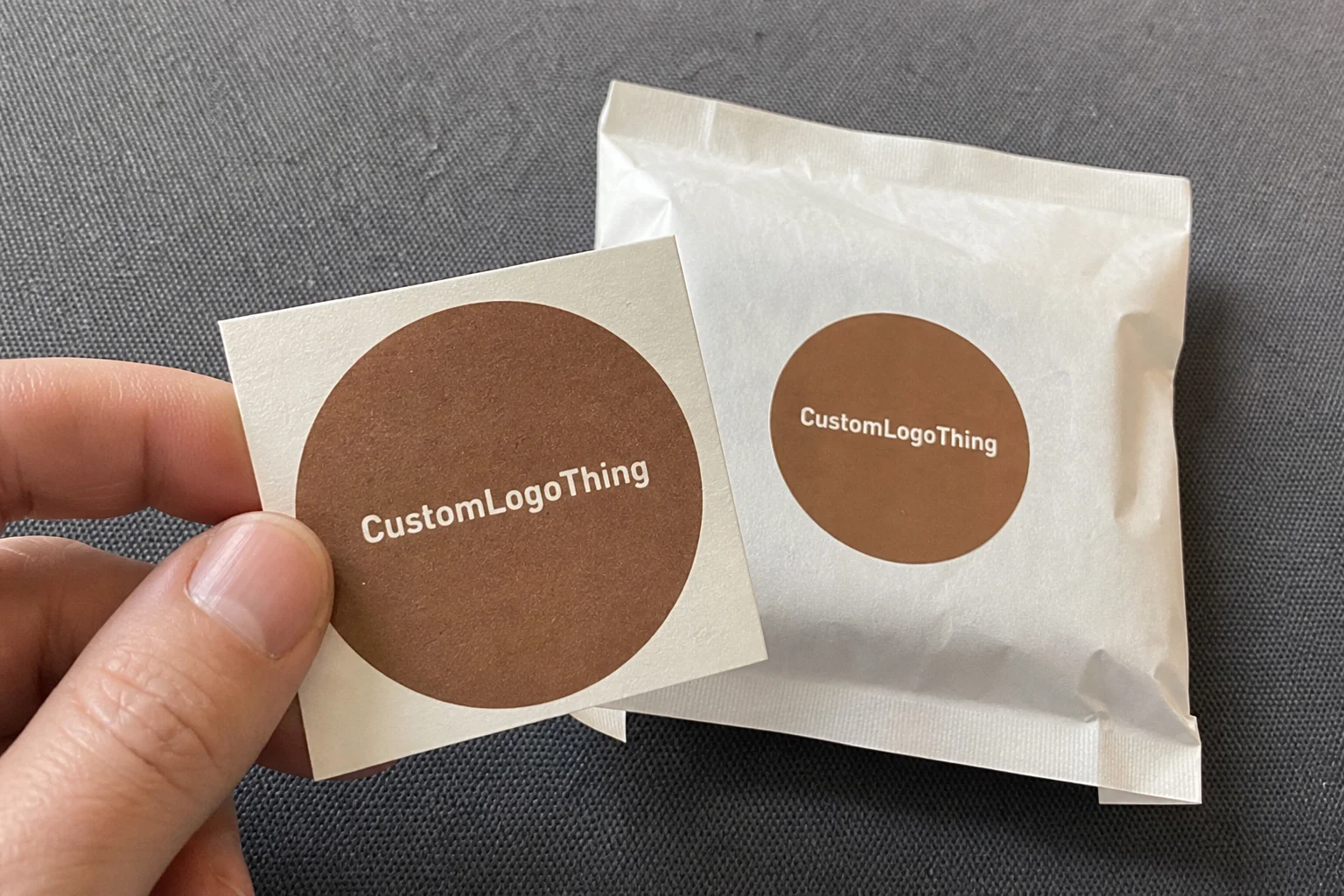
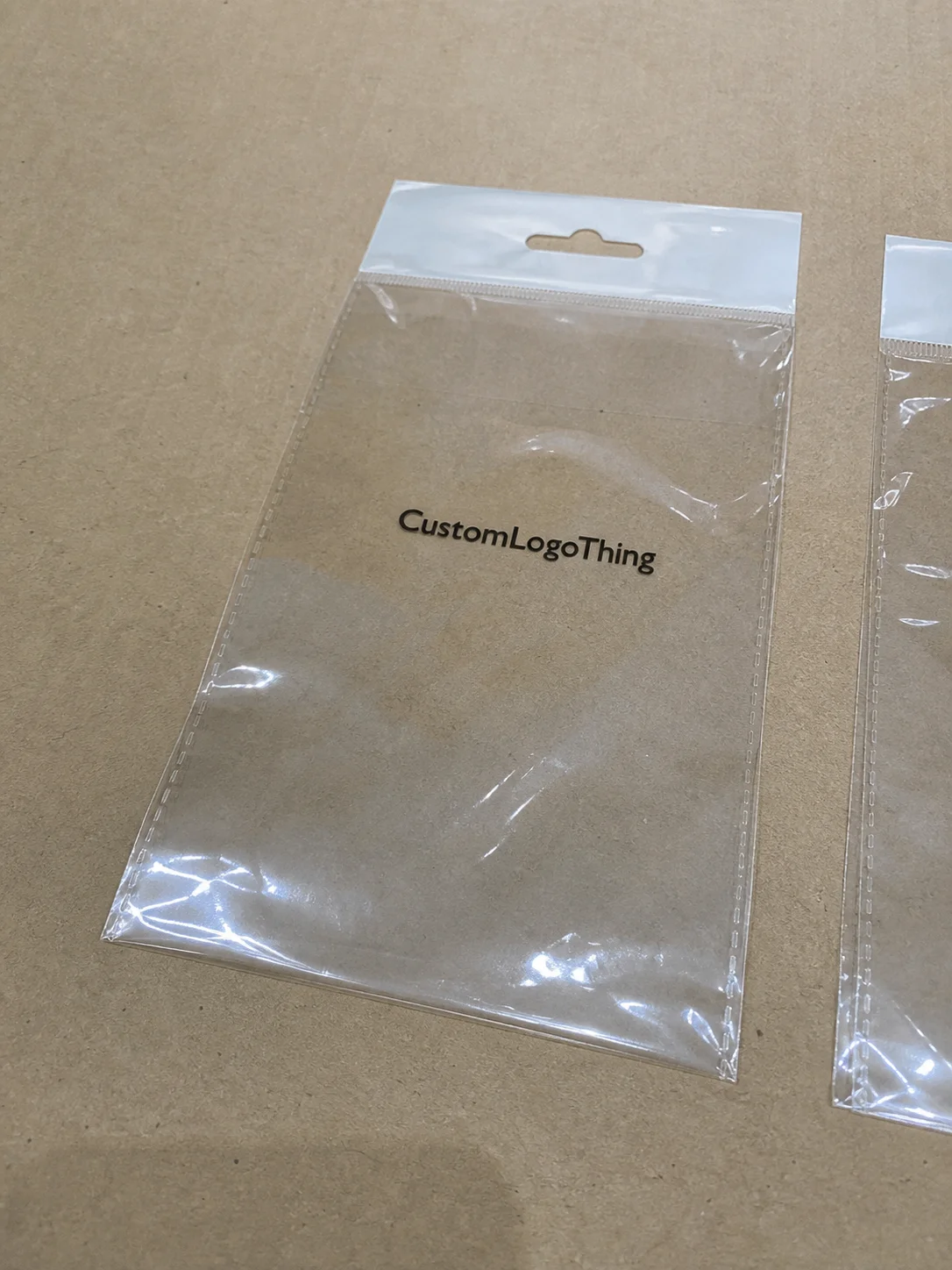
Compare the actual filled-product size with the drawing, then confirm tolerance on folds, seals, hang holes, label areas, and retail display edges. Reserve space for logos, QR codes, warning copy, and material claims before decorative graphics fill the panel.
Quote comparison points
Review material grade, print process, finish, sampling route, tooling charges, carton quantity, and freight assumptions side by side. A quote is only useful when the supplier can repeat the same color, closure quality, and packing count on the next order.
Personalized packaging for coffee brand success sounds straightforward until the work hits the plant floor, where the bag has to protect the aroma, carry the story, and keep moving through the distribution chain without complaints from the filler, the sealer, or the warehouse crew. I’ve stood beside a filling line in a small roastery in Portland, Oregon, while the owner kept repeating, “People buy with their eyes first,” and he wasn’t exaggerating. That line has survived because it’s true more often than anyone wants to admit. For many shoppers, the package makes the sale before the seal is ever broken. If you’re building personalized packaging for coffee brand growth, the job calls for more than a nice label; it calls for the right structure, materials, graphics, and closure system working together as one branded package, often on a 350gsm C1S artboard carton or a 3.5 mil multilayer pouch built for real production speed.
A lot of coffee brands still underestimate how much package branding affects repeat sales. Years ago, in a Brooklyn meeting, a client had a strong origin story, a dialed-in roast profile, and a loyal café following, yet their stock kraft bags with loose stickers looked like they had been sourced from five different suppliers. I say that with affection, but only barely. Once we moved them into personalized packaging for coffee brand consistency, using a matched film, a matte finish, and one clean hierarchy across the line, the retail packaging started reading as intentional rather than improvised. That shift matters because a shelf set or subscription photo gives the package the first, and often only, chance to speak for the coffee, whether the order ships from a facility in New Jersey or a converter in Dongguan, China.
What Personalized Packaging for a Coffee Brand Really Means
Personalized packaging for coffee brand projects go far beyond printing a logo on a pouch. They shape the entire package around a roastery’s brand story, target drinker, roast style, and sales channel, whether that channel is a grocery shelf in Chicago, a café counter in Austin, a direct-to-consumer website, or a monthly subscription box that leaves a fulfillment center in Columbus, Ohio. A generic stock pouch with a label can carry a small test run, but it rarely delivers the same shelf presence or perceived value as packaging designed around the coffee itself, especially when the board structure, seal configuration, and finish are chosen together.
The gap between personalization and simple printing gets missed all the time. I’ve seen brands treat custom packaging design like a graphics exercise, then wonder why the product still feels cheap. Real personalized packaging for coffee brand work can involve the bag structure, barrier film, gusset shape, zipper style, degassing valve placement, soft-touch or matte finish, foil accents, insert cards, and the way every SKU stays visually related. That is package branding at full strength: the structure and the story pull in the same direction, whether the outer carton is a 350gsm C1S artboard mailer or the inner pouch is a kraft-paper laminate with aluminum foil lining.
Common formats include stand-up pouches, flat-bottom bags, tin tie bags, compostable films, Rigid Gift Boxes, and subscription mailer systems. For specialty roasters, the flat-bottom bag often wins because it sits neatly on a shelf and offers four printable panels, though I’ve also seen a 12-ounce stand-up pouch outperform a more elaborate box because the seal integrity and production speed were better. Personalized packaging for coffee brand planning should never ignore the fill line, the seal jaws, or the shipping method just to chase a trend, particularly when the pouch is being packed on a semi-automatic line in Los Angeles or a hand-fill station in Asheville.
The economics matter too. In a wholesale meeting with a California roaster, we compared a basic printed label on stock bags with a fully custom printed pouch that included a one-way valve and zipper. The label route saved money at the outset, yet the custom route raised perceived value enough that the brand could charge $1.50 more per bag in retail. That’s why personalized packaging for coffee brand decisions can reshape not only the look of the shelf, but also the economics of the whole line, especially when the unit cost lands near $0.15 per unit for 5,000 pieces on a simple label program versus $0.32 to $0.48 per unit for a custom printed pouch at the same quantity.
How Personalized Coffee Packaging Works From Design to Production
The process usually begins with brand discovery and dieline selection. A good packaging engineer will ask practical questions right away: How much coffee is being packed? Is it whole bean or ground? Is the product nitrogen flushed? Will the bag sit in a café display, travel through parcel shipping, or hang on a peg hook? Those answers determine whether the job calls for a flat-bottom bag, a side gusset, or a pouch with a tear notch and zipper. For personalized packaging for coffee brand projects, that early stage saves real money later because the structure has to match the coffee’s behavior, not the mood board, and a converter in Shenzhen will want the fill spec before the quote is even finalized.
Artwork setup and proofing come next. This is where designers and print technicians need to work side by side, because a beautiful render can fail if the barcode lands on a seam or the roast notes disappear behind the zipper line. On a line I visited in New Jersey, the team had to redo a full round of proofs because the brand’s black-on-black typography looked elegant on screen but vanished under warehouse fluorescents. That’s a classic lesson in personalized packaging for coffee brand work: what looks premium in a file can turn muddy at eight feet under retail lighting, especially when the final substrate is a 12pt SBS carton or a deep-matte BOPP film with low reflectivity.
Printing methods vary widely. Flexographic printing is common for larger volumes and gives strong cost control at scale. Rotogravure can produce rich color and fine detail for very large runs, though the cylinder investment is heavier. Digital printing works well for short runs, regional tests, and seasonal drops where artwork changes often. Some roasters still rely on labels, especially when they need fast SKU changes or very small quantities, but labels are usually a step along the way rather than the final form of personalized packaging for coffee brand packaging. A digital run in 3,000 pieces might be ready in 10 to 12 business days after proof approval, while a gravure job in Shenzhen or Ho Chi Minh City can take 25 to 35 days before freight is added.
Prototype runs Matter More Than most people expect. I always push for a sample pack, even when the timeline feels tight, because a sample can expose issues that no PDF will show: weak seal strength, zipper alignment problems, a valve that sits too low, or a finish that scratches too easily in transit. Good factories will test fill performance, drop durability, seal integrity, and shelf appearance before full production begins. In the packaging plants I’ve worked with in Illinois and Guangdong, the best coffee projects always had one thing in common: they took the prototype phase seriously, and the sample approval step usually added just 3 to 5 business days before the press slot was locked.
Private label lines and multi-SKU systems add another layer. If you’re launching a house blend, a decaf, and two single origins, the challenge is keeping the design family consistent while still making the SKUs easy to identify. This is where personalized packaging for coffee brand planning becomes part design system, part operations system. You need the same layout logic across all bags, but enough variation in color bands, origin names, or roast descriptors that the customer can tell them apart at a glance, whether the line is printed in one Michigan facility or split across two converters in the Dallas-Fort Worth area.
Packaging & Processing Association resources can help if you want broader background on materials and conversion methods, especially while comparing packaging types for different product lines. I also recommend reading through ISTA testing standards if your coffee ships through e-commerce and parcel networks, because a bag that looks great on a table can still fail after six feet of drops and vibration in a courier system, and an ISTA 3A test can reveal that problem before 10,000 boxes leave a warehouse in Reno.
Key Factors That Shape Great Personalized Coffee Packaging
The first factor is freshness protection, and I would place it ahead of nearly everything else. Coffee loses aroma through oxygen exposure, moisture ingress, and light, so personalized packaging for coffee brand projects need a barrier structure that actually fits the roast. A one-way degassing valve helps release CO2 after roasting, but the film still needs solid oxygen and moisture resistance, and if the coffee is headed into a bright retail space, light protection becomes part of the equation too. I’ve seen beautiful bags fail because the film was chosen for looks rather than barrier performance, including a 48-gauge PET / 5-layer EVOH structure that looked elegant but was the wrong choice for a dark-roast SKU with a 12-month shelf target.
Branding details carry real weight. Color systems, typography, tactile finishes, matte versus gloss, spot UV, foil, and window placement all shape how premium the bag feels in the hand. A soft-touch laminated pouch can make a direct-to-consumer box feel more luxurious, while a high-gloss finish might work better in a brighter grocery display. The trick is matching those details to the brand identity, not stacking effects for their own sake. Strong personalized packaging for coffee brand work is disciplined; every finish has a reason, whether the foil stamp is being applied in Guangzhou or the emboss is being added to a carton printed on 350gsm C1S artboard in Indianapolis.
Sustainability choices deserve a practical eye. Recyclable mono-material structures, compostable films, and paper-based laminates can support a greener story, but each one changes barrier performance, seal behavior, and price. I’ve had clients ask for compostable packaging, then learn that the film needed different sealing temperatures and shorter run tests, which added time and cost. That doesn’t mean eco options are bad. It means personalized packaging for coffee brand buyers need to balance sustainability claims with actual shelf life and the realities of their packing equipment, especially when the sealer in the facility only runs cleanly at 155°C to 165°C and the compostable film needs a narrower window.
Regulatory and information needs can’t be left until the end. Roasts need weight, origin, tasting notes, grind guidance, barcode placement, and often lot code space. If the coffee is certified, the artwork may also need FSC references for paper components or other label claims backed by documentation. There’s a good reason I tell teams to build the compliance zone early: nobody wants to reprint 20,000 bags because the barcode sat 3 millimeters too close to the trim line. That kind of mistake is expensive, and it’s very preventable in personalized packaging for coffee brand planning, especially when a UPC must stay at least 0.125 inches from the fold on a folded carton sleeve.
Channel matters just as much as appearance. Retail packaging has to stand out at 3 to 6 feet on a shelf. Café counter bags need to look clean next to grinders, pastry cases, and menu boards. Subscription shipments need to survive mailbox tosses and still create an unboxing Experience That Feels thoughtful. Gift sets often need custom printed boxes or a secondary carton that protects multiple items while adding perceived value. A strong personalized packaging for coffee brand system thinks through all of that before the first file is approved, including whether the shipper is a corrugated mailer from Ohio or a rigid gift box wrapped in 157gsm art paper from Vietnam.
Personalized packaging for coffee brand projects also benefit from tiny decisions most people never notice, like zipper style, tear notch placement, and panel order. Those details shape whether the bag feels easy to use or irritating every day. In coffee, where customers often buy the same roast month after month, ease becomes loyalty, and a resealable zipper with a 7 mm seal band can matter as much as the front-panel color story.
Step-by-Step: How to Create Personalized Packaging for a Coffee Brand
-
Define the brand objective. Before talking materials, decide what the package is supposed to do. Is it meant to win shelf attention in a boutique grocer, protect freshness for DTC shipments, improve gifting, or support a wholesale program? For personalized packaging for coffee brand work, the goal should be clear enough that the package can be judged against it, not against someone’s personal taste in fonts. If the target is retail pickup in Seattle or Portland, the visual job is different than if the bags will spend most of their life in brown shipping cartons.
-
Choose the Right structure. Stand-up pouches are useful for smaller shelf footprints. Flat-bottom bags give a sturdy retail look and more panel space. Side gusset bags can be efficient for larger volumes. If the line is packed by hand, sealability and fill speed matter. If it ships nationally, durability becomes even more important. The package has to fit the operation first, because personalized packaging for coffee brand success depends on what the production floor can actually run, whether that line is in a 15,000-square-foot roastery in Denver or a contract packer in North Carolina.
-
Finalize artwork and hierarchy. I always tell clients to keep the first read simple: brand, coffee name, roast level, and weight should be visible quickly. Then add tasting notes, origin, processing method, and story copy in a secondary layer. If every element shouts at once, nothing stands out. Good personalized packaging for coffee brand design uses hierarchy the way a good café menu uses spacing: it helps the customer make sense of the offer without effort, and it keeps the front panel readable from 4 feet away in a grocery aisle.
-
Request proofs and samples. This is where you catch the real-world problems. Check color accuracy, zipper function, valve placement, seal quality, and barcode readability. Hold the sample under store lighting and, if possible, photograph it on a phone because that is how many customers will first see it. In my experience, the best personalized packaging for coffee brand decisions are made with a sample in one hand and the final fill target in the other, especially when the bag spec is 12 ounces net weight and the printed pouch needs to survive a 36-inch drop test.
-
Approve production and plan replenishment. Once the package is approved, confirm the timeline milestones and set a reorder trigger before stock runs low. A lot of roasters get caught by holiday demand or a successful subscription campaign that empties shelves faster than expected. With personalized packaging for coffee brand systems, the package itself becomes part of inventory planning, not just a marketing asset, and the smartest teams order the next batch when they hit 30% remaining stock instead of waiting until the pallet rack is bare.
A quick anecdote: I worked with a Midwest roaster that kept changing artwork three days before press because the tasting note copy never felt final. By the third round, the client was frustrated, the printer was annoyed, and the launch was slipping. We fixed it by freezing the messaging hierarchy first, then locking the dieline, then approving color. That small discipline made the next personalized packaging for coffee brand run smoother, cheaper, and far less stressful for everyone involved, and the printer in Ohio was able to hold the original press slot instead of bumping it by a week.
Cost and Pricing Factors for Coffee Packaging Projects
Packaging cost comes down to a handful of major variables: material selection, print method, bag structure, order quantity, finishing effects, and SKU count. A stock bag with labels might cost far less than a fully custom printed pouch, but the gap is not only about the bag itself. You also pay for setup, printing complexity, and the level of branding control. For personalized packaging for coffee brand buyers, the right question is not “What is cheapest?” It is “What creates the best return for this channel and margin structure?” A 5,000-piece run of labeled stock bags might land near $0.15 per unit, while a custom printed flat-bottom bag with a valve and zipper may come in at $0.38 to $0.62 per unit depending on finish and freight.
Lower quantities usually mean a higher per-unit price. That is the basic economics of setup and manufacturing. A run of 2,000 bags may cost significantly more per unit than 10,000 because the press setup, materials handling, and conversion costs are spread across fewer pieces. Larger volumes, though, require more storage space and better forecasting. I’ve seen brands save on unit cost only to get stuck paying for warehouse overflow. That’s why personalized packaging for coffee brand planning has to include inventory reality, not only quote comparison, especially if the bags are shipping from Ningbo or a converter in southern California with a 12-pallet minimum order on each SKU.
There are budget-friendly personalization options, and they can be smart for early-stage brands. Printed labels on stock bags give flexibility and lower initial spend. They’re useful when SKUs change quickly or the brand is testing the market. Fully custom bags or custom printed boxes cost more, but they often deliver stronger shelf appeal and better consistency. A lot depends on whether you’re trying to get to market fast or create a longer-term retail presence. Both routes can work if the strategy is clear, and a paperboard gift carton with a 4-color print plus matte aqueous coating can sometimes outperform a premium pouch if the product is being sold as a holiday set.
Hidden costs deserve attention. Artwork revisions, plate charges, sampling rounds, freight, warehousing, and compliance updates can all affect the final spend. A client once told me their bag price looked great until they added freight from Asia, rush air samples, and a last-minute revision to the back-panel copy. Suddenly the “cheap” option wasn’t so cheap. I wish pricing spreadsheets came with a little warning siren, frankly. That’s common in personalized packaging for coffee brand sourcing, and it’s why a landed-cost view matters more than a quote line alone, especially when ocean freight from Vietnam adds 18 to 28 days before the goods even reach a U.S. port.
If I were building a simple framework, I’d use three tiers. A launch package might be a stock pouch with a high-quality label and a strong seal. A mid-tier solution could be a digitally printed custom pouch with a valve and zipper. A premium retail-ready system might use a custom structure, tactile finish, and a branded carton or mailer. The right choice for personalized packaging for coffee brand growth depends on your margins, your customer expectations, and how important package branding is to the sale, with a premium rigid box often starting around $1.20 to $2.40 per unit in modest quantities.
Timeline, Production Planning, and Avoiding Delays
A realistic timeline starts with design development and proof approvals, then moves into sampling, production scheduling, and transit time. A simple stock-bag label program can move faster than a custom printed pouch, while a more complex structure with specialty finishes or multi-layer barrier film will take longer. For personalized packaging for coffee brand launches, I usually recommend building in buffer time, because the fastest way to derail a project is waiting on approvals that should have been locked earlier. In practical terms, many custom pouch projects run 12 to 15 business days from proof approval to completion for domestic digital work, while overseas flexographic or gravure production often lands in the 4- to 6-week range before freight.
Approval delays happen for predictable reasons. Copy isn’t final. Barcode numbers change. Roast data gets updated after the last cupping. Someone wants to “just try one more version” of the front panel. I’ve sat through enough packaging reviews to know that these are normal, but they still cost time. A strong personalized packaging for coffee brand schedule includes a clear sign-off point so the project does not drift because five people want five slightly different versions, and the approval chain should be capped at two revision rounds if the launch date matters.
Lead times also vary by print method. Digital short runs can be faster because they avoid some traditional setup, while flexographic and rotogravure runs generally need more preparation and quality checks. If the structure includes a valve, zipper, or specialty film, that adds another layer of coordination. Complex personalized packaging for coffee brand packages should always be planned with the converter’s actual schedule, not an optimistic estimate borrowed from another product category, and a sample-to-production handoff in a facility in Chicago or Shenzhen should always include a written preflight checklist.
Seasonality is another trap. Holiday blends, gift sets, and subscription launches all pull packaging demand into tight windows. If your November coffee box needs custom printed inserts, foil accents, and outer mailers, that project should start months earlier than the marketing team thinks. A packaging calendar should sit beside the roasting calendar and the promotions calendar. That way, personalized packaging for coffee brand inventory arrives before the ads start running, not after, and a June start date is far safer than waiting until late September for a Q4 gift run.
One of the smartest clients I worked with in Texas kept a simple launch buffer: if they thought they needed bags by the 15th, they planned them for the 1st. That extra cushion saved them twice when freight was delayed and once when a barcode needed a correction. That is the practical side of personalized packaging for coffee brand work. It is not glamorous, but it keeps the shelves full, and it can save a launch that would otherwise miss a retailer’s Monday receiving window in Atlanta by a full week.
Common Mistakes and Expert Tips for Coffee Brands
The most common mistake is choosing style over barrier protection. A bag can look stunning and still fail to preserve freshness if the film, seal, or valve is wrong. Another frequent issue is overcrowded design. Brands try to tell the origin story, roast story, farmer story, and brewing story all on the front panel, and the result is visual noise. In personalized packaging for coffee brand projects, clarity usually sells better than decoration overload, especially on a 12-ounce SKU sitting under fluorescent lights in a Seattle specialty market.
Another mistake is ignoring the customer experience after purchase. How easy is the bag to open? Does the zipper reseal cleanly? Does the pouch stand up on a kitchen shelf after ten uses? Can someone read the roast level without squinting? I’ve watched consumers in a café choose one bag over another because the closure looked simpler, not because of the label artwork. That’s why personalized packaging for coffee brand planning needs to account for daily use, not just first impressions, and a 9 mm reseal track with a sturdy tear notch can be a better choice than a flashy but fragile closure.
Here are a few expert habits I recommend:
Request physical samples and test them under store lighting and daylight.
Check closure performance by opening and resealing the pouch several times.
Validate barcode and lot code placement before production runs.
Compare suppliers on landed cost, not just unit price.
Keep SKU logic consistent across retail bags, mailers, and sampler packs.
Consistency across touchpoints matters more than many people realize. If the retail bag says one thing, the shipping mailer says another, and the wholesale carton looks unrelated, the brand feels scattered. A strong personalized packaging for coffee brand system should tie the bag, the insert, the mailer, and even the case pack together visually. That cohesion makes the business feel larger and more trustworthy, whether the case pack is a standard RSC corrugated box or a printed shelf-ready tray from a plant in Ohio.
For sustainability-minded brands, I also suggest checking whether the chosen material aligns with the actual recycling or composting stream in your market. There’s no value in a “green” claim if the customer cannot act on it. The EPA has useful general information on waste and material recovery through EPA recycling guidance, and if you’re using fiber components or paper-based packaging, FSC certification resources can help you evaluate sourcing claims responsibly. That kind of due diligence supports trust in personalized packaging for coffee brand messaging, especially when your carton supplier is quoting mixed fiber content from a mill in Wisconsin.
One more practical tip: create a packaging scorecard. Rank each supplier on print quality, barrier performance, timeline reliability, sustainability fit, communication speed, and total landed cost. I’ve used some version of that scorecard with small roasters and national brands alike, and it cuts through a lot of emotion. That’s especially helpful when comparing personalized packaging for coffee brand options that all look good in a mockup but behave differently in production, from a local digital printer in Denver to a flexographic converter in Suzhou.
“The bag has to earn the right to be beautiful. If it doesn’t protect the coffee and run clean on the line, the design is just expensive decoration.”
That line came from a converter supervisor I worked with outside Chicago, and I still think about it often. He was talking about coffee bags, but he could have been describing any form of personalized packaging for coffee brand development. Good packaging is beautiful because it works, not in spite of it, and a pouch built with 4-layer barrier film, a one-way valve, and a reliable heat seal proves that point in the first week on the shelf.
If you want to see how these ideas show up in real projects, our Case Studies page is a good place to look. It’s one thing to talk about personalized packaging; it’s another to see how different brands handled structure, finish, and shelf presence in the real market, including projects completed in Toronto, Los Angeles, and Rotterdam.
And if you’re comparing pouches, boxes, mailers, or branded inserts, our Custom Packaging Products page can help you narrow the direction. I always tell clients that the best personalized packaging for coffee brand choice is the one that fits the coffee, the channel, and the margin model together, whether that means a 250g flat-bottom pouch, a 12-ounce mailer-ready box, or a seasonal rigid gift carton.
One final thought from the factory floor: the best personalized packaging for coffee brand projects are rarely the flashiest ones in the room. They’re the ones where the seal holds, the graphics read clearly, the bag feels right in the hand, and the customer comes back for the same roast a month later because the package made the first experience memorable and the second one easy, with no wasted motion and no surprise reprints.
Personalized Packaging for Coffee Brand: decision table
| Decision area | Best fit | What to verify | Risk if skipped |
|---|---|---|---|
| Product fit | Protection, display, and unboxing consistency | Measurement, tolerance, material, and sample approval | A nice design fails because the product fit was guessed |
| Brand presentation | Logo visibility, finish, and customer perception | Print method, color target, texture, and proof review | Packaging protects the item but does not sell the brand |
| Operations | Packing speed, storage, shipping, and reorder control | Carton count, warehouse label, and repeat spec | The package is attractive but hard to pack or reorder |
FAQ
What is personalized packaging for coffee brand products?
It is packaging designed specifically around a coffee roaster’s brand, product line, and sales channel instead of using a generic bag or box. It can include custom materials, structures, print finishes, closure systems, and branded inserts, such as a matte BOPP pouch, a 350gsm C1S carton, or a foil-lined flat-bottom bag.
How much does personalized coffee packaging usually cost?
Pricing depends on quantity, material, print process, structure, and finishing details. Labels on stock bags can start around $0.15 per unit for 5,000 pieces, while fully custom printed bags or boxes can range much higher depending on valves, zippers, foil, and freight from regions such as Guangdong, Ohio, or California.
How long does it take to make personalized packaging for a coffee brand?
Timing varies by format and print method, but you should plan for design, proofing, sampling, production, and shipping. Simple digital pouch programs can take 12 to 15 business days from proof approval, while more complex custom packaging often needs 4 to 6 weeks plus transit time, especially when production is split between proofing in the U.S. and manufacturing in Asia.
What packaging features matter most for coffee freshness?
Look for strong oxygen and moisture barriers, a one-way degassing valve, and a reliable heat seal or reseal closure. Light protection and durable film or paper-laminate construction also help preserve aroma and shelf life, especially on roasted coffee packed in multilayer films or laminated cartons.
How do I choose the right personalized packaging style for my coffee brand?
Start with your sales channel, roast volume, budget, and brand positioning. Then compare stand-up pouches, flat-bottom bags, boxes, and mailers based on freshness, shelf appeal, shipping needs, and customer experience, using sample tests and landed-cost quotes before you approve the final structure.