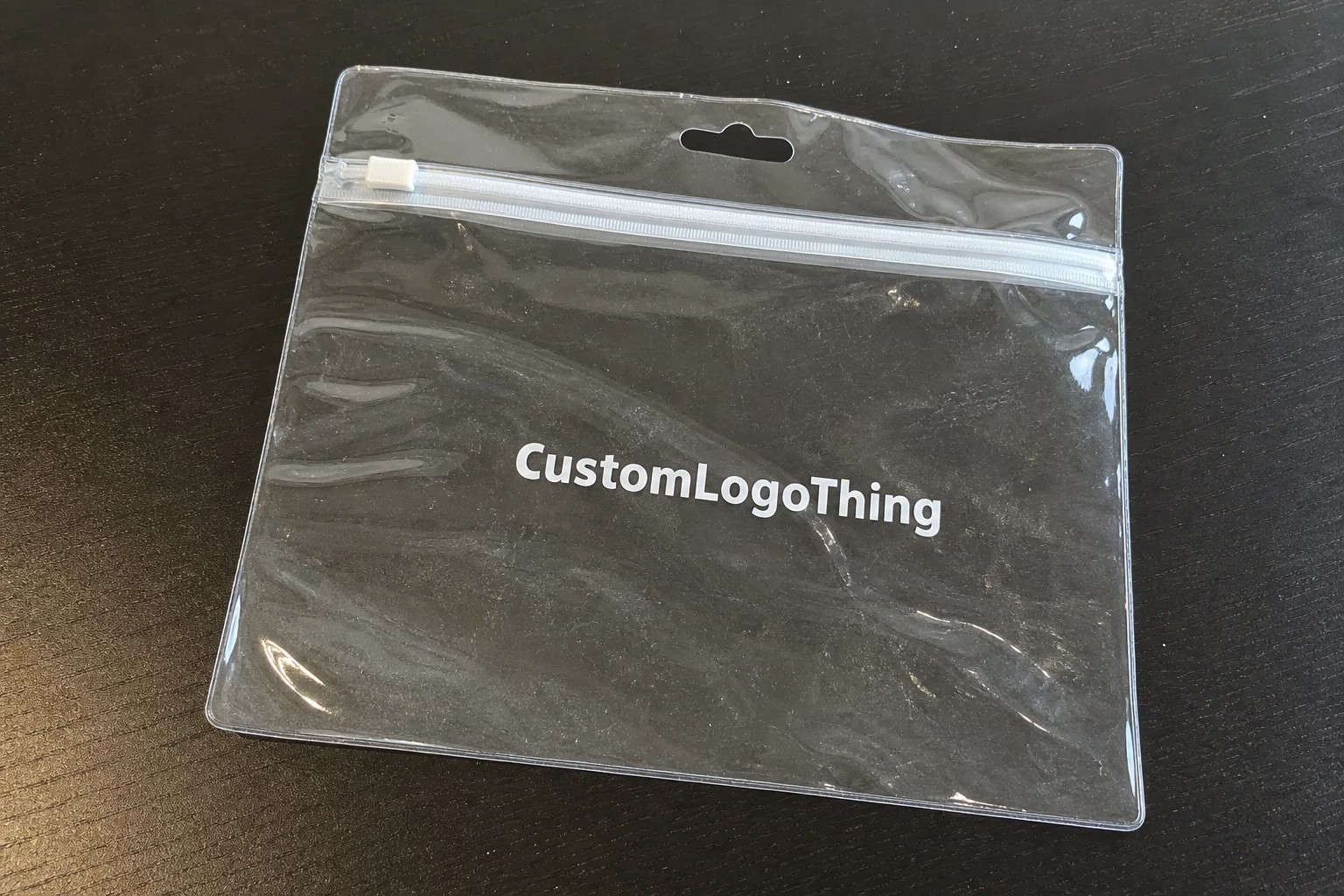
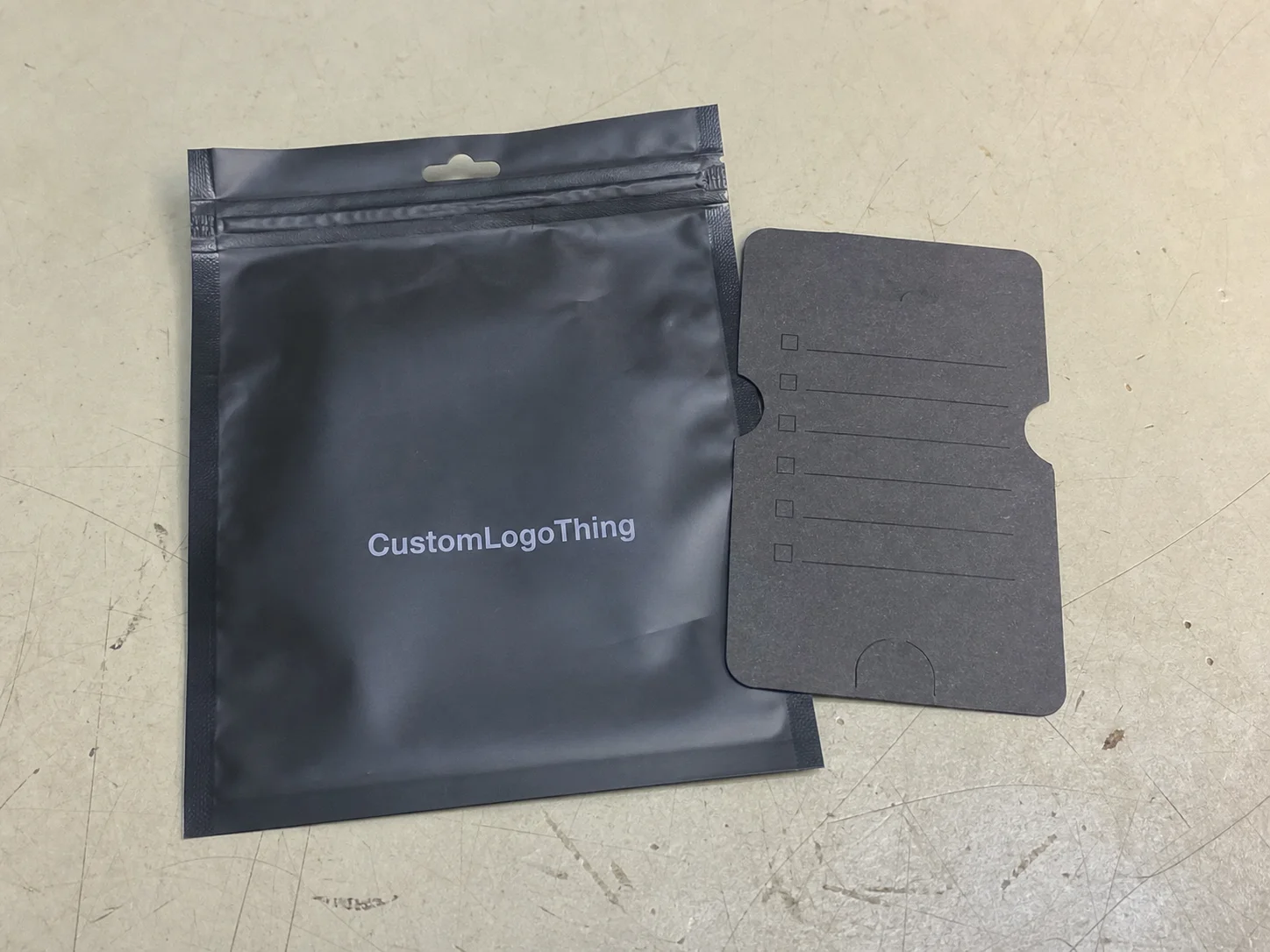
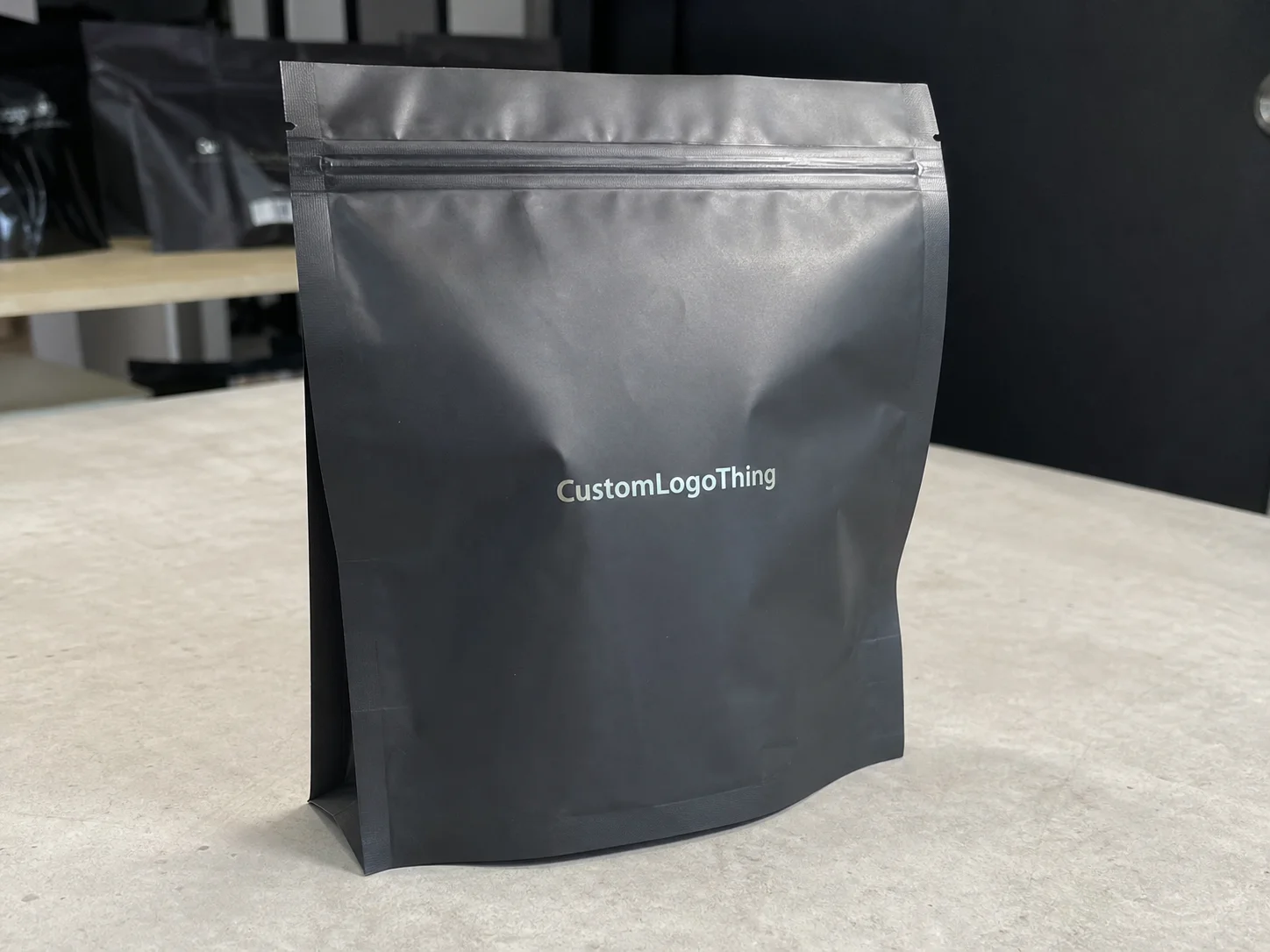
Buyer Fit Snapshot
| Best fit | Personalized Packaging for Crafters projects where brand print, material claims, artwork control, MOQ, and repeat-order consistency need to be specified before quoting. |
|---|---|
| Quote inputs | Share finished size, material target, print colors, finish, packing count, annual reorder estimate, ship-to region, and any compliance wording. |
| Proofing check | Approve dieline scale, logo placement, barcode or warning zones, color tolerance, closure strength, and carton packing before bulk production. |
| Main risk | Vague material claims, crowded artwork, missing packing details, or unclear freight terms can make a low unit price expensive after revisions. |
Fast answer: Personalized Packaging for Crafters: Production Review should be specified like a repeatable production item. The safest quote records material, print method, finish, artwork proof, packing count, and reorder notes in one written spec.
Production checks before approval
Compare the actual filled-product size with the drawing, then confirm tolerance on folds, seals, hang holes, label areas, and retail display edges. Reserve space for logos, QR codes, warning copy, and material claims before decorative graphics fill the panel.
Quote comparison points
Review material grade, print process, finish, sampling route, tooling charges, carton quantity, and freight assumptions side by side. A quote is only useful when the supplier can repeat the same color, closure quality, and packing count on the next order.
I still remember a candle maker in New Jersey who was about ready to quit because her repeat orders were flat. She was shipping 8 oz soy candles in plain brown mailers, no tissue, no note, no sticker, nothing. We switched her to personalized Packaging for Crafters with printed tissue, round seal stickers, and a simple thank-you insert. Two months later, her repeat order rate nearly doubled. Not because the wax changed. Because the unboxing felt like it came from an actual brand, not a warehouse with a printer.
That’s the part people miss. Personalized packaging for crafters is not just “make it cute.” It’s branded packaging that protects the product, supports your pricing, and gives buyers something they remember after the fair, the market, or the Etsy checkout page. I’ve seen handmade soap sellers in Asheville, North Carolina, jewelry makers in Austin, Texas, and small bakery brands in Portland, Oregon waste money on adorable boxes that crushed in transit. Cute is not enough. Packaging has to earn its keep. Honestly, I think “cute” is where too many people stop thinking.
Custom Logo Things works with brands that need personalized packaging for crafters to do three jobs at once: look good, ship safely, and sell the next order. That usually means custom printed boxes, mailers, labels, tissue paper, inserts, and tape sized to the actual product. If the fit is wrong, the whole thing feels sloppy. If the print is off, the brand feels cheap. If the structure fails, the customer gets a dented candle and a refund request. Fun stuff. I’ve personally sat through supplier calls in Dongguan, China, and Cleveland, Ohio, where everyone pretends a crushed box is “a minor issue.” Sure. Minor, if you enjoy refunds.
Personalized Packaging for Crafters: Why It Changes Everything
Here’s the plain-English version of personalized packaging for crafters: it is packaging built around a handmade product and a handmade brand. That can mean folding cartons for soap, corrugated mailers for candles, custom labels for jam jars, rigid boxes for jewelry, tissue for apparel, or printed wraps for baked goods. Sometimes it is one item. Often it is a system. A typical starter system might include 350gsm C1S artboard folding cartons, 14pt stickers, and 28lb tissue paper. The better the system, the less your brand looks like it was assembled from random office supply leftovers. And yes, I’ve seen those leftovers. They do not photograph well.
I visited a small soap workshop in Columbus, Ohio where the owner had 14 scents, 3 box sizes, and exactly zero consistent branding. Every order was packed differently depending on who was on shift. One day it looked premium. The next day it looked like three people packed it during a power outage. Once we introduced personalized packaging for crafters with a fixed label layout, one insert card printed on 16pt matte cardstock, and two box sizes, her wholesale buyers finally said the line looked “retail-ready.” That phrase matters. Retail packaging doesn’t just look tidy; it tells a buyer your brand can handle volume, consistency, and reorders.
There’s a difference between decorative packaging and strategic packaging. Decorative packaging is a ribbon, a cute sticker, or a pretty print pattern that makes you smile for five seconds. Strategic personalized packaging for crafters supports pricing, reduces damage, improves repeat sales, and creates shareable unboxing moments. One gets photographed. The other gets remembered and reordered. I know which one I’d pay for.
“My orders stopped feeling homemade in the cheap way and started feeling handmade in the premium way.” That was a candle client after we moved her from plain mailers to personalized packaging for crafters with kraft tissue, a matte label, and a care card.
Another thing most people underestimate: packaging helps buyers justify the price. If your soap is $8 and your box looks like a gas station receipt, people compare you to the cheapest option. If your personalized packaging for crafters looks intentional, buyers read the product as cleaner, safer, and worth more. That’s package branding in action. It quietly sets the value before the product is even touched.
And yes, it can drive social sharing. Buyers post the little extras. They repost the thank-you note. They keep the insert with the maker’s story. They reuse the box for storage. That matters because handmade brands do not always have giant ad budgets. A good unboxing is cheap marketing. Cheap, not free. Nothing useful is actually free.
To be clear, I’m not saying every crafter needs gold foil and Magnetic Closure Boxes. Some brands need a $0.18 printed mailer, not a $4.20 rigid box. The right personalized packaging for crafters depends on product fragility, selling price, and how you ship. A pottery maker in Vermont and a bath bomb seller in San Diego have very different needs. That’s normal.
How Personalized Packaging for Crafters Works
The process is usually simpler than people think, but only if you treat it like a real job instead of a Pinterest mood board. Personalized packaging for crafters starts with product dimensions. Not “about this big.” Actual measurements. Length, width, height, weight, and any fragile points. If your candle tin is 3.25 inches wide and 4 inches tall, the box should fit that exact profile, not a vague guess based on a ruler app and optimism. I have never once seen optimism hold a box together in transit.
After sizing, you choose the format. A soap maker might need a folding carton with a tuck top. A candle brand may need a corrugated mailer with a protective insert. A jewelry seller could use a rigid box with foam or molded paperboard. For personalized packaging for crafters, the format is the backbone. The decoration comes after. Too many buyers reverse that order, and then act surprised when the print looks lovely while the product rattles around inside like a loose screw.
Then comes the artwork and proofing stage. You’ll usually send logo files, Pantone color references if you have them, quantity, shipping destination, and details like finish or insert needs. Good suppliers will ask for dimensions, dieline approval, and whether you want digital printing or offset printing. If you’re ordering smaller runs, digital is usually the faster and cheaper route. If you’re going larger, offset can lower your per-unit cost, but only when the quantity supports it. That’s why personalized packaging for crafters is often a balancing act between cash flow and unit economics.
Here’s the basic workflow I see most often:
- Measure the product and decide the packaging format.
- Choose materials such as kraft, SBS, corrugated, or rigid board.
- Prepare artwork with logo, copy, and print specs.
- Receive a dieline and place your design correctly.
- Approve a sample or proof before mass production.
- Confirm production and schedule shipping.
For timelines, I’ve seen simple personalized packaging for crafters jobs move in 10 to 15 business days after proof approval when the structure is standard and the artwork is ready. More complex custom printed boxes, especially with inserts, specialty finishes, or heavy color coverage, can stretch into 3 to 5 weeks. If a supplier promises a fully custom rigid box with foil, embossing, and two revisions in five days, I’d ask them what they’re smoking. Probably paper dust.
One client in Dallas, Texas needed printed mailers, tissue, and thank-you cards before a holiday launch. We had the files ready, but she still wanted to tweak the insert copy after proofing. That one change pushed her schedule by 6 business days. Lesson learned: for personalized packaging for crafters, late copy changes hurt more than late design inspiration. Copy is never “just text.” It affects layout, line breaks, and sometimes the whole dieline.
Common components you can customize include:
- Box style — tuck top, sleeve, mailer, rigid, or corrugated.
- Print method — digital, offset, flexographic, or screen print depending on the item.
- Finish — matte, gloss, soft-touch lamination, aqueous coating, foil, or embossing.
- Insert copy — care instructions, story cards, thank-you notes, or QR codes.
- Labels and seals — round stickers, product labels, shipping labels, and tissue seals.
- Outer shipping materials — mailers, tape, void fill, and protective wraps.
If you want a fast starting point, I usually tell smaller brands to review existing Custom Packaging Products first, then narrow the list by product size and shipping method. That keeps personalized packaging for crafters grounded in reality instead of in “wouldn’t it be nice if” territory.
For standards, I like to remind clients that packaging is not art class. If you are shipping fragile goods, test against transit conditions and consider ISTA methods for rough handling, vibration, and drop performance. If your materials matter to your sustainability story, check FSC options and verify paper sourcing rather than trusting a green leaf icon on a supplier website. For general packaging resources, I also point clients to the Institute of Packaging Professionals and the ISTA standards library. The labels on the box are nice. The standards behind the box are better.
Cost, Pricing, and What Actually Drives the Budget
Let’s talk money, because that’s usually where personalized packaging for crafters gets misunderstood. The biggest cost drivers are quantity, material, box size, print coverage, number of colors, finish, and added components like inserts or sleeves. Every one of those choices changes price. Sometimes a little. Sometimes enough to make you pause and stare at the spreadsheet like it insulted your mother.
Small runs cost more per unit. That’s just manufacturing math. A run of 500 custom printed boxes might land around $1.20 to $2.10 per unit depending on size and finish, while 5,000 pieces could drop much lower, sometimes to $0.15 to $0.65 per unit for a simpler structure. For example, a 5,000-piece order of a 350gsm C1S artboard folding carton with one-color black print and aqueous coating might price at about $0.19 per unit, while the same box with foil stamping and embossing could jump to $0.62 per unit. Of course, the upfront spend is higher on the larger order. That’s why personalized packaging for crafters has to be tied to sales volume, not wishful thinking. A big unit price discount is useless if you can’t afford the inventory or storage.
I had a jewelry client in Brooklyn, New York who wanted rigid boxes with foil stamping, soft-touch lamination, and a magnetic closure. Beautiful idea. Also expensive. Her first quote came back at $4.80 per unit for 1,000 pieces. We switched her to a folding carton with a foil logo and insert tray, and the price came down to $1.35 per unit. Same brand feel. Much less drama. That’s the kind of tradeoff you make in personalized packaging for crafters: prestige versus budget, and sometimes prestige loses because rent is due.
Hidden costs are where people get surprised. A supplier might quote a clean unit price, then add setup fees, sample charges, freight, storage, and reprint risk if your artwork isn’t final. Dieline creation can run $50 to $150 depending on complexity. Samples may cost $30 to $120. Domestic freight from a plant in Los Angeles, California to a warehouse in Atlanta, Georgia can be another $75 to $300, and ocean freight from Shenzhen, China to the U.S. West Coast can add far more depending on container rates and port congestion. Those numbers vary, but they are not imaginary. I’ve seen people approve a “cheap” quote and then spend an extra $400 before the first carton lands at the door.
Here’s a simple budgeting framework I use with small brands:
- Entry-level handmade product: packaging at 5% to 8% of retail price.
- Mid-range craft product: packaging at 8% to 12% of retail price.
- Premium giftable item: packaging at 10% to 15% of retail price.
That doesn’t mean the math always fits cleanly. It depends on your margins, shipping method, and whether the packaging has to do double duty as retail packaging and shipping packaging. Still, it gives you a starting point for personalized packaging for crafters without pretending money is optional.
Compare quotes carefully. Ask for tiered pricing, and compare apples to apples. Same dimensions. Same paper stock. Same print colors. Same finish. Same insert. I once watched a buyer compare a kraft mailer quote against a white SBS folding carton quote and wonder why the numbers were different. Well, yes. The materials were different. The planet is still round, despite her best efforts.
| Packaging Option | Typical Use | Approx. Unit Cost at 5,000 | Best For |
|---|---|---|---|
| Printed kraft mailer | Candles, bath goods, subscription orders | $0.35 to $0.75 | Low-to-mid weight shipping |
| Folding carton | Soap, cosmetics, small gifts | $0.15 to $0.55 | Retail presentation and shelf display |
| Rigid gift box | Jewelry, premium sets, corporate gifting | $1.80 to $4.50 | High-end unboxing and presentation |
| Custom corrugated insert mailer | Fragile handmade goods | $0.85 to $2.20 | Protection in transit |
For sustainable materials, you can also look at recycled content, FSC-certified paper, and compostable options, but only if they fit the product and the shipping lane. A flimsy eco mailer that arrives crushed is not sustainable. It’s just disappointing with better branding.
If you want packaging budget discipline, start with one hero SKU. Build personalized packaging for crafters around that product first, then adapt the system for other items. That keeps your cash from disappearing into ten nearly identical packaging formats that live in your garage and judge you every time you walk by.
Key Factors to Choose the Right Personalized Packaging
The right personalized packaging for crafters starts with the product itself. Fragile items need protection. Heavy items need strong board and good closures. Food items need appropriate materials and compliance awareness. Jewelry needs presentation and small-part security. Paper goods need crisp print quality. If your product can break, melt, bend, or stain, packaging has to be designed around that risk. Not around a mood board. I know the mood board is fun. The broken mug is not.
I once stood in a packaging line in Grand Rapids, Michigan with a pottery maker who wanted the same soft paper wrap for mugs and soap bars. Cute idea. Terrible idea. The mugs needed corrugated protection and a snug insert, while the soap needed a lighter carton with a clean label system. That’s why personalized packaging for crafters is never one-size-fits-all. Product packaging should reflect the weight, shape, and fragility of the item inside.
Brand style matters too. Do you want premium, playful, rustic, minimalist, or eco-focused branding? Each choice changes the material and print treatment. Kraft stock with one-color black print gives a handmade, earthy feel. White board with soft-touch lamination feels cleaner and more upscale. Bright color floods feel playful. Foil and embossing feel premium. The packaging design has to match the product story, or the buyer senses the mismatch immediately.
Consistency is where many small brands slip. A logo on the box, a different font on the insert, another color on the tissue, and a sticker that looks like it belongs to a different company. That’s not a cohesive package branding system. That’s a design accident. In personalized packaging for crafters, logo placement, color palette, typography, and message should all feel like they came from one maker with one point of view.
Material choices are worth thinking through carefully:
- Kraft paper for natural, earthy, eco-forward brands.
- Rigid board for premium gifting and stronger structure.
- Corrugated board for shipping and protective retail packaging.
- Folding carton for lightweight retail display and lower-cost runs.
- Recycled paper stock for sustainability claims with real substance.
- Compostable options for specific product lines where end-of-life matters.
Beautiful packaging is great. But if it tears in transit or costs so much that your margin evaporates, it’s not good packaging. It’s an expensive photo prop. I’ve seen crafters spend $2.90 on a fancy outer box for a $14 item and then wonder why their wholesale account disappeared. The math was the message.
If you want to ground your choices in actual shipping performance, not guesswork, test the pack-out. Drop it. Shake it. Stack it. If you ship across long distances, ask your supplier whether the structure has been evaluated against common transit handling or whether they can provide guidance on board strength and compression resistance. That’s where personalized packaging for crafters stops being pretty and starts being dependable.
Step-by-Step Process for Personalized Packaging for Crafters
Step 1: Audit your products. Measure every item, including closures, lids, and any irregular edges. I want actual dimensions, not “it’s about palm-sized.” If you sell candles, note jar diameter, height, and lid style. If you sell soap, measure the shrink wrap or belly band too. Good personalized packaging for crafters starts with fit, because a quarter-inch of bad math can ruin the pack-out.
Step 2: Decide what the packaging must do. Protection? Retail display? Gift presentation? Repeat purchase support? Social sharing? Usually it’s a mix, but one goal should lead. A customer at a farmers market in Lancaster, Pennsylvania needs something different from a wholesale buyer in a boutique in Miami, Florida. If you don’t decide the main job, your packaging design becomes a compromise that satisfies nobody.
Step 3: Gather your brand assets. Put the logo file, color codes, typefaces, and copy into one folder. Include the exact text for inserts, care cards, or label panels. The copy matters. I’ve watched entire personalized packaging for crafters projects stall for a week because nobody could agree on the phrase for a care card. “Wipe gently” is faster than “please avoid moisture and direct light while storing in a temperature-controlled environment.” Also shorter. Also less likely to make your customers glaze over.
Step 4: Request quotes and samples. Ask at least two suppliers. Compare paper stock, structure, print quality, and setup fees. Ask whether they offer digital samples, white samples, or production proofs. Don’t compare a sample made on one machine with a final run made on another and pretend the colors will match perfectly. That’s how people end up yelling at a monitor.
Step 5: Check proofs like a hawk. Bleed, safe area, spelling, barcode placement, color values, logo size, and box dimensions all need attention. I once caught a typo on a batch of 2,000 thank-you inserts with a value of $0.07 each. That sounds small until you realize reprinting and freight made it a $380 problem. In personalized packaging for crafters, proofing is not admin work. It’s cost control.
Step 6: Plan reorder and storage. This is where a lot of small brands get burned. If you sell heavily during market season or holidays, build a reorder calendar and keep a safety stock. A customer may love your brand, but they won’t wait while you scramble for mailers. I’ve seen sellers pay premium freight because they ran out of boxes three days before a craft fair in Nashville, Tennessee. That’s avoidable if you know your lead time and reorder point.
If you’re ordering across multiple product sizes, create a master spec sheet with box dimensions, art version, SKU notes, and reorder quantity. Keep it updated. It saves time, and it saves arguments with suppliers. Trust me, no one enjoys rereading old email threads to figure out whether the 3-ounce soap box was version A or version B. Personalized packaging for crafters gets easier when the paperwork is boring and organized.
One more thing: build room for growth. If your candle line moves from 4 scents to 9, you may need a packaging system that scales with minor artwork changes rather than a complete redesign every time. That’s why many brands use one core format and swap labels, inserts, or sleeves. It keeps the brand recognizable and the reorders manageable.
Common Mistakes with Personalized Packaging for Crafters
The biggest mistake I see is ordering personalized packaging for crafters before finalizing product size. People get excited, approve a pretty box, and then discover the new product revision is 0.3 inches taller. Suddenly the box is too tight, the insert no longer works, and the reprint quote makes everyone quiet. Fit first. Pretty second.
Another common mistake is choosing trendy design over shipping protection. A kraft sleeve with a delicate die-cut window looks charming until it arrives torn on the front porch. I’ve watched clients spend money on ribbon, vellum, and custom seals, then skip the insert that would have prevented breakage. The customer doesn’t care that your packaging was adorable if the candle arrived in three pieces. They care a lot less about your “vision” than you might think.
Overcomplicating the pack is a budget killer. Too many materials, too many finishes, too many layers. Every extra item adds labor and cost. One soap brand I advised in Charlotte, North Carolina had tissue, a sleeve, a sticker, a ribbon, a card, and shredded filler for every order under $20. Their packaging cost was nearly 18% of retail, which is a fancy way to say they were paying too much to look overdesigned. Personalized packaging for crafters should feel intentional, not crowded.
Skipping samples is another classic. People approve a screen rendering and then act shocked when the printed teal looks darker than the laptop version. Screens lie. Paper, ink, coating, and board absorb color differently. Always sample before full production. If you want dependable results, ask for a physical proof or test print. Otherwise you’re betting your brand on a monitor that was built for streaming movies, not color accuracy.
And then there’s the reorder panic. A maker sells through a holiday run, forgets the lead time, and suddenly needs 1,000 mailers in four business days. The only option is rushed freight or paying whatever the supplier wants because the market booth is on Saturday. Personalized packaging for crafters should be planned around sales cycles, not emergencies. Emergencies are expensive.
Other mistakes I’ve seen too often:
- Using one box size for products that clearly need two.
- Putting too much text on a tiny insert card.
- Ignoring storage space and ordering more cartons than the garage can hold.
- Choosing materials based on online photos instead of samples.
- Forgetting that shipping labels, barcodes, and returns matter just as much as the front panel.
If you avoid those five habits, you’re already ahead of a lot of handmade brands. That’s not a brag. I’ve seen the wreckage.
Expert Tips to Make Personalized Packaging for Crafters Sell More
Good personalized packaging for crafters does not need to shout. It needs to tell a small, clear story. Who made this? Why does it matter? How should I use or care for it? A tiny story card printed on 14pt uncoated stock can do more than a wall of decorative extras. When a customer feels connected to the maker, the package becomes part of the product instead of a disposable shell.
I usually recommend one memorable unboxing detail, not five mediocre ones. Maybe it’s a handwritten thank-you note for direct-to-consumer orders. Maybe it’s a scent strip for candles. Maybe it’s a branded seal on tissue paper. One detail done well often beats a pile of extras that feel random. In personalized packaging for crafters, restraint often looks more premium than clutter. A little restraint also saves you from the “why did I buy 4,000 stickers?” spiral. Been there. Not proud.
Test your pack with real customers. Not your cousin. Not the friend who says everything is “cute.” Give the packaging to actual buyers and watch what they keep, photograph, or throw away. In one client test in Minneapolis, Minnesota, the small care card was kept in 62% of orders because it included a maker story and a reorder discount. The giant decorative card? Tossed by almost everyone. Feedback beats guessing every single time.
Build two systems if you can: one standard version for everyday orders and one upgraded version for gift sets or wholesale accounts. That way personalized packaging for crafters stays efficient without making your premium buyers feel shortchanged. It also keeps you from overpacking low-margin orders just because you’re feeling generous on a Wednesday.
Keep a master packaging spec sheet. I know, I know. Spreadsheets are glamorous in the same way oatmeal is glamorous. But this one matters. Write down box size, stock type, finish, print method, insert dimensions, supplier contact, lead time, and reorder quantity. When you’re tired, busy, or packing orders at 11:40 p.m., that sheet saves your sanity and your margins.
Here’s a simple structure that works well for many handmade brands:
- Front of pack: logo and one product name.
- Inside: a short maker story and care instructions.
- Back or bottom: ingredient list, safety note, or QR code.
- Shipping layer: protection plus one branded touchpoint.
That structure keeps the packaging readable and useful. And yes, it still looks good in photos. Better yet, it helps the product sell again. That is the quiet power of personalized packaging for crafters: it supports the sale without making the buyer feel like they’re being sold to twice.
If you want a stronger retail presence, think beyond the box. Branded tissue, adhesive labels, hang tags, and shipping tape can carry the same visual language as the main package. I’ve seen small craft brands in Nashville, Tennessee and Sacramento, California look ten times more established just by using the same navy, cream, and copper palette across every touchpoint. That’s package branding working like it should.
What to Do Next Before You Order Personalized Packaging
First, measure your products and mailers this week. Not next month. This week. Write down the exact sizes so your personalized packaging for crafters quote is based on real dimensions, not a guess. If you’re shipping multiple items, make a quick chart with product size, weight, and whether it needs extra protection.
Second, pull your logo files, brand colors, and packaging copy into one folder. Include the final version of your thank-you note, care card, and any legal or ingredient text. That makes supplier communication easier and cuts down on back-and-forth. A packaging quote is only useful if the supplier knows what you’re actually ordering.
Third, request at least two samples or sample options. Compare structure, print quality, paper feel, and finish. Hold them in your hand. Close the flap. Shake the box. If it’s a shipping package, test it with the real product inside. The point of personalized packaging for crafters is not just aesthetics. It’s the whole experience from shelf or mailbox to countertop.
Fourth, set a packaging budget per order before you start designing. Know your maximum unit cost. If your item sells for $22 and your target packaging budget is $1.20, that changes the choice set immediately. Better to know now than to discover later that your dream packaging costs more than your margin can handle.
Fifth, build a reorder calendar around your busiest periods. Craft fairs, holiday markets, wholesale drops, and seasonal gift orders all create demand spikes. If your supplier lead time is 12 business days and you only reorder when you have 50 units left, you are flirting with a stockout. Personalized packaging for crafters should help you move faster, not force you into emergency freight.
And yes, keep room for revision. Your first system probably won’t be perfect. That’s normal. I’ve watched brands improve after one or two packaging cycles once they see what customers actually respond to. Maybe the box size changes. Maybe the insert copy gets shorter. Maybe the finish shifts from gloss to matte. Good branding is edited, not guessed.
If you want personalized packaging for crafters that truly supports your business, start with fit, function, and cost—not just pretty photos. Pretty photos help. But boxes that fit, protect, and repeat well are what keep the business alive. The fancy stuff can come later, after the math stops yelling at you.
FAQs
What is personalized packaging for crafters?
Personalized packaging for crafters is Custom Packaging Designed around a handmade brand, product size, and customer experience. It can include boxes, mailers, labels, tissue, inserts, tape, and stickers. A lot of brands start with one 500-piece SKU and a 350gsm C1S carton, then expand from there once they see repeat orders.
How much does personalized packaging for crafters usually cost?
Cost depends on quantity, material, print coverage, and finishes, so small runs cost more per piece. A 500-piece run might cost $1.20 to $2.10 per unit, while 5,000 pieces can drop to about $0.15 to $0.65 per unit. Budget for sample charges, shipping, and setup fees in addition to the unit price.
How long does personalized packaging for crafters take to make?
Simple orders may take about 10 to 15 business days after proof approval. More complex custom packaging can take 3 to 5 weeks depending on sampling, revisions, and freight. If your supplier is in Shenzhen, China or Dongguan, China, add ocean transit time on top of production.
What packaging works best for fragile handmade products?
Choose protective formats like corrugated mailers, rigid boxes, or cartons with inserts. A 3 mm corrugated insert or a snug paperboard cradle can make a big difference for candles, ceramics, and glass items. Test for transit strength before placing a large order.
What should I send a supplier for a packaging quote?
Send product dimensions, quantity, artwork files, preferred material, print details, and delivery location. Include any must-have features like inserts, matte finish, or eco-friendly stock. If you want accurate pricing, tell them whether you need 1,000 pieces or 5,000 pieces, because that changes the per-unit cost fast.