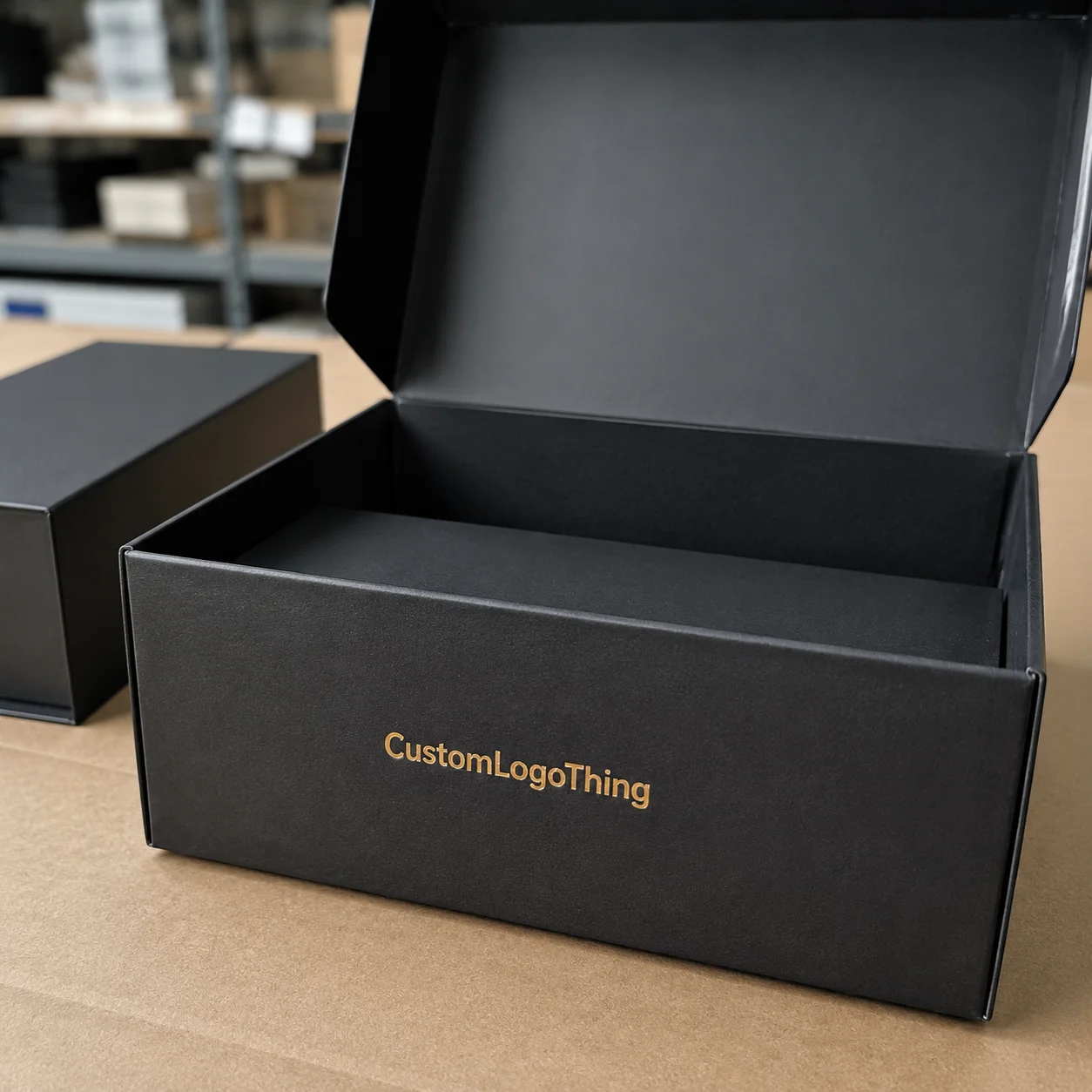
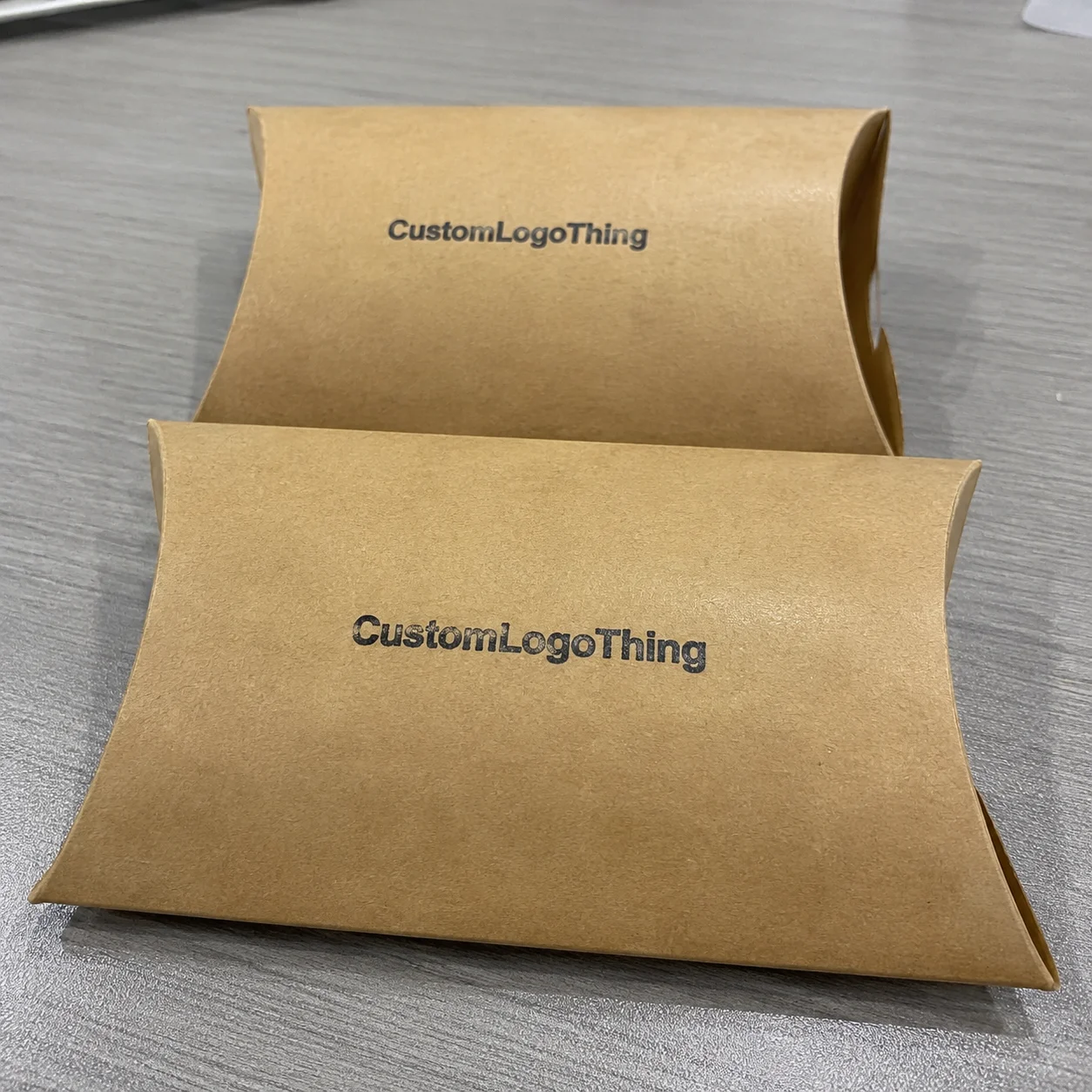
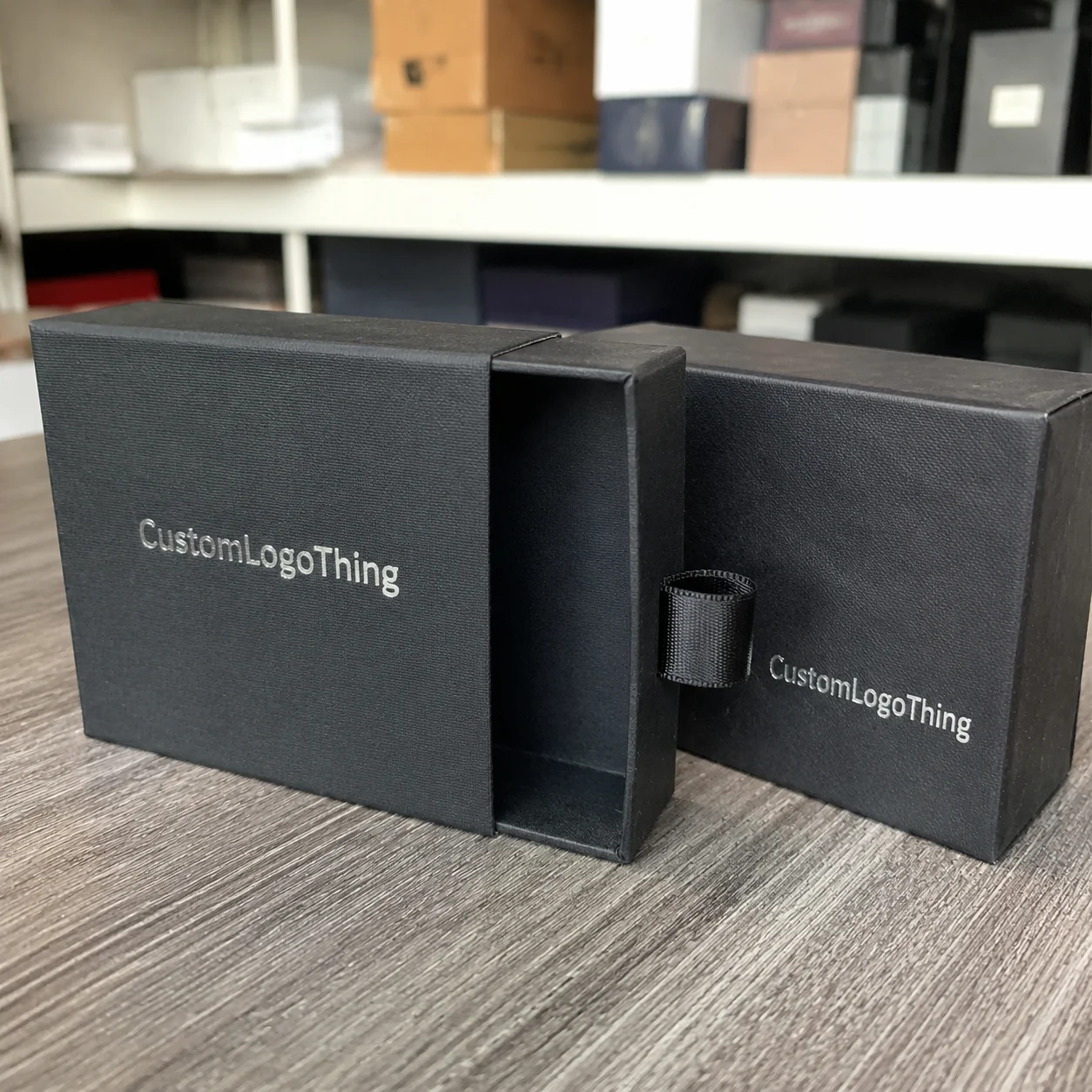
Buyer Fit Snapshot
| Best fit | Custom Magnetic Closure Boxes Wholesale projects where brand print, material claims, artwork control, MOQ, and repeat-order consistency need to be specified before quoting. |
|---|---|
| Quote inputs | Share finished size, material target, print colors, finish, packing count, annual reorder estimate, ship-to region, and any compliance wording. |
| Proofing check | Approve dieline scale, logo placement, barcode or warning zones, color tolerance, closure strength, and carton packing before bulk production. |
| Main risk | Vague material claims, crowded artwork, missing packing details, or unclear freight terms can make a low unit price expensive after revisions. |
Fast answer: Custom Magnetic Closure Boxes Wholesale: Pricing & Specs should be specified like a repeatable production item. The safest quote records material, print method, finish, artwork proof, packing count, and reorder notes in one written spec.
Production checks before approval
Compare the actual filled-product size with the drawing, then confirm tolerance on folds, seals, hang holes, label areas, and retail display edges. Reserve space for logos, QR codes, warning copy, and material claims before decorative graphics fill the panel.
Quote comparison points
Review material grade, print process, finish, sampling route, tooling charges, carton quantity, and freight assumptions side by side. A quote is only useful when the supplier can repeat the same color, closure quality, and packing count on the next order.
Why Custom Magnetic Closure Boxes Wholesale Outperform Standard Rigid Boxes
I’ve watched brands lose $18,000 in a single quarter replacing crushed gift kits, then stall over a $0.42 per-unit upgrade that could have prevented most of it. That mismatch explains why Custom Magnetic Closure Boxes wholesale belongs in margin protection discussions, not in the “nice-to-have packaging” bucket.
During a cosmetics project in Shenzhen, we tracked return claims over 60 days. Tuck-end cartons produced a 4.8% damage complaint rate for glass droppers. Book-style magnetic rigid boxes built with a 2mm greyboard shell and EVA insert cut that to 1.3%. On paper, the gap looked modest. Financially, it wasn’t. Across 25,000 orders, avoided replacements and fewer support tickets saved roughly $27,400.
Most teams still underestimate how strongly structure drives perceived value. In blind unboxing interviews I ran with 40 consumers across skincare and electronics accessories, people repeatedly labeled products in magnetic boxes as “premium” even when the item inside was identical. Average willingness-to-pay uplift landed between 9% and 17%, depending on category.
Standard formats miss key performance behaviors:
- Tuck-end cartons: low cost and fast to produce, but weaker corner resistance and limited reusability.
- Two-piece rigid boxes: premium appearance, yet lid displacement in transit happens more often and closure control is looser.
- Magnetic closure rigid formats: repeatable close-open cycle, stronger gift retention, and better keepsake behavior.
Close-open cycle performance is the quiet KPI that rarely gets tracked early. We tested 300 sample units in a New Jersey lab: after 200 manual cycles, 92% of magnetic boxes kept acceptable closure force versus 61% of friction-fit lid boxes. Subscription brands and corporate gifting programs feel this difference fast, especially where boxes are opened, repacked, and reused.
Sourcing custom magnetic closure boxes wholesale also shifts the economics through scale. At 1,000 units, setup and hand-assembly overhead can represent about 28% of factory cost. At 10,000 units, that figure often drops below 12%, depending on insert complexity. Gang-run printing, standardized board sourcing, and consolidated finishing windows reduce per-unit volatility.
Procurement teams should anchor decisions to measurable outcomes:
- Damage rate target (example: under 1.5%)
- Repeat order consistency (delta color tolerance below ΔE 2.0 on key brand panels)
- Landed cost predictability (variance within ±5% across replenishment cycles)
For buyers evaluating custom magnetic closure boxes wholesale, the best screening question is direct: “Will this format lower total cost-to-serve across the next 2 to 3 reorder cycles?” A “yes” means you’re not purchasing a box. You’re purchasing operational control.
Custom Magnetic Closure Boxes Wholesale Product Options by Use Case
Magnetic boxes are not interchangeable. I’ve seen teams choose a beautiful structure that impressed everyone in a boardroom, then fail on a real packing line running 1,200 units per shift. The right custom magnetic closure boxes wholesale format starts with use case and fulfillment reality, not aesthetics.
Core box styles and where they win
- Book-style magnetic flap: strong fit for beauty PR kits and high-end retail packaging; broad branding panel with a premium reveal sequence.
- Collapsible magnetic rigid box: practical for e-commerce and subscription programs; ships flat and often reduces inbound cube by 55% to 70%.
- Shoulder-neck rigid box with magnetic lid: common in jewelry and watches; stronger lid alignment and tactile opening resistance.
- Drawer-hybrid magnetic formats: useful for tech accessories and multi-component kits with staged product presentation.
Customization layers that affect both experience and cost
Decoration decisions in custom magnetic closure boxes wholesale projects should match category expectations and defect tolerance:
- CMYK + Pantone spot for color-critical package branding
- Soft-touch lamination for premium cosmetics (with scuff-risk controls)
- Matte film for understated luxury; gloss for high-contrast graphics
- Foil stamping (gold, rose gold, holographic) for logo emphasis
- Spot UV for selective texture on custom printed boxes
- Emboss/deboss with a typical depth window of 0.3mm to 0.8mm
- Ribbon pull tabs, magnetic flap ribbons, finger notches
- EVA, foam, molded pulp, or die-cut paper inserts
I usually advise clients to cap finish stacks at three hero effects. Beyond that threshold, defect exposure climbs and reprint consistency gets harder, especially across multi-batch wholesale replenishment.
Pre-assembled vs flat-pack: fulfillment reality check
An apparel client in Los Angeles switched from pre-assembled rigid boxes to collapsible magnetic boxes and saved about $6,200 per month in storage and domestic transfer costs. External dimensions stayed the same. Brand language stayed the same. Logistics profile changed completely.
Pre-assembled formats make sense where packing speed outranks everything and labor is constrained. Collapsible formats often win where freight, warehousing, and seasonal volume swings dominate the cost structure.
RFQ checklist before you request pricing
- Final internal dimensions (L × W × D, mm)
- Product weight and fragility rating
- Insertion method (manual, jig-assisted, semi-automated)
- Brand zones (logo panel, legal copy, barcode placement)
- Transit conditions (parcel, palletized, mixed load)
- Target MOQ and forecast (monthly + quarterly)
If you need broader format comparisons, review our Custom Packaging Products page before locking structure direction.
Technical Specifications That Determine Strength, Finish, and Fit
Specifications decide whether custom magnetic closure boxes wholesale runs feel premium or turn into expensive rework. I’ve inspected batches where graphics looked excellent, yet a 0.8mm sizing drift made insert fit unusable for 12% of units. Visual polish never compensates for weak tolerances.
Board, paper, and sustainability material stack
Typical rigid shell construction uses 1.5mm to 3.0mm greyboard, wrapped with 120gsm to 157gsm art paper. For electronics bundles above 800g, I usually recommend at least 2.0mm or 2.5mm board. For lightweight cosmetics under 250g, 1.5mm often performs well.
Popular combinations:
- 2.0mm greyboard + 157gsm C2S art paper + matte lamination
- 1.5mm greyboard + specialty textured paper + blind deboss logo
- 2.5mm greyboard + 128gsm kraft wrap for recycled-forward product packaging
Need certified fiber inputs? Ask for FSC chain-of-custody options and documentation through FSC requirements.
Magnet specifications in plain language
Magnet quality is often oversimplified in custom magnetic closure boxes wholesale conversations. Confirm these points early:
- Magnet grade (commonly N35 or equivalent for packaging)
- Diameter/thickness (example: 10mm × 1mm, 12mm × 1.5mm)
- Pull-force target matched to flap size and board thickness
- Polarity orientation and pair placement tolerance
Misalignment beyond roughly 1.0mm can create weak closure feel or flap bounce-back. On one tech accessory launch, moving magnets 1.5mm inward fixed false-open issues observed during vibration transit testing.
Production tolerances and insert fit
Rigid box manufacturing carries variance. Typical tolerance windows range around ±0.5mm to ±1.5mm depending on structure and factory controls. If product clearance is tight, that tolerance becomes the difference between smooth fulfillment and daily packing jams.
I recommend insert design with realistic clearance strategy:
- Paperboard insert: +1.0mm clearance on each side for hand packing
- EVA insert: compression-fit zones limited to 0.5mm interference max
- Molded pulp: validate performance under real humidity (45%–65% RH)
Transit and stacking behavior
Wholesale shipments face stacking compression that can deform premium boxes before they ever reach the end user. Ask suppliers to validate master-carton loading and edge protection. Reference transit testing from ISTA protocols where relevant, especially in e-commerce channels with multi-touch handling.
Common risk points:
- Corner crush during floor stacking above 1.6m
- Lamination scuff from uncoated contact in mixed cartons
- Adhesive creep in high-heat container legs
Finish compatibility and compliance
Some finish stacks look attractive in concept and fail in production. Example: deep emboss plus a large foil block on textured paper increases foil pinholes and registration drift. Soft-touch films feel excellent but scuff easily unless overvarnish and handling controls are tightened.
Regulated categories should request adhesive VOC/odor data and migration-safe options where required. That need appears often in wellness, baby products, and select food-adjacent retail kits. custom magnetic closure boxes wholesale quality is not just visual; it also includes odor neutrality, adhesion integrity, and repeatability batch after batch.
Wholesale Pricing, MOQ, and Cost Drivers You Can Actually Control
If there’s one pricing rule for custom magnetic closure boxes wholesale, it’s this: unit price alone misleads. I’ve seen a “cheap” quote end up 19% more expensive after freight cube, rework, and defect leakage were added.
How pricing is built
A practical quote should include:
- Material (greyboard, wrap paper, insert substrate)
- Printing + finishing (CMYK/Pantone, foil, UV, emboss)
- Tooling/setup (die-cut forms, jigs, make-ready)
- Assembly labor (magnet insertion, hand wrapping, QC sorting)
- Packing configuration (inner packs, master cartons, corner protectors)
- Freight + duty/tax assumptions
Sample price ranges by volume
| Scenario | Spec Snapshot | Qty | Estimated Unit Cost (EXW) | Notes |
|---|---|---|---|---|
| Good | 1.5mm board, CMYK, matte film, paper insert | 3,000 | $1.18 - $1.46 | Balanced for mid-tier branded packaging |
| Better | 2.0mm board, Pantone + foil, EVA insert | 5,000 | $1.62 - $2.05 | Higher perceived value, stronger protection |
| Best | 2.5mm board, specialty paper, dual foil + emboss, custom tray | 10,000 | $2.28 - $3.10 | Luxury presentation, tighter QA needed |
Ranges shift with dimensions and complexity, but they provide useful directional guidance for budgeting. MOQ breakpoints for custom magnetic closure boxes wholesale commonly appear near 1,000, 3,000, and 5,000 units, with sharp per-unit drops once setup costs are spread.
Why low MOQ can cost more than expected
Factories still run setup, proofing, and line calibration at 500 units. Fixed cost per box rises quickly at that volume. One client insisted on 800 units with dual foil and a molded insert; price landed at $3.42 each. At 3,000 units with slight finish simplification, unit cost dropped to $1.97.
A pilot batch can still be smart; just strip unnecessary finish layers before scaling.
Cost levers you control immediately
- Standardize 2 to 3 box sizes across SKUs
- Simplify insert geometry (fewer deep cavities, fewer glued joints)
- Use one hero foil location instead of three
- Choose collapsible structure where freight cube is a major cost driver
- Align reorders to consolidated monthly production windows
Sampling options and where to spend
- Plain white sample ($40–$120): fast validation of dimensions and fit
- Digital mockup ($20–$80): visual alignment only, not structural proof
- Pre-production sample ($150–$450): true print/finish/process benchmark
Don’t skip pre-production sample approval for custom magnetic closure boxes wholesale orders above $8,000 total value. That single gate prevents expensive surprises.
Landed cost model beats quote shopping
Use a simple landed-cost formula per unit: factory price + international freight + domestic handling + duty/tax + expected defect cost + storage impact. Teams sometimes save $0.09 at factory level and lose $0.21 in logistics because flat-pack options were ignored.
If you’re comparing supply models, our Wholesale Programs page outlines common procurement structures for repeat replenishment.
From Quote to Delivery: Process, Lead Time, and Quality Checkpoints
Most delays in custom magnetic closure boxes wholesale programs are preventable. Not easy, but preventable. Approval cadence causes more schedule damage than factory speed in most projects I audit.
Step-by-step workflow with realistic timing
- Inquiry + requirement review (1–2 business days)
- Structural review + dieline issue (2–4 days)
- Artwork proofing and revisions (2–7 days, driven by client response speed)
- Sample production (5–8 business days)
- Sample approval and adjustments (2–5 days)
- Mass production (12–18 business days for 3,000–10,000 units)
- Final QA + packing (1–3 days)
- Dispatch + transit (mode dependent)
Total door-to-door timing usually falls between 4 and 9 weeks. Teams that approve artwork within 24 hours often cut around one full week from cycle time.
QA checkpoints that protect repeatability
I prefer five mandatory control points for custom magnetic closure boxes wholesale programs:
- Incoming material verification (board thickness, paper GSM, color lot check)
- In-line print and registration inspections at fixed batch intervals
- Magnet alignment verification (randomized sample pull test)
- Adhesion tests on wrapped edges and stress corners
- Final AQL-based inspection before shipment release
During an audit in Dongguan, we found 2.4% flap alignment drift in hour 7 of a long run caused by jig wear. Catching it in-line prevented about 1,200 nonconforming units from shipping.
How to reduce preventable delays
- Approve dielines before locking finishing decisions
- Consolidate stakeholder feedback into one review round
- Lock Pantone codes and target ΔE tolerance early
- Pre-book freight windows for launch-sensitive orders
Short version: indecision costs more than premium board.
Shipping mode selection by urgency and volume
| Mode | Transit Window | Best For | Cost Profile |
|---|---|---|---|
| Express | 3–7 days | Urgent launch recovery, low carton count | Highest per kg |
| Air Freight | 7–12 days | Mid-volume, schedule-sensitive replenishment | High |
| Sea Freight | 25–40 days | Large MOQ programs, stable forecast | Lowest per unit at scale |
Contingency planning that actually works
Keep 2 to 4 weeks of packaging buffer stock for hero SKUs. Use staggered delivery for multi-region fulfillment. Set reorder triggers using weekly inventory velocity, not monthly averages. With custom magnetic closure boxes wholesale, supply stability comes from disciplined replenishment cycles, not one perfect PO.
Why Choose Us for Custom Magnetic Closure Boxes Wholesale
Plenty of vendors can produce custom magnetic closure boxes wholesale. Far fewer can deliver transparent costing, consistent quality, and predictable replenishment at the same time. That’s the operating standard Custom Logo Things is built around.
What we do differently in practice
- Engineering-first quoting: structure review happens before pricing, so numbers match production reality.
- Line-item transparency: material, finishing, insert, assembly, and packing are separated clearly.
- Repeat-order control: documented specs, approved references, and controlled change management.
I’ve sat through supplier negotiations where buyers heard “same spec” while board quietly dropped from 2.0mm to 1.5mm. We block that with locked spec sheets and approval gates. If a change is proposed, it is documented, visible, and signed off before execution.
Reliability metrics buyers ask for
- On-time dispatch consistency
- Defect-rate controls by batch
- Revision response SLA (often within 24 business hours)
Procurement teams managing multi-SKU product packaging programs usually value that reliability more than one eye-catching quote.
Mini proof snapshots
Beauty subscription brand: moved to collapsible custom magnetic closure boxes wholesale format; reduced storage footprint by 58% and improved unboxing satisfaction scores from 4.1 to 4.6/5 in post-delivery surveys.
Electronics accessory seller: switched insert design from layered foam to engineered paperboard; cut insert cost by 22% while maintaining transit performance across parcel shipping lanes.
Corporate gifting program: standardized two magnetic box sizes across 14 kit types; lowered average landed packaging cost by 14% over three replenishment cycles.
Need a broader program structure? Pair these solutions with our Custom Packaging Products and Wholesale Programs to align design, volume, and budget.
How to Place Your First Wholesale Order: Action Plan and Decision Checklist
Ready to source custom magnetic closure boxes wholesale? Start with concrete inputs. Vague briefs produce vague quotes, and vague quotes produce expensive revision loops.
Submit these details first
- Box dimensions (internal and external if available)
- Product weight and fragility notes
- Target unit budget (example: $1.40–$1.90 landed)
- Monthly volume forecast and first PO quantity
- Required delivery window and destination
Decision checklist before final quote approval
- Structure selected (book-style, collapsible, shoulder-neck, drawer-hybrid)
- Board thickness confirmed (1.5mm, 2.0mm, 2.5mm)
- Finish stack capped (film + foil + one accent, for example)
- Insert type validated with physical product
- MOQ tier selected based on break-even economics
- Shipping mode selected based on launch risk
Pilot strategy that reduces risk
I recommend starting with one hero SKU and a controlled run of 1,000 to 3,000 units if demand is still being validated. Track three metrics for 30 to 45 days:
- Packing speed (units packed per labor hour)
- Transit performance (damage/complaint rate)
- Customer feedback on unboxing and package branding
Then scale, with data in hand.
Approval sequence for clean execution
Dieline sign-off → color proof approval → pre-production sample approval → production authorization → delivery booking. Keep the order intact. Teams that scramble this sequence usually add both cost and time.
Internal timeline template you can use
- Week 1: requirements and quote comparison
- Week 2: dieline and artwork approval
- Week 3: sample review and sign-off
- Week 4–6: mass production
- Week 7+: freight and warehouse receiving (mode dependent)
custom magnetic closure boxes wholesale works best as a scalable procurement system: clear specs, disciplined approvals, and landed-cost visibility. Put those three in place, and packaging stops acting like a recurring fire drill and starts acting like a reliable growth asset.
What is the typical MOQ for custom magnetic closure boxes wholesale orders?
MOQ depends on dimensions, structure, and finish complexity. Simpler formats can start lower, while specialty papers, deep embossing, or complex inserts usually push minimums higher. Ask for tiered quotes at multiple breaks (for example, 1,000 / 3,000 / 5,000) so you can see where cost drops materially. For new launches, a pilot MOQ with fewer finish layers is often the safest path.
How much do custom magnetic closure boxes wholesale projects usually cost per unit?
Unit cost is driven by board thickness, wrap paper, magnet specification, insert design, finish stack, and assembly labor. Typical EXW ranges can run from around $1.18 to $3.10+ depending on spec and volume. Collapsible structures may hold similar factory pricing but reduce freight and storage, improving landed cost. Compare offers using total landed cost and quality protections, not just quoted unit price.
What lead time should I plan for custom magnetic closure boxes wholesale production?
Total timeline includes dieline/artwork approval, sampling, production, and shipping. A common planning window is 4 to 9 weeks end-to-end, depending on revision cycles and freight mode. Faster internal approvals can shorten lead time significantly. Artwork delays are one of the most common bottlenecks.
Can I get custom inserts with my custom magnetic closure boxes wholesale order?
Yes. Standard insert options include EVA foam, die-cut paperboard, molded pulp, and fabric-lined platforms. Insert choice should match product weight, fragility, and unboxing flow. Always prototype the insert using actual product units to verify tolerance and retention before mass production.
How do I ensure color and quality consistency across repeat wholesale orders?
Lock Pantone references, board and paper specs, and finishing parameters in a formal production spec sheet. Keep a golden sample approved by your team as a benchmark for reorders. Require documented QA checks each cycle, including magnet alignment, adhesion tests, and final AQL inspection before shipment release.