Buyer Fit Snapshot
| Best fit | personalized packaging for retail business for packaging buyers comparing material specs, print proof, MOQ, unit cost, freight, and repeat-order risk where brand print, material, artwork control, and repeat-order consistency matter. |
|---|---|
| Quote inputs | Share finished size, material target, print colors, finish, packing count, annual reorder estimate, and delivery region. |
| Proofing check | Approve dieline scale, logo placement, barcode or warning zones, color tolerance, and any recyclable or compostable wording before bulk production. |
| Main risk | Vague material claims, crowded artwork, or missing packing details can create delays even when the unit price looks attractive. |
Fast answer: Personalized Packaging for Retail Business: Material, Print, MOQ, and Cost should be specified like a repeatable production item. The safest quote includes material, print method, finish, artwork proof, carton packing, and reorder notes in one written spec.
What to confirm before approving the packaging proof
Check the product dimensions against the actual filled item, not only the sales mockup. Ask for tolerance on folds, seals, hang holes, label areas, and retail display edges. If the package carries a logo, QR code, warning copy, or legal claim, reserve that space before decorative graphics fill the panel.
How to compare quotes without losing quality
Compare board or film grade, print process, finish, sampling route, tooling charges, carton quantity, and freight assumptions side by side. A lower quote is only useful if the supplier can repeat the same color, closure quality, and packing count on the next order.
Personalized Packaging for Retail Business That Sells
I remember standing in a warehouse in Chicago with a retail buyer who stared at a plain white mailer like it had personally offended her. Then we swapped it for a $0.24 printed box made from 350gsm C1S artboard, and the same product suddenly looked giftable, cleaner, and worth the price tag. No new formula. No magical product upgrade. Just better packaging. That is personalized Packaging for Retail business in one blunt little lesson.
What Is Personalized Packaging for Retail Business?
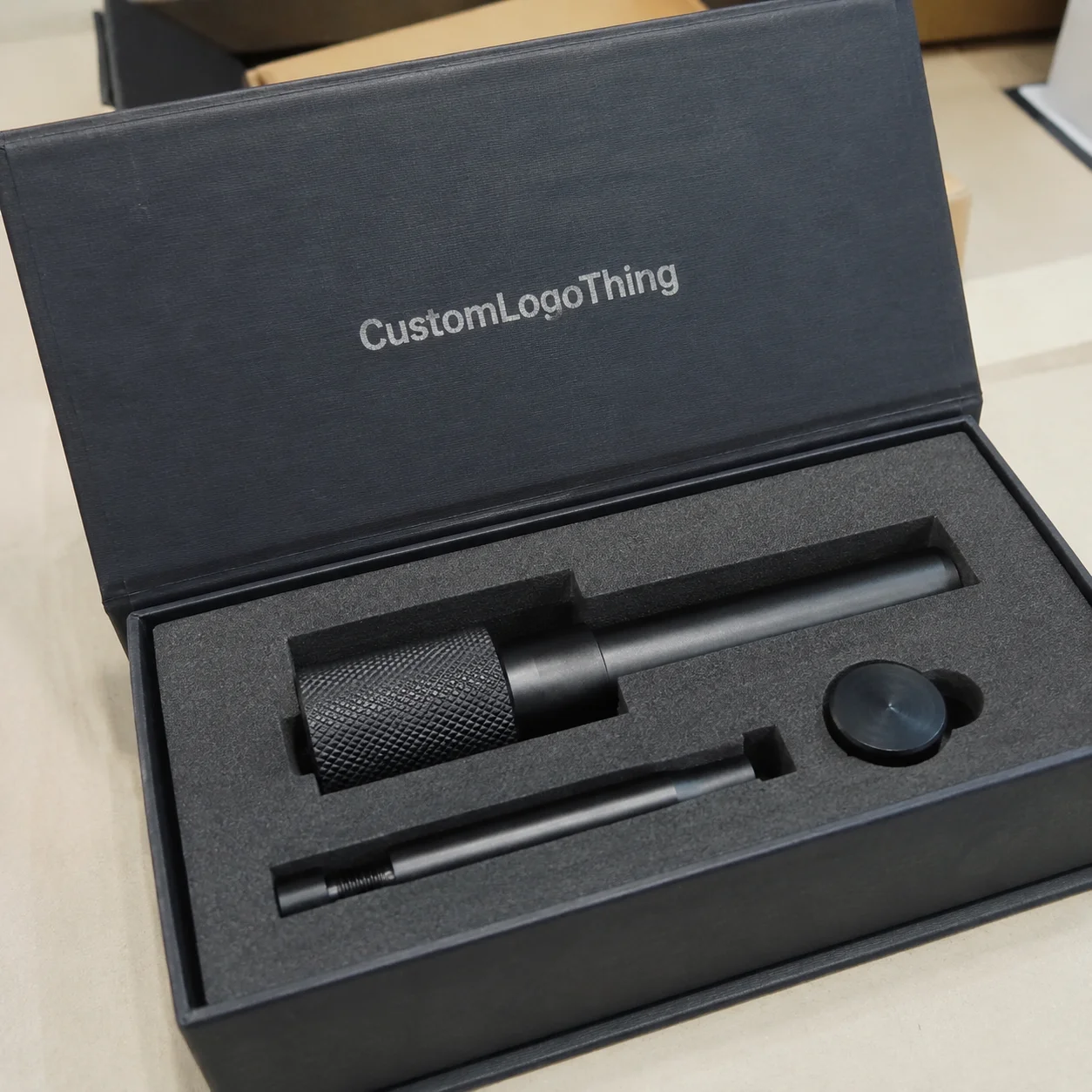
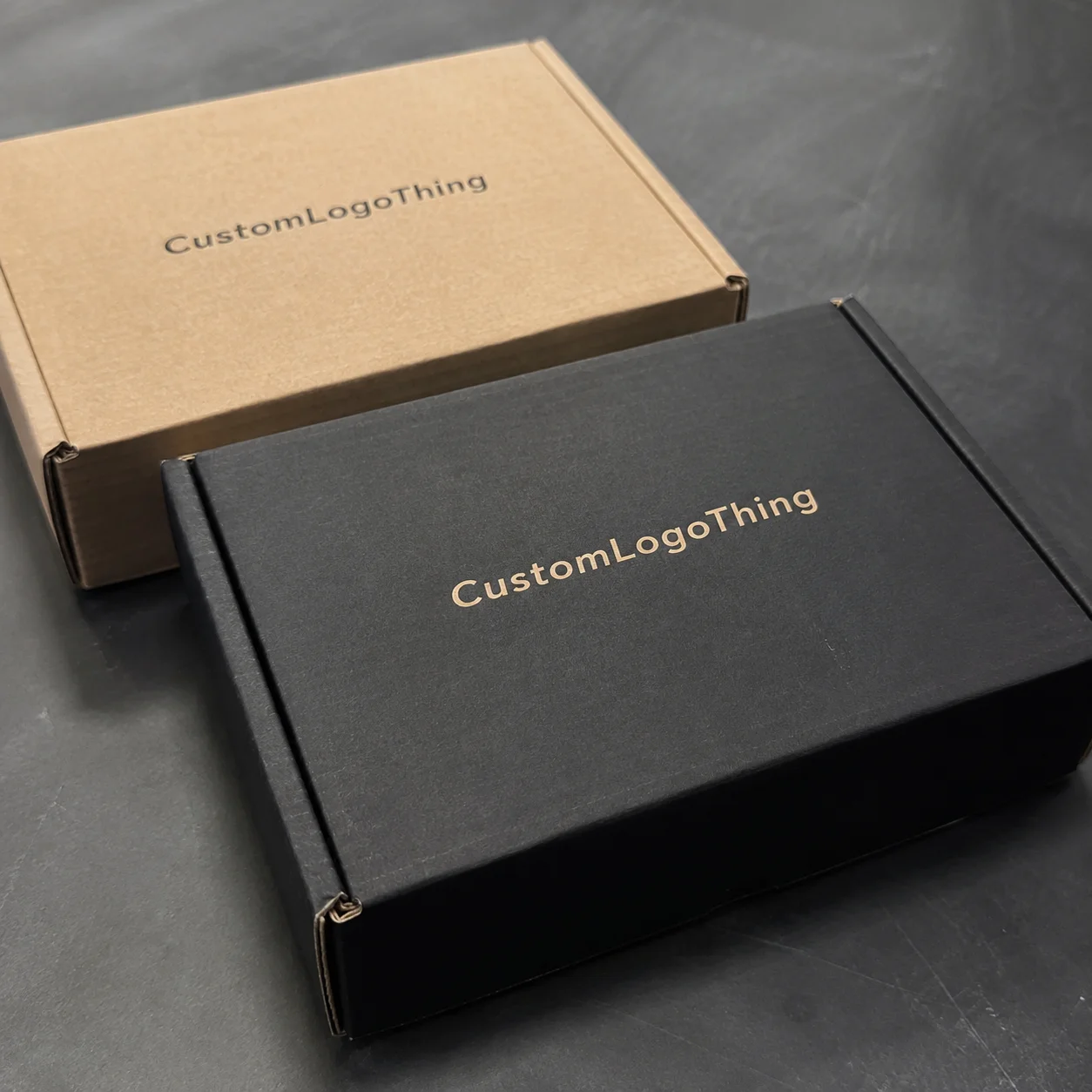
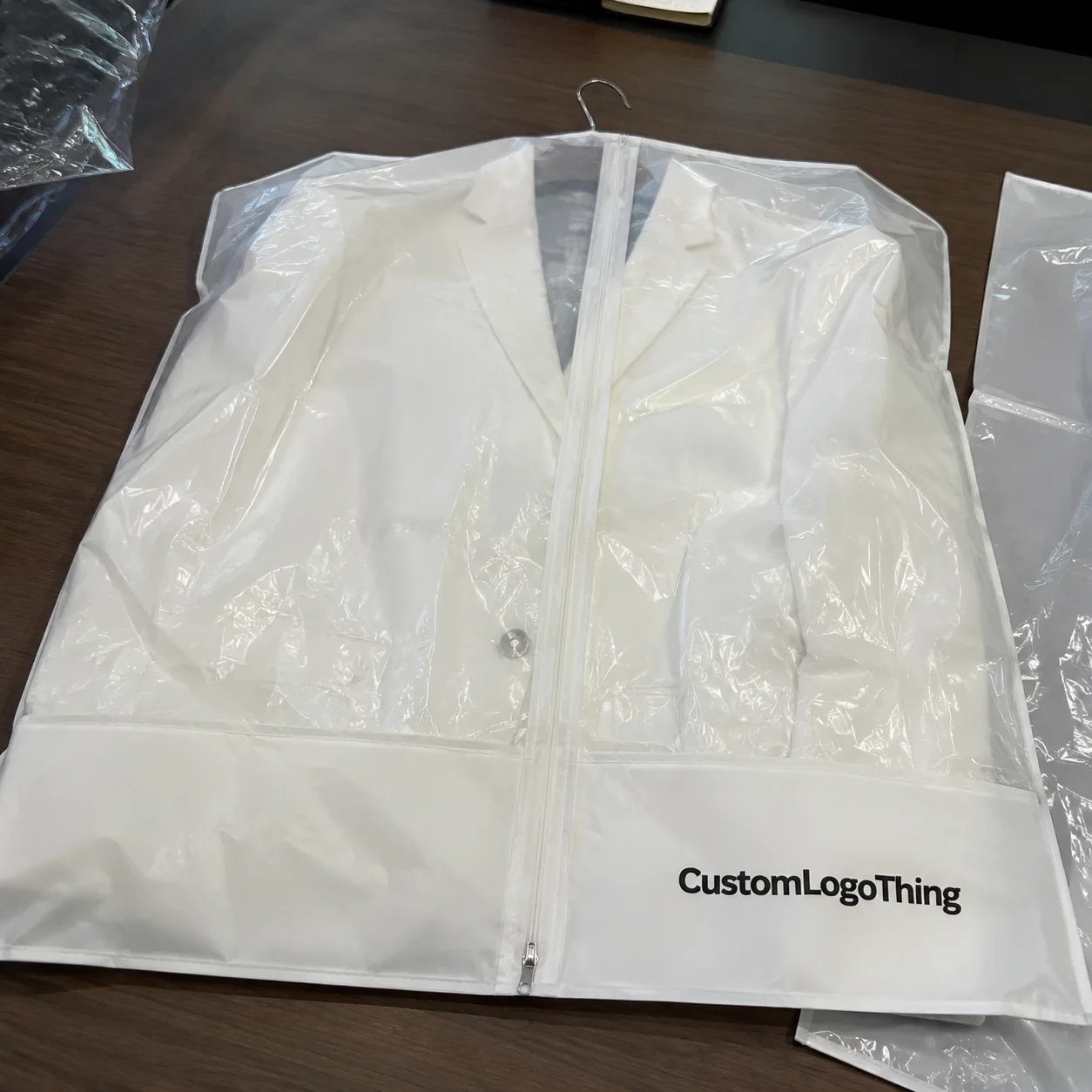
Personalized packaging for retail business is packaging built around a product, a store format, a seasonal launch, or one very specific customer experience. Usually, it is tied to a real spec like a 4-color printed sleeve, a 1.5 mm insert, or a 350gsm C1S folding carton. I am talking about printed cartons, sleeves, tissue, inserts, labels, stickers, tape, and limited-run artwork that make product packaging feel deliberate instead of generic. That difference matters more than people like to admit in meetings where everyone is pretending the logo size is a philosophical issue.
The first job of personalized packaging for retail business is to change the first impression. A shopper sees the box, feels the finish, and makes a judgment in about three seconds, whether the item is sitting on a shelf in Dallas or arriving in a USPS mailer in Portland. If the outer package looks like it came from a random storage closet, trust slips a little. If it looks aligned with the brand, the product suddenly feels more premium, more giftable, and more worth the price tag. Humans are shallow like that. I say it with love.
Here is the part people get wrong: personalized packaging for retail business is not decoration for decoration's sake. Pretty artwork without a business goal is expensive wallpaper, especially when the quote says $8,000 for 5,000 kits and the pack-out line slows down by 22 percent. I have seen brands spend $8,000 on a launch kit, then discover the box slowed the pack-out line by 22 percent because the insert required one extra folding step. That is not package branding. That is self-inflicted pain with foil on top. Honestly, I think some teams would rather impress a boardroom than survive a Tuesday in the warehouse.
The best retail packaging does three jobs at once. It protects the product, it supports conversion, and it keeps the brand system consistent across stores and channels from Atlanta to Toronto. The useful question is not "Does it look nice?" The useful question is "Does personalized packaging for retail business help us sell more units, raise repeat purchase rates, or justify a higher margin by at least 8 to 12 percent?" If the answer is no, cut it back. Your future self will thank you, probably while holding a sharpie and a shipping label at 7:40 a.m.
I learned that lesson on a client visit in Shenzhen where the buyer had brought in five sample directions for Custom Printed Boxes. One version was a showpiece, all soft-touch lamination and gold foil. The other was a simple two-color folding carton with a printed insert. The second one won because it shaved 14 cents per unit and still looked clean on shelf. The buyer thanked me later, which is rare enough to mention. Retail people do not hand out praise like candy. Especially not after a 9 a.m. sample review and a lukewarm tea.
For brands starting out, I usually point them to the simplest path first: a clean structure, a disciplined color palette, and one repeatable spec like 350gsm C1S artboard or E-flute corrugated. If you need ideas, our Custom Packaging Products page is a good place to compare formats before you get seduced by a fancy render. Renders are easy. Cartons that ship, stack, and survive handling are the real test. I have watched beautiful mockups turn into sad little cardboard arguments the moment they hit the dock in Long Beach.
How Personalized Packaging for Retail Business Works
Personalized packaging for retail business usually moves through five stages: brief, dieline, proof, production, and shipment. That sounds simple until three departments start changing the artwork on the same Tuesday and the supplier in Dongguan is asking for final art by 3 p.m. local time. Design wants the logo bigger. Operations wants the insert thinner. Purchasing wants the unit price lower by 6 cents. That is how a neat plan turns into a late launch and a bunch of passive-aggressive email replies.
The brief is where good projects begin. I want product dimensions, weight, shipping method, target quantity, launch date, and a real budget range before anyone opens layout software, ideally in one document with numbers like 128 x 92 x 41 mm and a 5,000-piece MOQ. If someone hands me a "make it premium" note, I know I am about to lose an afternoon. Personalized packaging for retail business works best when the team agrees on the actual job: shelf appeal, gift value, seasonal messaging, SKU separation, or better online unboxing. If nobody agrees on the job, the box becomes a vanity project. Those are expensive hobbies.
After the brief comes the dieline, which is the flat map of the package. Packaging design either gets disciplined or gets weird right here. Bleed, folds, glue zones, barcode placement, and finish limits all live here. I once stood next to a press operator in Shenzhen while he pointed to a logo sitting 1.5 mm too close to a fold line. That tiny miss would have made the whole run look sloppy. Screens lie. Cardboard does not. Cardboard also has no patience for creative optimism.
There are three broad package paths I see most often for personalized packaging for retail business: stock packaging with custom print, semi-custom packaging, and fully custom structures. Stock packaging is fast and cheaper, which matters if the launch window is brutal and you need boxes in 12 to 15 business days from proof approval. Semi-custom gives you more control over shape and size without rebuilding everything from scratch. Fully custom is for brands with real volume, deeper budgets, or Product Packaging That needs a very specific internal fit. Not every brand needs to reinvent the carton just to feel special.
Where personalization shows up matters too. Some brands use variable names or store-specific messaging. Others add regional artwork, QR codes, or a campaign insert with a 10 percent offer for the next purchase. I have seen seasonal tissue paper lift giftability for a boutique chain in Austin because the product suddenly felt curated instead of random. That is personalized packaging for retail business doing actual work, not just looking cute on a mockup board in a conference room with bad coffee.
If the team is not aligned, the project gets expensive fast. Design may approve one finish while operations needs another. Purchasing may push for a lower MOQ, then discover the supplier raised the unit price because the order got split across four SKUs instead of one. I have watched this happen in a conference room with three open laptops and exactly zero agreement, once in Los Angeles and once in Manchester. That room had energy. It also had waste. And by "energy," I mean people trying very hard not to say "I told you so."
"The best packaging is the one the warehouse can build, the store can stock, and the customer can remember." I said that to a retail client after their second reprint in 2023, and they finally stopped chasing glossy nonsense for one minute.
Personalized Packaging for Retail Business Cost and Timeline
Personalized packaging for retail business can be surprisingly cheap or painfully expensive, and the gap usually comes down to structure, finish, and quantity. A label or sticker might land around $0.05 to $0.15 per unit. A printed mailer can sit in the $0.40 to $1.20 range. A rigid box with specialty finishing can move much higher, especially if you add foil, embossing, or a custom insert. Those numbers are not fantasies. They are the kind of ranges I have actually negotiated in supplier quotes while somebody in Guangzhou tried very hard to sound calm about paper stock and courier rates.
Here is a simple way to think about it. The more the package does, the more it costs. A plain sleeve is cheap because it uses less material and fewer press steps. A custom printed box with full graphics, spot UV, and a die-cut insert takes more board, more setup, and more labor, usually on a 3,000-, 5,000-, or 10,000-piece order. Personalized packaging for retail business becomes a math problem fast, and the math has to include freight, storage, and repack time, not just the factory quote. If your spreadsheet ignores reality, the warehouse will correct you later. It always does.
| Packaging option | Typical unit cost | Best use case | Main trade-off |
|---|---|---|---|
| Sticker or label | $0.05 to $0.15 | Fast branding refresh, SKU identification | Limited perceived value |
| Printed sleeve | $0.12 to $0.40 | Retail packaging for seasonal or promotional runs | Needs clean base packaging |
| Printed mailer | $0.40 to $1.20 | E-commerce, gifting, lightweight products | Board quality changes shipping strength |
| Folding carton | $0.25 to $0.95 | Most consumer goods and beauty items | Artwork and tolerances need discipline |
| Rigid box | $1.80 to $4.50+ | Premium sets and high-margin giftable SKUs | Higher storage and freight cost |
The biggest price drivers are not mysterious. Quantity matters because setup costs get spread across more units. Board grade matters because SBS, corrugated, kraft, and rigid board all behave differently and cost differently. Print method matters because offset, digital, and flexo are not priced the same way. Add foil, embossing, soft-touch lamination, or multiple inserts, and personalized packaging for retail business gets more expensive fast. There is no magic switch here. Just math, and occasionally the mild disappointment of reading a quote line by line.
Timeline is the other half of the equation. A sane project might take 3 to 5 business days for concept and dieline review, 5 to 7 days for sampling, 2 to 4 days for approval, 12 to 15 business days from proof approval for production, and another 5 to 12 days for shipping depending on origin and route from Shenzhen, Ningbo, or Ho Chi Minh City. If someone promises a custom package in a week, I assume they are either confused or trying to sell me a headache. Usually both, if I am being honest.
I once negotiated a carton run where the supplier shaved $0.03 per unit by switching paper stock, but the box crease quality got worse in humid storage in Singapore. That tiny savings would have looked great on a spreadsheet and terrible on a retail floor. Personalized packaging for retail business needs landed cost, not fantasy cost. Freight, customs, pallet space, and rush fees all belong in the same spreadsheet cell, whether finance likes it or not. Finance likes reality even less than I do, which is saying something.
Here are the sneaky budget killers I see over and over:
- Rush charges added after the launch date is already fixed.
- Low MOQs that force you into a higher unit price.
- Split SKUs that turn one clean order into three expensive mini-orders.
- Last-minute artwork changes that trigger new plates, new proofs, or new waste.
- Packaging approvals made before operations has even opened the carton sample.
If you are comparing vendors, ask for landed cost, not a headline unit price. That means the packaging, freight, duties, and any local handling fees all folded into one number. I have seen "cheap" personalized packaging for retail business turn into the most expensive line item in the launch budget because nobody bothered to ask what happened after the factory pallet left the dock in Ningbo. And yes, that usually becomes a frantic Friday problem, which is a special kind of corporate entertainment nobody wants.
Key Factors That Shape the Look, Quality, and Price
Personalized packaging for retail business lives or dies on fit. If the product is heavy, fragile, oddly shaped, or shipped through a rough carrier network, the structure has to match reality, whether that means a 2 mm board insert or an RSC corrugated shipper. I do not care how beautiful the mockup is if the item arrives dented. Custom printed boxes need to survive pallet stacking, warehouse handling, and the occasional drop test that nobody admits happened. Retail packaging is not a museum piece. It needs to do its job under pressure, like the rest of us.
Material choice changes both the feel and the bill. SBS board gives you a clean print surface and a crisp retail look. Corrugated helps with shipping strength. Kraft signals a more natural, earthy brand direction. Rigid board brings premium perception, but it is heavier, bulkier, and more expensive to store. If you need food-safe materials, recycled content, or FSC-certified stock, that narrows the field further. I keep an eye on packaging.org for industry basics and material context because trade groups usually explain this better than a sales rep trying to hit quota with a glossy deck.
Finishes are where the budget starts acting dramatic. Matte lamination feels controlled and modern. Gloss can brighten color. Soft-touch adds a velvety feel that customers notice immediately, especially on higher-margin product packaging. Foil and embossing help package branding pop, but each layer adds setup time and increases the chance of registration problems. A retailer once asked me for foil, embossing, spot UV, and a magnetic closure on a low-ticket item that sold for $19.99. I told them, politely, that the box was trying to earn more than the product. They laughed, then cut two finish options, which was the correct emotional arc.
Warehouse and retail operations matter just as much as appearance. Personalized packaging for retail business has to pack quickly, stack neatly, and store without taking over the backroom. A box that saves $0.07 but takes 18 extra seconds to assemble is not saving anything. A sleeve that requires tape at the register may look smart on a sample table and annoying in a real store. Pretty is fine. Slow is not. If the team hates handling it, the package is already failing.
Shipping performance is another hard filter. If a package is going through e-commerce or distribution centers, I ask about ISTA 3A style testing and basic transit simulation. The ISTA standards library is a useful reference point, and ASTM D4169 is another one I keep in mind when vendors are making bold claims about durability. If the supplier cannot talk about drop, vibration, and compression in plain English, I slow the conversation down. Fast talk is not a substitute for test data. I have heard enough smooth nonsense to last three supply chains.
One more thing: not every brand needs the most expensive route. Some of the best-performing personalized packaging for retail business I have seen used simple materials like 350gsm C1S artboard with disciplined color, tight typography, and one smart insert. That is package branding done with restraint. It is also how you keep margin from leaking through the floor like water through a cracked pallet. Honestly, restraint is underrated. It photographs well, ships better, and usually costs less. Funny how that works.
Step-by-Step Guide to Launching Personalized Packaging
Start with the goal. Personalized packaging for retail business can be built to raise conversion, improve gifting appeal, separate SKUs, support a seasonal push, or create a cleaner brand system across stores and online channels. If the goal is vague, the package will be vague too. I have watched that happen at least four times, including one launch in Seattle and one in Melbourne, and every one of those projects got more expensive than necessary. Vagueness is a tax, apparently.
Then build a real brief. Include the product dimensions, weight, quantity, print method, target price, launch date, and any compliance requirements. If you need FSC paper, recyclable board, or a child-safety note, say it early. If the package must hold a 12 oz item without flexing, say that too. Personalized packaging for retail business is much easier to execute when the numbers are on paper before the design team gets cute with the layout. Cute is fine for birthday cards. Not so much for carton specs.
After that, get prototypes. I do not mean a screen mockup. I mean a physical sample you can fold, stack, tape, and open with your own hands, ideally before a 5,000-piece run leaves a plant in Dongguan or Suzhou. I once had a client fall in love with a digital render of custom printed boxes, only to realize the flap interfered with the product's barcode. The sample saved them from 20,000 bad units. Paper is cheaper than regret. Also, shipping a bad first run is the retail equivalent of setting money on fire and calling it strategy.
Use a pilot order before you scale. Send a small batch through the full workflow: receiving, storage, pack-out, shipping, and in-store display. Check whether the package survives the trip, whether the team can assemble it in under 20 seconds, and whether the customer can open it without needing a knife and a prayer. Personalized packaging for retail business should make the operation easier, not just prettier. If the cashier needs a tutorial, the concept needs another round.
Here is the rollout sequence I recommend:
- Approve the creative brief and lock the specs.
- Review one physical prototype against the actual product.
- Run a small pilot with 100 to 500 units.
- Measure pack-out time, damage rate, and customer response.
- Scale only after operations signs off in writing.
I also like to keep approval simple. Design approves the artwork. Operations approves the structure. Purchasing approves the price. One person owns the final yes, ideally with version control in a shared folder named something boring like "FINAL_v7." That cuts the email circus down to size. If three people are making contradictory edits to personalized packaging for retail business, the supplier will quietly charge you for every extra revision. Trust me, they are not being charitable with their time. They are billing for chaos with remarkable discipline.
For sourcing, I usually start with a small comparison set and pull options from our Custom Packaging Products range so the team can compare finishes and structures without guessing. The best decisions are rarely the flashiest. They are the ones that survive the launch calendar and still look good after the third replenishment order. I have a soft spot for packages that keep their dignity after a few hundred hands have touched them.
Common Mistakes Retail Brands Make With Custom Packaging
The biggest mistake is over-designing everything. Personalized packaging for retail business can turn into a crowded mess of gradients, foil, icons, copy blocks, and last-minute seasonal flourishes. Then the margin shrinks, the assembly slows, and the warehouse starts hating the brand team in private. I have seen beautiful boxes become operational liabilities because someone confused visual excitement with business value. That confusion is expensive, and it keeps showing up like a bad habit.
Another classic mistake is ignoring dielines and print tolerances. Text too close to a fold line will look sloppy. A logo placed near the glue flap can vanish in assembly. Bleed that is too tight can leave white edges on the finished custom printed boxes. These are not exotic problems. They are basic, preventable problems. Yet they still show up on the same desk every month like clockwork. I swear some errors are loyal customers.
Skipping samples is the fastest route to regret. Personalized packaging for retail business should be tested in hand, under real lighting, with the real product inside, not judged from a PDF on a laptop with 70 percent brightness. Teams that skip this step usually end up paying for reprints, apologizing to the warehouse, and explaining to finance why the "simple project" now has a second purchase order. That conversation is never fun, and it is even less fun when the launch date is fixed. Nothing sharpens a meeting like a deadline and a bad prototype.
I also see brands treat packaging like a one-time art project. That is a mistake. Retail packaging needs a system. You want the core design, the seasonal update, and the limited campaign version to all feel related without forcing a full rebuild every quarter. If your package branding changes wildly every time a new buyer gets involved, shoppers stop recognizing you. Consistency is not boring. It is profitable. It is also one of the few things that makes future ordering less annoying.
Another issue is forgetting the people who actually handle the product. Store associates, pickers, packers, and forklift operators all interact with the package in ways the marketing team never sees, whether they are in a Denver backroom or a Milton Keynes depot. Personalized packaging for retail business must work for them too. A box that looks elegant but tears under stack pressure is not elegant. It is annoying with better typography. And yes, I have heard people defend that sort of thing like it was high art.
Finally, some brands obsess over a single finish and ignore the full picture. A foil mark may look great on a sample board, but if it pushes the unit price above target by 18 percent on a 7,500-piece order, the math is off. I would rather see a restrained, clean package with strong retail packaging logic than a showpiece that destroys the margin. Fancy is fun. Profit pays the bills. That is not a controversial statement, even if some folks react to it like it is.
Expert Tips and Next Steps for Your Next Order
Use a tiered system. I like a core everyday design, a seasonal overlay, and a limited-run campaign piece. That gives you flexibility without rebuilding personalized packaging for retail business from scratch every time a promotion changes. It also keeps procurement from tearing its hair out. One base system is easier to reorder, easier to store, and easier to explain to a new operations manager who just inherited the mess.
Ask suppliers for hard documents, not warm feelings. You want a written spec sheet, sample photos, MOQ, lead time, and landed cost. If possible, ask for a second quote on a similar material so you can see where the real price breaks are. Personalized packaging for retail business should be bought with numbers, not vibes. Cheerful promises do not survive freight invoices. Neither do hand-wavy statements like "we can probably make that work." Probably is not a production plan.
Test one best-selling SKU first. That single item gives you the clearest read on whether the package works. Check conversion, damage rate, pack-out speed, and any customer feedback that comes back through store staff or support tickets. If the numbers improve, then expand. If they do not, adjust before you order a second wave of custom packaging products that nobody wants to use up. There is nothing glamorous about a backroom full of almost-right boxes.
Keep an eye on standards and sustainability claims. If a vendor says the board is recyclable, ask what happens in your target market. If they say the paper is FSC-certified, ask for the chain-of-custody documentation. If you expect shipping abuse, ask how they tested it. Personalized packaging for retail business should be both attractive and defensible. Sloppy claims age badly, and customers notice. So do auditors, which is a thrillingly different type of complaint.
Here is the blunt version of the rollout plan I would use:
- Review current inventory and clear the dead stock first.
- Compare at least three supplier quotes on identical specs.
- Approve one prototype before production starts.
- Build a 10 to 15 day buffer before launch, because proofs slip.
- Reorder only after the pilot proves pack-out speed and damage control.
I also tell clients to keep one person responsible for the final file package. Not four people. One. That person should own artwork versioning, print notes, and the approval chain. It is a small administrative habit, but it protects the whole personalized packaging for retail business rollout from dumb mistakes that cost real money. I have seen a missing barcode turn into a $3,400 relabeling bill in New Jersey. Nobody enjoys paying for chaos. Not the warehouse, not finance, not me, and definitely not the person who forgot to check the final PDF.
If you want a simple starting point, use the packaging format that gives you the best balance of shelf appeal, labor time, and unit cost. Then build outward from that. A strong first system can carry a brand through 2 or 3 seasons before it needs a major refresh. That is usually the sweet spot. Anything more and you are changing boxes because you are bored, which is not a strategy. It is a mood.
FAQ
What is personalized packaging for retail business?
It is packaging customized for a specific retail brand, product line, store format, or campaign instead of using generic stock packaging. Personalized packaging for retail business can include printed boxes, sleeves, labels, inserts, tissue, and tape that make the product feel more intentional. The point is to improve shelf appeal, reinforce branding, and support repeat purchase behavior, whether you are shipping 500 units or 50,000. It is the difference between "we bought a box" and "we thought this through."
How much does personalized packaging for retail business cost?
Low-complexity items like stickers or sleeves can be very inexpensive, while rigid boxes and specialty finishes cost much more. Final pricing depends on order quantity, material grade, print method, finishes, insert count, and whether the order is split across multiple SKUs. A 5,000-piece folding carton run might land around $0.28 to $0.65 per unit, while a rigid box with foil can be several dollars each. The smartest move is to compare landed cost, not just unit price, because freight and rush fees can quietly wreck the budget. I have seen that happen more times than I care to count.
How long does personalized packaging for retail business take to produce?
A basic project usually needs time for brief development, dielines, sampling, approval, production, and shipping. Simple packaging can move faster, but custom structures, special finishes, or low-volume runs often add extra weeks. A typical timeline is 3 to 5 business days for concept, 5 to 7 days for samples, 12 to 15 business days from proof approval for production, and 5 to 12 days for transit depending on the route. The safest plan is to build a buffer before launch so a proofing delay does not become a retail problem, especially for personalized packaging for retail business tied to a seasonal campaign. If your launch hinges on one box, give it breathing room.
What packaging type works best for a small retail business?
Small retailers often get the best value from printed sleeves, labels, mailers, or a semi-custom box that upgrades appearance without overcomplicating operations. The best choice depends on the product size, shipping method, and how much assembly time the team can handle. Start with one hero SKU before expanding into a full custom packaging system, and use personalized packaging for retail business only where it will actually move the numbers. Small brands do not need giant-box energy.
How do I avoid overbuying personalized packaging for retail business?
Order a test run first and compare actual usage against your sales forecast before placing a larger production order. Use packaging that can work across multiple products or seasons so leftover inventory is not dead stock. Ask suppliers about MOQ options and reprint timing so replenishment stays flexible, because personalized packaging for retail business should support inventory planning, not break it. Nothing feels worse than a pallet of "great idea" boxes you cannot use.
If you want Packaging That Sells without turning your ops team into a support group, start with one SKU, one prototype, and one clean spec sheet. That is the practical path to personalized packaging for retail business that looks good, moves fast, and keeps margin intact. I have seen enough pretty disasters to know the difference, from a 2022 beauty launch in Los Angeles to a 2024 gift set run in Toronto.
For most brands, the next step is simple: review current inventory, compare three supplier quotes, and test one pilot order before you scale. Do that, and personalized packaging for retail business stops being a vague idea and becomes a repeatable sales tool. Which, frankly, is what it should have been all along.