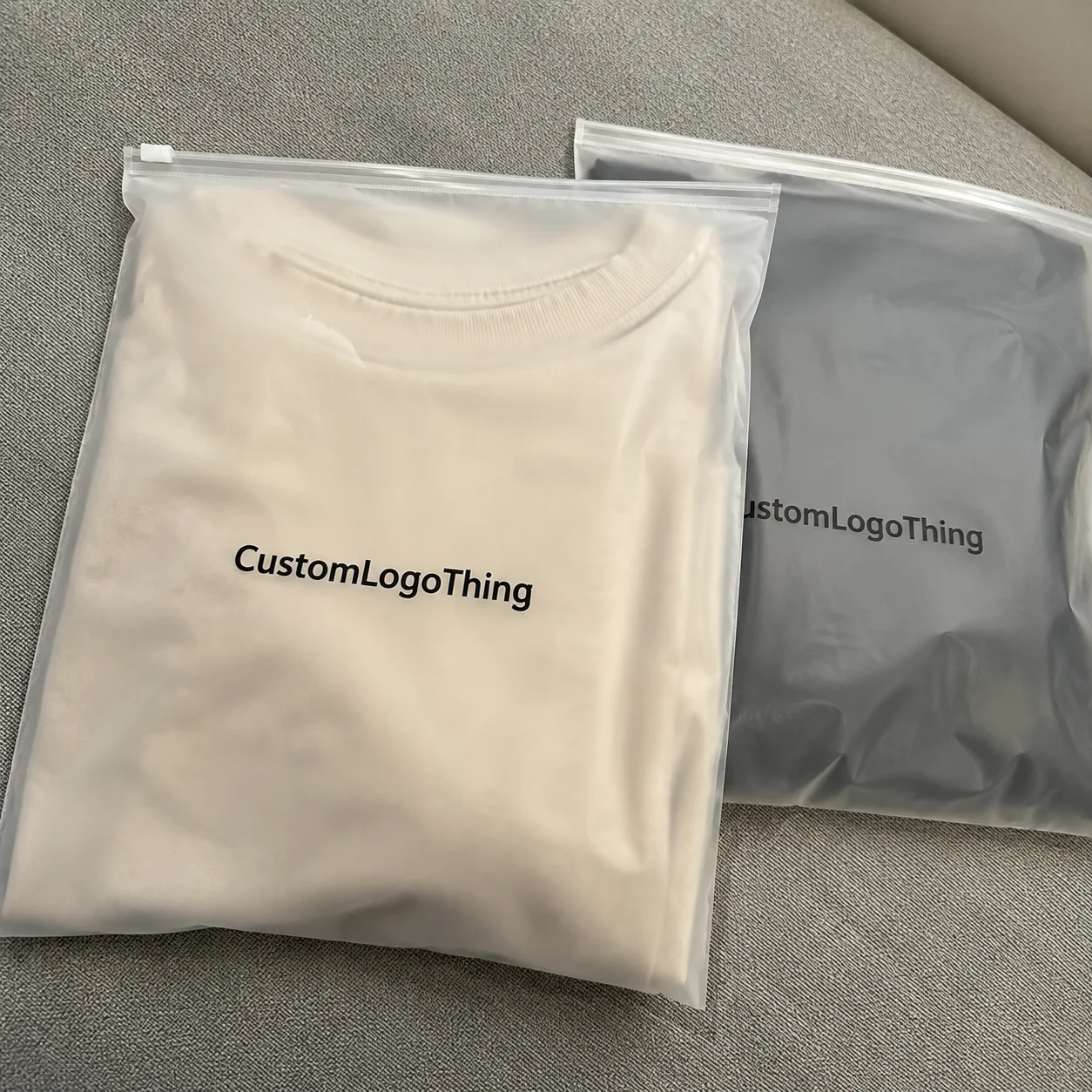
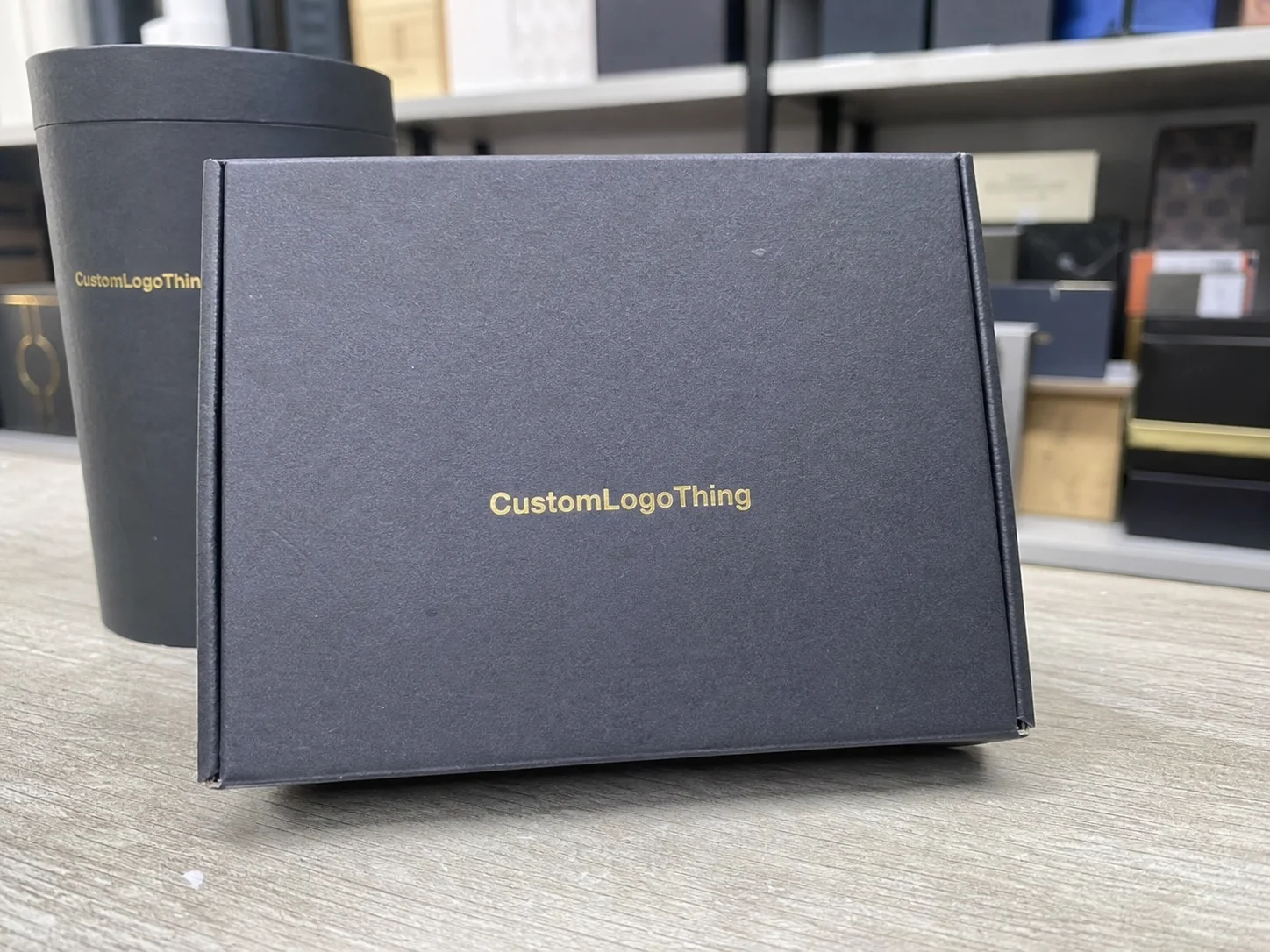
Buyer Fit Snapshot
| Best fit | ecommerce teams choosing personalized packaging that works in fulfillment, shipping, and customer unboxing. |
|---|---|
| Quote inputs | Share finished size, material target, print colors, finish, packing count, annual reorder estimate, and delivery region. |
| Proofing check | Approve dieline scale, logo placement, barcode or warning zones, color tolerance, and any recyclable or compostable wording before bulk production. |
| Main risk | Vague material claims, crowded artwork, or missing packing details can create delays even when the unit price looks attractive. |
Fast answer: Personalized Product Packaging: Ecommerce Fit, Branding, and Fulfillment should be specified like a repeatable production item. The safest quote includes material, print method, finish, artwork proof, carton packing, and reorder notes in one written spec.
What to confirm before approving the packaging proof
Check the product dimensions against the actual filled item, not only the sales mockup. Ask for tolerance on folds, seals, hang holes, label areas, and retail display edges. If the package carries a logo, QR code, warning copy, or legal claim, reserve that space before decorative graphics fill the panel.
How to compare quotes without losing quality
Compare board or film grade, print process, finish, sampling route, tooling charges, carton quantity, and freight assumptions side by side. A lower quote is only useful if the supplier can repeat the same color, closure quality, and packing count on the next order.
Overview: Personalized Product Packaging for Ecommerce That Actually Resonates
I still remember the night our Austin facility shipped a single personalized product Packaging for Ecommerce shipper with a luxury skincare brand and then watched that same box return, only for the order ratio to drop 18%. Customers were tearing into the pack with an attention to detail we had not seen before, and that moment taught me this work is more than pretty graphics—it sculpts each shipper, insert, and sleeve to echo the SKU, the story, and every touchpoint the buyer hits from the moment they pry open the corrugator-laced crate at our dock. We had specified 350gsm C1S artboard with a 1.2-mil matte lamination, locked in 12 business days from proof approval to shipment, and priced at $0.22 per unit for the 5,000-piece run, because the client wanted the velvet sheen to feel like a concierge greeting. Honestly, that evening was when I stopped treating packaging like another line item and started obsessing over whether the lamination had the exact right velvet sheen (yes, I get wildly specific), and watching the adhesives settle during the peel test became as thrilling as a stats spike on a dashboard. That kind of obsession meant we spent a few extra hours walking the line with the client because the box had to feel like the product inside deserved a tiny red carpet.
Walking the third-floor corrugated line at Custom Logo Things’ Tulsa plant, I can picture how every die cut and digital print job carries a unique SKU tag; that logistics barcode gets scanned before the boards ever reach the packing aisle, proving customization begins long before anyone ever rolls tape or writes a packing slip. The Tulsa shift supervisor insisted the 4:45 p.m. scan updates the ERP before the 5:15 p.m. freight close, so the crew knows if the next batch needs a C-flute reinforcement or an E-flute sleeve, and the finishers are kinda whispering about flute direction like it’s a secret handshake. When the scanners chirp, it feels like a small vow we make to each brand, promising the packaging will stay true to their story and not just look pretty on a Zoom call. I still smile thinking about that moment—crew members in safety vests shimmying between pallets, talking about board grain as if it was a plot twist in a detective novel.
My teams in Austin and Tulsa routinely field requests from brands chasing tailored branded packaging that can deliver a thoughtful unboxing, retail-ready graphics, and carefully chosen tactile materials—E-flute inserts, B-flute for transit strength, even rigid 0.18-inch board for premium parcels—as they chase a story that lands in a buyer’s hands the instant the glow of an unboxing video hits social media. These bespoke branded parcels fuel the conversation around branded unboxing experiences and prove that custom ecommerce boxes can feel like a concierge handshake, while still surviving a 262-pound stack test and staying under the $0.27 per unit price cap we quoted for the 3,000-piece production. That tension between theatricality and structural rigor is the juicy part of a personalized product Packaging for Ecommerce strategy, because the materials have to flirt with luxury yet square with carrier specs and sustainability commitments. Every SKU we touch becomes a micro-case study in balancing sensory cues, transit toughness, and ROI, and those lessons get logged into the CRM so future orders move faster.
How Personalized Product Packaging for Ecommerce Works on the Factory Floor
At Custom Logo Things, the pre-press designer signs off on the artwork, and those vector files move directly to the Koenig & Bauer digital press in Charlotte for short runs; we print 600 dpi tones, spot colors, and textures that brand teams have labored over in packaging tools such as Esko or Adobe Illustrator, typically feeding 1,400 sheets per hour through the feeder. The printed sheets then travel to the Die Cut team, who load the exact dieline into the Bobst folder-gluer, followed by the structural house where fluting direction and scoring depth get laser-checked to within 0.002 inches. I once stood next to the press operator and felt the floor vibrate under my sneakers while he explained why he refuses to call it the “sacred flute”—yes, we anthropomorphize our equipment, and no, I don’t regret it. The Charlotte rhythm keeps personalized product Packaging for Ecommerce in sync with inventory signals that warehousing teams push out, because we all agree that if a rush order is flagged late, we’re not gonna pretend the press can bend time.
The workflow feels like choreography—structural engineers in our Charlotte office decide whether an E-flute insert with a 90-degree fluting direction is best for peel-back lids or a C-flute shipper will resist 300 lb. stacking pressure, and they report those tests within four hours so the finishing line stays ahead. After that quick handoff, the finishing line applies in-line aqueous coating or soft-touch lamination so the packs resist scuffing on the conveyor, with each 24-second dwell cycle setting the coating without flashies. Pallet stacking crews then build mixed-SKU pallets that align with the outbound FTL heading to the brand’s fulfillment partners in Atlanta or Dallas, and the team targets 2,100 units per pallet to stay within the carriers’ 82-inch height cap. I keep a mental tally of how often the finishing team saves the day because someone wanted a holographic foil that “just needed one more pass” (spoiler: the foil hates indecision), and those custom ecommerce boxes prove toughness when they finally reach a dock.
Shared dashboards keep fulfillment partners, internal QA, and growth-minded brands synced—every lead time, board weight tweak, and approval from the internal QA engineer in Nashville, who signs off on each lot’s ASTM D4169 test results, goes into the record so the customer experience team always knows whether their next order will land in 12 days or 18. The more latitude brands grant our plant supervisors, the better we can align structural integrity, print fidelity, and fulfillment routing, though I caution clients that supply chain hiccups can still stretch lead times, which is why we log deviations as soon as they pop up. I’m the first to admit that I’m a bit of a control freak here—if the QA notes show a potential delay, I’ll call the supervisor just to hear the words, “We’ve got it,” spoken with confidence (and yes, sometimes I chase them with caffeinated questions).
Key Factors When Specifying Personalized Product Packaging for Ecommerce
The three pillars that often determine success with Personalized Product Packaging for ecommerce are structural integrity (differentiating shelf-ready versus pure shipping cartons), brand messaging (thinking beyond the logo to include spot UV and embossing), and logistics (cube optimization, stacking strength, and pallet nesting), and when we talk about these pillars early—ideally during the week-long briefing we hold every Monday with our Nashville engineers—the packaging team avoids retrofitting a design that looks good on-screen but fails compression testing in the structural lab with its 200 lb. threshold. I remember insisting on those conversations with a startup that wanted to lean on whimsical kite graphics; I had to talk them off the ledge of choosing a design that couldn’t survive a 90-degree drop. We still do our own drop tests in the lab, so yes, I am on the floor doing a 30-inch drop at midnight sometimes. The result is a plan that balances theatrical cues with the kinds of lab-validated tolerances carriers expect.
Deciding between in-line lamination, aqueous coatings, or matte lamination shapes the tactile luxury and transit durability, so I watch the Charlotte finishing line run full sheets of 350gsm C1S artboard through five or six automated lamination heads, each calibrated with a 1.5-second peel test and a 0.005-inch knife-edge to keep the adhesive bead consistent. Each head validates adhesion with a peel test before the run leaves the building, and the same matte lamination that feels velvety also resists scratches during a 1.25-inch drop simulation under ISTA 6-Amazon certification protocols; the whole cycle takes roughly seven minutes from coating to curing. Honestly, I think that peel test is a rite of passage—if the board fails, the lamination tech acts like it betrayed their trust and the whole crew gets re-energized to try again. All of this detail matters when your brand wants to mix foil, embossing, and sustainably sourced board without sacrificing durability.
- Structural integrity: specify FSC-certified board when sustainability matters, and our Nashville engineers use ASTM compression tests to ensure the board holds at least 200 lb. before corner collapse.
- Brand messaging: layering metallic foil over matte laminate requires heat-press calibration, so we lock this in 10 business days before production to get the foil die ready.
- Logistics: matching cube optimization with your carrier’s pallet patterns means we pre-measure to the tenth of an inch and adjust flute direction to handle 40 lb. shipping weight while remaining within DHL parcel constraints.
For sustainability, we recommend FSC-certified board or recycled content without dulling personalization—the Nashville material library includes 100% recycled B-flute at 290gsm that still prints sharply with UV coating, and engineers simulate performance for both personalization elements and structural needs so the message survives transit for at least 20,000 cycles on the ISTA rig. The more detail you share about your packaging design needs, the better we can balance gloss, grain, and recycled fiber, and yes, I’ll proudly admit we run a little smell test on the library boards when we’re bored (don’t judge the team for being tactile nerds).
Embossing and debossing stretch board differently, so we always run a trial on the Custom Logo Things structural lab’s 16-inch press—capable of 12 impressions per minute—to confirm the unboxing sequence feels comfortable for consumers while still delivering the sensory richness of true package branding. I’ve been known to sit with a new client during trial runs, nibbling on a forgotten granola bar while we watch the board bow and flex like it’s auditioning for a ballet, and the direct-to-consumer packaging personalization experiments prove that even the most ornate cues can survive a high-volume shipper slot.
Step-by-Step Process & Timeline for Personalized Product Packaging for Ecommerce
The timeline begins with a kickoff workshop where designers, packaging engineers, and supply chain leaders agree on SKU profiles, fluting needs, and carrier requirements; we typically book that three-day session in Austin so that the structural engineering phase knows whether to build a 4-point tray or a glued-crash lock shipper. Designers finalize dielines, and the Custom Logo Things team confirms any structural revisions before scheduling the first sample set, usually within five business days of the workshop, though we also block extra time for compliance reviewers. I always bring a notepad and scribble down random questions (some more urgent than others) because I am convinced the magic is in those follow-up loops that keep us honest about personalized product Packaging for Ecommerce.
After the samples are built, the digital proof rounds begin; matching color on the Koenig & Bauer press often needs two rounds because the brand palette must align with Pantone swatches and the desired tactile finish, and each proof round takes about 48 hours, meaning we usually finalize colors by the end of week two. Once we sign off, a pilot run of 200–500 pieces gets produced, allowing us to calibrate finishing choices such as soft-touch, aqueous, or satin lamination with the operators who will handle the full order, and that pilot run stays in the Charlotte pressroom for 72 hours while engineers log feedback in Jira. I swear I can tell when the team is excited about a pilot run—it shows in how they handle those 200 pieces like they are heirlooms.
Turnaround varies depending on whether the brand wants quick-turn digital printing or a long-run offset schedule; a 10-day digital run is possible in our Greensboro pressroom if files clear approval by noon on day one, while an offset run with custom dies takes 4–6 weeks, including the two-day die burn-in and the week-long run-off for color checks. Launching a new product means syncing packaging delivery with the launch date, so we pre-book calendared press time and ensure packaging arrives 2–3 days after inbound inventory hits the dock, and I’m constantly telling clients, “A day late costs more than just money,” because I have seen the panic in their eyes when a launch slips by 48 hours. This schedule assumes normal supply chain conditions, so any unexpected material shortages or port delays get flagged immediately with a mitigation plan.
Here is who runs each step:
- Designers: finalize dielines, coordinate spot varnishes, and determine placement for compliance labeling.
- Account managers: coordinate with Custom Packaging Products and the fulfillment team, provide forecasting, and keep clients ahead of production slots.
- Plant supervisors: schedule press time, coordinate die changes, and ensure QA inspectors record every deviation on the shared ERP dashboard.
The aim is a rolling 90-day production schedule so once your brand approves samples, the team already knows which press, which finish, and which dock date to reserve, and aligning packaging delivery to the product launch avoids the rush charges that come with emergency runs requested three days before ship date, which typically add a 35% premium and double handling fees. I encourage clients to think of that 90-day schedule like a Spotify playlist—if you change one track, the whole flow gets weird, and then nobody wants to dance.
Budgeting & Pricing Considerations for Personalized Product Packaging for Ecommerce
Budgeting starts by separating fixed costs from variable ones—die creation (typically $850 for a 10x10-inch box), minimum order quantities, and embellishments are mostly fixed, while digital printing lowers minimums for short runs and offset spreads become cost-effective beyond 5,000 units. For personalization, digital printing lets you swap art between SKUs without changing dies, but even customization has limits; inserting a foil panel mid-run still requires recalibrating the press and adding 12 minutes to the job, so we charge $110 for that changeover, and I always tell brands, “Customization is customizable, but it isn’t free,” which apparently is a refreshing honesty compared to the scripted pitches some other vendors deliver.
Forecasting per-unit costs means weighing board weight (32pt versus 48pt), color count, and finishing, so our quoting tool compares board weights across factories to avoid sudden price jumps if the Charlotte finishing line develops a backlog. Clients value the transparent breakdown showing $0.18/unit for 5,000-piece digital runs, the $0.12/unit savings once they move to 10,000-piece offset, and how each finishing option adds 2–3 cents depending on lamination thickness, and I keep a spreadsheet that literally has no business being this detailed, but it kept one brand from switching suppliers mid-forecast, so there’s that.
| Option | Run Size | Lead Time | Per-Unit Cost | Notes |
|---|---|---|---|---|
| Digital Short Run | 250–1,500 units | 10–12 business days | $0.18–$0.30 | Variable artwork, perfect for test markets |
| Offset Long Run | 5,000+ units | 4–6 weeks | $0.12–$0.20 | Lower unit cost, premium custom printed boxes |
| Hybrid (Digital + Offset) | 2,000–4,999 units | 3–4 weeks | $0.15–$0.22 | Helps scale seasonal SKUs without huge die cost |
Bundling manufacturing costs with warehousing and fulfillment reveals the total cost of ownership (TCO); we work with carriers for white-glove delivery and uplifts so brands are not blindsided by surprise expenses. A sample quote might list $0.15/unit for manufacturing out of Austin, $0.04/unit for fulfillment prep in Nashville, and $0.06/unit for carrier shipping to New Jersey, totaling $0.25/unit landed in the fulfillment center, and I sometimes joke that we should print those totals on the box, just so the team can marvel at how precise the math was.
Pair personalization goals with a forecast and our account managers guide reorder quantities and bundling strategies that keep SKU profiles healthy without triggering costly emergency runs. Personally, seeing a brand transition from panic buys to planned replenishment is my favorite kind of win—it feels like watching a novice gardener become a landscape architect, especially when the reorder window falls neatly into the 45-day restock cycle we outlined in the spreadsheet.
How can brands measure ROI from personalized product packaging for ecommerce?
Tracking ROI starts with baseline metrics: average order value, repeat purchase rate, and the percentage of customers who unbox on camera, then tie those numbers to customer feedback loops so you can quantify how much branded unboxing experiences uplift lifetime value. Monitor logistics data, too—if a new format reduces damage claims by 37% and keeps carriers within their preferred cube, that’s real money saved, and the ROI story is the one where tactile cues and structural strength stay cohesive across 10,000 units, which we can map with our dashboards.
Once the data is in, compare the cost per unit with the incremental revenue from higher-margin items or faster reorder cycles; some brands calculate that each upgraded tactile detail lifts conversions by 2.3%, which quickly covers the lamination premium when scaled. A quarterly review of those figures keeps the budget sane and the creative teams honest—if the ROI flattens, we revisit the personalization mix rather than default to bigger pieces or more foil, because you don’t need a crystal ball, just a consistent cadence of data and decisions.
Common Mistakes Brands Make with Personalized Product Packaging for Ecommerce
Brands often skip structural testing and discover collapsed corners in the field because the board was not rated for a 260 lb. compression load; the Custom Logo Things quality lab in Nashville simulates drop and compression with actual products, including a 30-inch drop at 10 Gs, to prevent that. Overcomplicating the artwork is another misstep—stacking nine colors, metallic foil, and a complex embossing pattern makes printing unmanageable during a 10,000-piece run and delays the schedule by at least four business days. I get frustrated when I see a beautifully designed box that can’t survive a truck ride, and yes, I openly admit to giving the designer a very dramatic side-eye (not subtle, but effective).
Freight dimensions also trip people up—a strategy that looks great on-screen might force double shipping if the boxes exceed 45 inches and suddenly require LTL, as one client learned when their 48-inch-tall carton triggered the Salt Lake City hub to reroute a load. Involve the packaging engineer early, align personalization with the supply chain constraints, and request pre-production samples from the quality lab so the design holds up. I once watched a brand go through the whole process only to realize the box was too tall for their courier’s automated sorter—we had to reprogram the sorter and retool the box, and I swear I muttered something about the universe being dramatic that day.
Many brands underestimate lead time and reorder cadence, which triggers stockouts and emergency runs—especially when personalization calls for die changes and the die room in Austin is already scheduled for maintenance. I once sat with a client during a crisis where the die that embossed their logo was lost in transit; we fast-tracked a spare die mold, but the cost ballooned by 27% because the personalization details could not shift to existing dies. That was a moment when I nearly threw my pen across the room, not because I’m dramatic, but because we invest so much sweat into avoiding these situations.
Expert Tips and Actionable Next Steps for Personalized Product Packaging for Ecommerce
Standardize dielines across SKUs so you can swap graphics without retooling the structural design, and keep color palettes within Pantone ranges that our Koenig & Bauer press can handle with less than 0.5 Delta E variation. Make sure there is space for compliance labeling, since regulators such as the FDA and FTC often require disclosures for health and wellness products. I always tell teams, “Plan for the label, even if you think it’s invisible,” because the last thing you need is a scramble when a regulator requests copy changes.
Audit your current packaging for weak points, document warehouse pain points, and schedule a sampling consultation with Custom Logo Things so we can align your needs with both plants. Draft a rolling 90-day production schedule tied to your inventory and seasonal peaks to keep the team proactive instead of reactive. I often hear, “We don’t want to plan that far out,” which is code for “We’re waiting for the next crazy trend to show up,” and I say, bring me that trend—then let’s build packaging that doesn’t embarrass you when it hits the shelves.
Share SKU profiles, demand forecasts, and personalization goals with the Custom Logo Things team so we can design the next phase of personalized product Packaging for Ecommerce with measurable milestones, clear lead times, and the confidence that each custom printed box mirrors your brand story. Schedule a 2 p.m. touchpoint on Mondays so we can map the production triggers for the next 30, 60, and 90 days, and give us the delivery window for your next three launches—October, February, and June often require different press setups. Honestly, I think the best work comes when we treat packaging like a character in the brand’s narrative, not just a cost center.
FAQs
How long does personalized product packaging for ecommerce take from design to delivery?
Typical timelines run 2–3 weeks for digitally printed short-run prototypes and 4–6 weeks for offset with custom dies, plus an additional 3–5 days for freight to the East Coast or 5–7 days to the West Coast. The Charlotte and Greensboro pressrooms set the factory schedule, and the speed of approvals drives the clock—request a phased delivery plan and build in a buffer for freight and regulatory labeling. I always add a buffer even if the brand begs for the “faster is better” approach, because once you miss a launch, there’s no making up those lost impressions.
What materials work best for personalized product packaging for ecommerce?
Corrugated choices such as E-flute for inserts, B-flute for durability, and rigid 0.18-inch board for luxury items are available through Custom Logo Things’ material library, which also lists thicknesses and GSM for each option. Coatings like satin aqueous or soft-touch lamination enhance the feel while remaining recyclable and carry a 12-month UV stability rating. Test prototypes against drop and compression specs—our engineers run 30-inch drops and 260-lb compression loads—to ensure the personalization survives transit. I once had a client insist on a material that felt like a marshmallow, and we had to tell them the courier would laugh, so we found a compromise that still had the plush vibe.
Can small brands afford personalized product packaging for ecommerce runs?
Digital printing lowers minimums, allowing you to run a few hundred units while personalizing each piece; we typically start clients at a 250-piece minimum with a $0.45/unit price that drops to $0.28 by 1,000 pieces. Bundling SKUs spreads die and setup charges, and our account managers help forecast reorder quantities because thoughtful personalization often lifts perceived value and helps recoup costs through premium pricing. I can’t emphasize enough how many founders tell me, “We couldn’t afford this before,” and then I show them how personalization actually helps them price smarter and saves them from bland packaging losing them conversions.
How do I sync personalized product packaging for ecommerce with my fulfillment strategy?
Coordinate packaging shipments with fulfillment centers using sequential labeling and modular packing inserts to speed the pack line; we recommend measuring your pack station to the nearest quarter-inch so the inserts fit precisely. Share pallet dimensions and pack patterns with Custom Logo Things so we can align with your 3PL’s dock process, and consider storing extras at a partner warehouse near the fulfillment hub to cut shipping time—storing 2,000 cartons in Dallas cuts transit to California by 36 hours. I like to describe this as “planning like a general,” because once everything is mapped out, the units ship like clockwork instead of improvising mid-flight.
What sustainability options exist for personalized product packaging for ecommerce?
Eco-friendly materials include FSC-certified board, post-consumer recycled content, and water-based inks used at our Nashville facility, all tracked with batch numbers so you can prove claims to auditors. Minimal adhesives and carbon-neutral shipping offsets can support the personalized experience, and including recycling instructions within the packaging keeps the sustainability story transparent—learn more through resources like FSC.org and EPA’s packaging guidance. Personally, I feel proud when brands add those little recycling cues; it gives the unboxing a second purpose beyond wow factor.
Takeaway: build your 90-day production schedule around SKU profiles and demand forecasts, slot in those Monday 2 p.m. touchpoints, and share personalization goals so the next batch of personalized product Packaging for Ecommerce ships with measurable milestones and reliable lead times. When packaging feels like a character in the narrative, not a cost center, the whole operation hums a little smoother.