Personalized shipping bags do three jobs at once. They protect the product, carry the brand, and keep fulfillment moving without forcing a warehouse team to fight the packaging. That sounds basic. It is not. The wrong outer bag creates wasted space, weak seals, slow pack-out, and a finish that looks cheap the second it leaves the building.
Buyers usually start with the print. That is the easy part. The harder part is matching the bag to the packed item, the carrier lane, and the speed of the operation. A bag that works for soft goods in a fast apparel line may be a bad fit for a kit with inserts, corners, or a return path.
The best outer bag usually does not draw attention to itself in the warehouse. It runs cleanly, seals right the first time, and still looks intentional at the door.
That is the standard. Everything else is decoration.
What personalized shipping bags actually do for a brand
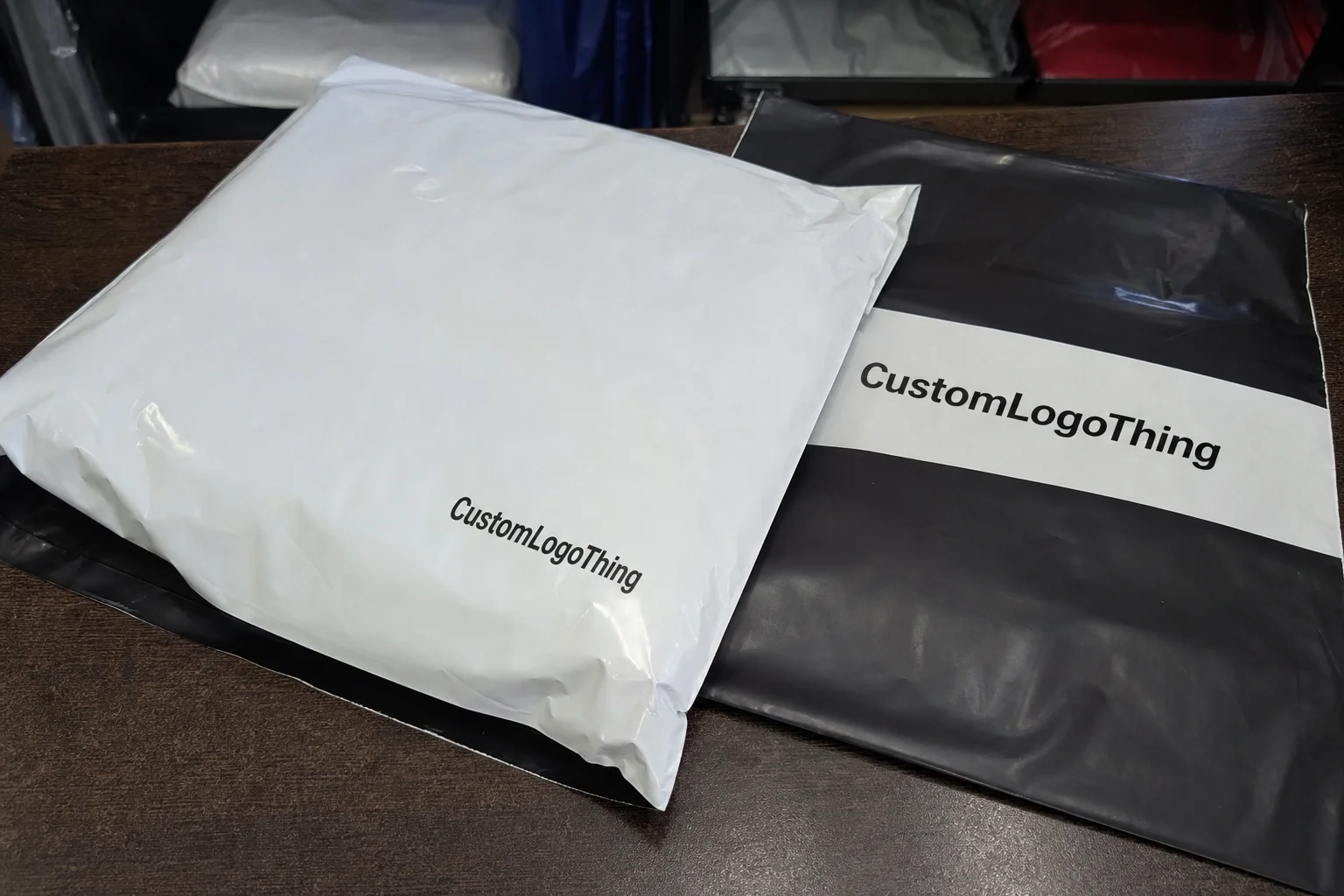
Most brands choose personalized shipping bags for one of three reasons: presentation, protection, or throughput. If you get the spec right, they can support all three. If you get the spec wrong, the bag becomes a problem that shows up in order fulfillment, carrier handling, or customer perception.
The brand value is obvious. A printed bag turns a plain shipment into something that looks deliberate. That matters because the outer pack is often the first physical touchpoint. The customer sees the mailer before they see the product. If the exterior looks generic, dented, or oversized, the package starts from behind.
The operational value is less visible, but usually more important. Personalized shipping bags can sort parcels by campaign, store, subscription tier, or sales channel. They can also reduce mix-ups in packing areas where many SKUs move through the same line. On high-volume programs, a distinct print can save time because the team can spot the shipment type at a glance.
There is also a cost angle that gets missed often. A bag that is too large leaves air around the product. That air costs money. In ecommerce shipping, dimensional weight rules can punish oversized packaging even if the product itself is light. A tighter bag can reduce waste and cut carrier charges without changing the product at all.
Not every product belongs in a bag. Heavier items, sharp corners, or fragile goods may still need a carton, a reinforced mailer, or an insert system. For that reason, [Custom Shipping Boxes](/product-detail.php?category=shipping-boxes) can be the better answer for products that need crush protection or a cleaner stack in transit. Bags are a strong Fit for Apparel, soft goods, kits, lightweight accessories, and some promotional shipments. They are not a universal solution. Good packaging work starts with that honesty.
Brands that want a middle ground often use [Custom Poly Mailers](/product-detail.php?category=poly-mailers). They are light, printable, and fast to pack. That makes them useful for fulfillment teams that care about speed as much as appearance. The best use case is simple: a product that does not need a rigid box, but still needs a presentable outer layer and a reliable seal.
In practice, personalized shipping bags should make the shipment feel finished without slowing the line. That is the real benchmark. If the bag looks good but causes friction in pack-out, the design failed. If it runs well but looks like an afterthought, the branding failed. Buyers need both.
How the printing and converting process works
The manufacturing process starts with film selection. Most personalized shipping bags are built from polyethylene film, but the structure can vary by product weight, puncture risk, and seal type. Single-layer and co-extruded films behave differently in production and in transit. A thin film may save money, but it can stretch more, scuff more easily, and lose confidence when the contents have hard edges.
Once the film is selected, the print method is chosen. Flexographic printing is common for larger runs because it handles solid colors efficiently and keeps unit cost down. Digital printing is better for shorter runs, artwork changes, and small campaigns that do not justify plate costs. One is not better than the other by default. The right method depends on volume, color count, and the finish the brand is trying to achieve.
After printing, the film goes through converting. That is where the flat printed web becomes a finished bag with its final dimensions, seals, adhesive, gussets, tear features, and closure system. This stage is where many weak specs get exposed. If the seal area is too narrow, if the adhesive lands too close to the edge, or if the opening is not sized for the packed item, the bag may look correct on screen and fail in use.
Artwork prep matters more than most teams expect. A logo can be perfectly designed and still print badly if the file does not account for the real bag shape. Safe zones, bleed, registration, and ink density all matter. Barcodes should not sit near a fold or seam. Compliance text should remain readable after the bag is filled and handled. If the artwork was built like a poster instead of a production file, the press will expose it quickly.
The cleanest proofing process checks the practical details before anyone approves production:
- Finished bag dimensions
- Print placement and color count
- Seal style and adhesive type
- Barcode or compliance text location
- Any special finish, such as matte film or frosted film
That list is not decorative. It is the difference between a bag that looks good in a mockup and one that actually works on a line.
Size, film, and closure choices that change performance
Bag size should be based on the packed product, not the product alone. That distinction sounds small. It is not. A folded garment, a box with inserts, or a kit with tissue and cards takes up more space than the raw item. If the bag is sized only from the product dimensions, the fit will usually be too tight or too loose.
A bag that is too tight stresses the seal and can wrinkle the print where the material is under tension. A bag that is too large shifts around in transit and may raise dimensional weight. The goal is a fit that leaves enough room for insertion, but not so much that the shipment swims inside the pack.
Film gauge changes how the bag behaves in real life. Thinner film lowers cost and reduces material use, but it is easier to puncture and can feel flimsy. Heavier film adds strength and often improves the unboxing feel, especially when the outer bag is part of the brand presentation. That extra thickness can be worth it for products with sharp corners, heavier contents, or rough shipping lanes.
A simple rule of thumb helps buyers narrow the spec:
- 2.0-2.5 mil suits lightweight apparel and soft goods with low edge pressure.
- 3.0 mil is a practical middle ground for general transit packaging.
- 3.5-4.0 mil is better for heavier items, sharper corners, or harsher handling.
Closure type matters just as much as thickness. Adhesive strips are fast and common because they work well in high-volume order fulfillment. Resealable closures make sense if the package may be opened again for inspection, return handling, or reuse. Heat sealing can be effective in controlled production environments, but it depends on equipment, temperature, and operator consistency. If the process is not stable, the closure becomes the weak point.
Finish changes perception in a way buyers often underestimate. Clear film shows the contents and can work for organized kits or retail-friendly shipments. Matte film softens the look and usually reads as more premium. Full coverage print hides batch variation and gives the parcel more visual presence, but it also demands cleaner artwork and better print control. None of those finishes is right in every case. They solve different problems.
If sustainability is part of the brief, the material claim has to match the real structure. Recyclability is not a branding slogan. It depends on what the bag is made from, how it is built, and what local collection systems can actually process. Mixed-material packs often complicate the story. If a program includes paper and film together, the spec needs to be clear about what is recyclable, what is not, and where the customer is expected to dispose of it.
One more practical point: test the bag with the actual packed item. Not a photo. Not a guess. The real item, with inserts, tissue, tags, and any protective wrap included. If the bag is part of a larger shipping system, test the full lane. That includes the label area, the carton or secondary pack, and the way the parcel moves through the workflow. Anything less is speculation.
Process, timeline, and approval steps before production
The smoothest projects usually arrive with a clear spec. Size, quantity, closure style, print count, and lead time should be known before the first proof goes out. If those basics are fuzzy, the project slows down immediately. The first round of questions is not wasted time. It is the cost of not defining the order clearly.
A typical flow looks like this: spec review, artwork setup, proof approval, scheduling, production, and shipment. For a straightforward run, lead time is often around 12-15 business days after proof approval if materials are available. That is a useful planning range, not a promise. Custom structures, unusual sizes, special finishes, and busy production calendars can extend it.
Problems usually come from the same places:
- Artwork files that are not ready for print
- Missing or incomplete dimensions
- Color expectations that were never defined
- Late changes after the proof is issued
- Special features added too late to be priced cleanly
A preproduction sample is worth the time if the bag will be used across multiple teams or packed in more than one facility. Samples reveal the fit, the seal feel, the print placement, and whether the opening is easy enough for operators to use without slowing down. A file on a screen can hide a lot. A sample does not.
If the shipment needs formal validation, the ISTA test methods are a useful reference point. They do not replace a real production trial, but they give a useful framework for vibration, drop, and handling concerns. That is especially helpful when the outer pack has to survive a rough carrier lane or a long distribution route. You can review those standards at [ISTA](https://www.ista.org/).
Cost, pricing, and MOQ factors that move your quote
Pricing for personalized shipping bags comes down to a few variables that interact more than buyers expect. Quantity is the biggest one, but film grade, bag size, print count, finish, and closure style all matter. A simple-looking bag can cost more than expected if the run is short or the artwork needs several colors and careful registration.
MOQ is usually tied to setup efficiency. Press preparation, plate costs, material waste, and machine time all get spread across the run. Bigger orders lower the unit cost. Smaller orders are still useful for launches, seasonal drops, and regional tests, but the price per bag climbs quickly. That is normal. It is also why buyers should not compare a short-run digital quote with a large-run flexo quote as if they were the same product.
The numbers below are illustrative ranges, not fixed market pricing. They are meant to help buyers understand what drives the quote before they request formal pricing.
| Option | Typical Use | Indicative Unit Price | What Moves the Price |
|---|---|---|---|
| Standard printed poly mailer, 2-color flexo, 5,000 pcs | Apparel, soft goods, basic ecommerce shipping | $0.18-$0.28 | Bag size, ink coverage, adhesive strip |
| Heavier-gauge bag, 3-color print, 5,000 pcs | Heavier items, better package protection | $0.26-$0.44 | Film thickness, print registration, puncture resistance |
| Short-run digital bag, 500-1,000 pcs | Launches, seasonal drops, test programs | $0.55-$1.20 | Low volume, setup method, artwork changes |
| Special closure or custom feature | Resealable, tamper-evident, return-friendly packs | Quote-based | Construction, tooling, line compatibility |
Rush orders can add cost even when the spec itself is simple. If a production slot is already full, squeezing in a smaller job can carry a premium. Custom colors, metallic inks, unusual dimensions, and special closures can also move the price higher. The cleanest way to avoid surprises is to ask for pricing on the exact spec you plan to use, not a close substitute.
One mistake I see all the time is comparing quotes that are not actually comparable. A 2.5 mil bag with one-color print is not the same product as a 3.5 mil bag with full coverage artwork and a resealable closure. The lower number is not automatically the better value. If the specs differ, the comparison is fake. Ask for a side-by-side sheet before deciding.
Common ordering mistakes that create delays or waste
The first mistake is approving artwork before the bag layout is final. If the die line changes or the seal area shifts, the logo can land too close to a fold or edge. That is easy to miss in a PDF and expensive to fix after plates or print files are locked.
The second mistake is guessing at size from the raw product. Buyers often measure the item before packing and forget the tissue, insert card, tag, or protective wrap that gets added later. The result is a bag that looks correct on paper and behaves badly in production.
The third mistake is trying to force too many goals into one order without checking feasibility. Premium print, low MOQ, fast turnaround, and a custom closure can all sound reasonable. They are not always compatible. A good supplier should tell you where the spec is realistic and where it is pushing the process too hard. That is not a sales objection. It is basic production discipline.
Skipping sample review is another common error. A bag can look fine in proof and still fail in use because the opening is stiff, the seal is awkward, or the product shifts too much during packing. Warehouse speed matters. A design that takes extra seconds per unit turns into real labor cost very quickly.
A few practical habits reduce waste fast:
- Confirm the packed dimensions before requesting a quote
- Request a proof that shows the actual print area
- Test the closure with the intended product
- Align the pack spec with the carrier lane
- Keep legal marks and barcodes away from seals and folds
If the packaging program includes multiple formats, compare the bag against the rest of the line, not in isolation. Sometimes the best answer is a mixed system: bags for soft goods, cartons for heavier items, and branded inserts where they add value. [Custom Packaging Products](/products.php) can support that kind of system better than a single-item purchase because the outer pack is only one part of the customer experience.
Next steps for a clean, accurate custom order
Start with the product in its finished packed state. Measure the dimensions after all inserts, wraps, and labels are included. Note the weight. Decide whether the shipment needs visual impact, stronger protection, or both. If the item has sharp corners, unusual edges, or a return workflow, say that early. Those details change the film and closure choices more than most first-time buyers realize.
Next, prepare the artwork in the format the supplier expects. Label files clearly. If color matching matters, define the reference standard instead of saying the color should just look close. If the job has a barcode, compliance line, or safety mark, call out the location and keep it out of folds, seals, and cut lines.
Then compare quotes using the same spec sheet. The size, gauge, print count, closure, finish, quantity, and lead time should match from one vendor to the next. If they do not, the pricing is not comparable. That is usually where bad purchasing decisions begin.
The cleanest order path is straightforward:
- Measure the packed product, not just the item.
- Define the quantity and target budget.
- Choose the closure and film gauge.
- Send artwork with clear print instructions.
- Approve the proof only after checking fit, placement, and readability.
Personalized shipping bags work best as a specification exercise first and a design project second. That keeps the conversation grounded in fit, Cost, and Production reality. If the bag runs well in the warehouse and survives the carrier lane, the branding part takes care of itself.
How are personalized shipping bags different from plain poly mailers?
They add branded print, which changes the first impression and can make the shipment feel more deliberate at the door or in the mailroom. They can also be specified for stronger film, better sealing, or a more precise fit, so the difference is not only visual.
What do I need before requesting a quote for personalized shipping bags?
Have the packed product dimensions, target quantity, and preferred closure style ready. It also helps to share artwork files, color expectations, and any must-have requirements such as barcode placement or tamper resistance.
What affects the turnaround time for custom shipping bags?
Artwork readiness, proof approval speed, and the complexity of the print or bag construction have the biggest impact. Material availability and order size can also extend the schedule, especially if the spec is highly customized.
Can personalized shipping bags include tear strips or resealable closures?
Yes, if the bag construction supports it and the closure is planned into the spec from the beginning. These features are useful when returns, inspections, or repeated opening are part of the workflow.
How do I choose the right size and film gauge for shipping bags?
Measure the product after packing, not before, so the bag fits the real shipment profile. Choose film thickness based on weight, edge sharpness, handling conditions, and the level of package protection the shipment needs, because personalized shipping bags perform best when they are matched to the actual transit packaging job.


