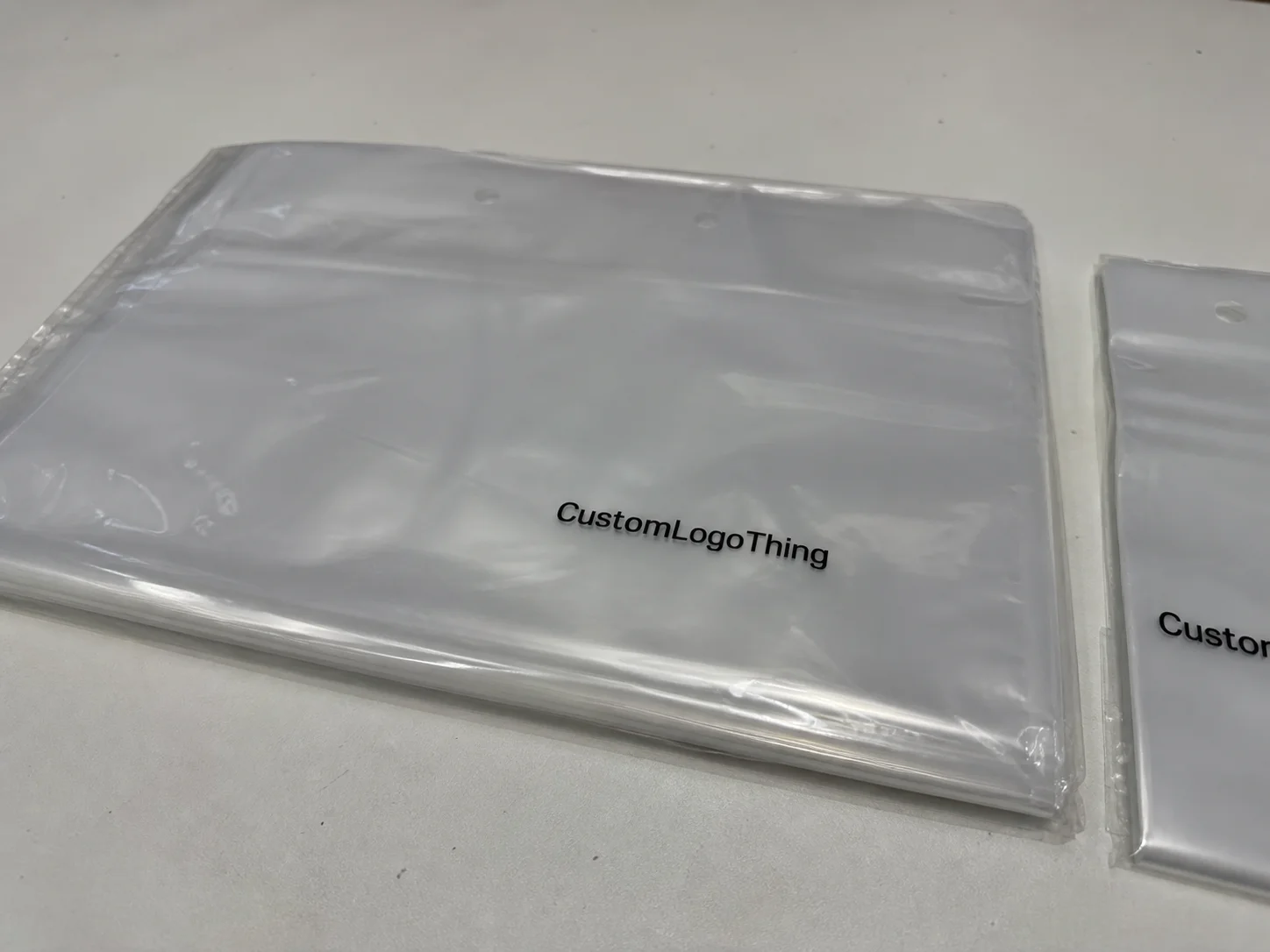
Buyer Fit Snapshot
| Best fit | Personalized Water Bottle Label Printing projects where brand print, material claims, artwork control, MOQ, and repeat-order consistency need to be specified before quoting. |
|---|---|
| Quote inputs | Share finished size, material target, print colors, finish, packing count, annual reorder estimate, ship-to region, and any compliance wording. |
| Proofing check | Approve dieline scale, logo placement, barcode or warning zones, color tolerance, closure strength, and carton packing before bulk production. |
| Main risk | Vague material claims, crowded artwork, missing packing details, or unclear freight terms can make a low unit price expensive after revisions. |
Fast answer: Personalized Water Bottle Label Printing: Print Tolerance, Proofing, and Reorder Cost should be specified like a repeatable production item. The safest quote records material, print method, finish, artwork proof, packing count, and reorder notes in one written spec.
Production checks before approval
Compare the actual filled-product size with the drawing, then confirm tolerance on folds, seals, hang holes, label areas, and retail display edges. Reserve space for logos, QR codes, warning copy, and material claims before decorative graphics fill the panel.
Quote comparison points
Review material grade, print process, finish, sampling route, tooling charges, carton quantity, and freight assumptions side by side. A quote is only useful when the supplier can repeat the same color, closure quality, and packing count on the next order.
What Is Personalized Water Bottle Label Printing? (And Why Small Details Matter)
I still remember a Saturday charity run in Austin where we supplied 18,000 bottles across two filling lines, and that day drilled home a tough lesson about Personalized Water Bottle Label printing. At 8:00 AM, both batches looked the same: identical logo, same sponsor stack, same donation QR code. By 10:30 AM, one batch still looked crisp while the other showed edge lift on roughly 22% of bottles. The culprit was simple and expensive—someone substituted a general-purpose adhesive for a cold-condensation acrylic built for 35-40°F cooler conditions. I wish I could say I handled it calmly; I did not.
I stood next to a melting ice bin with a clipboard and the exact expression of a person silently calculating reprint costs.
Most teams underestimate how quickly failure can start. Condensation and constant grab-and-go handling can wreck a weak label construction in under 15 minutes, especially with uncoated paper facestock and low wet-grab adhesive. I’ve watched labels drift 2-3 mm around curved PET bottles after one hour in melted ice water. That tiny shift is enough to break barcode scans and make sponsor logos look visibly crooked. Honestly, this is one of those “small detail, big consequence” situations that operations folks understand immediately and marketers usually learn the hard way.
At its core, personalized water bottle label printing is producing custom labels with your graphics, brand assets, event details, names, variable text, QR codes, and compliance copy, then printing onto pressure-sensitive stock or shrink material. The final format might be a straightforward 2.5" x 8" wrap for 500 ml bottles, or a multi-version run with guest names, table assignments, and campaign tracking codes tied to each label.
The use cases run wider than most people expect. I’ve worked on wedding welcome drinks (250 units), conference hydration stations (12,000 units), boutique hotel minibar programs (4,000-unit monthly repeats), regional gym flavored-water lines, school fundraisers, and seasonal retail promotions where art rotates every 6-8 weeks. Every one of those jobs used personalized water bottle label printing. Every one needed different choices in material, adhesive, and application method. And yes, every client initially believed their project was “pretty simple.” (Famous last words.)
A distinction that saves both budget and time: personalization versus customization. Personalization usually means variable data on a fixed template—first names, serial codes, session IDs—across 1,000 labels on digital equipment. Customization usually means fully original art, new die dimensions, specialty finishing, and sometimes multiple bottle formats in one order. Tell your vendor which path you need before prepress starts, and you can trim prep time from three days to one.
As you plan personalized water bottle label printing, six factors decide whether labels merely look good in proofs or perform in the field: material, adhesive, print method, dieline accuracy, proof discipline, and application practice. Miss one, and the weak link shows up fast. Nail all six, and labels stay sharp through transport, refrigeration, and heavy event handling.
How Personalized Water Bottle Label Printing Works from Artwork to Applied Label
A dependable personalized water bottle label printing workflow starts long before ink hits stock. I map most projects in eight stages: concept brief, dieline setup, artwork prep, prepress review, print production, finishing, converting/QC, and application planning. Each stage needs one owner and one deadline. Ambiguous ownership is where schedules slip. I learned that after a launch where five people “owned” color approval and no one wanted to be the final yes.
1) Concept brief and dieline setup
Start with bottle geometry, not mood boards. You need height, true circumference, taper angle, and usable panel area. On a common 16.9 oz PET bottle, usable space may land around 7.75" wide by 1.95" high, but that varies by supplier and lot. I always request a physical bottle sample from the actual production batch. A 0.08" circumference difference can create seam overlap trouble and visibly stretch logos.
I once measured three “identical” bottles from the same pallet and got three slightly different readings. That was a long afternoon.
2) Artwork prep and prepress fundamentals
In personalized water bottle label printing, prepress drives quality more than most buyers assume. Specs I push on nearly every job:
- Bleed: 0.0625" minimum on all sides
- Safe area: 0.0625" to 0.125" inside trim
- Color mode: CMYK unless an approved spot color is required
- Images: 300 dpi at final size
- Minimum text: 6 pt for clean sans-serif, 7 pt for reverse text
- Barcode quiet zone: preserve left/right clear margins by symbology spec
Black builds deserve extra care. On film labels, C60 M40 Y40 K100 can look richer than 100K alone. That said, tiny type can fray if registration shifts even 0.1 mm. I stick with 100K for fine copy and reserve rich black for large solid areas where trapping is controlled. My opinion: rich black looks fantastic until it doesn’t—then it looks like a printing ghost touched your text.
3) Choosing digital printing, flexographic printing, or offset printing
Digital printing fits short runs (roughly 250 to 5,000 labels), version-heavy jobs, and variable names or QRs. Flexographic printing usually wins for repeat volumes above 10,000 where plate cost spreads across more units. Offset printing appears less often for pressure-sensitive bottle labels, though it can show up in companion packaging like inserts or cartons.
I’ve priced identical art through Phoenix and Shenzhen partner plants where digital came in at $0.21/unit for 3,000 pieces, then dropped to $0.09/unit on flexo at 50,000 after plates were amortized. That delta is why print method should be a math decision, not a default preference. If someone tells me they picked a method because it “felt premium,” I usually ask for a chair and a whiteboard.
4) Print finishing and converting controls
Print finishing affects performance, not just appearance. Gloss lamination gives stronger color pop and better splash resistance. Matte lamination improves readability under mixed venue lighting. Soft-touch film feels premium but marks easily if cartons are packed poorly. Foil and embossing can be striking, though setup time rises and costs often add $0.02-$0.07 per label depending on coverage.
Then comes converting: die-cut tolerance, matrix stripping, roll direction, core size, and unwind direction. Semi-auto applicators run poorly with the wrong unwind; I’ve seen throughput drop from 38 bottles/minute to 20 because operators had to keep reorienting rolls. Inline camera checks pay for themselves here. On one beverage promotion, the camera system caught cyan density drift on roll 14 of 60 before it snowballed into a reprint.
5) Application and dwell time
After personalized water bottle label printing, application discipline still matters. Hand placement can look excellent at 300 units, then lose consistency as counts climb. Semi-automatic wrap equipment improves alignment and reduces skew. For pressure-sensitive constructions, I recommend at least a 24-hour room-temperature dwell before chilling so bond strength can build properly. I know teams hate waiting that extra day. I hate reprints more.
If you’re evaluating vendors for the full path, review their Manufacturing Capabilities and ask direct questions about prepress sign-off, unwind standards, and inline inspection controls.
Materials, Adhesives, and Print Finishes That Make or Break Results
If I had to give one rule for personalized water bottle label printing, it would be this: choose materials for real storage and handling conditions, not for how they look on a desktop proof. Paper can impress in a conference room and fail poolside before the first case is empty. I’ve watched a beautiful textured paper label wrinkle like a raisin in under half an hour. Gorgeous at 9:00, tragic by 9:40.
Facestock comparison
- Paper (often 60-80 lb equivalents): lowest cost, good for dry indoor environments, weak against condensation.
- BOPP film (typically 2.0 mil white or clear): water-resistant, reliable for refrigerated bottles, strong value-to-performance ratio.
- PET film (around 1.0-2.0 mil): higher durability, stronger chemical and abrasion resistance, premium visual finish.
- Textured specialty stocks: upscale look for hospitality and gifting, but moisture testing is mandatory.
For most chilled programs in personalized water bottle label printing, my default recommendation is white BOPP with permanent acrylic adhesive plus either gloss overlamination or matte lamination based on brand direction. If your order is part of custom bottle labels for recurring campaigns, lock this construction early and treat it as a controlled spec, not a flexible suggestion.
Adhesive chemistry and bottle substrate fit
PET, HDPE, glass, aluminum, and reusable stainless surfaces behave differently under moisture and temperature swings. Acrylic permanent adhesives generally outperform basic hot-melt options in humid, refrigerated use. Wash-off adhesive can support returnable or recycling-focused loops, but only if the broader process is tuned for it. Plenty of “eco” constructions sound good and fail at 34°F with wet handling.
A Florida resort group once insisted on removable adhesive to simplify bottle reuse. Smart goal. Poor field behavior. Labels shifted during beach-cart service because meltwater repeatedly rewet edge zones. We switched to a wet-strength permanent acrylic and adjusted removal downstream. Complaint rates fell from 11% to below 1.5% in two weeks. I’m absolutely for sustainability programs, but I’m not sentimental about adhesive decisions—performance data wins.
Finish and sustainability choices
Matte improves readability when light text sits on saturated backgrounds. Gloss increases saturation for bright palettes. Laminated film adds scuff resistance during shipping, especially in 24- or 48-pack corrugated cartons. For sustainability targets, ask about FSC-certified paper options (FSC) and liner-reduction programs. Label dimensions matter too: trimming only 0.125" in height across 100,000 labels can cut material waste and cost in a measurable way.
If you want side-by-side construction comparisons, review options in Custom Labels & Tags and match them to your actual environment before approving final art.
Cost and Pricing Breakdown for Personalized Water Bottle Label Printing
I prefer putting numbers on the table early. Personalized water bottle label printing budgets go off track when teams compare only headline unit price. Real cost includes setup, proofs, finishing, freight, and in many cases labor for application. I’ve seen a “cheap” quote become the most expensive option by the time rush shipping and hand rework were added.
Primary cost drivers are quantity tier, label size, substrate, ink coverage, variable-data complexity, and turnaround pressure. Rush production often adds 15-35%, depending on press availability and shipping lane constraints. For event water bottle labels, labor and timeline pressure are usually the two cost multipliers people underestimate first.
| Scenario | Spec Example | Method | Estimated Unit Cost | Setup/Fixed Cost | Lead Time |
|---|---|---|---|---|---|
| Short-run event labels | 3" x 8", white BOPP, matte lam, 1 version, 1,000 pcs | Digital printing | $0.18-$0.28 | $85-$180 | 5-8 business days |
| Variable-name wedding run | 2.5" x 7.5", white BOPP, gloss, 350 unique names, 800 pcs | Digital printing | $0.24-$0.36 | $95-$220 | 6-10 business days |
| Regional promo repeat order | 2.75" x 8", white BOPP, gloss lam, 50,000 pcs | Flexographic printing | $0.05-$0.11 | $450-$1,200 (plates + setup) | 12-15 business days |
| Premium boutique beverage | Clear PET, spot varnish + foil, 10,000 pcs | Digital/flexo hybrid | $0.17-$0.34 | $300-$900 | 10-16 business days |
Fixed costs usually include artwork cleanup, dieline prep, color proofing, and plate creation where needed. Variable costs include substrate, ink or toner, converting, and packing. Hidden costs in personalized water bottle label printing show up in familiar places: rush air freight, reprints caused by bad circumference data, and hand application labor in the $18-$35/hour range depending on market.
I suggest building a target cost model before requesting quotes. Set acceptable unit economics, define overrun/underrun tolerance (for example ±5%), and hold a 10% contingency for revisions or sample rounds. Then compare estimates line by line: material, adhesive, finish, roll format, core size, unwind direction, QA method, and reorder price-lock period. My blunt take: if a quote is missing half those fields, it’s not a real quote—it’s kinda a placeholder with optimism.
Step-by-Step: Planning Timeline and Production Process Without Delays
Most personalized water bottle label printing delays are avoidable. Press runtime usually isn’t the choke point. Unclear specs and late approvals cause most timeline damage. Here’s a schedule framework I use for launches between 5,000 and 40,000 labels.
Timeline map with real durations
- Discovery and specifications (Day 1-2): bottle measurements, operating environment, quantity split, label format.
- Artwork prep (Day 2-3): file cleanup, dieline lock, CMYK/Pantone conversion.
- Proof review (Day 4): PDF proof plus hard proof for color-critical brands.
- Pilot sample (Day 5-6): mini run on actual bottles under real storage conditions.
- Production slotting (Day 7): press booking and material allocation.
- Printing + converting (Day 8-11): print, laminate/varnish, die-cut, inspect.
- QA + packing (Day 12): roll checks, carton identification, COA if required.
- Shipping + receiving (Day 13-15): freight transit and intake inspection.
Approval ownership prevents confusion
Assign a single decision-maker for each gate: dimensions, legal copy, color approval, and final production release. Multi-person sign-off chains routinely add three to four days because feedback conflicts. One owner per gate keeps movement clean. I know collaborative review sounds safer; in practice, it often creates a polite bottleneck.
Known risk points and how to protect schedule
- Low-resolution logos (below 300 dpi at final size)
- No verified circumference or taper measurements
- Late quantity changes after roll planning is complete
- Undefined seam position on full-wrap graphics
In one national fitness-chain project, we caught a 0.2" mismatch between planned and delivered bottle diameter 48 hours before press start. The pilot checkpoint let us revise dielines in time and avoid scrapping 30,000 labels. That single check probably saved someone’s quarterly blood pressure.
Batching strategy for multiple SKUs
Campaigns with city/date variants work better with one locked master layout and variable fields swapped per version. That approach reduces prepress complexity and lowers copy-error risk. In high-version personalized water bottle label printing, data hygiene matters as much as print quality. I’ve become borderline obsessive about CSV cleanup because one stray comma can turn “Table 12” into “Table 1,2” and suddenly you’re apologizing at a wedding.
Receiving checklist on arrival
When cartons arrive, verify core size (often 3"), unwind direction, roll count, label count per roll, and carton identifiers. Pull 20 labels across multiple rolls for quick visual checks and spot adhesion testing before full-line startup.
“We used to inspect only the first roll and hope for the best. After adopting a 20-label multi-roll receiving check, our line stoppages dropped by more than half.” — Beverage co-packer operations manager, Midwest
That routine keeps personalized water bottle label printing projects out of firefighting mode and on schedule.
Common Mistakes in Personalized Water Bottle Label Printing and How to Avoid Them
I keep seeing the same six errors across companies of every size. Each one hurts results. Each one has a clear fix. I’ve made at least two of these myself early in my career, so this is not finger-pointing—this is scar tissue.
1) Using paper stock for ice-bucket service
Paper is attractive on cost, but moisture-heavy service exposes limits quickly. For chilled environments in personalized water bottle label printing, use BOPP or PET paired with moisture-tuned permanent acrylic adhesive.
2) Measuring height only and skipping circumference and taper
A label can hit the right height and still wrinkle or overlap badly. Measure full circumference and validate overlap on at least 10 bottles from the actual lot.
3) Ignoring seam placement on full-wrap designs
Never place logos, faces, or critical text in seam zones. Build hierarchy so the seam lands on texture or low-priority background areas.
4) Approving color on uncalibrated displays
Monitors mislead. Brand-sensitive work needs hard proof or press-matched targets. Industry resources such as PMMI/Packaging World resources and printer QA frameworks can tighten color control.
5) Overdesigning tiny labels
On a 2" label, 5 pt script rarely survives real viewing conditions. Keep hierarchy strict: headline, support line, CTA or QR. Check contrast at true print size. If I have to squint in a bright room, the customer definitely won’t read it while walking.
6) Skipping real-world application tests
This mistake causes the most expensive surprises. Run a mini pilot using actual bottles, actual refrigeration timing, and actual handling. A 24-hour simulation catches most failures before full production.
These corrections sound basic. They are also the difference between average and reliable personalized water bottle label printing.
Expert Tips and Actionable Next Steps for Better Personalized Water Bottle Label Printing
After two decades in print rooms and production floors, here’s the blunt version: personalized water bottle label printing works best when design, materials, and operations are decided together at the start. Attractive artwork alone won’t survive a wet cooler and a rushed event crew. I know that sounds harsh, but reality is harsh on labels.
Build a reusable spec sheet
Maintain a one-page standard that captures bottle dimensions, substrate, storage temperature range, target application speed, preferred construction (example: 2.0 mil white BOPP + permanent acrylic + matte lam), plus core and unwind requirements. Reuse it on every reorder.
Use a simple, strict test protocol
- 24-hour adhesion dwell check at room temperature
- Condensation test at 35-40°F for 4 hours
- Abrasion rub test (20 double rubs with dry cloth)
- Cold-chain hold overnight before release
Programs with broad distribution should also align packaging checks with ISTA transit-testing principles so labels arrive clean, not scuffed.
Design for scale with variable fields
Create one master template and lock static assets. Then map variable fields for names, table numbers, batch IDs, or session tracks. This keeps personalized water bottle label printing flexible without rebuilding files each cycle.
Use a vendor brief that reduces back-and-forth
Send a complete package: print-ready files, Pantone references, dieline, quantity by SKU, core size, unwind direction, carton pack count, and delivery windows. Include one named approver with direct phone and email for same-day proof decisions. If your inbox has 14 people CC’d and no clear approver, pause and fix that first.
Practical 7-day action plan
- Day 1: Measure bottle and define storage/handling conditions.
- Day 2: Lock substrate and adhesive specification.
- Day 3: Finalize artwork and variable-data file.
- Day 4: Review and approve proofs.
- Day 5: Run a sample test on actual bottles.
- Day 6: Approve production and freight plan.
- Day 7: Confirm receiving QA and application workflow.
I’ve seen this cadence reduce error rates by more than 30% for mid-size event programs. To keep that improvement real, track three metrics after each run: adhesion failure rate, application speed (bottles/hour), and reprint percentage. If one metric starts drifting, you’ll know exactly where to investigate instead of guessing.
One honest disclaimer from experience: no label construction is fail-proof across every bottle, every refrigerator setting, and every handling style. Test on your exact bottle, your actual temperature cycle, and your real application process. Do that, and you’re gonna prevent most expensive surprises before they happen.
Final takeaway: treat personalized water bottle label printing like a system, not a standalone design task. Lock bottle measurements, lock material + adhesive specs, run a short pilot, then scale. That sequence is the practical path to labels that look right and stay put.
FAQs
What material is best for personalized water bottle labels that get wet?
For wet conditions, use BOPP or PET film with permanent acrylic adhesive. Add lamination or varnish for scuff resistance, then test on your exact bottle and temperature cycle before full production. If you’re torn between options, start with BOPP for cost-to-performance and move to PET for higher-abuse environments.
How much does personalized water bottle label printing usually cost per label?
Price depends on quantity, size, material, print method, and finishing. Short runs usually favor digital economics, while high-volume repeat programs often benefit from flexographic pricing. Request itemized quotes that include setup, proofing, finishing, and freight—otherwise you’re comparing apples to mystery boxes.
How long does personalized water bottle label printing take from design to delivery?
Most projects land in the 5-15 business day range, depending on revision cycles, queue position, finishing complexity, and shipping distance. Delays usually come from artwork and specification gaps, not press runtime. Add a small buffer if your event date is non-negotiable.
Can I print different names or versions in one personalized water bottle label printing order?
Yes. Variable-data workflows support multiple names, codes, and versions in one run. Validate source data before prepress and confirm packing logic so application teams can move quickly on site. This is where variable data printing makes personalized campaigns practical at scale. I’ve seen clean data make a 2-hour setup feel effortless—and messy data derail a full morning.
What file setup is required for personalized water bottle label printing?
Provide print-ready PDF or AI files in CMYK, with fonts outlined or embedded, 300 dpi images, bleed, safe margins, and a separate dieline layer. Always require prepress review and signed proof approval before production release.